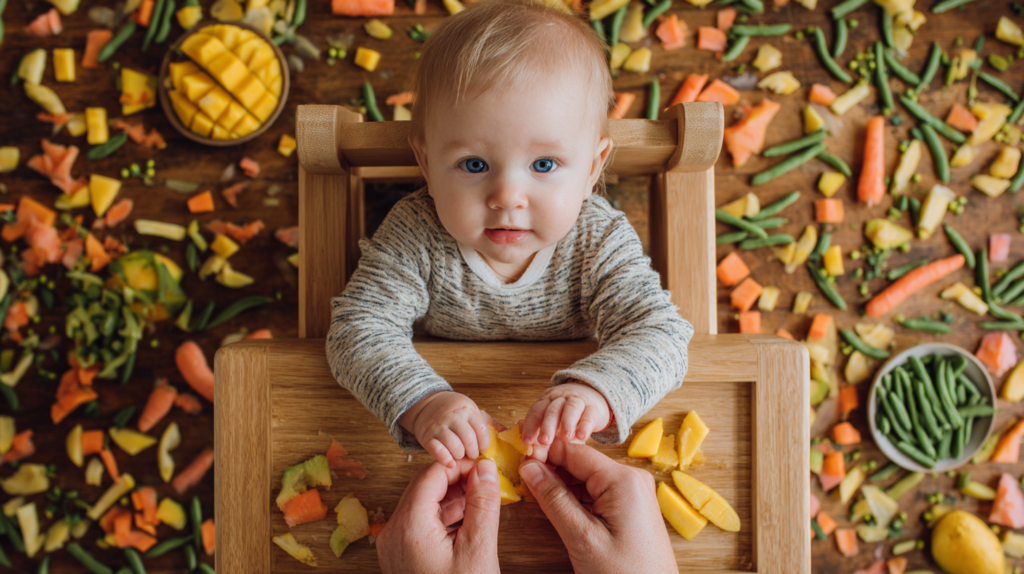
The Messy Truth About Baby-Led Weaning: Why Your Kitchen Floor Looks Like a Food Graveyard (And Why That’s Actually Okay)
Quick Reality Check: What’s Your BLW Waste Guilt Level?
Tap your honest answer below—no judgment, just truth.
Here’s something nobody warned me about when I started baby-led weaning with my daughter: I’d spend more time scraping sweet potato off my walls than actually watching her eat. By week three, I’d thrown away enough perfectly good food to feed a small village. And I’m supposed to be the eco-conscious parent who brings reusable bags to the market and composts banana peels.
The guilt hit me like a ton of bricks one Tuesday morning. There I was, dumping another plate of untouched mango slices, steamed broccoli, and quinoa into the trash—food I’d lovingly prepared at 5:30 AM—while my baby grinned at me with exactly three grains of rice stuck to her cheek. That’s when I realized: we need to talk about the environmental elephant in the high chair.
Because here’s the truth nobody’s posting on Instagram: baby-led weaning creates a shocking amount of food waste. And if you’re an eco-conscious parent who’s ever felt that twinge of shame while scraping another full plate into the compost bin, you’re not alone. But what if I told you there’s a way to honor both your baby’s developmental needs AND your environmental values? Stick with me—I’m about to share what I learned after months of research, tears, and approximately 47 pounds of wasted plantains.
The Numbers Nobody Wants to Talk About: Quantifying BLW’s Real Waste
Let me hit you with some uncomfortable facts. The average American household already tosses out more than 400 pounds of food every year—that’s basically throwing an entire adult human’s worth of groceries straight into the landfill. And when you add baby-led weaning to the mix? That number can easily spike by another 20-30% during those early learning months.
Think about it: your six-month-old is just learning that hands exist and food has texture. Maybe one out of every five bites actually makes it to their mouth. The rest? Floor decor. High chair abstract art. A science experiment stuck to the wall that you’ll discover three days later. During the first two months of BLW, parents report that babies consume only about 20-40% of the food offered. That means 60-80% becomes waste.
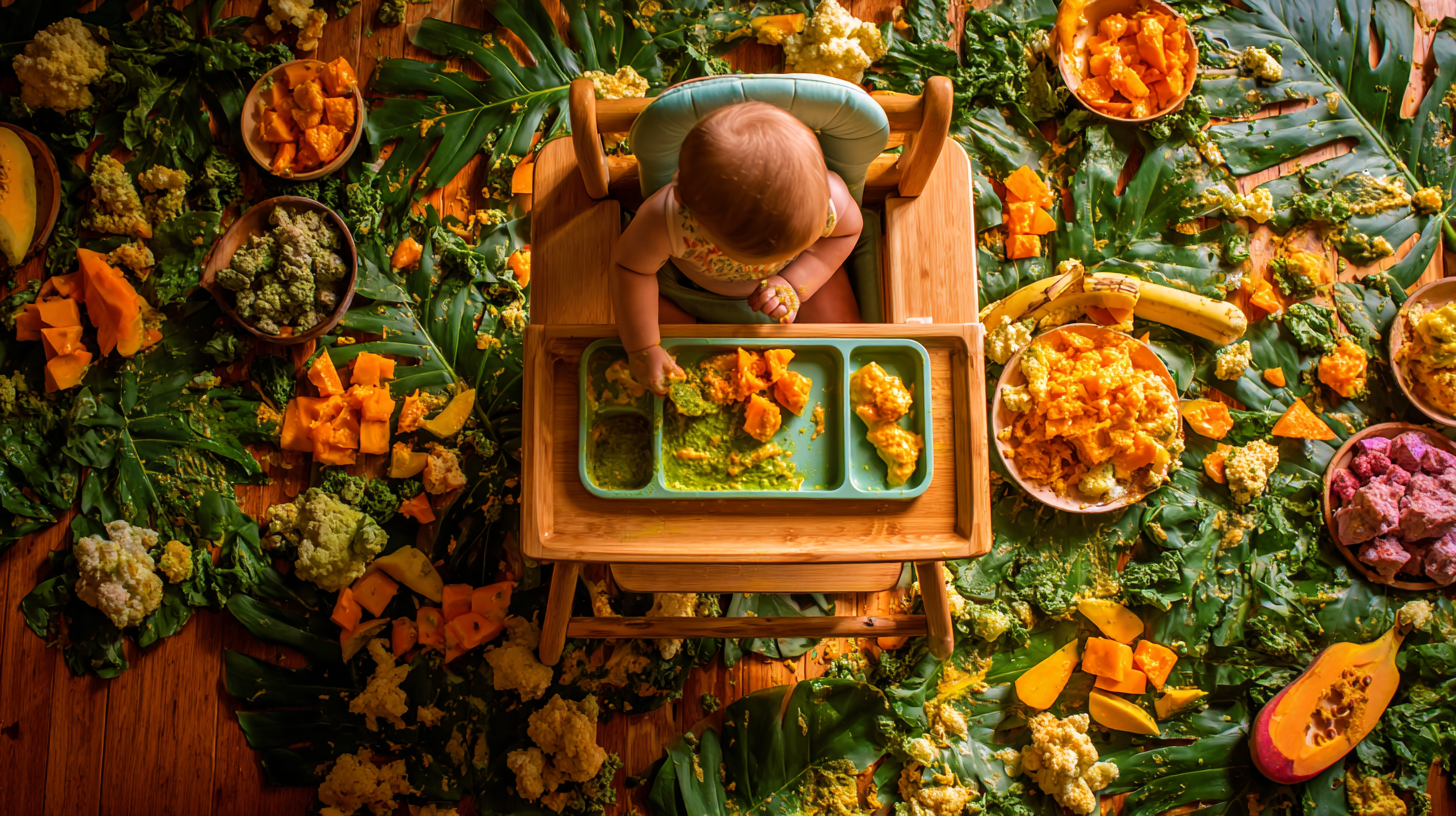
And the environmental cost? Food waste has a carbon footprint of $161 billion annually in the United States alone. The water wasted from discarded food equals approximately 5.9 trillion gallons—enough to meet the needs of 50 million homes. When you’re watching your baby fling Caribbean-inspired sweet potato and callaloo across the room (yes, I tried introducing those island flavors early—more on that later), you’re not just watching food fly. You’re watching water, energy, transportation, and farming resources disappear.
Calculate Your Baby’s Monthly Food Waste
Answer these quick questions to see your waste reality:
Now before you start hyperventilating into a paper bag (hopefully a reusable one), take a breath. Because acknowledging the problem is the first step to fixing it. And trust me, there’s hope ahead.
The Learning Investment Mindset: Reframing Waste as Development
Here’s where I need you to shift your perspective for a second. That sweet potato smeared on your baby’s forehead? That’s not waste—that’s sensory exploration. The blueberries squished between tiny fingers? That’s fine motor skill development. The rice scattered like confetti around the high chair? That’s your baby learning cause and effect, hand-eye coordination, and self-regulation.
Research shows that babies practicing baby-led weaning demonstrate greater autonomy in eating decisions and more frequent exposure to varied food textures, supporting both motor development and healthier eating habits long-term. They learn to recognize their own satiety levels instead of relying on a caregiver potentially missing their fullness cues during spoon-feeding. By age two, BLW children are less fussy, enjoy food more, and consume a higher variety of fruits and vegetables.
Think of it this way: you wouldn’t call the paint “wasted” when your toddler creates their first artwork, even if most of it ends up on the smock instead of the paper. The process is the point. The mess is the curriculum. My grandmother used to say, “A child who doesn’t make a mess isn’t learning properly.” She was talking about life in general, but it applies beautifully to BLW.
But here’s the thing—and this is where eco-conscious parents like us need to get creative—acknowledging that mess serves a purpose doesn’t mean we can’t be strategic about reducing it. We can honor the learning process while still being mindful of our environmental impact. It’s not either-or. It’s both-and.
Smart Strategies: Reducing Waste Without Compromising Learning
Alright, let’s get practical. After months of trial and error (and one particularly devastating incident involving an entire batch of homemade Caribbean plantain porridge that never made it past my baby’s lips), I’ve cracked the code on reducing BLW waste. Here are the strategies that actually work:
Start small, like ridiculously small. I’m talking three blueberries, not a whole cup. Two cucumber sticks, not half a cucumber. One tablespoon of rice, not a mountain. You can always offer more if your baby finishes, but you can’t un-waste what’s already on the floor. This single change cut my food waste by 40% in the first week.
The “reserve plate” strategy. Keep a portion of each food item aside in the kitchen. If your baby actually eats what you’ve offered, bring out more. If not, that reserved portion goes back in the fridge for the next meal or into your own lunch. I started doing this with recipes from my Caribbean Baby Food Recipe Book—meals like Yellow Yam & Carrot Sunshine and Coconut Rice & Red Peas are just as delicious reheated, if not better the next day.
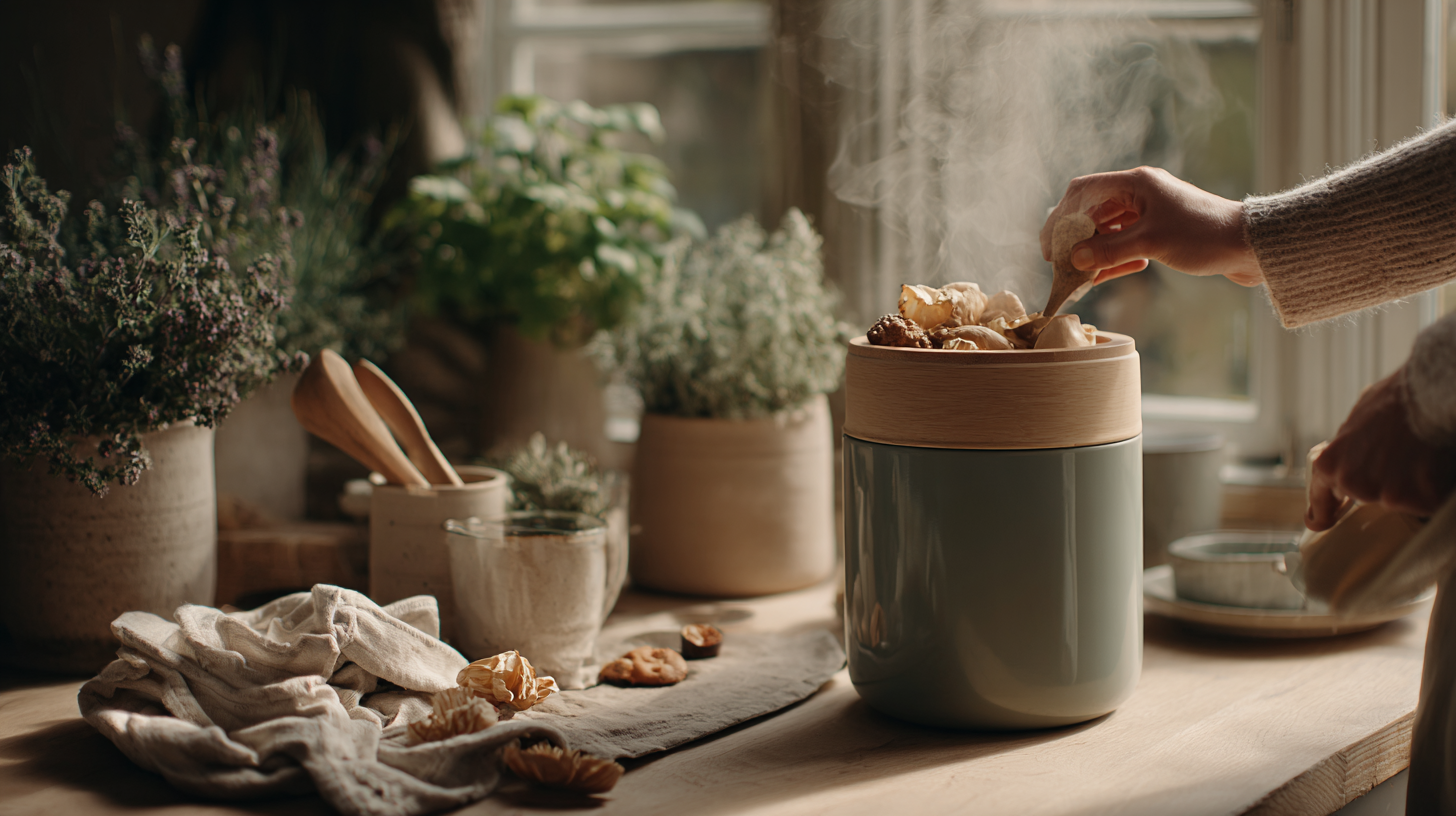
Family meal integration. This is where Caribbean cooking philosophy shines. Instead of preparing separate baby meals, cook family-style dishes and adapt them. Make a big pot of stewed peas? Mash some for baby. Roasting sweet potatoes for dinner? Cut baby-friendly spears before adding the jerk seasoning to your portion. When your baby doesn’t finish, it seamlessly becomes part of your meal. Zero waste, maximum flavor, deep cultural connection.
The “second life” approach. Untouched food from your baby’s plate can be repurposed creatively. Leftover roasted vegetables? Puree them as a dip for tomorrow’s finger foods. Cooked chicken pieces they didn’t eat? Shred it and add to your soup. Hard-boiled eggs? Mash with avocado for your toast. Rice scattered on the tray? Sweep it into a container and add to a stir-fry. The key word here is “untouched”—use your judgment and food safety common sense.
Strategic food selection. Some foods are messier and wastier than others. When you’re just starting out, lean toward less chaotic options. Think mashed sweet potato in a bowl rather than tomato sauce pasta. Banana coins instead of watermelon chunks. Oatmeal balls instead of loose porridge. As your baby’s skills improve, gradually introduce the messier stuff. The Caribbean Baby Food Recipe Book includes over 75 recipes organized by age and mess-level, which was honestly a lifesaver for me during those early months.
Your Personalized Waste-Reduction Plan
Based on your baby’s current stage, which strategy should you implement first?
Timing matters more than you think. Serve meals when your baby is genuinely hungry, not just because the clock says it’s mealtime. A ravenous baby will actually eat. A baby who’s just had a full bottle? Everything becomes a toy. I learned to watch for hunger cues and adjust our schedule accordingly, even if it meant breakfast at 7:30 instead of 7:00.
The mess containment setup. Invest in a large, washable mat under the high chair and a bib with a deep pocket. Not to prevent learning, but to make food recovery easier. At the end of the meal, I’d examine what fell on the mat. Anything cleanable went either to our dog (yes, she became our unofficial cleanup crew), back into a container for compost, or occasionally back onto the plate if it was totally clean and hadn’t touched the floor.
Composting Baby Food Waste: Your Guilt-Free Solution
Now let’s talk about what to do with the waste that’s inevitable—because even with all these strategies, some food is going to end up uneaten. This is where composting becomes your best friend and your conscience’s salvation.
If the 26 million tons of food scraps generated annually in the United States were composted instead of landfilled, greenhouse gas emissions would drop by more than 21.5 million metric tons of carbon dioxide equivalent. That’s the environmental equivalent of taking 4.6 million cars off the road for a year. Composting baby food waste specifically makes perfect sense because most BLW foods are fruits, vegetables, grains, and proteins—all compostable.
Here’s how I made composting baby food waste seamless in our home:
For apartment dwellers: Get a countertop compost bin with a charcoal filter (they don’t smell, I promise). Many cities now offer weekly compost pickup services—some free, others for a small fee. I keep mine right next to the high chair. After meals, everything that’s truly waste gets swept directly into the bin. Once a week, it goes to the curb with our recycling.
For those with outdoor space: A simple backyard compost bin or tumbler works beautifully. Baby food waste is actually ideal for composting—it’s already small and breaks down quickly. My garden has never been more lush than after we started composting BLW scraps. Those avocados my baby squeezed into oblivion? They’re now feeding the tomato plants that’ll provide next summer’s baby food.
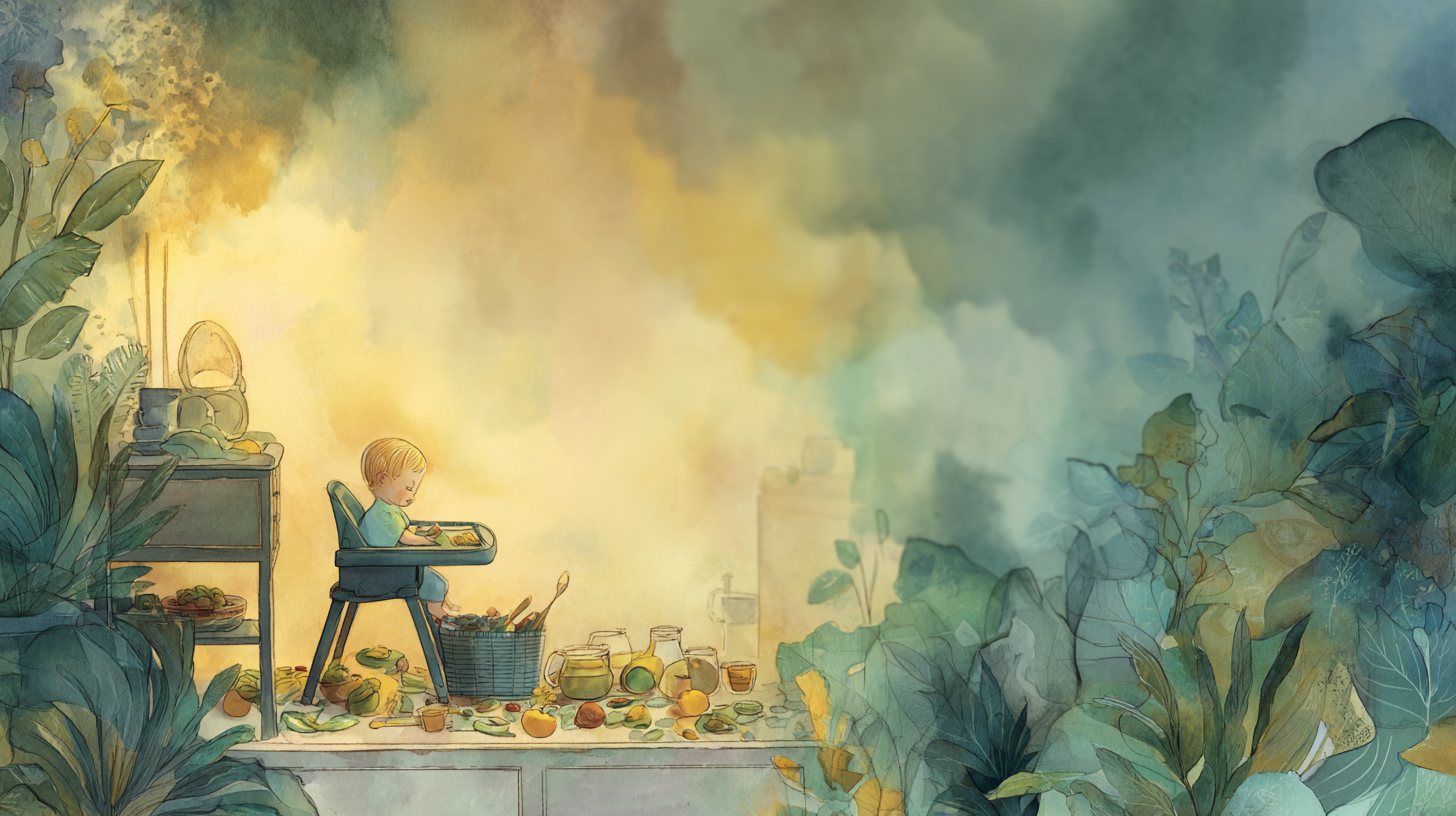
What can be composted from BLW: Fruits, vegetables, grains, bread, pasta, rice, cooked beans, coffee grounds (if you’re desperate enough to drink coffee while doing this), tea bags, eggshells, and even small amounts of dairy and cooked meat (though these require specific composting methods—do your research first).
What can’t be composted: Foods with heavy oils or sauces, processed foods with lots of additives, anything with excessive salt, and obviously non-food items like those tiny pieces of paper towel your baby definitely tried to eat.
The mental shift that happened when I started composting was profound. Suddenly, I wasn’t “wasting” food—I was completing a cycle. That mango slice that my baby dropped sixteen times? It’s going back to the earth to grow more mangoes. The sweet potato she painted the high chair with? Future soil nutrients. It doesn’t erase the initial resource use, but it absolutely minimizes the harm and creates something valuable from what seemed like loss.
♻️ Your Compost Impact Visualizer
See what you could save in one year of composting BLW waste:
Real Talk: The Caribbean Approach to Sustainable Feeding
I’m going to share something my Jamaican grandmother told me when I first expressed guilt about BLW waste: “Child, we didn’t have the luxury of throwing away good food. Every bit served a purpose.” She was right. Traditional Caribbean cooking is inherently sustainable because it was born from necessity and resourcefulness.
Caribbean families have been practicing “family meal integration” for generations—not because it was trendy, but because it made sense. You cook one big pot of food, and everyone eats from it at their developmental level. Baby gets mashed provisions. Toddler gets soft chunks. Adults get the full-flavored version. Nothing is wasted because everything is shared.
This is why I created my Caribbean Baby Food Recipe Book with this philosophy baked in. Every single one of the 75+ recipes includes a “Family Meal Bonus”—the adult version of what your baby is eating. Make Coconut Rice & Red Peas for your baby’s lunch? The recipe shows you how to transform it into traditional Jamaican rice and peas for your dinner. Prepare Geera Pumpkin Puree? Scale it up to Trini-style geera pumpkin for the whole family.
Caribbean ingredients themselves are often more sustainable choices. Plantains, sweet potatoes, coconut milk, mangoes, dasheen, malanga—these are nutrient-dense foods that go far and store well. A single green plantain can be used across multiple meals as it ripens. Sweet potatoes last for weeks in a cool, dark place. Dried coconut can be rehydrated as needed. Our ancestors understood food sustainability not as a buzzword but as a way of life.
And here’s something beautiful: when you introduce your baby to these traditional foods early, you’re not just reducing waste—you’re building cultural connection and preventing future pickiness. Studies show that babies exposed to diverse flavors and textures during BLW become less fussy eaters. My daughter now devours callaloo, ackee, and jerk-spiced vegetables because they’ve been part of her flavor landscape since day one. That’s sustainable eating for life.
When Perfection Becomes the Enemy of Progress
Let me tell you about the day I almost quit BLW entirely. I’d spent an hour making a beautiful spread: homemade plantain porridge, steamed green beans cut into perfect strips, and mango chunks that I’d painstakingly diced to the exact recommended size. My baby took one look, grabbed a fistful of everything, and flung it directly at my face before dissolving into giggles.
I sat there, plantain porridge dripping down my shirt, and had an epiphany. I was so focused on doing BLW “perfectly” that I’d forgotten the point: connection, exploration, joy. The same applies to sustainable BLW. You’re not going to be perfect. There will be days when you waste more food than you’d like. Days when you forget to compost. Days when you serve pre-packaged pouches because you’re too exhausted to cook.
And that’s okay. Progress over perfection, always. Reducing your BLW waste by even 20% makes a difference. Composting three times a week is better than not composting at all. Implementing one or two of these strategies is infinitely better than being paralyzed by eco-guilt and doing nothing.
The research backs this up: household food waste reduction efforts, even small ones, have measurable impacts on environmental outcomes. You don’t have to be a zero-waste warrior to make a meaningful contribution. You just have to start.
Your 7-Day BLW Waste-Reduction Challenge
Pick ONE action for this week. Just one. Track your progress:
The Bigger Picture: What We’re Really Teaching
At the end of the day, sustainable BLW isn’t just about reducing waste in the immediate sense. It’s about the values we’re modeling for our children from their very first bites. When we compost their food waste, we teach them that resources are precious and cycles matter. When we repurpose their uneaten meals into our own, we teach them that food is valuable. When we choose family-style cooking over wasteful convenience, we teach them about connection and intentionality.
My daughter is only two now, but she already helps me dump scraps into the compost bin. She knows that food “goes back to the earth to help plants grow.” She gets excited when we cook family meals together, mashing her own sweet potato while I prepare ours with jerk seasoning. These are lessons that will shape her relationship with food and the environment for the rest of her life.
BLW’s waste reality is uncomfortable to face, but facing it honestly allows us to do better. Not perfectly—better. And in a world that desperately needs more thoughtful eaters, more conscious consumers, and more people who understand that resources are finite, starting those lessons at six months old doesn’t seem so crazy after all.
The mess on your floor isn’t a failure. It’s education. The food in your compost bin isn’t waste. It’s transformation. And your effort to balance your baby’s developmental needs with environmental responsibility? That’s not guilt—that’s integrity. That’s showing up for both your child and the planet they’ll inherit.
Your Sustainable BLW Journey Starts Now
So here’s where we land: You don’t have to choose between baby-led weaning and eco-conscious parenting. You can have both. It requires creativity, flexibility, and letting go of perfection. It means embracing the mess as part of the learning while strategically minimizing unnecessary waste. It means composting what you can’t avoid and repurposing what you can.
Start with one small change this week. Maybe it’s cutting portions in half. Maybe it’s finally setting up that compost bin you’ve been thinking about. Maybe it’s cooking one Caribbean-inspired family meal from the Caribbean Baby Food Recipe Book and adapting it for your baby (the Plantain Paradise or Yellow Yam & Carrot Sunshine are excellent beginner recipes with minimal waste potential).
Whatever you choose, remember this: You’re not alone in this struggle. Every eco-conscious parent practicing BLW has swept mountains of food off the floor and wondered if they’re doing the right thing. We are. We’re raising children who know the texture of real food, who regulate their own intake, who develop crucial motor skills—and we’re doing it in a way that honors the planet as much as possible given the inherent messiness of the process.
That plantain smeared across your baby’s face and halfway up their arm? That’s not just baby food. That’s the future of sustainable eating being written one messy meal at a time. And yes, some of it will end up on the floor. But a lot more of it will end up exactly where it belongs—in your baby’s belly, in the compost bin completing the cycle, and in the values they carry forward.
Now go forth and make a mess—a slightly smaller, more strategically managed, compost-ready mess. Your baby’s development is worth it. Your environmental values are worth it. And you, dear parent scraping sweet potato off your ceiling at 8 PM on a Tuesday, are absolutely worth it.
The earth doesn’t need perfect parents. It needs committed ones. And you’re showing up every single day, trying to do right by both your baby and the planet. That’s not just good enough—that’s remarkable.

Kelley's culinary creations are a fusion of her Caribbean roots and modern nutritional science, resulting in baby-friendly dishes that are both developmentally appropriate and bursting with flavor. Her expertise in oral motor development and texture progression ensures that every recipe supports your little one's feeding milestones while honoring cultural traditions.
Join Kelley on her flavorful journey as she shares treasured family recipes adapted for tiny taste buds, evidence-based feeding guidance, insightful parenting anecdotes, and the joy of celebrating food, culture, and motherhood. Get ready to immerse yourself in the captivating world of Kelley Black and unlock the vibrant flavors of the Caribbean for your growing baby, one nutritious bite at a time.
- The Feeding Revolution: Why Your Everyday Meals Are Changing the World - October 13, 2026
- Your Feeding Story Matters More Than The “Perfect” One Online - October 12, 2026
- Looking Forward: Stepping Into Your Confident Feeding Future - October 11, 2026