
The Gift of Presence: How Screen‑Free Mealtimes Quiet the Chaos and Deepen Your Bond
Quick Pulse Check: How Present Are You at the Table?
Before diving in, take a five‑second honest check-in. Tap where you are on this presence scale, and watch what it reveals about your family’s mealtime story.
Here is a truth that stings a little: phones, TVs, and tablets are quietly stealing the very moments we say matter most—those ordinary family meals where tiny hands reach for plantain, little voices retell their day, and your baby learns what “home” feels like. Yet the solution is not another guilt trip; it is a radical reframe: your undivided attention at the table is one of the greatest gifts you can give your child, far more powerful than any perfectly plated dish.
Research on family meals, mindful parenting, and kids’ media use keeps circling back to the same message: the magic is not in how Instagram‑worthy the food looks, but in whether you are emotionally there while you eat together. Families who share regular, distraction‑free meals tend to raise kids who eat better, worry less, and feel more rooted and seen—even when life around them is loud, messy, and busy. And the best part? You do not need more hours in the day to unlock this; you need more intention in the minutes you already have.
Why Presence at Mealtimes Changes Everything
When people study family meals, they see something striking: the table behaves like a tiny island in the middle of the day, where connection, values, food habits, and emotional safety all meet in one place. Regular shared meals are associated with better diet quality, healthier weight, stronger emotional health, and even better school engagement—not because of a magical casserole, but because mealtimes become a daily touchpoint for talking, listening, and feeling held.
Mindful parenting research describes presence as a mix of awareness, curiosity, and compassion in the way you respond to your child, moment by moment. At the table, that looks like noticing when your toddler is genuinely full instead of pushing “three more bites,” or hearing the wobbly story your older child is trying to tell without glancing down at a notification halfway through. Over time, your child learns: “When we eat, my parent is with me—not just physically, but mentally and emotionally.”
Historically, family meals carried that kind of weight by default. Before constant connectivity, evenings were more likely to revolve around shared food, conversation, and rituals. Today, the biggest difference is not only what we eat but what sits between us and our kids: glowing screens, work emails, and endless scroll holes that quietly slice our attention into tiny, disconnected pieces. That is why choosing presence now can feel almost rebellious—and deeply healing.
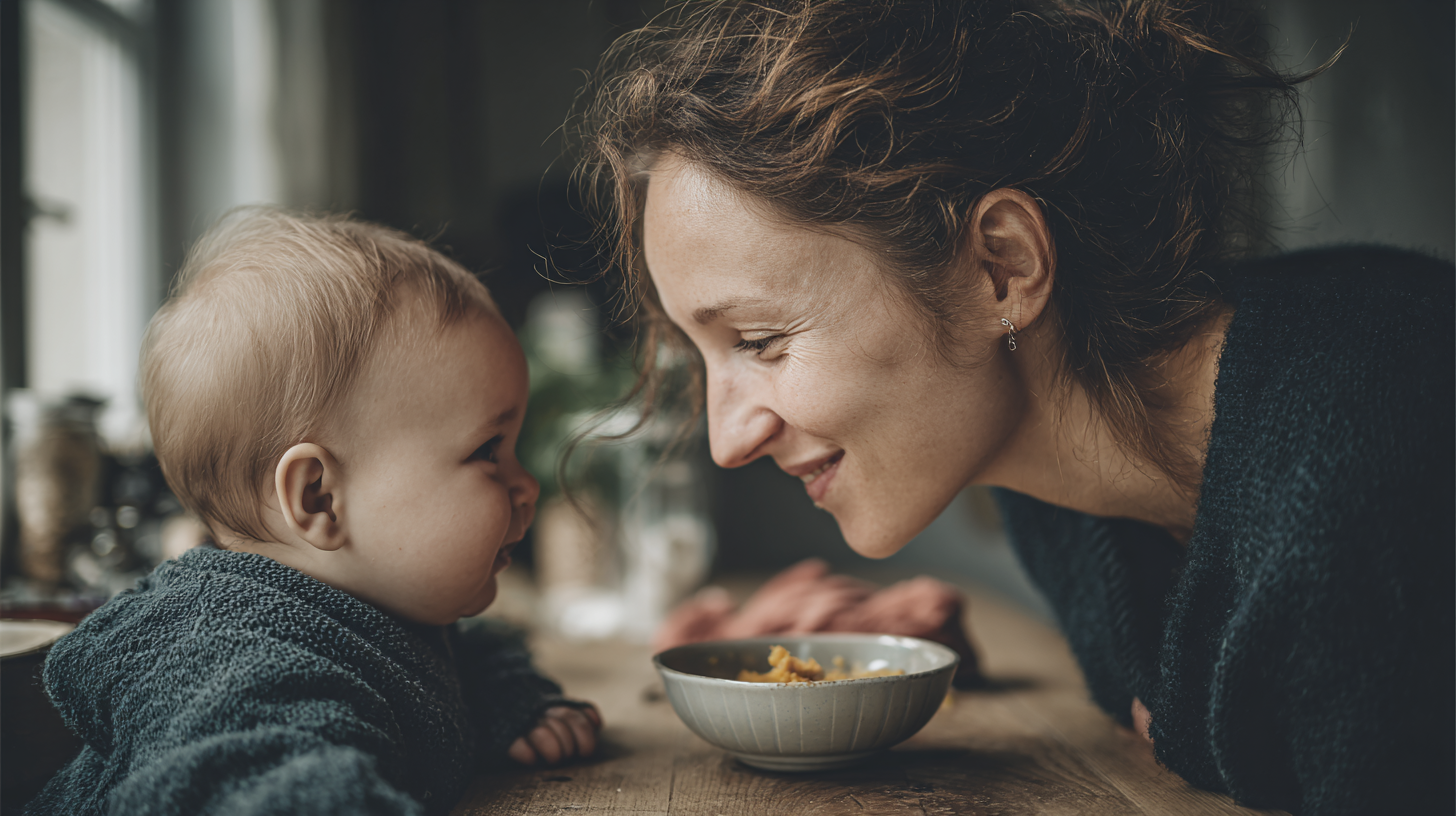
The Hidden Cost of Distracted Eating (And What the Numbers Reveal)
If you have ever handed your child a screen “just so they will eat,” you are not alone—and you are not a bad parent. Modern life almost sets you up for distraction: long days, tight schedules, and the promise that a cartoon will buy just enough quiet to get through dinner. But studies are sounding alarms about what happens when screens become regular guests at the table, both for children and adults.
Researchers looking at children and teens have found that higher screen time goes hand in hand with more snacking, more ultra‑processed foods, and less movement. When screens show up during meals, kids tend to eat mindlessly, paying more attention to the show than their own hunger and fullness cues. Over time, that disconnection can contribute to overeating, fussier patterns, and a weaker relationship with their body’s signals. In contrast, families who keep TVs and devices off during meals are more likely to see higher fruit and vegetable intake and healthier overall eating patterns.
It is not just about food quality, either. Studies that compare “high TV” family meals with “low TV” ones find big differences in conversation and connection. When screens are on, kids talk less, parents ask fewer open questions, and the chance to hear what is really going on in your child’s world shrinks. On the other hand, when screens stay off, mealtimes become a natural window for checking in on friendships, school, worries, and joys—without having to squeeze those talks into rushed car rides.
Use these quick reveals to see how your current habits line up with what research is finding about screens and family meals.
What pattern shows up when kids often eat with a screen?
Do more shared meals really matter beyond nutrition?
Is it about how often you eat together, or what happens when you do?
One important nuance: some studies suggest that families who share many meals might already have other advantages—like more predictable routines or supportive relationships—that also protect kids. That means frequency alone is not the whole story. What seems to matter just as much is the quality of those meals: whether there is conversation, warmth, and real attention, or whether everyone’s eyes are trained on separate screens.
This is actually good news, because it means you do not need seven perfect dinners together each week to see benefits. Even one or two mostly screen‑free meals, where you slow down and actually talk, can become powerful anchors in a packed week. Think less “idealized picture‑perfect supper” and more “fifteen minutes of genuine connection over callaloo and rice before bath time.”
What Mindful Mealtimes Look Like in Real Life
Mindfulness at the table is not about eating in silence or never laughing because you are “focusing on the raisin.” It is about three simple shifts: paying attention, staying curious, and responding with kindness—toward your child and yourself. One parent might practice mindful presence by taking two deep breaths before sitting down, putting their phone in another room, and deciding that for the next twenty minutes, emails can wait. Another might set a gentle ritual, like asking each child for a “rose and thorn” of the day, to pull everyone into the moment.
The research on mindful feeding gives this everyday practice a name. Parents who bring mindful awareness into feeding—who notice their own stress, respect their child’s hunger and fullness, and avoid using pressure or bribery—tend to have kids with fewer mealtime power struggles, less emotional overeating, and more flexible eating habits. Instead of micromanaging every bite (“one more spoon for Mommy!”), they set a structure—what is served, when meals happen—and then let kids decide how much to eat from what is offered.
Mindful parenting studies also show that presence changes how kids handle their own feelings. When parents are more attuned and less reactive, children are less likely to struggle with anxiety and internalizing problems. At the table, that might look like noticing that your toddler is cranky because they are overtired, not because they are “picky,” or realizing your preteen is quiet because something happened at school. That small pause between “annoyed reaction” and “curious question” can turn a meltdown into a moment of connection.
If you want simple, island‑inspired meals that fit beautifully into this kind of mindful, shared table, a resource like the Caribbean Baby Food Recipe Book: Easy & Healthy Homemade Meals for Infants & Toddlers can take out the guesswork. Inside you will find options like pumpkin‑coconut blends, plantain‑based purees, and colorful porridges that make it easier to serve one meal everyone can share in some form—reducing stress, boosting flavor, and freeing up more attention for presence instead of menu panic.
My Wake‑Up Call: The Night the Pasta Went Cold
One evening, after a long day, I served my little one a simple dinner: soft pumpkin mashed with coconut milk and a bit of thyme, plus some flaked fish on the side. The kind of comforting bowl that smells like Sundays in my Caribbean grandmother’s kitchen. I set the plate down, grabbed my own, and—almost without thinking—picked up my phone “just to check one thing.”
Ten minutes later, my child was stacking pieces of plantain like building blocks, talking to themselves in a tiny voice, while my thumbs kept scrolling. The pasta on my own plate had gone cold. When I finally looked up, I caught this split‑second expression on their face: a mix of resignation and “Well, I guess it’s just me here.” It hit harder than any parenting article ever has.
That night, I realized my child was not just chewing food; they were quietly absorbing the message that their stories had to compete with my notifications. The next day, I tried something different. I left the phone in the other room, lit a little candle in the middle of the table, and asked, “What was your favorite part of today?” The answer was small and silly—but the way their shoulders relaxed and their eyes stayed fixed on mine felt like a reset button on our entire mealtime rhythm.
Which of these habits sneaks into your family meals most often? Tap one to get a tailored reset idea.
Expert Guidance: What Pediatricians and Psychologists Are Urging Parents To Do
Pediatric and mental health organizations across the board are getting very specific about mealtimes. They are no longer only saying “limit screen time”; they are advising parents to treat shared meals as protected screen‑free zones. The reasons span nutrition, mental health, and family safety: mealtimes help parents notice mood changes, pick up on early worries, and keep a pulse on what is really happening in their child’s world, including friendships and stressors.
Guidance from professionals increasingly highlights that not all screen use is equally risky. There is a difference between co‑viewing a short educational clip with your child and everyone eating with separate devices. What raises concern is when parents themselves are absorbed in their phones at the table, because kids watch that modeling. Studies on preschoolers show that when adults use phones during toddler meals, they tend to respond less to children’s signals, talk less, and share fewer family meals overall.
At the same time, experts on mindful parenting and mindful feeding emphasize compassion over perfection. They acknowledge that parents use screens at meals for understandable reasons—overwhelm, exhaustion, or lack of support. Instead of shaming, they encourage “tiny habit” shifts: turning off the TV during just one meal a day, letting your phone charge in the bedroom while you eat, or choosing one screen‑free weekend breakfast as a gentle starting point.
Challenges: Why Being Present Feels So Hard (Even When We Care)
If you have ever promised yourself, “Tonight we will have a real family meal,” only to end up juggling texts, reheating plates, and breaking up sibling battles, it is not because you are incapable. Modern family life stacks the deck against focused attention. Long work hours, shift work, traffic, homework, extracurriculars, and chronic stress all push meals to become quick refueling stops rather than slow connection rituals.
On top of that, digital design is working against your deepest intentions. Apps, notifications, and streaming platforms are built to keep you engaged, rewarding you with little hits of novelty every few seconds. In comparison, a toddler slowly squishing sweet potato between their fingers is not always as instantly stimulating. Without a plan, your brain will naturally drift toward the brighter, louder, faster thing—it does not mean you love your child any less.
There is also the pressure of unrealistic ideals. Social media feeds are full of perfectly styled family tables, elaborate recipes, and kids happily eating every vegetable. When your own dinner looks more like “rice, leftover stewed peas, and someone crying over the wrong cup,” it is easy to feel like you are failing. But the research is clear: your child does not need a magazine‑worthy table to thrive; they need consistent, good‑enough presence. It is better to have a slightly chaotic, honest 20‑minute meal where you are truly there than a silent, staged dinner where everyone is emotionally checked out.
Small Shifts, Big Impact: Practical Ways to Bring Presence Back
Presence at mealtimes is not an overnight transformation; it is a gradual recalibration of what the table stands for in your home. Think of it like seasoning a pot—you do not have to dump in all the spices at once. You sprinkle small changes over time until the whole flavor of your routine shifts.
- Start with a simple “tech‑free rule” that feels doable. For many families, that looks like “no phones or TV during dinner on weeknights” or “breakfast on Saturdays is our unplugged meal.” Make the rule specific and shared—everyone in the house follows it, not just the kids.
- Create a mini arrival ritual at the table. That might be three slow breaths together, clinking cups and saying “cheers,” or each person naming one thing they are grateful for. Rituals signal to the brain: we are shifting gears into connection mode now.
- Ask one good question instead of many small ones. Swap “How was your day?” for “What was something that made you laugh today?” or “Who did you sit next to at lunch?” Kids are more likely to open up when questions are concrete and playful.
- Serve one “easy win” food alongside new flavors. If your baby is exploring Caribbean‑inspired dishes like Batata y Manzana (white sweet potato with apple) or a mild plantain mash, pair it with something familiar they already like. It lowers stress for both of you and lets you focus on connection, not negotiation.
- Protect your own nervous system. If you come to the table already frazzled, presence will feel impossible. Even a 60‑second reset—stepping into another room to breathe, stretching your shoulders, or sipping water alone—can help you arrive as the calmer leader your child needs.
Resources like the Caribbean Baby Food Recipe Book: Easy & Healthy Homemade Meals for Infants & Toddlers are especially helpful when you want to make one family meal with small adaptations for different ages. With recipes like Coconut Rice with Red Peas, Cornmeal Porridge Dreams, or gentle pumpkin‑coconut blends, you can offer flavorful, nutrient‑rich options that fit both baby and grown‑up plates, so you spend less time cooking separate meals and more time actually sitting and connecting.
Choose the tiny habits you are ready to try this week. Each tap moves your progress bar and builds your “present parent” muscle.
Caribbean‑Flavored Connection: Bringing Island Warmth to Your Table
One powerful way to turn meals into moments kids remember is to weave in stories, ingredients, and rhythms from your own culture. In many Caribbean homes, food is never just food; it is family history, resilience, and love served in bowls of sweet potato, coconut milk, thyme, and plantain. When you introduce those flavors, you are also inviting your child into a bigger story about where they come from.
Imagine a simple weeknight dinner built around a baby‑friendly twist on Sweet Potato Callaloo Rundown, with soft callaloo leaves cooked in coconut milk and tender cubes of batata. For your baby, you keep it smooth and mild. For older kids and adults, you add a squeeze of lime, a sprinkle of thyme, maybe a touch of pepper on the side. Everyone is technically eating “the same” meal, just adjusted for age and spice level. That shared dish becomes a conversation: “This is what Grandma used to make on Sundays,” or “In Trinidad, they call this rundown,” or “In Jamaica, sweet potato shows up in so many stews and soups.”
The index of the Caribbean Baby Food Recipe Book: Easy & Healthy Homemade Meals for Infants & Toddlers is full of ideas that naturally lend themselves to family‑style, presence‑friendly meals: fruit‑forward blends like Papaya Banana Sunshine, comfort dishes like Stewed Peas Comfort, or gentle porridges like Ti Pitimi Dous Sweet Millet Baby Cereal. When your menu already carries warmth and nostalgia, it becomes easier to slow down and savor—not just the taste, but the stories attached to each bite.
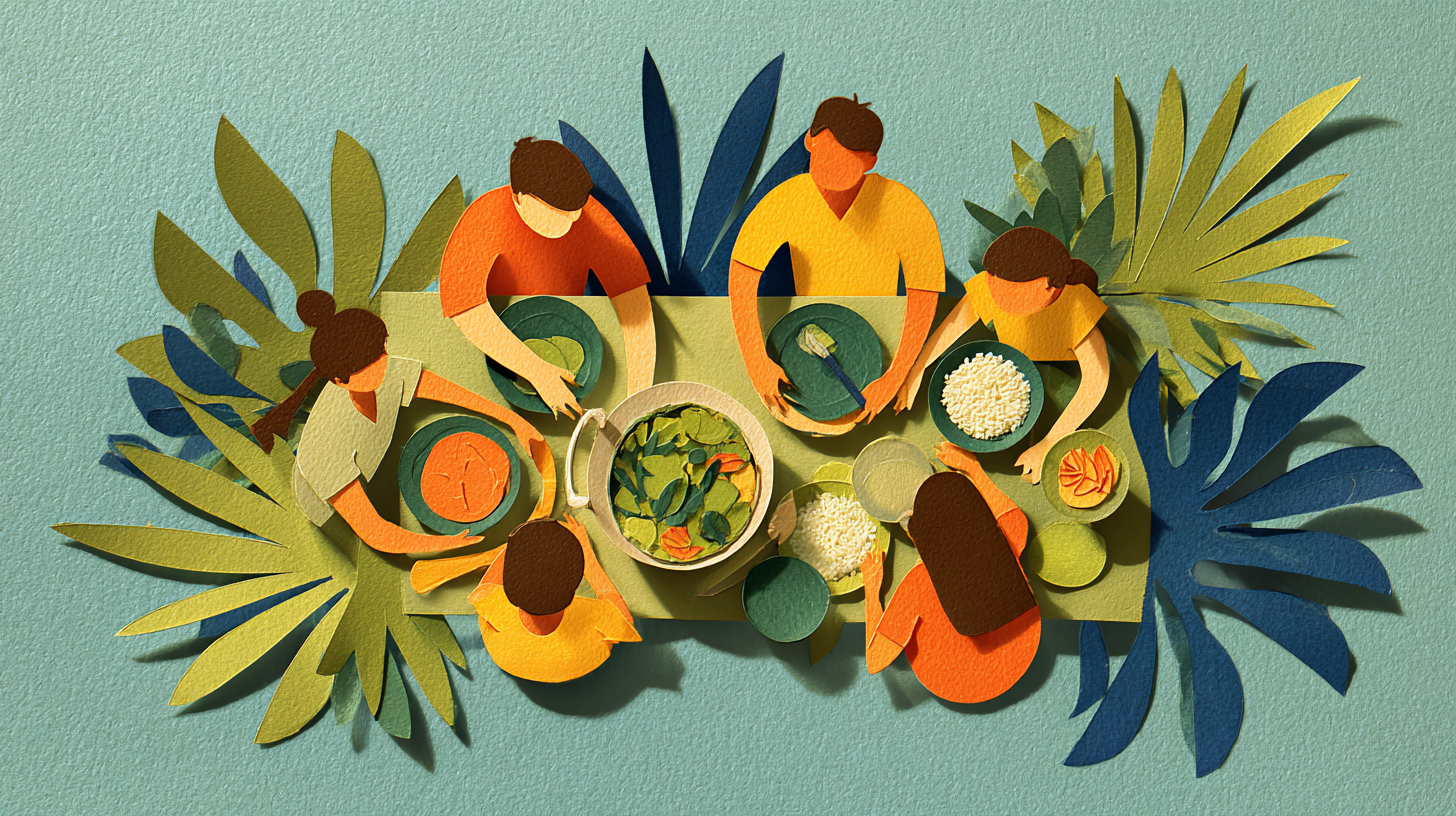
You do not have to overhaul your entire recipe rotation to benefit. Consider adding just one Caribbean‑inspired baby‑friendly dish to your weekly plan—maybe a pumpkin‑coconut mash one night, a mild plantain and guava blend another, or a simple dhal puree that pairs with rice for the adults. Use these meals as anchors for screen‑free connection: a chance to tell a story about a market, a holiday, a relative, or a childhood memory tied to that dish.
If you want a practical roadmap with age‑appropriate textures and spice guidance, the Caribbean Baby Food Recipe Book: Easy & Healthy Homemade Meals for Infants & Toddlers is designed exactly for this. It helps you move from “What on earth do I cook tonight?” to “We have a cozy plan that feeds the whole family and supports our presence goals.”
Looking Ahead: Raising Kids Who Trust Their Bodies and Feel Truly Seen
The most exciting shift in research right now is moving from “how many family meals per week” to “what actually happens during those meals.” Experts are paying close attention to emotional climate, responsiveness, and digital interruptions, because these pieces seem to shape not just what kids eat, but how they feel in their own skin and in their family. The emerging picture is encouraging: consistent, warm, engaged mealtimes act like a buffer against some of the stress and noise of the outside world.
When your child grows up in a home where the table is a place of listening rather than lecturing, and where screens do not constantly compete for your eyes, they internalize powerful messages: “My feelings matter. My hunger and fullness signals are respected. I do not have to perform to earn attention; I already belong here.” Those lessons ripple outward into how they approach friendships, school, and eventually, their own adult relationships with food and loved ones.
Future tools for families will likely include more intentional media plans, simple coaching on mindful parenting, and interventions that treat mealtimes as a key mental health touchpoint. But you do not have to wait for the next app or program. You can start building that future tonight with one very human action: showing up fully for the ten or fifteen minutes you already spend at the table and letting your presence do its quiet, powerful work.
Tap a moment and imagine what your future self will remember most. Let it guide how you show up at tonight’s meal.
The Moment That Matters Most
One day, sooner than it feels, you will clear away a highchair for the last time. The bibs will be gone. The tiny spoons will be buried in a drawer somewhere. Your child will be pouring their own juice, making their own plantain, maybe even telling you about a job interview or a trip they are planning without you. When that day comes, the question will not be “Did I serve the perfect meals?” but “Was I really there when we had them?”
You will not remember every tantrum over the “wrong” bowl, or every spoon of pumpkin that ended up on the floor, but you will remember the way your child’s face lit up when you laughed at their story; the way they leaned into you while eating millet porridge at breakfast; the way the house felt a little softer when everyone came together around a simple pot of rice and peas. Presence turns ordinary food into emotional glue—the invisible thread that helps your child feel safe, seen, and loved.
If you want support making those meals a little easier, a little more flavorful, and a lot more aligned with your values, resources like the Caribbean Baby Food Recipe Book: Easy & Healthy Homemade Meals for Infants & Toddlers can be your companion in the kitchen while you do the deeper work only you can do at the table. The schedule will still be busy. The world will still be noisy. But inside your home, one small choice is always available: to put the distraction down, lift your eyes, and give your child what they truly crave more than anything else—your undivided presence in this moment, right now.

Kelley's culinary creations are a fusion of her Caribbean roots and modern nutritional science, resulting in baby-friendly dishes that are both developmentally appropriate and bursting with flavor. Her expertise in oral motor development and texture progression ensures that every recipe supports your little one's feeding milestones while honoring cultural traditions.
Join Kelley on her flavorful journey as she shares treasured family recipes adapted for tiny taste buds, evidence-based feeding guidance, insightful parenting anecdotes, and the joy of celebrating food, culture, and motherhood. Get ready to immerse yourself in the captivating world of Kelley Black and unlock the vibrant flavors of the Caribbean for your growing baby, one nutritious bite at a time.
- The Gift of Presence: How Screen‑Free Mealtimes Quiet the Chaos and Deepen Your Bond - October 9, 2026
- Trust Your Journey: Why You Really Do Know Your Child Best - October 8, 2026
- The Secret Ingredient You’re Overlooking at the Table (And It’s Not Protein) - October 7, 2026