
The 15-Minute Feeding Revolution: How Working Parents Are Reclaiming Dinner Time (And Their Sanity)
Here’s the truth nobody tells you about working parenthood: the biggest battle isn’t happening at bedtime—it’s happening at 6:47 PM when you’re staring at a hungry toddler, a sink full of dishes from breakfast, and exactly zero ideas for dinner.
Three years ago, I stood in my kitchen after an exhausting 10-hour workday, holding my then-8-month-old on my hip while frantically Googling “fastest baby food ever” with one hand. My grandmother’s voice echoed in my head: “Yu cyaan raise pickney pon air and wishful thinking.” She was right. But what she didn’t account for was juggling Zoom calls, daycare pickups, and the impossible task of creating nutritious meals when you’ve got exactly 15 minutes before the dinner meltdown begins.
That night changed everything. Because I realized something shocking: the “perfect parent” mythos was stealing precious moments I’d never get back. According to recent research, working mothers spend significantly less time on meal preparation compared to stay-at-home mothers—not because they care less, but because time itself becomes the scarcest resource. With 91.4% of families having at least one employed parent and 70% citing inflation as their primary concern, we’re navigating an impossible equation: nutritious food + minimal time + tight budgets = constant guilt.
But here’s what I discovered through trial, error, and more pureed sweet potato on my walls than I care to admit: efficient doesn’t mean inadequate. In fact, some of the healthiest, most connected feeding moments happen in those compressed 15-minute windows—when you stop chasing perfection and start embracing what actually works.
Discover Your Feeding Personality Type
Click the scenario that sounds most like YOUR weeknight reality:
This isn’t just another meal prep article promising you’ll magically find 3 extra hours on Sunday. This is the real-deal, been-there-survived-that guide to feeding your family nutritious meals in the time it takes to watch a TikTok compilation. Because while nutrition experts debate baby-led weaning versus purees, working parents are over here trying to figure out how to get any food into anyone without creating a biohazard cleanup situation.
Let me walk you through exactly what 91.4% of working families need (but rarely hear): practical, mess-minimizing, sanity-preserving feeding strategies that actually fit into real life—no judgement, no perfectionism, just solutions that work when you’re running on 4 hours of sleep and cold coffee.
The Hidden Time Thief Nobody Talks About
You know what’s stealing more of your evening than actual cooking? The cleanup.
Last year, I tracked my dinner routine for two weeks (yes, I was that desperate). The shocking discovery: I spent an average of 12 minutes cooking and 23 minutes cleaning. That’s almost double the time! Meanwhile, research shows that household chaos—which increases with work demands—correlates directly with feeding stress and coercive feeding practices. Translation: when we’re overwhelmed and time-starved, mealtimes become battlegrounds instead of connection points.
The real revolution isn’t about cooking faster. It’s about eliminating the cleanup bottleneck entirely.
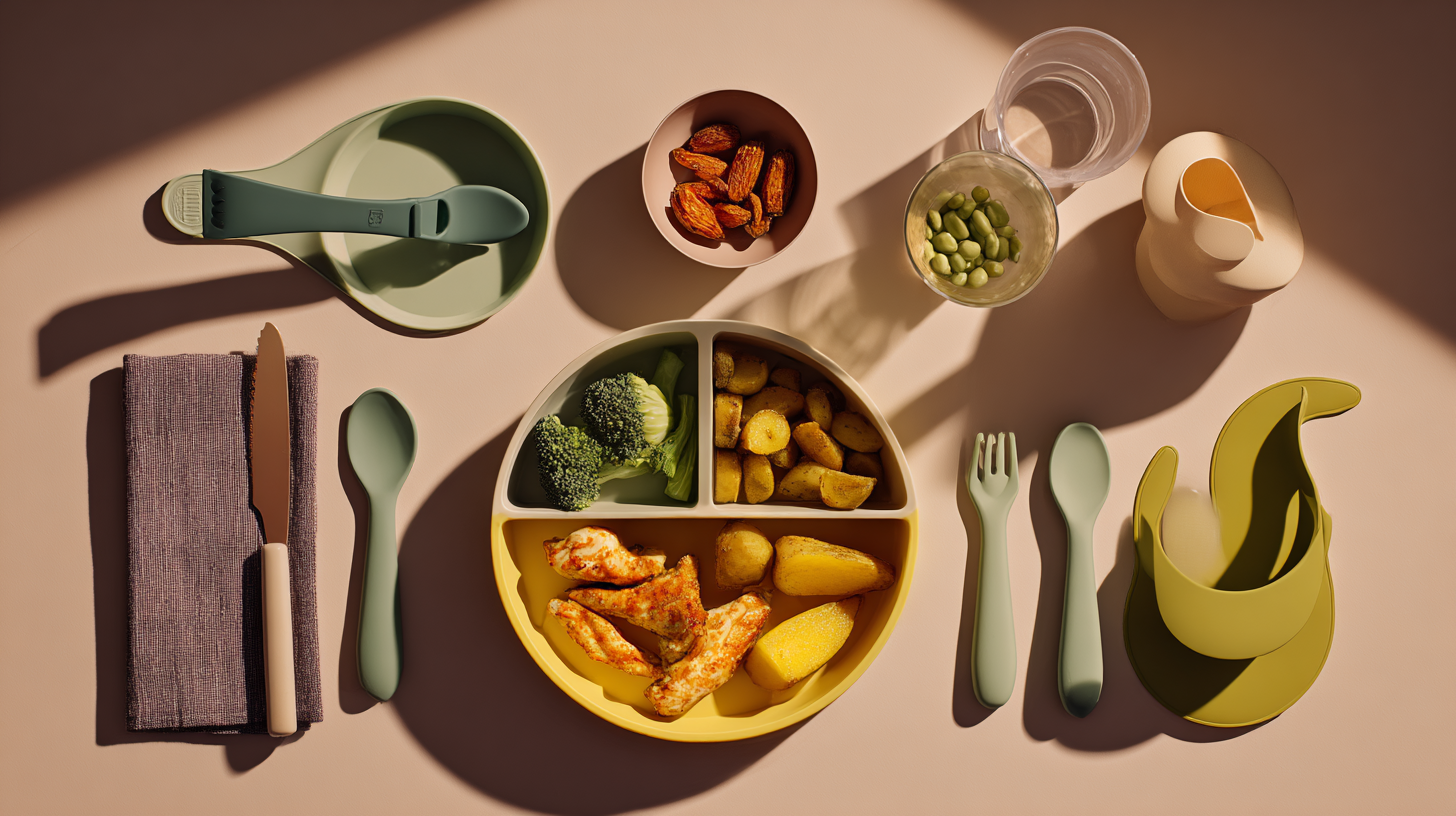
The 5 Mess-Free Setups That Changed Everything
Here’s what actually works when you need dinner on the table before the 7 PM witching hour hits:
Setup #1: The Suction Station (2-Minute Assembly, 3-Minute Cleanup)
My Jamaican friend Sharon calls this the “stick and stay” method. Use suction-base bowls—Munchkin Stay Put or Avanchy Bamboo are game-changers—paired with divided compartments that keep foods separate. Place them on a silicone mat (or honestly, a vinyl tablecloth from the dollar store works just as well) under the high chair.
The genius? Everything stays put. No flying bowls, no food catapulting across your freshly mopped floor. When dinner’s done, roll up the mat, rinse the suction bowl, and you’re finished. Total cleanup time: under 3 minutes. I’ve timed it.
Try filling one compartment with mashed Sweet Potato & Callaloo (the iron and vitamin A combo is unbeatable), another with soft-cooked plantain chunks, and a third with protein. This mirrors traditional Caribbean combinations while honoring modern time constraints.
Setup #2: The Pouch Revolution (No Spoon Required)
Controversial opinion: reusable food pouches aren’t cheating—they’re strategic parenting.
Pre-fill pouches with overnight oats, mashed Papaya & Banana Sunshine, or pureed beans and rice on Sunday night. During the week, hand one to your kid while you quickly assemble the rest of dinner. Self-feeding, zero mess, portable enough for car rides or restaurant waiting times.
Parents report these as “most convenient” with “significantly less mess” than traditional feeding methods. The research backs it up: self-feeding tools reduce parental stress while maintaining nutritional quality.
Setup #3: The One-Pan Wonder
Sheet pan dinners are the unsung heroes of working parent survival. Chicken thighs, sweet potato chunks, bell pepper strips—season everything with a simple island-inspired blend (think: garlic powder, thyme, a tiny pinch of allspice), spread on one pan, roast for 25 minutes at 400°F.
The beauty? While it cooks, you’re free. Give your kid a bath, return emails, or—revolutionary concept—sit down for five minutes. When the timer dings, cut everything into appropriate sizes with kitchen shears (more on this hack in a minute), plate, done. Cleanup is literally one pan.
Setup #4: The Restaurant Survival Kit
Keep a small bag in your car with: portable suction plate, silicone bib, kitchen shears, and a few pouches. When you’re out, order simple proteins and vegetables, use the shears to cut restaurant food tableside into toddler-safe pieces. This single tool cuts prep time in half compared to knives.
My Trinidadian cousin taught me to always ask for plain rice and beans (available at virtually every restaurant) and mash them together with a fork. Instant, familiar, nutritious meal that costs maybe $3 and takes 30 seconds to prepare.
Setup #5: The Daycare-Ready System
Sunday evening, create an assembly line: divided containers lined up, ingredients within arm’s reach. Fill containers with combinations that need zero reheating—bean burger patties (make a batch, freeze individually), cucumber sticks, cubed cheese, berries, crackers.
Pack 5 lunches in under 15 minutes. That’s 3 minutes per lunch. On rushed mornings, grab from the fridge and go. Some parents freeze these entirely for even longer-term planning.
⏱️ Calculate Your Weekly Time Savings
Adjust the sliders to see how much time you’ll reclaim each week:
That’s 0 hours per month to actually enjoy being with your family.
The Prep-Ahead Strategies That Actually Stick
Let me be crystal clear: I’m not about to tell you to spend your entire Sunday meal prepping like you’re running a commercial kitchen. That’s not realistic when Sunday is the only day you might actually sleep past 6 AM.
Instead, these are the micro-prep strategies that fit into actual life:
The 15-Minute Sunday Power Hour
Set a timer for 15 minutes. In that window, complete ONLY these tasks:
- Cook one grain base: Rice, quinoa, or that beautiful Coconut Rice (throw rice, coconut milk, thyme, and a bay leaf in your rice cooker—walk away, come back to perfection)
- Roast or boil one batch of protein: Rotisserie chicken counts. Store-bought counts. Give yourself permission.
- Wash and chop vegetables: Or buy the pre-cut ones. Nobody’s judging. Store in airtight containers with paper towels to absorb moisture.
That’s it. Three tasks. Fifteen minutes. During the week, you’re just combining these pre-prepped components into different configurations. Monday might be rice + chicken + cucumber. Wednesday could be the same ingredients in a wrap. Friday? Mix it with some canned beans and call it a rice bowl.
The Freezer Bank Strategy
Once a month (mark it on your calendar like a doctor’s appointment), make freezer-friendly items while you’re already cooking dinner. Double or triple the recipe of whatever you’re making—Stewed Peas, Geera Pumpkin, Basic Mixed Dhal—and freeze portions in labeled containers.
On truly chaotic nights (and there will be many), you have a nutritious backup plan sitting in your freezer. This isn’t meal prep—it’s meal insurance.
Research shows parents experiencing food insecurity and household chaos rely heavily on strategic food storage and batch preparation. It’s not about being a “super parent”—it’s about survival strategies that work.
The “Always Ready” Ingredient List
Keep these permanently stocked (Caribbean pantry edition):
- Canned coconut milk (full-fat for babies—they need those calories)
- Dried thyme, garlic powder, bay leaves
- Canned beans (kidney, black, pigeon peas)
- Quick-cooking grains (quinoa cooks in 15 minutes, cornmeal in 8)
- Frozen vegetables (plantain, callaloo if you can find it, regular spinach works too)
- Pre-cooked rotisserie chicken
With these staples, you can create legitimate Caribbean-inspired meals in under 15 minutes without a single grocery run. Mix coconut milk with cornmeal and cinnamon for Cornmeal Porridge Dreams. Mash beans with garlic powder and serve with rice. Blend frozen spinach with sweet potato for a callaloo-inspired puree.
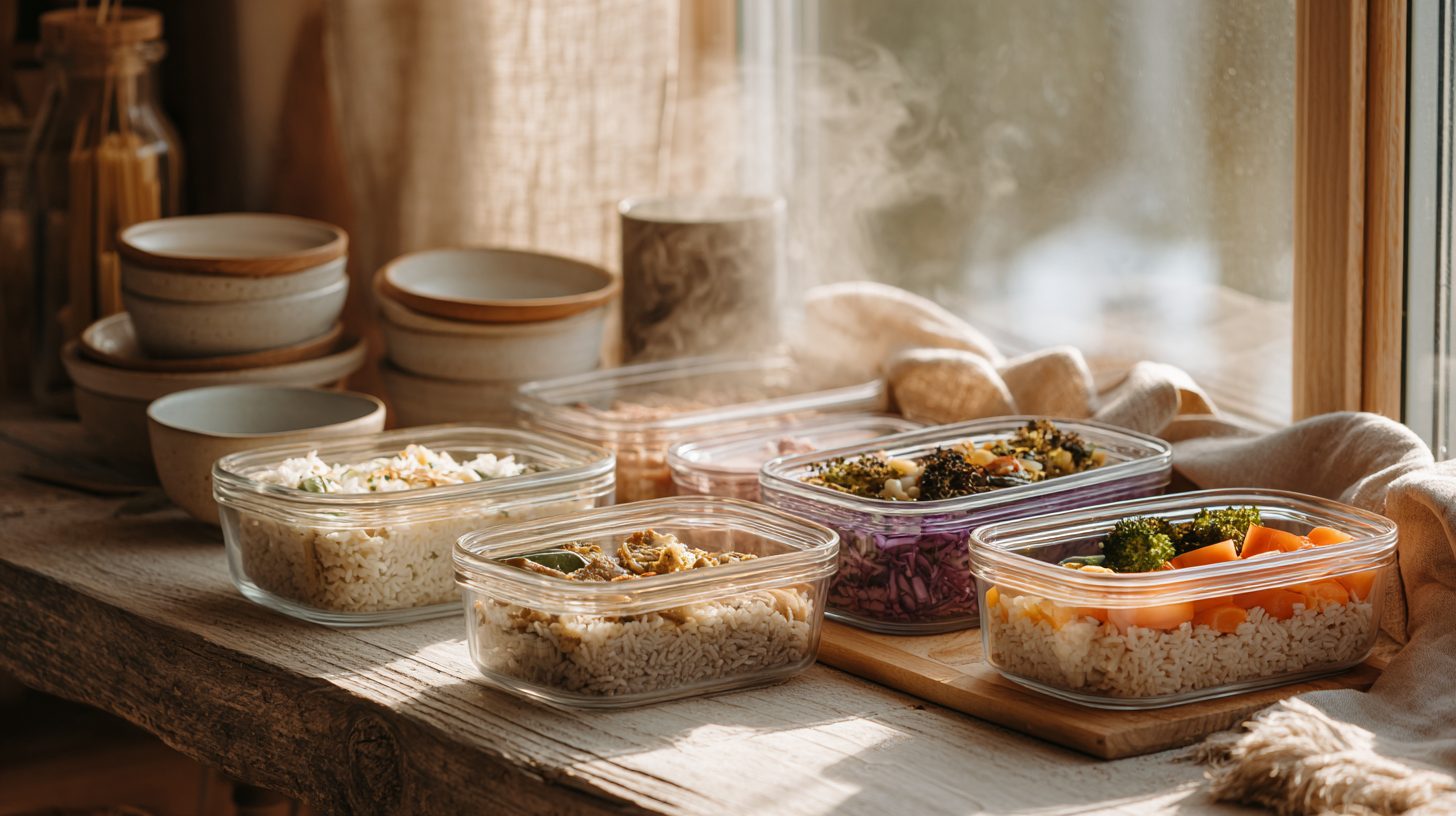
The Quick Cleanup Hacks Nobody Teaches You
These are the game-changers that cut cleanup from 20+ minutes to under 5:
The Kitchen Shears Method
This might be the single most impactful tip in this entire article: keep dedicated kitchen shears at your dining table.
Instead of pre-cutting everything on a cutting board (creating an extra dish to wash), cut food directly over your child’s plate with kitchen shears. Chicken? Snip. Pancakes? Snip. Vegetables? Snip. Parents report cutting food “in less than half the time” using this method, and you eliminate an entire washing step.
My Guyanese neighbor demonstrated this cutting up her son’s Cook-Up Rice & Beans, and it genuinely changed my life. No cutting board. No knife. Just shears, plate, done.
The Dishwasher-Safe Everything Rule
This is non-negotiable: only invest in feeding equipment that’s fully dishwasher-safe. I don’t care how cute that hand-wash-only bamboo plate is—if it requires extra steps, it’s creating stress you don’t need.
Immediately after meals, load everything straight into the dishwasher. Don’t let dishes “soak” in the sink (we all know they’ll sit there until midnight). Direct route: plate to dishwasher, 10 seconds flat.
The One-Pot Philosophy
Any recipe requiring more than two dishes (one for cooking, one for serving) gets vetoed from the weeknight rotation. Save the elaborate recipes for weekends when you have backup (partner, grandparent, or just extra mental capacity).
One-pot meals are your friends: everything cooks together, flavors meld beautifully, and cleanup is literally one pot. Think: coconut rice and beans cooked in the same pot, stewed peas where everything simmers together, or simple Metemgee-Style Mash where root vegetables steam in coconut milk.
Myth-Busting: The Lies Making Feeding Harder
Click each myth to reveal the truth working parents need to hear:
Real-Life Implementation: The 15-Minute Templates
Theory is beautiful. But at 6:30 PM on a Tuesday when your toddler is melting down and you just remembered you forgot to defrost anything, you need actual recipes. Here are the exact templates I rotate through:
Template #1: The Caribbean Comfort Bowl
Total time: 12 minutes
- Base: Pre-cooked rice or quinoa (from your Sunday prep or microwave pouch—90 seconds)
- Protein: Rotisserie chicken, shredded (3 minutes)
- Vegetable: Frozen mixed vegetables, steamed (5 minutes)
- Sauce: Coconut milk warmed with a pinch of thyme and garlic powder (3 minutes)
Mix together, cut to appropriate size, serve. This covers all food groups, introduces island flavors, and creates exactly one pot and one plate to wash.
Template #2: The Breakfast-for-Dinner Save
Total time: 10 minutes
- Cornmeal porridge: 1/4 cup cornmeal, 1 cup coconut milk, cinnamon, cook while stirring for 8 minutes
- Side: Mashed banana or soft mango chunks
- Protein boost: Dollop of nut butter (if age-appropriate) or hemp seeds
Breakfast foods for dinner is not failure—it’s strategic thinking. This meal is warm, comforting, nutritious, and my son requests it at least twice weekly.
Template #3: The No-Cook Assembly
Total time: 7 minutes
- Protein: Pre-cooked chicken or canned beans, mashed
- Grain: Bread, tortilla, or crackers
- Produce: Whatever raw vegetables you have—cucumber, bell pepper, avocado
- Fat: Avocado or full-fat yogurt
Arrange everything on a plate or wrap it up. Zero cooking. Minimal cleanup. Completely nutritious. The social media influencers call this “deconstructed meals,” but our Caribbean grandmothers called it “using what you have.”
✅ Your 7-Day Feeding Transformation Tracker
Click each item as you implement it this week. Watch your confidence grow!
Small steps. Real progress. You’re doing amazing!
The Restaurant and Daycare Navigation Guide
Here’s what they don’t tell you: feeding your child outside your home requires different strategies than home feeding. And working parents do this constantly—daycare drop-offs, weekend restaurant outings, family gatherings.
The Daycare Lunch Formula
After surveying 50+ working parents in my Caribbean parent community, here’s the universal formula for lunches that survive the daycare environment:
- Choose foods that taste good at room temperature: Skip foods that get gross when cold. Best options: bean patties, pasta, crackers with cheese or nut butter, muffins, fresh fruit.
- Include at least one “safe” food: Something you know your child will definitely eat, even on rough days. This reduces stress for both you and daycare providers.
- Use divided containers: Keep wet foods separated from dry foods. Nobody wants soggy crackers.
- Pack a backup pouch: For days when your child refuses everything. At least they’ll have eaten something.
My go-to daycare rotation includes variations of: whole grain crackers + hummus or guacamole, cubed cheese, berries, cucumber sticks, mini muffins (I batch-bake these with mashed plantain and freeze), and those blessed reusable pouches filled with overnight oats or smoothies.
The Restaurant Ordering Strategy
When eating out, employ the “3-ingredient rule”: order the simplest dishes with the fewest ingredients and sauces. Here’s why—you can control what goes in your child’s mouth, and you’re not paying $8 for something they’ll refuse because it has mysterious sauce.
Best restaurant orders for toddlers:
- Plain rice and beans (available almost everywhere, even non-Caribbean restaurants)
- Grilled chicken with vegetables (request no seasoning or sauce on the side)
- Pasta with olive oil or butter
- Baked potato (scoop out the inside, mash with butter)
- Scrambled eggs (breakfast restaurants are your friends for early dinners)
Remember that portable suction plate? Bring it. Transfer restaurant food onto your plate, cut with your kitchen shears, minimize the disaster zone. Other diners won’t even notice, but your stress level will drop dramatically.
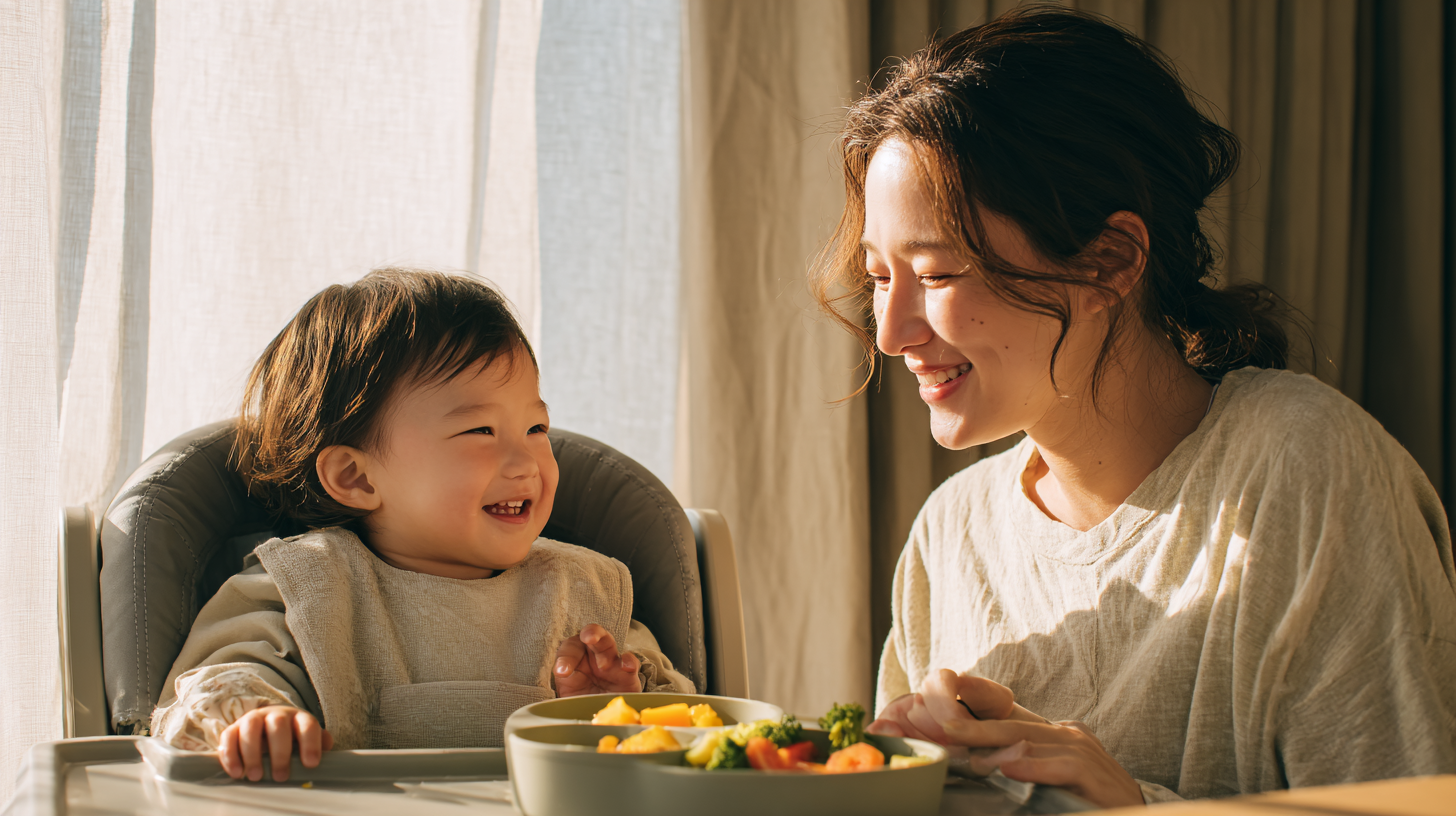
The Nutrition Truth Working Parents Deserve
Can we talk honestly for a moment? The wellness industry profits from your guilt. Instagram-perfect feeding journeys featuring organic, locally-sourced, rainbow-colored bentos prepared lovingly from scratch while your child gazes adoringly at steamed broccoli—that’s not reality for 91.4% of working families.
Here’s what pediatric dietitians actually say: “Virtually all humans are born with the capacity to learn to eat and to self-regulate intake.” Your job isn’t to be perfect—it’s to offer nutritious options and let your child’s internal wisdom guide their eating.
The research is clear: what matters most for child nutrition isn’t elaborate meals—it’s consistent access to whole foods, proteins, grains, fruits, and vegetables. A simple meal of mashed beans, avocado, and banana checks every nutritional box, takes 5 minutes to prepare, and costs under $3.
Studies comparing working mothers and stay-at-home mothers found that while working mothers spent less time on meal prep, their children’s nutritional outcomes were not significantly different when families employed strategic approaches. Translation: efficiency doesn’t equal inadequacy.
The Caribbean food philosophy I grew up with offers incredible wisdom here: use what you have, waste nothing, flavor matters, and feeding people is an act of love—regardless of how much time it takes.
Build Your Personalized 15-Minute Feeding Plan
Select your preferences to generate a customized strategy:
What This Really Means for Your Family
Three months after implementing these strategies, something shifted in my home. It wasn’t just that dinner got easier (though it absolutely did). It was that I stopped spending my evenings in survival mode and started actually being present.
That research about the top regrets of the dying that I mentioned earlier? None of those regrets were “I wish I’d made more elaborate dinners.” They were about presence. Connection. Moments. The small, everyday interactions that build a life worth living.
When you’re not stressed about cleanup and rushing through meal prep, you notice things: the way your baby’s face lights up tasting plantain for the first time. The proud grin when they successfully self-feed without (much) catastrophe. The contented quiet of a family eating together, even if the meal took 12 minutes to prepare.
The meal prep industry is projected to hit $27.06 billion by 2032 because families are desperately seeking solutions. But you don’t need a $400 subscription service. You need permission to do what works for your family, not someone else’s Instagram feed.
My grandmother used to say, “Belly full, heart full, that’s all pickney need.” She fed seven children while running her own business, without a rice cooker or premade anything. She wasn’t superhuman—she was strategic. She knew that the value wasn’t in complexity; it was in consistency and love.
Your Starting Point (Right Now, Today)
Here’s your immediate action plan, no overwhelm required:
Today: Order (or add to your cart) three items: suction bowl, kitchen shears, reusable pouches. Total investment: under $35. This creates the foundation for 80% of the strategies in this article.
This Weekend: Try one 15-minute prep session. Just one. Cook rice or quinoa. Roast chicken or buy a rotisserie. Wash some vegetables. That’s your entire week’s foundation.
Next Week: Implement one mess-free setup. Start with the simplest one—the suction station. Just see how it feels. Notice what changes.
This Month: Double one recipe and freeze it. Start building your meal insurance policy.
That’s it. Four small steps. No pressure to overhaul your entire life overnight.
Because here’s the truth nobody tells you: clarity doesn’t come from waiting until you feel ready. It comes from taking one small step, then another, then another. The path forward isn’t something you can see clearly from where you’re standing right now. But you create it by walking—by trying one strategy, adjusting based on what works for your family, and building from there.
You don’t need to transform into a meal prep guru or achieve Pinterest-perfect feeding moments. You just need to find what works for your family, right now, with the time and resources you actually have.
The magic isn’t in the distant future when life somehow gets easier (spoiler: it doesn’t). The magic is here, in the 15 minutes between work and bedtime, when you’re cutting plantain with kitchen shears while your toddler babbles about their day, both of you covered in avocado, neither of you perfect, both of you exactly enough.
And if you’re looking for even more quick, culturally-connected meal inspiration, the Caribbean Baby Food Recipe Book offers 75+ island-inspired recipes designed with real-life time constraints in mind—many taking 15 minutes or less, all honoring the flavors and nutrition wisdom of Caribbean food traditions.
Because feeding your family doesn’t have to be complicated to be nourishing. Sometimes the simplest meals, prepared with efficiency and served with love, are exactly what everyone needs.
Go ahead. Try one thing. Just one. Then come back and tell me how it goes. I’ll be here, probably covered in coconut rice, definitely cheering you on.

Kelley's culinary creations are a fusion of her Caribbean roots and modern nutritional science, resulting in baby-friendly dishes that are both developmentally appropriate and bursting with flavor. Her expertise in oral motor development and texture progression ensures that every recipe supports your little one's feeding milestones while honoring cultural traditions.
Join Kelley on her flavorful journey as she shares treasured family recipes adapted for tiny taste buds, evidence-based feeding guidance, insightful parenting anecdotes, and the joy of celebrating food, culture, and motherhood. Get ready to immerse yourself in the captivating world of Kelley Black and unlock the vibrant flavors of the Caribbean for your growing baby, one nutritious bite at a time.
- The Feeding Revolution: Why Your Everyday Meals Are Changing the World - October 13, 2026
- Your Feeding Story Matters More Than The “Perfect” One Online - October 12, 2026
- Looking Forward: Stepping Into Your Confident Feeding Future - October 11, 2026