
Stop Blaming Yourself: Why Your Child’s Picky Eating Is Written in Their DNA
Your Guilt-O-Meter Quiz
Before we dive in, let’s see where you stand. How often have you felt guilty about your child’s eating habits this week?
Let me tell you something that happened at my daughter’s third birthday party that changed everything. We had just finished serving lunch—a beautiful spread with rice and peas, jerk chicken, plantains, and fresh mango slices. While other kids devoured their plates, my little one sat there, arms crossed, refusing everything except the white rice. Just the white rice.
My mother-in-law leaned over and whispered, “You know, if you’d just been more consistent with introducing foods when she was younger…” The guilt hit me like a wave. I’d spent months—no, years—wondering what I’d done wrong. Was it because I gave in too easily? Should I have tried harder? Was I the reason my child would only eat beige foods?
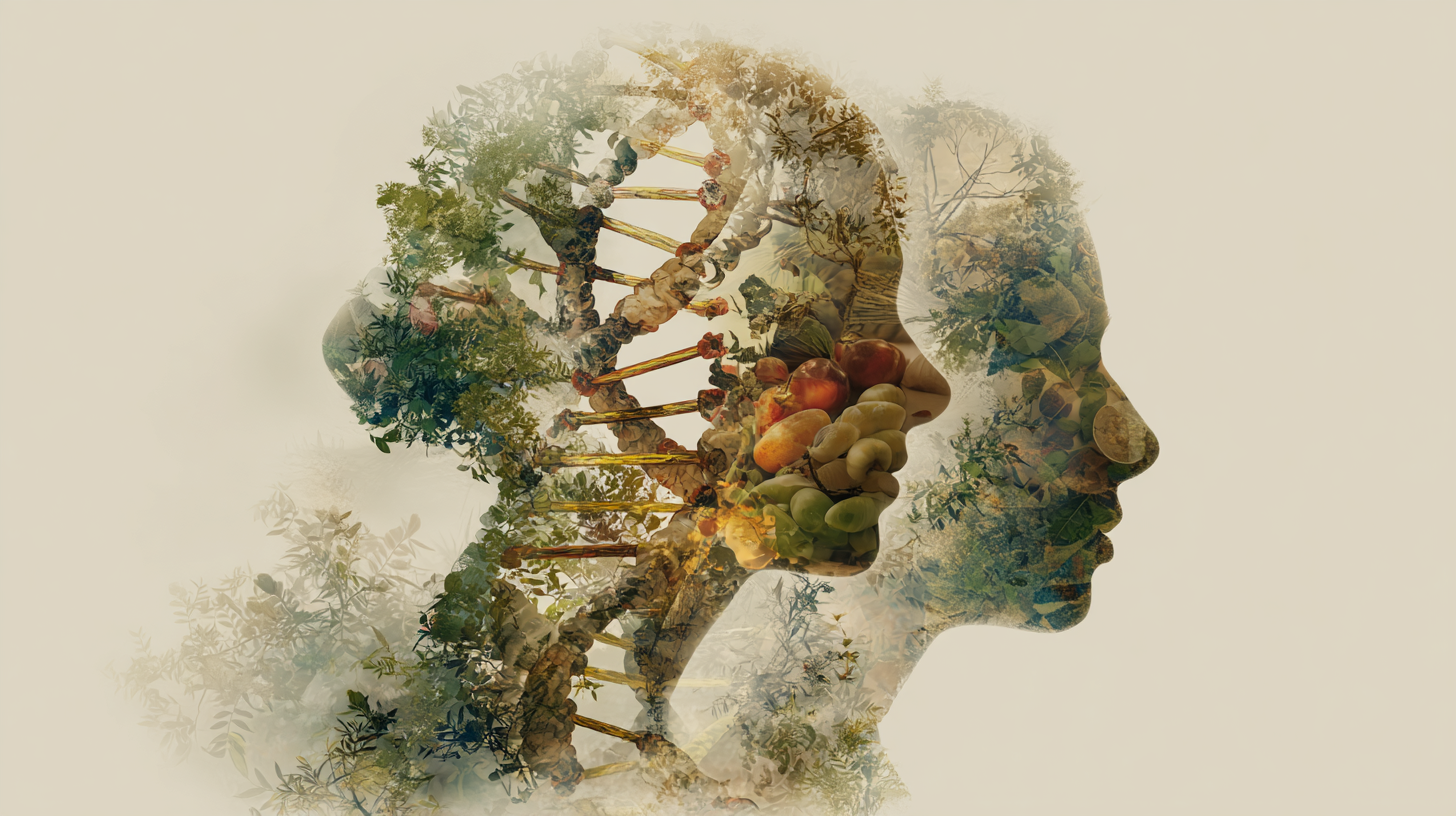
Then came September 2024, and everything changed. Scientists at University College London published research that should fundamentally transform how every parent thinks about picky eating. The finding? Picky eating is 60% genetic in toddlers and rises to 74-84% genetic between ages 3-13. That means the vast majority of your child’s food selectivity isn’t about your parenting—it’s literally written in their DNA.
The Genetic Truth That Should Set You Free
For decades, we’ve operated under a massive misunderstanding. Picky eating was seen as a behavioral problem—something parents could fix with better strategies, more patience, or stricter rules. The Gemini twin cohort study, which tracked over 2,000 twin pairs from 16 months to 13 years old, completely shattered this belief.
Researchers compared identical twins (who share 100% of their genes) with non-identical twins (who share about 50% of their genes). Here’s what blew their minds: identical twins showed remarkably similar picky eating patterns, even when parents tried different approaches with each child. Non-identical twins? Their eating habits were far more different from each other.
Dr. Zeynep Nas, the lead researcher, put it perfectly: “Food fussiness is prevalent among children and can cause considerable stress for parents and guardians, who often feel responsible for this behavior or are blamed by others. We hope our discovery that picky eating is largely an inherent trait may lessen the guilt felt by parents. This behavior does not stem from parenting practices.”
Twin Gene Simulator
See how genetics work in real twin scenarios. Click to reveal different twin pairs and their eating similarities!
The Taste Receptor Gene That Explains Everything
Remember when I couldn’t get my daughter to touch anything green? Turns out, there’s a scientific reason beyond “she’s just stubborn.” It’s called the TAS2R38 gene, and it’s the most studied genetic factor in taste sensitivity.
This gene controls how intensely children perceive bitter tastes. Some kids have genetic variants that make them “supertasters”—they experience bitterness at levels we can’t even imagine. When you offer broccoli to a supertaster child, it’s not like you’re offering a mildly bitter vegetable. To them, it tastes like you’re serving poison. Their genetic makeup literally makes it taste unbearable.
Humans have 25 different bitter taste receptor genes, and variations in these genes explain why siblings raised identically can have completely opposite food preferences. One child might love the slightly bitter edge of callaloo in traditional Caribbean dishes, while another gags at the mere smell.
Back home in Jamaica, my grandmother used to make the most incredible Sweet Potato & Callaloo Rundown—creamy coconut milk, tender callaloo leaves, and sweet potato that melted in your mouth. My older son couldn’t get enough. My younger daughter? She’d pick out every single piece of callaloo like it was a game of culinary Jenga. Same recipe, same household, completely different genetic taste receptors.
What You Can Actually Control (And When It Matters Most)
Here’s where things get interesting. While genetics account for the majority of picky eating, environmental factors—the things you can control—play their biggest role during toddlerhood. Around 16 months old, environmental factors account for about 25% of food fussiness. That’s your window.
But here’s the thing parents need to understand: after age 3, that environmental influence drops significantly. By the time your child hits elementary school, genetics are driving 74-84% of their pickiness. This doesn’t mean you should give up—it means you should stop blaming yourself for something you can’t fundamentally change.
⏰ Control vs. Genetics Timeline
Discover what you can influence at your child’s current age:

The Caribbean Kitchen Advantage: Working With Genetics, Not Against Them
Growing up Caribbean gave me an unexpected advantage when I finally understood the genetic piece. Our cuisine naturally incorporates flavor-building without overwhelming bitterness. Think about it: the natural sweetness of ripe plantains, the creamy comfort of coconut milk, the mild earthiness of sweet potatoes and yams.
When my daughter refused vegetables, I stopped fighting her genetics and started working with them. I created a Calabaza con Coco purée—pumpkin cooked in coconut milk with just a whisper of cinnamon. The coconut milk masked any bitterness her supertaster genes might detect, while the natural sweetness of calabaza made it appealing. She actually ate it. Not because I forced her, but because I worked within her genetic preferences.
This is where introducing Caribbean flavors early can make a real difference during that toddlerhood window. Recipes like Yellow Yam & Carrot Sunshine or Plantain Paradise offer nutrition without triggering those bitter taste receptors. If you’re looking for more ways to introduce island flavors that work with your child’s taste genetics rather than against them, the Caribbean Baby Food Recipe Book has over 75 recipes specifically designed for little ones’ developing palates.
When Genetics Ends and Behavior Begins: Reading the Signs
Here’s what kept me up at night: How do I know if this is just genetics or something I should actually worry about? The research gives us clear markers to distinguish normal genetic pickiness from concerning patterns that need intervention.
Normal Genetic Picky Eating looks like:
- Limited food preferences but maintains normal growth
- Gradually accepts new foods after 10-15 exposures
- Pickiness peaks around age 7, then often improves
- Refuses specific foods but doesn’t panic around meals
Concerning patterns requiring professional help include:
- Extreme selectivity (fewer than 20 accepted foods)
- Significant weight loss or failure to gain weight
- Physical symptoms like gagging, vomiting, or severe anxiety
- Food variety that decreases over time rather than expands
- Nutritional deficiencies requiring supplements
This distinction matters. ARFID (Avoidant/Restrictive Food Intake Disorder) represents the clinical extreme of picky eating and requires specialized intervention. But the vast majority of picky eaters? They’re just kids with genetic taste sensitivities navigating a world of flavors their bodies perceive differently than ours.
Picky Eating Pattern Checker
Which statement best describes your child’s eating patterns?
Releasing the Guilt: Your New Parenting Framework
The day I truly understood this genetic reality, something shifted inside me. I stopped seeing mealtimes as tests I was failing. I stopped comparing my daughter’s plate to other kids’ plates. I stopped letting well-meaning relatives make me feel like I’d ruined my child’s relationship with food.
Because here’s the truth they don’t tell you in parenting books: you can do everything “right” and still have a picky eater. You can offer variety, avoid pressure, model adventurous eating, and create positive mealtime environments—and your child might still refuse everything green. Not because you failed, but because their TAS2R38 gene variant makes greens taste horrifically bitter.
This doesn’t mean giving up. It means refocusing your energy on what actually matters:
During the Toddler Window (Your 25% Influence Period):
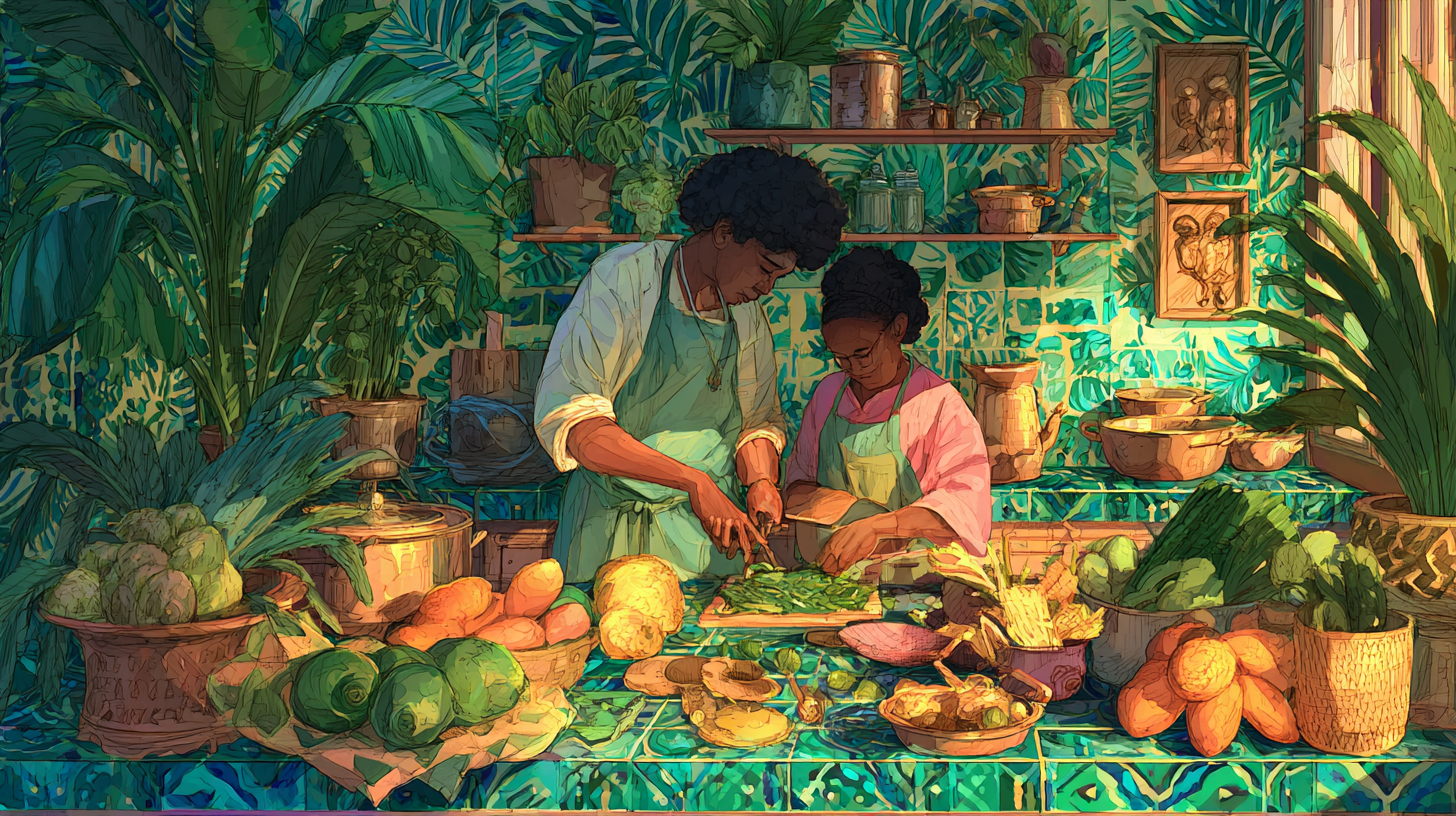
- Repeated exposure without pressure: Offer new foods 10-15 times in different forms. That callaloo they rejected as a side dish? Try it blended into a creamy soup with coconut milk.
- Family meals matter most now: Shared environmental factors have their biggest impact during toddlerhood. Eat together regularly.
- Sensory exploration: Let them touch, smell, and play with foods during prep. My daughter wouldn’t eat plantains for months, but she loved helping me peel them. Eventually, curiosity led to tasting.
- Strategic flavor pairing: Use naturally sweet Caribbean staples to introduce more challenging flavors gradually.
After Age 3 (When Genetics Dominate):
- Accept their genetic baseline: Your role shifts from trying to change their preferences to ensuring nutrition within their acceptable foods.
- Focus on relationship over variety: A picky eater who enjoys family meals has better long-term outcomes than a stressed child forced to try foods.
- Trust the trajectory: Most picky eaters naturally improve as they approach adolescence. The genes that make them sensitive don’t disappear, but kids develop coping strategies.
- Offer choices within boundaries: “Would you like rice and peas or Cook-Up Rice tonight?” gives autonomy while ensuring nutrition.
The Science Says: Most Picky Eaters Turn Out Just Fine
Here’s what gave me the most relief from the research: the long-term outcomes for genetically picky eaters are actually quite good. Dr. Stephen Cook from Nationwide Children’s Hospital put it perfectly: “Parents and caregivers may not know that over the course of a typical month, children will naturally get all the calories they need, picky eating or not.”
The genetic research tracked these kids for over a decade. The majority maintained adequate growth, got sufficient nutrition, and—here’s the kicker—many naturally expanded their food preferences as they got older without intense intervention. Their taste receptor sensitivity didn’t change, but they developed strategies to work with their genetics rather than against them.
My daughter is now seven. She still won’t touch lettuce. Raw tomatoes make her gag. But she’ll eat Stewed Peas made with coconut milk and thyme, she loves Yellow Yam & Carrot Sunshine, and she recently tried curried chickpeas because her best friend was eating them. Not because I pressured her. Not because I finally found the “right” parenting technique. But because her brain matured enough to override some of those genetic sensitivities in social situations.
Guilt Release Action Plan
Choose one guilt-releasing action you’ll commit to this week:
Practical Caribbean-Inspired Strategies That Work With Genetics
Once I stopped fighting my daughter’s genetic makeup and started working with it, everything became easier. Here are the strategies that actually made a difference in our household:
1. The Coconut Milk Magic Trick
Coconut milk is your secret weapon for picky eaters with bitter sensitivity. It naturally masks bitter notes while adding creaminess and subtle sweetness. When standard vegetables got rejected, I’d blend them with coconut milk, sweet potato, and a touch of thyme. Suddenly acceptable.
2. The Flavor Progression Method
Start with naturally sweet Caribbean staples and gradually introduce complexity. Begin with ripe plantains and mangoes. Move to mildly flavored foods like dasheen and eddoes. Eventually work toward more assertive flavors like callaloo or okra—but only if their genetics allow. If they can’t tolerate it, that’s biology, not failure.
3. The Cultural Connection Strategy
Tell stories while cooking. “This is how Great-Grandma made Cornmeal Porridge every Sunday morning.” Kids might not try foods for nutrition, but they’ll try them for connection. And when trying happens repeatedly without pressure, acceptance sometimes follows.
4. The Division of Responsibility Framework
You decide what’s offered, when, and where. They decide what and how much to eat from those options. This removes power struggles that make genetic pickiness worse. I serve family meals with at least one food I know she’ll accept, then let her choose from what’s available. Some nights she eats everything. Some nights, just rice. Her growth chart is perfect either way.
For more recipes designed specifically for selective eaters—incorporating naturally sweet ingredients like mango, plantain, sweet potato, and coconut milk—the Caribbean Baby Food Recipe Book offers dozens of options that work with genetic taste sensitivities rather than against them. Recipes like Calabaza con Coco, Plantain Paradise, and Sweet Potato & Callaloo Rundown provide complete nutrition while respecting children’s biological taste preferences.
What This Means for Your Family Moving Forward
The September 2024 research doesn’t just give us data—it gives us permission. Permission to stop blaming ourselves. Permission to stop forcing foods that taste genuinely awful to our children’s genetic makeup. Permission to focus on what actually matters: raising kids who have healthy relationships with food and family, even if their accepted foods list is shorter than we’d prefer.
This research also arms us with responses to unhelpful comments. When someone suggests your child is picky because you “gave in too easily,” you can now respond with: “Actually, the latest genetic research shows picky eating is 74-84% inherited after age 3. This isn’t about parenting—it’s biology.”
More importantly, it frees up mental and emotional energy. All those hours you’ve spent feeling guilty, researching strategies, crying over rejected meals? You can redirect that energy toward enjoying your child. Toward making mealtimes pleasant rather than battlegrounds. Toward trusting that most picky eaters grow into adults with perfectly adequate diets.
Your Genetic Acceptance Tracker
Mark how far you’ve come in accepting the genetic reality of picky eating:
A Letter to My Former Self (And to You)
If I could go back to that birthday party three years ago—when my daughter sat with her arms crossed refusing everything but white rice while my mother-in-law questioned my parenting—I’d tell myself this:
It’s not your fault. Her taste receptors are different from yours. When she says vegetables taste bad, she’s not being difficult—they genuinely taste horrific to her genetic makeup. You didn’t create this by being too permissive or not trying hard enough. This is written in her DNA, and the kindest thing you can do is stop fighting her biology and start working with it.
Those family meals you’re serving—the ones where she only eats one or two things? They still matter. Not because you’re expanding her palate (though that might happen eventually), but because you’re creating positive food memories. You’re teaching her that mealtimes are for connection, not conflict. That’s worth more than a clean plate ever could be.
And five years from now, when she’s eating curried chickpeas because her friend is eating them, you’ll realize: she was always going to get there at her own pace. Your job wasn’t to force it. Your job was to keep offering opportunities without pressure, maintain nutritional adequacy within her preferences, and protect her from the guilt and shame you were carrying.
The September 2024 research is a gift to parents everywhere. It’s permission to exhale. To stop scrolling through feeding therapy Instagram accounts at midnight. To stop hiding your child’s eating habits from judgmental relatives. To trust that you’re doing enough by providing nutrition, modeling healthy eating, and creating pleasant mealtimes—even if those mealtimes feature the same five foods on repeat.
Your child’s picky eating isn’t a reflection of your parenting. It’s a reflection of their unique genetic makeup—the same genetic makeup that might make them exceptionally sensitive to music, or give them your grandmother’s eyes, or help them excel at spatial reasoning. The TAS2R38 gene that makes vegetables taste terrible? It evolved to protect humans from poisonous plants. Your picky eater’s ancestors survived because of those genes.
So tonight, when you serve dinner and your child picks at their plate, remember: you’re not failing. You’re raising a human whose biology is different from yours. And that’s not just okay—it’s exactly as nature intended. The guilt you’ve been carrying? You can set it down now. Science says you never needed to pick it up in the first place.
For those moments when you need recipe inspiration that works with your picky eater’s genetics—incorporating ingredients that appeal to sensitive palates while still providing Caribbean flavor and complete nutrition—explore the Caribbean Baby Food Recipe Book. Every recipe considers the reality that some children genuinely experience flavors differently, offering pathways to nutrition that respect biological differences rather than fighting them.
Remember this: The best thing you can offer your picky eater isn’t a perfectly diverse diet. It’s a parent who’s released the guilt, trusts the science, and creates mealtimes filled with connection instead of conflict. That matters more than any vegetable ever could.

Kelley's culinary creations are a fusion of her Caribbean roots and modern nutritional science, resulting in baby-friendly dishes that are both developmentally appropriate and bursting with flavor. Her expertise in oral motor development and texture progression ensures that every recipe supports your little one's feeding milestones while honoring cultural traditions.
Join Kelley on her flavorful journey as she shares treasured family recipes adapted for tiny taste buds, evidence-based feeding guidance, insightful parenting anecdotes, and the joy of celebrating food, culture, and motherhood. Get ready to immerse yourself in the captivating world of Kelley Black and unlock the vibrant flavors of the Caribbean for your growing baby, one nutritious bite at a time.
- The Feeding Revolution: Why Your Everyday Meals Are Changing the World - October 13, 2026
- Your Feeding Story Matters More Than The “Perfect” One Online - October 12, 2026
- Looking Forward: Stepping Into Your Confident Feeding Future - October 11, 2026