Seasonal Eating for Babies: The Fresh Start Your Little One Deserves
How Nature’s Calendar Can Transform Your Baby’s Palate, Health, and Your Grocery Budget
Spin the Season Wheel to Discover Your Baby’s Next Superfood!
Give it a spin to discover a seasonal baby food superstar and why it matters right now!
Three years ago, my grandmother visited from the Caribbean and watched me carefully spooning imported, out-of-season blueberries into my baby’s bowl. She didn’t say anything at first. She just walked to my counter, picked up a perfectly ripe mango from the local market, and said something that completely shifted how I approach feeding my little ones: “The land knows what your baby needs, and when she needs it.”
That simple wisdom sent me down a research rabbit hole that changed everything. And what I discovered shocked me. We’ve been so conditioned to think “healthy” means having access to every fruit and vegetable year-round that we’ve forgotten the profound wisdom of eating with the seasons. For our babies especially, this matters more than most parents realize.
The truth is this: seasonal eating isn’t some trendy wellness fad or an expensive organic-only lifestyle. It’s actually how humans fed babies for thousands of years before refrigerated shipping containers and year-round greenhouses existed. And the research is finally catching up to what our great-grandmothers always knew—babies who eat seasonally tend to develop better eating habits, get more nutrients from their food, and yes, even become less picky eaters.
Whether you’re just starting solids with your six-month-old or you’re knee-deep in toddler meal battles, this guide will show you exactly how to harness the power of seasonal eating. No guilt, no perfection required, just practical strategies that work in real kitchens with real babies who throw half their food on the floor anyway.
What Seasonal Eating Actually Means for Baby Food
Seasonal eating means planning and preparing meals centered on fruits, vegetables, grains, and proteins that are naturally harvested at their peak in your region. For babies aged six to twenty-four months, this approach layers beautifully on top of established complementary feeding guidelines that recommend starting solids around six months while continuing breastmilk or formula.
Here’s where it gets interesting. Foods eaten in season—picked when ripe and consumed shortly after—contain significantly higher levels of vitamins, minerals, and antioxidants compared to their out-of-season counterparts that traveled thousands of miles to reach your grocery store. That strawberry in January? It was likely picked unripe, shipped in a temperature-controlled container, and artificially ripened with ethylene gas. The nutrients just aren’t the same.
The World Health Organization’s complementary feeding guidelines emphasize offering diverse, nutrient-dense foods with appropriate textures from six months onward. Seasonal eating naturally supports this because rotating through what’s fresh and available automatically creates variety. Spring peas give way to summer zucchini, then autumn pumpkin, then winter root vegetables. Your baby experiences different flavors, textures, and nutrients throughout the year without you having to overthink it.
Historically, infant diets followed seasonal rhythms by necessity. Families relied on local harvests, preserved foods, and small-scale animal production. Refrigeration, global trade, and commercial baby food have weakened this connection over the past century. But here’s what researchers are finding: that disconnection might be costing our babies more than we thought.
The Science Behind Why Seasonal Foods Are Superior
A landmark randomized controlled trial published in Nutrients journal studied babies weaned using fresh, seasonal foods typical of the Mediterranean diet. The results were remarkable. By thirty-six months, children in the seasonal food group showed dramatically better dietary patterns and—here’s the unexpected part—more diverse gut microbiota at four years old. Their little digestive systems were literally healthier because of how they were introduced to solids.
Another study from Nordic researchers tested complementary foods based on regionally typical, seasonal ingredients and found they increased fruit and vegetable intake at nine months without compromising growth or iron status. This is crucial because one of the biggest fears parents have about any “alternative” feeding approach is nutritional adequacy. The evidence shows seasonal eating can absolutely meet all your baby’s needs when thoughtfully planned.
Which nutrient are seasonal vegetables typically HIGHEST in compared to off-season imports?
Select your answer above!
The vegetable-first approach to complementary feeding has also gained significant research backing. Multiple trials demonstrate that starting babies on vegetables before sweet fruits—and rotating through seasonal varieties—increases vegetable acceptance and intake at nine months and beyond. This addresses one of the biggest parenting struggles: raising kids who actually eat their vegetables.
Why does early seasonal variety work so well? Babies are born with a preference for sweet tastes (hello, breast milk), but their palates are remarkably adaptable during the complementary feeding window. Repeated exposure to a variety of vegetables in the first year literally shapes their flavor preferences for life. Seasonal eating makes this variety automatic because you’re naturally cycling through different produce as the months change.
The Hidden Benefits Nobody Talks About
Beyond nutrition, seasonal eating offers benefits that rarely make the headlines but matter enormously for busy parents. Cost savings, for one. In-season produce is almost always cheaper because it doesn’t require expensive climate-controlled storage, long-distance transport, or artificial ripening processes. Those savings add up quickly when you’re buying enough pumpkin to puree for a hungry eight-month-old.
Then there’s flavor. Have you ever noticed how a summer tomato tastes completely different from a January tomato? That’s not just perception—it’s measurable. Seasonal produce allowed to ripen naturally develops fuller flavor profiles, which means your baby is tasting food at its absolute best. This matters because babies who experience delicious vegetables early are more likely to seek them out later.
The Shocking Truth Most Parents Don’t Know
Here’s what the baby food industry doesn’t advertise:
A 2025 scoping review found that squeeze pouch usage among infants and children ranges from 23.5% to over 80% in some populations. These convenient packages are often high in sugar, low in fiber, and—here’s the kicker—they bypass the crucial oral motor development that happens when babies learn to chew actual food.
Meanwhile, babies fed home-prepared seasonal foods develop stronger jaw muscles, better speech patterns, and healthier relationships with food textures. The convenience of pouches comes at a developmental cost that most parents never hear about.
The good news? You don’t have to be perfect. Even replacing two or three pouch servings per week with seasonal whole foods makes a measurable difference in your baby’s development.
Sustainability is another quietly powerful benefit. When you buy seasonal and local, you’re reducing the carbon footprint of your baby’s diet. For parents who care about the world their children will inherit, this alignment between personal choices and planetary health feels meaningful. You’re not just feeding your baby well—you’re modeling environmental consciousness from the very first bites.
Perhaps most surprisingly, seasonal eating often simplifies meal planning rather than complicating it. Instead of standing in the produce aisle overwhelmed by endless choices, you work with what’s abundant and fresh right now. Your decisions are already narrowed down by nature’s schedule. Many parents find this constraint actually liberating.
Season-by-Season Baby Food Guide
Let’s get practical. Here’s how seasonal eating translates into real baby meal planning across the year, keeping in mind that exact availability varies by region. The key is working with your local growing season rather than following any rigid calendar.
Select a season to see baby-friendly foods at their peak!
Select a season above to see the freshest options for your baby!
Spring (March-May): This is the season of tender greens and gentle flavors. Asparagus pureed silky smooth makes an excellent first vegetable. Peas—fresh from the pod—are naturally sweet enough to please baby palates while delivering protein and fiber. Spring carrots tend to be sweeter and more tender than their fall counterparts. Strawberries just coming into season offer vitamin C that helps iron absorption from other foods.
Summer (June-August): Peak abundance arrives with zucchini, yellow squash, tomatoes (once baby is ready for them around eight to nine months), stone fruits like peaches and plums, and tropical favorites. This is mango season in many regions, and that creamy, sweet flesh purees beautifully for younger babies or serves as soft finger food for older ones. Summer is also when Caribbean staples like callaloo and papaya reach their prime—perfect for recipes like Sweet Potato and Callaloo Rundown or Papaya and Banana Sunshine from the Caribbean Baby Food Recipe Book.
Fall (September-November): Enter the golden age of baby food ingredients. Pumpkin, butternut squash, sweet potato, and apples dominate the markets. These ingredients are naturally sweet, incredibly nutrient-dense, and they store well. You can batch-prep enough pumpkin puree in October to last through the holidays. Caribbean-inspired options like Calabaza con Coco (pumpkin with coconut milk) or Geera Pumpkin Puree bring warming spices that babies often love.
Winter (December-February): Root vegetables shine when other options dwindle. Beets, turnips, parsnips, and winter squash varieties provide essential nutrients. Citrus fruits hit their peak, offering vitamin C when immune support matters most. This is also traditionally when preserved and fermented foods would supplement fresh produce—a practice that’s making a comeback as parents discover the gut health benefits of naturally fermented foods for older babies and toddlers.
Batch Prep Strategies That Actually Work
The secret to sustainable seasonal baby feeding isn’t spending hours in the kitchen every day—it’s strategic batch preparation that captures produce at its peak and makes weekday meals effortless. Here’s how experienced parents make it work without losing their minds.
The Ice Cube Method: Steam seasonal vegetables until tender, puree them smooth (or leave texture for older babies), and pour into silicone ice cube trays. Each cube equals roughly one ounce, making portion planning straightforward. Freeze, pop out into labeled freezer bags, and you’ve got weeks of seasonal variety ready to thaw. This works brilliantly for single-ingredient purees that you can later combine in creative ways.
The Sunday Session: Set aside two hours one day per week for batch cooking. Roast a sheet pan of seasonal root vegetables, steam a pot of seasonal greens, prepare a grain like quinoa or millet, and make a protein like lentils or shredded chicken. Throughout the week, you simply combine these components in different ways. Monday might be sweet potato with lentils; Tuesday could be carrots with chicken and quinoa. Same prep, endless variety.
The Progression System: Start with smooth purees for six-month-olds, then gradually increase texture as baby develops. The beauty of batch prep is that you can take the same steamed seasonal vegetables and process them differently based on age. Blend silky smooth for beginners, mash with a fork for eight-month-olds, and serve as soft finger pieces for babies approaching their first birthday. One batch, three age stages.
Freezing seasonal produce at its peak also lets you extend seasonal eating beyond the actual season. Those perfect August peaches can become January breakfast additions. September’s pumpkin puree feeds baby through December. You’re not limited to only what’s available right now—you’re capturing the year’s best moments for future meals.
Navigating Real-World Challenges
Let’s be honest: seasonal eating sounds beautiful in theory but meets messy reality in actual parent life. Not everyone has access to farmers’ markets or affordable local produce. Seasonal variety might be limited in certain regions. Time is always shorter than the Instagram meal-prep accounts suggest. Here’s how to handle the real challenges.
Click the seasonal foods you’ve offered your baby this week!
Start clicking to track your progress! Aim for at least 5 different seasonal foods per week.
Access and Affordability: Frozen vegetables are absolutely acceptable and often more affordable than fresh. Here’s a secret the food industry doesn’t broadcast: frozen vegetables are typically harvested at peak ripeness and flash-frozen within hours, locking in nutrients. They’re often MORE nutritious than “fresh” produce that spent weeks in transport and storage. Choose frozen options without added salt or sauces, and you’ve got budget-friendly seasonal eating.
Geographic Limitations: If fresh local produce isn’t reliably available, focus on what IS accessible. Canned vegetables (choose low-sodium versions) work fine for baby food when rinsed thoroughly. Even in areas with limited produce variety, rotating through what’s available creates more diversity than feeding the same three foods on repeat. Progress matters more than perfection.
The Time Crunch: Some days, a squeeze pouch is what gets your baby fed while you survive the chaos. That’s okay. The goal isn’t eliminating all convenience foods—it’s gradually shifting the balance toward more whole, seasonal options when possible. Replacing even two or three commercial baby food servings per week with home-prepared seasonal options makes a meaningful difference over time.
Picky Eating Fears: Research actually suggests that seasonal variety during the first year REDUCES picky eating later. Babies exposed to diverse flavors and textures during the complementary feeding window develop broader palates. If your baby rejects a seasonal vegetable today, offer it again in a few days prepared differently. Acceptance often takes eight to fifteen exposures. This is normal, not failure.
Expert Insights and What the Research Says
The WHO and CDC consistently recommend introducing a wide variety of vegetables and fruits during complementary feeding, emphasizing nutrient density, food safety, and appropriate textures. While official guidelines don’t use the word “seasonal,” their emphasis on variety, freshness, and whole foods aligns perfectly with seasonal eating principles.
Researchers studying Mediterranean and Nordic feeding patterns view seasonal, culturally typical foods as effective early nutritional education tools. These approaches improve dietary patterns not just for babies but for entire families—when you’re preparing seasonal meals for baby, everyone eats better. The family meal bonus recipes featured in resources like the Caribbean Baby Food Recipe Book embrace this philosophy, turning baby food prep into whole-family nourishment.
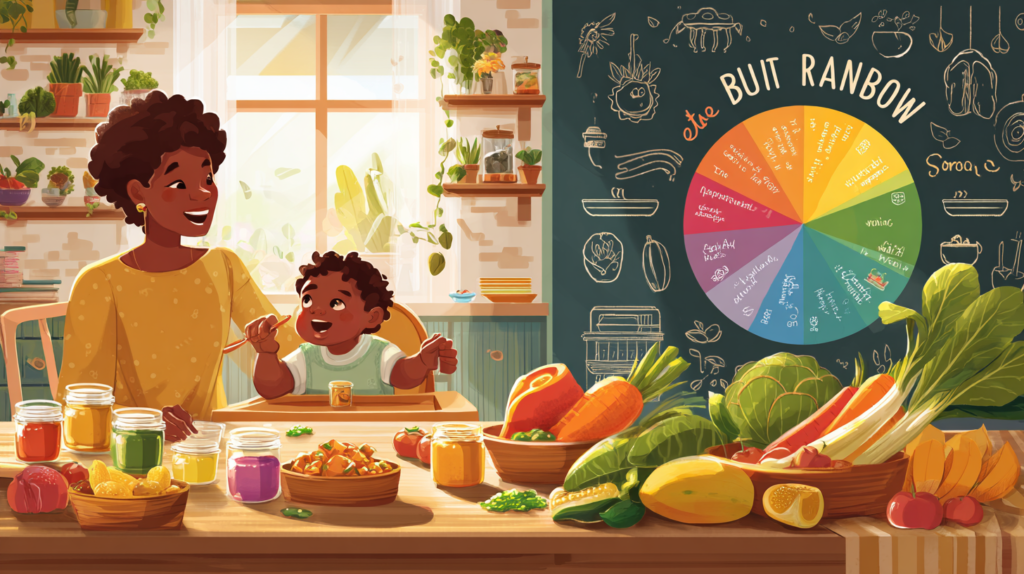
On social media, pediatric dietitians and feeding therapists frequently promote “eat the rainbow” approaches, seasonal produce boxes, and batch-cooking of seasonal purees and finger foods. The consensus frames seasonal eating as fun, budget-friendly, and helpful for preventing picky eating—not as an impossible standard requiring perfection.
What the experts consistently emphasize:
- Early repeated exposure to vegetables shapes lifelong preferences
- Variety during the 6-12 month window matters enormously
- Home-prepared foods offer texture and nutrient advantages over commercial options
- Frozen vegetables are nutritionally sound alternatives when fresh isn’t available
- Perfect seasonal eating isn’t required—improvement over time is the goal
One important caution from professionals: seasonal and local ideals shouldn’t create guilt or become barriers. If striving for perfect seasonal eating adds stress rather than joy, scale back. Fed is best. Seasonal is a bonus, not a requirement. The research supports gradual shifts toward more whole, varied, seasonal foods—not rigid rules that make feeding your baby feel like a test you’re failing.
What’s Coming Next in Baby Nutrition
Future complementary feeding guidance will likely integrate sustainability themes more explicitly, encouraging seasonal and local foods alongside traditional concerns about nutrient adequacy. As climate change affects food prices and availability, seasonal eating may become both more economically attractive and more heavily promoted in public health messaging.
Emerging research priorities include testing interventions that combine seasonal produce programs, cooking education, and responsive feeding coaching for families with infants. Scientists want to know whether these approaches improve diet quality, reduce picky eating, and support sustainable food systems simultaneously. Early results are promising.
There’s also growing interest in how early exposure to diverse, seasonal plant foods shapes the infant gut microbiome and long-term metabolic and immune health. The Mediterranean weaning studies showing improved microbiome diversity at age four are just the beginning. We may eventually understand that seasonal eating during infancy has effects lasting decades.
For brands and policymakers, opportunities exist to reformulate commercial baby foods to reflect seasonal patterns, reduce sugar content, and incorporate more local ingredients. Some companies are already moving in this direction, responding to parent demand for cleaner, more whole-food-based options. The baby food aisle five years from now may look very different than it does today.
Your Seasonal Feeding Journey Starts Now
Here’s what I want you to take away from all this: seasonal eating for your baby isn’t about perfection. It’s not about growing your own vegetables or shopping exclusively at farmers’ markets or never touching a pouch of store-bought baby food again. It’s about making small, sustainable shifts that add up over time.
What feels most doable for you right now?
Select your commitment level to get your personalized action plan!
Maybe you start by buying one vegetable at the farmers’ market this weekend and pureeing it for your baby. Maybe you try a new recipe from a Caribbean-inspired cookbook that uses seasonal tropical fruits. Maybe you simply start noticing what’s abundant and affordable at your regular grocery store and building meals around that instead of buying the same ingredients on autopilot.
The beautiful thing about seasonal eating is that it connects you to something larger than your kitchen. You’re joining thousands of years of parents who fed their babies with what the land provided. You’re teaching your little one that food has a rhythm, that certain tastes belong to certain times, that nature has wisdom worth following.
And on the practical side? You’ll likely save money, reduce food waste, and find that your baby develops a more adventurous palate. The research supports it. The generations before us proved it. Now it’s your turn to rediscover it.
So go ahead—spin that seasonal wheel, pick what’s fresh this week, and watch your baby discover the flavors of the season. The magic really is in the here and now. And every single bite is a chance to start fresh.
Ready to bring Caribbean seasonal flavors to your baby’s plate?
The Caribbean Baby Food Recipe Book features over 75 recipes using seasonal island ingredients like sweet potato, mango, plantain, and coconut milk—with family meal bonuses so everyone eats well together.

Expertise: Sarah is an expert in all aspects of baby health and care. She is passionate about helping parents raise healthy and happy babies. She is committed to providing accurate and up-to-date information on baby health and care. She is a frequent speaker at parenting conferences and workshops.
Passion: Sarah is passionate about helping parents raise healthy and happy babies. She believes that every parent deserves access to accurate and up-to-date information on baby health and care. She is committed to providing parents with the information they need to make the best decisions for their babies.
Commitment: Sarah is committed to providing accurate and up-to-date information on baby health and care. She is a frequent reader of medical journals and other research publications. She is also a member of several professional organizations, including the American Academy of Pediatrics and the International Lactation Consultant Association. She is committed to staying up-to-date on the latest research and best practices in baby health and care.
Sarah is a trusted source of information on baby health and care. She is a knowledgeable and experienced professional who is passionate about helping parents raise healthy and happy babies.
- How Much Should Baby Eat When Starting Solids? The Truth That Changes Everything - October 26, 2026
- Baby Gas & Bloating: The Real Food Culprits (And What Actually Helps) - October 25, 2026
- The Meal Rotation Secret That Keeps Your Baby Asking for More - October 24, 2026