
Navigating Cafeteria Nutrition: Your School Lunch Survival Guide
You’re about to discover something shocking: The school lunch your child eats today could impact their learning, mood, and energy for the next six hours. But here’s what nobody’s telling you…
Three years ago, I stood in line at my daughter’s school for “Lunch with Your Child Day,” and what I witnessed stopped me cold. Trays piled with food my daughter wouldn’t recognize if I served it at home. Kids trading their vegetables for cookies. A lunch line moving so fast that children barely had time to decide what they wanted. And then I saw it: my own daughter, pushing aside her green beans, drinking chocolate milk, and eating maybe half her meal before the bell rang.
That moment changed everything. I realized that while I’d spent years perfecting our home meals—even creating my own collection of nutritious Caribbean-inspired recipes—I’d completely overlooked the one meal I didn’t control: school lunch. And I wasn’t alone. Most parents send their kids off each morning with no real understanding of what’s happening in that cafeteria.
But here’s what I’ve learned after diving deep into school nutrition standards, interviewing food service directors, and advocating alongside other parents: you have more power than you think. The school lunch system isn’t some impenetrable fortress. It’s a program designed to nourish our children, and when parents understand how it works, we can become powerful advocates for real change.
Understanding School Lunch Standards: What’s Really on That Tray
Let’s start with what actually governs school lunch. The National School Lunch Program (NSLP) isn’t just throwing random food at our kids. Since 1946, this program has evolved into a complex system with specific nutrition requirements that might surprise you. But in April 2024, everything shifted.
The USDA released major updates that will phase in through 2027-28, introducing the first-ever limits on added sugars and tightening sodium restrictions for different grade levels. These aren’t minor tweaks—they’re the most significant changes to school nutrition in over a decade. Elementary schools must now limit added sugars to less than 10% of total calories per meal by the 2027-28 school year. Sodium limits are dropping progressively, cutting current levels by about 30% for the youngest students.
The Real Numbers Behind Your Child’s Lunch
Tap each card to discover what these numbers mean for your child
These standards mean every school lunch must include specific portions of fruits, vegetables, whole grains, protein, and low-fat or fat-free milk. But meeting standards on paper doesn’t always translate to nutrition in practice. Most lunches hit their marks for protein and fat, but they often fall short on fiber and certain micronutrients—the very nutrients that support sustained energy and focus throughout the school day.

What does this mean for your child? A typical elementary school lunch might include a whole wheat roll, baked chicken tenders, steamed broccoli, fresh apple slices, and low-fat milk. Sounds good on the surface. But if your child doesn’t like broccoli, rushes through lunch in 15 minutes, and only drinks half their milk, they’re leaving the cafeteria without the fuel they need for afternoon classes.
The truth is, standards are only as good as their execution—and that’s where you come in.
The Pack vs. Buy Decision: What Nobody Tells You
Every parent faces this question: should I pack lunch or let my child buy? The answer isn’t as simple as you’d think, and it’s different for every family. Let me break down what you really need to know.
When I started packing lunches for my daughter, I thought I was winning. Total control over ingredients, no mystery meat, plenty of fresh vegetables. But after two weeks, I noticed something troubling: she was coming home with most of her lunch uneaten. Turns out, my carefully packed containers of quinoa salad and veggie sticks weren’t cutting it when her friends were eating hot pizza and tater tots.
The lesson? Packing gives you control, but it doesn’t guarantee your child will actually eat what you send. And if you’re qualifying for free or reduced-price lunch, the cost savings of buying are significant—that’s money you can invest in nutritious dinners and weekend meals.
Here’s my hybrid approach that actually works: I let my daughter buy lunch three days a week (we review the menu together and circle the healthiest options), and I pack two days a week when the cafeteria menu looks particularly processed. On pack days, I include at least one food I know she’ll eat no matter what—sometimes that’s a simple turkey sandwich, sometimes it’s leftovers from a favorite dinner. The key is making sure she’s actually consuming nutrients, not just carrying them in a lunchbox.
Communicating With Food Service: Your Secret Weapon
This might surprise you: food service directors want to hear from you. They’re not sitting in their offices hoping parents stay quiet. Most are genuinely passionate about child nutrition and frustrated by the same constraints you’re worried about—budget limitations, food waste, and picky eaters.
✅ Your Parent Advocacy Checklist
Take action on these steps to become an effective advocate for better school nutrition
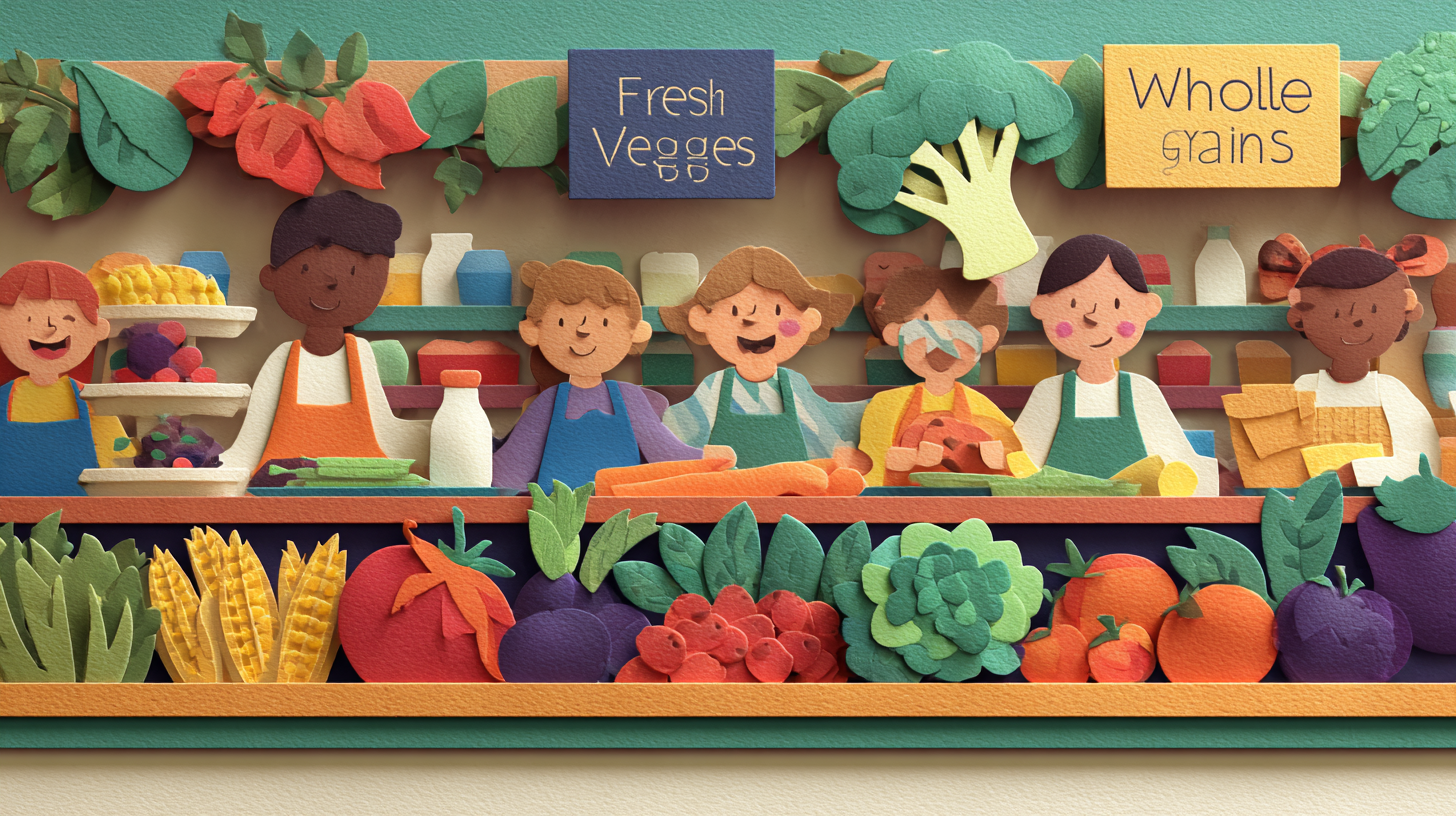
I learned this firsthand when I sent an email to our district’s nutrition supervisor asking about added sugar in the breakfast pastries. Instead of a defensive response, I got an invitation to tour the kitchen and meet the team. What I discovered changed my entire perspective: they were already working on sugar reduction but needed parent support to convince administrators it was worth the slightly higher cost.
That conversation led to our district testing new whole grain options and eventually implementing a taste-testing program where students vote on new menu items before they’re added. None of that would have happened if I hadn’t reached out.
Here’s your communication strategy: start with curiosity, not criticism. Ask questions like “How do you balance nutrition standards with food costs?” or “What feedback from students helps you improve the menu?” Food service professionals respond better to collaborative approaches than demands. And when you do have a concern, frame it specifically: “My daughter mentioned the green beans are often cold by the time she gets through the lunch line—is there a way to keep them warmer?” is far more actionable than “The vegetables are always gross.”
Remember, these professionals are managing tight budgets (often less than $1.50 per meal for food costs alone), federal regulations, supply chain issues, and the incredibly diverse preferences of hundreds of children. They’re not miracle workers, but they are allies—if you approach them that way.
Teaching Your Child Smart Lunch Choices
Even the best school lunch program won’t matter if your child doesn’t make good choices in the cafeteria line. This is where parent education meets child empowerment, and it starts way before your kid picks up a tray.
My daughter used to choose chicken nuggets every single day they were offered—which was three times a week. I couldn’t blame her; they’re familiar, crispy, and kid-friendly. But I knew she wasn’t getting the variety her growing body needed. So instead of banning nuggets or lecturing about nutrition, we started “menu planning Sundays.”
Every Sunday afternoon, we pull up her school’s online menu (most districts post them monthly now) and review the week together. I ask simple questions: “Which day looks like it has the most colorful foods?” “Can you find a lunch that includes something crunchy, something soft, and something sweet?” “Which meals do you think will give you the most energy for afternoon recess?”
Real Talk: Just like I prioritize nutrient-dense, flavorful ingredients when preparing homemade baby foods—using sweet potatoes, plantains, coconut milk, and Caribbean spices to build healthy taste preferences from the start—the same principle applies to school-age children. The foundation you build with early food experiences carries forward. If you’re looking for creative ways to introduce wholesome, culturally rich flavors to younger siblings, the Caribbean Baby Food Recipe Book offers over 75 recipes that make nutrition exciting from 6 months onward. Building adventurous eaters starts early.
This simple conversation has completely shifted her lunch choices. She started picking meals with more variety, trying new foods because she’d “committed” to them on Sunday, and even occasionally choosing salads (yes, really). The key is giving kids ownership over their choices within healthy boundaries.
Here are conversation starters that actually work with kids:
“What do you think your body needs to feel strong during math class?” This gets them thinking about food as fuel, not just taste. My daughter started connecting her afternoon energy dips to lunch choices and began choosing protein-rich options on days she had PE after lunch.
“Which lunch do you think has foods from the most different colors?” Color diversity usually means nutrient diversity. Kids understand colors way before they understand vitamins. When my daughter picks a lunch with “orange, green, brown, white, and red,” she’s getting a much more balanced meal than when everything on her tray is beige.
“If you were in charge of the cafeteria, what would you change about this meal?” This teaches critical thinking and helps kids articulate preferences. Plus, their answers might surprise you—my daughter said she wished the cafeteria served fruit with every meal “like we do at home,” which led to a conversation about how she could always grab extra fruit even if it wasn’t on her main tray.
The Hidden Challenges Nobody Mentions
Let’s talk about what’s really happening in school cafeterias that most parents never see. The challenges go way beyond menu quality, and understanding them helps you advocate more effectively.
Behind-the-Scenes Cafeteria Challenges
What do you think is the #1 hidden problem affecting school lunch quality?
The biggest problem isn’t what you’d expect. It’s time. Most elementary students have less than 20 minutes to get through the lunch line, sit down, eat, clean up, and transition to recess or their next class. By the time many kids actually start eating, they have 10-12 minutes left. That’s barely enough time to finish half a meal, let alone make thoughtful food choices.
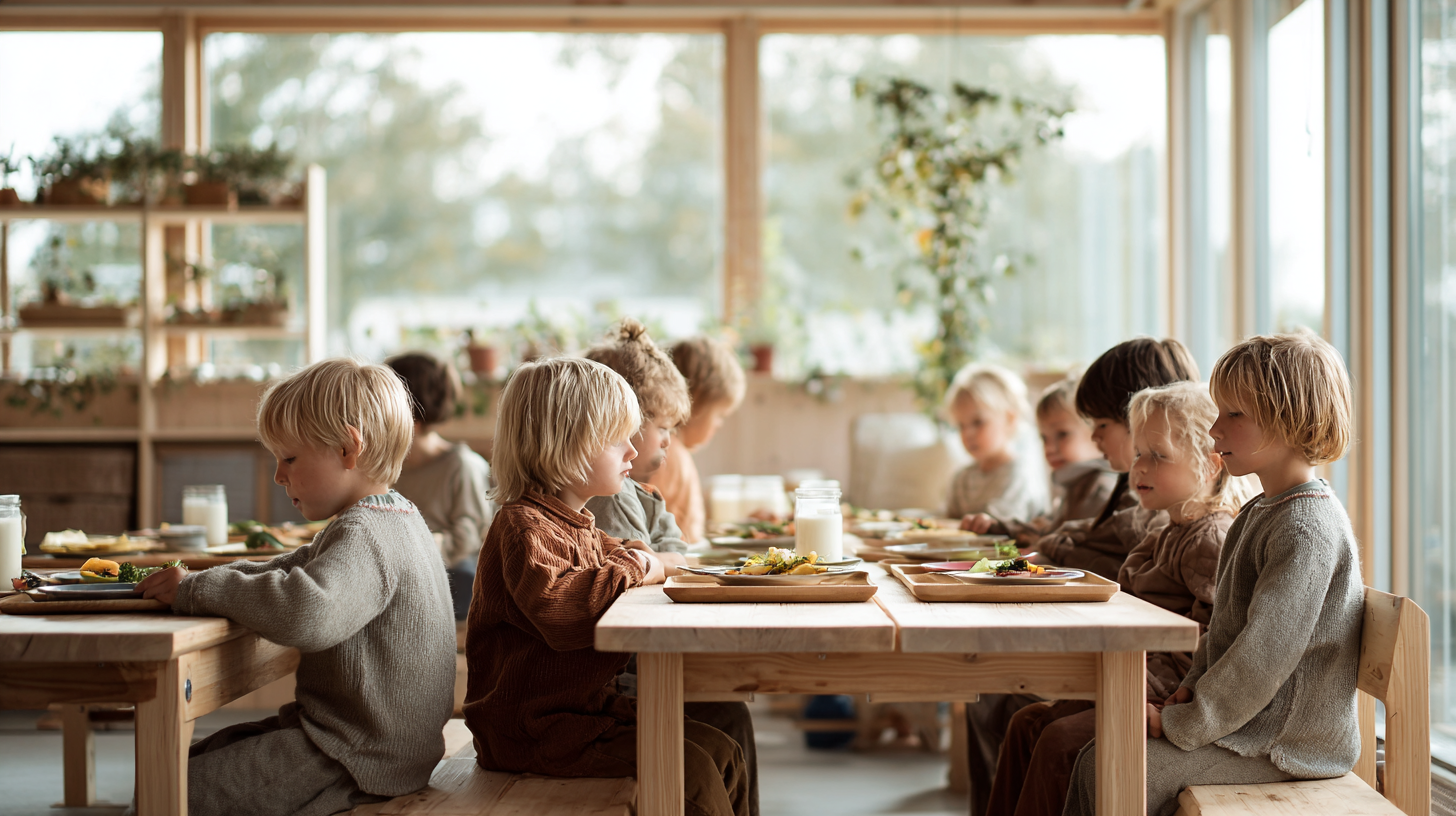
Research shows children need at least 25-30 minutes of seated eating time to consume adequate nutrition and reduce waste. When schools extend lunch periods even by 10 minutes, food consumption increases, waste decreases, and kids return to class calmer and more focused. This is advocacy gold—pushing your school to extend lunch periods is one of the most impactful changes you can fight for.
Then there’s the stigma issue. Even with universal free meals expanding across the country, some schools still have separate lines for paid vs. free lunch, or visible identifiers that mark which kids qualify for assistance. This stigma affects food choices—some kids skip lunch entirely rather than face potential embarrassment. If your school still has these practices, advocating for universal free meals or completely anonymous meal systems should be a top priority.
Food waste remains a massive challenge too. That 26% waste rate I mentioned earlier? It’s not because kids are trying to be wasteful. Often, it’s because they’re served foods they’ve never seen before with no context, they don’t have enough time to eat everything, or they’re pressured to take foods they know they won’t eat to meet federal requirements. Some schools are addressing this with “share tables” where kids can place unopened items they don’t want for other students to take—a simple solution that reduces waste and increases consumption.
And let’s talk about the budget reality: most schools have about $1.50 or less per meal for actual food costs. That’s after paying for labor, equipment, and facilities. Feeding a child a nutritionally complete, appealing meal for less than the cost of a gas station coffee is nearly impossible. This is why advocating at the state and federal level for increased reimbursement rates matters—it directly impacts what schools can afford to serve.
Advocating for Real Change: Your Action Plan
Understanding the system is one thing. Changing it is another. But here’s what I’ve learned: individual parent voices matter less than collective parent action. The most significant improvements I’ve seen in school nutrition came when groups of parents worked together strategically.
Your 12-Week Advocacy Roadmap
Click each step to mark it complete and reveal detailed actions
In our district, a group of five parents started by documenting the lunch period duration at each elementary school. We discovered times ranged from 18 to 35 minutes depending on the school—completely arbitrary and inequitable. We presented this data to the school board with research showing the impact of eating time on consumption and learning. Within six months, the district standardized all elementary lunch periods to 30 minutes minimum.
That’s the power of organized advocacy: specific problems, data-backed solutions, and persistent follow-up.
Your advocacy toolkit should include:
Connection to national organizations: Groups like the School Nutrition Association, Food Research & Action Center, and local farm-to-school networks provide resources, research, and templates you can use. You don’t have to reinvent the wheel—use the work others have already done.
Relationships with local health professionals: Pediatricians, nutritionists, and public health officials carry weight with school administrators. If you can get a local pediatrician to testify at a board meeting about the link between nutrition and academic performance, you’ve got powerful backup.
Media savvy: Local news outlets love “parents fighting for healthy school lunches” stories. A well-timed news segment can move administrators faster than months of private meetings. Just make sure you’re advocating FOR something (better standards, more time, farm-to-school) rather than just attacking the current system.
Building Lifelong Healthy Eaters: Advocacy for school nutrition works best when it’s paired with strong food foundations at home. The eating habits we establish early—whether it’s through adventurous family dinners or introducing diverse flavors during infancy—create children who make better choices in the cafeteria. If you have younger children at home, consider using resources like the Caribbean Baby Food Recipe Book, which includes 75+ recipes featuring nutrient-dense ingredients like sweet potatoes, coconut milk, plantains, and Caribbean spices. When toddlers grow up eating flavorful, wholesome foods, they’re more likely to choose the roasted sweet potato over french fries in the lunch line.
What’s Coming Next: The Future of School Lunch
The school lunch landscape is shifting faster than it has in decades, and parents who understand what’s coming can position themselves to advocate effectively.
The new USDA standards phasing in through 2027-28 represent the first major overhaul since 2012. Added sugar limits, reduced sodium, and increased whole grain requirements will fundamentally change what cafeterias can serve. But here’s what’s not in those standards that should be: minimum eating time requirements, food temperature standards, and adequate staffing ratios.
Universal free meals are expanding rapidly. Several states have already implemented statewide free lunch for all students regardless of income, and federal legislation is being proposed to make it nationwide. This removes stigma, increases participation, ensures food security, and simplifies administration. It’s one of the most promising developments in school nutrition history.
Farm-to-school initiatives are gaining momentum. Schools are increasingly partnering with local farms to source fresh produce, sometimes even growing food on campus. These programs don’t just improve nutrition—they connect kids to where food comes from, support local economies, and often cost less than industrial food service.
Technology is transforming school food service too. Digital menu boards, pre-ordering apps, and cashless payment systems are making lunch more efficient. Some schools are using apps that let parents see exactly what their child selected and ate each day—a game-changer for monitoring nutrition and addressing concerns.
But the biggest opportunity ahead is parent engagement. School nutrition improves fastest in districts where parents are actively involved—not just complaining, but participating in menu planning, volunteering for taste tests, attending workshops, and serving on nutrition committees. The future of school lunch will be shaped by parents who show up.
Your Weekly Game Plan: Making This Actually Work
All this information is useless if you don’t have a practical system to implement it. Here’s the weekly routine that’s worked for hundreds of families I’ve connected with through parent advocacy networks.
Sunday evening (15 minutes): Review the school lunch menu for the week with your child. Mark which days they’ll buy lunch and which days you’ll pack. For buy days, circle the healthiest options together. For pack days, plan meals that include at least one food your child loves and one that challenges them nutritionally.
Monday morning (5 minutes): If it’s a pack day, involve your child in the process. Let them choose between two healthy options you’ve prepared. Kids are far more likely to eat food they had a say in selecting. If it’s a buy day, remind them of the choices you discussed Sunday night.
Weekday pickup (2 minutes): Ask one specific question about lunch: “Did you eat your vegetables today?” “Was there enough time to finish everything?” “What did your friends think of today’s lunch?” This keeps lunch on their radar without turning it into an interrogation.
Friday afternoon (10 minutes): Quick weekly debrief. What worked? What didn’t? What should change for next week? Kids love this routine because it makes them feel heard, and you’ll gather invaluable insights about what’s actually happening in the cafeteria.
Monthly (30 minutes): Check in with other parents. Share what’s working. Identify common concerns. If something’s not right—inadequate eating time, repeated menu items, cold food—gather evidence from multiple families and present it to administration together.
Creating Food-Confident Kids: The best school lunch strategy starts with building food confidence at home. When children grow up experiencing diverse, nutritious flavors—whether that’s through weekly family dinners featuring different cuisines or introducing babies to a wide variety of tastes early—they become more adventurous eaters. This is why I’m such a strong advocate for starting food education young. If you’re raising little ones alongside school-age children, introducing them to wholesome, flavorful ingredients early makes a significant difference. The Caribbean Baby Food Recipe Book includes everything from Coconut Rice & Red Peas to Sweet Potato & Callaloo Rundown—nutrient-dense meals that build adventurous palates from 6 months onward. Children who eat broadly as babies become children who make better choices in the cafeteria.
This system takes about 30 minutes per week total, but the impact is profound. You’ll notice your child making better choices, eating more of their lunch, and becoming more food-literate. And you’ll be equipped with specific, actionable information if you need to advocate for changes.
When Home Meets School: Bridging the Gap
Here’s something that took me years to understand: school lunch doesn’t exist in isolation. What your child eats at home directly affects what they choose—and actually consume—at school. The breakfast they have before leaving, the dinner conversations about food, and the weekend meals you share all shape their cafeteria decisions.
In my own home, I’ve noticed that when we have adventurous dinners—trying new vegetables, experimenting with different preparations, talking about flavors and textures—my daughter is more willing to try unfamiliar foods at school. When we fall into chicken nugget ruts at home, her school choices reflect that same limited palate.
This is why I’m so passionate about building strong food foundations early. The food experiences you create for younger children ripple forward into their school years. A toddler who grows up eating nutrient-dense, flavorful foods—sweet potatoes seasoned with a touch of cinnamon, plantains, beans prepared Caribbean-style with coconut milk—develops a palate that seeks out those flavors rather than defaulting to bland, processed options.
For parents with babies and toddlers at home while navigating school lunch for older kids, you’re in a unique position. You can build the food foundation now that will make cafeteria navigation easier later. Teaching younger children to appreciate diverse flavors, textures, and whole foods creates school-age children who actually choose the roasted vegetables over french fries.
The connection between home cooking and school choices is undeniable. When families prioritize nutritious, culturally rich meals at home, children develop the food literacy to navigate school cafeterias successfully. They understand that food is fuel, that vegetables can taste delicious, and that trying new things is part of eating.
Taking the First Step Today
You’ve made it this far, which means you’re serious about supporting your child’s school nutrition. But knowledge without action doesn’t change anything. So here’s what I want you to do right now—not tomorrow, not next week, but today.
Choose one action from this list and complete it before dinner tonight:
Email your school’s food service director with one specific, constructive question about the lunch program. Keep it friendly, curious, and solution-focused. Something like: “Hi, I’m trying to help my child make better lunch choices. Is there a way to access detailed nutritional information beyond what’s on the basic menu? Thanks for all you do for our kids.”
Sit down with your child and review next week’s lunch menu together. Ask them which days look appealing and why. Listen without judgment. Circle the days they’ll buy and the days you’ll pack. Make it collaborative, not controlling.
Connect with one other parent who has kids in the same school. Share what you’ve learned from this article. Ask what their experience has been with school lunch. Plant the seed for collective advocacy.
Observe lunch service if your school allows parent visitors. See firsthand what your child experiences—the line wait time, the actual eating time, the food temperature, the noise level, everything. You can’t advocate effectively for what you haven’t witnessed.
Document one week of lunches. Have your child tell you what they selected and how much they ate each day. Look for patterns. Are they always hungry after lunch? Do certain menu items get eaten while others get tossed? Use this data to guide future conversations with your child and potentially with school staff.
Any one of these actions will move you from passive observer to active participant in your child’s school nutrition. And that shift—from hoping the cafeteria does a good job to ensuring it does—makes all the difference.
Because here’s the truth: school lunch matters more than most parents realize. It’s not just about filling hungry stomachs. It’s about fueling young brains during critical learning hours. It’s about establishing food preferences that last a lifetime. It’s about equity and ensuring every child has access to the nutrition they need to thrive. And it’s about teaching our kids that food choices matter—that what we put in our bodies affects how we think, feel, and perform.
Your child will eat roughly 180 school lunches this year. That’s 180 opportunities for good nutrition—or 180 missed chances. The difference between those outcomes isn’t luck. It’s not even primarily about what the cafeteria serves. It’s about whether you, as a parent, are equipped to navigate the system, advocate for improvements, and teach your child to make smart choices within whatever constraints exist.
You now have that knowledge. You understand the standards, the challenges, the strategies that work, and the advocacy tactics that create real change. What you do with this information is up to you.
My daughter’s school lunch experience looks completely different today than it did three years ago when I stood shocked in that lunch line. Not because the cafeteria magically transformed—though it has improved thanks to parent advocacy. But because I transformed from an overwhelmed, uninformed parent into an engaged advocate who taught my child how to navigate the system.
She now reviews the menu with me every Sunday, chooses vegetables most days, rarely wastes food, and actually looks forward to certain cafeteria meals. More importantly, she understands why nutrition matters and how to make good choices even when I’m not there to guide her. That’s the real goal—raising food-literate kids who can nourish themselves well, whether they’re in a school cafeteria, at a friend’s house, or eventually making their own grocery shopping decisions.
The cafeteria journey doesn’t end when your child brings home an empty lunchbox. It continues through middle school, high school, college dining halls, and adult life. The foundation you build now—teaching them to advocate for their nutritional needs, make informed choices, and understand food as fuel—serves them for decades.
So take that first step today. Send that email. Have that menu conversation. Connect with another parent. Observe that lunch service. Because school lunch isn’t just about what happens in the cafeteria. It’s about raising children who understand, value, and prioritize their own nutrition for life.
And that mission? It starts with you, right now, today.

Kelley's culinary creations are a fusion of her Caribbean roots and modern nutritional science, resulting in baby-friendly dishes that are both developmentally appropriate and bursting with flavor. Her expertise in oral motor development and texture progression ensures that every recipe supports your little one's feeding milestones while honoring cultural traditions.
Join Kelley on her flavorful journey as she shares treasured family recipes adapted for tiny taste buds, evidence-based feeding guidance, insightful parenting anecdotes, and the joy of celebrating food, culture, and motherhood. Get ready to immerse yourself in the captivating world of Kelley Black and unlock the vibrant flavors of the Caribbean for your growing baby, one nutritious bite at a time.
- The Feeding Revolution: Why Your Everyday Meals Are Changing the World - October 13, 2026
- Your Feeding Story Matters More Than The “Perfect” One Online - October 12, 2026
- Looking Forward: Stepping Into Your Confident Feeding Future - October 11, 2026