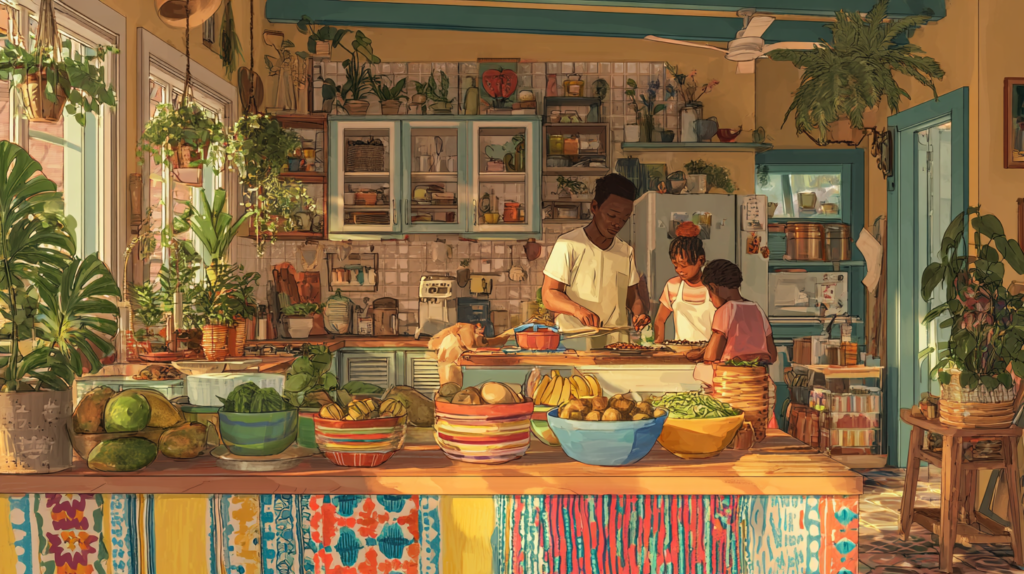
Minimizing Food Waste with Kids: Teaching Resourcefulness That Lasts a Lifetime
Discover Your Family’s Hidden Food Waste Impact
Before we dive in, let’s get real about what’s happening in your kitchen right now. This isn’t about judgment—it’s about awareness. Answer honestly, and you’ll see exactly where your family stands and what small changes could save you hundreds of dollars while teaching your kids invaluable lessons.
If I told you that every week, your family might be throwing away the equivalent of a whole day’s grocery haul—food that could have filled bellies, stretched budgets, or nourished a garden—would you believe me? Most parents don’t realize the staggering scale of household food waste until they actually measure it. But here’s what makes this different from every other “reduce waste” article you’ve read: your children are the secret weapon.
When kids understand where food comes from, witness the creative resurrection of “yesterday’s dinner,” and get their hands dirty building compost bins, something shifts. They stop seeing waste as inevitable and start seeing resourcefulness as a superpower. This transformation doesn’t happen through lectures or scare tactics—it happens through everyday kitchen moments, messy experiments, and the kind of hands-on learning that sticks for life.
In Caribbean culture, resourcefulness isn’t a trendy buzzword—it’s woven into the fabric of daily life. My own grandmother never threw away a plantain skin without considering its next purpose. Overripe mangoes became preserves, rice water nourished the garden, and every meal was an opportunity to teach us that “waste not, want not” wasn’t just a saying—it was a survival skill wrapped in love and creativity.
This article will equip you with research-backed strategies, interactive tools, and real-world tactics to minimize food waste while raising environmentally conscious kids. We’re talking about measurable impacts: households that implement comprehensive food waste interventions report sustained reductions of 30-50% even seven months after starting—and those changes become family habits that children carry into adulthood. You’ll discover exactly how to turn your kitchen into a laboratory for sustainability, your fridge into a creativity hub, and your kids into passionate advocates for the planet.
The Shocking Truth About Food Waste: Numbers That Demand Action
• The United States discards nearly 60 million tons (120 billion pounds) of food annually—approximately 40% of the entire food supply
• Average family financial loss: $1,600 per year in wasted food
• Food waste represents the single largest component (22%) of municipal solid waste in landfills
• Households are responsible for 43% of all food waste in America
• More than 80% of Americans discard perfectly edible food due to confusion over expiration labels
• Only 4.1% of wasted food was composted in 2018
• Food waste accounts for approximately 11% of global methane emissions from landfills
• The resources used to grow wasted food could feed over a quarter of the world’s hungry population
These aren’t just abstract numbers—they represent real money leaving your wallet, real environmental damage accumulating in landfills, and real missed opportunities to teach your children about stewardship and responsibility. But here’s what research from 2024-2025 reveals: households that implemented multi-component behavior change interventions achieved significant, sustained reductions in food waste that persisted seven months post-intervention. The key? These successful families didn’t just learn about food waste—they transformed their entire approach to food management, planning, storage, and cooking.
What makes food waste in households with children particularly interesting is that it cuts both ways. On one hand, families with kids tend to waste more due to picky eating, overbuying, and meal planning challenges. On the other hand, children are incredibly receptive to environmental education and can become powerful change agents within their families. Research shows that when kids learn about sustainability at school, they actively influence their parents’ behaviors at home—creating a positive ripple effect that extends far beyond the classroom.
The socioeconomic dimension matters too. Studies demonstrate that lower-income families already waste significantly less food than their wealthier counterparts—not because of environmental consciousness, but out of economic necessity. This tells us something important: resourcefulness is a skill that can be learned and taught, and it becomes most powerful when it’s rooted in both values and practical know-how.
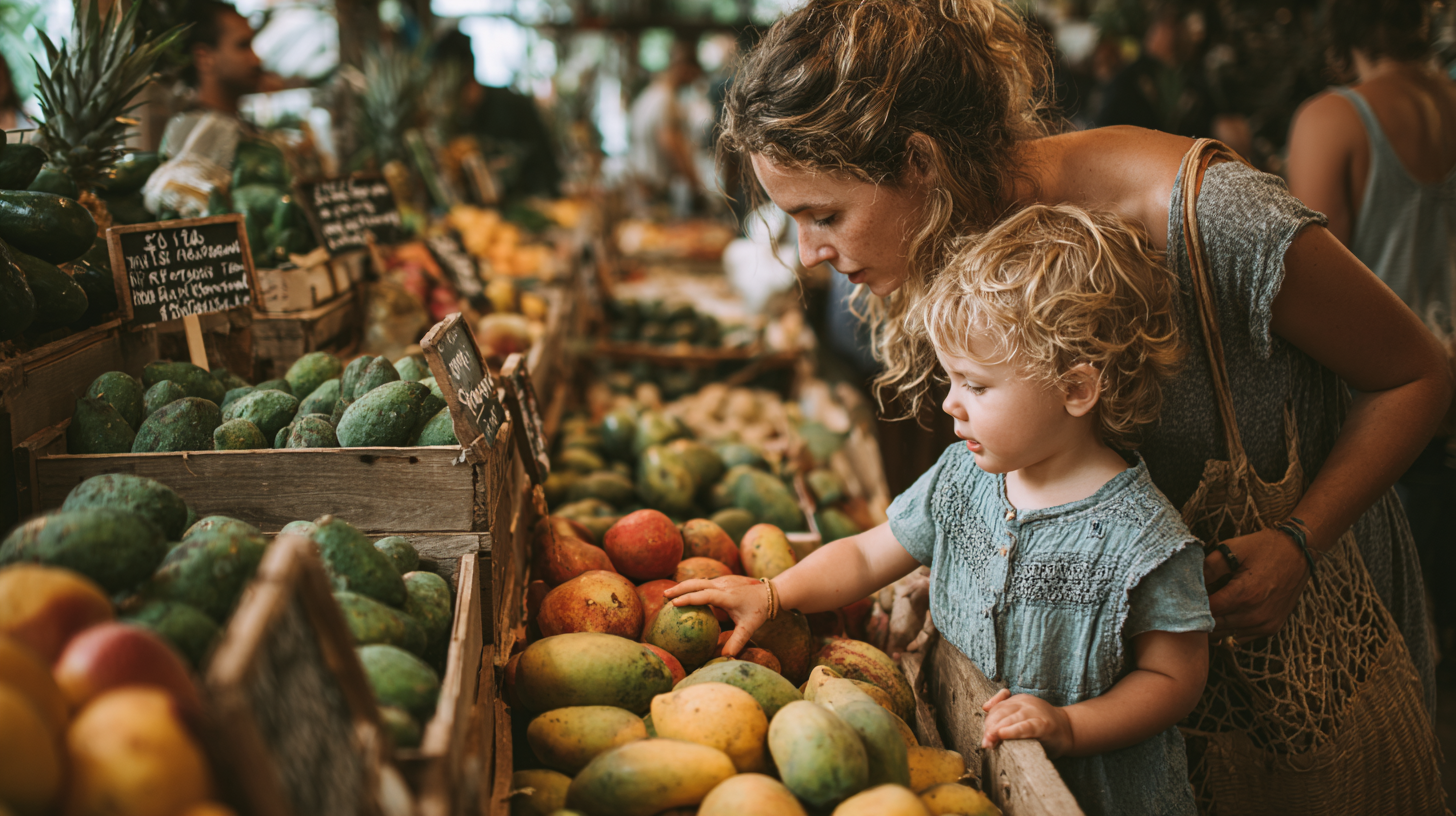
The Root Causes: Why Families Waste Food (And How Kids Change Everything)
Understanding why food waste happens is the first step toward preventing it. Recent systematic reviews of household food waste behavior identify several interconnected factors that drive waste in family settings:
Cognitive and Attitudinal Factors: Many families hold conflicting beliefs about food waste. Parents know intellectually that waste is bad, but they simultaneously believe that providing abundant food demonstrates good parenting. This cognitive dissonance—wanting to be “good providers” while also being environmentally responsible—creates tension that often resolves in favor of overbuying and overserving.
Planning and Management Skills: Households that waste the least food share common practices: they inventory what they have before shopping, create flexible meal plans that accommodate leftovers, store food properly to extend freshness, and have strategies for using up ingredients before they spoil. These aren’t innate talents—they’re learned skills that can absolutely be taught to children.
The “Date Label Confusion” Crisis: More than 80% of Americans throw away perfectly good food because they misunderstand “best by,” “sell by,” and “use by” dates. These labels rarely indicate safety—they’re quality estimates from manufacturers. Teaching kids the difference between “expired” and “spoiled” (using their senses to evaluate food) builds critical thinking and reduces unnecessary waste.
The Psychological Power of Subjective Norms: Research consistently shows that perceived social norms significantly influence food waste behavior. When families believe their community values waste reduction, they’re more likely to adopt those practices themselves. This is where children become game-changers: kids who learn about food waste at school bring that environmental ethos home, creating new family norms from the ground up.
Perceived Behavioral Control: Families waste less when they feel confident in their ability to manage food effectively. This sense of control grows through hands-on experience and successful problem-solving. When a child successfully transforms wilting vegetables into soup or manages leftover ingredients creatively, they build both competence and confidence—skills that compound over time.
What’s Driving Waste in Your Kitchen? Behavior Pattern Assessment
Identifying your family’s specific waste patterns is crucial for targeting the right interventions. Select the statements that resonate most with your current situation (choose all that apply), and discover your personalized action plan.
Meal Planning with Kids: The Foundation of Waste Reduction
The families that waste the least food share one common practice: they plan. But meal planning with children isn’t about rigid menus or joyless spreadsheets—it’s about creating a flexible framework that accommodates real life while teaching valuable skills.
The Weekly Planning Ritual: Research shows that families who involve children in weekly meal planning reduce waste by up to 35%. Set aside 15-20 minutes each week for a family planning session. Start by reviewing what’s already in the kitchen—make this an adventure, not an audit. Kids can be “ingredient detectives” searching for items that need using soon. Then, collaboratively plan 4-5 dinners, leaving flexibility for leftovers and spontaneous meals.
The “Flexible Template” Approach: Instead of rigid recipes, use flexible meal templates that work with various ingredients. “Stir-fry night” can accommodate whatever vegetables need using. “Bowl night” lets everyone customize their combination of grains, proteins, and vegetables. “Soup/stew night” is the ultimate leftover resurrection vehicle. These templates teach kids that cooking is creative problem-solving, not recipe-following.
The Strategic Shopping List: Before any store visit, create a list together based on your meal plan. Teach kids to categorize needs: proteins, produce, staples. At the store, they can be responsible for finding specific items. This transforms shopping from impulse-driven to intention-driven—a shift that dramatically reduces waste. Pro tip: take photos of your fridge and pantry before shopping so you can reference what’s home when temptation strikes.
Batch Cooking and Future-Proofing: When you do cook, think in multiples. If you’re making Coconut Rice and Red Peas, double the batch—half for dinner tonight, half frozen for a future easy meal. Kids can help portion and label containers. This strategy is brilliant for baby food too; recipes from the Caribbean Baby Food Recipe Book like Sweet Potato Callaloo Rundown or Papaya Banana Sunshine freeze beautifully and provide nutritious ready-to-serve options that prevent the “nothing quick to feed the baby” scramble that leads to waste.
Leftovers Transformed: From Afterthought to Centerpiece
The average American family throws away $1,800 worth of food annually, and a significant portion of that is leftovers that languish in containers until they’re moldy mysteries. But in households where leftovers are celebrated rather than tolerated, waste plummets and creativity soars.
Reframe the Narrative: In Caribbean culture, the word “leftovers” barely exists because yesterday’s meal is tomorrow’s innovation. Stewed peas become filling for patties. Coconut rice transforms into crispy fritters. Roasted vegetables get blended into sauces or tucked into omelets. This isn’t deprivation cooking—it’s culinary creativity that kids absolutely love when they’re involved in the transformation.
The “Remix Challenge” Game: Make leftover transformation a weekly competition. Set out containers of various leftovers and challenge family members to create the most interesting new dish. The winner (determined by family vote) gets to choose the next movie night film or weekend activity. This reframes leftovers from “thing we have to finish” to “creative opportunity we get to explore.”
Strategic Leftover Storage: Research confirms that visible storage significantly increases leftover consumption. Use clear glass or plastic containers so everyone can see what’s available. Label with contents and date. Create a dedicated “Eat First” shelf in your fridge that gets priority attention. Kids can be responsible for this system, building organizational skills while reducing waste.
The “Leftover Buffet” Night: Once weekly, designate a meal as “buffet night” where you set out all leftovers and everyone creates their own plate combination. Kids love the autonomy and variety, and you clear out the fridge systematically. If there’s not quite enough for full portions, supplement with fresh bread, a simple salad, or fruit—still far less waste and expense than cooking entirely new meals.
Intentional “Plan-overs”: This brilliant strategy involves cooking components that you know will transform well. Roast extra sweet potato knowing it’ll become baby food (Batata y Manzana from the Caribbean Baby Food Recipe Book) or mashed into pancakes. Cook extra rice knowing it’ll become fried rice or rice pudding. Grill extra vegetables knowing they’ll star in tomorrow’s quesadillas or pasta. This transforms “leftovers” into “strategic meal components” and teaches kids advanced planning skills.
The Leftover Transformation Generator
Got ingredients that need using? This tool provides creative, kid-friendly transformation ideas that actually work. Many incorporate Caribbean flavors and techniques that maximize flavor while minimizing waste.
Composting with Kids: Closing the Loop with Hands-On Science
If you want to truly transform your children’s relationship with waste, teach them composting. This isn’t just about reducing what goes to landfills—though that matters enormously. Composting teaches kids that “waste” is a human concept, not a natural one. In nature, everything has value in another form. A banana peel isn’t garbage; it’s future soil that will grow future bananas. This circular thinking is foundational to environmental consciousness.
Why Composting Matters (The Science Kids Need): When organic waste goes to landfills, it decomposes anaerobically (without oxygen), producing methane—a greenhouse gas 25 times more potent than carbon dioxide. When that same waste composts properly, it breaks down aerobically, producing minimal methane while creating nutrient-rich soil amendment that reduces need for chemical fertilizers. Currently, only 4.1% of American food waste gets composted, representing an enormous missed opportunity for environmental impact.
Starting Simple: The Kitchen Compost Station: You don’t need a fancy system to start. A small countertop container with a lid (to prevent fruit flies) is perfect for collecting scraps throughout the day. Make it a family game: “Can this be composted?” Kids learn to sort fruit and vegetable scraps, coffee grounds, eggshells, and yard waste into the “yes” category, while meat, dairy, and oils go to “no.” This sorting activity builds critical thinking and classification skills—it’s science education disguised as chores.
Outdoor Composting Systems: If you have yard space, involve kids in building or maintaining an outdoor compost bin. Children as young as 4-5 can help turn the pile, add brown materials (dry leaves, newspaper) to balance green materials (food scraps), and monitor moisture levels. Research from environmental education programs shows that hands-on composting activities significantly increase children’s pro-environmental behaviors and their likelihood of discussing environmental issues with family members.
The “Soil-arium” Experiment: For an engaging composting education activity, create mini composters in clear jars so kids can observe decomposition in action. Layer soil, shredded newspaper, food scraps, and yard waste. Add water and seal loosely. Over weeks, children watch materials break down, documenting changes through drawings or photos. This tangible evidence that “garbage” becomes “garden gold” creates profound cognitive shifts about waste.
Vermicomposting (Worm Composting): Kids absolutely love worms, making vermicomposting an ideal entry point for urban families without yard space. Red wiggler worms consume food scraps and produce nutrient-rich castings. Children can help feed the worms, maintain moisture, and harvest castings for houseplants or small gardens. The “worms are eating our garbage” narrative transforms waste into something fascinating rather than shameful.
Your Family’s Compost Success Journey
Track your composting progress and watch your environmental impact grow. Each week you compost diverts waste from landfills and creates valuable soil. This tracker helps your family visualize the cumulative effect of consistent habits.
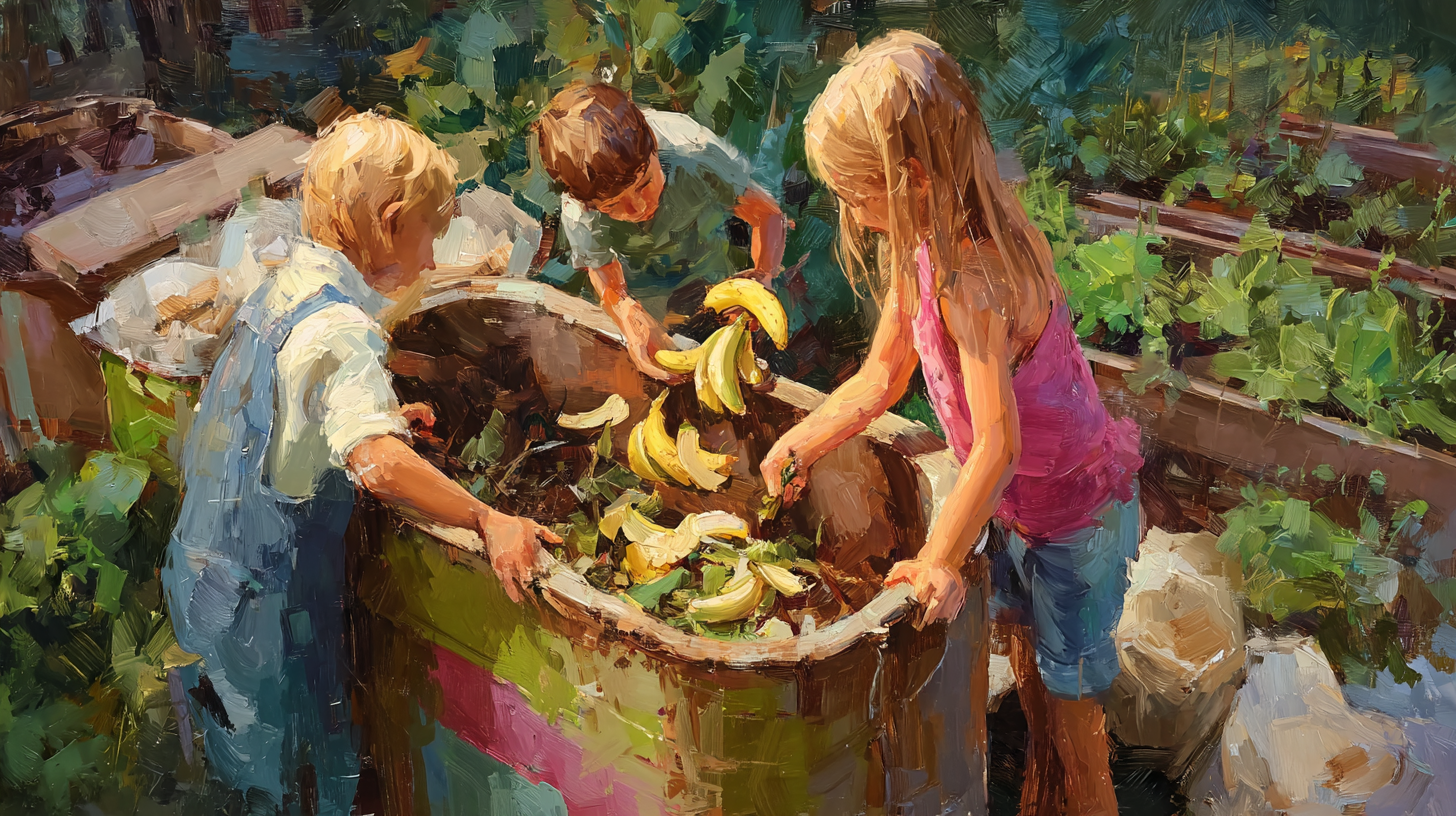
Building Environmental Consciousness: From Kitchen to Community
Reducing food waste is the practical entry point, but the ultimate goal is raising children who understand their connection to larger systems—who see themselves as environmental stewards capable of creating change. This consciousness doesn’t develop through abstract lectures; it emerges through concrete experiences, emotional connections, and repeated opportunities to make meaningful decisions.
Farm-to-Table Education: One of the most powerful ways to build food respect is connecting kids to food sources. Research shows that children who visit farms, participate in school gardens, or grow food at home waste significantly less and demonstrate greater appreciation for agricultural labor. When kids understand the months of work, water, soil nutrients, and farmer care required to produce a single tomato, they’re far less likely to toss it carelessly.
Farm visits offer invaluable opportunities for children to see, touch, and taste food at its source. They witness the physical labor of harvesting, the complexity of timing plantings for seasonal availability, and the challenges of pest management without chemicals. These experiences create empathy for farmers and respect for food that no amount of talking can replicate. If farm visits aren’t accessible, even small container gardens on balconies or windowsills provide similar lessons: plants need consistent care, growth takes time, and producing food requires real effort.
Understanding Food Systems and Environmental Impact: As children mature, expand their understanding from individual actions to systems-level thinking. Discuss how food waste contributes to climate change through methane emissions, how wasted food represents wasted water and energy throughout the production chain, and how throwing away edible food while others go hungry represents ethical failures, not just environmental ones.
The National Farm to School Network reports that 44% of U.S. schools now have farm-to-school programs incorporating local food purchasing, agricultural education, and school gardens. These initiatives significantly impact student knowledge, attitudes, and behaviors around food systems. Students who participate in farm-to-school programs demonstrate increased fruit and vegetable consumption, improved understanding of agriculture, and greater likelihood of discussing food issues with family—creating that crucial home spillover effect.
Creating “Waste Warriors” Not “Waste Police”: There’s a delicate balance between empowering children as change agents and creating anxious, judgmental kids who police everyone’s behaviors. The goal is cultivating intrinsic motivation—kids who make sustainable choices because they understand the why and feel good about their impact, not because they’re earning rewards or avoiding punishment.
Frame waste reduction as a family adventure, not an individual burden. Celebrate collective wins, not individual failures. When someone forgets and throws compostable material in the trash, treat it as a learning opportunity: “Oops, that one got away! Let’s remember next time.” This growth mindset approach builds resilience and sustained motivation rather than shame and rebellion.
Connecting Local Actions to Global Impact: Help children understand scale through relatable comparisons. “If every family in our neighborhood composted like we do, we’d divert X tons from the landfill annually—that’s like taking X cars off the road!” Make the connection between their daily banana peel decision and planetary health tangible and proportional to their age and comprehension.
Research on young children in environmental education emphasizes that even preschoolers are capable of meaningful environmental stewardship when supported by passionate, committed adults. One study of early childhood sustainability programs found that very young children, given appropriate guidance and opportunities, readily engaged in waste reduction, water conservation, and biodiversity enhancement activities—and these behaviors persisted as the children matured.
Measure Your Family’s Environmental Consciousness Growth
Environmental consciousness develops in stages, from awareness to action to advocacy. This assessment helps you identify where your family is now and what developmental stage comes next. Answer honestly to get your personalized growth pathway.
Overcoming Challenges: When Theory Meets Real-Life Chaos
Let’s be honest: teaching food waste reduction sounds beautiful in theory, but real family life is messy, exhausting, and rarely follows a plan. You’ll face resistance, backsliding, and moments where throwing everything away feels easier than being resourceful. These challenges are normal, predictable, and absolutely surmountable with the right strategies.
Challenge: Picky Eating and Plate Waste
Households with young children often struggle with significant plate waste when kids refuse foods. The instinct is to pressure kids to eat (“clean your plate!”), but research shows this backfires, creating negative associations with food and eating. Instead, implement the Division of Responsibility: parents decide what foods are offered and when; children decide whether to eat and how much. Serve small portions and allow unlimited seconds. Save uneaten food for later rather than immediately discarding it—hungry kids often change their minds within hours. For babies and toddlers, recipes from the Caribbean Baby Food Recipe Book like Baigan Choka Smooth or Sweet Plantain Mash are designed to appeal to young palates while introducing diverse flavors—and uneaten portions freeze beautifully for future attempts.
Challenge: Time Poverty and Convenience Culture
Busy families often waste food not from carelessness but from genuine overwhelm. Meal planning feels impossible when you’re barely surviving each day. The solution isn’t perfection—it’s systems. Dedicate 20 minutes on Sunday to rough meal planning. Prep one or two versatile ingredients (like roasted sweet potato or cooked beans) that can transform into multiple meals. Accept “good enough” meals that use up ingredients even if they’re not Instagram-worthy. Batch cooking on less hectic days creates future ease. The goal is sustainable habits, not exhausting overachievement.
Challenge: Socioeconomic Barriers
Lower-income families already waste less food because economic necessity demands resourcefulness—but they often lack access to composting infrastructure, adequate storage, and time for elaborate meal planning. If this describes your situation, focus on high-impact, low-effort strategies: storing food properly to extend freshness, creative leftover transformation, teaching kids to appreciate “imperfect” produce, and advocating for community composting programs. Resourcefulness honors your budget while teaching invaluable life skills.
Challenge: Maintaining Motivation
The initial enthusiasm for any new habit fades. Kids get bored with composting duties; parents slip back into convenience patterns. Combat this through regular reinforcement: track and celebrate monthly waste reduction, rotate responsibilities to maintain novel

Kelley's culinary creations are a fusion of her Caribbean roots and modern nutritional science, resulting in baby-friendly dishes that are both developmentally appropriate and bursting with flavor. Her expertise in oral motor development and texture progression ensures that every recipe supports your little one's feeding milestones while honoring cultural traditions.
Join Kelley on her flavorful journey as she shares treasured family recipes adapted for tiny taste buds, evidence-based feeding guidance, insightful parenting anecdotes, and the joy of celebrating food, culture, and motherhood. Get ready to immerse yourself in the captivating world of Kelley Black and unlock the vibrant flavors of the Caribbean for your growing baby, one nutritious bite at a time.
- The Feeding Revolution: Why Your Everyday Meals Are Changing the World - October 13, 2026
- Your Feeding Story Matters More Than The “Perfect” One Online - October 12, 2026
- Looking Forward: Stepping Into Your Confident Feeding Future - October 11, 2026