Managing Multiple Food Allergies: The Parent’s Survival Guide
Quick Reality Check: How Many of These Sound Familiar?
Here’s what nobody tells you about managing multiple food allergies: you’ll become an expert whether you want to or not. But here’s the truth bomb that might surprise you—40% of children with food allergies are managing multiple allergens simultaneously. That’s nearly half. You’re not overreacting. You’re not being dramatic. This is real, it’s hard, and it affects approximately 2.4% of children overall.
Three years ago, I watched my cousin Marissa stand in her kitchen at 2 AM, tears streaming down her face, holding two EpiPens and a list of foods her daughter couldn’t eat. Milk. Eggs. Peanuts. Tree nuts. The list seemed endless. She told me she felt like she was drowning. But today? She’s navigating birthday parties, school lunches, and family gatherings like a boss. The difference wasn’t magic—it was a system.
This guide isn’t about fear. It’s about power. Because when you manage multiple food allergies, every single day requires decisions that could affect your child’s health. That’s exhausting. But what if I told you that recent breakthroughs—like the FDA approval of omalizumab in 2024—mean we’re finally moving from pure avoidance to active protection? What if the strategies that seem overwhelming right now could become second nature?
The Hidden Truth About Multiple Food Allergies
Let’s start with something shocking: over 40% of children with food allergies have experienced a severe allergic reaction. Among children in specialized allergy clinics, over 70% react to or avoid multiple foods. But here’s what changes everything—you don’t have to figure this out alone anymore.
The landscape of food allergy management shifted dramatically in 2023 when sesame became the ninth major allergen requiring mandatory labeling under the FASTER Act. Then in January 2025, the FDA released updated guidance recommending manufacturers specify the source of milk and egg ingredients. These aren’t small changes—they’re game-changers for parents reading labels at midnight.

But regulations alone don’t capture the daily reality. One study found that 37% of accidental reactions from prepackaged products occurred even when parents believed they had checked labels properly. The suspected allergen simply wasn’t mentioned as an ingredient or warning. This is why we need systems, not just vigilance.
The Shocking Label Reading Truth
The “May Contain” Nightmare: There are NO standards for when companies use precautionary warnings. Some apply them based on actual risk assessment. Others? Just nervous legal departments.
A recent study found consumers are confused and fatigued by these labels—and for good reason. The same product might say “may contain nuts,” “processed in a facility with nuts,” or “made on shared equipment.” These aren’t regulated phrases. They mean whatever the company wants them to mean.
Your move? The Codex Committee representing 188 countries is working toward threshold-based labeling. Until then, you need a system for evaluating risk that doesn’t rely on corporate guesswork.
Building Your Foundation
Managing multiple allergens isn’t about perfection—it’s about creating reliable routines that reduce mental load. Think of it like building a house. You need a solid foundation before you worry about paint colors.
The Triple Check Method is your foundation. Food Allergy Canada recommends reading labels three times: once at the store before buying, once when arriving home, and again before serving or eating. Why? Because manufacturers change ingredients without notice. That “safe” product from last month might not be safe today.
Here’s where Caribbean wisdom meets modern necessity: just like how we season food in layers to build flavor, you build allergy safety in layers too. My Trinidadian grandmother used to say, “Do it right or do it twice.” With allergies, there’s no “do it twice.” You get one shot at safety.
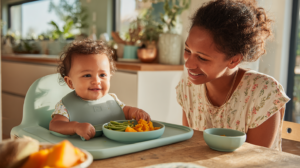
For families introducing solids with multiple confirmed allergies, having safe baseline recipes becomes critical. When you know certain ingredients are off-limits, starting with naturally allergen-free options gives you confidence. Root vegetables like sweet potatoes, yams, and plantains become your best friends—they’re nutritious, naturally free of most top allergens, and culturally significant in Caribbean cooking. The Caribbean Baby Food Recipe Book features over 75 recipes built around these safe starches, with clear allergen information for each recipe, making meal planning less overwhelming when you’re navigating multiple restrictions.
Cross-Contamination Prevention
This is where theory meets reality. Cross-contamination isn’t some abstract concept—it’s the difference between a safe meal and a trip to the emergency room.
Ten non-negotiable rules for your kitchen:
- Never share food, napkins, dishware, cups, or utensils between allergic and non-allergic family members
- Everyone washes hands before and after preparing food—no exceptions
- Keep allergen-free foods on dedicated shelves above foods containing allergens (gravity is your enemy)
- Label everything clearly as “Safe” or “Not Safe” using bright, color-coded stickers
- Prepare allergen-free food first, then set aside and cover before making anything else
- Designate specific utensils, cutting boards, and cookware exclusively for allergen-free cooking
- Clean surfaces thoroughly before preparing allergen-free meals—crumbs kill
- Never pick allergens out of food and call it safe (contamination happens at the molecular level)
- Wash everything well; dishwasher residue can still trigger reactions
- Keep original labels when dividing large packages into smaller portions
Your Kitchen Safety Score
Click your current setup:
Real talk: you’ll mess up. Everyone does. What matters is catching it before it becomes dangerous. One mother in a Living with Multiple Food Allergies study said her family’s turning point was treating the kitchen like a medical facility, not a casual cooking space. Extreme? Maybe. Effective? Absolutely.

Social Situations and Real Life
Birthday parties. Playdates. Family gatherings. These aren’t just social events—they’re potential minefields. And here’s the part that hurts: 92% of parents report being always or occasionally fearful for their food-allergic child’s safety.
But isolation isn’t the answer. My cousin Marissa learned this the hard way. After six months of turning down every invitation, her daughter asked, “Mommy, why doesn’t anyone like us anymore?” That broke her heart. So she developed a system.
The Party Protocol:
- Call the host several days before—not the day of—and ask what food will be served
- Offer to send safe meals and treats for your child (keep frozen allergen-free cookies ready to defrost)
- Prepare your child: they may not eat what other children are eating, and that’s okay
- For older children, practice ordering food through role-play at home
- Never assume birthday cake is safe—it typically contains multiple common allergens
Here’s a Caribbean approach that works beautifully: bring enough to share. When Marissa started bringing allergen-free plantain chips and mango slices to parties—foods that felt special, not restrictive—other kids wanted them too. Suddenly her daughter wasn’t the “allergy kid.” She was the kid with the cool snacks.
Restaurant dining requires similar strategic thinking. Clear communication is everything. One parent reported success with this exact phrase: “If she touches something with tree nuts or puts it into her mouth, she will end up in the hospital.” No ambiguity. No room for misunderstanding.
Restaurant survival strategies:
- Call ahead or arrive early to speak with managers and chefs
- Make clear this is medical necessity, not preference
- Ask detailed questions about preparation and cross-contamination potential
- Confirm ingredients again when food arrives
- Be prepared to leave if the restaurant cannot guarantee safety
- Ensure tables are cleaned from previous diners
- Always bring backup food and snacks
The Social Situation Stress Test
Rate your stress level for social events (click to slide):
Emotional Support and Mental Health
Nobody talks about this enough: managing multiple food allergies is emotionally exhausting. It’s not just the physical work of label reading and meal prep. It’s the constant hypervigilance. The fear. The isolation.
Research shows 75% of parents report fear and anxiety for their family, with 25% stating food allergies cause strain on their marriage. Mothers, who often manage day-to-day aspects, report more anxiety and stress. Their stress severity is directly linked to their children’s ability to function.
Here’s what helped Marissa turn the corner: she stopped trying to be superhuman. She joined Kids with Food Allergies, the largest online support community founded in 2005. She found parents who understood. Who didn’t judge. Who shared their own 2 AM breakdowns.
Don’t overlook siblings. Studies show siblings of children with health issues struggle with feelings of anger, resentment, and fear. The extra attention required by the child with allergies creates rivalry. One mother shared her breakthrough moment: she finally allowed her non-allergic son to have pizza delivered for himself while his allergic brother ate something different. It wasn’t about denying safety—it was about acknowledging that the non-allergic child had needs too.
Caribbean families know this instinctively: whole family health matters. When we cook a big Sunday meal, everyone eats together, but we accommodate everyone’s needs. The same principle applies here. Accommodating allergies doesn’t mean everyone else disappears.
Grocery Shopping and Meal Planning
Grocery shopping with multiple food allergies feels like navigating a maze blindfolded. But systems make it manageable.
The foundation strategy: Focus on whole foods. Fresh fruits, vegetables, meats, and unprocessed grains are naturally free of many allergens. Build your meals around these basics, then carefully add processed items only when you’ve verified safety.
Big box stores like Sam’s Club and Costco become valuable allies. Buying bulk quantities of verified safe staples means fewer label-checking trips. Apps like Fig let you scan barcodes and immediately see if products are safe based on your child’s specific allergies.
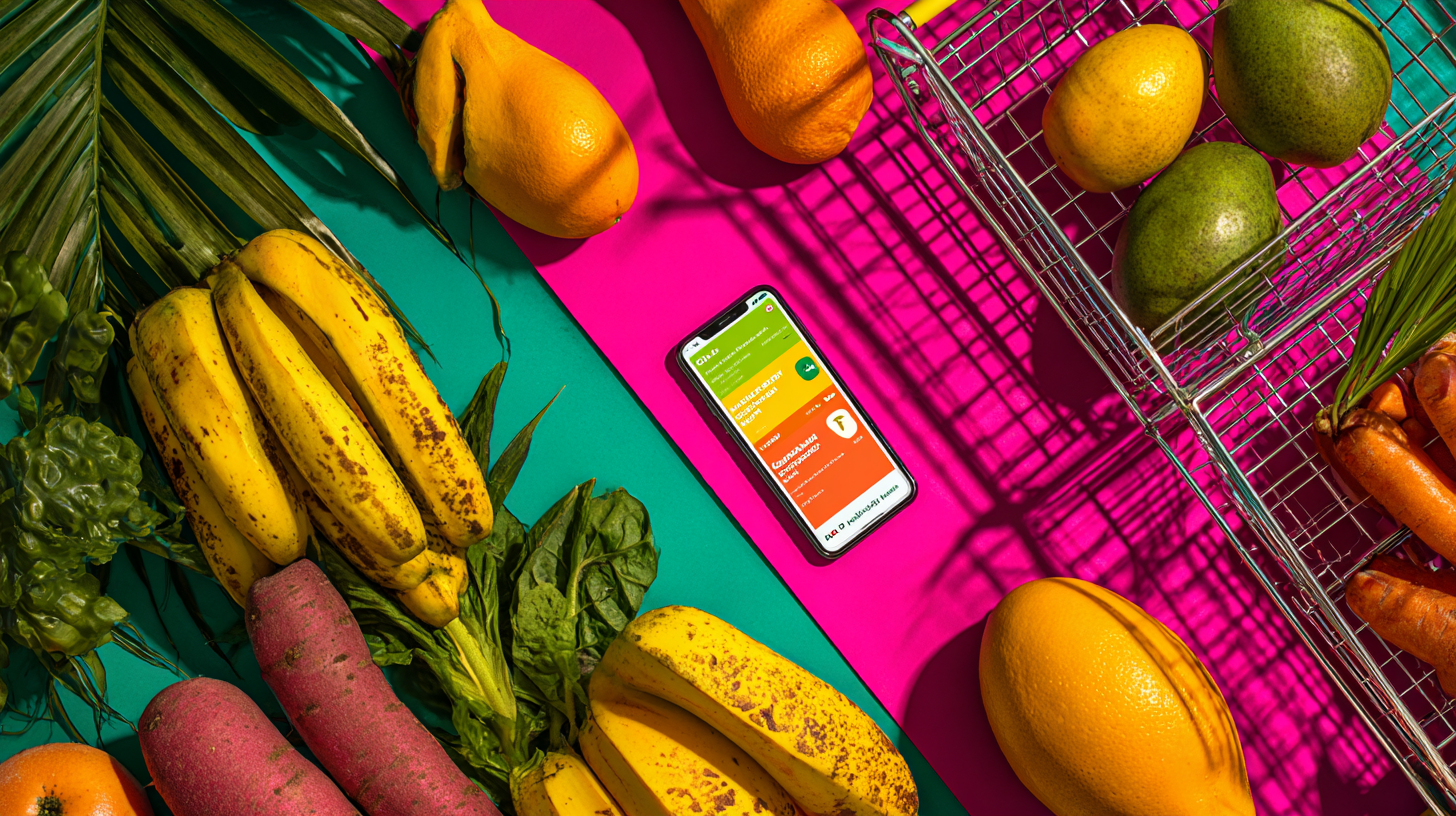
Building a list of reliable, trusted brands simplifies future trips. Many grocery stores now offer allergy hotlines and clearly labeled allergy-friendly sections. Use them.
For meal planning with multiple restrictions, having a reliable recipe resource becomes invaluable. When your child can’t have dairy, eggs, or nuts, you need recipes specifically designed with those limitations in mind. The Caribbean Baby Food Recipe Book includes common allergen information and introduction tips on page 40, plus dozens of naturally allergen-free recipes featuring ingredients like sweet potatoes (Batata y Manzana on p. 114), plantains (Plantain Paradise on p. 56), pumpkin (Calabaza con Coco on p. 112), and yellow yam (Yellow Yam & Carrot Sunshine on p. 64). These traditional Caribbean ingredients offer nutritious alternatives when common allergens are off the table.
Build Your Safe Shopping List
Select your biggest allergen concerns:
Your Safe Staples:
Emergency Preparedness
This is non-negotiable: always carry two epinephrine auto-injectors. Over 40% of severe reactions may require a second dose. Always. No exceptions. No “just running to the store quickly.”
The American Academy of Pediatrics’ Allergy and Anaphylaxis Emergency Plan provides clear criteria for identifying potential emergencies. These plans should be accessible and understandable to anyone caring for your child. Teachers. Babysitters. Grandparents. Everyone.
Delayed epinephrine use is associated with fatal outcomes. Read that again. Delayed use is associated with fatal outcomes. This means when in doubt, use it. The consequences of unnecessary use are minimal compared to the consequences of waiting too long.
Know the location of the nearest healthcare facility when traveling. Make it part of your trip planning, just like you plan your route and accommodations.
The Future Is Brighter Than You Think
Here’s the hope you need right now: things are changing. Fast.
The FDA approval of omalizumab (Xolair) in 2024 represents the first medication to actively protect against multiple food allergies simultaneously. In clinical trials, 68% of patients on omalizumab could tolerate at least 600mg of peanut protein (about 2.5 peanuts) without significant reaction, compared to only 6% on placebo. The trial completion rate was 88% for omalizumab compared to just 51% for traditional oral immunotherapy, with significantly lower serious reaction rates.
AI and machine learning are revolutionizing food allergy care. Predictive models can now forecast severe allergic reactions with over 95% accuracy. The Food Allergy Institute’s AI-powered programs integrate over a million individualized data points to guide personalized treatment strategies without risky traditional food challenges.
Early allergen introduction guidelines adopted in 2017 have already prevented nearly 60,000 children from developing food allergies. That’s 60,000 families who won’t experience what you’re going through right now.
Memory B cell research offers potential for future cures. Scientists have identified the immune cells that “remember” allergies, and two therapeutic paths are being explored: eliminating these cells or reprogramming them to prevent allergic responses.
You’re Building Something Important
Managing multiple food allergies isn’t a sprint—it’s a marathon you didn’t choose to run. But here’s what I’ve watched happen with Marissa and dozens of other families: you get stronger. Not because you want to. Because you have to. And in that process, you build something remarkable.
You build resilience in your child. You build awareness. You build a community of people who understand. You build systems that work when everything feels chaotic.
Every time you read a label three times, you’re building safety. Every time you call ahead to a restaurant, you’re building confidence. Every time you pack that backup snack, you’re building security. These aren’t small things. These are the daily acts of love that keep your child safe and thriving.
The path isn’t perfect. You’ll have setbacks. You’ll have scary moments. You’ll have days when you want to scream at the universe for dealing you this hand. That’s okay. That’s human. What matters is that you keep going.
Connect with support groups like Kids with Food Allergies, FARE (Food Allergy Research & Education), or MOCHA (Mothers of Children Having Allergies). These communities offer in-person meetings, online forums, and peer-to-peer support from families navigating identical challenges. You need people who understand that grocery shopping isn’t just grocery shopping anymore. They get it.
Remember: clarity doesn’t come from waiting until you feel ready. It comes from doing. From taking the next small step. From building momentum one safe meal, one successful playdate, one confident restaurant visit at a time.
The journey you’re on right now—the label reading, the meal planning, the constant vigilance—it’s shaping you into an expert. An advocate. A warrior for your child’s health. Some days that feels overwhelming. But some days? Some days you’ll realize how far you’ve come. How much you’ve learned. How capable you’ve become.
And when that day comes, you’ll help another parent standing in a grocery store aisle at 2 AM, tears in their eyes, wondering if they can do this. And you’ll tell them the truth: Yes, you can. Because you did.
For more allergen-safe recipe inspiration and guidance on introducing foods to infants with confirmed allergies, explore the Caribbean Baby Food Recipe Book featuring 75+ recipes with clear allergen information and naturally safe ingredients perfect for navigating multiple restrictions while maintaining cultural food traditions.

Kelley's culinary creations are a fusion of her Caribbean roots and modern nutritional science, resulting in baby-friendly dishes that are both developmentally appropriate and bursting with flavor. Her expertise in oral motor development and texture progression ensures that every recipe supports your little one's feeding milestones while honoring cultural traditions.
Join Kelley on her flavorful journey as she shares treasured family recipes adapted for tiny taste buds, evidence-based feeding guidance, insightful parenting anecdotes, and the joy of celebrating food, culture, and motherhood. Get ready to immerse yourself in the captivating world of Kelley Black and unlock the vibrant flavors of the Caribbean for your growing baby, one nutritious bite at a time.
- The Feeding Revolution: Why Your Everyday Meals Are Changing the World - October 13, 2026
- Your Feeding Story Matters More Than The “Perfect” One Online - October 12, 2026
- Looking Forward: Stepping Into Your Confident Feeding Future - October 11, 2026