Introducing Peanut Butter Safely: The 2025 Guidelines Every Parent Needs
Here’s what nobody tells you about that tiny jar of peanut butter sitting in your pantry: it might just be one of the most powerful tools you have to protect your baby from lifelong allergies. Not by avoiding it—but by introducing it earlier than your grandmother would ever believe.
Quick Myth Check: What Do You Believe?
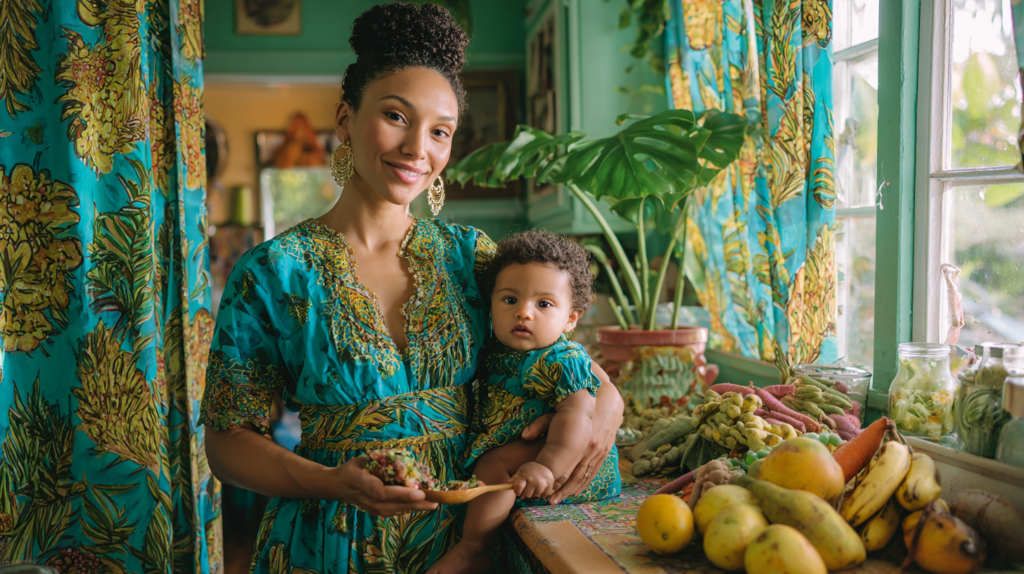
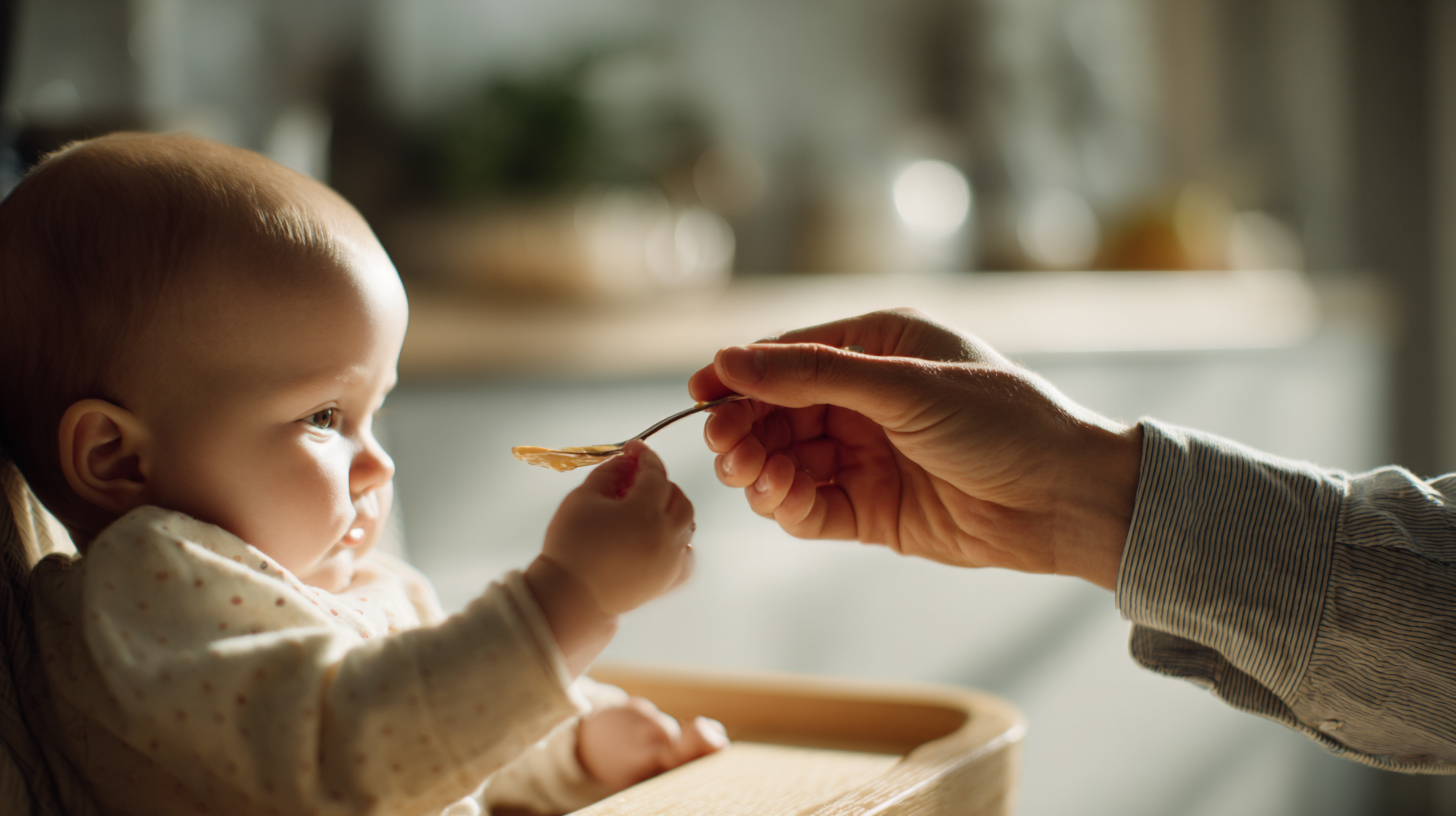
I still remember the first time I held that spoon with thinned peanut butter, hovering over my six-month-old’s high chair. My hands were shaking. My phone was ready to dial 911. My husband was standing by with the car keys. We’d heard all the horror stories—anaphylaxis, emergency rooms, lifelong allergies. But what we didn’t know then would have changed everything about that terrifying moment.
The truth is, the advice our parents gave us about peanuts? Completely backwards. And here’s the shocking part: by following outdated guidance to “wait and see,” thousands of parents unknowingly increased their children’s allergy risk by up to 80%. That’s not a typo. The very thing we thought protected our babies was putting them in danger.
In October 2025, groundbreaking research confirmed what allergists have been desperately trying to tell parents: early peanut introduction has caused peanut allergies in children under age 3 to plummet by 43%. That’s 57,000 fewer children suffering from life-threatening allergies. But here’s where it gets frustrating—only 13% of parents know about these guidelines, and just 17% are introducing peanuts before seven months.
So let me be clear: this isn’t just another parenting article about what you “could” or “should” do. This is about a paradigm shift in allergy prevention that most parents are missing, and the window of opportunity is narrower than you think.
The Shocking Truth About “Waiting Until They’re Ready”
Remember when everyone said to wait until age 3 before giving kids peanut butter? Turns out, that advice created an entire generation of allergic children. Between 1997 and 2008, peanut allergies more than tripled. Children’s immune systems were developing in a bubble, never learning to recognize peanut protein as safe. By the time they encountered it at age 3 or 4, their bodies saw it as a dangerous invader.
Then came the LEAP study—the research that changed everything. Scientists in England took 640 high-risk infants and did something radical: they fed half of them peanuts starting at 4-6 months old, while the other half avoided peanuts entirely. The results? The early introduction group had an 86% reduction in peanut allergy compared to the avoidance group. Not 10%. Not 20%. Eighty-six percent.
But here’s what makes this even more powerful: the protection lasted. Even when children stopped eating peanuts daily for a year, they maintained their tolerance. Their immune systems had learned early, and they remembered.
The data from 2025 proves this works at a population level, not just in controlled studies. After the 2017 guidelines expanded recommendations for early introduction, researchers tracked over 1.1 million children across 50 medical practices. Food allergy prevalence dropped from 1.46% to 0.93%—a 36% reduction driven primarily by fewer peanut allergies. This isn’t theory anymore. This is happening right now, saving thousands of children from lifelong dietary restrictions, constant vigilance, and carrying epinephrine everywhere they go.
What’s Your Baby’s Risk Level? Find Out in 30 Seconds
Does your baby have severe eczema requiring prescription treatments?
Does your baby have a confirmed egg allergy?
Does your family have a history of food allergies?
Your Baby’s Risk Category (And What It Actually Means)
Not all babies face the same allergy risk, and that’s actually good news—it means we can tailor the approach to your specific situation. The 2025 guidelines break it down into three clear categories, and understanding which one applies to your baby changes everything about how and when you introduce peanuts.
High-risk infants are babies with severe eczema that requires prescription treatments, confirmed egg allergies, or both. These are the babies who need the most careful approach but also stand to benefit the most from early introduction. If this describes your baby, you’ll want to consult with your pediatrician or allergist before that first taste. They might recommend testing peanut-specific IgE levels or doing a skin prick test first, and they may want the initial introduction to happen in a supervised medical setting. The key timing? Between 4-6 months of age—earlier than most parents expect.
Moderate-risk infants have mild to moderate eczema that doesn’t need prescription treatment, or they have other food allergies but not the severe profile of high-risk babies. This was my daughter. She had those dry, rough patches on her cheeks and behind her knees—classic baby eczema but nothing that needed steroid creams. For these babies, you can introduce peanuts at home starting around 6 months, right when you’re introducing other solid foods. No testing needed, no medical supervision required. Just you, your baby, and that carefully prepared peanut mixture.
Low-risk infants have no eczema and no food allergies. They’re the “easy” group—introduce peanut-containing foods along with other solid foods around 6 months. No special precautions, no anxiety-inducing protocols. Just another food on the journey.
Here’s what shocked me when I dug into the research: babies with siblings who have food allergies actually fall into the moderate-risk category, not high-risk. Growing up in a Caribbean household, I knew families where one child couldn’t touch shrimp while their sibling ate it by the plateful. That family history matters, but it doesn’t automatically put your baby in the highest risk group unless they also have severe eczema or confirmed allergies themselves.
The controversy? Some guidelines originally recommended testing all high-risk babies before introduction, but allergists are moving away from this. Testing can delay introduction if you can’t get quick appointments, and it often gives false positives—showing a possible allergy that doesn’t actually exist when the baby eats peanuts. The newer approach in many countries focuses less on testing and more on just getting started with introduction, reserving testing only for babies who show reactions.
The Caribbean Kitchen Advantage (And How to Adapt It)
Growing up, I watched my grandmother introduce babies to flavor without fear. Plantains mashed with coconut milk. Sweet potato blended smooth with a whisper of cinnamon. Ground provisions that built strong bones and adventurous palates. Caribbean kitchens have always known something that Western medicine is just catching up to: babies can handle more than we think, and introducing diverse foods early creates healthier eaters.
But here’s where tradition meets science in the most beautiful way: those same Caribbean ingredients that nourished generations of babies pair perfectly with early peanut introduction. Think about the natural progressions in texture that happen with foods like ripe plantain or calabaza—starting smooth and gradually getting thicker as babies develop. That’s exactly the approach we need with peanut butter.

When I introduced peanuts to my daughter, I didn’t just stir peanut butter into hot water (though that works perfectly). I blended two teaspoons of smooth peanut butter into her favorite sweet potato puree—the same batata y manzana mixture that Caribbean babies have been eating for generations. The natural sweetness of the sweet potato balanced the richness of the peanut butter, and the familiar flavor gave her confidence to try something new.
Here’s the key preparation method, no matter which base you choose: never give whole peanuts or thick globs of peanut butter to babies under 4 years old. The choking risk is real. Instead, thin it out completely. The gold standard? Two teaspoons of smooth peanut butter mixed with 2-3 teaspoons of hot water, breast milk, or formula, stirred until it’s completely dissolved and smooth, then cooled. You can also mix those same two teaspoons into 2-3 tablespoons of pureed fruit or vegetables your baby already loves.
If you’re following Caribbean baby food traditions like those found in the Caribbean Baby Food Recipe Book, you’ll find natural opportunities to introduce peanut butter. Mix it into your Plantain Paradise puree, blend it with Papaya & Banana Sunshine, or stir it into that creamy Calabaza con Coco. The coconut milk recipes work especially well because the fat content helps thin the peanut butter naturally while adding those familiar island flavors babies love.
The consistency should be smooth enough to spread easily but not runny—imagine the texture of yogurt. If it’s too thick, add more liquid. If you can see any lumps or chunks, blend more. This isn’t just about allergy prevention; it’s about keeping your baby safe from choking while building tolerance.
️ Interactive Preparation Guide: Build Your Perfect Peanut Introduction
What texture is your baby currently eating?
What That First Introduction Actually Looks Like (Step by Step)
The morning of my daughter’s first peanut introduction, I had everything planned like a military operation. Baby fed, happy, and healthy—not teething, not fighting a cold, not cranky from missed naps. We were home, not rushing out the door to appointments. My phone was charged. The nearest emergency room location was mapped. Looking back, some of that preparation was anxiety-driven overkill, but some of it was absolutely smart planning.
Here’s what the actual introduction should look like, stripped of my excessive panic but keeping the essential safety measures:
Timing is everything. Choose a morning or early afternoon when your baby is alert and happy, preferably after a regular feeding so they’re not desperately hungry. Mornings are ideal because if any reaction happens, it won’t interfere with sleep, and you have full daylight hours to monitor and seek help if needed. Never introduce peanuts for the first time right before bed or when you’re about to leave the house.
Start impossibly small. I’m talking about the tip of a teaspoon—maybe a quarter teaspoon of your thinned peanut butter mixture. Put it on your finger or a baby spoon and let them taste it. Then stop. Sit there. Watch. Wait 10-15 minutes while your baby plays, babbles, or investigates their toys. You’re looking for any reaction: hives, redness around the mouth, unusual fussiness, vomiting, or any breathing changes.
If nothing happens (and statistically, nothing will happen), give another small portion. Then another. Gradually work up to the full serving—about 2 teaspoons of peanut butter thinned and mixed into food. This whole process might take 30-45 minutes. It’s slow. It’s boring. It’s watching your baby like you’ve never watched them before. But this graduated approach means if there is a reaction, it’s likely to be mild because the amount was small.
After that first successful introduction, the job isn’t done—in fact, it’s just beginning. This is where many parents drop the ball, and it’s why Australia’s early introduction efforts didn’t reduce allergies as expected. You need to maintain regular consumption: at least 2 teaspoons of peanut butter at least twice a week, every week. The LEAP study that proved early introduction works had children eating peanut three times per week. Consistency matters more than you’d think.
For Caribbean families, this is easy to sustain. Peanut butter works beautifully in so many island-inspired combinations. Mix it into your weekend Cornmeal Porridge Dreams. Blend it with ripe banana and a hint of cinnamon for a quick breakfast. Stir it into the Yellow Yam & Carrot Sunshine puree. If you’re already making Caribbean-inspired baby foods with recipes from trusted sources like the Caribbean Baby Food Recipe Book, you’ll find dozens of ways to incorporate peanut butter naturally without creating separate “allergy prevention” meals.
Reading Your Baby’s Body: What’s Normal vs. What’s Not
Here’s what nobody prepared me for: my daughter’s first reaction to peanut butter was to make the most disgusted face I’d ever seen. Her whole face scrunched up. She shuddered. I nearly had a heart attack thinking it was an allergic reaction. Then she opened her mouth for more. It was just new, unfamiliar, and strong-tasting. That’s normal. What’s not normal needs to be crystal clear in your mind before you start.
Mild reactions that are common and not dangerous: slight redness around the mouth where the food touched (contact irritation, not allergy), making faces or seeming unsure about the taste, a few hives in one small area that don’t spread, or mild fussiness. These don’t mean your baby is allergic. They mean their system is adjusting to something new.

Warning signs that require immediate attention: hives spreading across the body, swelling of lips, tongue, or face, difficulty breathing, wheezing, or noisy breathing, persistent vomiting or diarrhea, extreme lethargy or loss of consciousness, or pale or blue skin color. These are anaphylaxis symptoms. This is when you administer epinephrine if you have it and call 911 immediately—no waiting to “see if it gets better.”
The statistics should reassure you: severe reactions during first introduction in infants under 12 months are extremely rare. Most reactions, when they occur, are mild. But approximately 20% of anaphylactic reactions are biphasic, meaning symptoms resolve and then come back several hours later, often more severely. This is why even after a concerning reaction that seems to resolve, you need medical evaluation.
What confuses many parents is the difference between intolerance and allergy. If your baby develops loose stools or seems gassy after peanut butter, that’s not an allergic reaction—it’s digestive adjustment. True allergic reactions involve the immune system and show up as skin reactions, respiratory symptoms, or gastrointestinal distress that happens quickly (usually within minutes to two hours of eating).
Emergency Preparedness Checklist: Are You Really Ready?
When Things Don’t Go As Planned (Real Talk About Allergies)
Let’s talk about the scenario every parent fears: what if your baby is one of the small percentage who actually develops a peanut allergy despite early introduction? It happens. Not often, but it happens. And knowing this possibility exists is part of being prepared, not a reason to avoid trying.
If your baby shows signs of an allergic reaction during that first introduction, here’s what you do: stay calm (easier said than done, I know), immediately stop feeding, and assess the severity. For mild symptoms like a few hives in one area or some redness around the mouth, call your pediatrician’s office for guidance. They may want you to give a dose of children’s antihistamine (Benadryl) and monitor closely. Document everything—take photos of the hives, note the time symptoms started, write down exactly what you fed and how much.
For severe symptoms—any breathing difficulty, throat swelling, widespread hives, vomiting, or loss of consciousness—this is an immediate 911 situation. If you have an epinephrine auto-injector prescribed for your baby (which high-risk infants should have on hand), use it without hesitation. The outer thigh, right through clothes if needed. Then call 911. The epinephrine won’t cause harm if it turns out not to be anaphylaxis, but skipping it when it’s needed can be fatal.
Here’s what frustrates allergists: in studies of parents whose children have confirmed food allergies, only 20% actually used their epinephrine auto-injectors during severe reactions, even though 77% reported carrying them. Fear of using it, uncertainty about whether symptoms were “bad enough,” and hoping the reaction would resolve on its own led to dangerous delays. The rule is simple: if you even think about whether you should use epinephrine, use it. You can’t overdose a child with a single pediatric dose, and the risks of delayed treatment far outweigh the minimal risks of the medication.
If your baby does have a confirmed peanut allergy, the landscape has changed dramatically even here. Oral immunotherapy (OIT) can now desensitize many allergic children, with FDA-approved treatments showing 67% of children can eventually tolerate significant amounts of peanut protein. New treatments including omalizumab (Xolair) and promising vaccine trials mean that even a peanut allergy diagnosis isn’t the lifetime sentence it once was.
The Questions Nobody Answers (Until Now)
“Can I use crunchy peanut butter?” Absolutely not for babies under 4 years old. The nut pieces are choking hazards, and they don’t dissolve when mixed with liquid. Smooth, creamy peanut butter only. Check the label to make sure it’s truly smooth—some “smooth” varieties still have small pieces.
“What about peanut powder or peanut butter puffs?” These can work beautifully, especially peanut powder (like PB2) mixed into purees. Baby peanut puffs designed for early introduction dissolve quickly in the mouth and are great for babies doing baby-led weaning. The key is maintaining that minimum 2 teaspoons of peanut butter equivalent twice weekly.
“My baby refused it—what now?” This is so common. Babies refuse new foods an average of 10-15 times before accepting them. Don’t force it, but don’t give up. Try different preparations: mix it with a food they love, change the texture slightly, or just wait a few days and try again. The window for prevention stays open through the first year.
“Can I introduce other allergens at the same time?” The current guidance says yes—there’s no need to space out allergen introduction. You can introduce eggs, fish, and peanuts all in the same week if you want, just not all in the same meal. That way, if there’s a reaction, you know which food caused it. Many Caribbean recipes naturally combine multiple allergens—eggs in porridge, fish in soups, peanut butter in sweet potato blends.
“What if I wait until 8 or 9 months?” Later is still better than much later, but studies show the sweet spot for building tolerance is 4-6 months for high-risk babies and around 6 months for others. The immune system seems most receptive to learning “this food is safe” during this window. By 12 months, you’re working with a less flexible system.
Your Personalized Introduction Timeline
How old is your baby?
Building a Peanut-Positive Life
Once you’ve successfully introduced peanuts and confirmed your baby tolerates them, the goal shifts from introduction to maintenance and variety. This is where Caribbean cooking traditions shine. We don’t eat the same meal every day, and babies shouldn’t either—but that doesn’t mean abandoning consistency with peanuts.
In my house, peanut butter became part of our weekly rhythm. Monday mornings started with plantain and peanut butter mashup. Wednesday afternoons featured sweet potato puree with a swirl of peanut butter and cinnamon. Friday evenings brought oatmeal porridge with peanut butter stirred in. My daughter learned to associate the rich, creamy flavor with comfort and nourishment, not fear or restriction.
The beauty of maintaining peanut consumption through Caribbean-inspired recipes is that you’re not just preventing allergies—you’re building a culturally connected eater. When she’s older and we travel back to the islands to visit family, she’ll recognize flavors. She’ll know the comfort of cornmeal porridge, the sweetness of ripe plantain, the earthiness of ground provisions. And peanuts, in all their forms, will just be part of that rich food tapestry.
If you’re looking for creative ways to maintain that twice-weekly peanut intake without falling into a boring routine, resources that focus on variety are invaluable. The Caribbean Baby Food Recipe Book includes over 75 recipes, and peanut butter adapts beautifully to so many of them—from the Papaya & Banana Sunshine to the Cornmeal Porridge Dreams, from simple sweet potato blends to more complex dishes as your baby grows.
By the toddler years, you can get even more creative: peanut butter on Johnny cakes, peanut sauce over steamed vegetables, peanut butter balls rolled in coconut, or the traditional peanut punch that Caribbean kids grow up loving. The foundation you’re building now with that first taste at 6 months creates a lifetime of possibilities.
Your Next Step Forward
Here’s what I wish someone had told me before that first terrifying spoonful: the anticipation is worse than the reality. All that anxiety, all those worst-case scenarios playing in my head, all that fear of “what if I’m making the wrong choice”—none of it matched the actual experience. My daughter took that first taste, made a funny face, and reached for more. And in that moment, I wasn’t just feeding her peanut butter. I was giving her immune system information. I was closing a window of vulnerability. I was changing the trajectory of her health.
The data from 2025 proves that when parents like us make the choice to introduce peanuts early, we change outcomes at a population level. Those 57,000 children who won’t develop peanut allergies? They’re the cumulative result of individual parents making informed choices, often while scared, often while second-guessing, but always with their child’s best interest at heart.
You’re standing at the same crossroads I stood at. Behind you is the outdated advice that increased allergy rates for an entire generation. Ahead of you is evidence-based guidance that works, proven by the largest real-world study ever conducted on early allergen introduction. The choice seems obvious, but I know it doesn’t feel obvious when it’s your baby, your responsibility, your fears.
So let me tell you what that first introduction actually was: it was hope. Hope that science got it right. Hope that my baby would be one of the protected ones. Hope that we were building a healthier future, one tiny taste at a time. That hope was validated. And the beautiful thing? It can be validated for you too.
The window is open. The guidelines are clear. The preparation is simple. Everything you need to know is right here. Now the only question is: are you ready to take that first step? Your baby’s immune system is waiting to learn, and you’re the teacher. Make it count.
Your Commitment Builder: Make It Happen
I commit to introducing peanuts to my baby:
Looking for more ways to nourish your baby with confidence?
Explore the Caribbean Baby Food Recipe Book with over 75 authentic island-inspired recipes designed for babies 6+ months. From sweet potato blends perfect for mixing with peanut butter to traditional porridges that become family favorites, discover how to raise an adventurous eater rooted in Caribbean culinary traditions.

Kelley's culinary creations are a fusion of her Caribbean roots and modern nutritional science, resulting in baby-friendly dishes that are both developmentally appropriate and bursting with flavor. Her expertise in oral motor development and texture progression ensures that every recipe supports your little one's feeding milestones while honoring cultural traditions.
Join Kelley on her flavorful journey as she shares treasured family recipes adapted for tiny taste buds, evidence-based feeding guidance, insightful parenting anecdotes, and the joy of celebrating food, culture, and motherhood. Get ready to immerse yourself in the captivating world of Kelley Black and unlock the vibrant flavors of the Caribbean for your growing baby, one nutritious bite at a time.
- The Feeding Revolution: Why Your Everyday Meals Are Changing the World - October 13, 2026
- Your Feeding Story Matters More Than The “Perfect” One Online - October 12, 2026
- Looking Forward: Stepping Into Your Confident Feeding Future - October 11, 2026