
I Tried Every Baby Feeding Method for 30 Days: Here’s What Actually Worked
⏰ Before We Start: How Overwhelmed Are You Right Now?
Three weeks ago, I sat on my kitchen floor at 2 AM, surrounded by splattered sweet potato puree, a screaming baby, and my laptop open to seventeen contradictory articles about baby-led weaning. My mother-in-law swore purees were the only way. Instagram influencers made BLW look like a Pinterest-perfect dream. My pediatrician casually mentioned “combo feeding” as if I should already know what that meant. And me? I was drowning in information but starving for answers.
So I did what any slightly unhinged, sleep-deprived parent would do: I decided to test every single feeding method myself, with my own baby, over 30 days. No cherry-picking success stories. No filtered Instagram moments. Just real data, honest mess levels, actual costs, and my baby’s unfiltered reactions.
This experiment changed everything I thought I knew about feeding babies. And some of what I discovered? It’s going to surprise you.
The Setup: How I Structured This Madness
Listen, I know what you’re thinking: “You can’t just switch feeding methods every week with the same baby!” And you’re right—sort of. But here’s the thing: research shows that 79% of parents would be willing to adopt at least some aspects of baby-led weaning, yet only 8% follow it strictly. Most of us end up doing some hybrid version anyway, whether we plan to or not.
My baby, Mia, turned six months old right when I started this experiment—the perfect timing since she was showing all the readiness signs for solids. I divided the 30 days into weekly rotations, testing four distinct approaches:
Week 1: Traditional puree-only feeding (smooth, spoon-fed baby food)
Week 2: Strict baby-led weaning (finger foods only, no spoon-feeding)
Week 3: Combination feeding (mixing purees and finger foods)
Week 4: Modified traditional (gradual texture progression with responsive feeding)
For each method, I tracked five critical factors: cleanup time, stress levels (mine and Mia’s), actual food consumption, weekly costs, and developmental observations. I used a kitchen timer for mess cleanup, kept detailed food logs, saved every receipt, and took daily notes on Mia’s responses.
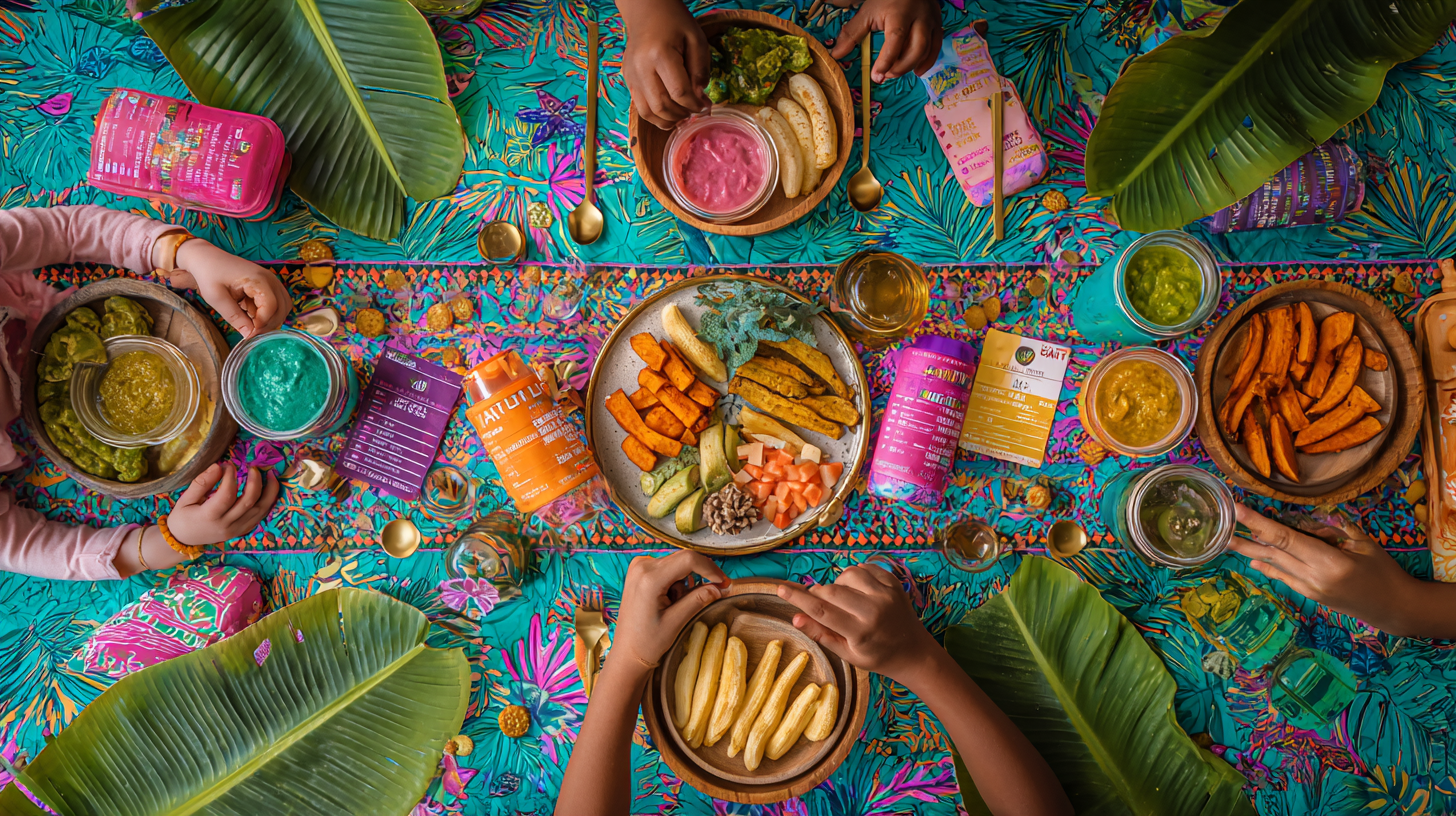
Week-by-Week Reality Check (Click to See What Really Happened)
Food Intake: 4-6 tablespoons per meal
Cleanup: 8 minutes average
Stress Level: Moderate—worrying about “am I forcing her?”
Cost: $32 for the week (store-bought + homemade)
Biggest Surprise: Mia got bored by day 4. She started turning her head away from the spoon, and I realized I was focused more on getting food IN than watching her cues.
Food Intake: 2-3 tablespoons worth (but lots of exploration)
Cleanup: 23 minutes average (yes, really)
Stress Level: HIGH—every gag sent me into panic mode
Cost: $41 for the week (lots of food waste)
Biggest Surprise: Mia was significantly happier and more engaged. She played with textures, made hilarious faces, and sat at the table longer. But I nearly had a heart attack watching her gag on a piece of roasted sweet potato.
Food Intake: 5-7 tablespoons equivalent
Cleanup: 15 minutes average
Stress Level: Low-moderate—felt more balanced
Cost: $28 for the week
Biggest Surprise: This felt like the sweet spot. I could offer finger foods when Mia was alert and curious, then follow with purees if she seemed hungry. No guilt, no pressure, just flexibility.
Food Intake: 6-8 tablespoons per meal
Cleanup: 12 minutes average
Stress Level: Moderate—texture progression felt natural
Cost: $25 for the week
Biggest Surprise: When I focused on responsive feeding (watching Mia’s cues rather than finishing a serving), even traditional purees felt less stressful. She opened her mouth when ready, turned away when done.
The Mess Factor: Let’s Talk About What Nobody Posts on Instagram
Right, so here’s the truth bomb nobody warns you about: every single feeding method is messy. Every. Single. One. The only difference is what kind of mess you’re signing up for.
Traditional purees create splash zones. That spoon flick? Sweet potato is now on the wall behind you, in your hair, and somehow inside your bra. Don’t ask me how. Baby-led weaning, though? That’s a whole different beast. We’re talking food ground into the high chair crevices, smeared across the floor in a three-foot radius, and stuck to surfaces you didn’t know existed.
Here’s my actual cleanup data (timed with a kitchen timer because I’m extra like that):
The Real Mess & Stress Levels (Click Each Method)
Stress sources: Worrying about portion control, feeling pushy, wondering if she’s actually hungry or just eating because I’m offering
Pro tip: Let your baby hold a spoon (even if they just wave it around). It cut my stress by half.
Stress sources: Constant choking anxiety (even though gagging is normal), food waste guilt, questioning if she’s eating enough
Pro tip: Put a cheap shower curtain under the high chair. Game changer. Also, learn the difference between gagging and choking—it saved my sanity.
Stress sources: Second-guessing if you’re doing either method “right,” comparing yourself to purist approaches
Pro tip: Start meals with finger foods when baby is most alert, finish with purees if still hungry. This order reduced my stress significantly.
Stress sources: Remembering to progress textures gradually, resisting the urge to rush
Pro tip: Focus on your baby’s cues, not the serving size. This one shift changed everything for me.
But here’s what shocked me: the mess wasn’t the hard part. The mental load was. With purees, I stressed about forcing Mia to eat when she wasn’t interested. With BLW, I panicked every time she gagged (which, spoiler alert, is completely normal and happened 64.8% of the time according to research). Combination feeding reduced my stress because I gave myself permission to be flexible.
The real breakthrough? When I stopped comparing myself to the perfectly-curated Instagram feeds and started watching Mia’s actual responses, everything got easier.
What My Baby Actually Told Me (Yes, Babies Communicate)
Look, Mia can’t talk yet. But babies? They’re shouting their preferences at us all day long. We just need to listen.
During Week 1 (traditional purees), Mia started strong. She opened her mouth eagerly, leaned forward, grabbed at the spoon. By day 4? She was turning her head, fussing, and pushing my hand away. Research shows that 47.5% of pediatricians still recommend traditional feeding approaches, but here’s what they don’t always mention: babies get bored with monotony just like we do.
Week 2 (strict BLW) brought a completely different baby to the table. Mia was engaged, curious, making hilarious squished-up faces at new textures. She’d pick up a roasted carrot stick, examine it like a tiny scientist, then gum it enthusiastically. Her hand-eye coordination visibly improved. But—and this is a big but—actual food consumption dropped by about 40%. Studies confirm that BLW babies often consume less in the early weeks, though they catch up over time.
During Week 3 (combination feeding), I saw the best of both worlds. Mia explored finger foods when she was alert and playful, then accepted purees when she seemed hungrier. Her stress levels dropped. My stress levels dropped. We both started actually enjoying mealtimes instead of dreading them.
The modified traditional approach of Week 4 taught me something crucial: it’s not about the method—it’s about responsive feeding. When I focused on Mia’s cues (opening her mouth when ready, turning away when done) instead of finishing a predetermined portion, even spoon-feeding felt collaborative rather than forceful.
If you’re looking to add more nutrient-rich variety to your baby’s diet—especially during combination feeding—the Caribbean Baby Food Recipe Book offers over 75 recipes featuring ingredients like iron-rich callaloo, vitamin-packed sweet potatoes, and creamy coconut-based purees that work beautifully for both spoon-feeding and finger food adaptations.
The Cost Analysis: Breaking Down Every Penny
Money talk time. Because feeding babies isn’t just emotionally exhausting—it can drain your bank account if you’re not strategic.
Calculate Your Weekly Feeding Costs
Here’s my actual spending breakdown for each week:
Week 1 (Traditional Purees): $32 total. I bought six store-bought pouches ($9) for convenience, made a batch of homemade sweet potato and apple puree ($4 for ingredients), and purchased baby oatmeal cereal ($7). The rest went to backup supplies and freezer storage bags.
Week 2 (Baby-Led Weaning): $41 total, and this one hurt. Organic produce for safe finger foods ran $28. I bought specific items like avocados ($6 for three), sweet potatoes ($4), bananas ($3), and roasted vegetable ingredients ($15). The food waste was real—about 30% of what I prepared ended up on the floor or in the dog.
Week 3 (Combination Feeding): $28 total. This was the most cost-effective approach. I made a large batch of purees ($8 in ingredients that lasted the whole week), bought regular (not organic) produce for finger foods ($12), and grabbed a few convenience pouches for busy days ($8). The flexibility meant less waste.
Week 4 (Modified Traditional): $25 total. I focused on versatile ingredients that I could puree and then gradually thicken, like lentils, rice, and vegetables from our family meals. Essentially, Mia ate modified versions of what we were already cooking, which slashed costs dramatically.
The truth? Homemade baby food costs about 12.4 cents per ounce—almost identical to store-bought jarred food at 12.3 cents per ounce. The real savings come from giving your baby modified versions of family meals rather than preparing separate, elaborate dishes. Those Instagram-worthy BLW plates with six different perfectly-cut foods? Expensive. A piece of your roasted chicken and steamed broccoli? Practically free.
For parents who want to maximize nutrition while minimizing costs, making your own purees and finger foods from Caribbean staples like plantains, callaloo, and pumpkin stretches your dollar while introducing bold, healthy flavors. Resources like the Caribbean Baby Food Recipe Book show you exactly how to prepare these ingredients safely for babies at different stages.
The Shocking Truths Nobody Tells You
Pick Your Truth Bomb
After 30 days of intensive testing, documentation, and more sweet potato stains than I care to count, here are the truths that nobody talks about:
Truth #1: Gagging is terrifying but normal. During BLW week, Mia gagged 18 times. Eighteen. Research shows that 64.8% of BLW babies experience gagging, and it’s actually a protective reflex. But knowing that intellectually and watching your baby turn red while coughing up a piece of banana? Two completely different experiences. I learned to distinguish gagging (noisy, productive coughing) from choking (silent, unable to breathe). That knowledge saved my sanity.
Truth #2: The “perfect” method doesn’t exist. Studies show only 8% of parents follow strict BLW, while 79% would adopt some aspects of it. Why? Because real life is messy, complicated, and doesn’t fit into neat categories. Some days Mia wanted to explore finger foods. Other days she was tired and just wanted me to feed her. Both were valid.
Truth #3: Your biggest feeding challenge isn’t the method—it’s your mental load. The constant second-guessing, comparing yourself to other parents, worrying about portion sizes, stressing over nutrients—that’s what makes feeding exhausting. When I gave myself permission to be flexible and trust Mia’s cues, everything got easier.
Truth #4: Iron intake is a legitimate concern across all methods. Research shows that 96% of breastfed infants who don’t consume iron-fortified cereal have inadequate iron intakes. This isn’t just a BLW problem—it’s a complementary feeding problem in general. The solution? Intentionally offer iron-rich foods daily, regardless of your method. Think meat, fish, legumes, iron-fortified cereals, and leafy greens.
Truth #5: Food waste with BLW is real and guilt-inducing. I estimated 30% of the food I prepared during BLW week ended up uneaten. But here’s the reframe: babies aren’t wasting food—they’re learning. Every squished banana, every dropped carrot stick is sensory exploration and motor skill development. It’s an investment, not waste.
My Final Verdict: What Actually Works
After 30 days, 120 meals, approximately 400 minutes of cleanup time, and enough documentation to write a dissertation, here’s what I’m doing moving forward:
Combination feeding with responsive cues. This isn’t taking the easy way out—it’s taking the smart way out. I offer Mia finger foods first when she’s most alert and curious (usually at lunch). If she explores them and eats some, great. If she seems frustrated or still hungry, I follow with purees. At dinner when she’s tired, I start with purees and let her hold a spoon or pre-loaded utensil for practice.
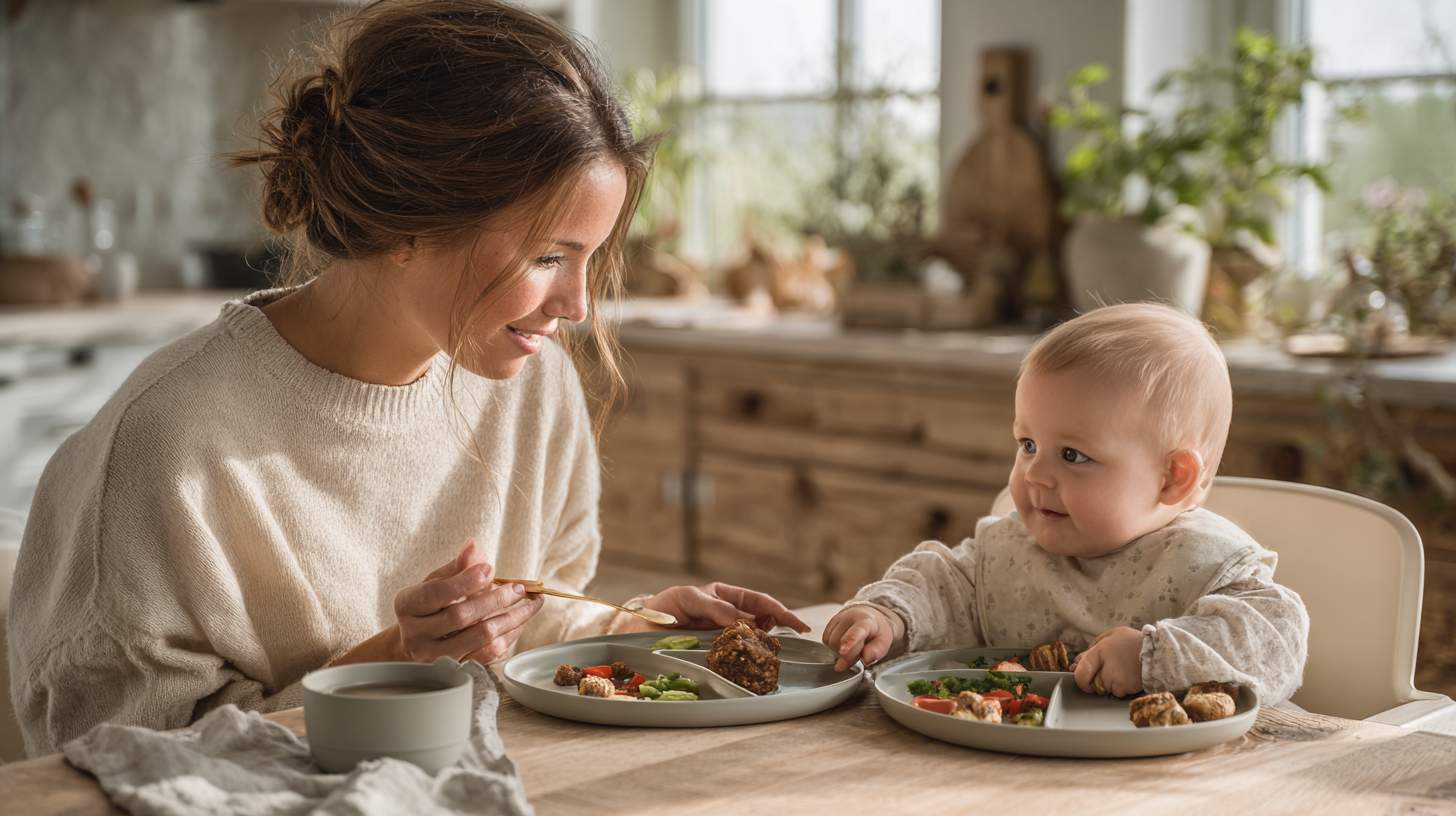
I’ve stopped obsessing over serving sizes and started watching Mia. She opens her mouth when ready. She turns away when done. She reaches for more when hungry. Babies are born knowing how to self-regulate—we just need to get out of their way and let them.
I intentionally offer iron-rich foods daily. Some days that’s iron-fortified oatmeal. Other days it’s mashed lentils or shredded meat. I keep iron-rich Caribbean recipes like Callaloo puree and Stewed Peas Comfort in my rotation because they pack serious nutritional punch while introducing Mia to our family’s food culture.
Which Feeding Approach Matches Your Parenting Style?
I’ve made peace with the mess. I bought a $15 washable mat for under the high chair, I dress Mia in just a diaper for messy meals (yes, we’re those parents), and I’ve trained our dog to hang out nearby during feeding time. He’s an excellent cleanup crew.
Most importantly? I’ve stopped comparing Mia’s journey to anyone else’s. Not to Instagram’s perfectly-styled feeding photos. Not to my sister’s baby who apparently ate everything from day one (yeah, right). Not to the pediatrician’s textbook timelines. Just Mia, doing her thing, at her pace.
Your Action Plan: Where to Start Tomorrow
Okay, so you’ve read about my chaotic 30-day experiment. Now what? Here’s your realistic, implementable action plan based on what actually worked:
Step 1: Forget perfection. Seriously. Crumple up your idealized vision of feeding and throw it in the trash along with yesterday’s splattered puree. Your goal isn’t Instagram-worthy meals—it’s a fed, happy baby and a sane parent.
Step 2: Start with ONE meal using combination feeding. Don’t overhaul everything at once. Pick lunch when your baby is typically most alert. Offer 2-3 simple finger foods (steamed sweet potato wedges, roasted banana slices, soft-cooked carrot sticks). Let them explore for 10-15 minutes. Follow with a puree if they still seem hungry. That’s it. That’s the whole plan.
Step 3: Learn the difference between gagging and choking. Watch YouTube videos. Take an infant CPR class. Gagging is noisy—coughing, turning red, making sounds. Choking is silent—unable to cough, unable to breathe. Gagging means the safety mechanism is working. When you can distinguish between them, your stress drops by 70%. I’m speaking from experience here.
Step 4: Batch-cook one iron-rich food per week. Make a big pot of lentils, puree them, and freeze in ice cube trays. Or roast a batch of ground beef with mild spices and refrigerate portions. Or prepare iron-fortified oatmeal each morning. Just one reliable iron source per day makes a massive difference. If you want variety beyond the standard options, Caribbean recipes featuring callaloo, red peas, or fortified cornmeal porridge are fantastic iron sources.
Step 5: Create a mess management system before you start. This isn’t glamorous, but it’s essential. Buy a washable mat or cut open a trash bag to place under the high chair. Keep a damp cloth within arm’s reach. Strip your baby down to a diaper for messy meals. Set up your space for inevitable chaos, and cleanup becomes manageable instead of overwhelming.
Step 6: Watch your baby, not the serving size. This is the hardest one for Type A parents (hi, it’s me). Babies are born with the ability to self-regulate hunger. They’ll eat when hungry and stop when full—if we let them. Your job isn’t to ensure they finish a portion; it’s to offer nutritious options and respect their cues. Opening mouth = ready. Turning away = done. It’s that simple.
Quick Win Feeding Hacks (Click to Reveal)
Step 7: Give it two weeks before judging results. The first week of any new approach is chaos. Your baby needs time to adjust, and you need time to develop confidence. Don’t make any major decisions during week one. By week two, you’ll have real data about what works for your family.
Step 8: Join a support community. I’m talking about real parents, not perfect Instagram feeds. Reddit’s r/BabyLedWeaning community was invaluable during my experiment, even when I wasn’t following strict BLW. Seeing other parents’ messy kitchens, hearing their frustrations, and getting validation that gagging is normal—it kept me sane.
The Truth About Feeding: It’s Not About the Method
Here’s what nobody tells you when you’re drowning in conflicting feeding advice at 2 AM: the method doesn’t matter nearly as much as the relationship.
Research on responsive feeding shows that the quality of the feeding interaction—the back-and-forth communication between caregiver and baby—predicts better outcomes than any specific approach. Babies whose parents watch for hunger and fullness cues develop healthier relationships with food, regardless of whether those foods are pureed or self-fed.
During my 30-day experiment, I discovered this truth through lived experience. Week 1’s traditional purees felt stressful because I was focused on getting food into Mia, not on what Mia was communicating to me. Week 2’s strict BLW felt overwhelming because I was obsessed with following rules rather than responding to my baby. Week 3’s combination feeding worked because I finally gave myself permission to be flexible and attentive.
The real breakthrough wasn’t finding the “right” method—it was learning to trust both Mia and myself.
My Auntie Claudette (yes, bringing in that Caribbean wisdom) told me something during Week 3 that shifted my entire perspective. She said, “Child, you t’ink your ancestors had all these fancy methods? We watched the baby, we offered the food, we trusted the process. Stop complicating it.” And she was right. Generations of healthy, thriving children were raised without Instagram graphics explaining baby-led weaning versus traditional purees.
That doesn’t mean research and safety guidelines aren’t valuable—they absolutely are. But it means we can hold evidence-based practices and intuitive responsiveness in the same hand. You can know that iron-rich foods are crucial AND trust your baby’s hunger signals. You can follow safe food preparation guidelines AND embrace messy exploration. You can use convenient store-bought pouches sometimes AND make homemade purees when you have energy.
If you’re looking for a resource that bridges cultural food traditions with evidence-based nutrition, the Caribbean Baby Food Recipe Book offers that beautiful balance—traditional recipes adapted for modern safety standards, with nutritional breakdowns and age-appropriate modifications.
What I’d Tell My Pre-Experiment Self
If I could go back to that night on the kitchen floor, surrounded by puree splatter and panic, here’s what I’d say:
“You’re going to be okay. Mia’s going to be okay. This feeding thing? It’s not as complicated as the internet makes it seem.
Yes, there will be mess. Accept it now and save yourself the stress. Yes, Mia will gag sometimes, and your heart will stop, but she’ll cough it up and keep going. Yes, some meals will be beautiful and successful, and others will result in zero food consumed and maximum floor coverage. Both are normal.
Stop comparing. Stop comparing Mia to other babies. Stop comparing yourself to other parents. Stop comparing your messy kitchen to those styled Instagram photos. Your journey is yours alone, and it’s exactly what it needs to be.
Trust Mia. She knows when she’s hungry and when she’s full. She knows when she wants to explore new textures and when she just wants the familiar comfort of a puree. Your job isn’t to control her eating—it’s to offer nutritious options and let her lead.
And please, for the love of everything, stop reading contradictory articles at 2 AM. Get some sleep. Everything looks more manageable in the morning.”
The truth is, there’s no perfect feeding method because there’s no perfect baby or perfect parent. There’s just your baby, your family, your circumstances, and your willingness to figure it out together.
This 30-day experiment didn’t give me a definitive answer about which method is “best.” But it gave me something better: confidence. Confidence to trust my observations. Confidence to be flexible when needed. Confidence to tune out the noise and tune into Mia.
And honestly? That confidence is worth more than any perfectly-followed feeding protocol ever could be.
Your Turn: What Happens Next
So here we are. You’ve made it through my chaotic, messy, surprisingly enlightening 30-day feeding experiment. You’ve seen the real data, the honest struggles, the actual costs, and the genuine breakthroughs.
Now comes the part where you take this information and make it work for your family. Not my family. Not Instagram’s ideal family. Yours.
Maybe you’ll try combination feeding like I settled on. Maybe you’ll stick with traditional purees but incorporate responsive feeding principles. Maybe you’ll jump into baby-led weaning with both feet (and a really good floor mat). All of these approaches can work beautifully when paired with attention to your baby’s cues and a healthy dose of flexibility.
The feeding method you choose matters far less than the feeding relationship you build. Watch your baby. Trust their signals. Offer nutritious options. Let go of perfection. Embrace the mess as learning. Celebrate the small wins. Forgive the tough days.
And on the really hard days—the ones where nothing works, your baby refuses everything, and you question all your choices—remember that thousands of parents are sitting on kitchen floors at 2 AM having the exact same moment. You’re not alone in this. Not even a little bit.
Your baby doesn’t need perfectly-styled meals or flawlessly-executed feeding methods. They need a caregiver who shows up, offers nourishment, and responds with love. You’re already doing that. Everything else? It’s just details.
Now go feed your baby—whatever method feels right today. Tomorrow can be different. And that’s not just okay, it’s exactly how it should be.

Kelley's culinary creations are a fusion of her Caribbean roots and modern nutritional science, resulting in baby-friendly dishes that are both developmentally appropriate and bursting with flavor. Her expertise in oral motor development and texture progression ensures that every recipe supports your little one's feeding milestones while honoring cultural traditions.
Join Kelley on her flavorful journey as she shares treasured family recipes adapted for tiny taste buds, evidence-based feeding guidance, insightful parenting anecdotes, and the joy of celebrating food, culture, and motherhood. Get ready to immerse yourself in the captivating world of Kelley Black and unlock the vibrant flavors of the Caribbean for your growing baby, one nutritious bite at a time.
- The Secret Ingredient You’re Overlooking at the Table (And It’s Not Protein) - October 7, 2026
- Raising the Next Generation: How Your Everyday Feeding Choices Quietly Change the World - October 6, 2026
- The Feeding Journey Never Ends: Why Your Baby’s Plate Will Keep Changing (And That’s a Good Thing) - October 5, 2026