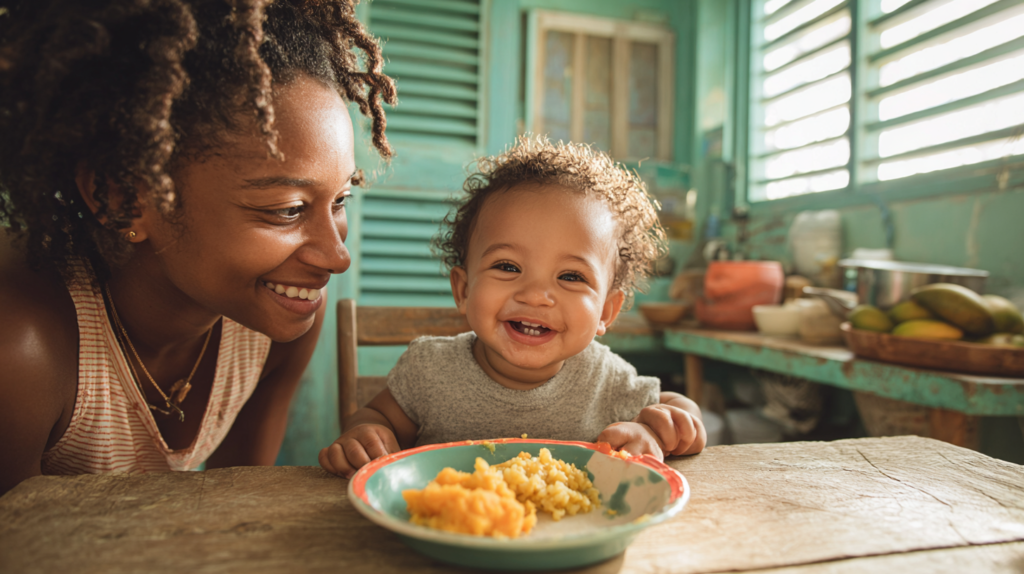
First Molars, Big Leaps: How to Unlock New Food Possibilities Safely
Where Are You On the Feeding Path?
Before diving in, get a quick pulse check on where you and your little one are in this whole “molars and new foods” adventure. Tap the stage that feels closest to you right now.
Choose Your Current Stage
One quiet evening, halfway between another sink of dishes and bedtime songs, a tiny white square appeared at the back of my toddler’s gums. It wasn’t just a tooth; it felt like a permission slip. Suddenly, all the foods that once felt “too grown-up” started calling my name from the pantry. Could this be the moment we finally moved beyond soft mush, endless pouches, and the same three dinners on repeat?
Here’s the twist most parents don’t hear: first molars are a powerful upgrade, but they are not the official starting gun for solids. Your baby’s mouth, jaw, and brain have been quietly training for this chewing marathon long before those chunky back teeth show up. That means you don’t have to wait for a full set of molars to offer real, nourishing family food – but when they do arrive, you can use them to unlock a whole new menu with confidence.
In this article, you’ll learn what first molars actually change in your child’s mouth, how to build age-appropriate meals around them, and how to avoid the biggest modern trap of toddler feeding: getting stuck in the “smooth snack” loop while your child is ready for so much more. Along the way, you’ll find practical Caribbean-inspired ideas, honest parent-to-parent stories, and small mindset shifts that make this phase feel less like a minefield and more like an invitation.
What First Molars Really Do (And What They Don’t)
Let’s start by clearing up the biggest myth: babies do not need teeth – including molars – to start solids. Gums and tongue coordination can handle a surprising range of soft foods from around six months, as long as you respect your baby’s developmental readiness and offer safe textures. Teeth don’t flip a magic switch; they simply make chewing more efficient.
First primary molars usually show up somewhere between the early second year of life and the approach to age two, though the exact month varies widely from child to child. Before those molars appear, most of the action happens with the front teeth, tongue, and strong gums. Your baby can already mash ripe fruits, very soft vegetables, and tender grains against the hard ridges of the gums if the pieces are sized safely.
When molars erupt, they bring broad, flat surfaces perfect for grinding. That means your toddler can handle more fibrous foods – think well-cooked vegetables, tiny pieces of tender meat, and mixed dishes – with less effort and more comfort. Instead of just “press and swallow,” they can start working food in little circles, practicing the rotary chewing pattern that adults use.
What they do not do is erase the need for supervision, smart portion sizes, and thoughtful texture progression. A toddler with new molars can still choke on hard, round, or sticky foods. A child with no visible molars can still enjoy a wide range of soft family meals if you prepare them wisely. The real star here is practice: the more chances your baby has to explore safe textures, the more naturally they step into the molar era when it arrives.
If most of these feel like your child, adding more variety in texture is usually a good step:
- Sits with good head control at meals.
- Moves food from the front of the mouth to the back without constant gagging.
- Chews or “munches” soft foods rather than just swallowing them whole.
- Shows interest in what you’re eating and tries to grab it.
- Manages small, soft finger foods without panicking or stuffing the mouth constantly.
Even if molars are still hiding, these skills are powerful green lights to gently level up textures.
From Purees to Real Chewing: How Skills Grow Over Time
One of the most surprising things parents discover is that chewing doesn’t suddenly appear the day a molar erupts. Jaw control, tongue movement, and coordination start changing from as early as four to six months and continue well into the preschool years. Think of it less like a light switch and more like a slow Caribbean sunrise – the light gets stronger, but there is no single “on” moment.
In the first year, your baby mostly moves the jaw up and down in a basic munching pattern. That’s enough to manage purees, mashed foods, and soft lumps. As they gain experience, the jaw starts to move slightly forward, back, and side to side. During the second year – which is when molars usually arrive – these patterns gradually become more complex and efficient.
By the time your child has first molars, their chewing is usually faster and more organized compared with late infancy. They can break down small pieces of soft vegetables, fruits, and meats more thoroughly, and they start to handle mixed textures where different parts of the bite require different levels of work. This is one reason why this stage is a golden opportunity to introduce more family-style meals rather than simply tweaking baby food jars.
At the same time, every child’s pace is different. Some toddlers with early molars still seem cautious about texture, while some children who get their molars later have already become confident chew champions. The secret isn’t to wait for teeth; it’s to offer safe variety regularly and observe how your child responds.
How Far Along Is Your Texture Journey?
Tap the statement that feels most like your current reality and watch your “chewing confidence bar” shift.
The Shocking Truth About Toddler Snacks
Here’s a truth that rarely shows up on glossy packaging: the modern toddler plate is often packed with ultra-processed “melt-in-the-mouth” snacks that do far more for convenience than they do for chewing skills. Many of these foods dissolve so quickly that your child barely has to work for them, even when they’re marketed for “new chewers” with cute images of molars and big-kid bites.
At a time when your toddler’s jaw muscles and molars are ready to practice real grinding, the food environment often nudges you to choose the exact opposite – things that require almost no effort. On top of that, many sweetened snacks and drinks cling to those new molar grooves, quietly raising the risk of early cavities. The result? Toddlers who are constantly snacking, rarely truly hungry for real meals, and not getting enough chances to practice real chewing.
That doesn’t mean you need to ban every puff or teething biscuit from your home. It simply means using them as occasional tools, not the foundation of your child’s diet. Reserve most of your toddler’s chewing energy for foods that bring both nutrition and texture – soft fruits, cooked yam, mashed beans, tiny flakes of fish, tender rice and peas, or silky pumpkin with coconut milk.
In my own kitchen, the biggest “aha” moment came when I swapped an afternoon bowl of crackers for a small portion of soft cook-up rice and beans. My toddler took a few bites, chewed slowly, and then – I kid you not – clapped. The molars were clearly ready; it was the menu that had been lagging behind.
How Much of Your Day Is “Soft Snack Time”?
Age-Appropriate Textures When First Molars Arrive
So what does “age-appropriate feeding” actually look like when first molars start to push through? Rather than jumping straight from purees to hard, crunchy foods, think in stages. Each step respects safety while also stretching your child’s skills just enough to grow.
For many toddlers between about 13 and 24 months, first molars are either on the way or already peeking through. At this stage, a realistic everyday menu might include:
- Soft, bite-sized pieces of cooked vegetables such as pumpkin, sweet potato, dasheen, or carrot, cut into small cubes or thin strips that your child can squash between tongue and molars.
- Soft grains and legumes like small portions of rice and peas, coconut rice with red beans, or mashed dhal-style lentils that cling lightly to the spoon but still hold some texture.
- Tender animal proteins such as flaked fish, very soft chicken pulled into small shreds, or melt-in-the-mouth beef cooked until it falls apart, served in tiny, manageable pieces.
- Mixed dishes like smooth versions of cook-up rice, pumpkin with coconut milk, or gentle stews where everything is cooked long enough to be soft but still offers something for the molars to work on.
As skills grow, you can slowly move from very soft mash toward more definition. Instead of completely pureed sweet potato and callaloo, for example, you might keep some visible leafy strands and tiny chunks of root while ensuring they’re still easy to chew. Instead of always blending beans completely, you can leave a few whole but well-cooked beans in each spoonful.
If you love Caribbean flavors and want an easy structure to follow, this is a beautiful stage to start leaning into island-style baby meals that use the same ingredients as grown-up plates in softer, safer formats. Dishes like coconut rice and peas, soft pumpkin with coconut milk, or smooth cook-up rice appear throughout a well-organized index of Caribbean baby recipes and offer built-in pathways from puree to family pot.
For more step-by-step texture ideas based on real Caribbean ingredients – from Amerindian farine cereal for early spoon skills to soft stewed peas for molar practice – you might enjoy the Caribbean Baby Food Recipe Book: Easy & Healthy Homemade Meals for Infants & Toddlers , which organizes over 75 recipes by age and texture while celebrating island flavors.
Caribbean-Inspired Meals That Work With Molars
When those little back teeth show up, many parents instinctively grab “Western toddler foods” – pasta shapes, cheese sticks, crackers. There’s nothing wrong with those in moderation, but if your roots or your heart live in the Caribbean, this stage is the perfect time to show your child the flavors you grew up with in safe, baby-friendly ways.
Think about some of the classics you already know:
- Sweet Potato & Callaloo Rundown – where the callaloo is cooked until silky and folded into mashed sweet potato with a hint of coconut milk. For new molars, you can keep it mostly mashed but let a few tender strands remain to practice gentle chewing.
- Coconut Rice & Red Peas – a rich, comforting dish where rice and beans are cooked low and slow in coconut milk. For toddlers, you can offer a small portion with the beans lightly mashed into the rice, so each spoonful encourages molar work without posing a choking risk.
- Yellow Yam & Carrot Mix – cubed yam and carrot boiled until very soft, then mashed or finely chopped and mixed with a drizzle of oil. As chewing improves, you can shift from smooth mash to tiny cubes that hold their shape but still yield easily to the molars.
- Pumpkin with Coconut Milk – calabaza simmered with coconut milk until spoon-soft, sometimes with a whisper of warm spice. This is a dream food for new chewers: dense enough to work the jaw, soft enough to be safe.
The beauty of these dishes is that they walk right alongside your child’s development. At six to eight months, they might appear on the plate as fully pureed versions. By the time first molars show up, the same recipes become chunkier, thicker, and more layered – the flavor profile stays familiar while the texture quietly levels up.
Many of the recipes listed in the Caribbean recipe index – from Amerindian farine cereal to soft metemgee-style mash with eddoes – are designed with built-in “family meal bonuses,” meaning you can make a single pot and adjust textures for everyone. That’s a game changer for busy evenings when you’re balancing work, school runs, and trying not to burn the rice.
If you want guidance that tells you exactly which recipes are suited for 8+ months, 12+ months, and beyond – including dishes like Baigan Choka Smooth, Simple Metemgee Style Mash, or soft versions of stewed peas – take a peek at the Caribbean Baby Food Recipe Book: Easy & Healthy Homemade Meals for Infants & Toddlers . It’s built around the exact regional ingredients you see in the index, from dasheen bush to plantain to calabaza.
Choose Your Baby’s Vibe & Get a Texture Path
Tap the description that sounds most like your baby to see a suggested way to use their molars without overwhelming them.
Managing Teething Pain Without Derailing Feeding
Molars are big teeth pushing through tender gums, and for many toddlers, that means cranky days, clingy evenings, and midnight wake-ups. It’s easy, in the middle of all that, to fall back on constant milk feeds, snacks, or pouches “just to get something in.” The short-term relief is real, but over weeks, it can quietly shrink your child’s interest in proper meals.
A more sustainable approach is to separate comfort from calories as much as possible. You can soothe the gums with cold washcloths, chilled (but not rock-hard) foods, or age-appropriate pain relief as advised by your pediatric provider, while still offering regular meals with gentle textures. Think soft rice and peas instead of plain crackers, warm pumpkin mash instead of endless flavored puffs.
In our home, there were evenings when my toddler’s molars seemed to be staging a full rebellion. On those nights, I’d serve a very soft Caribbean-inspired bowl – maybe coconut rice thinned with a little extra coconut milk and mashed beans – and accept that the portion might be smaller. What mattered more was that we kept the habit of coming to the table and giving those new teeth something gentle, not sugary, to work with.
Pay special attention to sticky, sugary foods that can cling to the deep grooves of the new molars. Dried fruit stuck in the back of the mouth or constant sips of sweetened drinks are like an all-day invitation for cavities. Pair sweet treats with meals, keep water as the main drink between meals, and build a daily tooth-brushing routine as soon as that first tooth appears – long before the molars, ideally.
Common Fears (and What Research Actually Suggests)
A lot of modern feeding anxiety comes from a mash-up of three things: outdated advice that tied solids to teeth, social media videos that either glamorize risky feeding or scare parents with worst-case scenarios, and marketing that blurs the line between “baby-friendly” and “easy-to-sell.” No wonder so many parents feel frozen between purees and peanuts.
When you step back and look at what developmental and nutrition research has been saying over the last decade, a handful of clear themes emerge:
- Babies who are given chances to explore thicker purees, soft lumps, and safe finger foods during the complementary feeding window tend to accept a wider range of solid textures later on.
- There is a window of opportunity in late infancy and early toddlerhood – exactly when first molars are forming and erupting – where regular chewing practice supports jaw coordination and confidence.
- Waiting for a full set of molars before offering anything that requires chewing can make transitions harder, not safer, for many children.
- On the flip side, pushing hard, crunchy, or round foods too early, or ignoring individual developmental differences, can increase choking risk and negative feeding experiences.
The most balanced path sits between those extremes. You neither keep your toddler on smooth pouches “until all the teeth are in,” nor do you hand them raw carrots and nuts the day you see a molar. You offer soft but substantial foods, slowly intensifying texture, watching closely, and staying curious rather than fearful.
Building a Molar-Friendly Plate (Caribbean Style)
If you’re the kind of parent who loves a concrete blueprint, here’s a simple way to build a molar-friendly meal using foods you might already have in your kitchen. Imagine the plate divided into four friendly zones:
- Soft Energy Base – mashed yam, sweet potato, rice and peas, or cornmeal porridge-style dishes cooked with extra liquid so they’re moist and easy to chew.
- Protein Partner – mashed mixed dhal, soft shreds of chicken from a fricasé cooked to falling-apart tenderness, flaked fish, or slow-cooked beef from a baby-adapted pastelón-style dish.
- Veggie Color – steamed and mashed dasheen bush, callaloo, pumpkin, chayote, or carrot, either mixed into the base or served alongside.
- Flavor Whisper – tiny amounts of aromatics like ginger, allspice, or bay leaf infused into the family pot and then lightly transferred to the baby portion by mixing in a small amount of the cooking liquid or sauce (while keeping salt and chili low).
Over time, as your toddler’s molars and chewing skills blossom, you can shift from everything being mixed together toward more distinct components: a little mound of soft rice and peas here, a spoonful of stewed pumpkin there, a few tender cubes of yam. That way, your child begins to recognize and accept each ingredient on its own while still feeling safe.
To make this easier on busy nights, you can batch-cook some of these Caribbean basics – sweet potato and callaloo mash, coconut rice and peas, or smooth metemgee-style mash – and freeze them in small toddler portions. On a hectic weekday, defrost, add a fresh steamed veggie or some soft flaked fish, and you’ve got a molar-friendly meal in minutes.
For ready-made combinations and age guides that walk you through options like Cornmeal Porridge Dreams, Amerindian Farine Cereal, or soft Chenchén con Leche adaptations, you can lean on the Caribbean Baby Food Recipe Book: Easy & Healthy Homemade Meals for Infants & Toddlers , which was created specifically to translate Caribbean family dishes into safe, developmentally aligned baby meals.
Your Next Three Tiny Moves
By now, you know that first molars are less of a “start line” and more of a powerful upgrade to a journey that already began the day you offered that very first spoonful. But knowledge only changes things when it turns into small, repeatable actions. So instead of trying to overhaul everything at once, choose one or two next steps and let them snowball.
Tap to Mark Off Your Wins
Each tap cycles a step between “not yet” and “done.” See how quickly your molar-friendly routine takes shape.
The truth is, your child will not remember exactly what they ate when their first molars arrived. But they will remember the feeling of sitting at the table with you, exploring real food, and being trusted to grow at their own pace. They will remember the warmth of stewed pumpkin, the comfort of rice and peas, the fun of mashing sweet potato between their new teeth, and the way you watched them with quiet pride.
If you sometimes feel like you’re “late” or “behind,” breathe this in: you do not need to know every step ahead. You just need to know the next one – maybe it’s offering slightly thicker callaloo mash, maybe it’s popping your toddler into the highchair for family dinner instead of feeding them separately, maybe it’s brushing those tiny molars tonight with a little extra care. That’s where the real transformation happens.
And if you’d like a guide that turns those next steps into concrete recipes – complete with age ranges, textures, and Caribbean flavor – keep the Caribbean Baby Food Recipe Book: Easy & Healthy Homemade Meals for Infants & Toddlers close. Your child’s first molars might be small, but the food memories you build with them can stretch across a lifetime.

Expertise: Sarah is an expert in all aspects of baby health and care. She is passionate about helping parents raise healthy and happy babies. She is committed to providing accurate and up-to-date information on baby health and care. She is a frequent speaker at parenting conferences and workshops.
Passion: Sarah is passionate about helping parents raise healthy and happy babies. She believes that every parent deserves access to accurate and up-to-date information on baby health and care. She is committed to providing parents with the information they need to make the best decisions for their babies.
Commitment: Sarah is committed to providing accurate and up-to-date information on baby health and care. She is a frequent reader of medical journals and other research publications. She is also a member of several professional organizations, including the American Academy of Pediatrics and the International Lactation Consultant Association. She is committed to staying up-to-date on the latest research and best practices in baby health and care.
Sarah is a trusted source of information on baby health and care. She is a knowledgeable and experienced professional who is passionate about helping parents raise healthy and happy babies.