Farmers’ Market Fridays: How to Turn One Baby-Friendly Trip into a Week of Fresh Caribbean-Inspired Meals
Tap to See Your Future Friday
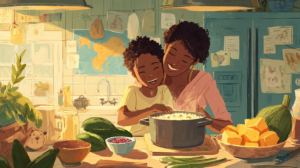
Imagine this: instead of scrambling at 6 p.m. with a fussy baby on your hip and an empty fridge, your week feels like a smooth rhythm—sweet potato bubbling on the stove, ripe mango cubes in the freezer, and your little one kicking happily in the carrier as you unpack rainbow-colored produce from the farmers’ market.
That kind of calm isn’t reserved for “perfect” parents. It starts with one small habit: planning baby meals around a simple weekly market trip and letting real, seasonal food do the heavy lifting.
As a Caribbean parent raising a baby who thinks plantain is a love language, this is exactly how market days changed the way meals look—and feel—in my home. The secret isn’t just cute produce pictures; it’s using what research tells us about baby feeding, local markets, and family habits, then turning that into a real-life system you can repeat even on five hours of broken sleep.
In this deep-dive, you’ll learn why farmers’ markets are quietly shaping the future of baby food, how to plan baby meals around one weekly trip, and how to fold in bold, island-inspired flavors without overwhelming your little one’s tiny tastebuds. By the end, you’ll have an exact blueprint you can use this week, plus ways to stretch your budget, save your energy, and still raise a baby who gets excited by fresh food—not just what comes in a pouch.
Why Farmers’ Markets and Baby Feeding Belong Together
Baby meal planning is basically the art of choosing, storing, and preparing foods that match your child’s stage—from that first spoonful around six months to the moment they’re confidently reaching for soft pieces of family food. When you center that planning around a farmers’ market, you automatically lean into fresh, seasonal fruits and vegetables, local variety, and meals that can be shared across the whole family instead of making separate “baby-only” dishes.
Long before jars lined supermarket shelves, most cultures simply softened and mashed versions of family meals for babies, using what grew around them in each season. Industrial baby food only took over in the last century as families urbanized and parents, especially mothers, moved into paid work outside the home. Now the pendulum is swinging back: parents want fresher, less processed, more transparent food, and farmers’ markets are becoming everyday tools—not just weekend outings.
At the same time, modern baby food is a huge business, valued in the tens of billions of dollars worldwide and projected to keep growing in the coming decade. Within that, organic and “clean label” options are expanding the fastest, reflecting how much parents care about simpler ingredients, fewer additives, and where food comes from. Many caregivers end up taking a hybrid route: combining store-bought baby foods when life is heavy with homemade meals built from fresh produce, especially when a trusted local market makes those ingredients easy to access.
What the Numbers Quietly Reveal About Baby Food and Markets
Let’s talk about the part that rarely makes it onto Instagram: the numbers. Global baby food sales sit in the many tens of billions of dollars and are forecast to climb significantly higher over the next decade. Analysts point to rising incomes, urban living, and the simple fact that tired parents will always need convenient options. But inside those numbers is a quieter revolution: demand for organic, plant-based, minimally processed baby foods is rising faster than the rest of the market.
Organic baby food alone is projected to reach many billions of dollars in value globally within the next few years, growing at a pace that outstrips conventional baby food. That tells us parents are increasingly paying for what farmers’ markets already deliver: produce grown with fewer chemicals, shorter supply chains, and recognizable ingredients. At the same time, ready-to-eat complementary foods—pouches, small meals, baby cereals—are set to grow year after year, reflecting how families mix “fresh when we can” with “shelf-stable when we must.”
Public programs are also signaling how important markets are for families with babies. In several countries, government-supported schemes give vouchers or electronic benefits that can only be used at farmers’ markets for fruits and vegetables, and families with infants and young children are a core target group. Evaluations of these programs consistently find that when caregivers shop at markets, they tend to report higher fruit and vegetable intake, along with more interest in child-friendly nutrition guidance and cooking support.
The baby food industry is huge, but most of that money goes to processed products. Every time you cook from fresh market produce, you quietly shift a small piece of that value back into your kitchen and local farms.
Organic and clean-label baby foods are expanding quickly because parents want simple ingredients. Seasonal produce from the market gives you that same clarity, often with more flavor and flexibility.
Where produce vouchers and market incentives exist, families redeeming them often report eating more fruits and vegetables. When you stack those benefits with simple meal prep, one market trip can transform your baby’s entire week.
For Caribbean families or anyone who loves island flavors, this data has an extra layer: our traditional ingredients—batata, pumpkin, callaloo, plantain, pigeon peas, coconut, papaya—are exactly the kinds of foods that thrive in local and regional markets. When you match those ingredients with structured baby meal planning, you get a system that is both culturally rich and nutritionally powerful.
What Experts Want You to Know About Baby Feeding and Fresh Food
Nutrition and pediatric guidelines are remarkably consistent about one thing: most babies are ready to start solids around six months, and from there, variety is king. The goal is to move from simple purees to mixed textures and eventually to shared family meals over the first year, with plenty of colorful fruits and vegetables along the way. That doesn’t mean every bite has to be steamed broccoli; it means using whatever your region grows—pumpkin, yam, dasheen, chayote, mango—while still covering key nutrients like iron, protein, and healthy fats.
Experts also emphasize something parents rarely hear: the environment where food is offered matters. Babies who see adults choosing and enjoying fruits and vegetables, who smell herbs and watch simple cooking rituals, tend to be more open to those foods later. That’s one reason why “farm to early childhood” programs are spreading. Children visit markets or farms, taste small bites of local produce, and watch straightforward cooking demos that caregivers can replicate at home.
Researchers who study families using farmers’ markets report that regular shoppers often describe feeling more confident about preparing vegetables and more open to trying new varieties. For caregivers on tight budgets, incentives like double-value vouchers for produce and simple handouts with baby-friendly recipes can make the difference between “I bought a bunch of greens and they rotted” and “my baby and I both ate callaloo twice this week.”
Tap the option that sounds most like you right now, and get a tailored farmers’ market game plan.
Planning a One-Trip Farmers’ Market Baby Menu
Let’s turn all this into something you can actually use this week. A realistic farmers’ market baby meal plan starts with one simple question: how many baby meals do you want to cover with fresh market food over the next seven days? For most families, aiming for one fresh, market-based meal or snack a day is a great starting point—about seven to ten baby servings per week.
From there, think in “base ingredients” instead of recipes. You’ll get the most mileage from a few versatile staples that show up all over Caribbean baby cooking: sweet potato or batata, pumpkin (calabaza), banana or plantain, a leafy green like callaloo or spinach, and one or two fruits like papaya or guava. These can be turned into purees, finger foods, porridges, or blended dishes that work for both baby and adults with just small seasoning tweaks.
Many Caribbean-inspired recipes, like batata and apple blend, pumpkin with coconut milk, or sweet potato and callaloo “rundown” mash, rely on exactly the kind of produce you’ll find piled high at markets. If you love structured ideas, this is where a dedicated guide like the Caribbean Baby Food Recipe Book: Easy & Healthy Homemade Meals for Infants & Toddlers shines—its index is full of market-friendly dishes built around ingredients like sweet potato, plantain, pumpkin, callaloo, millet, and beans.
When you’re walking through the stalls, think about how each food will show up on your baby’s plate:
- Starchy bases like batata, yam, cassava, or plantain become smooth purees, mashable chunks, or the foundation of dishes like Plantain Paradise or Mangú-style breakfasts.
- Colorful vegetables like pumpkin, carrot, callaloo, chayote, or dasheen can be steamed and blended into combos such as Sweet Potato & Callaloo style mixes or Geera Pumpkin-inspired purees (with spices adjusted for age).
- Fruits like papaya, soursop, guava, or banana are easy no-cook options, perfect for blends like Papaya & Banana Sunshine or gentle guava-based purees once your baby is ready.
Seasonal Shopping: What to Buy When
One of the biggest advantages of farmers’ markets is seasonality. Seasonal produce is usually fresher, cheaper, and more flavorful, which matters when you’re trying to convince a skeptical nine-month-old that greens are as exciting as mashed plantain. It also keeps your menu naturally rotating, helping your baby meet a wider range of flavors and nutrients without overthinking it.
Early in the season you might lean more on tender greens, fresh herbs, and lighter fruits like papaya or guava. As the year rolls on, pumpkin, yam, and root vegetables often take center stage. For parents, especially in Caribbean or tropical-influenced regions, the market can feel like a rotating buffet of baby-friendly ingredients that slot perfectly into recipes like Green Papaya Pleasure, Sweet Potato & Callaloo Rundown, or Calabaza con Coco.
No matter where you live, think in patterns: one or two starchy bases, one or two greens, and two to three fruits each week. That gives you everything you need to rotate through simple Caribbean-inspired combinations—like batata and apple mash, pumpkin and coconut milk puree, or plantain with guava—while keeping things interesting for your baby and manageable for you.
Inside the Farmers’ Market: How to Shop With a Baby (and Actually Enjoy It)
The first time I took my baby to the Saturday market, I made every rookie mistake: wrong time of day, no carrier, no plan. By the time I found the callaloo, my little one was screaming, the sun was blazing, and I’d spent half my budget on random impulse buys I didn’t know how to cook. The good news is, a few small shifts turned those chaotic trips into one of our favorite weekly rituals.
The sweet spot is usually early in the morning when crowds are thinner and produce is at its freshest. Baby-wearing in a soft carrier or wrap keeps your hands free, your baby snug against your chest, and strangers’ hands out of the stroller. Pack a lightweight muslin cloth to create instant shade, plus a simple snack or bottle if your baby is old enough and you’ll be out too close to feeding time.
Once you arrive, think like a strategist, not a tourist:
- Do one “scouting lap” first so you can spot stalls with key baby ingredients—sweet potatoes, pumpkin, callaloo, bananas, papaya, pigeon peas, or fresh corn.
- Ask farmers questions like “Which variety is naturally sweeter?” or “What would you cook with this for a baby?” You’ll often get generational wisdom in return.
- Buy a mix of ready-now and later-ripe items—firm green plantains for midweek, ripe bananas or papaya for the next day, and roots that keep well.
In Caribbean-influenced markets, I always look for bundles of callaloo, calabaza wedges, green fig (green banana), and local yams. These show up again and again in baby dishes like Sweet Potato & Callaloo style mash, Yellow Yam & Carrot Sunshine, and Coconut Rice & Red Peas purees. With one basket of those basics, you can easily spin four or five baby meals without feeling like a short-order cook.
From Basket to Baby Bowl: Simple Prep Routines That Work
The real magic happens at home, when you turn a chaotic pile of produce into calm, baby-ready meals. The secret is to stop thinking in “recipes first” and start thinking in “batches and building blocks.” Choose one time—maybe nap time after market day—where you prep in layers: wash, chop, cook, then portion.
Start with your longest-cooking items: sweet potatoes, pumpkin chunks, yam, or cassava. Roast or steam them in big trays with just water or a drizzle of neutral oil for older babies. While those simmer, quickly wash and steam greens like callaloo or spinach, and lightly cook fruits like green papaya if you want extra softness. Once everything is tender, you can blend or mash combinations that mimic favorites from Caribbean baby cooking, such as:
- Batata y Manzana style mash: white sweet potato blended with apple until silky for babies 6+ months.
- Sweet Potato & Callaloo Rundown–inspired puree: soft sweet potato mixed with finely chopped cooked callaloo for a gentle introduction to greens.
- Calabaza con Coco style blend: pumpkin with a small amount of coconut milk for richness, gradually introduced as your baby tolerates it.
- Papaya & Banana Sunshine: soft papaya and banana mashed together as a fresh, no-cook option.
Divide these into small containers or freezer trays labeled by day and main ingredient, so you can quickly remember what’s in each batch. A detailed guide like the Caribbean Baby Food Recipe Book: Easy & Healthy Homemade Meals for Infants & Toddlers can help you plan these batches more precisely, with page after page of ideas built around exactly the ingredients you just brought home from the market.
For older babies ready for more texture, reserve some pieces before blending. Thin slices of ripe plantain, softly cooked carrot sticks, or cubes of yam become perfect finger foods. You can even adapt family favorites—like a gentle version of Stewed Peas Comfort or Coconut Rice & Red Peas—by separating a baby portion before adding salt, chili, or heavy seasonings.
Choose how many market-sourced baby meals you’d like to serve this week. You’ll see a simple estimate of how many jars or pouches you might replace.
Challenges Nobody Talks About (And How to Gently Solve Them)
It’s easy to romanticize farmers’ markets: soft sunlight, happy babies, perfect produce. Real life is messier. Many families struggle with very real barriers—no car to reach the market, opening hours that clash with work, or the emotional energy it takes to try new foods when you already feel maxed out. Even when programs provide produce vouchers, not every caregiver can easily redeem them.
Another quiet challenge is nutrient balance. Markets are fantastic for fruits and vegetables, but babies also need iron-rich and protein-rich foods like beans, lentils, fish, eggs, and fortified grains. That’s where smart combinations come in. Dishes like Basic Mixed Dhal Puree, Cook-Up Rice & Beans Smooth, or Papilla de Arroz con Frijoles Negros pair market produce with legumes and grains to cover more nutritional bases in one bowl.
Convenience is a real concern too. On days when you’re exhausted, a ready-made pouch or jar can be the difference between feeding your baby and skipping a meal. There’s no shame in using them—research shows many parents globally mix homemade and commercial baby food during the complementary feeding period. The goal isn’t perfection; it’s direction. If most weeks include at least a few fresh, market-based meals, you’re already shifting your baby’s habits and taste preferences in a positive way.
Finally, there’s the sensory side: some experts worry that always using ultra-smooth pouches might limit chewing practice and dull flavor experiences. That’s another reason markets help—they give you naturally varied textures and smells to work with, encouraging you to move from silksmooth purees toward soft lumps, finger foods, and family-style dishes over time.
Real-Life Caribbean-Inspired Market Menus
To make this tangible, here’s what a week might look like when you build baby meals around one farmers’ market trip with a Caribbean twist. You don’t need to follow this exactly—treat it like a rhythm you can remix with your own local ingredients.
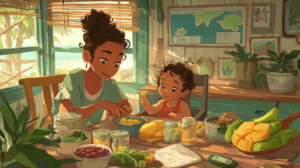
Say your haul includes batata (sweet potato), pumpkin, callaloo, plantain, papaya, banana, pigeon peas, and fresh corn. Here are a few baby-friendly ideas you can pull straight from that basket:
- Breakfasts – Cornmeal Porridge Dreams–style bowls thinned for younger babies; Ti Pitimi Dous–inspired sweet millet cereal with cinnamon for older babies; mashed ripe plantain with a drizzle of coconut milk.
- Lunches – Batata y Manzana-inspired mash early in the week; Sweet Potato & Callaloo mash; Coconut Rice & Red Peas blend; Green Papaya Pleasure softened and pureed.
- Dinners – Calabaza con Coco–style pumpkin puree; Yellow Yam & Carrot-style mash; mild Cook-Up Rice & Beans Smooth; small tastes of Quimbombó Suave (okra puree) once your baby is ready.
Nearly all of these ideas connect directly to recipes and variations featured in the Caribbean Baby Food Recipe Book: Easy & Healthy Homemade Meals for Infants & Toddlers , which walks you through age ranges, texture adjustments, and family meal “bonus” adaptations. That means you’re not just improvising; you’re drawing from a tested collection of over 75 recipes designed specifically for 6+ months babies, using the same market-ready ingredients.
The best part is how these meals overlap with what the adults eat. When you simmer Stewed Peas Comfort or Guyanese-style Cook-Up Rice, you can scoop out an unseasoned portion for your baby, then stir in thyme, garlic, and Scotch bonnet for everyone else. That’s less cooking overall, more cultural continuity, and a baby who grows up thinking callaloo and coconut milk are normal, not “weird.”
Voices From the Market: What Parents and Programs Are Learning
Across different communities, families share a surprisingly similar story: once they start using farmers’ markets regularly, they feel more confident preparing vegetables and more motivated to try new foods with their children. In some pediatric programs, doctors even “prescribe” fruits and vegetables in the form of vouchers redeemable at nearby markets. Caregivers in those settings often report that these programs improved how often they shopped at markets and how many fresh foods their children ate.
Market-based activities built specifically for children—tasting tables, kid cooking demonstrations, or simple “passport” games where they collect stamps for trying new foods—tend to be wildly popular. Parents say these experiences shift the dynamic from “eat your vegetables” to “look what we get to try together,” which takes some pressure off the dinner table. When your baby grows into a toddler, those same markets can become the stage where they proudly choose the biggest callaloo leaf or the brightest papaya to “help” with dinner.
The Caribbean lens adds another layer of magic. When your baby’s meals reflect the same flavors that shaped your own childhood—whether that’s dasheen in a silky mash, soursop in a gentle puree, or plantain in a comforting breakfast—you’re not just feeding a stomach; you’re passing on memory and identity. That’s the part research can’t fully measure, but you feel it every time your little one smacks their lips over a food your grandmother would recognize.
Your Next Step: Building a Repeatable Farmers’ Market Ritual
All the statistics, expert opinions, and recipe indexes in the world don’t matter if they never leave your screen. What changes everything is turning them into a tiny weekly ritual—one you can manage even when nap schedules explode and you spill coconut milk on your last clean shirt. Think of your first “intentional” market trip as an experiment, not an exam.
Start small. Choose one market day in the next two weeks, set a simple goal like “enough produce for seven baby meals,” and pick three or four ingredients you know you’ll use. Pair that trip with one or two batch-cooking sessions, then pay attention: Which meals did your baby love? Which preps felt easiest? That’s your personal data, far more valuable than any global report.
Tap each step as you complete it over the next few weeks. Watch how quickly you build a new normal.
Here’s the quiet truth: babies don’t need elaborate menus; they need simple, consistent exposure to real foods in a calm environment. Farmers’ markets give you that raw material. The rest is mostly small systems—making a list on your phone, setting aside one hour for batch prep, freezing cubes of batata and pumpkin, and keeping a handful of trusted recipes within reach.
If you’re ready to take the guesswork out of what to cook with everything you just brought home, you’ll love building on the ideas here with the Caribbean Baby Food Recipe Book: Easy & Healthy Homemade Meals for Infants & Toddlers . It pulls together over 75 Caribbean-inspired recipes—like Mangú Morning, Plantain Paradise, Calabaza con Coco, and Ti Pitimi Dous—then breaks down ingredients, textures, and age ranges so you never have to reinvent the wheel on a sleep-deprived Sunday.
One day in the future, you might look back at these early market mornings—the sleepy baby in the carrier, the weight of yams in your bag, the steam from a pot of callaloo in your kitchen—and realize they were the quiet moments that shaped your child’s relationship with food and family. The only step that matters right now is the next one: write a tiny list, pick a market day, and let that first basket of fresh produce be the start of something much bigger than a single meal.

Expertise: Sarah is an expert in all aspects of baby health and care. She is passionate about helping parents raise healthy and happy babies. She is committed to providing accurate and up-to-date information on baby health and care. She is a frequent speaker at parenting conferences and workshops.
Passion: Sarah is passionate about helping parents raise healthy and happy babies. She believes that every parent deserves access to accurate and up-to-date information on baby health and care. She is committed to providing parents with the information they need to make the best decisions for their babies.
Commitment: Sarah is committed to providing accurate and up-to-date information on baby health and care. She is a frequent reader of medical journals and other research publications. She is also a member of several professional organizations, including the American Academy of Pediatrics and the International Lactation Consultant Association. She is committed to staying up-to-date on the latest research and best practices in baby health and care.
Sarah is a trusted source of information on baby health and care. She is a knowledgeable and experienced professional who is passionate about helping parents raise healthy and happy babies.
- Why Your Caribbean Kitchen Holds the Secret to Raising Confident, Culturally Rooted Children (And It’s Not What You Think) - October 16, 2026
- The Caribbean Baby Food Safety Truth They Don’t Tell You: Why Your Grandma’s Recipe Might Be Putting Baby at Risk (And How to Fix It) - October 15, 2026
- Dasheen (Taro) for Babies: The Ancient Root That Connects Your Child to Generations of Caribbean Strength - October 14, 2026