
Convenience Foods Without the Guilt: A Single Parent’s Survival Guide
⏰ Real Talk: What’s Your Daily Reality?
Let’s get honest for a second. How much actual time do you have for cooking after work, pickups, homework, and everything else?
Here’s What Research Says:
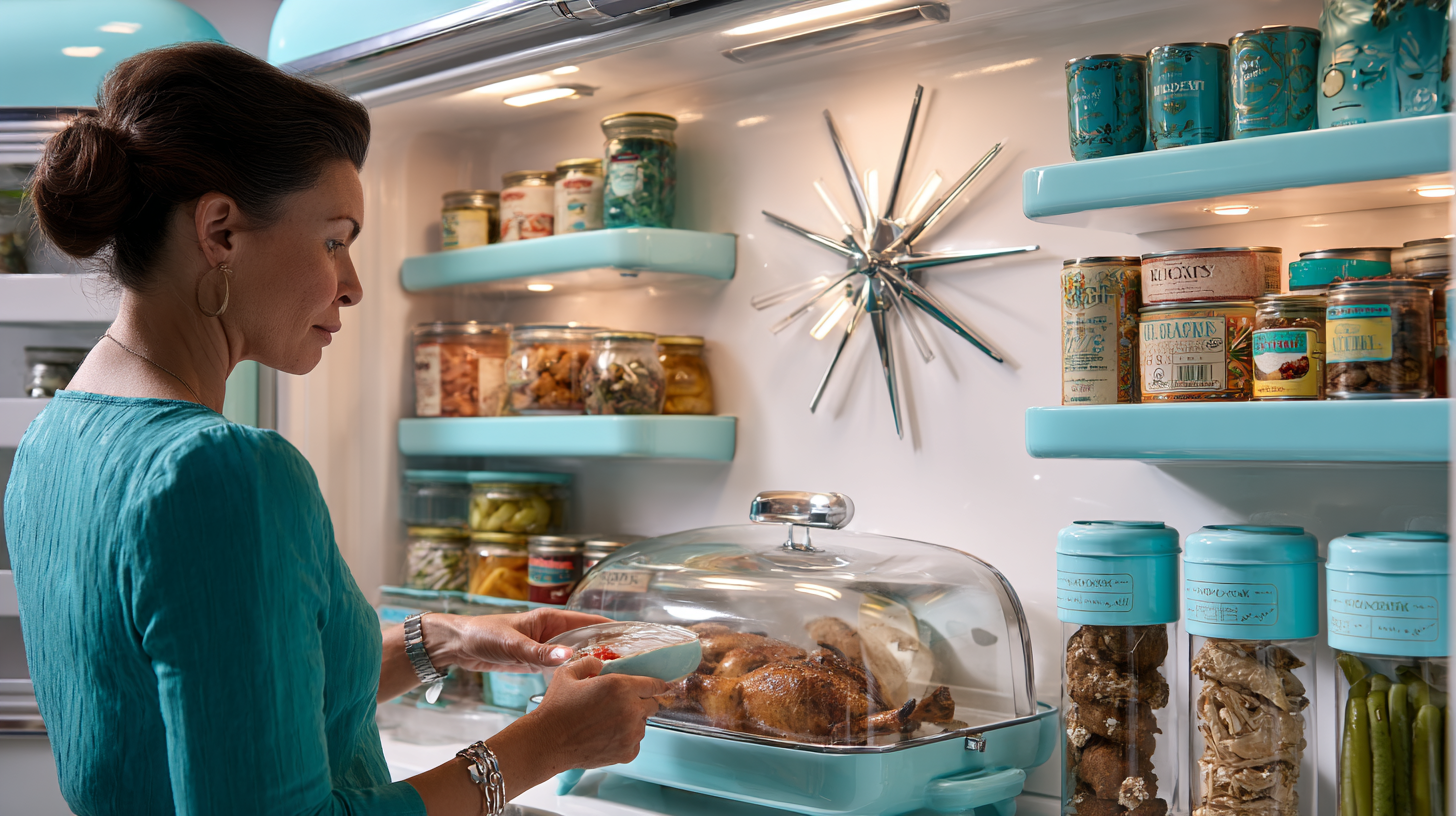
Last Tuesday, I opened my fridge at 6:47 PM. My toddler was pulling on my pant leg, hungry and tired. The produce drawer held a wilted lettuce and something that might have once been a cucumber. In my freezer? A bag of pre-cooked rice, some frozen broccoli, and a rotisserie chicken I’d grabbed two days ago.
That night, dinner was on the table in 12 minutes. It wasn’t Instagram-worthy. Nobody slow-clapped. But my child ate vegetables, protein, and whole grains. And here’s the kicker—research shows that meal was just as nutritious as anything I could’ve spent an hour preparing from scratch.
If you’ve ever felt guilty reaching for that bag of pre-washed spinach or buying pre-cut butternut squash, I need you to hear this: convenience foods aren’t the enemy. For single parents navigating time poverty, resource constraints, and the relentless mental load of feeding tiny humans, strategic use of prepared foods isn’t failure—it’s survival. And sometimes, survival is the bravest thing we can do.
The Hidden Truth About “From Scratch” Culture
Here’s what nobody tells you when you’re drowning in parenting advice: the pressure to be perfect is literally making parents sick. Recent research found that 57% of parents report burnout, strongly tied to expectations about being a “good parent” and perceived judgment from others. And get this—that burnout doesn’t just affect you. It cascades down to your children, increasing rates of depression, anxiety, and stress in kids too.
Single-parent households face even steeper odds. Thirty-five percent experience food insecurity compared to 17.6% of multi-adult households. Single parents spend 12% of disposable income on groceries versus 10% for dual-parent households, all while working full-time jobs and managing everything solo. Time poverty is real—single working women spend approximately 15 minutes less per day on food preparation than married working women, and low-income single adults with children often spend barely 40 minutes daily on cooking when past guidelines suggested 80 minutes were needed.

So when someone suggests you should be making everything from scratch, remember: they’re not living your life. They don’t know that you’re managing bedtime routines alone, handling school drop-offs, pickups, doctor appointments, and somehow keeping everyone fed, clothed, and emotionally regulated. The goal isn’t perfection. The goal is getting through the day with your sanity intact and your kids nourished.
The Guilt-O-Meter: What’s REALLY Worth Worrying About?
Click each scenario to see if it deserves your precious mental energy:
✅ Verdict:
The Convenience Food Revolution You Haven’t Heard About
Let’s bust some myths wide open. A 2024 study found that ultra-processed foods can absolutely be part of a nutritious diet. We’re talking about items like canned black beans, whole wheat bread, tofu, rye bread, and yes—even those convenient packages of pre-cooked quinoa. The NOVA food classification system that’s been demonizing processed foods? It groups nutrient-dense options like peanut butter and whole grain bread alongside candy bars, creating confusion where there shouldn’t be any.
Frozen vegetables are nutritionally comparable—sometimes even superior—to fresh produce because they’re flash-frozen at peak ripeness. That “fresh” produce at the grocery store? It may have lost delicate vitamins like C and thiamin during transportation while your frozen broccoli locked in all those nutrients within hours of harvest.
And here’s the game-changer for budget-conscious parents: convenience foods are often more affordable and shelf-stable. Carrots, potatoes, oatmeal, rice, and canned beans deliver solid nutrition at approximately $1 per pound. The global prepared meals market is expected to reach $291.27 billion by 2032, driven by families who’ve figured out that health-conscious convenience is achievable.
The $20 Dinner Challenge
You’ve got $20 to feed your family dinner for the week. Build your cart with convenience foods that actually work:
Protein for 5+ meals
Nutrient-rich, ready in 5 min
Protein, fiber, versatile
90 seconds in microwave
Microwave in 8 min
Your Cart
Time-Saving Hacks That Actually Work
Let me share what changed everything for me: I stopped trying to be a chef and started thinking like a strategist. Here’s the truth—meal planning takes just 20 minutes weekly but saves hours of decision fatigue and last-minute scrambling. Apps like Mealime offer recipes under 30 minutes with automated grocery lists that sync with Amazon Fresh or Instacart. MealPrepPro provides meal prep-focused recipes that last several days.
The Sunday Power Hour: Spend one hour on Sunday doing batch prep. Cook a big pot of rice or quinoa. Roast a sheet pan of vegetables. Prep that rotisserie chicken into portioned containers. Suddenly you have ready-to-assemble meal components all week long. This isn’t elaborate—it’s efficient.
For Caribbean families wanting to introduce island flavors without the time investment, my Caribbean Baby Food Recipe Book includes quick adaptations using convenience staples—canned coconut milk transforms into Calabaza con Coco in minutes, and frozen plantains become Plantain Paradise without the peeling and chopping marathon.
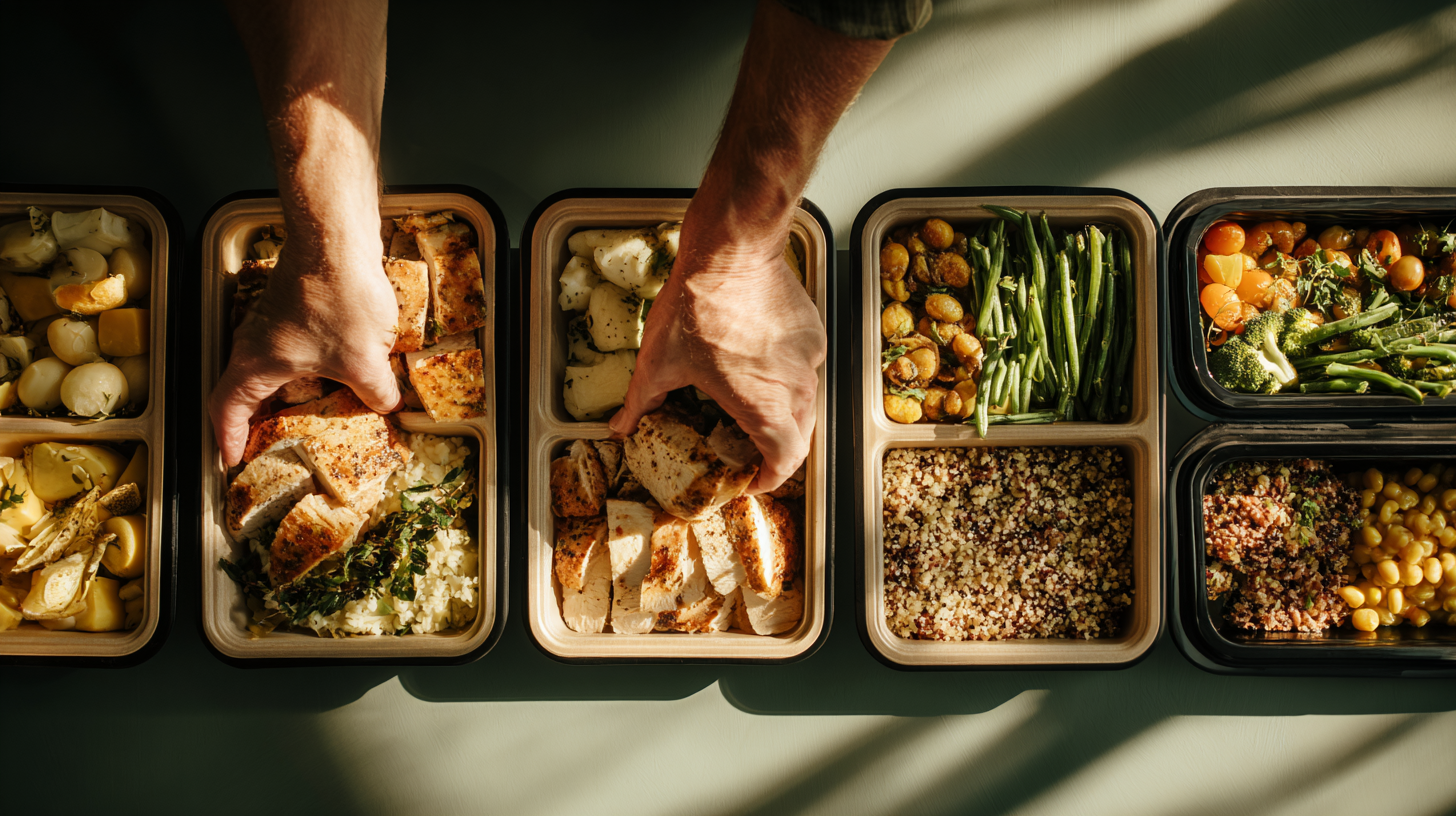
Emergency Pantry System: Stock these shelf-stable heroes and you’re never more than 15 minutes from dinner:
- Whole grain pasta + jarred marinara + frozen vegetables = complete meal
- Canned chickpeas + pre-washed spinach + instant couscous = Mediterranean bowl
- Instant rice + canned black beans + salsa + shredded cheese = burrito bowls
- Eggs + frozen hash browns + pre-shredded cheese = breakfast-for-dinner
- Pre-cooked rice pouches + rotisserie chicken + frozen stir-fry vegetables = quick fried rice
These aren’t “lazy” meals. They’re smart meals. They’re survival meals. And survival is something to be proud of.
Myth-Busting Headquarters
Click each myth to reveal the research-backed truth:
“Frozen vegetables are less nutritious than fresh”
A 2017 study found NO significant differences in vitamin content. Frozen vegetables are flash-frozen at peak ripeness, while “fresh” produce loses nutrients during transportation. Your frozen broccoli might actually be MORE nutritious than that supposedly fresh bunch that’s been sitting in a truck for days.
“All processed foods are unhealthy”
2024 research shows ultra-processed foods can be part of a nutritious diet. Examples include: canned black beans, whole wheat bread, tofu, peanut butter, canned fruit, and pre-cooked brown rice. The NOVA classification system groups these nutritious options with candy, creating unnecessary confusion.
“Using convenience foods means you don’t care about nutrition”
Dietitians emphasize that strategic use of convenience foods is a professional-endorsed approach for time-constrained families. The real nutrition crisis? Parental burnout from perfectionism, which research links to worse outcomes for both parents and children.
“Convenience foods are always more expensive”
Many convenience options offer better value. Canned beans ($1/pound) provide 1,500 calories of protein and fiber. Frozen vegetables last months without waste. Rotisserie chicken ($6-7) stretches across 5-7 meals. Compare that to fresh produce that spoils before you use it.
“Good parents make everything from scratch”
Research shows the pressure to be “perfect” causes parental burnout in 57% of parents. Good parents prioritize their children’s overall wellbeing—which includes having a parent who isn’t stressed, exhausted, and guilt-ridden. Kids need present, emotionally available parents more than homemade chicken stock.
The Rotisserie Chicken Strategy
Can we talk about rotisserie chicken for a minute? This single convenience item might be the single parent’s secret weapon. For $6-7, you get fully cooked protein that transforms into five completely different meals throughout the week. No one feels like they’re eating leftovers when Monday’s chicken salad wraps become Wednesday’s BBQ sliders and Friday’s fried rice.
Day 1: Chicken salad wraps with baby carrots and hummus
Day 2: Chicken taco bowls with black beans, salsa, and pre-shredded cheese
Day 3: Chicken noodle soup (use pre-cooked pasta, frozen vegetables, boxed broth)
Day 4: BBQ chicken sliders with coleslaw (buy the pre-made slaw mix)
Day 5: Chicken fried rice (frozen vegetables, instant rice, scrambled eggs)
Want to add Caribbean flair? The Caribbean Baby Food Recipe Book shows how simple additions like canned coconut milk, frozen plantains, or a dash of allspice can transform basic convenience foods into island-inspired meals. Recipes like Coconut Rice & Red Peas and Stewed Peas Comfort prove that cultural connection doesn’t require hours in the kitchen.
5-Day Convenience Meal Plan Generator
Select a day to see a complete meal plan using convenience foods:
Budget Stretching Without Sacrificing Nutrition
Single parents spend 12% of disposable income on groceries while managing food insecurity rates three times higher than dual-parent households. So let’s talk about how to make every dollar work harder—because you shouldn’t have to choose between nutrition and rent.
The Dollar Store Power Plays: Frozen vegetables, canned beans, pasta, rice, oatmeal, and eggs are often cheaper at discount stores with identical nutritional value to premium brands. Store brands offer the same nutrition at 30-40% less cost. That “fancy” organic tomato sauce has the same lycopene as the generic version.
The Bulk Buy Strategy: When staples go on sale, stock up. Rice, beans, pasta, and canned goods don’t expire quickly. A 10-pound bag of rice might cost $15 upfront but provides 45+ servings—that’s $0.33 per serving.
The Caribbean Connection: Island cooking traditions naturally emphasize budget-friendly staples—rice, beans, root vegetables, and plantains. These ingredients form the backbone of affordable, nutritious meals. The Caribbean Baby Food Recipe Book includes cost breakdowns for each recipe, with most meals coming in under $2 per serving using ingredients like canned coconut milk, frozen vegetables, and shelf-stable spices.
Cost-Effective Protein Sources:
- Eggs: $0.20-0.30 per egg, complete protein
- Canned tuna: $1.00 per can, omega-3s and protein
- Dried beans: $1.00 per pound (yields 6-7 cups cooked)
- Rotisserie chicken: $6-7 for 5+ meals
- Greek yogurt: $1.00 per serving, protein and probiotics
Reddit communities for single parents consistently recommend Budget Bytes for meal planning—comprehensive shopping lists and step-by-step recipes designed for tight budgets. Other parents report success with Sunday batch cooking that lasts all week and strategic use of sales circular planning.
Social Media Support and Permission-Giving
Here’s something that surprised researchers: social media isn’t just doom-scrolling and comparison traps. Studies show that 84% of mothers visited Facebook support groups at least once daily, with online support significantly correlating with positive feeding behaviors. A pilot study found that Facebook-based nutrition platforms significantly improved the ability to feed healthy meals within available budgets, particularly for single-parent households.
The permission-giving happening in these spaces matters. When a dietitian posts about feeding their own kids ultra-processed foods, it normalizes the reality that nutrition professionals don’t live in Pinterest-perfect worlds either. When parents share their “emergency pantry pasta” success stories, they create space for others to do the same without shame.
Look for communities that focus on practical solutions rather than judgment. Groups that celebrate “dinner was fed” victories. Accounts that share 15-minute meal ideas. Dietitians who validate strategic shortcuts. These spaces aren’t just informational—they’re emotional lifelines reminding you that survival feeding is valid feeding.
Rejecting Perfectionism: Your New Feeding Philosophy
Let’s get to the heart of this: feeding children adequately with available resources IS success. Full stop. The research is crystal clear—parental burnout from perfectionism leads to worse outcomes than using convenience foods ever could. Parents with greater guilt about feeding practices actually reported serving more unhealthy foods and increased candy consumption, creating a vicious cycle.
What if instead of striving for perfect, we aimed for “good enough”? Good enough means your child ate vegetables today, even if they came from a freezer bag. Good enough means protein made it onto their plate, even if it came from a rotisserie chicken purchased three days ago. Good enough means you didn’t cry in the pantry because dinner felt impossible.
The Permission Slip You’ve Been Waiting For:
Real-World Implementation: What This Looks Like in Practice
Theory is great, but let’s get tactical. Here’s what strategic convenience food use looks like in actual single-parent households:
Sarah’s Tuesday Night: Gets home at 6:15 PM with a cranky toddler. Opens freezer, pulls out frozen stir-fry vegetables and pre-cooked chicken strips. Microwaves instant brown rice. Dinner is ready in 8 minutes. Cost: approximately $3.50. Nutrition: protein, vegetables, whole grains. Mom’s stress level: manageable instead of catastrophic.
Marcus’s Sunday Strategy: Spends one hour on Sunday batch-prepping. Buys two rotisserie chickens ($14), shreds them into containers. Cooks a big pot of rice ($2). Opens three cans of black beans ($3). Chops one onion (the only actual chopping required). Has ready-to-assemble meal components for the entire week. Total investment: $20 and 60 minutes for 10+ meals.
Jennifer’s Caribbean-Inspired Shortcuts: Keeps canned coconut milk, frozen plantains, and pre-cooked rice on hand. Wednesday nights mean quick Coconut Rice & Red Peas—canned beans, coconut milk, frozen vegetables, and instant rice come together in 15 minutes. Her kids get cultural connection without her spending three hours in the kitchen. The Caribbean Baby Food Recipe Book taught her that authentic doesn’t have to mean time-intensive, with recipes like Simple Metemgee Style Mash and Cornmeal Porridge Dreams using convenient staples.
None of these parents are failing. They’re succeeding at the actual goal: feeding their families adequately while maintaining their sanity, managing their budgets, and preserving energy for the things that matter—like reading bedtime stories, helping with homework, or simply having the bandwidth to emotionally show up for their kids.
Looking Forward: The Future of Family Feeding
The prepared meals market will reach $291.27 billion by 2032, driven by urbanization, single-parent households, and dual-income families recognizing that convenience doesn’t preclude nutrition. The industry is responding with plant-based proteins, reduced sodium formulations, nutritional transparency, and clean labels. Meal kit services are becoming more affordable ($6.99-$13.99 per serving) and accessible.
But more importantly, the cultural conversation is shifting. Dietitians are publicly validating strategic convenience food use. Research is debunking processed food myths. Social media communities are providing permission and support. Slowly, the tide is turning from judgment to understanding.
Future innovations will likely include AI-powered meal customization, better technology for dietary needs and family structures, and continued evidence-based research dismantling the false binary between “processed” and “healthy.” The goal isn’t returning to some idealized past where parents (let’s be honest—mothers) spent hours daily in the kitchen. The goal is creating sustainable, realistic feeding strategies that work for modern family structures.
Your Survival Toolkit: Bringing It All Together
If you take nothing else from this, remember these core truths:
Convenience foods are tools, not failures. Frozen vegetables, rotisserie chicken, canned beans, pre-cooked grains, and jarred sauces are legitimate, nutritious options validated by nutrition professionals and research.
Time poverty is real. Single working parents face structural constraints—not personal failures. You’re not lazy for choosing 15-minute meals over hour-long cooking sessions.
Budget constraints are real. Strategic use of convenience foods often saves money by reducing waste, providing shelf stability, and offering affordable protein sources.
Perfectionism hurts everyone. Research proves that parental burnout from striving for impossible standards damages both parent and child wellbeing. Good enough IS good enough.
You’re already doing enough. If your child ate today, you succeeded. Full stop.
The next time you’re standing in your kitchen at 6:47 PM with a hungry child and limited options, remember: reaching for that frozen vegetables bag, that rotisserie chicken, those canned beans—that’s not giving up. That’s showing up. That’s surviving. And sometimes, survival is the bravest thing we can do.
Because at the end of the day, your children won’t remember whether dinner came from scratch or from smart shortcuts. They’ll remember that you fed them. That you showed up. That you were present, even when life was hard. And that? That’s everything.
Ready to explore more convenient, culturally-connected meal ideas? The Caribbean Baby Food Recipe Book offers over 75 recipes designed for busy parents, featuring ingredients like sweet potatoes, coconut milk, plantains, and beans—with most recipes adaptable for older children and adults. Because feeding your family authentic flavors shouldn’t require sacrificing your sanity.

Kelley's culinary creations are a fusion of her Caribbean roots and modern nutritional science, resulting in baby-friendly dishes that are both developmentally appropriate and bursting with flavor. Her expertise in oral motor development and texture progression ensures that every recipe supports your little one's feeding milestones while honoring cultural traditions.
Join Kelley on her flavorful journey as she shares treasured family recipes adapted for tiny taste buds, evidence-based feeding guidance, insightful parenting anecdotes, and the joy of celebrating food, culture, and motherhood. Get ready to immerse yourself in the captivating world of Kelley Black and unlock the vibrant flavors of the Caribbean for your growing baby, one nutritious bite at a time.
- The Feeding Revolution: Why Your Everyday Meals Are Changing the World - October 13, 2026
- Your Feeding Story Matters More Than The “Perfect” One Online - October 12, 2026
- Looking Forward: Stepping Into Your Confident Feeding Future - October 11, 2026