
Choose Your Own Adventure: Baby’s First Foods
Your Feeding Journey Starts Here
Every baby’s feeding story is different. What’s yours going to look like? Choose your starting point below and discover a personalized pathway through the beautiful chaos of first foods.
Three months ago, I stood in my kitchen holding a tiny spoon, my six-month-old daughter staring at me with those impossibly wide eyes, and I froze. Not because I didn’t know what first foods to offer—I’d read every book, bookmarked every blog, saved every Instagram reel. I froze because I was terrified of making the wrong choice. What if she choked? What if she developed an allergy? What if I introduced foods in the wrong order and somehow messed up her relationship with eating forever?
That moment—that paralyzing fear—is something 70% of new parents experience, feeling overwhelmed by conflicting feeding advice and judgment about their choices. But here’s what changed everything for me: I discovered that feeding doesn’t have to be a high-stakes guessing game. What if you could explore every possible feeding scenario, see the outcomes, and make informed decisions without putting your baby at risk? What if feeding could be an adventure instead of an anxiety spiral?
Welcome to the world of interactive feeding guidance—a revolutionary approach that’s transforming how we introduce solid foods to our babies. The global baby feeding tools market is exploding, projected to reach $15 billion by 2025, growing at 7% annually as parents like us demand smarter, more personalized feeding solutions. We’re not just looking for recipes anymore. We’re looking for confidence, clarity, and the freedom to explore without fear.
The Real Crisis Nobody Talks About
Let me tell you something shocking: 90% of parents report feeling judged about their feeding choices. Ninety percent. That’s almost all of us, walking around with this invisible weight, second-guessing every spoonful, every texture, every new flavor we introduce. And it’s not just judgment from others—it’s the crushing weight of conflicting expert advice that changes every few years.
My grandmother fed my mother mashed bananas at four months. My mother waited until six months with me and started with rice cereal. Now, we’re told to offer allergens early, embrace baby-led weaning, watch for iron deficiency, and somehow do it all without stress. The guidance keeps shifting, and we’re left holding the spoon, wondering who to believe.
Traditional feeding education has failed us because it treats all babies—and all parents—like we’re identical. But we’re not. Some babies have reflux. Some have texture sensitivities. Some parents are cooking Caribbean cuisine in Brooklyn kitchens, trying to honor their heritage while following Western pediatric guidelines. The one-size-fits-all approach doesn’t work when our families, cultures, and circumstances are beautifully diverse.
That’s where interactive decision-tree guidance enters the story. Born from the same choose-your-own-adventure format that captivated readers for decades, this approach lets you visualize feeding scenarios, explore branching outcomes, and understand consequences before you ever pick up that spoon. It’s the difference between reading a map and actually walking the terrain—you learn by doing, by choosing, by seeing what happens next.
How Interactive Feeding Guidance Actually Works
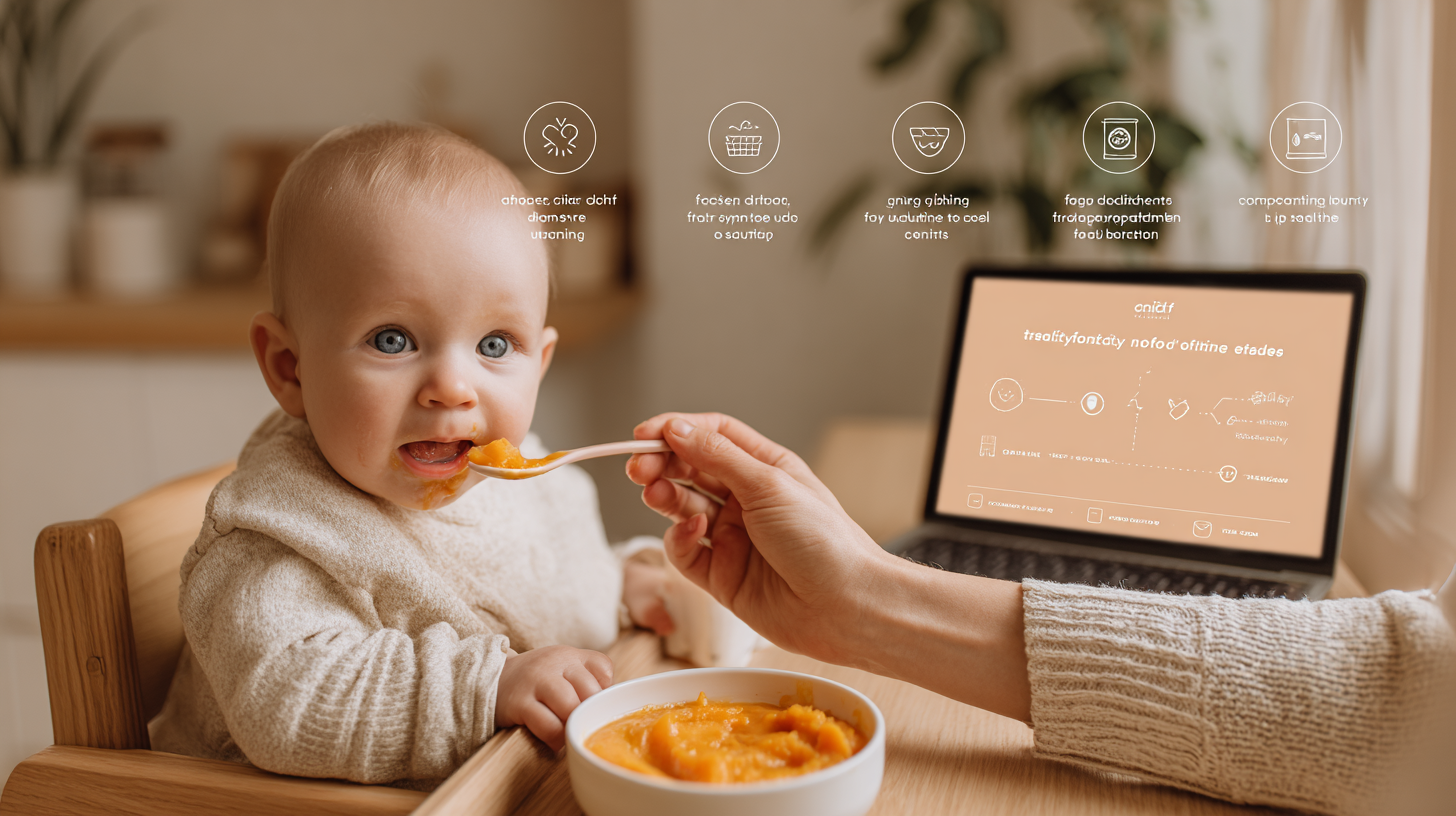
Imagine opening an app or website that asks you simple questions: Is your baby sitting up unassisted? Can they bring objects to their mouth? Do they show interest in your food? Based on your answers, the system branches into personalized pathways, showing you appropriate first foods, preparation methods, and what to watch for during each feeding session.
The “Milky Way” website and several neonatal hospital toolkits now use illustrated decision trees with a Content Validity Index of 0.91—meaning they’re highly validated by medical professionals and trusted by families. These tools don’t just tell you what to do; they show you the “why” behind each recommendation, building your confidence through understanding rather than blind obedience.
Bébé Foodie, launched in early 2025, represents the cutting edge of this approach. Parents can log feeding reactions, personalize recipes based on their baby’s preferences and family dietary practices, and explore feeding scenarios with branching outcomes tailored to their specific situation. It’s like having a pediatric nutritionist, a cultural food expert, and an experienced parent in your pocket, available 24/7.
Is Your Baby Ready for First Foods?
Answer these quick questions to get personalized guidance on your baby’s feeding readiness.
1. Can your baby sit up with minimal support?
2. Does your baby show interest in your food?
3. Has the tongue-thrust reflex disappeared?
What makes these interactive tools revolutionary isn’t just the technology—it’s the psychological safety they provide. You can explore the consequences of introducing peanut butter at six months versus waiting until eight months without putting your actual baby at risk. You can see what happens if your baby refuses a food multiple times, when to push gently versus when to back off, and how to recognize true allergic reactions versus normal exploratory responses.
The beauty of visual decision trees is that they externalize the anxiety. Instead of that voice in your head spiraling through worst-case scenarios, you see clear pathways: “If baby shows these signs, do this. If baby shows those signs, do that.” The ambiguity that fuels parental anxiety gets replaced with concrete, actionable guidance.
The Science Behind Safe Exploration
Here’s something most feeding advice glosses over: babies are natural-born scientists. From birth, they’re running experiments, testing hypotheses, learning through trial and observation. But as parents, we’ve been taught to fear this experimentation when it comes to food. We want to control every variable, eliminate every risk, guarantee every outcome.
Interactive feeding guidance flips this script by honoring both your baby’s need to explore and your need for safety. It’s consequence modeling without real-world risk—the same principle that makes flight simulators valuable for pilots. You wouldn’t want a pilot’s first time handling turbulence to be with 200 passengers on board, right? Similarly, your first time recognizing a texture aversion or managing a gagging episode shouldn’t be a blind panic with a six-month-old.
Research shows that responsive feeding—tuning into your baby’s cues and responding appropriately—is the gold standard for healthy eating development. But how do you learn to recognize those cues? Interactive tools show you videos, images, and descriptions of what hunger cues, fullness cues, interest, and distress actually look like. They build your observational skills before you need them in real-time.
Consider the introduction of allergens—one of the most anxiety-inducing aspects of first foods. Current guidelines recommend early introduction of common allergens like peanuts, eggs, and fish to reduce allergy risk. But “early introduction” means different things depending on your baby’s risk factors, your family history, and your comfort level. An interactive decision tree can walk you through these variables, show you appropriate preparation methods, and outline exactly what to watch for during and after the feeding.
Navigate Your First Feeding Decision
Your baby is 6 months old and ready for first foods. What do you choose?
Cultural Wisdom Meets Modern Science
One of the most exciting developments in interactive feeding guidance is the integration of cultural food wisdom with evidence-based pediatric nutrition. For too long, these felt like opposing forces—either you followed your grandmother’s traditional practices or you followed your pediatrician’s modern guidelines, but never both.
My own journey illustrates this tension perfectly. My mother wanted to introduce our daughter to traditional Jamaican foods—ackee, callaloo, green bananas stewed with coconut milk. But she worried these weren’t “appropriate” first foods, that somehow modern Western baby food was more scientifically valid. The truth? Traditional Caribbean first foods are nutritionally outstanding—rich in iron, healthy fats, and diverse flavors that promote adventurous eating.
Interactive feeding tools are uniquely positioned to bridge this cultural-scientific divide. Imagine a decision tree that asks about your cultural background, then shows you how to adapt traditional recipes for baby-safe textures while preserving authentic flavors. The Caribbean Baby Food Recipe Book does exactly this, offering over 75 recipes like Calabaza con Coco (pumpkin and coconut milk) and Cornmeal Porridge Dreams—traditional comfort foods transformed into developmentally appropriate first meals.
This matters because flavor exposure in infancy shapes lifelong food preferences. Babies introduced to diverse flavors—including herbs, spices, and traditional preparations—are more likely to accept varied foods as toddlers and maintain adventurous eating into adulthood. But most commercial baby food is bland, dominated by sweet purees that don’t reflect how families actually eat.
Interactive guidance can walk you through the process: “Want to introduce your baby to curry flavors? Start here. Use these mild spices. Watch for these reactions. Progress to these more complex dishes.” It removes the guesswork from cultural food adaptation while honoring your heritage.
⚠️ Feeding Safety Assessment
Toggle the safety factors present in your feeding setup to see your overall risk level and get personalized recommendations.
Safety Score: 0/5
Toggle the factors above to assess your feeding safety setup.
The Mistakes That Teach Us
Let me share the feeding moment that changed everything for me. Week two of solid foods, I offered my daughter a spoonful of mashed avocado. She gagged—that awful, heart-stopping moment where time slows down and every parenting fear crystallizes. I panicked, pulled the spoon away, and didn’t offer avocado again for three weeks.
Later, I learned that gagging is a normal, protective reflex—completely different from choking. Gagging means the gag reflex is working, pushing food forward away from the airway. Choking is silent, with blocked airways and inability to cry or cough. But I didn’t know this difference in that moment, and my fearful reaction may have communicated to my daughter that gagging meant danger, potentially creating anxiety around textured foods.
This is where interactive guidance becomes invaluable—not just for preventing mistakes, but for understanding them when they happen. Video demonstrations showing the difference between gagging and choking, decision trees that walk you through appropriate responses, and outcome modeling that shows what happens when you react with calm versus panic.
Health Canada and the UK Government have issued urgent safety alerts about infant self-feeding devices that pose choking and aspiration risks. These dangerous products proliferate because parents are desperate for solutions, for anything that makes feeding easier or safer. But genuine safety doesn’t come from gadgets—it comes from education, confidence, and informed decision-making. Interactive tools that teach recognition and response skills are far more valuable than any feeding device.
Consider the common scenario of food refusal. Your baby tries a food once, makes a disgusted face, and pushes it away. What do you do? Traditional advice says “offer it 10-15 times.” But that’s so abstract. An interactive tool can show you: “First refusal: Baby’s face at first taste. This is normal neophobia—fear of new things. What happened? Next steps: Wait 2 days, offer again without pressure. Track outcomes: After 5 tries, baby tolerates it. After 8 tries, baby likes it.”

Building Your Personal Feeding Strategy
The real power of interactive decision-tree guidance is that it’s not prescriptive—it’s collaborative. It doesn’t tell you there’s one “right” way to feed your baby. Instead, it helps you discover your family’s right way by showing you options, outcomes, and allowing you to choose based on your values, circumstances, and baby’s individual needs.
Maybe you’re a working parent who needs batch-cooking strategies and freezer-friendly first foods. Maybe you’re managing food allergies and need clear protocols for allergen introduction. Maybe you’re committed to zero-waste cooking and want to know how to use every part of the foods you prepare. Interactive tools can branch into all these specialized pathways, providing relevant guidance without overwhelming you with information you don’t need.
The emerging trend in 2025 is AI-adaptive feeding guidance—tools that learn from your inputs and refine recommendations over time. Log that your baby loved sweet potato but refused carrots? The system suggests other orange vegetables with similar textures. Note that evening feedings go better than morning ones? It adjusts meal planning accordingly. This is personalization at scale, combining expert nutrition knowledge with your lived experience.
Build Your Baby’s Flavor Profile
Select the flavor categories you want to explore. We’ll recommend first foods that match your goals and cultural preferences.
Sweet
Naturally sweet veggies & fruits
Savory
Rich, umami flavors
Bitter
Greens & vegetables
️ Spiced
Mild herbs & spices
Creamy
Rich, smooth textures
️ Cultural
Heritage foods
But let’s be honest about the limitations. No interactive tool can replace human judgment, cultural context, or the intuitive knowledge you develop by actually feeding your baby day after day. The goal isn’t to automate parenting—it’s to augment your confidence and competence. Think of it as a knowledgeable friend who’s been through this before, offering suggestions without judgment.
Some professionals worry that decision-tree tools oversimplify complex feeding dynamics or lack validation for diverse populations. These are legitimate concerns. The best interactive tools are developed in collaboration with pediatricians, nutritionists, and diverse parent communities, with transparent sourcing and regular updates reflecting current evidence. Look for tools with high Content Validity Index scores and those that acknowledge uncertainty rather than claiming to have all answers.
The Future of Feeding Guidance
By 2033, experts predict that smart, connected feeding tools with interactive consequence-driven decision trees will be standard in parenting and pediatric nutrition. Imagine feeding chairs with sensors that detect swallowing patterns, apps that use your phone camera to assess food texture appropriateness, and virtual reality simulations where you practice responding to choking emergencies before you ever need those skills.
The integration of AI and real-time analytics will allow truly personalized feeding journeys. Your baby’s growth data, feeding logs, reaction history, and family dietary patterns will combine to generate recommendations tailored to your exact situation. The baby food market is expected to continue robust expansion through 2032, driven by demand for personalized, culturally diverse, and technologically supported feeding solutions.
But technology is only valuable if it serves human connection. The most important outcome of interactive feeding guidance isn’t better nutrition or reduced choking risk—though both are wonderful. It’s reduced parental anxiety, increased feeding confidence, and the space to actually enjoy this fleeting stage of your baby’s development.
When you’re not paralyzed by fear or overwhelmed by conflicting advice, you can be present. You can notice your baby’s delighted expression when they taste mango for the first time. You can laugh when sweet potato ends up in their hair, on the walls, somehow on the ceiling. You can honor your cultural heritage by sharing your family’s traditional foods, adapted thoughtfully for tiny mouths.
Track Your Feeding Milestones
Check off the milestones you’ve achieved in your feeding journey. Watch your confidence grow!
Your Progress
Start checking off milestones to track your journey!
Your Next Delicious Step
Here’s what I wish someone had told me three months ago when I stood frozen in my kitchen: Feeding your baby isn’t a test you pass or fail. It’s a relationship you build, one spoonful at a time, one messy meal after another. And just like any meaningful relationship, it requires patience, flexibility, and forgiveness—for your baby and for yourself.
Interactive decision-tree guidance doesn’t promise perfection. What it offers is something far more valuable: perspective. When you can see multiple pathways, understand various outcomes, and explore consequences safely, the pressure lifts. You’re not making blind choices anymore—you’re making informed decisions based on your baby’s cues, your family’s values, and evidence-based guidance.
The choose-your-own-adventure format works because it mirrors real parenting. There isn’t one right answer, one correct path, one guaranteed outcome. There are many possible routes, each with trade-offs, each valid depending on your circumstances. The journey matters more than the destination, and small course corrections are always possible.
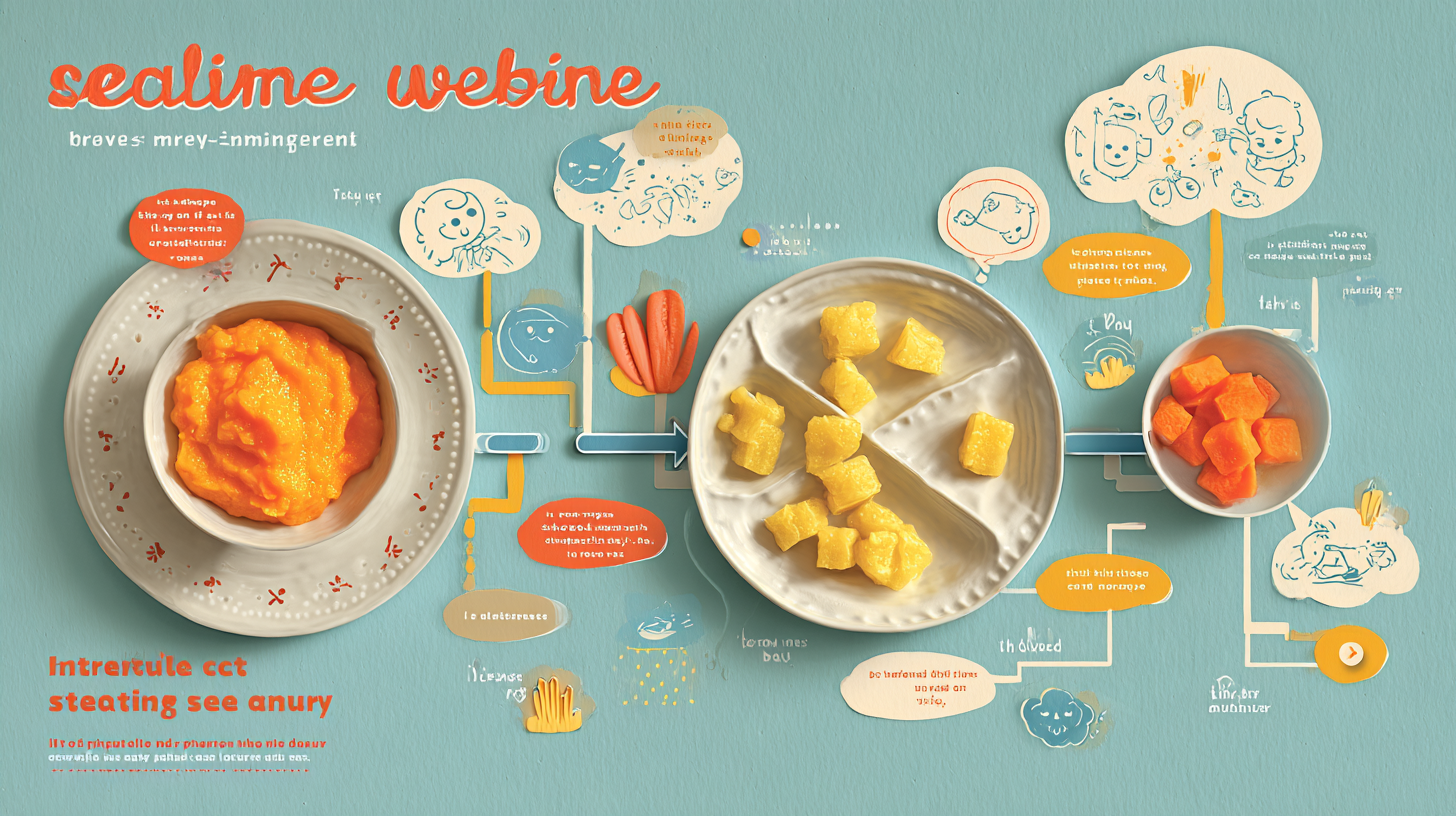
If you’re ready to start your feeding adventure with confidence, consider exploring resources that combine interactive guidance with cultural authenticity. The Caribbean Baby Food Recipe Book offers decision-tree style meal progressions, showing you how to advance from smooth Papaya & Banana Sunshine to chunkier Yellow Yam & Carrot Sunshine, all while introducing traditional island flavors your whole family will love.
Remember that apps like Bébé Foodie, validated hospital toolkits, and evidence-based interactive websites are tools—not replacements for your instincts. Use them to build knowledge, not dependence. Let them reduce your anxiety, not increase your screen time. The goal is always to look at your baby more than your phone.
Start small. Choose one decision tree to explore—maybe allergen introduction or texture progression. Walk through the scenarios. See the outcomes. Notice how your confidence grows when you understand the “why” behind recommendations. Then apply that knowledge at your next meal, observing your baby’s responses and adjusting accordingly.
Three months into our feeding journey, my daughter now eagerly anticipates mealtime. She’s tried foods from four different cultural cuisines, handled textures I was initially terrified to offer, and shown me that babies are far more capable than our fears give them credit for. The interactive guidance didn’t make me a perfect parent—but it made me a more confident, relaxed, and present one.
Your feeding story is being written right now, one choice at a time. Interactive decision-tree guidance gives you the map, but you’re the one holding the spoon, reading your baby’s cues, and charting the course. Trust the process, embrace the mess, and know that every family’s adventure looks different—and that’s exactly how it should be.
The journey from anxious first-time feeder to confident meal provider doesn’t happen overnight. But with the right tools, supportive guidance, and permission to make mistakes and learn from them, you’ll find your rhythm. And one day—sooner than you think—you’ll be the one reassuring another terrified parent holding a tiny spoon, telling them what I’m telling you now: You’ve got this. One spoonful, one choice, one delicious adventure at a time.

Kelley's culinary creations are a fusion of her Caribbean roots and modern nutritional science, resulting in baby-friendly dishes that are both developmentally appropriate and bursting with flavor. Her expertise in oral motor development and texture progression ensures that every recipe supports your little one's feeding milestones while honoring cultural traditions.
Join Kelley on her flavorful journey as she shares treasured family recipes adapted for tiny taste buds, evidence-based feeding guidance, insightful parenting anecdotes, and the joy of celebrating food, culture, and motherhood. Get ready to immerse yourself in the captivating world of Kelley Black and unlock the vibrant flavors of the Caribbean for your growing baby, one nutritious bite at a time.
- The Feeding Revolution: Why Your Everyday Meals Are Changing the World - October 13, 2026
- Your Feeding Story Matters More Than The “Perfect” One Online - October 12, 2026
- Looking Forward: Stepping Into Your Confident Feeding Future - October 11, 2026