Best First Purees for 6-Month-Olds: Nutrition and Safety Combined
Before we dive in, let’s discover what type of puree parent YOU are. Click your biggest feeding concern:
Three years ago, standing in my kitchen at 2 AM with my six-month-old daughter crying for her first taste of solid food, I made a discovery that changed everything. The tiny jar of sweet potato puree I’d just opened had a label so clean it could pass a chemistry exam—yet I had no idea if it was actually nourishing her growing brain and body the way she needed. That moment sent me down a path of research, conversations with pediatric nutritionists, and late-night reading of FDA safety reports that would transform how I approached my daughter’s nutrition.
Here’s what nobody tells you when you’re standing in that baby food aisle, overwhelmed by options: 82% of U.S. parents introduce solids around six months, but up to 15% of infants develop iron deficiency because their first purees lack the nutrients they desperately need. Meanwhile, new 2025 regulations have exposed shocking truths about heavy metal contamination in baby foods—with lead limits now set at just 10 parts per billion for most foods and 20 ppb for root vegetables and cereals. The gap between what looks healthy and what actually nourishes your baby has never been wider.
But what if you could bridge that gap? What if your baby’s first purees could deliver powerhouse nutrition while staying completely safe from contaminants? That’s exactly what this guide delivers—the perfect marriage of cutting-edge nutrition science and rigorous safety protocols, designed specifically for parents choosing the puree-first approach who refuse to compromise on either front.
Why Six Months Changes Everything
Something remarkable happens at the six-month mark that most parents don’t fully understand. Your baby’s iron stores—the ones they’ve been living off since birth—suddenly plummet. It’s like a biological alarm clock going off, signaling that breast milk or formula alone can no longer meet their nutritional demands. This isn’t just about adding variety to their diet; it’s about preventing a nutritional crisis that affects brain development, immune function, and growth.
The science behind this is fascinating. Around six months, infants can sit with support, have lost the tongue-thrust reflex that automatically pushes food out of their mouths, and show genuine interest in what you’re eating. These aren’t random developmental milestones—they’re nature’s way of saying your baby is biologically ready for complementary foods. The World Health Organization, American Academy of Pediatrics, and NHS all agree on this timing for a reason: it’s the sweet spot where nutritional needs meet developmental readiness.
But here’s where things get interesting. While baby-led weaning has gained popularity in recent years, purees offer distinct advantages that often get overlooked in trendy parenting circles. Purees allow you to control texture precisely, reduce choking risks for anxious parents, and—most importantly—let you pack maximum nutrition into every single spoonful. When prepared correctly, a puree can deliver more bioavailable iron, zinc, and essential nutrients than finger foods because you’re breaking down cell walls and making nutrients easier to absorb.
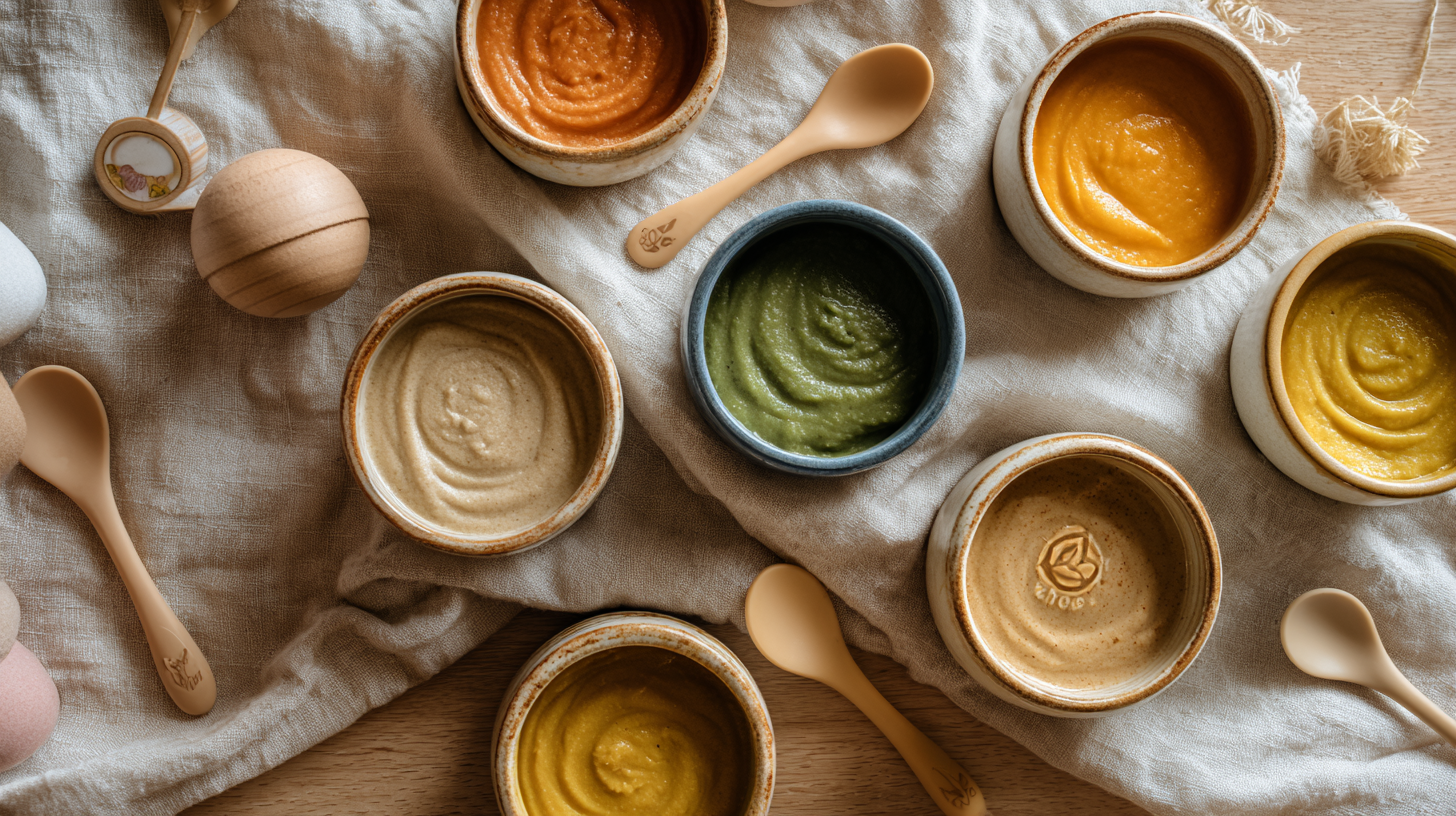
The current landscape of infant feeding has evolved dramatically. We’re no longer in the era of starting with bland rice cereal and slowly introducing one food every five days. Modern research supports a more adventurous approach—offering iron-rich proteins, vibrant vegetables, and even properly prepared legumes from day one. The old fear-based feeding model has given way to evidence-based nutrition that prioritizes nutrient density and flavor exposure over outdated traditions.
The Iron Imperative
Ready to discover why iron is the single most critical nutrient in your baby’s first purees? Click below for the facts that will change how you feed your child.
Let me paint you a picture of what iron deficiency actually looks like, because “low iron” sounds so benign that most parents don’t grasp the stakes. Iron deficiency in infancy doesn’t just cause temporary tiredness—it can permanently impair cognitive development, delay motor skills, and weaken immune response. Brain cells are multiplying at an extraordinary rate during your baby’s first year, and iron is the fuel that powers this neural growth. Miss this window, and you can’t get it back.
The challenge is that traditional first foods—think plain rice cereal, applesauce, and mashed bananas—are notoriously low in iron. Sure, they’re easy to digest and unlikely to cause allergic reactions, but they’re nutritional lightweights when your baby needs heavyweight nutrition. This is why leading pediatric nutritionists now advocate for starting with iron-rich purees from day one, rather than treating them as “advanced” foods to introduce later.
So what does an iron-rich first puree actually look like? Think beyond the baby food aisle stereotypes. Pureed beef, chicken, or turkey mixed with a vitamin C-rich vegetable like sweet potato creates a powerful combination—the heme iron from meat is highly bioavailable, while vitamin C enhances absorption even further. One serving of beef puree can deliver 1.5 to 2 mg of iron, which is significant when you consider babies need about 11 mg daily starting at six months.
For plant-based families, the options are equally impressive when you know how to prepare them. Lentils and black beans, when pureed with tomatoes or bell peppers (again, that vitamin C boost), become iron powerhouses. A single serving of pureed lentils provides approximately 1.2 mg of non-heme iron. The trick is always pairing plant-based iron sources with vitamin C-rich foods—this can increase absorption by up to 300%. That’s not a typo. Three hundred percent.
Egg yolk deserves special mention here because it’s wildly underrated. That golden center packs not just iron but also choline, which is crucial for brain development. Mashed egg yolk mixed with avocado or sweet potato creates a creamy, nutrient-dense puree that babies typically love. Plus, introducing eggs early (rather than delaying them) actually reduces allergy risk—a beautiful example of how old feeding rules have been completely upended by modern research.
And let’s talk about fortified cereals, but with a critical update. The shift away from rice cereal isn’t just trendy—it’s based on genuine safety concerns about arsenic accumulation in rice. Oat-based or multigrain fortified cereals offer the same iron benefits (often 4-6 mg per serving) without the contamination risks. When you mix these cereals with breast milk or formula, you’re creating a nutritionally complete first food that requires zero cooking skills.
If you’re looking for cultural variety in your iron-rich purees, the Caribbean Baby Food Recipe Book offers incredible options like Basic Mixed Dhal Puree, Sweet Potato Callaloo Rundown, and even Amerindian Farine Cereal—all packed with iron and designed for babies starting solids. These recipes don’t just deliver nutrition; they introduce your baby to bold, authentic flavors from day one.
The Heavy Metal Crisis
Now for the part that keeps every conscientious parent awake at night: contamination. In 2025, we’re living through what I can only describe as a reckoning in the baby food industry. California’s AB 899 and the FDA’s new lead guidelines have forced manufacturers to disclose heavy metal test results, and what we’ve learned is sobering. Lead, arsenic, cadmium, and mercury have been detected in baby foods at levels that, while technically meeting old standards, are now considered unacceptable.
Here’s what you need to understand about these contaminants: they’re not added ingredients that evil corporations are secretly sneaking into baby food. They’re naturally occurring elements that plants absorb from soil and water. Root vegetables—carrots, sweet potatoes, beets—are particularly prone to absorbing heavy metals because that’s literally where they grow. Rice accumulates arsenic because it’s grown in flooded fields where arsenic is more bioavailable. These are agricultural realities, not food safety conspiracies.
But that doesn’t mean we’re helpless. The new regulatory standards represent a massive improvement: 10 parts per billion for lead in most baby foods, 20 ppb for root vegetables and dry infant cereals. For context, the previous “guidance” levels were significantly higher, and many products were sailing right up to those limits. Testing conducted on Spanish baby food purees in 2023 revealed detectable mercury and arsenic especially in fish-based purees, though within legal limits. The question isn’t whether these elements exist—it’s about minimizing exposure.
Check off each strategy as you implement it in your feeding routine:
The homemade versus store-bought debate has taken on new urgency in light of these contamination concerns. Research published in 2022 comparing commercial and home-prepared purees found that homemade versions typically retained more micronutrients and—when prepared with organic ingredients—showed lower heavy metal content. But here’s the catch: homemade purees require rigorous attention to food safety, proper cooking techniques, and frankly, time that many parents simply don’t have.
There’s no shame in using commercial purees, especially now that transparency is improving. Look for brands that voluntarily test and publish results, choose organic when your budget allows (organic certification limits certain pesticides that can compound contamination), and diversify your sources. Never rely on a single brand or single vegetable type—variety is your best defense against accumulation.
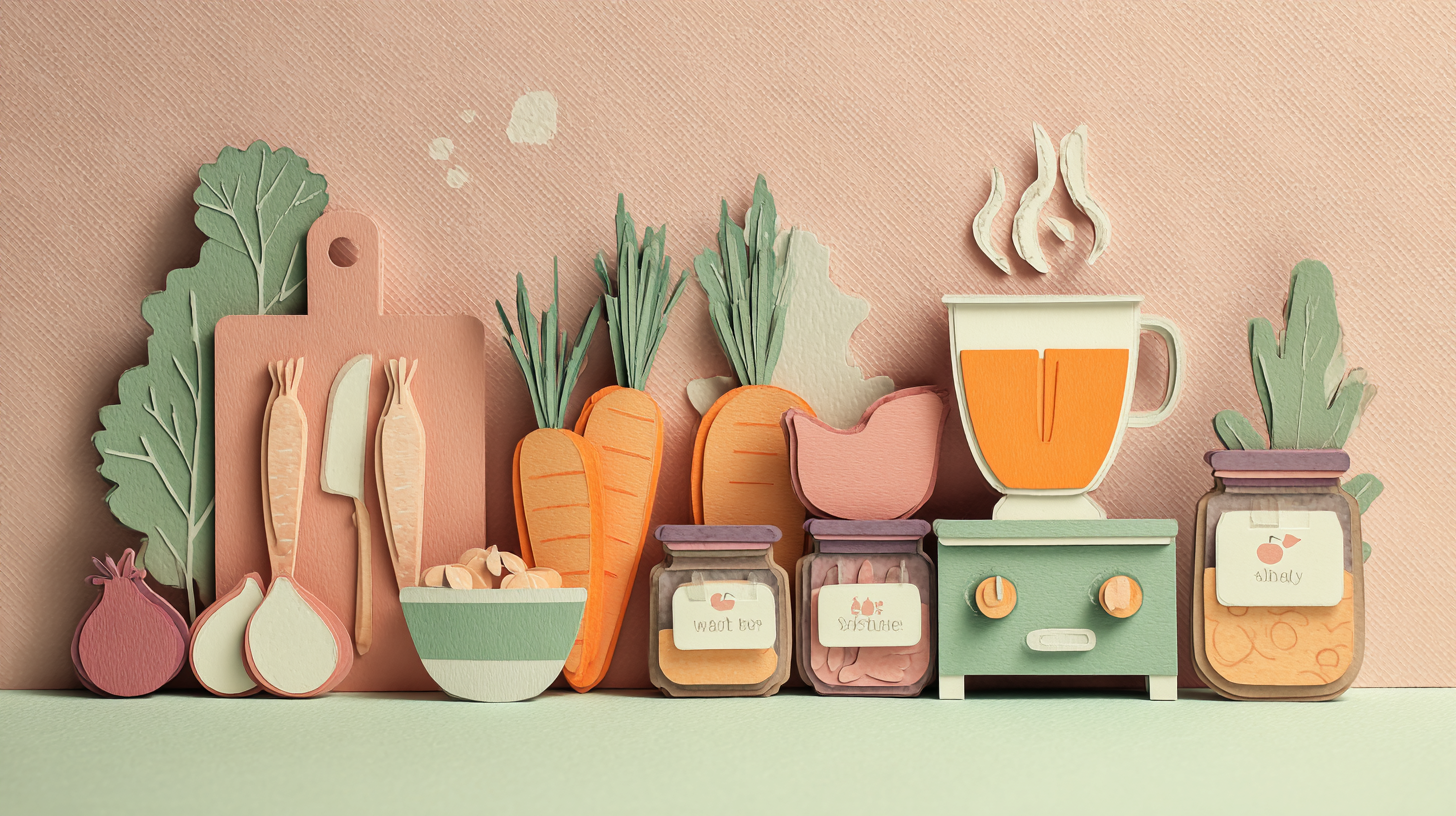
For parents committed to homemade purees, certain practices dramatically reduce contamination risk. Thoroughly washing and peeling root vegetables removes surface contaminants. Soaking rice overnight and cooking it in excess water (then draining) can reduce arsenic content by up to 60%. Choosing sweet potatoes over regular white potatoes typically means lower heavy metal levels. These small adjustments compound into meaningful protection.
Preparation Methods That Preserve Nutrition
Let’s get practical, because knowing what to feed your baby means nothing if you don’t know how to prepare it properly. The cooking method you choose isn’t just about texture—it fundamentally affects nutrient retention. Some vitamins are heat-sensitive (looking at you, vitamin C and folate), while others actually become more bioavailable with cooking (hello, lycopene and beta-carotene). Understanding these nuances transforms you from someone following recipes to someone truly nourishing their child.
Steaming is your best friend for preserving water-soluble vitamins. When you steam vegetables like broccoli, sweet potato, or carrots, they’re exposed to heat but don’t lose nutrients to cooking water. Most nutrients remain locked inside the food, ready to be absorbed by your baby. Steaming also maintains vibrant colors, which isn’t just aesthetic—those pigments are often antioxidants you want to preserve.
Roasting is underrated for baby purees but absolutely worth mastering. When you roast root vegetables or squash, the caramelization that occurs breaks down complex carbohydrates into simpler sugars, making the food naturally sweeter without added sugar. This can help babies accept vegetables more readily. Roasting also concentrates flavors, so your purees taste richer and more interesting. Plus, the beta-carotene in orange vegetables becomes more bioavailable when cooked with a small amount of fat—so tossing sweet potatoes with a tiny drizzle of olive oil before roasting isn’t indulgent, it’s strategic.
For proteins, gentle poaching or slow-cooking works beautifully. When making meat purees, you want the meat tender enough to blend smoothly but not so overcooked that it becomes dry and loses nutrients. Cooking chicken breast or beef chunks in low-sodium broth until they’re fall-apart tender, then pureeing with some of that cooking liquid, creates a smooth consistency while preserving protein quality and minerals.
Blending technique matters more than you’d think. A high-powered blender creates smoother purees faster, which means less nutrient degradation from extended processing. If you’re using a standard blender or food processor, add liquid (breast milk, formula, or cooking water) gradually to achieve the right consistency. For very fibrous foods like lentils or leafy greens, you might need to blend, scrape down the sides, and blend again to eliminate any chunks that could pose choking hazards.
Batch cooking is a game-changer for busy parents, but it requires smart storage strategies. Ice cube trays are genius for portioning—each cube is roughly one ounce, perfect for early feeding when babies eat tiny amounts. Once frozen, pop the cubes into labeled freezer bags. This system lets you mix and match flavors easily and prevents the heartbreak of wasting a full batch if your baby decides they hate something one particular day.
Speaking of storage, food safety is non-negotiable. Freshly made purees last three days in the refrigerator or three months in the freezer. Always label with the date, and when in doubt, throw it out. Never refreeze thawed puree. Reheat only once, and test the temperature on your wrist before serving—babies’ mouths are more sensitive to heat than ours. These rules aren’t paranoid; they’re proven protocols that prevent foodborne illness in vulnerable little digestive systems.
Caribbean cooking techniques bring an entirely different dimension to baby purees. The slow-cooking methods traditional to island cuisine create incredibly tender vegetables and proteins that puree beautifully. Dishes like stewed peas or callaloo-based purees introduce warming spices that are not only safe but beneficial for babies. The Caribbean Baby Food Recipe Book features preparation methods that maximize nutrient retention while building adventurous palates—recipes like Calabaza con Coco (pumpkin with coconut milk) or Yellow Yam Carrot Sunshine show how cultural foods can be perfectly adapted for first purees.
Building Your First Puree Menu
Track your baby’s first week of purees! Check off each day as you introduce new flavors:
Creating a balanced puree menu isn’t about following rigid schedules—it’s about ensuring variety, nutrient density, and gradual flavor exploration. The old advice to introduce one food every three to five days was designed to identify allergies, but current research suggests this delay is unnecessary for most babies. Unless your child has a family history of severe allergies or existing eczema, you can introduce multiple foods more quickly, including common allergens like eggs, fish, and peanuts (in puree form).
Your weekly rotation should hit all the major nutrient categories: iron-rich proteins, vitamin A-packed orange vegetables, vitamin C sources for iron absorption, healthy fats for brain development, and diverse flavors to build acceptance. This isn’t as complicated as it sounds. Monday might be beef and sweet potato. Tuesday could be lentils with butternut squash. Wednesday brings egg yolk mashed with avocado. Thursday features chicken with peas and carrots. Friday introduces pureed fish with parsnip. See the pattern? You’re rotating proteins, varying vegetables, and creating natural nutrient synergies.
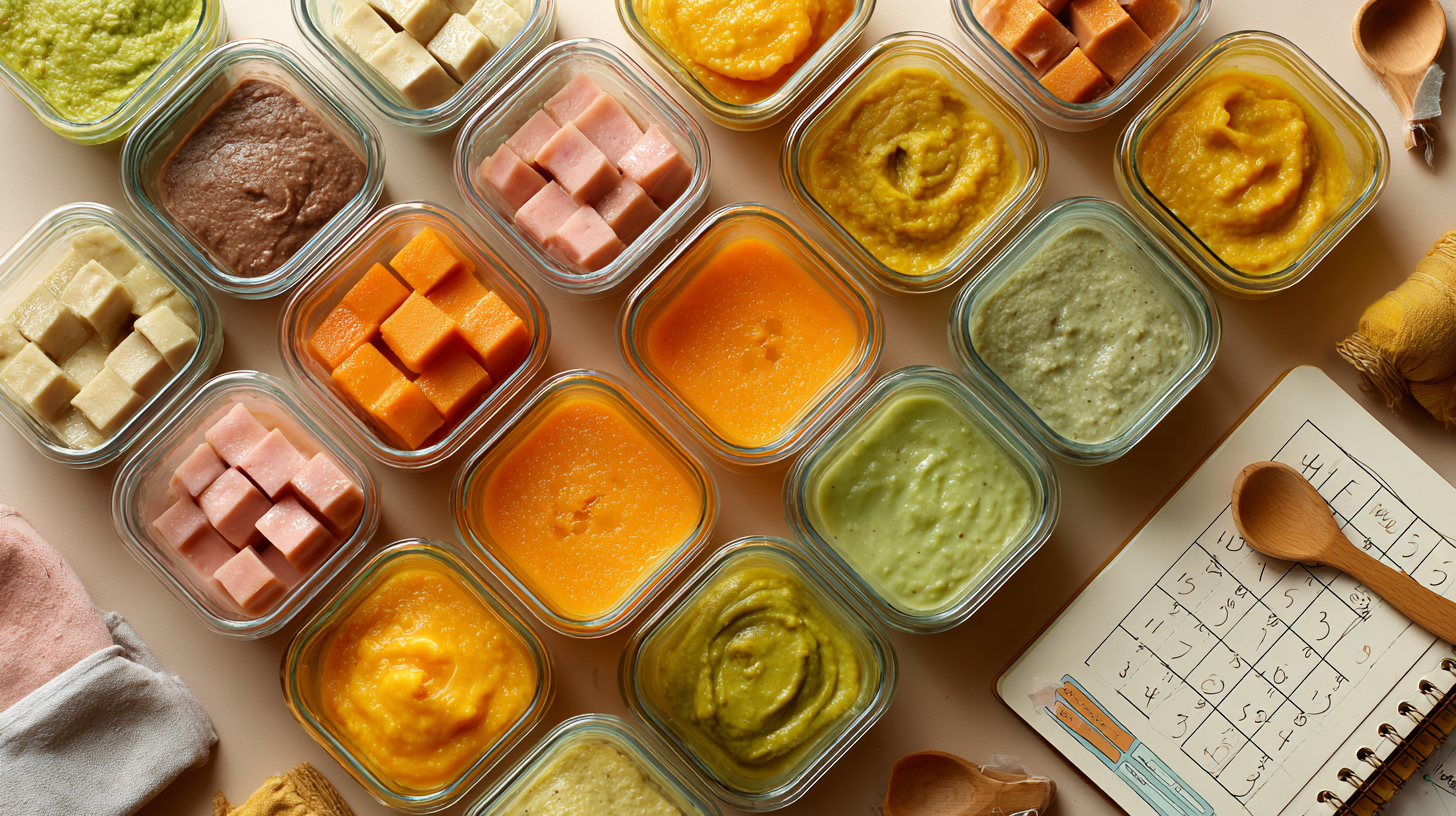
Don’t fear flavor. This might be the most important lesson I can share. Babies whose first purees include herbs, mild spices, and diverse flavors are more likely to become adventurous eaters later. A pinch of cinnamon in sweet potato, a tiny bit of cumin in lentils, fresh basil in tomato-based purees—these additions don’t overwhelm babies; they intrigue them. Your baby has been tasting flavors through amniotic fluid and breast milk for months. They’re ready for more than bland mush.
Texture progression is another area where parents often move too slowly. Starting with completely smooth purees makes sense, but by seven or eight months, you want to introduce slightly thicker, lumpier textures. This helps babies develop the oral motor skills they need for chewing. You can do this gradually—start by mashing with a fork instead of pureeing, or leave some small, soft lumps in your blender purees. Pay attention to your baby’s cues; if they’re easily managing smooth purees and show interest in chunkier textures, don’t hold them back.
Combination purees are where nutrition gets really exciting. Instead of serving single-ingredient purees indefinitely, start combining complementary foods early. Beef with sweet potato and a touch of prune creates a triple-threat puree: iron from beef, vitamin A from sweet potato, and natural sweetness plus vitamin C from prune. Lentils with spinach and pear provide plant-based iron, folate, and enhanced absorption from pear’s vitamin C. These combinations teach babies to expect and enjoy complex flavors while maximizing nutritional impact.
For inspiration beyond standard Western purees, Caribbean ingredients offer exceptional nutrition with built-in flavor complexity. Recipes like Papaya Banana Sunshine, Basic Mixed Dhal Puree, or Plantain Paradise (all found in the Caribbean Baby Food Recipe Book) introduce tropical fruits, legumes, and starchy vegetables that are staples in island nutrition. These aren’t exotic experiments—they’re time-tested foods that have nourished Caribbean babies for generations, now adapted with modern safety and preparation standards.
Real Talk About Challenges
Let me be honest about something nobody warned me about: babies can be maddeningly inconsistent eaters. The puree they devoured yesterday might get rejected today with a dramatic head turn and pursed lips. This isn’t pickiness or parenting failure—it’s normal infant behavior. Babies need up to 15 exposures to a new food before accepting it. Fifteen. So when your six-month-old spits out that carefully prepared spinach lentil puree, it doesn’t mean they hate it forever. It means they need to see it again. And again. And probably ten more times.
The time factor is another genuine challenge. Making homemade purees from scratch every few days requires planning, equipment, and energy that not every parent can spare. Between sleep deprivation, work demands, and the general chaos of caring for an infant, batch-cooking five different purees on Sunday afternoon might feel impossible. That’s why having commercial options you trust is essential. There’s zero shame in supplementing homemade purees with high-quality store-bought versions, especially during particularly exhausting weeks.
Cost concerns are legitimate, too. Organic produce, grass-fed meat, high-quality fortified cereals—these items add up quickly. But here’s a truth that needs saying: you don’t have to buy everything organic to feed your baby well. The Environmental Working Group publishes a “Clean Fifteen” list of conventionally grown produce with minimal pesticide residue. Avocados, sweet corn, pineapple, onions, and papaya consistently make this list. Focus your organic dollars on the “Dirty Dozen” items (strawberries, spinach, kale) where pesticide exposure is highest, and buy conventional for everything else. This strategic approach cuts costs significantly while still minimizing risk.
Cultural and family pressure can create unexpected stress around feeding. Maybe your mother thinks you should start with rice cereal because “that’s what we did.” Perhaps your mother-in-law insists babies need juice or questions why you’re feeding such “strange” foods. These conversations require boundaries. You can respectfully acknowledge that feeding recommendations have evolved based on new research, while standing firm in your approach. Sharing current pediatric guidelines from the AAP or CDC can help—it’s not you being difficult; it’s science-based feeding.
And then there’s the comparison trap. Social media shows perfectly plated purees in matching bowls, babies who never spit out food, and parents who apparently have infinite time for elaborate meal prep. Remember that you’re seeing curated highlights, not reality. Most babies are messy eaters. Most parents feel overwhelmed sometimes. Feeding your baby nutritious, safe purees—even if they come partially from jars and are served in mismatched bowls—is a success. Don’t let Instagram perfection rob you of confidence in your own feeding journey.
Expert Insights and Emerging Trends
The conversation around infant nutrition has shifted dramatically in just the past few years. Leading pediatric nutritionists now emphasize early exposure to diverse flavors and textures, contradicting the bland-food-first approach that dominated for decades. Dr. Katie Ferraro, a registered dietitian specializing in infant feeding, advocates for the “hundred foods before one” approach—exposing babies to a wide variety of foods in their first year to build food acceptance and reduce pickiness later.
There’s also growing recognition of the gut microbiome’s role in infant health. Diverse food exposure early in life helps establish a varied gut microbiome, which influences everything from immune function to mental health. Purees that include probiotic-rich ingredients (like plain yogurt after six months) or prebiotic fibers (found in foods like sweet potato, banana, and oats) actively support this microbial diversity.
The debate between puree-first and baby-led weaning continues, but smart parents are realizing it’s not either-or. A combined approach—offering purees for nutrient density and iron-rich foods, while also giving appropriately sized finger foods for motor skill development—provides the best of both worlds. This flexible philosophy, sometimes called “baby-led combo feeding,” acknowledges that different foods serve different purposes and babies benefit from variety in both what and how they eat.
Social media has become an unexpected force in infant feeding, for better and worse. Platforms like Instagram and YouTube feature pediatric dietitians, feeding therapists, and experienced parents sharing valuable, evidence-based information. Accounts focused on baby nutrition provide free resources, recipe ideas, and troubleshooting advice that previous generations never had access to. But these same platforms also spread misinformation, promote unproven supplements, and create unrealistic expectations. Learning to distinguish credentialed experts from well-meaning amateurs is a crucial modern parenting skill.
Looking toward the future, several exciting developments are emerging. Personalized infant nutrition—puree subscriptions tailored to your baby’s specific nutritional needs based on bloodwork or dietary analysis—is becoming more accessible. Fresh-frozen puree delivery services are expanding, offering convenience without preservatives. And continued regulatory tightening around heavy metals and contaminants suggests that the baby food of 2027 will be significantly cleaner and safer than what was available even two years ago.
Putting It All Together
Standing in your kitchen, preparing your baby’s first real meal, is a profound moment. It’s the beginning of a feeding journey that will shape their relationship with food, their nutritional foundation, and their willingness to explore new flavors. The weight of that responsibility can feel crushing, but it doesn’t have to be. Armed with the right information, you’re not just feeding your baby—you’re nourishing their development with intention and care.
The synthesis of nutrition science and safety protocols isn’t complicated once you understand the core principles. Prioritize iron-rich foods from day one. Pair plant-based iron with vitamin C for absorption. Rotate protein sources and vegetable varieties to minimize heavy metal exposure. Use steaming and roasting to preserve nutrients. Store safely and reheat only once. Introduce diverse flavors early and often. These aren’t burdensome rules—they’re simple strategies that compound into extraordinary nutritional outcomes.
Remember that perfection isn’t the goal; consistency is. Some days you’ll batch-cook five homemade purees and feel like a superhero. Other days you’ll open a jar from the store and count it as a win—because it is. What matters is that day after day, week after week, you’re offering your baby nutrient-dense, safe foods that support their incredible growth. The occasional convenience pouch or missed vegetable serving won’t derail their development. It’s the overall pattern that creates lasting impact.
Your baby is also your best teacher in this process. They’ll show you their preferences, their readiness for new textures, their hunger cues, and their boundaries. Some babies enthusiastically devour every puree you offer. Others are more cautious, needing repeated exposure and gentle encouragement. Neither approach is better or worse—they’re just different temperaments navigating new experiences. Your job isn’t to force enthusiasm; it’s to consistently offer nutritious options and trust the process.
If you’re looking for a comprehensive resource that takes the guesswork out of first purees while incorporating cultural richness, the Caribbean Baby Food Recipe Book offers over 75 recipes specifically designed for babies starting solids. From iron-rich dhal purees to vitamin-packed tropical fruit combinations, these recipes prove that optimal nutrition and bold flavor aren’t mutually exclusive—they’re complementary.
Your Next Steps Forward
So what happens next? You take what you’ve learned here and you start. Not perfectly, not with every single recommended food item, not with Instagram-worthy presentation. You start with one puree, one meal, one tiny spoonful. Maybe it’s iron-fortified oat cereal mixed with breast milk, served in a simple bowl on a random Tuesday afternoon. Maybe it’s pureed beef and sweet potato, carefully portioned into ice cube trays and frozen for the week ahead. Maybe it’s a jar of organic lentil puree from a trusted brand, chosen after checking their heavy metal testing protocols.
Whatever your starting point, know this: you’re giving your baby something precious. You’re providing not just nutrition but food security, not just calories but confidence in their ability to nourish themselves. Every puree you prepare or select carefully, every time you check labels or research brands, every meal where you offer variety and nutrition—these actions matter. They’re building blocks of health that will serve your child for decades to come.
The journey from first purees to independent eating is remarkably short. That six-month-old fumbling with their first tastes of sweet potato will be eating family meals seemingly overnight. But the nutritional foundation you establish now, the flavor preferences you cultivate, the safe feeding practices you implement—these create ripples that extend far beyond babyhood. You’re not just feeding a six-month-old. You’re raising a future eater, someone who will carry the lessons of these early meals into childhood, adolescence, and adulthood.
So go ahead. Puree that chicken with carrots. Steam those sweet potatoes. Open that carefully chosen jar when you need to. Mix that fortified cereal with love and maybe a little worry, because caring this much means you’re already doing it right. Your baby is waiting for their next meal, their next taste, their next tiny step toward independence. And you’re ready to give them exactly what they need—nutrition and safety, science and love, all blended together in one small, significant spoonful.

Kelley's culinary creations are a fusion of her Caribbean roots and modern nutritional science, resulting in baby-friendly dishes that are both developmentally appropriate and bursting with flavor. Her expertise in oral motor development and texture progression ensures that every recipe supports your little one's feeding milestones while honoring cultural traditions.
Join Kelley on her flavorful journey as she shares treasured family recipes adapted for tiny taste buds, evidence-based feeding guidance, insightful parenting anecdotes, and the joy of celebrating food, culture, and motherhood. Get ready to immerse yourself in the captivating world of Kelley Black and unlock the vibrant flavors of the Caribbean for your growing baby, one nutritious bite at a time.
- The Feeding Revolution: Why Your Everyday Meals Are Changing the World - October 13, 2026
- Your Feeding Story Matters More Than The “Perfect” One Online - October 12, 2026
- Looking Forward: Stepping Into Your Confident Feeding Future - October 11, 2026