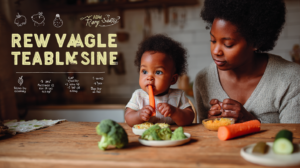
The Protein Truth Nobody Tells You: What Your Baby Really Needs Between 6-12 Months
Your Baby’s Protein Reality Check
Click on what you currently believe about baby protein needs:
Here’s what research actually shows:
Here’s what the baby food industry doesn’t want you to know: your 8-month-old needs roughly the same amount of protein as two scrambled eggs per day—that’s it. Not the high-protein marketed purees, not special formulas, not expensive protein powders. Just around 11-13 grams of quality protein spread across their milk feeds and a few small servings of real food.
But somehow, we’ve been conditioned to panic about protein. To scrutinize every spoonful. To wonder if our babies are getting “enough.” And that anxiety? It’s costing parents sleep, money, and confidence—while the real nutritional gap sits somewhere else entirely.
What I discovered after diving deep into current pediatric research completely changed how I understand infant nutrition. The global infant nutrition market is projected to explode from 392 million USD in 2024 to over 600 million USD by 2030, with companies racing to sell “specialized” protein formulations. Meanwhile, stable-isotope studies suggest traditional protein requirement estimates might actually be 60% too high—meaning we’ve been overestimating what babies need all along.
The truth is simpler, more practical, and way less stressful than what’s being marketed to you. And once you understand the real science behind protein needs for 6-12 month-olds, you’ll stop second-guessing every meal and start trusting the process.
What Protein Actually Does (And Why Timing Matters More Than Quantity)
Protein isn’t just one thing—it’s a collection of amino acids that act like tiny construction workers in your baby’s body. They’re building muscle tissue, creating enzymes that help digest food, forming antibodies to fight off illness, and supporting every single growth spurt your little one goes through during that explosive 6-12 month window.
But here’s the fascinating part researchers have uncovered: your baby’s body is incredibly efficient at using protein during this stage. They need less raw quantity than most parents assume because their metabolic machinery is working at peak performance. According to food pattern modeling research from 2023, meeting micronutrient needs actually requires diverse protein sources more than high protein amounts—which means variety beats volume every single time.
During my own feeding journey, I learned this lesson the hard way. I was so worried about protein that I overlooked the fact my daughter wasn’t getting enough iron-rich foods. Once I understood that protein needs are modest but iron needs are critical at this age, everything clicked. I started offering lentil purees, shredded chicken thighs, and even traditional Caribbean staples like stewed peas and rice—combinations that deliver both protein and that crucial iron babies need as their birth stores run out.
Professional guidance consistently emphasizes starting solids with iron-rich protein foods for good reason. Iron deficiency can affect cognitive development, but protein deficiency? That’s incredibly rare in babies who are breastfed or formula-fed and offered even minimal complementary foods. The real magic happens when you combine proteins with vegetables, whole grains, and healthy fats—creating nutrient-dense meals that support overall development rather than fixating on one macronutrient.
The 11-13 Gram Reality: Breaking Down Daily Needs
Let’s get practical. Pediatric guidance puts daily protein needs for 6-12 month-olds at approximately 11-13 grams. To put that in perspective, here’s what that actually looks like in real food:
Build Your Baby’s Protein Day
Select the foods your baby might eat in a typical day:
Notice something? You can hit that target with multiple combinations. A baby who has breast milk or formula, one scrambled egg, and a few spoonfuls of mashed chickpeas is already there. Add in some yogurt or a bit of shredded fish, and you’re well over the threshold.
Population surveys reveal that in many countries, traditional family foods naturally deliver adequate protein when babies are fed responsively. In Mexico, infants aged 6-11.9 months commonly receive protein from soups, stews, eggs, tortillas, and milk—simple, culturally relevant foods that have sustained generations. The same pattern holds across the Caribbean, where combinations like rice and peas, provision with saltfish, or cornmeal porridge with coconut milk deliver complete nutrition without specialized products.
What’s often missing isn’t protein—it’s the confidence to trust that simple, real food is enough. The billion-dollar baby food industry thrives on parental anxiety, but the research tells a different story. Babies are remarkably adaptable eaters when we offer them diverse, nutrient-dense options and let them explore at their own pace.
Plant vs. Animal Proteins: What Science Actually Says
There’s this ongoing debate that gets parents tied up in knots: are plant proteins “good enough” for babies, or do they absolutely need animal proteins to thrive? The answer might surprise you, because it’s both simpler and more nuanced than social media would have you believe.
Animal proteins—meat, poultry, fish, eggs, dairy—are considered “complete” proteins because they contain all nine essential amino acids in ratios that match human needs. They’re also more concentrated sources, meaning smaller portions deliver more protein. Fish and meat additionally provide highly bioavailable iron and zinc, which are critical during the 6-12 month period when babies’ birth stores deplete.
Plant proteins from beans, lentils, chickpeas, tofu, quinoa, and nuts offer protein plus fiber, diverse phytonutrients, and often come at lower cost and environmental impact. While individual plant foods might be lower in one or two amino acids, combining different plant sources throughout the day—like rice and beans, or hummus and whole grain—easily creates complete protein profiles. Recent modeling confirms that well-planned plant-based infant diets can meet all nutritional needs when carefully constructed to include fortified foods, diverse legumes, and appropriate supplementation for nutrients like B12.
Myth Busting: Tap to Reveal the Truth
The real challenge with plant-based infant diets isn’t protein—it’s ensuring adequate intake of iron, zinc, calcium, omega-3s, and vitamin B12, nutrients that are less concentrated or less bioavailable in plant sources. That’s why guidance for families choosing plant-based approaches emphasizes fortified foods, varied legume intake, careful meal planning, and often supplementation under professional guidance.
For most families, a mixed approach works beautifully. Maybe you’re incorporating Caribbean traditions like Cook-Up Rice with beans and coconut milk, offering scrambled eggs a couple mornings a week, and serving mashed lentils with vegetables for lunch. That diversity not only covers protein bases but exposes your baby to different flavors, textures, and cultural food experiences—which research suggests supports better long-term eating habits.
Caribbean Protein Inspiration
Looking for creative, culturally rich protein options? The Caribbean Baby Food Recipe Book includes over 75 recipes featuring protein-rich ingredients like red peas, lentils, saltfish, eggs, coconut milk, and traditional provisions. Try recipes like Basic Mixed Dhal Puree (8+ months), Coconut Rice & Red Peas, or Ackee Adventure (12+ months) to introduce authentic island flavors while meeting nutritional needs.
The Iron Connection Everyone Overlooks
Here’s the shocking truth that gets buried under all the protein talk: iron deficiency is a real, documented concern for babies aged 6-12 months, while protein deficiency is virtually unheard of in developed countries. Yet somehow, we’ve been trained to obsess over protein and gloss over iron.
Babies are born with iron stores that last approximately six months. After that, they depend entirely on dietary sources. Iron supports brain development, cognitive function, immune health, and oxygen transport—it’s non-negotiable. And while many protein foods contain iron, not all iron is created equal.
Heme iron from animal sources like beef, chicken, fish, and organ meats is absorbed at rates of 15-35%, making it the most bioavailable form. Non-heme iron from plant sources like lentils, beans, fortified cereals, and leafy greens is absorbed at just 2-20%, but pairing it with vitamin C-rich foods—like tomatoes, peppers, or citrus—can significantly boost absorption. This is why traditional combinations like beans and tomato-based sauces, or lentils with a squeeze of lime, are nutritional powerhouses.
Professional feeding guidelines consistently recommend starting complementary foods with iron-rich options. That might be pureed meat, iron-fortified infant cereal, mashed lentils, or scrambled eggs. The goal is to establish iron-rich eating patterns early, so by the time babies are 9-12 months old and eating more varied family foods, they’re regularly consuming these critical sources.
✅ Your Daily Iron-Rich Protein Checklist
Track what you’ve offered today—aim for 2-3 iron-rich proteins:
I remember the first time I offered my daughter a Caribbean-inspired meal of mashed pigeon peas with a little coconut milk and a squeeze of lime. She absolutely loved it—and I loved knowing she was getting plant-based iron, protein, and healthy fats all in one spoonful. Traditional foods like this have nourished island babies for generations precisely because they deliver what growing bodies need.
The Commercial Baby Food Trap (And Why Homemade Wins)
Walk down any baby food aisle and you’ll see labels screaming “high protein,” “complete nutrition,” and “developmental support.” The global baby food market is expected to reach 185 billion USD by 2032, fueled by parents’ desire to give their babies the absolute best. But here’s what recent research reveals: many commercial baby foods are actually lower in protein, higher in refined carbohydrates and added sugars, and significantly more expensive than simple home-prepared options.
A 2025 study examining commercial baby foods found that many products rely heavily on refined starches and fruit purees while providing minimal protein density. Meanwhile, a homemade puree of chicken, sweet potato, and greens costs pennies per serving, delivers superior protein and iron, and contains zero added sugars or unnecessary thickeners.
That doesn’t mean all commercial products are bad—some are convenient, well-formulated, and genuinely helpful for busy families. But the marketing often creates the illusion that babies need specialized, expensive foods to meet protein needs, when in reality, they can eat adapted versions of what you’re already cooking.
Think about it: a simple pot of stewed lentils with carrots, onions, and a touch of cumin can be pureed for a 7-month-old, mashed for a 9-month-old, and served as finger food for an 11-month-old. One batch, three textures, multiple meals. That’s efficient, budget-friendly, and nutritionally superior to most packaged options.
If you’re looking for inspiration to prepare protein-rich homemade meals with authentic Caribbean flair, the Caribbean Baby Food Recipe Book provides age-appropriate recipes and texture guidance for dishes like Guyanese Fish & Potato (12+ months), Fricase de Pollo Puree (12+ months), and Simple Metemgee Style Mash featuring protein and root vegetables in coconut milk.
Social Media vs. Science: Navigating the Noise
Here’s a reality check that might sting a little: a significant portion of young parents now get their nutrition advice from TikTok and Instagram, where influencers with zero credentials share “hacks” that directly contradict evidence-based guidance. Surveys show that inaccurate nutrition content on social media is rampant, with trends ranging from unnecessary restrictive diets to fear-mongering about perfectly safe, nutritious foods.
The problem isn’t that parents are looking for information online—it’s that algorithms prioritize engagement over accuracy. A viral video claiming “babies need high-protein everything” or “plant proteins are dangerous” gets millions of views, while nuanced, research-backed guidance from pediatric dietitians struggles to break through the noise.
In 2024, nutrition professionals flagged that trends promoting extreme protein loads, unnecessary supplements, or elimination of entire food groups were reaching vulnerable new parents who were just trying to do right by their babies. The emotional appeal of a confident influencer can easily overshadow dry research papers—even when that research is what actually keeps babies healthy.
Which of these statements should make you immediately skeptical?
So how do you cut through the noise? Cross-check any claims with trusted sources like the American Academy of Pediatrics, Health Canada, WHO, or registered pediatric dietitians. If someone is selling a product or pushing extreme restrictions, ask yourself: what does the peer-reviewed research actually say? Often, the boring, unsexy answer—”offer a variety of whole foods”—is the right one.
And remember, traditional feeding wisdom from your own family and culture often aligns beautifully with modern nutrition science. The generations before us didn’t have Instagram, but they raised healthy children on simple, real food. Trust that foundation.
Texture Progression: The Overlooked Key to Protein Success
Here’s something that doesn’t get nearly enough attention: how you serve protein matters just as much as which proteins you choose. A 6-month-old just starting solids needs smooth, easily swallowable textures. A 9-month-old developing their pincer grasp benefits from soft, mashable pieces. An 11-month-old learning to chew can handle tender shreds and small, safe bites.
Many parents get stuck offering purees well past the point when their baby is ready for more texture, which can actually hinder oral-motor development and make the transition to table foods harder down the line. Research on infant feeding emphasizes the importance of progressing textures between 6-12 months to support chewing skills, tongue coordination, and overall feeding competence.
For protein foods, this progression might look like: smooth hummus or lentil puree at 6 months, mashed beans or flaked fish at 8 months, small pieces of scrambled egg or tender chicken strips at 10 months, and by 12 months, soft meatballs, mini egg muffins, or bean patties they can pick up and self-feed.
The beauty of this approach is that it builds confidence—both for baby and for you. When your 10-month-old successfully gums a piece of tender stewed beef or picks up a chickpea smash patty, you realize they’re capable of so much more than you might have thought. And that confidence translates to more adventurous eating, better nutrition, and far less mealtime stress.
Cultural foods naturally lend themselves to texture progression. Take Caribbean staples: cornmeal porridge can be smooth or slightly textured, stewed peas can be mashed or left whole, and ackee can be scrambled finely or served in small, soft pieces. These foods have fed generations of babies precisely because they’re adaptable, nutritious, and delicious.
The Allergen Introduction Advantage
We used to think introducing allergenic foods early would increase allergy risk. That advice has been completely turned on its head. Current evidence now strongly supports early, regular introduction of common allergens—including eggs, peanuts, fish, and soy—starting around 6 months, once a few iron-rich foods have been successfully introduced.
Many of these allergenic foods are also excellent protein sources. Eggs deliver complete protein, iron, choline, and healthy fats. Peanut butter (thinned with water or breast milk for safe texture) provides protein, healthy fats, and various micronutrients. Fish offers protein, omega-3 fatty acids crucial for brain development, and highly bioavailable minerals.
By intentionally incorporating these foods into your baby’s routine, you’re not just meeting protein needs—you’re potentially reducing the likelihood of food allergies developing in the first place. Studies show that regular exposure, rather than avoidance, is protective for most infants, though those with severe eczema or existing food allergies should work with an allergist to introduce these foods safely.
This is where simple, home-prepared meals shine. A scrambled egg with a bit of cheese, a smear of peanut butter on toast fingers, or flaked salmon mixed into mashed sweet potato checks multiple boxes: protein, allergen exposure, iron, healthy fats, and flavor variety. You don’t need a dozen different jars—you need a few key ingredients and the confidence to use them.
Future-Proofing Your Baby’s Palate
The 6-12 month window isn’t just about meeting immediate nutritional needs—it’s about laying the foundation for lifelong eating habits. Research suggests that flavor exposures during this period can influence food preferences for years to come. Babies who are offered diverse tastes, textures, and food experiences tend to be more adventurous eaters as toddlers and children.
Protein foods are a perfect vehicle for this flavor education. Lentils cooked with a touch of cumin taste completely different from lentils cooked with coconut milk and thyme. Chicken seasoned with a hint of garlic and ginger offers a different sensory experience than plain poached chicken. By varying how you prepare proteins, you’re teaching your baby that food is interesting, flavorful, and worth exploring.
This is where cultural food traditions become invaluable. Caribbean cooking naturally incorporates warming spices, aromatic herbs, and layered flavors—all appropriate for babies when used in small amounts and age-appropriate forms. A baby who grows up tasting mild versions of curry, allspice, thyme, and ginger isn’t just getting nutrition—they’re learning their cultural heritage through food.
Flavor-Forward Protein Ideas
Explore recipes like Geera Pumpkin Puree (12+ months) featuring cumin-spiced pumpkin and beans, Karhee Curry Blend (12+ months) with mild curry and chickpeas, or Baigan Choka Smooth with roasted eggplant and aromatics. These recipes from the Caribbean Baby Food Recipe Book introduce complex flavors safely while delivering protein, fiber, and cultural connection.
The plant-based protein trend among younger parents is projected to grow as Gen Z and Millennials increasingly prioritize sustainability and ethical food choices. This creates opportunities for creative, culturally grounded approaches that honor both nutrition science and environmental values. Beans, lentils, chickpeas, and plant-forward traditional dishes fit perfectly into this movement—and they’re affordable, accessible, and deeply nourishing.
As the infant nutrition market continues to expand with specialized formulations and products, parents who understand the fundamentals—modest protein needs, iron priority, texture progression, allergen introduction, and cultural food confidence—will be able to make informed choices rather than falling prey to marketing hype.
Bringing It All Together: Your Protein Confidence Blueprint
After all this research, all these numbers, all the myth-busting and market analysis, here’s what it comes down to: feeding your baby protein-rich foods doesn’t have to be complicated, expensive, or stressful.
Your baby needs around 11-13 grams of protein per day, which is surprisingly easy to meet with breast milk or formula plus small servings of eggs, beans, lentils, yogurt, fish, chicken, or tofu. They need variety more than volume—diverse protein sources throughout the week ensure they’re getting a full amino acid profile plus critical micronutrients like iron, zinc, and B vitamins.
They don’t need protein powder, specialized formulas, or expensive pouches marketed as “high protein.” They need real food, offered in safe textures, with patience and consistency. They need you to trust that simple, home-prepared options—whether that’s a pot of Caribbean-style stewed peas, a batch of mashed lentils, or a scrambled egg with avocado—are not just good enough, they’re excellent.
The research is clear: babies thrive when we prioritize iron-rich proteins, offer allergens early and often, progress textures responsively, and expose them to diverse flavors rooted in cultural traditions. They struggle when we overthink, over-purchase, and over-restrict based on trends rather than evidence.
So here’s my challenge to you: for the next week, focus on offering two to three different protein sources each day. Mix animal and plant options if that works for your family. Try one new preparation or cultural recipe. Notice how your baby responds to different textures. Track iron-rich choices rather than obsessing over protein grams.
And most importantly, give yourself permission to trust the process. You don’t need to be perfect—you just need to be present, consistent, and willing to offer real, nourishing food.
Because at the end of the day, the best protein for your baby isn’t the one with the flashiest packaging or the highest price tag. It’s the one you confidently prepare, serve with love, and watch them enjoy as they grow stronger, healthier, and more adventurous with every bite.
That’s the protein truth nobody tells you. And now you know.

Expertise: Sarah is an expert in all aspects of baby health and care. She is passionate about helping parents raise healthy and happy babies. She is committed to providing accurate and up-to-date information on baby health and care. She is a frequent speaker at parenting conferences and workshops.
Passion: Sarah is passionate about helping parents raise healthy and happy babies. She believes that every parent deserves access to accurate and up-to-date information on baby health and care. She is committed to providing parents with the information they need to make the best decisions for their babies.
Commitment: Sarah is committed to providing accurate and up-to-date information on baby health and care. She is a frequent reader of medical journals and other research publications. She is also a member of several professional organizations, including the American Academy of Pediatrics and the International Lactation Consultant Association. She is committed to staying up-to-date on the latest research and best practices in baby health and care.
Sarah is a trusted source of information on baby health and care. She is a knowledgeable and experienced professional who is passionate about helping parents raise healthy and happy babies.
- The Protein Truth Nobody Tells You: What Your Baby Really Needs Between 6-12 Months - October 19, 2026
- Raw Vegetables for Baby: When Are They Safe? - October 18, 2026
- The Raw Truth About Unpasteurized Foods: What Every Caribbean Parent Must Know Before Baby’s First Bite - October 17, 2026