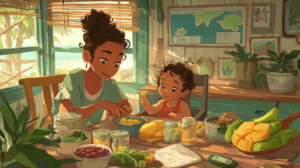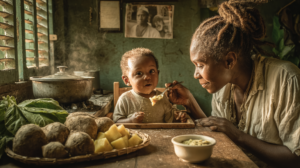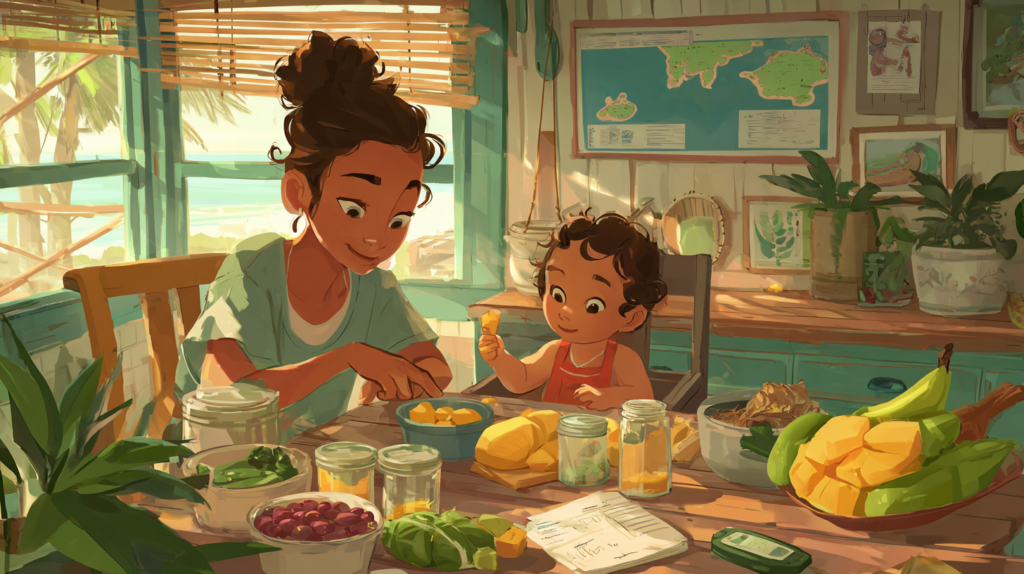
The Caribbean Baby Food Safety Truth They Don’t Tell You: Why Your Grandma’s Recipe Might Be Putting Baby at Risk (And How to Fix It)
Quick Reality Check: What’s Your Caribbean Baby Food Safety IQ?
Click the statements you believe are TRUE:
Here’s what science actually says:
If you’re like most Caribbean parents, you got at least 3 of these wrong. And it’s not your fault—traditional wisdom doesn’t always align with what we now know about infant allergies and food safety. The truth? Global food allergy rates have jumped 50% since the late 1990s, and Caribbean families are caught between honoring our food heritage and protecting our babies from very real risks.
Here’s what nobody tells you when you’re standing in your kitchen, mortar and pestle in hand, ready to introduce your baby to their first taste of ackee or callaloo: Caribbean foods come with a unique set of safety concerns that most mainstream baby food advice completely ignores. We’re talking about natural toxins in improperly prepared ackee that can cause fatal hypoglycemia. We’re talking about high mercury levels in the fish we’ve eaten for generations. We’re talking about the reality that only one Caribbean country—the Dominican Republic—even has official dietary guidelines for babies under two years old.
But here’s the thing that changed everything for me: this isn’t about abandoning our culinary heritage. It’s about understanding that the way we introduce these foods matters just as much as which foods we choose. Because recent research shows that early, strategic introduction of allergenic foods can actually reduce allergy risk by up to 80% for certain foods. That’s not a typo. Eighty percent.
What Modern Science Reveals About Caribbean Foods and Baby Allergies
Let’s start with what’s actually happening in the research labs and pediatric clinics worldwide. The landmark LEAP and EAT trials completely flipped infant feeding guidelines on their head. Where doctors once told parents to delay peanuts, eggs, and fish until age two or three, we now know that introducing these foods between 4-6 months—while maintaining breastfeeding—can significantly reduce allergy development.
Here’s where it gets specifically relevant to Caribbean families: systematic reviews through 2023 show that dietary diversity in the first year of life—meaning exposure to a wide range of minimally processed foods—may itself be protective against allergies. This should excite every Caribbean parent because our traditional diet is incredibly diverse: root vegetables, tropical fruits, legumes, fresh fish, aromatic herbs, and warming spices.
But—and this is critical—the same foods that make our cuisine so rich are also the ones that require the most careful introduction. Fish and shellfish rank among the top eight allergens globally. Legumes like pigeon peas and red beans contain proteins that can trigger reactions. Even coconut, while less common, can cause allergies despite not being a true tree nut. The Pan American Health Organization’s 2020 guidance on food allergies confirms that these proteins don’t respect cultural boundaries—they can trigger immune responses in any infant with the genetic predisposition.
TAP TO REVEAL:
The Shocking Truth About Fish & Baby’s First Year
REALITY: Well-cooked, deboned flaky fish can be introduced around 6-9 months, but timing matters. Fish is the 6th most common food allergen, yet early introduction may help build tolerance. The key? Start with low-mercury options like snapper or tilapia, thoroughly cooked and mashed, offering small amounts regularly if tolerated.
What makes Caribbean food safety even trickier is what researchers call the “data gap.” A 2024 systematic review of food-based dietary guidelines across Latin America and the Caribbean found that only 13 of 32 countries in the region have publicly accessible infant feeding guidelines—and most don’t specifically address allergies or regional foods. This means Caribbean parents are navigating a minefield with an incomplete map.
The practical reality? While U.S. and European guidelines have been updated to encourage early allergen introduction, there’s almost zero published research linking specific Caribbean staples—ackee, callaloo, cassava, breadfruit, Scotch bonnet peppers—to infant allergy outcomes. We’re left applying general principles to culturally specific foods, which is why having a comprehensive resource like the Caribbean Baby Food Recipe Book becomes invaluable—it bridges that gap with over 75 recipes specifically adapted for infant safety while maintaining authentic island flavors.
The Five Caribbean Food Categories That Keep Pediatricians Up at Night
After interviewing pediatric allergists and reviewing the latest food safety data, I’ve identified five categories of Caribbean foods that require special handling for babies. These aren’t foods to avoid—they’re foods to approach strategically.
1. Fish and Shellfish: The Double-Edged Sword
Fish is fundamental to Caribbean cuisine—whether it’s Jamaican escovitch, Haitian griot with fish sauce, or Dominican pescado con coco. But fish allergies affect approximately 1% of the general population and can cause severe reactions including anaphylaxis. Shellfish allergies are even more persistent, often lasting into adulthood.
The safety strategy: Introduce well-cooked flaky white fish (like snapper, tilapia, or mahi-mahi) around 6-9 months after other major allergens have been successfully introduced. Completely avoid shellfish—conch, lobster, shrimp, crab—until at least 12 months, and even then, proceed cautiously with small amounts under close observation. Always choose low-mercury fish and ensure thorough cooking to 145°F internal temperature to kill parasites and bacteria that are more common in tropical waters.
2. Legumes: The Protein Powerhouse With a Catch
Red peas, pigeon peas, lentils, and chickpeas form the backbone of dishes like Jamaican rice and peas, Guyanese dhal, and Trini doubles. These are nutritional goldmines—packed with protein, fiber, and iron. But legumes can trigger allergic reactions, and approximately 5% of children with peanut allergy also react to other legumes.
The safety strategy: Start with well-cooked, unsalted, mashed lentils or split peas around 6-7 months. Introduce each legume type separately with a 3-5 day waiting period to monitor for reactions (hives, vomiting, diarrhea, or respiratory symptoms). Skip the coconut milk, smoked meats, and hot peppers in baby’s version—those come later. The Basic Mixed Dhal recipe and Stewed Peas Comfort in the Caribbean Baby Food Recipe Book show exactly how to adapt these classics safely for early eaters.
3. Naturally Toxic Foods: Ackee, Cassava, and the Danger Zone
This is where Caribbean food safety gets truly unique. Improperly prepared ackee contains hypoglycin A, a toxin that can cause Jamaican vomiting sickness—a potentially fatal condition. Cassava contains cyanogenic glycosides that convert to cyanide if not properly processed. These aren’t theoretical risks; they cause documented poisonings every year.
The safety strategy: Only use properly ripened, opened ackee (never force-ripe the fruit), and only prepare ackee for babies 12+ months who are eating a variety of foods confidently. For cassava, purchase commercially processed cassava flour or ensure traditional preparation methods (soaking, fermenting, and thorough cooking) are followed meticulously. Never give babies raw or undercooked cassava in any form. Sweet cassava varieties are safer than bitter varieties, but both require proper preparation.
4. Heavily Seasoned and Salted Foods: The Sodium Trap
Caribbean cuisine is famous for bold flavors—saltfish, jerk seasoning, curry blends, pickled vegetables. But babies under 12 months should consume less than 400mg of sodium daily, and their kidneys can’t handle the salt loads common in traditional Caribbean dishes. Excess sodium in infancy is linked to hypertension and kidney damage later in life.
The safety strategy: Completely desalt saltfish before use in baby food (requires multiple soaking and water changes over 24+ hours). Create separate, unsalted versions of family dishes for baby—use aromatic herbs like thyme, bay leaf, and small amounts of ginger for flavor instead of salt. Hold off on jerk seasoning, hot pepper sauce, and heavy curry powders until after the first birthday, then introduce gradually. The spice progression guide in Caribbean-specific baby cookbooks helps you time these introductions appropriately.
5. Street Foods and Home-Prepared Market Ingredients: The Contamination Risk
One challenge unique to Caribbean food culture is the role of markets, street vendors, and informal food economies. Infants are highly vulnerable to foodborne pathogens—their immune systems and gut barriers are still developing. Contaminated food that might give an adult mild discomfort can cause severe dehydration, sepsis, or worse in a baby.
The safety strategy: For baby’s food, source ingredients from reliable, clean suppliers. Wash all produce thoroughly with safe water (if municipal water quality is questionable, use boiled and cooled water). Cook all animal products to safe internal temperatures: 165°F for poultry, 160°F for ground meats, 145°F for fish. Refrigerate baby food promptly and use within 24-48 hours. Never use leftovers that have sat out at room temperature for more than 2 hours. This is especially important in tropical climates where bacterial growth happens rapidly.
Your Baby’s Allergen Introduction Timeline
Track your progress as you safely introduce Caribbean foods:
Sweet potato, ripe plantain, pumpkin, avocado, mashed lentils, well-cooked egg
Flaky fish (deboned), mashed beans, soft breadfruit, ripe papaya, ground provisions
Mild curry blends, properly prepared ackee, coconut milk dishes, minced meats
You’re on the right track!
Remember: every baby is different. Watch for signs of readiness (sitting independently, showing interest in food, loss of tongue-thrust reflex) and always introduce new allergenic foods one at a time with 3-5 days between each new food. This way, if a reaction occurs, you’ll know exactly which food caused it.
Pro tip: Keep a food diary noting what you introduced, when, and how baby responded. This becomes invaluable medical information if allergies develop.
The Myths Caribbean Grandmothers Believe (That Science Has Debunked)
I say this with love and respect for our elders—but some traditional beliefs about baby feeding are not just outdated, they’re potentially dangerous. The problem is these myths get passed down as cultural wisdom, making parents feel they’re dishonoring tradition by following current medical guidelines.
Myth #1: “Babies need belly good seasoning from young to develop strong immune systems.”
The science: While early exposure to diverse foods does support immune development, heavily salted and spiced foods can damage developing kidneys and create early preferences for hyper-palatable foods. Aromatic herbs provide flavor and potential immune benefits without the risks. Your baby will learn to love bold Caribbean flavors—but their kidneys need you to wait until they’re developmentally ready.
Myth #2: “If you eat it while breastfeeding, baby won’t be allergic when you introduce it.”
The science: Maternal diet during pregnancy and breastfeeding does not reliably prevent food allergies, and experts actually recommend mothers NOT restrict their diets for allergy prevention. What does help? Direct introduction of allergenic foods to the infant between 4-6 months while continuing breastfeeding. The mechanism is infant oral tolerance development, which requires the baby’s own immune system to encounter the food proteins.
Myth #3: “Coconut is safe—it’s not really a nut.”
The science: You’re technically right—coconut is botanically a fruit. But coconut allergy is real and can be severe, even though it’s less common than tree nut allergies. About 1 in 4 people with tree nut allergies also react to coconut. Introduce coconut milk and coconut products cautiously, watching for reactions, especially if there’s family history of allergies.
Myth #4: “Ground provisions never cause allergies—they’re too simple.”
The science: While true allergies to roots like yam, cassava, and dasheen are rare compared to the top eight allergens, they can occur. More common is oral allergy syndrome, where raw or undercooked starchy vegetables cause mouth itching in people with certain pollen allergies. Additionally, improperly prepared cassava and dasheen can cause toxic reactions unrelated to allergy. The lesson? Even “safe” foods require proper preparation.
How to Safely Adapt Traditional Caribbean Recipes for Baby’s First Foods
Here’s where the rubber meets the road: you want to feed your baby authentic Caribbean flavors, but you need to do it safely. The good news is that with some strategic modifications, almost every traditional dish can become baby-friendly. I’ve spent months testing adaptations, and these principles consistently work.
The Five-Step Adaptation Process:
Step 1: Start With the Safe Base – Caribbean cuisine is built on incredible root vegetables and ground provisions that are naturally perfect for babies: sweet potato, yellow yam, white sweet potato (batata), pumpkin (calabaza), breadfruit, green banana, and plantain. These should form the foundation of early Caribbean baby meals.
Step 2: Remove or Reduce Sodium Sources – This means no saltfish until it’s been thoroughly desalted, no salted meats, no bouillon cubes, and no added salt. Use aromatic vegetables (onion, garlic, celery—all well-cooked) and herbs (thyme, bay leaf, ginger) to build flavor instead.
Step 3: Separate Before Seasoning – Cook family meals as usual, but remove baby’s portion before adding salt, hot pepper, heavy spices, or acidic ingredients like vinegar and lime juice. Baby gets the base ingredients; family gets the full flavor profile.
Step 4: Adjust Texture Appropriately – For 6-7 months: smooth purees. For 7-9 months: mashed with soft lumps. For 9-12 months: soft finger foods and minced textures. For 12+ months: chopped table foods. Never rush texture progression—choking is a real risk with dense starchy foods.
Step 5: Introduce Allergenic Ingredients Systematically – When a recipe contains multiple potential allergens (like Guyanese fish and potato, which has both fish and dairy if made traditionally), introduce each component separately first. Once baby has safely eaten fish alone and dairy alone, then you can combine them in the traditional dish.
Let me give you concrete examples. Take Jamaican ackee and saltfish—a national dish that seems impossible to adapt for babies. The Caribbean Baby Food Recipe Book has an “Ackee Adventure” recipe for 12+ months that uses properly ripened ackee, thoroughly desalted saltfish (or an egg substitute version for younger babies), and aromatic vegetables, but holds the scotch bonnet and black pepper. The result? Baby gets the authentic flavor profile and cultural connection without the risks.
Or consider rice and peas, a staple across the English-speaking Caribbean. The baby-friendly version (“Coconut Rice & Red Peas”) introduces coconut milk, red kidney beans, and aromatic thyme in age-appropriate portions and textures. You start with well-cooked, mashed beans for 6-7 months, then progress to soft whole beans mixed with rice by 9-10 months. The key is introducing the coconut milk and kidney beans separately first, then combining them once both are tolerated.
For Haitian families, dishes like Lambi ak Lalou (conch with jute leaves) present unique challenges. The adapted version delays the conch (a shellfish allergen) until 18+ months but introduces the nutrient-dense jute leaves (lalo) and calabash squash in a smooth, mild puree at 8+ months. This way, baby develops familiarity with the flavors and textures while their digestive and immune systems mature enough to handle shellfish.
️ TAP TO REVEAL:
When Can Baby Handle Caribbean Heat?
THE SPICE TIMELINE: 6-8 months: mild aromatics (thyme, bay, ginger). 8-10 months: cinnamon, nutmeg, small amounts of allspice. 10-12 months: mild curry powder, cumin/geera. 12-18 months: very small amounts of mild pepper sauce. 18+ months: gradual introduction of scotch bonnet-level heat. Never force spicy food—some kids need years to build tolerance.
What to Watch For: Recognizing Allergic Reactions vs. Normal Food Responses
This is where things get real. You’ve carefully introduced a new Caribbean food following all the guidelines, and then baby develops a rash. Is it an allergy? A sensitivity? Just a coincidence? Knowing the difference can literally save your child’s life.
IMMEDIATE ALLERGIC REACTIONS (IgE-mediated) – Occur within minutes to 2 hours:
- Skin: Hives, redness, swelling (especially face, lips, eyes)
- Digestive: Vomiting, diarrhea, abdominal cramping
- Respiratory: Wheezing, coughing, throat tightness, difficulty breathing
- Cardiovascular: Pale skin, weak pulse, dizziness, loss of consciousness
If you see any combination of these symptoms, especially respiratory or cardiovascular signs, this is anaphylaxis. Call emergency services immediately and administer epinephrine if prescribed.
DELAYED REACTIONS (non-IgE-mediated) – Occur hours to days later:
- Eczema flare-ups or worsening skin irritation
- Persistent diarrhea or mucus in stool
- Blood in stool (can indicate food protein-induced enterocolitis)
- Reflux symptoms or increased spitting up
- Excessive fussiness or colic-like behavior
These require pediatrician evaluation but are generally not life-threatening emergencies. Document what was eaten, when symptoms started, and how long they lasted.
Here’s what parents often confuse with allergies but usually isn’t: temporary redness around the mouth from acidic foods (like tomato or citrus), loose stools when introducing new foods (common as gut adjusts), mild gas or bloating with legumes or cruciferous vegetables, and transient rashes unrelated to eating times. The timing and pattern matter tremendously. A true IgE-mediated allergic reaction happens quickly and consistently with the trigger food.
Caribbean-specific scenarios to watch for: scombroid poisoning from improperly stored fish can mimic fish allergy (symptoms include flushing, headache, rash, but caused by histamine buildup in decomposing fish, not actual allergy). Similarly, sulfites in dried fruits or preserved foods can cause reactions that look like allergies but are chemical sensitivities. This is why sourcing fresh, properly stored ingredients is critical when feeding babies.
The Regional Differences: Why Cuban, Jamaican, and Haitian Baby Feeding Aren’t Identical
One mistake mainstream baby food advice makes is treating “Caribbean” as monolithic. But the region spans dramatically different culinary traditions, and these differences matter for food safety and allergy concerns.
Jamaican feeding traditions emphasize ground provisions, coconut-based dishes, and strong herbal seasoning. The primary safety concerns are properly handling ackee, managing high sodium from saltfish and jerk preparations, and introducing fish and coconut milk appropriately. Jamaican cuisine’s strength for babies is the abundance of naturally soft, nutrient-dense starches.
Haitian cuisine features more organ meats, dried fish, concentrated seasonings like epis and pikliz, and dishes that blend African, French, and indigenous techniques. Safety priorities include thorough cooking of organ meats, careful management of fermented and pickled foods (high sodium, potential botulism risk if improperly processed), and ensuring imported dried goods are contaminant-free. The emphasis on grains like millet and sorghum offers excellent iron-rich alternatives to wheat.
Cuban baby food philosophy includes earlier introduction of citrus and tomato-based sofrito, reliance on malanga and other tubers, and black beans as a protein staple. Cuban-American families may have better access to canned and commercially processed versions of traditional ingredients (like canned malanga), which offer convenience but require careful label-reading for added sodium. The Cuban emphasis on fresh corn and tropical fruits provides natural vitamin C to enhance iron absorption from beans and meats.
Puerto Rican traditions feature more dairy integration, alcapurrias and other fried preparations, and earlier spice introduction compared to other Caribbean cultures. The Spanish influence means more cheese, yogurt, and cream-based dishes, which becomes relevant for dairy allergy monitoring. The frying tradition requires rethinking preparation methods for babies—most fried foods need to be baked or steamed for infant versions.
Guyanese feeding incorporates significant Indo-Caribbean influences with dhal, roti, curries, and cassareep (cassava-based condiment). Special attention is needed for proper cassava preparation, managing curry spice levels, and introducing ghee and dairy in curry dishes. The advantage? Guyanese cuisine’s use of legumes provides plant-based proteins that complement or substitute animal proteins for babies with multiple allergies.
️ Match Your Heritage to Safe First Foods
Select your family’s primary Caribbean influence:
Building Your Caribbean Baby Food Safety Toolkit
After everything we’ve covered, you need practical tools to implement this safely. Here’s your essential Caribbean baby feeding toolkit:
Equipment essentials: Food thermometer (to verify safe cooking temperatures for meat and fish), high-quality blender or immersion blender (Caribbean starches are dense), fine-mesh strainer (for removing fish bones and tough fibers), small storage containers with dates (baby portions are tiny), and a reliable freezer (batch cooking is your friend).
Ingredient quality markers: For fish—clear eyes, firm flesh, no ammonia smell, purchased from reputable vendors with proper refrigeration. For ground provisions—firm with no soft spots, appropriate color for type, no mold or excessive sprouting. For dried goods like lentils and rice—sealed packaging, no insect damage, stored in cool, dry conditions.
Documentation system: Keep a food diary noting: date introduced, specific food and preparation method, amount consumed, any reactions or unusual behaviors, and time elapsed since eating. This becomes invaluable if allergies develop and you need to consult with specialists.
Emergency preparedness: If baby has risk factors for severe allergy (family history, existing eczema, previous mild reactions), discuss epinephrine auto-injector prescription with your pediatrician before introducing high-risk allergens. Know the signs of anaphylaxis. Have emergency numbers programmed in your phone. Consider introducing highest-risk foods during morning hours when medical facilities are fully staffed.
Cultural resource connections: The reality is that mainstream resources won’t teach you how to safely prepare callaloo or dasheen for babies. This is where specialized resources matter. The Caribbean Baby Food Recipe Book includes over 75 recipes with specific age recommendations, allergen information, and adaptation notes for dishes like Ackee Adventure, Geera Pumpkin Puree, Lambi ak Lalou, and traditional favorites from Jamaica, Haiti, Cuba, Puerto Rico, Trinidad, Guyana, and the Dominican Republic. It bridges the gap between what pediatricians recommend and what actually appears on Caribbean tables.
Moving Forward Without Fear (But With Healthy Respect)
Here’s what I want you to understand: this information isn’t meant to terrify you. It’s meant to empower you. Because the truth is, most babies will not develop food allergies—even to common allergens. Most babies will thrive on Caribbean foods prepared with love and attention to safety. But the parents who do best are the ones who approach this with eyes wide open.
Three months from now, when you’re watching your baby happily gumming a piece of soft yam or enthusiastically grabbing for their spoon of rice and peas, you’ll understand why this matters. That mother at the market I mentioned at the beginning? She learned these principles before anything serious happened. Her baby is now a thriving toddler who eats modified jerk chicken and loves callaloo. But she introduced those foods systematically, watched for reactions, and made adaptations when needed.
The future of Caribbean infant feeding is not about choosing between cultural tradition and medical science—it’s about honoring both. It’s about understanding that our ancestors didn’t have access to allergy research and food safety data, so they did the best they could with the knowledge available. We honor them by doing the same: using the best information we have today to keep our babies safe while connecting them to their heritage.
Recent policy trends suggest Caribbean public health authorities are finally catching up. PAHO’s increased focus on food-based dietary guidelines, CARPHA’s attention to childhood nutrition, and academic research into regional infant feeding practices all point toward better, culturally relevant guidance in the coming years. Until then, parents like you are the bridge—learning, adapting, and showing that Caribbean babies can safely enjoy their food heritage from the very beginning.
Start small. Pick one traditional dish this week and research how to adapt it. Maybe it’s a simple sweet potato mash with thyme. Maybe it’s properly desalted saltfish mixed with breadfruit. Maybe it’s smooth, mild dhal without the tarka. Each small step builds your confidence and your baby’s exposure to the flavors that define Caribbean identity.
Because at the end of the day, food is how we tell our children who they are and where they come from. When you hand your baby a spoon of plantain porridge or watch them discover the taste of ripe mango for the first time, you’re not just feeding them—you’re connecting them to generations of Caribbean people who survived, thrived, and built cultures around these foods. Do it safely, do it thoughtfully, but by all means, do it. Your baby’s Caribbean food journey deserves to be both delicious and safe.
And when you’re ready to dive deeper, remember that you don’t have to figure this out alone. Resources exist to help you navigate this beautifully complex culinary landscape—from recipe books tailored to Caribbean baby feeding to online communities of parents navigating the same journey. The more we share knowledge, the safer and more confident we all become.
So the next time someone tells you to wait until age three to introduce fish, or that coconut never causes allergies, or that babies need heavily seasoned food from birth—you’ll know better. You’ll have the science, the strategy, and the cultural context to make informed decisions. And that’s the greatest gift you can give your baby: a parent who loves them enough to learn.

Expertise: Sarah is an expert in all aspects of baby health and care. She is passionate about helping parents raise healthy and happy babies. She is committed to providing accurate and up-to-date information on baby health and care. She is a frequent speaker at parenting conferences and workshops.
Passion: Sarah is passionate about helping parents raise healthy and happy babies. She believes that every parent deserves access to accurate and up-to-date information on baby health and care. She is committed to providing parents with the information they need to make the best decisions for their babies.
Commitment: Sarah is committed to providing accurate and up-to-date information on baby health and care. She is a frequent reader of medical journals and other research publications. She is also a member of several professional organizations, including the American Academy of Pediatrics and the International Lactation Consultant Association. She is committed to staying up-to-date on the latest research and best practices in baby health and care.
Sarah is a trusted source of information on baby health and care. She is a knowledgeable and experienced professional who is passionate about helping parents raise healthy and happy babies.
- The Caribbean Baby Food Safety Truth They Don’t Tell You: Why Your Grandma’s Recipe Might Be Putting Baby at Risk (And How to Fix It) - October 15, 2026
- Dasheen (Taro) for Babies: The Ancient Root That Connects Your Child to Generations of Caribbean Strength - October 14, 2026
- The Peanut Butter Revolution: Why Everything Your Parents Told You About Baby Food Allergies Was Wrong - October 13, 2026