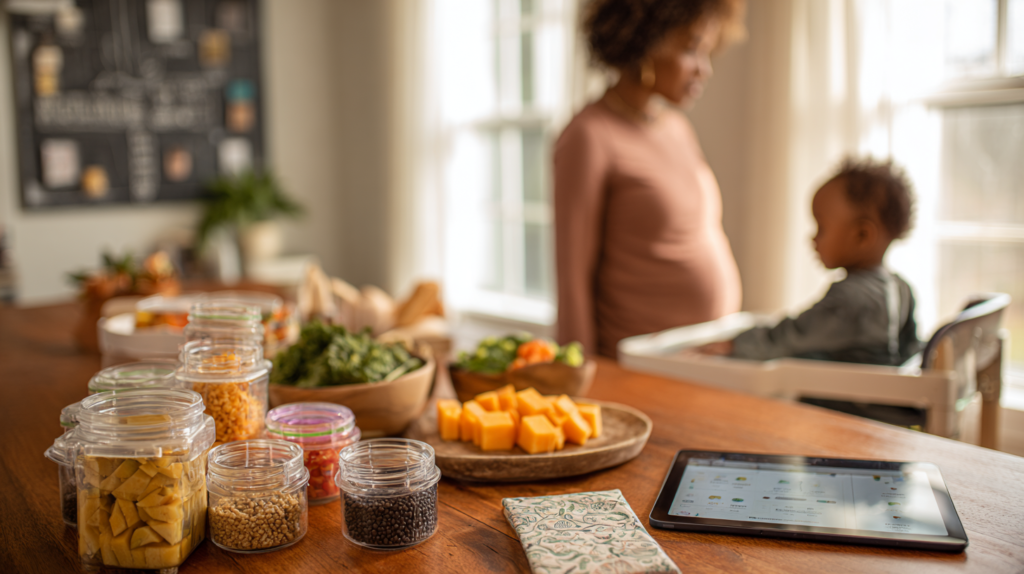
The Smart Parent’s Guide to Baby Food Grocery Shopping: Building Lists That Actually Work
What’s Your Biggest Baby Food Shopping Challenge?
Every parent standing in the baby food aisle knows this feeling—cart half-full of random jars, pouches promising “organic superfood blends,” and a nagging voice asking: Am I doing this right? The truth nobody tells you before baby arrives is that grocery shopping transforms from a simple errand into a high-stakes nutrition mission where every choice matters, and Instagram-perfect baby meals seem to mock your best efforts.
But here’s what changed everything for me and countless parents I’ve worked with: smart grocery shopping for baby food isn’t about filling your cart with the trendiest products or spending hours meal-prepping elaborate purees. It’s about building a flexible system—a real, workable list that covers nutrition bases while fitting your budget, your schedule, and yes, even those weeks when everything falls apart.
Research from the American Academy of Pediatrics confirms that most infants are introduced to solids earlier than the recommended timeline, with many receiving complementary foods before 4 months—complicating appropriate portion planning and grocery decisions. By 7–8 months, babies need foods from all major groups: vegetables, fruits, grains, proteins, and dairy. That’s not just pediatric advice; that’s your grocery list foundation right there.
The Shocking Truth About Commercial Baby Foods
Click to Reveal What Food Companies Don’t Want You to Know
The Commercial Baby Food Reality Check: A comprehensive 2024 UK study analyzing 632 commercial baby foods found that 100% were marketed inappropriately, and the majority fell short of nutritional standards—particularly regarding sugar content. Even more concerning, a European analysis of over 3,400 baby food products revealed that 38.5% contained at least one sugar-contributing ingredient, with nearly 10% listing added sugars despite “no added sugar” claims on half the products.
And here’s the iron shocker: Studies examining commercial infant foods with meat found wide variation in iron and zinc content. Even among meat-containing products marketed as iron-rich, many fell short of optimal levels. This means that jar of “beef and vegetables” might not deliver the iron punch you’re counting on.
The lesson? Your grocery list needs to include whole food ingredients you prepare at home, not just rely on commercial options. When you do buy jarred foods, rotate brands and check labels obsessively—not all baby foods are created equal, regardless of what the packaging promises.
Recent investigations into commercial baby foods have also highlighted concerning levels of heavy metals, particularly in rice-based cereals and snacks. The AAP now recommends varying grains—think oats, barley, quinoa, and yes, even traditional grains like millet featured in recipes such as Ti Pitimi Dous from Caribbean Baby Food traditions—and rotating brands and stores to minimize cumulative exposure to arsenic and other contaminants.
Building Your Foundation: The Smart Shopping Categories
The smartest grocery lists organize items by food group and function, making it nearly impossible to forget nutrition essentials while eliminating the mental load of “what did I need again?” Here’s what actually belongs in your cart, based on current feeding guidelines and real-world parent testing.
5
Major food groups your baby needs by 7-8 months
Iron-Rich Proteins (The Non-Negotiables): This is where many parents stumble because they assume fortified cereals alone will handle iron needs. They won’t. Babies need 11mg of iron daily from 7-12 months, and studies show that commercial baby foods—even those with meat—often don’t deliver adequate amounts. Your list should include: ground beef, chicken thighs (more iron than breast), lentils, white beans, tofu, and if you’re feeling adventurous, traditional proteins like the ones in dishes like Guyanese Fish & Potato or Basic Mixed Dhal. Each provides different nutrient profiles, and variety is your protection against both nutritional gaps and heavy metal accumulation from single-source feeding.
Vitamin C Champions (The Absorption Boosters): Here’s a game-changer most parents miss—iron from plant sources (lentils, beans, fortified cereals) gets absorbed up to three times better when paired with vitamin C. Your grocery list needs: tomatoes, broccoli, bell peppers, citrus fruits, kiwi, strawberries, and even less common options like papaya. A quarter-cup of white beans gives your baby 2mg of iron (18% of daily needs), but serve it with steamed broccoli and you’ve nearly doubled absorption. That’s not meal-planning theory; that’s biochemistry working in your favor.
Varied Vegetables (The Flavor Foundation): Research on infant feeding patterns highlights a “sensitive period” in the first year where repeated exposure to vegetables—especially bitter greens—shapes lifelong eating habits. Translation: The vegetables you buy now influence whether your toddler accepts salad later. Smart lists include: carrots, sweet potatoes (orange and white varieties), pumpkin (calabaza), green beans, peas, leafy greens like callaloo or spinach, and bitter options like eggplant. Yes, bitter. Studies show babies who try bitter vegetables 8-10 times are more likely to accept them long-term, but most parents give up after 2-3 attempts.
Quick Knowledge Check: Baby Nutrition Myths vs. Facts
1. Jarred baby food is just as nutritious as homemade
2. Babies need iron-fortified rice cereal at every meal
3. “No added sugar” labels mean the product is sugar-free
Healthy Fats and Dairy (The Brain Builders): Babies need fat for brain development, and low-fat anything has no place on your shopping list. Buy: full-fat plain yogurt (not the fruit-flavored sugar bombs), whole milk after 12 months, avocados, nut butters (thinned with breast milk or formula to prevent choking), and coconut milk for cooking. One tablespoon of cashew butter provides 0.8mg iron plus healthy fats—thin it with banana puree and you’ve got brain fuel plus iron absorption all in one.
Whole Grains Beyond Rice (The Arsenic-Avoiders): This is where old advice gets dangerous. Rice-based baby foods—cereals, crackers, puffs—consistently show higher arsenic levels than other grains. Your rotation should include: oats, barley, quinoa, whole wheat pasta, and traditional options like cornmeal (perfect for Cornmeal Porridge or Mayi ak Gwomanje), farine, and millet. Variety isn’t just nutritionally smart; it’s a safety strategy backed by pediatric toxicology research.
The Budget-Friendly Batch Cooking Strategy
Smart grocery shopping and meal prep aren’t separate tasks—they’re two parts of the same system. The parents who succeed (and stay sane) are the ones who shop with their prep plan already mapped out.
Your Weekly Batch Cooking Time & Savings Calculator
Your Batch Cooking Potential:
The batch-cooking grocery list looks different from a daily-meal-prep list. You’re buying steamable vegetables (broccoli, carrots, sweet potatoes, pumpkin), proteins that freeze well (ground meats, lentils, beans, chicken thighs), and portion-friendly storage items (ice cube trays, small glass containers, silicone molds). One Sunday afternoon of steaming, pureeing, and freezing sets you up for two weeks of meals—and the produce you need costs roughly the same as four days of commercial pouches.
Here’s the method that works: Steam vegetables and proteins separately (never together—different cooking times lead to nutrient loss). Puree or mash to appropriate texture. Cool rapidly—spread in thin layers in shallow containers, then refrigerate within one to two hours. FDA food safety guidelines are clear on this because bacteria multiply fast at room temperature, and baby’s developing immune system can’t handle what adult guts shrug off. Portion into ice cube trays (each cube equals about one ounce), freeze until solid, then pop into labeled freezer bags. Each cube becomes a building block for mix-and-match meals.
The parents who master this? They’re not spending more time cooking. They’re spending less time stressing about “what’s for lunch?” and eliminating those 4pm panic trips to the store for baby food.
Social Media vs. Reality: What Instagram Won’t Tell You
The Truth About Those Perfect Baby Meal Posts
Social Media Reality Check: Family food influencers and baby-meal accounts promote diverse, colorful plates and elaborate batch-cooked freezer meals that look magazine-worthy. What they don’t show? The takes that failed. The meals baby refused. The $60 spent on specialty ingredients for one recipe. Or the fact that many sponsored posts feature products most families can’t access or afford.
A 2025 analysis found that many popular baby feeding accounts create “aesthetic divided-plate presentations” that drive shopping trends but often emphasize unrealistic standards. Recent posts from parenting communities reveal growing pushback against rigid meal plans, with parents calling out the pressure of curated feeds and advocating for flexible, budget-friendly lists instead.
Your baby doesn’t need sixteen different purees arranged by color. They need adequate iron, varied flavors, safe textures, and a caregiver who isn’t burned out from trying to meet impossible standards. That’s it. That’s the list.
Smart lists ignore trends and focus on evidence. Your grocery cart doesn’t need $8 organic pouches with “superfood” claims or imported baby biscuits when homemade options work better and cost less. Research shows babies benefit from early, repeated exposure to family foods adapted for safety—meaning the sweet potatoes, plantains, beans, and rice you’re already cooking work perfectly when prepared without added salt and sugar.
The Heavy Metal Problem and Your Shopping Defense
This is the section that makes parents panic, so let’s handle it with facts and practical action rather than fear.
Testing of baby foods revealed concerning levels of heavy metals—arsenic, lead, cadmium, mercury—with rice-based products and some root vegetables showing higher concentrations. But here’s what the research also shows: Variety is protection. Babies who eat diverse grains, rotate protein sources, and consume different fruits and vegetables have significantly lower cumulative heavy metal exposure than those eating the same foods repeatedly.
️ Build Your Heavy-Metal-Reducing Grocery List
Click foods to add them to your rotation list (variety = protection)
Grains (choose 4-5 different options)
Proteins (choose 5-6 different sources)
Vegetables (choose 6-8 varieties)
Fruits (choose 5-6 options)
Your Variety-Protection Shopping List:
- Select foods above to build your list…
Your action plan: Rotate brands weekly. Shop at different stores when possible (contaminant levels vary by region and supplier). Choose bananas, papaya, and pears over rice crackers for snacks. Serve oatmeal one morning, millet porridge the next, then quinoa. Cook with different root vegetables—sweet potatoes one week, malanga the next, then white batata. This isn’t perfectionism; this is practical risk reduction that requires zero extra time once you’ve built the rotation habit.
When Budget Meets Nutrition: The Compromise That Works
Financial pressure makes healthy feeding harder, and research confirms that nutritious foods cost more per calorie than processed options. But smart grocery shopping isn’t about buying everything organic or choosing the most expensive proteins—it’s about strategic spending on the items that matter most.
Splurge here: Proteins (especially meat, fish, and eggs where you can’t fake quality), iron-fortified cereals (when you buy them, choose brands with lower arsenic test results), and fresh produce for vitamin C (because frozen options lose some nutrient value).
Save here: Frozen vegetables for batch cooking (flash-freezing preserves nutrients better than “fresh” produce that’s been trucked across the country for days), dried beans and lentils (protein for pennies), store-brand whole grains, and unsalted canned tomatoes and pumpkin (same nutrition as fresh, fraction of the cost and prep time).
Skip entirely: Baby-branded snacks (crackers, puffs, cookies—all overpriced and often high in heavy metals or added sugars), flavored yogurts (buy plain and add your own mashed fruit), juice (AAP recommends none before 12 months anyway), and specialty “stage” foods (your blender doesn’t care about marketing stages).
The parents who nail baby food on a budget? They’re not cutting nutrition corners. They’re spending intentionally on whole foods that multitask—buying ingredients they can prepare for both baby and family meals, eliminating the “separate baby food” mindset that doubles grocery costs.
The Adaptation Approach: Family Food, Baby-Safe
Here’s the shift that saves both money and sanity: Stop thinking “baby food” and start thinking “family food, adapted.” Current feeding guidance emphasizes that babies benefit from eating what the family eats, adjusted for texture and sodium.
Your grocery list doesn’t need separate sections for adult and baby items. Buy chicken thighs for the whole family—roast yours with seasoning, boil baby’s portion plain and shred it. Pick up dried beans for rice and peas—cook the full pot without salt, then remove baby’s portion before adding seasonings for adult servings. Grab plantains, sweet potatoes, pumpkin, and coconut milk—ingredients that work in both traditional Caribbean recipes for the family and simple purees for baby.
This approach eliminates food waste (no separate baby meals that only baby eats), reduces prep time (one cooking session serves everyone), and exposes baby to the flavors they’ll grow up eating. Research shows babies who experience family food patterns early develop better acceptance of varied diets long-term—and your grocery budget stays reasonable because you’re not buying duplicate ingredients.
Safety First: The Non-Negotiable Shopping and Storage Rules
Smart shopping includes buying the right storage and prep tools, because food safety for babies is stricter than adult standards. Your list needs:
- BPA-free storage containers with tight-sealing lids (glass is best; plastic is fine if labeled BPA-free)
- Ice cube trays or silicone molds for portioning purees (each cube = approximately 1 ounce)
- Freezer-safe bags for storing portioned foods (label with contents and date—frozen baby food keeps 3-4 months)
- Food thermometer to verify reheating temperatures (165°F/74°C kills bacteria that cause illness)
FDA and food safety guidelines are clear on this: Cooked baby food must be cooled within one to two hours, refrigerated or frozen immediately after cooling, and reheated until piping hot (then cooled to safe eating temperature). Leftovers that have been at room temperature for more than two hours get thrown out—period. Baby’s immune system can’t handle the bacterial load that adult guts tolerate, and the risks (serious foodborne illness) far outweigh the waste guilt.
When grocery shopping, buy perishables last, use cooler bags for meat and dairy if the drive home exceeds 30 minutes, and refrigerate everything immediately. These aren’t perfectionist rules; they’re evidence-based safety practices that prevent the hospitalizations I’ve seen from contaminated baby food.
Your Real-World, Actually-Usable Weekly Template
Smart List Progress Tracker
Building a complete weekly shopping list for your baby
Checked off: 0/8 categories
The lists that actually work in real life aren’t exhaustive grocery-store inventories. They’re flexible templates organized by category with built-in variety. Here’s the week-to-week rotation system that keeps nutrition balanced without overwhelming your cart or budget:
Week 1 Foundation: Iron proteins (ground beef, lentils, white beans), vitamin C vegetables (broccoli, bell peppers, tomatoes), orange vegetables (sweet potato, carrot, pumpkin), varied grains (oats, quinoa, whole wheat pasta), full-fat dairy (plain yogurt, cheese for 8+ months), healthy fats (avocado, nut butter), diverse fruits (banana, papaya, berries), convenience anchors (no-salt canned beans, frozen vegetables).
Week 2 Rotation: Switch proteins (chicken thighs, chickpeas, tofu), vary vitamin C sources (kiwi, strawberries, citrus), change root vegetables (malanga, white batata, yam), rotate grains (millet, barley, cornmeal), add leafy greens (spinach, callaloo, kale), maintain fats (coconut milk, olive oil for cooking), shift fruits (mango, pears, peaches), check pantry staples (spices for family cooking, storage bags).
The beauty of this system? It naturally builds in the variety that protects against heavy metal exposure, prevents nutritional gaps, and develops baby’s palate. It also eliminates the decision fatigue of “what should I buy?” because the template guides you while leaving room for what’s on sale or in season.
Making Peace with Imperfection
There’s going to be a week where you forget the sweet potatoes. A day when you’re out of batch-cooked meals and grab a pouch at the store. A moment when baby refuses every single thing on your carefully planned list and will only eat banana for three days straight. All of this is normal, common, and doesn’t mean you’ve failed at feeding your child.
The parents who succeed long-term aren’t the ones with perfect shopping lists or Instagram-worthy meal prep spreads. They’re the ones who built flexible systems that accommodate real life—who understand that smart grocery shopping is a skill that improves with practice, not a test you pass or fail each week.
Research consistently shows that the quality of your baby’s overall dietary pattern matters far more than any single meal or even a rough week. Babies who are offered varied foods regularly (even if they don’t always accept them), who receive adequate iron and vitamin C, who avoid added salt and sugar, and who share family food experiences develop healthy eating habits that last.
Your job isn’t perfection. It’s consistency. It’s showing up week after week with a cart full of real food, a reasonable plan, and the flexibility to adjust when life doesn’t cooperate. That’s not settling for less—that’s parenting with both evidence and grace.
The List That Grows With Your Baby
The smart grocery list isn’t static. It evolves as baby’s skills and needs develop, and the parents who struggle least are the ones who adjust intentionally rather than waiting for crisis to force change.
6-7 months: Focus on single-ingredient purees and smooth textures. Shopping priorities: easily pureed vegetables (sweet potato, carrot, pumpkin), soft fruits (banana, avocado, papaya), iron-fortified infant cereals (varied grains, not just rice), and high-iron proteins (meat, lentils, beans). Storage needs: lots of ice cube trays for individual flavor portions.
8-9 months: Introduce thicker textures, small soft pieces, and combination meals. Add to list: proteins for finger foods (shredded chicken, flaked fish, tofu cubes), vegetables for self-feeding (steamed broccoli florets, roasted sweet potato wedges), grains for texture practice (thick oatmeal, quinoa), and full-fat dairy (plain yogurt, mild cheese). Storage shifts: smaller containers for combination meals, fewer single-ingredient cubes.
10-12 months: Transition to mostly table foods with appropriate sizes and minimal choking hazards. Shopping mirrors family meals: whatever you’re eating, prepared without added salt and sugar, cut to safe sizes. Proteins get more varied, vegetables include everything from green beans to callaloo, grains are whatever the family is having, and fruits are served fresh in safe pieces rather than pureed. Storage becomes mostly family leftovers in baby-sized portions.
Each stage doesn’t require a complete list overhaul—just small shifts that match baby’s developing skills and nutritional needs. The foundation (varied proteins, vitamin C with iron, diverse grains and vegetables, healthy fats) remains constant throughout.
The Shopping List That Works While You Sleep
The final piece of smart grocery shopping is making it sustainable when you’re tired, overwhelmed, or touched-out from a day with baby. That means building systems that reduce decisions and automate the basics.
Set up a master list on your phone (notes app, grocery app, whatever you’ll actually use) with your core categories and rotation items. Before each shopping trip, spend five minutes scanning the list and checking what needs restocking rather than wandering aisles trying to remember what you need. Schedule one consistent shopping time weekly (same day if possible) so it becomes routine rather than something you fit in whenever.
Consider grocery pickup or delivery for the weeks you can’t face the store—yes, there’s usually a fee, but your sanity and time have value too. The parents who maintain healthy feeding patterns long-term are the ones who treat grocery shopping as infrastructure worth protecting, not an errand they can keep skipping until the fridge is empty and everyone’s eating crackers for dinner.
And here’s the truth that took me too long to learn: Asking for help with grocery shopping isn’t weakness or failure. When family offers to “do anything to help,” hand them your list and let them shop. When your partner asks what they can do, grocery runs are concrete, valuable, and give you time for the seventeen other tasks only you can do. Smart shopping includes delegating when possible because sustainable feeding systems can’t depend on one exhausted person doing everything.
Moving Forward with Your Smart List
You now have what most parents spend months figuring out through trial, error, and unnecessary expense: a framework for grocery shopping that covers nutrition bases, fits real budgets, reduces heavy metal risks, adapts to your baby’s development, and actually works when you’re too tired to think straight.
The next step isn’t building the perfect list or buying everything mentioned here today. It’s choosing one change—maybe adding iron-rich proteins you haven’t tried, rotating grains beyond rice, or setting up that master list on your phone. Small, consistent improvements compound into feeding patterns that serve both you and baby well.
Because at the end of the day, smart grocery shopping for baby food isn’t about achieving some parenting ideal or matching what you see on social media. It’s about building a sustainable system that nourishes your child adequately while preserving your energy, your budget, and your peace of mind. That’s not just smart shopping—that’s smart parenting in action.
And if you’re looking for inspiration on how to turn those smart grocery choices into actual meals baby will eat, exploring recipes that bring together wholesome ingredients with rich cultural flavors makes the whole process easier and more enjoyable for everyone at the table.

Expertise: Sarah is an expert in all aspects of baby health and care. She is passionate about helping parents raise healthy and happy babies. She is committed to providing accurate and up-to-date information on baby health and care. She is a frequent speaker at parenting conferences and workshops.
Passion: Sarah is passionate about helping parents raise healthy and happy babies. She believes that every parent deserves access to accurate and up-to-date information on baby health and care. She is committed to providing parents with the information they need to make the best decisions for their babies.
Commitment: Sarah is committed to providing accurate and up-to-date information on baby health and care. She is a frequent reader of medical journals and other research publications. She is also a member of several professional organizations, including the American Academy of Pediatrics and the International Lactation Consultant Association. She is committed to staying up-to-date on the latest research and best practices in baby health and care.
Sarah is a trusted source of information on baby health and care. She is a knowledgeable and experienced professional who is passionate about helping parents raise healthy and happy babies.
- The Clean Plate Club Myth: Why Making Your Baby Finish Every Bite Could Backfire - October 20, 2026
- The Protein Truth Nobody Tells You: What Your Baby Really Needs Between 6-12 Months - October 19, 2026
- Raw Vegetables for Baby: When Are They Safe? - October 18, 2026