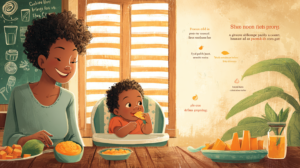
Cultural Feeding Practices: Cassava for Babies Safely (Without Losing the Island Soul)
Growing up in the Caribbean, cassava sat on many Sunday tables, yet almost nobody told us that the same root that feeds millions can also harm little ones if we skip a few crucial steps. This article walks you through the comforting culture and the shocking truth, then hands you a practical, baby-safe roadmap you can use tonight.
Why Cassava Is Everywhere, Yet Rarely Explained for Babies
Cassava is a hardy, drought-tolerant root that quietly powers the plates of over 800 million people around the world, especially in Africa, Latin America, and the Caribbean. In many homes it shows up as boiled provision, farinha, gari, cassava bread, bammy, or soft porridge mashed into whatever stew is bubbling on the stove. For adults, it is comfort food; for many babies, it becomes one of their first solid carbohydrates simply because it is cheap, filling, and always there.
But beneath that comforting, starchy sweetness sits a detail most grandparents never mentioned out loud: cassava naturally contains cyanogenic compounds that can release cyanide if not processed properly. Traditional communities learned, generation after generation, how to soak, ferment, and cook cassava to drive those toxins down, long before anyone put the word “cyanide” on a lab report. When we talk about feeding cassava to babies today, the conversation has to hold both truths at once—respecting cultural wisdom while leaning unapologetically into modern safety science.
The goal of this guide is not to scare you away from cassava forever but to help you use it with the same care you would use when handling hot pepper: a beloved ingredient, handled wisely, at the right time, in the right amount. By the end, you will know when to introduce cassava, how to prepare it safely, how often to serve it, and how to weave it into a balanced Caribbean-style baby menu without putting growth or brain health at risk.
The Science Under the Skin: What Cassava Really Is
At its core, cassava is a high-calorie, low-protein root. A small serving of boiled cassava can provide a solid energy boost for a wiggly toddler, but gram for gram it offers very little protein, iron, zinc, or key vitamins compared to something like lentils, eggs, pumpkin, or sweet potato. That trade-off is crucial for babies because their nutritional needs per bite are far higher than those of adults, and every spoonful of food is an opportunity you do not want to waste.
Cassava exists in two broad categories: sweet and bitter. Sweet cassava varieties are lower in cyanogenic compounds and are usually what you see in Caribbean and Latin grocery stores. Bitter cassava has much higher cyanide potential and is often processed into flour, starch, or gari, especially in some African regions. Babies should never be given bitter cassava that has not gone through proper soaking, fermenting, and drying, because their smaller bodies are far less able to tolerate even modest cyanide exposure.
When cassava is peeled, chopped, heavily soaked or fermented, and then thoroughly cooked, the cyanide level can drop to within safe limits for human consumption. For adults, that safety window is fairly forgiving. For babies, it is much narrower, which is why large portions of cassava, frequent servings, or short-cuts in preparation all matter more than most families realise. Think of cassava as a sometimes-ingredient in the baby bowl, always balanced by protein- and micronutrient-rich foods.
From Ancestral Wisdom to Lab Reports: A Quick History of Cassava and Children
Historically, cassava travelled from the Amazon Basin across the Atlantic in the hands of colonisers, traders, and enslaved peoples, landing firmly in African and Caribbean soil. Over centuries, it became the reliable root that did not complain in drought, stayed relatively cheap, and could be turned into flour, bread, porridge, dumplings, and more. In many villages, once a baby’s first tooth peeked through, a grandmother would simply mash a soft piece of cassava from her own plate and offer it to the little one.
Those same communities also developed remarkably effective safety routines: long grating and pressing times, fermenting cassava mash into farine or gari, soaking peeled roots overnight, and slow cooking them in stews. Without seeing a single scientific paper, they figured out that “this is how we prepare it so no one falls ill.” In more recent decades, researchers started measuring cyanide levels in different cassava varieties and preparation methods and confirmed what the elders had known intuitively: the longer, wetter, and hotter the preparation, the safer the root tends to become.
Today, public health organisations build on that ancestral wisdom and add three big upgrades: more clarity about which ages need extra caution, better data on how over-reliance on cassava can worsen malnutrition, and new lower-cyanide or vitamin-enriched cassava varieties. For parents, this means you can honour your family’s cassava traditions while feeling confident that your baby’s plate reflects both culture and current science.
Numbers Parents Should Know (Without Needing a PhD)
When it comes to cassava and babies, a few key numbers help you picture the landscape. Around the world, cassava production is in the hundreds of millions of tons each year, with countries like Nigeria leading in both farming and household consumption. In some regions, cassava can provide up to 40 percent of total calories in the diet, which shows how heavily communities lean on this single root to get through tough seasons.
For infants and toddlers, smaller studies in high-cassava regions show that many babies are introduced to cassava-based porridge or mash somewhere between seven and twelve months. The issue is not that cassava appears in the bowl at all; it is that it often appears too frequently and in too large a portion, pushing out iron-rich beans, lentils, fish, leafy greens, and animal proteins that babies need for brain and body growth. Cassava fills them up, but does not fully nourish them.
On the toxin side, raw or poorly processed cassava can carry cyanide levels that are clearly unsafe, especially for young children. Proper peeling, soaking, fermenting, and thorough boiling bring that risk down dramatically, but they never turn cassava into a nutrient powerhouse. So even in its safest form, cassava should play a supporting role on the baby plate—never the star of every meal.
How Safe Can Cassava Be? Preparation Is Everything
If there is one message to tape on the fridge, it is this: the safety of cassava for babies lives and dies in your preparation steps. When families skip soaking because “we are in a rush,” or when they use grated cassava straight into a pan with only a quick fry, the cyanide-reducing window shrinks dramatically. The younger the child, the more important those lost minutes become.
For sweet cassava roots typically found in Caribbean markets, the safest routine for babies includes generous peeling (removing the thick skin and pinkish layer just underneath), chopping into medium chunks, soaking in plenty of water, discarding that water, and then boiling or stewing the cassava in fresh water until it is very soft. Long, slow cooking helps more volatile compounds escape, while thorough draining and mashing creates an even texture that is easier for babies to handle.
For products made from cassava, such as flour, gari, or farine, you are relying on someone else’s processing steps. When you use well-fermented farine in an Amerindian-style cereal or soft porridge, then cook it again in boiling liquid, you are doubling up on safety barriers. That is one reason why slow-cooked farine cereal, rather than fresh grated raw cassava, has become a baby staple in some indigenous communities.
When to Introduce Cassava (And When to Hold Off)
Before six months, babies’ guts and kidneys are not ready for solid foods at all, whether that is cassava, banana, or anything else. Breastmilk or formula alone provides everything they need in that window, so cassava should stay firmly on the adult plate. Jumping the gun and offering cassava earlier than six months can displace those vital milk feeds and add unnecessary digestion work for a body that is not ready.
From around six to eight months, when you start complementary feeding, the prime real estate on the spoon belongs to iron-rich cereals, lentils, beans, meats, fish, eggs (once cleared for allergies), and richly coloured vegetables like pumpkin and sweet potato. If cassava appears at this stage, it should do so in tiny amounts, fully cooked, and always as a side to more nutrient-dense foods, not as the core of the meal.
From nine to twelve months and especially after the first birthday, cassava can play a larger role, provided you stick to safe preparation methods and avoid serving it at every breakfast, lunch, and dinner. This is where many Caribbean and Latin parents begin to offer small portions of soft cassava alongside stewed peas, fish, or callaloo, mirroring the cultural plate while still centring nutrition.
The Shocking Truth: Cassava Can Be Both Comfort Food and Silent Risk
In parts of the world where bitter cassava is heavily relied on and processing shortcuts are common, communities have seen outbreaks of a paralytic condition in children linked to chronic cyanide exposure. The children most affected often come from households where cassava is not just the side dish but the main survival food, eaten at almost every meal with little protein to back it up. While this severe picture is thankfully rare in most Caribbean homes, it exposes a hard truth: over-reliance on cassava can quietly undermine nervous system health and growth.
Even with sweet cassava, there is another, less dramatic but more widespread issue: hidden malnutrition. A baby who happily demolishes a bowl of cassava mash may look “full” and content, yet still be falling behind on iron, protein, zinc, and vitamin A if the rest of the diet is not pulling its weight. Parents may assume appetite is the main sign of good nutrition, when in reality the micronutrient quality of those calories matters far more in the first two years of life.
The surprising upside is that the same root that can cause trouble when used carelessly can also sit comfortably on a baby’s plate when a few evidence-based habits slide into your normal cooking rhythm. Your power lies not in removing cassava from your home, but in limiting frequency, respecting safe prep, and surrounding it with nutrient-rich Caribbean ingredients that already live in your pantry.
Balancing Cassava with Caribbean Nutrition Powerhouses
One of the biggest advantages Caribbean parents have is the incredible variety of naturally nutrient-dense foods already woven into local cuisine. Callaloo, pigeon peas, red beans, lentils, pumpkin, plantain, mango, papaya, and millet all sit ready to rescue a plate that might otherwise lean too heavily on cassava. When you look at cassava as a neutral base and those other foods as the colour and power, your menus transform without losing cultural flavour.
For example, a baby-friendly spin on a comfort dish might pair a small portion of soft cassava with a generous serving of stewed red peas mashed into the same bowl, echoing the spirit of recipes like Stewed Peas Comfort or Coconut Rice and Red Peas from Caribbean baby food collections. Instead of a plain cassava mash, you could swirl in pumpkin and coconut milk, taking inspiration from combinations like Calabaza con Coco or Sweet Potato & Callaloo Rundown, just swapping the starch while keeping the nutrient-dense vegetables in the starring role.
If you love drawing from structured recipes rather than freestyling, a resource like the Caribbean Baby Food Recipe Book: Easy & Healthy Homemade Meals for Infants & Toddlers can give you over seventy-five island-inspired blends that already “get” this balance—pairing starchy bases with beans, coconut milk, pumpkin, plantain, and tropical fruits in proportions that support growth.
- A scoop of cassava that fills baby up quickly but does not add much protein or iron.
- Add mashed beans or lentils right into the cassava to raise protein and iron in every spoonful.
Real-World Caribbean Examples (Straight from Busy Kitchens)
In a Guyanese kitchen, a parent might cook a pot of fish and potatoes for the family, then adapt a portion for their toddler by shredding the fish finely and mixing it with a few soft cassava chunks and vegetables. The cassava offers a familiar texture while the fish and vegetables deliver the true nutritional punch. In some families, a Simple Metemgee-style mash that usually leans heavily on ground provisions can be adjusted for babies by shrinking the cassava share and boosting pumpkin, eddoes, and fish.
Across the islands, Amerindian farine cereal made from fermented cassava appears as a humble yet powerful example of traditional food safety. The farine has already gone through long processing, and then the parent cooks it again in liquid to make a warm, spoonable breakfast. When served with coconut milk and mashed fruit, it becomes a comforting bowl that honours culture while meeting modern expectations for food safety and variety.
If you enjoy Caribbean baby recipes like Cornmeal Porridge Dreams, Ti Pitimi Dous (sweet millet cereal), or Plantain Paradise, it can be helpful to think of cassava as sharing the same rotation as these dishes instead of replacing them. Rather than “cassava every day,” you might create a weekly rhythm where millet, cornmeal, plantain, sweet potato, and occasionally cassava each get their turn—always paired with some source of protein or healthy fat.
Expert Insights: What Nutrition and Public Health Voices Emphasise
Paediatric nutrition specialists who work in high-cassava regions tend to agree on a few core principles. First, cassava should never be the main or only staple in a baby’s diet, especially under two years of age; it is simply too low in protein and micronutrients to shoulder that responsibility. Second, any cassava given to a baby should be thoroughly processed and cooked, with aggressive shortcuts taken off the table for this age group.
Public health agencies that monitor cyanide-related illnesses consistently highlight that it is the combination of poor processing, frequent consumption, and low overall protein intake that creates the highest risk. Families that serve cassava only occasionally, ensure it is well prepared, and pair it with beans, peas, fish, or eggs for older babies tend to stay out of the danger zone. This is why, in many nutrition campaigns, you see messaging not only about detoxifying cassava but also about adding affordable protein sources.
On the agriculture side, researchers have developed lower-cyanide cassava varieties and even biofortified types that contain more vitamin A, recognising that completely removing cassava from the diet is unrealistic and culturally insensitive. These innovations are especially promising for households where climate change or poverty makes cassava one of the few reliable crops, giving parents a slightly safer and more nutritious base from which to build baby meals.
Culture Match: How Different Regions Use Cassava for Little Ones
In West Africa, cassava often appears as gari or fufu. For babies, a small amount of soft, well-cooked gari porridge might be mixed with beans or groundnuts to bring the protein level up. Health workers in those areas often encourage mothers to add a spoon or two of mashed fish or egg where culturally acceptable, turning a bowl that would otherwise be mostly starch into a more complete meal.
In the Caribbean, cassava and its cousins show up in dishes like cassava bread, bammy, or provision plates alongside yam, plantain, and breadfruit. Some Jamaican parents, for example, will soak and cook cassava thoroughly, then mash it with coconut milk and a little pumpkin to create a gentle porridge offered after eight or nine months. Parents in Guyana or Trinidad might lean more heavily on farine or Amerindian-style cereals, which, when properly cooked, form a safe base to which mashed peas or callaloo can be added.
If you are eager to translate these cultural patterns into simple, step-by-step recipes, having a central reference such as the Caribbean Baby Food Recipe Book: Easy & Healthy Homemade Meals for Infants & Toddlers can be invaluable. You can lean on tested combinations that already respect baby digestion and nutrient needs, then gently fold in cassava on days when it makes sense for your family.
Challenges, Controversies, and Social Media Myths
One of the modern challenges around cassava and babies is the speed at which misinformation spreads online. Short videos and viral posts sometimes promote cassava as a “superfood” that can replace baby cereals entirely, rarely mentioning cyanide, preparation time, or the low protein content behind that creamy texture. New parents, hungry for simple, natural solutions, can easily mistake a traditional ingredient for a miracle food if no one adds nuance to the conversation.
Another controversy surfaces when healthcare workers advise families to reduce cassava intake for young children. In households where cassava has quite literally kept generations alive through hard times, that advice can feel like an attack on culture and identity. If the conversation stops at “don’t feed cassava,” it misses the deeper realities of food insecurity, climate, and affordability that shape what ends up in a baby’s bowl.
The most productive approach blends respect and clarity. Instead of demonising cassava, professionals and community leaders can frame it as “one member of the team” that needs strong teammates like peas, fish, pumpkin, millet, and eggs to support a growing child. For parents, the key is to recognise that tradition and safety are not enemies; they simply require honest conversations and a willingness to tweak old habits for a new generation.
Practical Safety Guidelines You Can Use Tonight
Turning all this knowledge into day-to-day habits is where the real transformation happens. Start by deciding on a maximum frequency for cassava in your baby’s meals—perhaps one to three times per week rather than daily—and stick to that boundary the same way you would limit sweets later on. This alone prevents cassava from quietly edging out more nutrient-dense foods in your weekly rotation.
Next, upgrade your preparation routine. Always peel cassava deeply, soak the pieces in plenty of water and discard that water, then boil or stew the root in fresh water until it is completely soft before mashing. Avoid quick fries, undercooked chunks, or lightly steamed grated cassava for babies. If you are using farine or gari, choose well-fermented, reputable sources and cook them into porridge thoroughly, not just warmed.
Finally, create a mental rule: no naked cassava for babies. Every cassava-based dish should share the bowl with at least one protein-rich partner (beans, lentils, fish, egg for older babies, yoghurt where appropriate) and one colourful vegetable or fruit. Soon, this will feel less like a checklist and more like your new normal—a reflexive way of building baby meals that still taste like home.
Personal Story: The Day Cassava Scared Me Into Research
In one Caribbean household, cassava was the quiet background player. It showed up as crumbly cassava bread from the market, slipped into provision plates alongside yam and green banana, and occasionally landed in a Sunday soup. Nobody called it dangerous; it was just “food.” When a new baby arrived, it seemed natural to mash a soft piece from the pot and offer it as a first taste—until the parent stumbled on a brief mention of cyanide and cassava while scrolling late at night.
That tiny paragraph set off a spiral of questions: had generations of family members been unknowingly risking their health? Was it irresponsible to keep serving cassava at all? A deep dive later, the picture looked very different: the traditional long grating, soaking, fermenting, and boiling methods were doing far more behind the scenes than anyone had explained. The danger, it turned out, lived mostly in shortcuts and over-reliance, not in the root itself when handled correctly.
From that point on, cassava did not disappear from the house—it simply changed roles. It became a guest star instead of a lead actor in the baby’s diet, always flanked by beans, pumpkin, or fish, and never served undercooked. That quiet shift in routine allowed the family to honour both their ancestors’ tables and their child’s future brain and body.
Bringing It All Together for Your Family
If you remember nothing else, let it be this: cassava is not automatically safe or unsafe for babies; it is a sliding scale that depends on age, frequency, preparation, and what else lives in your child’s bowl. Used occasionally, cooked thoroughly, and anchored by strong nutritional partners, it can absolutely be part of a modern, culturally rooted feeding journey. Used often, in large portions, or with weak preparation habits, it quietly pushes your baby’s diet in the wrong direction.
Your task as a parent is not to become a food scientist, but to build a handful of reliable defaults. You might decide that under nine months, cassava only appears as a tiny component of mixed dishes, that you will always soak and boil it well, and that beans, lentils, fish, or eggs will rarely be missing from a cassava-based meal. You may choose to draw ideas from structured resources like the Caribbean Baby Food Recipe Book: Easy & Healthy Homemade Meals for Infants & Toddlers so you are not improvising from scratch when you are tired.
Over time, these choices stack up. They protect your baby’s nervous system from hidden toxins, shield them from the kind of quiet malnutrition that can affect growth, and still keep the taste of home on their tongues. The most powerful thing you can do is act now—shift one habit this week, another next week—so that by the time your child is ready to share a full plate of “big people food,” their foundation has already been laid with both cultural pride and nutritional wisdom.
As you keep experimenting with baby-safe Caribbean meals, think of cassava not as a test you might fail but as an ingredient that invites you into deeper understanding of your own food culture. Each time you soak a root a little longer, add a handful of beans, or swap one cassava breakfast for millet or plantain, you are quietly voting for your child’s future health. And if you ever want a gentle hand to guide you, a curated collection such as the Caribbean Baby Food Recipe Book: Easy & Healthy Homemade Meals for Infants & Toddlers can sit on your shelf as a trusted companion, keeping the island soul on the spoon while you keep safety at the centre.

Expertise: Sarah is an expert in all aspects of baby health and care. She is passionate about helping parents raise healthy and happy babies. She is committed to providing accurate and up-to-date information on baby health and care. She is a frequent speaker at parenting conferences and workshops.
Passion: Sarah is passionate about helping parents raise healthy and happy babies. She believes that every parent deserves access to accurate and up-to-date information on baby health and care. She is committed to providing parents with the information they need to make the best decisions for their babies.
Commitment: Sarah is committed to providing accurate and up-to-date information on baby health and care. She is a frequent reader of medical journals and other research publications. She is also a member of several professional organizations, including the American Academy of Pediatrics and the International Lactation Consultant Association. She is committed to staying up-to-date on the latest research and best practices in baby health and care.
Sarah is a trusted source of information on baby health and care. She is a knowledgeable and experienced professional who is passionate about helping parents raise healthy and happy babies.
- The Chewing Journey: How Your Baby Masters the Art of Eating (And Why Texture Timing Changes Everything) - October 3, 2026
- The Reflux Myth That’s Keeping Your Baby (and You) Up at Night - October 2, 2026
- The Weight That Keeps You Up at Night: Finding Peace When Your Baby Looks “Too Skinny” - October 1, 2026