The Sweet Potato Myth: Why Your Baby Doesn’t Have to Love It (And That’s Perfectly Normal)
Discover Your Baby’s Taste Reality
Before we dive in, let’s see where your feeding experience falls. Click the scenario that matches your journey:
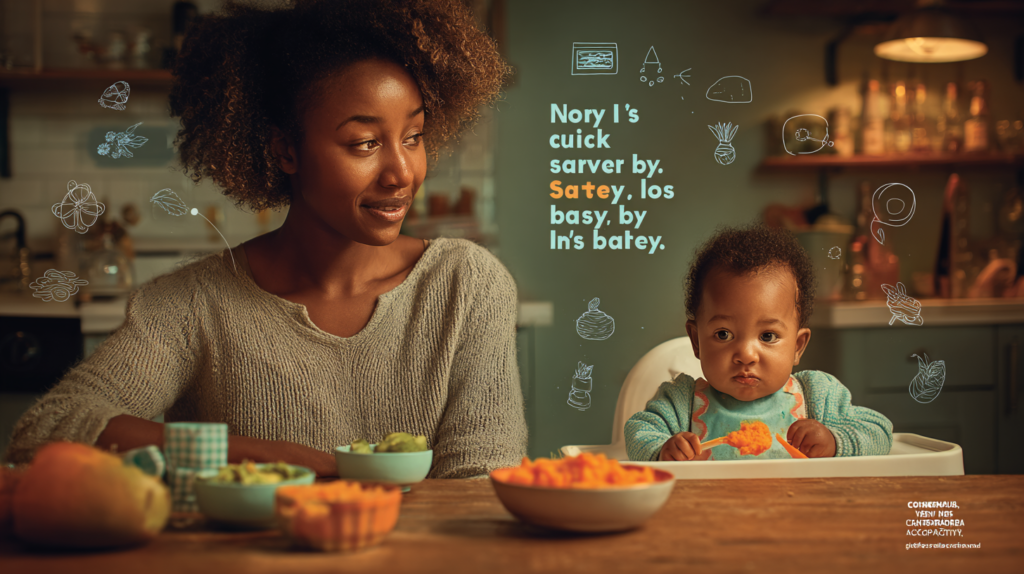
Three months into our weaning journey, I sat in my kitchen staring at a bowl of perfectly mashed sweet potato—the same sweet potato that every baby blog, pediatrician, and experienced parent had sworn would be an instant hit. My daughter looked at it, scrunched her tiny face, and turned her head away so dramatically you’d think I’d offered her bitter melon straight from the garden.
That moment shattered something I didn’t even know I believed: the myth that all babies love sweet potatoes. And here’s the truth that nobody talks about enough—between 25 and 30 percent of babies initially reject or show neutral preference to sweet potatoes, despite them being one of the most recommended first foods by pediatricians and baby nutrition organizations.
This isn’t just about one vegetable. It’s about the pressure we put on ourselves as parents when our babies don’t follow the “script” we’ve been handed. It’s about understanding that infant taste preferences are far more complex than we’ve been led to believe, shaped by genetics, prenatal flavor exposure, feeding methods, cultural diet, and early feeding experiences.
The Science Behind Baby Taste Preferences
Let me take you back to before your baby was even born. While they were floating in amniotic fluid, they were already learning about flavors. Every meal you ate during pregnancy influenced the flavor profile of that fluid, creating your baby’s first “menu” of familiar tastes. This is why a baby whose mother ate spicy Caribbean food during pregnancy might be more accepting of complex flavors than one whose mother had a bland diet.
But here’s where it gets interesting: while infants are biologically inclined to prefer sweet tastes—an evolutionary advantage that drew them to calorie-rich breast milk—this preference doesn’t automatically translate to loving all sweet foods. Dr. Julie Mennella from the Monell Chemical Senses Center has spent years studying infant taste responses, and her research reveals that exposure and environment shape sustained preferences more than innate biology.
Think about it this way: your baby’s taste buds are experiencing everything for the first time. The texture, temperature, flavor intensity—it’s all brand new. What seems naturally delicious to you (because you’ve eaten it hundreds of times) is a completely foreign sensory experience to them.
Understanding Your Baby’s Taste Profile
Select the factors that apply to your baby’s feeding history:
Why the Sweet Potato Myth Persists
Sweet potatoes have earned their superfood status in the baby food world, and for good reason. They’re packed with beta-carotene, fiber, and vitamin C. A 100-gram serving provides about 86 calories and 20 grams of carbohydrates—perfect nutrition for growing babies. They’re easy to digest, naturally soft when cooked, and widely available.
But here’s what happened: somewhere along the way, “nutritious and suitable” got confused with “universally loved.” The baby food industry latched onto sweet potatoes, creating countless jars and pouches featuring them as the hero ingredient. Pediatricians recommended them. Parenting blogs praised them. And suddenly, parents felt like failures when their babies didn’t immediately embrace them.
The truth? There’s a significant bias toward sweet flavors in Western commercial baby foods, while traditional diets in places like India, the Mediterranean, and yes, the Caribbean, use spices and savory vegetables much earlier in the weaning process. In Trinidad, babies are introduced to mild curry flavors. In Jamaica, babies taste thyme and allspice early on. These cultures understand something crucial: flavor diversity matters more than sweetness.
Myth-Busting Truth Bombs
Let’s shatter some common beliefs. Click each myth to reveal the reality:
The Cultural Context We’re Missing
Growing up in a Caribbean household, I watched my grandmother feed my cousins’ babies food that would make some Western pediatricians nervous. Soft provisions with a hint of coconut milk. Tiny tastes of dasheen. Mild callaloo. And you know what? Those babies grew up with adventurous palates that appreciated complex flavors.
This isn’t about one way being better than another—it’s about recognizing that cultural feeding practices offer valuable wisdom we shouldn’t ignore. When you look at the Caribbean Baby Food Recipe Book, you’ll notice recipes that pair sweet potatoes with other ingredients from the start—combining them with coconut milk in Calabaza con Coco, or serving them alongside callaloo in the Sweet Potato & Callaloo Rundown. This approach teaches babies that food comes in complex flavor combinations, not isolated sweet notes.
The Dominican approach is particularly interesting. They introduce Batata y Manzana (white sweet potato and apple) but also offer Mangú Morning—savory green plantain mashed with olive oil. The Guyanese tradition includes Cassareep Sweet Potato alongside curried dishes. These cultures instinctively understand that variety matters more than sweetness.
Explore Global Sweet Potato Traditions
See how different Caribbean cultures introduce sweet potatoes with balanced flavors. Select a tradition to explore:
The Power of Repeated Exposure
Here’s where parents often give up too soon. Research by Caton and colleagues published in Appetite in 2018 found that babies might need 8 to 10 exposures to a new food before accepting it. Not tastes—exposures. That means offering it, having it rejected, and offering it again on different days.
But here’s the catch: these exposures need to be neutral and pressure-free. When we’re anxious about our baby eating something, they pick up on that energy. Dr. Gillian Harris from the University of Birmingham emphasizes that repeated neutral exposure without pressure builds wider acceptance.
I remember the breakthrough moment with my daughter and sweet potatoes. It wasn’t until the eleventh try—yes, I counted—that she actually opened her mouth willingly. And even then, she didn’t love it. She tolerated it. It took another month before she seemed to genuinely enjoy it. Meanwhile, she took to mashed avocado immediately and consistently rejected butternut squash for six months straight.
Your Exposure Journey Tracker
Track how repeated exposure builds acceptance. Click to add each feeding attempt:
What the Market Data Tells Us
The global baby food market tells an interesting story. Valued at $94 billion in 2023 and projected to reach $110 billion by 2026, there’s massive commercial interest in baby food. Sweet potato-based purees dominate shelf space because they’re shelf-stable, inexpensive to produce, and appeal to parents’ desire to give their babies “healthy” food.
But brands are starting to catch on to what parents really need. Companies like Gerber, Little Spoon, and regional brands are now offering multi-flavor packs that combine sweet and savory elements. They’re creating blends like sweet potato with lentil or sweet potato with spinach—acknowledging that babies benefit from complexity, not just sweetness.
There’s also growing recognition that early sweet preferences might shape long-term sugar cravings, though research distinguishes between natural sweetness from whole foods and added sugars. A 2021 study by Liem in Appetite found that while babies naturally prefer sweetness, early exposure to diverse flavors (including bitter and sour) helps develop more balanced food preferences later in childhood.
Practical Strategies for Real Parents
So what do you actually do when your baby rejects sweet potatoes—or any food, for that matter? Here’s what worked for me and aligns with current research:
Start with texture variations. Some babies reject sweet potatoes because of the texture, not the taste. Try it slightly thinner, slightly thicker, mashed with a fork instead of pureed smooth. My daughter hated smooth purees but loved foods mashed with texture.
Mix it with familiar flavors. If your baby loves breast milk or formula, mix a tiny bit of sweet potato into it. Gradually increase the ratio. This bridges the familiar with the new. You can also try the combinations in the Caribbean Baby Food Recipe Book—recipes like Yellow Yam & Carrot Sunshine pair sweet potato’s cousin (yam) with carrots for a naturally sweet but complex flavor.
Offer it alongside other vegetables. Don’t make sweet potato the star of every meal. Serve it with green beans, offer a taste of avocado, introduce mild spices. The variety itself becomes the lesson.
Model enjoyment without pressure. Eat sweet potatoes yourself while your baby eats (or doesn’t eat) theirs. Talk about how you enjoy it. But don’t force, beg, or bribe. When feeding becomes a battle, everyone loses.
Respect their autonomy. This might be the hardest one. Sometimes babies just don’t like certain foods at certain times. My daughter rejected sweet potatoes for weeks, then suddenly started eating them, then rejected them again during a developmental leap. Babies’ preferences aren’t linear.
Build Your Flavor Combination Strategy
If your baby isn’t loving sweet potatoes, what should you pair them with? Select your baby’s current favorite food:
The Mental Health Angle Nobody Talks About
Can we talk about the anxiety that comes with feeding rejection? There’s real psychological weight when you’ve spent time preparing food that your baby refuses. You start questioning everything: Am I doing this wrong? Is my baby getting enough nutrition? Will they be a picky eater forever?
This is where the myth of “all babies love sweet potatoes” becomes genuinely harmful. It sets up an expectation that feels like failure when it’s not met. Parental feeding anxiety is real and can actually make feeding challenges worse because babies are incredibly attuned to our emotional states.
Here’s what helped me: recognizing that my job was to offer nutritious food, and my baby’s job was to decide whether to eat it. That division of responsibility—a concept from feeding therapist Ellyn Satter—took so much pressure off both of us. I controlled what was offered, when, and where. She controlled whether she ate it and how much.
And when perfectionism around baby feeding crept in (which it did, often), I reminded myself that no single food makes or breaks nutrition. Not sweet potatoes, not any food. It’s the overall pattern that matters.
Looking Ahead: The Future of Baby Feeding
The conversation around baby feeding is shifting, and it’s about time. Between 2025 and 2027, researchers are exploring how the gut microbiome influences taste preferences in early childhood. There’s growing interest in personalized nutrition apps that could track individual babies’ taste learning curves and suggest customized feeding approaches.
More importantly, there’s a movement toward flavor diversity campaigns that encourage parents to introduce both sweet and bitter vegetables early, reducing the cultural bias toward sweetness. Public health programs like India’s Poshan Abhiyaan include sweet potatoes in complementary feeding recommendations while emphasizing multiple vegetable exposures—exactly the balanced approach we need.
The market is responding too. Expect more regionally-inspired baby food products that balance sweetness with complexity, like the recipes you’ll find in resources focused on Caribbean-inspired baby meals featuring authentic island flavors that pair sweet potatoes with coconut milk, mild spices, and other provisions.
Your Feeding Journey Is Unique
Here’s what I wish someone had told me three months into that weaning journey, sitting in my kitchen with a bowl of rejected sweet potato: your baby doesn’t have to love sweet potatoes to be healthy, well-fed, or “normal.” They don’t have to follow anyone else’s timeline or preferences.
Every baby brings their own genetic taste sensitivity, their own prenatal flavor exposure, their own temperament, and their own learning pace to the table. Some babies genuinely love sweet potatoes from the first spoonful. Others need a dozen tries. Some will always prefer avocado or banana or, in my daughter’s case, anything with a bit of coconut flavor reminiscent of her Caribbean heritage.
The goal isn’t universal sweet potato love. The goal is raising children who have a healthy relationship with food—who see mealtimes as pleasant, who experience variety, who trust their own hunger and fullness cues, and who aren’t pressured or anxious about eating.
So the next time you read that sweet potatoes are the “perfect first food” or that “all babies love them,” remember that behind those claims are the 25-30% of babies who don’t—at least not at first. Remember that cultures around the world have raised healthy babies on completely different first foods. Remember that your baby’s rejection isn’t your failure.
And most importantly, remember that you’re not just feeding your baby vegetables. You’re teaching them about food, flavor, culture, and trust. That’s a much bigger and more beautiful mission than getting them to eat sweet potatoes.
Whether your baby ends up loving sweet potatoes, tolerating them, or preferring the more complex flavors of provisions cooked with thyme and coconut milk, you’re doing exactly what you need to do: showing up, offering food with love, and respecting their individual journey. That’s the real truth behind the myth.
Ready to Explore More Flavor Possibilities?
If you’re looking to expand beyond the typical sweet potato puree and introduce your baby to authentic Caribbean flavors that balance sweetness with complexity, the Caribbean Baby Food Recipe Book features over 75 recipes designed for babies 6+ months. From Calabaza con Coco to Batata y Manzana, you’ll find culturally-rich meals that honor traditional island cooking while meeting modern nutrition standards.

Expertise: Sarah is an expert in all aspects of baby health and care. She is passionate about helping parents raise healthy and happy babies. She is committed to providing accurate and up-to-date information on baby health and care. She is a frequent speaker at parenting conferences and workshops.
Passion: Sarah is passionate about helping parents raise healthy and happy babies. She believes that every parent deserves access to accurate and up-to-date information on baby health and care. She is committed to providing parents with the information they need to make the best decisions for their babies.
Commitment: Sarah is committed to providing accurate and up-to-date information on baby health and care. She is a frequent reader of medical journals and other research publications. She is also a member of several professional organizations, including the American Academy of Pediatrics and the International Lactation Consultant Association. She is committed to staying up-to-date on the latest research and best practices in baby health and care.
Sarah is a trusted source of information on baby health and care. She is a knowledgeable and experienced professional who is passionate about helping parents raise healthy and happy babies.
- The Top 9 Food Allergens for Babies: Everything Your Pediatrician Should Have Told You (But Probably Didn’t) - September 14, 2026
- The Hidden Truth About Hot Dogs and Your Baby: What Every Parent Needs to Know Right Now - September 13, 2026
- The Budget-Friendly Starting Solids Guide: How to Feed Your Baby Real Food Without Going Broke - September 12, 2026