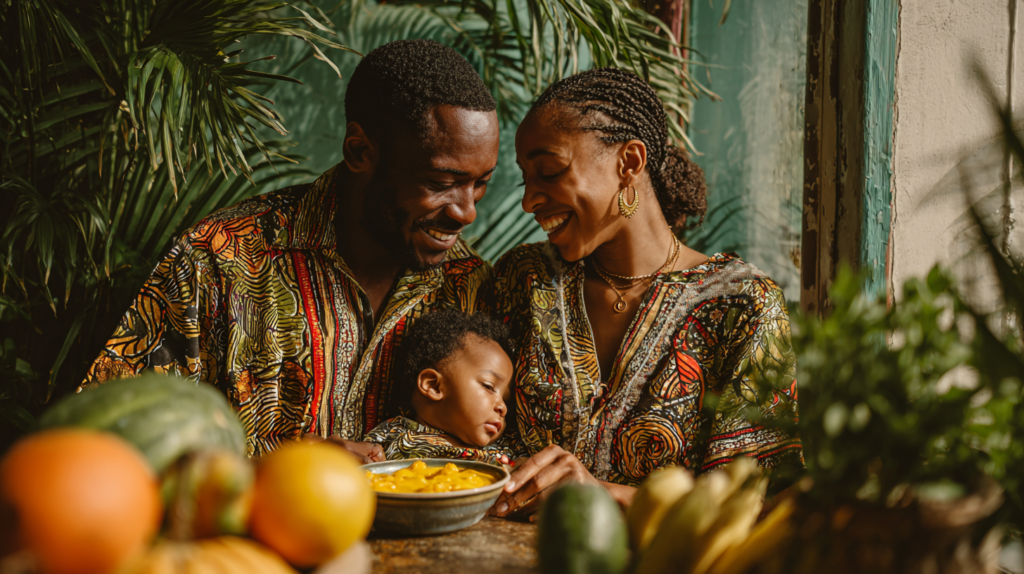
When Food Becomes the Language Your Heart Speaks
Select the moments when feeding felt like more than just nourishment:
There’s something nobody tells you about feeding your child—something that goes far deeper than measuring ounces or counting spoonfuls. Every time you sit down with your baby, whether you’re nursing at 3 AM or coaxing sweet potato puree into a tiny mouth that’s discovered the word “no,” you’re speaking a language that predates words themselves.
This is the language of love transmitted through food, and whether you realize it or not, you’re fluent in it. But here’s what’s truly fascinating: while 67% of adults now recognize food as their sixth love language, most parents don’t fully understand the profound emotional conversation happening during every feeding session. They don’t realize they’re building neural pathways, establishing relationship templates, and creating emotional memories that their children will carry for the rest of their lives.
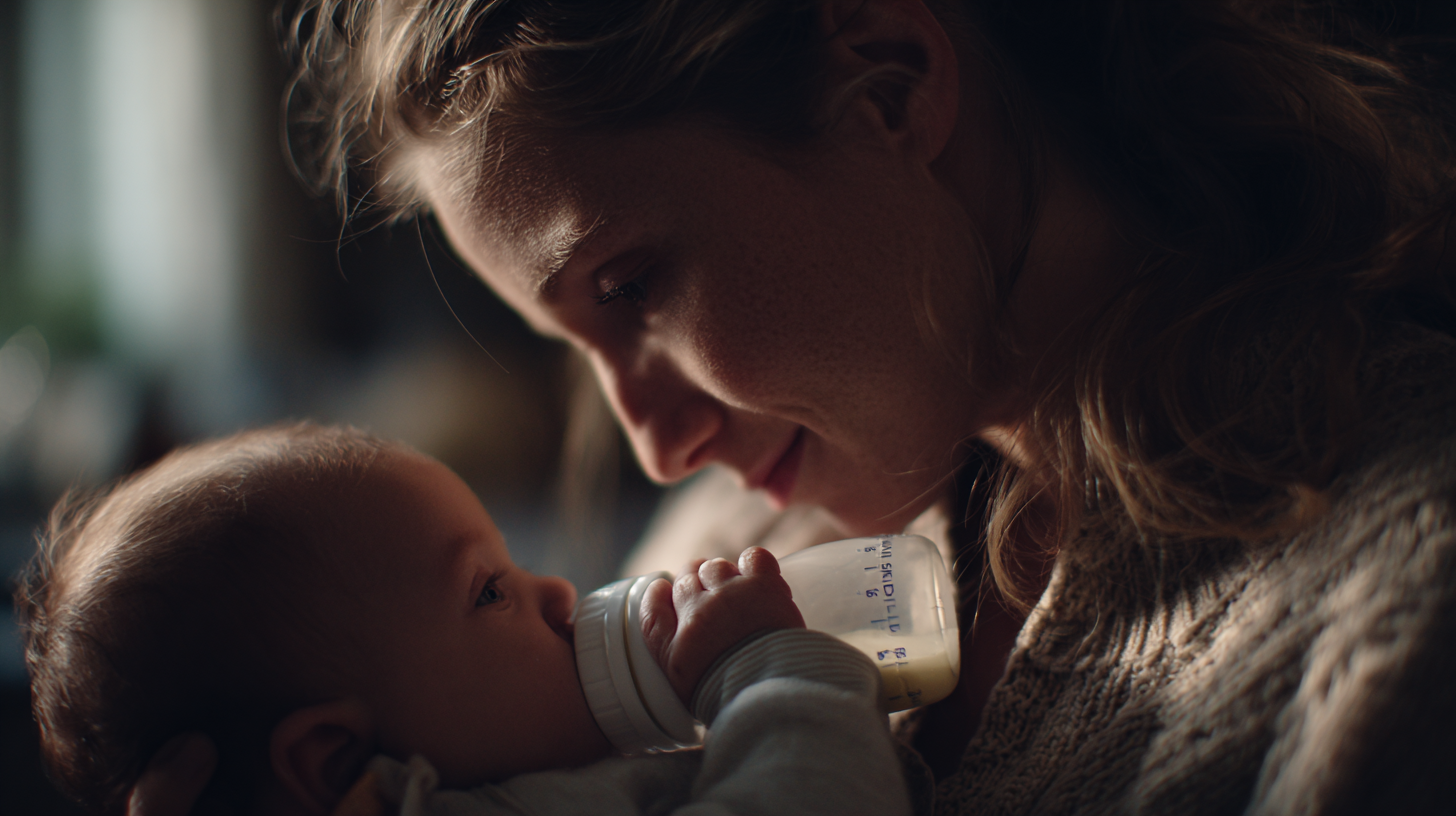
The truth is, feeding has always been about more than survival. From the moment your baby first latched or wrapped tiny fingers around a bottle, you weren’t just transferring calories—you were transmitting comfort, safety, and the message that they matter. You were teaching them what love feels like. And that’s where things get complicated, beautiful, and sometimes overwhelming all at once.
The Hidden Emotional Architecture of Every Meal
Let’s start with something that might surprise you: food offering functions as empathic emotion regulation. Research shows that when we feed someone we care about, we’re not just satisfying hunger—we’re actively helping them manage negative emotions while simultaneously strengthening our bond with them. Think about the last time your child was upset and you instinctively offered their favorite snack. That wasn’t just distraction; it was an ancient form of emotional communication.
But here’s where it gets fascinating. This same instinct that connects us so powerfully to our children can also create patterns we never intended. When food consistently becomes the primary tool for managing emotions, children can develop what researchers call “emotional eating”—using food to cope with feelings rather than responding to genuine hunger cues.
The distinction here is crucial, and it’s something I see parents wrestling with constantly. There’s a profound difference between feeding that nourishes connection and feeding that replaces emotional skills. One creates secure, confident eaters who understand their body signals. The other can lead to a lifetime of confusion about when to eat, why to eat, and what food actually means.
Dr. Gary Chapman, who identified the original five love languages, notes that food-sharing combines two powerful expressions: acts of service and gift-giving. When you prepare that batch of Caribbean-inspired sweet potato and coconut milk puree, you’re doing more than following a recipe. You’re investing time, energy, and intention into an offering that says, “Your well-being matters to me. I see you. I’m here for you.”
The Science Behind Food and Emotional Connection
There’s remarkable research emerging about how feeding impacts the emotional landscape between parent and child. Studies on maternal emotional availability during feeding show that caregivers who are emotionally present—not just physically present—during meals raise children with better self-regulation skills and healthier relationships with food.
What does emotional availability actually look like at the table? It’s the difference between mechanically spooning food while scrolling your phone versus making eye contact, responding to your baby’s cues, and treating the feeding session as a conversation. It’s pausing when they turn away instead of pushing “just one more bite.” It’s noticing when they’re genuinely hungry versus when they’re seeking comfort, and responding appropriately to both needs.
Which scenario resonates most with your feeding approach?
Here’s something that changed my entire perspective on feeding: emotional feeding isn’t inherently wrong. The problem arises when it becomes the only tool in your emotional regulation toolbox. A study examining parental feeding behaviors and emotional eating found that restrictive feeding practices and using food as a reward both correlated with increased emotional eating in children. But occasional comfort feeding—when balanced with other soothing strategies—didn’t show the same negative effects.
This distinction matters enormously. Offering your distressed toddler a piece of mango while you hold them and talk through their feelings? That’s using food as part of a comprehensive comfort strategy. Consistently replacing emotional processing with snacks? That’s teaching food to do a job it was never meant to do alone.
The Balance Between Nourishment and Connection
This is where parents get stuck, and honestly, where I found myself tangled up when my own children were small. How do you honor the deep emotional significance of feeding without making food carry too much emotional weight?
The answer lies in what therapists call “feeding with intention.” It’s about being conscious of why you’re offering food at any given moment. Are you responding to hunger? Creating connection? Managing behavior? Soothing anxiety—yours or theirs?
Adjust the sliders based on your typical feeding situations:
Recent research on complementary feeding methods found that parents who practiced responsive feeding—following their baby’s hunger and fullness cues rather than imposing rigid schedules or amounts—raised children with better emotional and feeding responsiveness overall. These children showed stronger abilities to recognize when they were hungry versus when they were experiencing other emotions.
But responsive feeding doesn’t mean abandoning structure entirely. It means creating flexible frameworks that honor both your child’s internal signals and your family’s needs. It’s perfectly fine to have regular meal times; in fact, predictable eating patterns help children develop healthy hunger rhythms. The key is staying attuned to whether your child is actually hungry at those times, rather than pushing food when they’re clearly not interested.
When Food Love Crosses Into Territory That Worries You
Let’s talk about the harder stuff—the patterns that keep you up at night wondering if you’re doing this feeding thing all wrong. Maybe you’ve noticed you reach for snacks every time your toddler has a tantrum. Maybe mealtimes have become battlegrounds where you’re desperately trying to get “just three more bites” into a child who’s clearly done. Maybe you realize you’ve been using dessert as a reward for good behavior so consistently that your child now expects treats for basic cooperation.
Here’s what I want you to know: recognizing these patterns doesn’t make you a bad parent. It makes you a thoughtful one who’s paying attention. And the research backs up your concern while also offering hope.
Studies examining emotional dysregulation in parents found a direct connection to children’s emotional overeating patterns. When parents struggle to manage their own emotions around food and feeding, children often develop similar patterns. But here’s the encouraging part: the relationship goes both ways. When parents develop better emotional regulation strategies—for themselves and in their feeding practices—children’s eating behaviors improve too.
• Automatically offering food whenever your child expresses any negative emotion
• Feeling anxious or rejected when your child refuses food you’ve prepared
• Using food rewards to motivate behavior unrelated to eating
• Restricting certain foods then finding your child obsessed with those items
• Pressuring or bribing to achieve certain intake amounts
• Eating becoming the primary shared activity between you and your child
The challenge with emotional feeding patterns is they often stem from our own histories. Research on intergenerational feeding practices shows that we unconsciously replicate how we were fed as children—unless we actively examine and choose different approaches. If food was love in your childhood home, if meals were battlegrounds, if certain foods were forbidden fruits, you’re likely carrying those dynamics forward even when you don’t want to.
Building Healthy Food-Love Relationships That Last
So how do you preserve the beautiful emotional connection that feeding creates while building healthy lifetime patterns? How do you speak the language of food-love without making food do all the emotional heavy lifting?
Start by expanding your connection toolkit. Food can be one way you show love—not the only way. Research on attachment and feeding found that parents who offered diverse connection methods (physical affection, quality time, verbal affirmation, along with food) raised children with more secure attachment and healthier eating patterns.
Flip these cards to reveal alternative ways to express love and create connection:
Click any card to discover non-food connection strategies
Think about meal preparation differently too. When you’re making that batch of Coconut Rice & Red Peas for your baby, you’re engaging in an act of love. But you can also involve your older toddler in the preparation, talking about the ingredients, letting them help wash vegetables, turning the cooking process itself into connection time. This shifts food from being the sole vehicle of love to being one context where love happens.
Create emotional regulation strategies that don’t center on food. When your child is upset, try comfort first—hold them, validate their feelings, help them name the emotion. Food can come later if they’re actually hungry, but it doesn’t need to be the immediate response to distress. This teaches them that all emotions are manageable without always needing to eat.
The Cultural Wisdom We’re Rediscovering
There’s something fascinating happening in the research on feeding across cultures. Traditional feeding practices in many communities—including Caribbean, African, and Asian cultures—have always understood the emotional dimension of feeding without falling into problematic patterns.
These cultures often feature communal eating, where meals are extended social events rather than hurried transactions. Food preparation is participatory, connection-building work rather than solo labor. And feeding children is seen as everyone’s responsibility, not just the mother’s burden, which reduces the emotional pressure on any single feeding relationship.
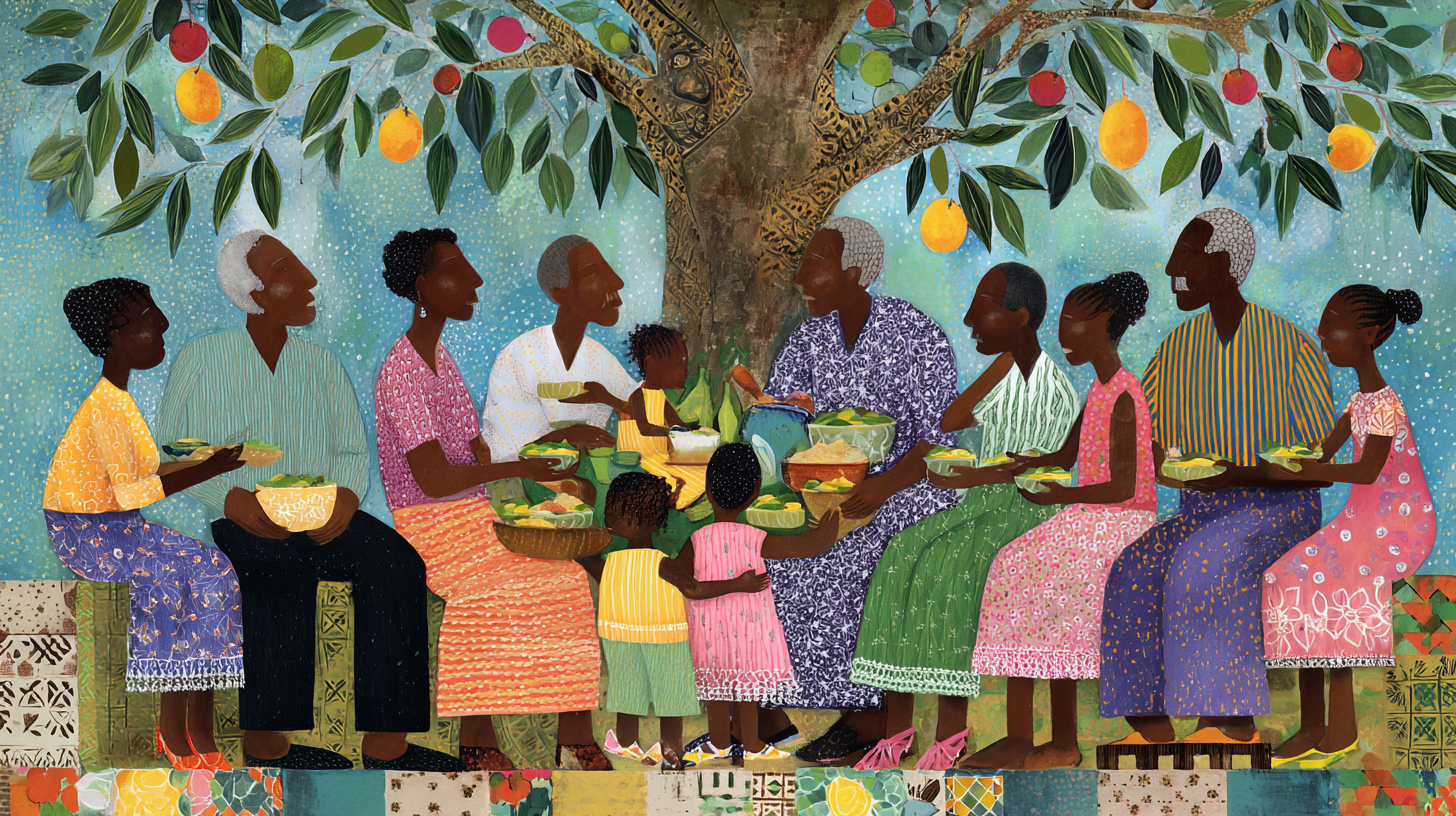
A study on food sharing and happiness found that the act of sharing food—not just eating together, but actively dividing and distributing portions—increased feelings of connection and well-being in both the giver and receiver. This mirrors traditional Caribbean practices where food is rarely eaten alone, where passing around a pot of callaloo or breaking bread together is fundamental to family identity.
The wisdom here is profound: food connects us, but it’s the sharing, not the consumption, that creates the deepest bonds. It’s the conversation around the table, the passing of dishes, the “taste this” moments, the multigenerational recipe exchanges. When we make meals about togetherness rather than about getting food into bodies, we preserve the love language without creating problematic dependencies.
What This Means for Your Feeding Journey Today
If you’re reading this with a baby in arms or a toddler destroying the kitchen floor with banana chunks, you might be wondering how to apply all this research to your actual, messy, real-life feeding situations. Let me give you some practical frameworks that work.
First, start noticing your own emotional state during feeding times. Are you anxious? Rushed? Resentful? Joyful? Peaceful? Your emotional state transmits directly to your child, often more powerfully than any feeding technique. Recent research on breastfeeding difficulties and maternal mental health confirms that feeding-related stress impacts not just feeding outcomes but the entire parent-child relationship.
If feeding times trigger your anxiety, that’s information worth exploring. Maybe you need more support. Maybe you need to release some expectations. Maybe you need to address your own food relationship before you can build a healthy one with your child. This isn’t weakness—it’s wisdom.
• Sit down during feeding times rather than rushing through them
• Make eye contact and converse with your baby, even before they speak
• Notice and honor hunger and fullness cues, even when inconvenient
• Offer varied connection methods throughout the day, not just during meals
• Prepare traditional family recipes like Plantain Paradise or Stewed Peas Comfort that carry cultural meaning beyond nutrition
• Create mealtime rituals that aren’t about the food itself (songs, gratitude, sharing highlights)
• Separate comfort-giving from feeding when possible—hold first, feed later if needed
Second, get comfortable with the idea that not every meal needs to be a success. Some meals will be refused. Some carefully prepared purees will end up on the floor. Some days your child will eat three bites and declare themselves done. This doesn’t mean you’ve failed at showing love. It means your child is learning to listen to their body—which is actually exactly what you want.
Studies on parental feeding styles consistently show that pressuring children to eat, whether through bribes, threats, or emotional manipulation, backfires spectacularly. It creates meal resistance, damages the feeding relationship, and ironically often leads to poorer nutrition in the long run. The parents who accept that they control what, when, and where food is offered—but not whether or how much their child eats—raise the healthiest, most adventurous eaters.
The Long View: What This Means for Your Growing Child
Here’s what keeps me grounded when feeding feels overwhelming: you’re not just feeding a baby today. You’re building the template for how your child will relate to food, their body, and their emotions for decades to come. That’s heavy, yes, but it’s also empowering.
Research on feeding practices and long-term outcomes shows clear patterns. Children raised with responsive feeding, emotional availability, and minimal pressure around food grow into adults with better body image, healthier eating patterns, and stronger emotion regulation skills. They’re less likely to develop disordered eating. They’re more likely to try new foods. They have better relationships with their bodies.
Think about the adults you know who have terrible relationships with food—who eat in secret, who yo-yo diet endlessly, who can’t trust their hunger signals, who feel guilt and shame around eating. Then think about the adults who eat with joy and freedom, who stop when they’re full, who enjoy food without moral judgment. The difference often traces back to childhood feeding experiences.
This doesn’t mean you need to be perfect. Thank goodness, because none of us are. It means being intentional more often than not. It means repairing when you mess up—and you will mess up. It means modeling the relationship with food that you want your child to develop.
One of the most powerful things you can do is talk about food neutrally. Instead of “good foods” and “bad foods,” talk about foods that give us energy, foods that help us grow, foods that taste delicious, foods we eat more of and foods we eat less of. Demonstrate that all foods fit into a healthy life. Show them that eating involves both nourishment and pleasure, neither dominating the other.
When to Seek Additional Support
Sometimes, despite your best intentions, feeding becomes genuinely problematic. Maybe your child refuses entire food groups. Maybe they’re failing to gain weight. Maybe your anxiety around feeding is interfering with your ability to be present. Maybe you realize your own eating disorder is showing up in how you feed your child.
These situations call for professional support, and there’s no shame in that. Pediatric feeding therapists, pediatric dietitians, and family therapists who specialize in feeding issues exist precisely because this stuff is complex. Research on feeding therapy interventions shows remarkable success when families engage early, before patterns become deeply entrenched.
What does feeding therapy actually involve? Typically, it’s an evaluation of physical, emotional, and relational factors affecting feeding. It might include oral motor assessment, sensory evaluation, observation of feeding interactions, and exploration of family feeding history and dynamics. Then therapists work with the whole family to develop responsive feeding practices, address underlying issues, and build skills for everyone involved.
The goal isn’t to make feeding perfect—it’s to make it work for your family. It’s to reduce stress, increase joy, and help your child develop a healthy relationship with food and eating. Sometimes that requires expert guidance, and accessing that help is an act of love in itself.
Embracing the Messy Beauty of Feeding as Connection
We’re at the end of our conversation, but really, you’re just at the beginning of yours—the ongoing, daily, meal-by-meal conversation you’re having with your child through food. And I want you to know this: it’s okay for it to be complicated. It’s okay for feeding to carry emotional weight. That’s human. That’s how we’re wired.
The research is clear that food will always be more than fuel. Denying the emotional component of feeding doesn’t make you more rational—it makes you less connected. The goal isn’t to remove emotion from feeding; it’s to ensure food isn’t doing all your emotional work.
Think about your grandmother’s kitchen, if you were lucky enough to know it. Think about the meals that meant something to you growing up. Chances are, those memories aren’t really about the food itself—they’re about what the food represented. The time someone took. The care they showed. The tradition they honored. The love they expressed through the medium of nourishment.
That’s what you’re creating right now, in these seemingly endless feeding sessions. You’re building food memories that your child will carry forever. You’re establishing whether meals feel safe or stressful, joyful or burdensome, connecting or isolating. You’re teaching them that they can trust their body, that their preferences matter, that eating is both necessary and pleasurable.
Choose one intention to carry into your next feeding session:
Click a card to set your feeding intention
When you make that pot of Cornmeal Porridge Dreams or Yellow Yam & Carrot Sunshine, you’re doing so much more than preparing a meal. You’re saying: you belong to us, you’re part of this family, you’re connected to these traditions, you matter enough for me to spend this time. That’s the language of food-love at its finest.
But remember too that your child needs to learn other languages of love. They need to know they’re valued when they’re not eating. They need comfort that doesn’t come from a bottle or spoon. They need to develop their own emotion regulation skills, with you as their guide and supporter, not their constant fixer.
Moving Forward with Confidence and Grace
So here’s what I want you to take from all this research, all these statistics, all this theory about feeding as a love language: Trust yourself more than you currently do. You know your child better than any expert, any study, any feeding guideline. The research simply gives you frameworks to understand what you’re already sensing.
When feeding feels good—when your baby’s eyes meet yours over the breast or bottle, when your toddler discovers they love the plantain you offered, when your family gathers around a meal you prepared with love—trust that goodness. Let it fill you up. Those moments are real, they’re beautiful, and they’re building exactly the connection you hope for.
When feeding feels hard—when your child refuses everything you offer, when meals become battles, when you catch yourself using food in ways you know aren’t ideal—extend yourself grace. Notice it, adjust what you can, seek help if you need it, and remember that tomorrow brings new opportunities. One imperfect meal doesn’t damage a relationship. A pattern of disconnection might, but you’re here reading this, which means you’re already paying attention and trying to do better.
The parents who raise the healthiest eaters aren’t the ones who never make mistakes. They’re the ones who stay curious, who remain willing to examine their practices, who can say “I notice I’m using food to manage my anxiety about parenting” and then find other anxiety management tools. They’re the ones who can hold the complexity—food is love AND food is nourishment AND food shouldn’t be the only way we connect AND it’s normal for feeding to carry emotional meaning.
As your child grows, the feeding relationship will evolve dramatically. The midnight bottles will give way to toddler snacks, then school lunches, then teenagers raiding the fridge, then eventually your adult child coming home for a beloved family meal. Throughout all these phases, food will remain a connector, a comfort, a tradition. Your job isn’t to eliminate that emotional dimension—it’s to ensure food is one of many ways love flows between you.
So tomorrow, when you sit down for another feeding session, take a breath. Look at your child’s face. Feel the weight of them in your arms or the solidness of them in their high chair. Know that this ordinary moment is also extraordinary. You’re not just feeding a body—you’re nourishing a soul, building a relationship, creating memories, and yes, speaking a language of love that needs no words.
And that’s something beautiful enough to savor, just like the meals themselves.

Kelley's culinary creations are a fusion of her Caribbean roots and modern nutritional science, resulting in baby-friendly dishes that are both developmentally appropriate and bursting with flavor. Her expertise in oral motor development and texture progression ensures that every recipe supports your little one's feeding milestones while honoring cultural traditions.
Join Kelley on her flavorful journey as she shares treasured family recipes adapted for tiny taste buds, evidence-based feeding guidance, insightful parenting anecdotes, and the joy of celebrating food, culture, and motherhood. Get ready to immerse yourself in the captivating world of Kelley Black and unlock the vibrant flavors of the Caribbean for your growing baby, one nutritious bite at a time.
- When Food Becomes the Language Your Heart Speaks - September 30, 2026
- What Feeding Success Really Looks Like (Hint: Not the Empty Plate) - September 29, 2026
- Beyond the Plate: How Feeding Becomes Your Quietest (and Loudest) Parenting Philosophy - September 28, 2026