Cultural Feeding Practices: A Caribbean Parent’s Guide to Flavorful First Bites
Select the words that feel most like you right now, then see your “flavor identity” and what to watch out for.
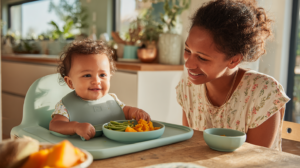
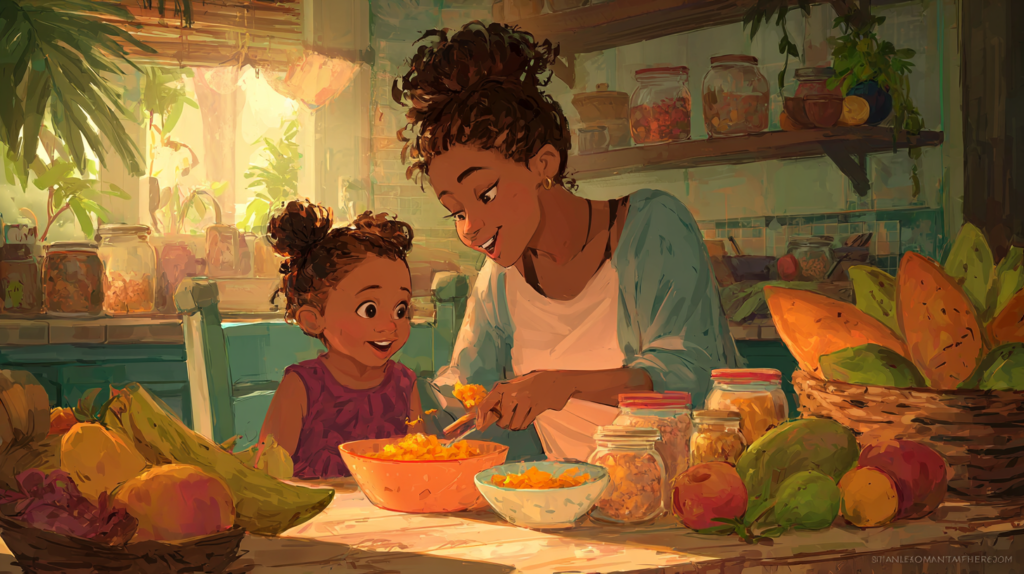
Bringing your baby to the family table in a Caribbean home is more than a feeding milestone—it is an initiation into history, migration, struggle, and joy served on a plate. The steam from a pot of callaloo or coconut rice and peas carries stories from Amerindian, African, Indian, European, and Asian roots, and each tiny spoonful you offer is a vote for the kind of food story your child will inherit.
When my first child reached six months, I remember staring at a bowl of plain baby rice cereal and thinking, “There is no way this is the only option.” That night, I mashed ripe plantain with a little coconut milk and a whisper of fresh thyme, and watched my baby’s eyes widen in slow-motion delight. That moment convinced me that Caribbean babies deserve more than bland beige food—they deserve a safe, evidence-informed journey into the flavors that make our region unique.
Why Caribbean flavors matter for your baby’s future
Around the world, public health experts are sounding the alarm that childhood obesity and diet-related diseases are rising fast, and the Caribbean is no exception. At the same time, too many young children still face undernutrition, anemia, and micronutrient deficiencies—this “double burden” means our babies can be both undernourished and at risk of obesity over the course of childhood, depending on what they’re fed and what’s available in their communities.
The first two years of life are a nutritional “window” where tastes and habits are remarkably malleable. Research on complementary feeding shows that these early months are when babies learn which flavors are familiar and safe, and repeated exposure to vegetables, legumes, and herbs increases the chances they will gladly eat them later. Caribbean staples like sweet potato, plantain, pumpkin (calabaza), dasheen, callaloo, pigeon peas, red beans, cornmeal, mango, and soursop can provide the nutrient density, fiber, and variety that global guidelines recommend when introduced in baby-safe ways.
At the same time, regional studies highlight that many infants and toddlers are getting sweetened drinks, salty snacks, and ultra-processed foods shockingly early. When a juice box or snack pack becomes the “treat” from babyhood, the palate shifts away from the natural sweetness of mango or roasted pumpkin and toward a constant craving for sugar and salt. The core mission of this guide is to help you flip that script, using traditional Caribbean foods as a protective force instead of letting modern ultra-processed foods hijack your baby’s future health.
When to start: science, signs, and Caribbean realities
Health authorities recommend exclusive breastfeeding for about the first six months of life, followed by continued breastfeeding alongside solid foods up to two years and beyond. Complementary foods are not meant to replace breastmilk at six months but to gradually share the job of fueling growth, brain development, and immunity. Whether your baby is breastfed, formula-fed, or a mix, the principles of introducing solid foods and Caribbean flavors are the same: follow readiness cues, protect safety, and focus on nutrient-dense options.
The decision to start solids can feel more complicated in the Caribbean, where family members may urge early porridge, tea, or “soup water,” and where food insecurity pushes caregivers toward cheaper, calorie-dense options. Yet studies from the wider Latin American and Caribbean region show that early introduction of sugary drinks and low-diversity diets is linked to higher risks of overweight and micronutrient gaps later. Holding the line on readiness and quality of first foods is one of the most powerful things you can do, even when family expectations or economic realities feel heavy.
Tap each sign that your baby already shows. You’ll get a personalized readiness snapshot.
If several of those signs are present and your baby is around six months old, you are probably standing right at the doorway to the world of first bites. If only one or two are present, there is no rush—the nutrition your baby gets from breastmilk or formula is still doing the heavy lifting, and you can spend the extra weeks planning what those first Caribbean-inspired meals will look like. Remember, this is not about hitting an exact age on the calendar; it is about meeting the intersection between developmental readiness and cultural intention.
The Caribbean baby food advantage: what research says
Regional nutrition reports paint a paradoxical picture: while childhood stunting has declined in many Caribbean countries, early-life overweight and obesity are creeping upward, largely driven by the infiltration of ultra-processed foods and sweetened drinks into everyday diets. At the level of infants and toddlers, studies of young children’s diets in Latin America and the Caribbean show that many are not meeting minimum dietary diversity or meal frequency, but are already consuming sugary beverages and commercial snacks.
Against this backdrop, researchers and international agencies are urging a return to minimally processed local foods, with particular emphasis on vegetables, legumes, fruits, and traditional staples. Food-based dietary guidelines for infants in the region increasingly highlight dishes like porridges made from cornmeal or millet, mashed root vegetables, beans and peas, green leafy vegetables, and tropical fruits, all prepared with little or no added salt or sugar. The Caribbean’s culinary heritage actually gives us an advantage: if we lean on our traditional ingredients and adapt them intelligently for babies, we naturally move closer to the patterns these guidelines recommend.
For example, callaloo-based dishes deliver iron, folate, vitamin A, and fiber; red peas, pigeon peas, and black beans contribute protein, fiber, and slow-release carbohydrates; and foods like dasheen, eddoes, yam, sweet potato, and plantain help build energy-dense, nutrient-rich meals. The key is not whether these foods are “Caribbean enough,” but whether we are preparing baby-friendly versions that respect both our cultural roots and modern evidence on infant nutrition and flavor learning.
From bland to bold: understanding how babies learn flavor
Research on flavor learning in infancy shows that babies are wired to be adventurous eaters when given the chance. They can detect and remember flavors from the womb and through breastmilk, including herbs and spices the mother eats. During the complementary feeding period, repeated exposure to vegetables, legumes, herbs, and family dishes (in safe textures) can increase acceptance of those foods and reduce the battle of “picky eating” later on.
One of the most surprising findings from flavor research is that babies do not naturally prefer bitter or savory flavors at first, but they can learn to love them with repeated, low-pressure exposure. That means you do not have to “hide” callaloo, pumpkin, or lentils in fruit purées forever. You can introduce them in gentle combinations and gradually reduce the sweetness over time, letting herbs like thyme, scallion, and parsley carry more of the flavor load.
Slide to estimate how many times a week your baby or toddler has packaged snacks, sweetened drinks, or fast food. You’ll get a tailored nudge.
For families rooted in Caribbean food, flavor learning is less about whether to introduce herbs and more about how to do it safely and progressively. Instead of thinking “no seasoning,” think “no added salt, sugar, or heavy heat,” while allowing gentle amounts of aromatic herbs and certain spices to appear in your baby’s food once solids are established. The goal is not to make your baby’s bowl taste identical to an adult’s curry or stew, but to share the same flavor family in a softer, safer format.
A gentle Caribbean flavor ladder for babies
One practical way to approach this is to think in terms of a “flavor ladder”—starting with very simple, naturally sweet or mild foods and gradually layering in more complexity as your baby gains experience. This respects both developmental readiness and cultural authenticity, and it helps you avoid the common extremes of either painfully bland food or over-seasoned mini-adult plates.
Tap the step that matches where you are right now to get a progression idea.
Your pantry and your baby’s age will shape how you climb this ladder, but Caribbean-focused resources can make it easier. For example, recipes like Calabaza con Coco (pumpkin with coconut milk), Stewed Peas Comfort, Coconut Rice & Red Peas, Green Papaya Pleasure, Mangú Morning, or Plantain Paradise from a Caribbean baby-friendly recipe collection give you ready-made combinations that respect both flavor and safety. You do not need to reinvent every dish; you just need clear age guidance and texture cues.
If you want step-by-step, age-by-age recipes built around these very ingredients, you can explore the Caribbean Baby Food Recipe Book: Easy & Healthy Homemade Meals for Infants & Toddlers, which organizes over 75 recipes by age, ingredient, and cultural origin so you are never guessing what to serve next.
Practical first meals: turning research into bowls and spoons
Global complementary feeding guidance emphasizes three pillars: diversity, frequency, and nutrient density. For a Caribbean baby, that can translate into a weekly rotation that includes root vegetables, legumes, green vegetables, and fruits, with iron-rich options and healthy fats appearing often. You are not just feeding for fullness; you are feeding for iron stores, brain development, immune resilience, and taste training.
Here are some research-aligned, culturally grounded ideas inspired by the index of Caribbean baby recipes:
- Single-ingredient starters (6+ months): Sweet Potato purée, Pumpkin mash, Malanga Blanca purée, Ripe Plantain mash, Green Papaya Pleasure in a smooth texture, or Guanabana Dreams (soursop-based purée) for a fruity option.
- Simple blends (6–8+ months): Papaya & Banana Sunshine, Batata y Manzana (white sweet potato & apple), Zaboca (avocado) and Green Fig Blend, Calabaza con Coco (pumpkin with coconut milk), or Cook-Up Rice & Beans Smooth with thoroughly mashed legumes.
- Protein-forward bowls (8–12+ months): Basic Mixed Dhal purée, Stewed Peas Comfort, Mayi ak Gwomanje (cornmeal with pigeon peas, smoothly mashed), Papilla de Arroz con Frijoles Negros, or Guyanese Fish & Potato for older infants with good chewing skills.
- Family-style adaptations (12+ months, depending on chewing and allergy history): Fricase de Pollo purée, Pastelón-style sweet plantain and beef pieces, Geera Pumpkin purée with very mild spice, or tender bits from Cook-Up Rice & Beans and Mangú Morning breakfasts.
These dishes mirror what experts consider ideal complementary foods: they combine high-quality carbohydrates, fiber, protein, and micronutrients while allowing you to weave in cultural ingredients like plantain, malanga, millet (pitimi), coconut milk, and local greens. The trick is to control texture, remove bones and skins, and avoid added salt, sugar, bouillon cubes, and intense pepper heat until your child is much older.
If you’d like more done-for-you combinations that move from purees to “family pot” adaptations, the Caribbean Baby Food Recipe Book: Easy & Healthy Homemade Meals for Infants & Toddlers pulls together recipes like Sweet Potato & Callaloo Rundown, Cornmeal Porridge Dreams, Ti Pitimi Dous (sweet millet cereal), Yaroa Baby, Yaniqueque Baby, and more, all written with baby ages and textures in mind.
Spices and herbs: what’s safe, what to skip (for now)
One of the biggest myths new Caribbean parents hear is that babies must eat completely bland food for the first year. Modern infant feeding research does not support that idea. While it is important to avoid added salt, sugar, and extremely hot spices early on, mild aromatic herbs and certain spice notes can be safely introduced in tiny amounts once your baby tolerates plain versions of a food.
In practice, that means you can lightly simmer pumpkin with a piece of thyme, sauté callaloo in a touch of oil with garlic and onion before blending for your baby, or swirl a hint of cinnamon into a millet or cornmeal porridge as long as the overall dish remains low in sugar and salt. The focus is on exposing your baby to the smell and subtle taste of the herbs, not replicating adult intensity. Harsh heat from Scotch bonnet, heavy curry blends, and pickled condiments like full-strength pikliz should wait until your child is older and your pediatric provider gives the green light.
Your comfort level matters here too. If you rarely cook with herbs and spices yourself, your first step might be as simple as adding one sprig of thyme to a pot of pumpkin or sweet potato you are already making. If your kitchen always smells like sautéed garlic, scallion, and thyme, your work is to separate a baby portion before salting or adding pepper, and to keep oil and frying to a minimum for little tummies.
Common challenges and quiet controversies
Anyone who has tried to navigate infant feeding advice in a Caribbean family knows there are strong opinions at every turn. Some relatives insist babies should have thick cornmeal porridge in a bottle long before six months; others are adamant that seasoning is “too strong.” Meanwhile, public health campaigns focus on breastfeeding, reducing sugar-sweetened beverages, and curbing the marketing of ultra-processed foods, yet do not always offer concrete, culturally specific examples of what to cook instead.
On top of this, many families face real food insecurity and time pressure. It is cheaper and faster in some settings to buy biscuits, sweetened teas, or instant noodles than to prepare fresh callaloo, beans, or green banana mash. Caregivers working long shifts may rely on grandparents who learned to feed babies in a different era, where undernutrition was the primary fear and any extra calories felt like protection. Today’s reality is different, and the hidden risk is that everyday ultra-processed “helpers” nudge even very young children toward lifelong struggles with weight and metabolic health.
There is also a quiet controversy around “Western” feeding trends versus local wisdom. Some parents feel pressure to follow baby-led weaning images from abroad, featuring avocado toast strips and berries that do not match what is affordable or familiar in their context. Others are told that Caribbean foods like yam, dasheen, or callaloo are “too heavy” or “too old-fashioned” for babies. The research says otherwise: when safely prepared, these foods can be powerhouses of the balanced, high-fiber, lower-sugar pattern that global guidelines promote.
Expert insights, social media noise, and how to filter both
Nutrition experts in the region consistently emphasize three themes: protect breastfeeding when possible, delay ultra-processed foods and sugary drinks as long as you can, and lean heavily on minimally processed local staples. Policy reviews and regional analyses show that countries working on front-of-pack labels, marketing restrictions, and school-feeding reforms are doing so precisely because ultra-processed foods are undermining traditional dietary strengths.
At the same time, food-based dietary guidelines for infants and young children are starting to explicitly mention local dishes and ingredients—things like millet porridges, rice and beans, mashed root vegetables, and leafy greens. This is a powerful signal that Caribbean feeding practices do not need to mimic imported baby food jars. Instead, they can center recipes like Amerindian Farine Cereal, Mayi ak Gwomanje, Green Papaya Pleasure, or Stewed Peas Comfort, all of which appear in modern Caribbean baby-focused recipe collections.
Social media adds another layer. On one side, there is a wave of creators proudly sharing Caribbean-inspired baby meals—pureed callaloo with coconut, plantain and guava blends, gentle versions of cook-up rice, or cucumber-based purées flavored with herbs. On the other side, there is a flood of “easy baby snack” content that rebrands ultra-processed foods as convenient toddler essentials. The question is not whether to follow experts or influencers, but how to filter both through a simple lens: does this align with what is known about early flavor learning, nutrient density, and the risks of heavy ultra-processed food intake in childhood?
Weaving in culture: storytelling, family meals, and recipe shortcuts
Beyond nutrients and guidelines, there is a powerful emotional layer to introducing Caribbean flavors to your baby. Each time you mash Mangú Morning (plantain breakfast) for your little one, or share a softened spoonful of Coconut Rice & Red Peas from the family pot, you are telling them, “This is what home tastes like.” Food memories form long before children can describe them, and the comfort they associate with the smell of sautéed garlic and thyme or the sweetness of ripe mango can become a protective anchor in a food environment that constantly pushes them toward packaged snacks.
For busy parents, the gap is often not inspiration but execution. This is where structured recipe resources tailored to Caribbean babies are invaluable. A well-organized recipe book can show you exactly which dishes are appropriate for 6+ months (like Plantain Paradise or simple root vegetable purées), which fit best at 8+ months (like Yaroa Baby or Green Papaya Pleasure), and which are better for 12+ months (like Pastelón-style dishes or Fricase de Pollo purée). It can also walk you through spice journeys month-by-month and offer clear food safety guidelines, from texture and choking risks to storage and freezing.
If you want to move from “ideas” to a concrete feeding routine built around Caribbean ingredients, consider using a resource like the Caribbean Baby Food Recipe Book: Easy & Healthy Homemade Meals for Infants & Toddlers, which is specifically designed to help you rotate recipes like Cornmeal Porridge Dreams, Sweet Potato & Callaloo Rundown, Ti Pitimi Dous, Calabaza con Coco, Mangú Morning, and more without having to do all the planning yourself.
Your next right step: designing your baby’s Caribbean flavor story
By now, you have seen how deeply the first few bites can shape your baby’s relationship with food, health, and culture. You know that Caribbean staples are not a nutritional liability—they are an asset when prepared thoughtfully. You have also seen the hidden forces working against you: ultra-processed foods marketed as convenient, well-intentioned relatives pushing early sweet drinks or heavy salt, and online trends that ignore local realities. The good news is that you do not need to fix everything at once. You only need to decide what the next small step looks like in your kitchen.
Maybe that next step is as small as separating a salt-free, pepper-free portion of Stewed Peas Comfort before seasoning the family pot. Maybe it is bookmarking a handful of baby-safe recipes that use ingredients you already buy—sweet potato, plantain, callaloo, yam, cornmeal, pigeon peas—and planning one new dish each week. Or maybe it is having a gentle conversation with a grandparent about waiting until six months for porridge and sweet drinks, armed with the knowledge that breastmilk or formula still carries most of the nutritional load in the early months.
The most important thing to remember is that you do not need perfection to give your baby a strong start—you need patterns. Patterns like “we use herbs instead of lots of salt,” “we offer water instead of sweet drinks,” “we rotate beans, roots, greens, and fruits,” and “our baby eats versions of what we eat, not a separate ultra-processed menu.” Every plantain you mash, every callaloo puree you stir, and every sugar-sweetened snack you quietly retire is a line in the story your child will tell about what food means in your family.
If you are ready for a guiding hand so you do not have to invent this alone, the Caribbean Baby Food Recipe Book: Easy & Healthy Homemade Meals for Infants & Toddlers was created with exactly this moment in mind—when you are motivated, your baby is curious, and all you need are simple, culturally rooted recipes to turn good intentions into bowls and spoons. Years from now, when your child is reaching for seconds of callaloo, stewed peas, or pumpkin and coconut, you will be able to look back at these early days and say, “That’s when we rewrote our family’s food story.”

Expertise: Sarah is an expert in all aspects of baby health and care. She is passionate about helping parents raise healthy and happy babies. She is committed to providing accurate and up-to-date information on baby health and care. She is a frequent speaker at parenting conferences and workshops.
Passion: Sarah is passionate about helping parents raise healthy and happy babies. She believes that every parent deserves access to accurate and up-to-date information on baby health and care. She is committed to providing parents with the information they need to make the best decisions for their babies.
Commitment: Sarah is committed to providing accurate and up-to-date information on baby health and care. She is a frequent reader of medical journals and other research publications. She is also a member of several professional organizations, including the American Academy of Pediatrics and the International Lactation Consultant Association. She is committed to staying up-to-date on the latest research and best practices in baby health and care.
Sarah is a trusted source of information on baby health and care. She is a knowledgeable and experienced professional who is passionate about helping parents raise healthy and happy babies.
- Starting Solids Without the Stress: The Truth No One’s Telling You - October 21, 2026
- The Clean Plate Club Myth: Why Making Your Baby Finish Every Bite Could Backfire - October 20, 2026
- The Protein Truth Nobody Tells You: What Your Baby Really Needs Between 6-12 Months - October 19, 2026