
Feeding and Your Relationship: How to Protect Your Partnership When Mealtimes Feel Like a War Zone
Here’s a hard truth most couples aren’t warned about: it’s not the big arguments that quietly chip away at your relationship after baby—it’s the tiny, repeated battles over bottles, bites, and bedtime snacks.
One partner is Googling “picky eating red flags” at 2 a.m., the other is standing in the kitchen wondering why dinner turned into a negotiation again, and both of you are thinking some version of: “How did we end up fighting over peas?”
Researchers have been tracking this for years: relationship satisfaction drops for most couples after kids arrive, and daily care tasks like feeding are right at the center of that dip. Feeding difficulties are linked to higher parental stress, more conflict, and increased risk of anxiety and depression—especially when partners feel alone or unsupported. Yet hardly anyone talks about how to protect your romantic relationship in the middle of all the highchair chaos.

Tap the option that feels closest to your current feeding season. You’ll get a quick read on what your relationship might need most right now.
This article walks you and your partner through what the science actually says about feeding stress and relationships, why resentment builds so easily around food, and—most importantly—how to turn mealtimes back into a place where you feel like a team again. Think of it as a loving reset button: honest about the numbers, grounded in research, but written by someone who also knows what it’s like to reheat callaloo three times while a toddler cries for crackers.
Why Feeding Hits Your Relationship So Hard
Feeding is not “just” about calories or recipes; it lives at the intersection of your deepest fears and your everyday reality. From the first latch or bottle, feeding is tied to your baby’s survival, your sense of competence as parents, and your cultural and family expectations about what “good parents” do. When something feels off—painful breastfeeding, bottle refusal, reflux, picky eating, medical restrictions—it doesn’t just feel like a practical problem, it can feel like a crisis of identity and safety.
Studies following parents from pregnancy into early childhood show a consistent pattern: as daily caregiving tasks multiply, overall relationship satisfaction usually drops. Mealtimes, night feeds, and food prep occupy a big chunk of that “daily stress,” especially when one partner carries more invisible labor—like tracking ounces, researching feeding advice, or planning meals around allergies. Over time, this imbalance quietly erodes goodwill, and the kitchen becomes the place where old arguments get reheated along with the leftovers.
When children have feeding difficulties, the stakes feel even higher. Research has found that these difficulties are associated with greater mental health risks for parents, particularly mothers, and that part of the pathway runs straight through the quality of the couple relationship and parenting partnership. In other words, it’s not just the picky eating or the gagging that hurts; it’s the way that stress seeps into how you talk to each other, how you divide tasks, and how supported each of you feels.
What the Numbers Reveal
- Many studies report that a significant majority of couples experience a drop in relationship satisfaction after having children, with daily caregiving (including feeding and night waking) as a key source of friction.
- Feeding difficulties are linked to higher stress and poorer mental health in parents, especially when social support and partner support are low.
- Digital influences add a modern twist: social media can increase anxiety and comparison around feeding while also providing support when communities are thoughtfully moderated.
Layer on cultural narratives—like the expectation that mothers naturally “just know” how to feed or that fathers should always be calm problem-solvers—and you have a perfect recipe for shame and distance. Many couples end up quietly blaming themselves or each other instead of recognizing that they are up against a genuine life stressor that would challenge almost anyone.
The Invisible Script: Stories You’re Telling Yourself About Feeding
Underneath every feeding argument is a story. Maybe yours sounds like, “I’m the only one who knows what our baby should eat,” or “No matter what I do, it’s never enough,” or “My partner never backs me up at the table.” These scripts rarely get said out loud, but they shape how you show up: how sharply you speak when the plate is pushed away, how quickly you snap when your partner hands over crackers after you just said no, how discouraged you feel when you open the fridge at 6 p.m. again.
Research on family systems views feeding challenges not as one partner’s “fault,” but as a stressor moving through the whole family unit. When couples are already strained, that stress can amplify old dynamics: the people‑pleaser who caves at the table, the perfectionist who clings to rigid rules, the conflict‑avoider who smiles but then resents quietly later. Understanding your invisible scripts is the first step to protecting your partnership.
Once you see your story, you can start gently rewriting it together. For example, “If I don’t control this, everything will fall apart” can shift into “We can share responsibility and follow a clear framework so neither of us has to micromanage.” That’s where responsive feeding models—like the division of responsibility in feeding—become powerful relationship tools, not just child‑feeding strategies.
From Power Struggle to Partnership: Using the Division of Responsibility
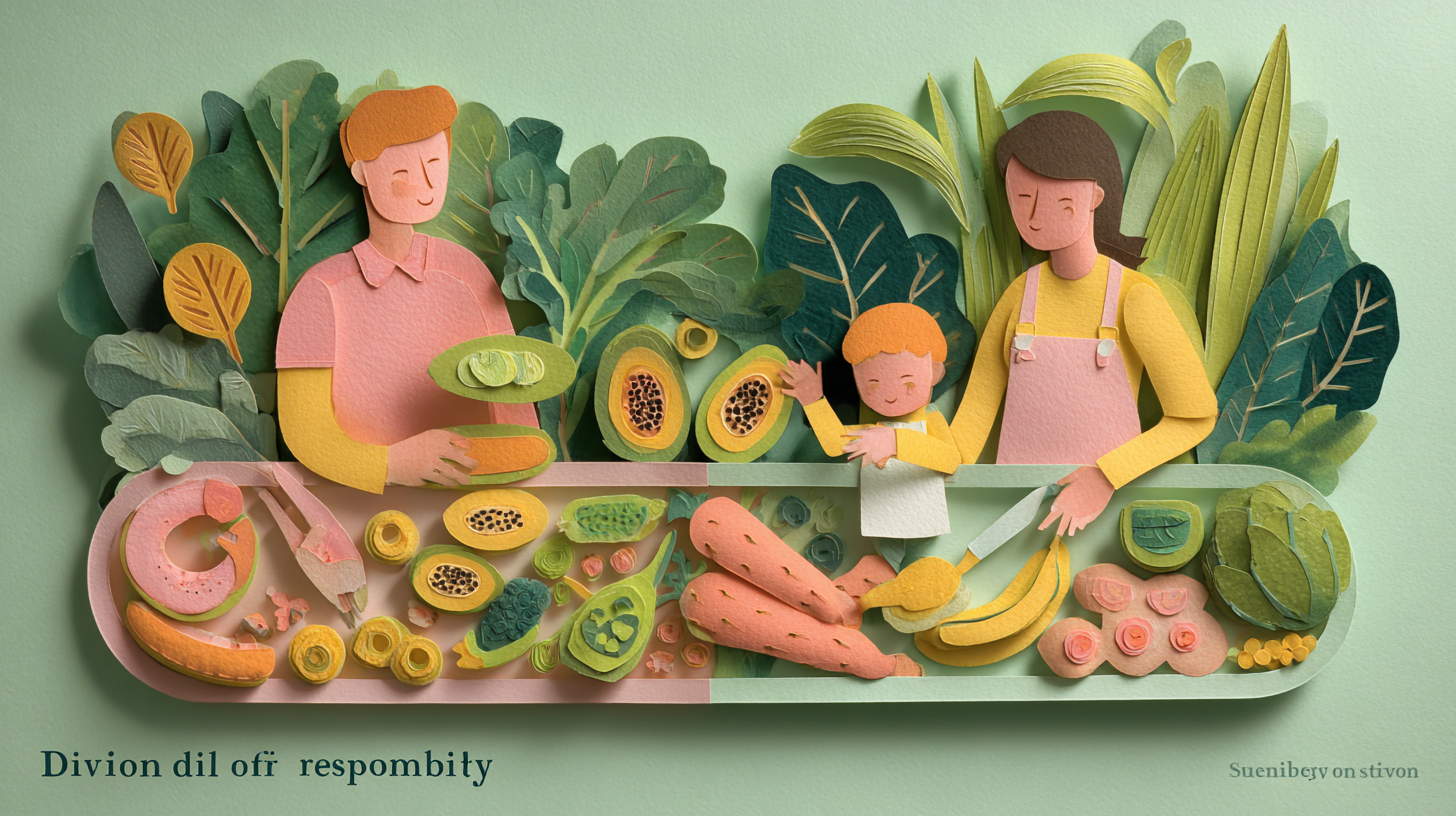
One of the most relationship‑saving frameworks for couples in feeding stress is delightfully simple: you decide the what, when, and where of food; your child decides whether and how much to eat. This is often called the division of responsibility in feeding, and it is backed by a growing body of research on responsive feeding and intuitive eating in families.
When couples adopt this model together, several good things tend to happen. Power struggles with the child ease up, because you stop trying to control what you cannot actually force—how much goes into a tiny mouth. Arguments between partners often soften too, because you have a shared rule‑set: no bribing, no pressure, no separate “short‑order cook” meals. You both know your job description and you can focus on doing it well instead of policing each other.
Research on intuitive eating in parents shows that when parents relate to food in a more relaxed, attuned way, their home food environments are less controlling and more flexible. Children in these homes are more likely to listen to their own hunger and fullness signals, and mealtimes tend to be less fraught. What’s often missed is that this also helps the couple: fewer last‑bite battles means fewer opportunities to undermine each other, and more room to enjoy being together at the table.
Division of Responsibility, Caribbean Kitchen–Style
If you’re feeding little ones in a Caribbean‑influenced home, this model still works beautifully—you just apply it to your flavors:
- You choose the menu: maybe Sweet Potato Callaloo Rundown, some coconut rice and peas, or a smooth Batata y Manzana mash on the side.
- You choose the schedule: breakfast, snack, lunch, snack, dinner at roughly predictable times.
- You choose the place: at the table, in the highchair, without screens so you can connect.
- Your child chooses if they eat two spoonfuls of rundown or only the rice today—and that’s okay.
Having a trusted set of recipes makes this much easier. That’s exactly why tools like the Caribbean Baby Food Recipe Book: Easy & Healthy Homemade Meals for Infants & Toddlers are so helpful—you get child‑friendly versions of island favorites like plantain blends, pumpkin‑coconut purees, millet cereals, and gentle bean dishes without reinventing the wheel every week.
Instead of one partner insisting on a plain menu while the other dreams of introducing guava, plantain, and calabaza, you can agree on a strategy: offer one or two familiar foods plus one “learning” food at meals. Perhaps rice or soft yam alongside a new green papaya mash, or a mild dhal puree next to a favorite banana blend. This honors your culture, your child’s pace, and your relationship.
Digital Noise, Comparison Traps, and Resentment
Today’s parents aren’t just navigating their own families’ expectations; they are also feeding under the gaze of social media. Scroll long enough and you’ll see color‑coded bento boxes, toddlers eating picture‑perfect quinoa bowls, and parents who seem endlessly patient. Research on social platforms shows a double‑edged effect: parents do find real support and information online, but heavy, anxious use is linked with higher psychological distress and more stress in family life.
Feeding is a prime comparison category. One partner might follow baby‑led weaning accounts, another follows medical pages focused on choking risk, and suddenly you’re not just disagreeing with each other—you’re quoting different “experts.” When social content is presented as all‑or‑nothing, partners may feel criticized, dismissed, or overruled. Relationship researchers have noticed that when one parent positions themselves as the “expert” armed with screenshots, the other often withdraws or gets defensive, and resentment grows quietly in the background.
On the other hand, thoughtfully moderated online communities that normalize imperfection and emphasize partnership can be protective. Parents who feel less alone, who see that other couples are struggling with the same peas-on-the-floor battle, often report more compassion for themselves and their partners. It’s not the technology alone that causes trouble; it’s how it’s used, and whether the stories you’re consuming support or sabotage your sense of “we’re in this together.”
Pick the statement that feels most true after you’ve been scrolling parenting or feeding content.
A simple couple‑protecting move is to make one shared agreement about social content: you both commit to treating online advice as input, not orders. You can even set aside a short “research huddle” once a week where you look at a few ideas together, keeping what fits your family and gently parking what doesn’t. That way, Instagram doesn’t get a louder voice in your kitchen than the two of you do.
Unequal Load, Quiet Score‑Keeping, and How Resentment Grows
Most couples don’t explode overnight. They erode. One partner gets up for more night feeds. One remembers every pediatric appointment, tracks growth percentiles, and worries that baby isn’t taking enough breastmilk or formula. One plans meals around allergies and textures, purees cassava or sweet potato while the other does bath time, and then wonders why they feel oddly alone at 9 p.m. in a full house.
Relationship and parenting research has a consistent message: when the daily load feels unfair, even if both partners are working hard, resentment becomes almost inevitable. Feeding is particularly heavy on “invisible labor”—the mental work you do when you’re not actually serving food. This includes remembering which recipes your child tolerated, which new ingredients you’re supposed to introduce next, how to handle allergens, and what the guidelines say about salt, sugar, and spices.
When that labor is not named and shared, it quickly turns into score‑keeping: “I did breakfast, lunch, and dinner—again—while you scrolled on the couch.” The tragedy is that both people usually feel unseen. One feels overburdened, the other feels like no effort is ever enough. The good news: the very same research shows that when couples explicitly talk through tasks, values, and appreciation, relationship satisfaction rises—even if the division of labor can’t be perfectly equal yet.
Choose the shift you want to focus on this week together, then tap through to see how your “teamwork meter” responds.
If feeding is already a war zone, start small. Maybe one partner always handles the first half of the night, the other takes the second. Maybe one plans breakfasts and lunches while the other owns dinners. Maybe you both agree that whoever cooks doesn’t do dishes that night. Tiny, clear shifts—backed up by real appreciation—often change the emotional climate faster than one big talk ever could.
Protecting Connection in the Middle of the Mess
Relationship experts who study couples across the transition to parenthood keep returning to the same protective factors: open communication, conflict skills, shared rituals of connection, and a sense that “we are on the same team.” None of these require a perfect child or perfect meals. They require moments of intention in the middle of the mess.
Parents who carve out even ten minutes a day to connect as partners—not just as co‑managers—report higher relationship satisfaction, even under heavy stress. This might look like debriefing after bedtime, sitting on the balcony with a cup of mint tea, or sharing a late‑night bowl of mango and coconut milk while you laugh about the way your toddler passionately rejected the carefully blended calabaza puree.
Couples who maintain a sense of play and shared humor also tend to weather feeding storms better. Turning “our child only ate banana again” into a gentle running joke rather than a symbol of failure can stop shame in its tracks. Shared cultural rituals—Sunday soup, rice and peas, dhal and roti—can become anchors of family identity that remind you both why you’re doing this in the first place.
A 5‑Minute “Same Team” Ritual
Try this after a particularly rough meal:
- Stand together in the kitchen, side by side, not facing each other.
- Each partner names one thing the other did well around feeding that day (“You stayed calm when the plate went flying,” “You prepped that pumpkin coconut mash even though you were wiped”).
- Each partner then names one feeling they had today—not an accusation (“you” statement), just a feeling: “I felt anxious,” “I felt unseen,” “I felt proud.”
- End with a simple phrase: “Same team tomorrow?” and answer “Same team.”
It sounds small, but rituals like this have been linked to stronger couple bonds and better conflict recovery over time.
Real‑Life Scenarios: How Couples Turned Feeding Battles Into Teamwork
To make this real, here are composite scenarios drawn from many parents’ experiences—details changed, but the patterns are painfully familiar.
Scenario 1: The Picky‑Eating Stand‑Off
One couple spent months fighting at dinner. One partner believed in the “one more bite” rule; the other had been reading about responsive feeding and didn’t want pressure at the table. Their child started crying every time the highchair appeared. After a particularly tense evening, they agreed to experiment with the division of responsibility for four weeks. They removed pressure phrases, offered one safe food plus one learning food, and decided that after 20 minutes, the meal was over with no chasing.
The first week felt strange, but they found that arguments between them dropped quickly once they had a shared script. By week three, their child was still cautious but calmer, and they were spending more time talking about their day than about bites. The relationship win wasn’t “perfect eating”—it was that both partners felt heard, respected, and less tempted to undermine each other in front of their child.
Scenario 2: The Night‑Feeding Resentment Loop
Another couple nearly broke under night feeds. One parent nursed or bottle‑fed on demand and felt physically and emotionally depleted. The other partner handled early mornings and house tasks but felt constantly criticized for “never doing enough.” They finally sat down and listed every single overnight task: feeding, burping, diaper changes, settling, washing bottles, prepping the next bottle, tracking intake.
Then they redistributed. For two nights, the feeding parent did feeds while the other handled every non‑feeding task: bottles, burps, settling. For the next two, they swapped where possible, using stored milk. They also set a hard rule: no problem‑solving conversations between midnight and 5 a.m. Within two weeks, the emotional tone of their marriage shifted dramatically. They were still tired, but they no longer felt secretly abandoned.
Scenario 3: Culture Clash at the Table
In a Caribbean‑diaspora household, one partner wanted to introduce full‑flavored foods—mild curry, thyme, ginger, coconut milk—early, while the other worried about spice and digestion. Arguments flared whenever someone suggested adding cinnamon to baby’s millet cereal or a hint of pimento to pumpkin mash. They turned to structured guidance: looking up evidence‑based recommendations on spices and leaning on a set of baby‑friendly recipes designed specifically for Caribbean ingredients.
They started using recipes like soft Sweet Potato Callaloo Rundown, Cornmeal Porridge Dreams with gentle cinnamon, and mashed plantain blends as bridges between cultures and guidelines. A resource like the Caribbean Baby Food Recipe Book: Easy & Healthy Homemade Meals for Infants & Toddlers gave them confidence that they were honoring tradition and safety at the same time, which took pressure off their relationship.
Practical Systems to Calm Feeding Stress (and Protect Your Sanity)
The couples who cope best with feeding challenges don’t usually have magical children; they have systems. Systems reduce decision fatigue, reassure anxious brains, and make it easier to share the load. Here are some research‑aligned systems that respect both your relationship and your child’s needs.
1. A Simple Weekly Meal Rhythm
Instead of reinventing the wheel every night, choose a loose rhythm: for example, Mondays for root‑veg mashes (sweet potato, yam, cassava); Tuesdays for grain‑based meals (farine cereal, millet or cornmeal porridges); Wednesdays for fruit‑forward blends (papaya‑banana, mango‑soursop); Thursdays for gentle pulses (dhal, red peas blends); Fridays for soft family‑style meals adapted for baby.
One partner can choose the base ingredients for the week—using familiar staples like pumpkin, plantain, and batata from your pantry—while the other looks up or preps baby‑friendly versions. Many of the recipes you’d find in the Caribbean Baby Food Recipe Book (think Papaya Banana Sunshine, Coconut Rice Red Peas, Cook‑Up Rice Beans Smooth) are specifically designed to fold into family meals so you’re not cooking twice every night.
2. The “Good Enough Plate” Rule
Perfectionism is a huge driver of parental stress. A research‑informed mindset shift is to define a “good enough” meal: a source of energy (like rice, yam, sweet potato), a bit of color (pumpkin, callaloo, carrot, papaya), and something familiar your child usually accepts. If a meal hits those three, you call it a win and refuse to spiral about Instagram‑level plating.
3. The 20‑Minute Mealtime Container
Long, drawn‑out meals tend to trigger more pressure and conflict. Many responsive feeding approaches suggest limiting toddler mealtimes to around 20 minutes. During that time, you focus on connection: eye contact, conversation, a little soca or reggae low in the background, maybe. When time is up, everyone is done, no chasing bites around the house.
Systems like these become much easier when you have a bank of recipes you both trust. If you’d like structured ideas that line up with Caribbean flavors and nutrition guidelines, it’s worth browsing the Caribbean Baby Food Recipe Book: Easy & Healthy Homemade Meals for Infants & Toddlers, which organizes over 75 recipes by age, texture, and ingredient—from early purees to “family meal bonus” adaptations.
Red‑Flag Patterns: When You May Need Extra Support
Feeding stress is common, but there are times when bringing in outside help is an act of love for both your child and your relationship. Research on parental mental health and family functioning is clear: getting support early can prevent more serious problems later.
Red flags that may signal you’d benefit from a pediatrician, dietitian, feeding therapist, or couples therapist include: persistent gagging or choking, weight loss or plateau without explanation, extreme mealtime anxiety in you or your child, rigid rules that leave you feeling trapped, or arguments about feeding that spill into unrelated parts of your relationship. Even if the problem sounds “small” on paper, feeling constantly on edge about food is a valid reason to ask for help.
Couples who seek therapy or coaching around this stage often work on both sides of the coin: practical feeding strategies and communication skills. That might look like learning to express concerns without criticism, building repair skills after a fight, and practicing compromise around feeding philosophies. Support doesn’t mean you’ve failed; it means you’re serious about protecting your partnership for the long haul.
Persistent coughing, gagging, or choking with meals; frequent vomiting; clear distress at every mealtime; very limited food range that doesn’t improve over months; or growth concerns flagged by your healthcare provider are reasons to seek a professional feeding assessment.
Frequent arguments about feeding that don’t resolve; one partner feeling constantly criticized or dismissed; stonewalling or avoiding each other; or thoughts like “I’d rather do this alone than fight again” are signals a couples therapist or counselor could really help.
Ongoing sadness, dread before mealtimes, loss of interest in things you used to enjoy, chronic guilt, or intrusive thoughts about food and your child’s health are all signs to reach out to a mental health professional, especially one familiar with perinatal and parenting concerns.
Building a “Feeding Peace Pact” Together
At this point, you’ve read the research, seen how resentment grows, and maybe recognized some of your own patterns. Now it’s time to turn insight into a tiny, practical agreement—a “feeding peace pact” that reflects your values as partners.
A strong pact is short, specific, and focused on how you will treat each other, not just what you will serve. It might include pieces like “We speak respectfully about food and about each other at the table,” “We back each other’s decisions in front of our child and revisit disagreements privately,” and “We accept that our child’s appetite will vary and that doesn’t mean we are failing.”
When you come from a Caribbean background—or you’re raising your child with island influences—your pact might also include a commitment to protecting cultural food joy. That could mean keeping Sunday soup or stewed peas as family rituals, offering baby versions of pepper‑free dishes like Cook‑Up Rice Beans Smooth or Basic Mixed Dhal Pure, and promising each other that food will be about nourishment and connection, not only performance.
A Simple 5‑Line Feeding Peace Pact
- We are on the same team; our child is not the enemy, and neither are we.
- We share responsibility for planning and serving meals, even if our roles differ.
- We follow a clear framework (like division of responsibility) so we aren’t improvising from fear.
- We talk about worries with kindness and curiosity, not blame.
- We protect small moments of joy around food—especially our favorite cultural dishes.
Print it, screenshot it, or tape it to the fridge next to your favorite plantain recipe. Let it be a visual reminder that your relationship matters just as much as your child’s plate.
Walking Forward Together
One day, years from now, your child will barely remember whether they ate more batata mash or more coconut rice at 11 months old. What will stay with them—quietly, in the background of their nervous system—is the emotional climate of their home: whether the kitchen felt like a place of tension or a place of warmth, whether their parents felt like opponents or like a team.
You don’t need perfect meals or perfect instincts to give them that. You need a willingness to keep coming back to each other, even after the spilled milk and the third rejected spoonful. You need the courage to say, “This is hard, and I still choose us.”
From a Caribbean‑inspired perspective, that might look like letting the smell of pumpkin simmering in coconut milk remind you of your own childhood table, or introducing your baby to tiny tastes of Yellow Yam Carrot blends while you tell stories about grandparents and aunties. It might look like laughing together when your toddler decides the only acceptable food tonight is plain banana, then later sharing a grown‑up bowl of Stewed Peas Comfort in the quiet house.
Tools help. Science helps. But what transforms your daily life is how you use them as a couple. Maybe your next small step is choosing one micro‑shift from the progress tracker and committing to it for a week. Maybe it’s planning a simple Sunday family meal where you both enjoy the same pot—your child with a smoother version, you with the full seasoning. Maybe it’s investing in resources like the Caribbean Baby Food Recipe Book: Easy & Healthy Homemade Meals for Infants & Toddlers so that mealtime creativity feels fun instead of exhausting.
Most of all, remember this: feeding is a season, but your partnership is meant to last a lifetime. The more you protect it now—by sharing the load, softening the blame, and weaving joy back into your meals—the more resilient your whole family becomes.
Tap through these three quick reflections and get a tailored encouragement for your next step.
- 1 Which feels most true today: “overloaded,” “disconnected,” or “hopeful but tired”?
- 2 Which area needs the most love: tasks, communication, or joy?
- 3 Which tiny action could you realistically try this week: one ritual, one system, or one outside support?
As you close this tab and walk back into your real kitchen—with its unwashed bottles, scattered crumbs, and little person who believes firmly in throwing pumpkin on the floor—carry this with you: you and your partner are not broken. You are humans doing sacred, exhausting work in a world that often expects you to do it perfectly and silently.
Let feeding be the place where you quietly, stubbornly choose a different story: a story of teamwork, curiosity, culture, and connection. One small step, one shared meal, one “same team” at a time.

And when you’re ready for more support in the kitchen itself—especially if Caribbean flavors are part of your family story—keep a resource like the Caribbean Baby Food Recipe Book: Easy & Healthy Homemade Meals for Infants & Toddlers within arm’s reach. Let it carry some of the planning load so you can save more of your energy for what truly matters: protecting your partnership and enjoying this wild, beautiful season together.

Kelley's culinary creations are a fusion of her Caribbean roots and modern nutritional science, resulting in baby-friendly dishes that are both developmentally appropriate and bursting with flavor. Her expertise in oral motor development and texture progression ensures that every recipe supports your little one's feeding milestones while honoring cultural traditions.
Join Kelley on her flavorful journey as she shares treasured family recipes adapted for tiny taste buds, evidence-based feeding guidance, insightful parenting anecdotes, and the joy of celebrating food, culture, and motherhood. Get ready to immerse yourself in the captivating world of Kelley Black and unlock the vibrant flavors of the Caribbean for your growing baby, one nutritious bite at a time.
- Feeding and Your Relationship: How to Protect Your Partnership When Mealtimes Feel Like a War Zone - September 14, 2026
- From “Who’s Right?” to “We’ve Got This”: Building a Feeding Partnership That Actually Works - September 13, 2026
- You’re More Than Just the Person Who Feeds Your Baby - September 12, 2026