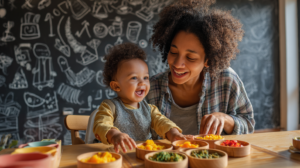
From “Gimme More” to “Thank You”: The Beautiful Journey of Teaching Food Gratitude
What’s Your Current Family Meal Reality?
Click the scenario that sounds most like your household:
Here’s something nobody tells you when you become a parent: the hardest battle isn’t getting your child to eat vegetables. It’s watching them push away a meal you spent an hour preparing, hearing “I don’t want this,” and feeling that sharp sting of being taken for granted. That moment when your toddler demands mac and cheese while you’re serving a beautiful curry, or when your eight-year-old rolls their eyes at dinner without a single acknowledgment of the shopping, chopping, cooking, and cleaning that went into it.
But here’s what changed everything for me: I realized this wasn’t about manners. This was about something deeper—something missing in how we’re raising this generation around food. We’ve accidentally created an environment where meals appear magically, groceries materialize in the fridge, and children have no connection to the effort, resources, and love that fuel every bite they take. And the scariest part? Recent studies confirm what many parents are feeling: 51% of children surveyed showed their primary gratitude moments involved receiving food, yet that gratitude is shallow, performative, just saying “thank you” without truly understanding what they’re thankful for.
This isn’t about raising polite children. This is about raising children who genuinely appreciate the abundance in their lives, who understand that food connects them to farmers, cooks, family members, the earth itself. Children who see meals as gifts, not entitlements. And parents, let me tell you—when you shift this one thing, everything at your dinner table transforms.
The Shocking Truth About Food Entitlement
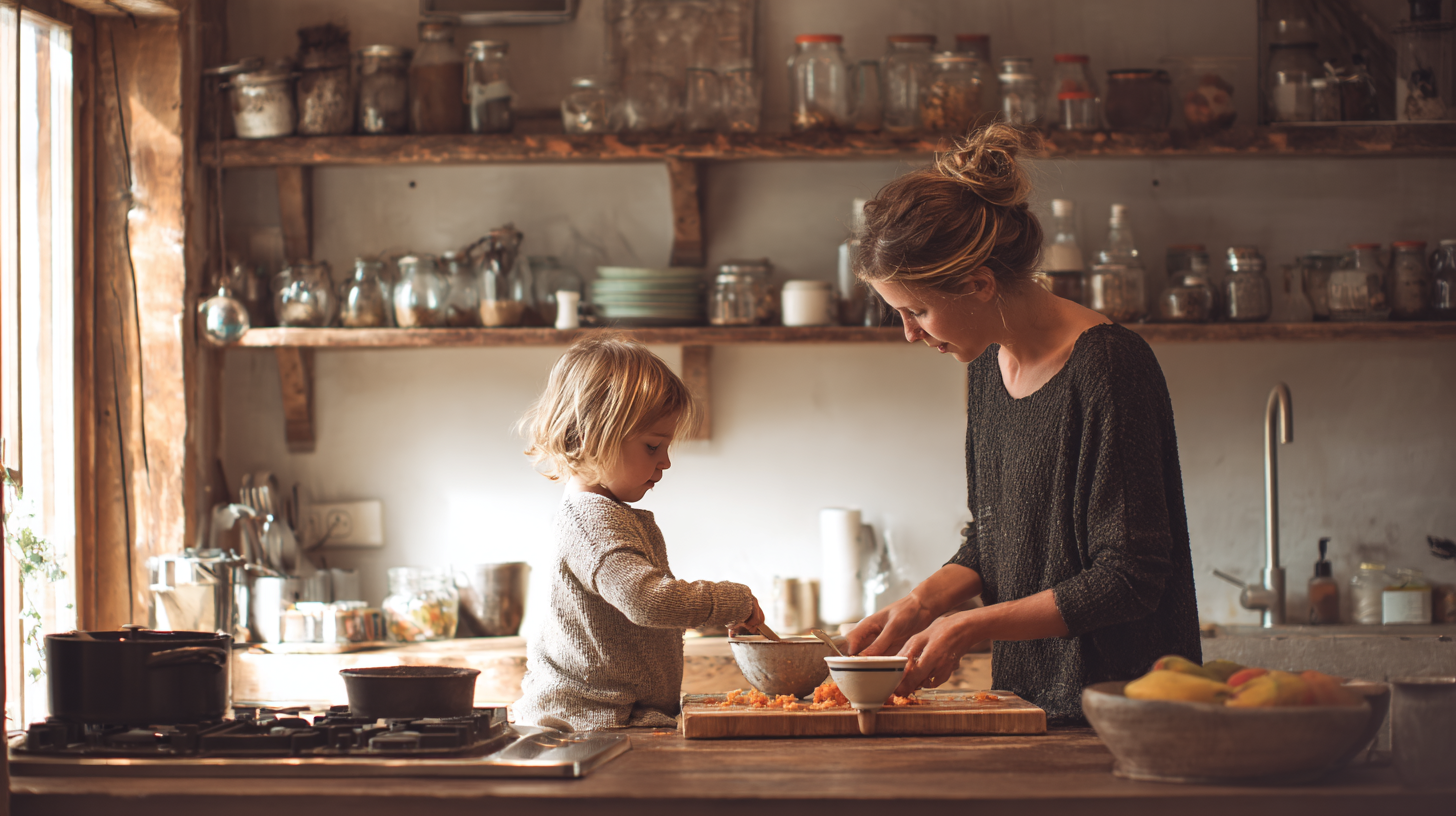
Let’s talk about what’s really happening. Every parent knows that feeling when their child complains about dinner, but what we don’t realize is we’re witnessing a massive cultural shift. Just two generations ago, meals were events. My grandmother tells stories of children waiting eagerly for dinner, knowing exactly how much effort went into each dish because they’d helped shell the peas, pluck the chicken, and stir the pot. Today? Children grow up in a world where food is instant, abundant, and completely disconnected from its source.
Research from 2024 reveals something stunning: parents who intentionally practiced food gratitude with their children reported significantly higher gratitude levels overall in their kids. But here’s the kicker—only a third of families with older children maintain regular family dinners. We’re losing the very moment where gratitude can be built, where connection happens, where children learn that meals are about more than just filling bellies.
The entitlement epidemic isn’t your child’s fault. It’s environmental. When meals appear without visible effort, when groceries magically refill, when restaurants are just a click away, children simply don’t see the chain of human effort behind their food. They don’t see you comparing prices at the store, planning meals around the budget, standing over a hot stove after a long workday, or washing dishes late into the night. And if they don’t see it, they can’t appreciate it.
But the most damaging part of food entitlement isn’t the lack of “please” and “thank you.” It’s what it does to children’s character long-term. Children who grow up entitled around food grow into adults who struggle with appreciation in relationships, work, and life. They develop what researchers call a “finishing line” mentality—always wanting more, never satisfied, constantly chasing the next thing without enjoying what’s in front of them. Sound familiar? That’s because food gratitude isn’t just about food. It’s about teaching children to recognize good things in their lives and acknowledge the people who provide them.
Tap Each Card: Entitlement vs. Gratitude
Why Traditional Gratitude Teaching Doesn’t Work
Now, before you think this is just about forcing kids to say grace before meals or writing thank-you notes, let me stop you right there. Traditional gratitude practices often fail spectacularly with modern children, and experts finally understand why. Dr. Robert Emmons, one of the world’s leading gratitude researchers, discovered something crucial: gratitude isn’t just about recognizing the good—it’s about acknowledging its source. And that’s where most parents get stuck.
We tell children “be grateful,” but we don’t show them what gratitude actually looks like in action. We make them mumble “thanks for dinner” while they’re already reaching for their phones. We lecture about starving children in other countries, which just makes kids feel guilty and defensive rather than genuinely appreciative. And worse, we model the exact opposite behavior—complaining about cooking, stressing about meal planning, treating food preparation as a burden rather than an act of love.
The American Psychological Association released findings that completely changed how we should approach this: you cannot tell children to be grateful. You have to show them how. Gratitude is caught, not taught. It’s built through experience, through connection, through understanding the full story of how food reaches their plate. Think about it—when was the last time you took your child to meet a farmer? When did you last explain why you chose sweet potatoes over regular potatoes, or let them see you calculating the grocery budget?
Another critical mistake: making gratitude about guilt. “Eat your vegetables, children are starving in Africa!” Sound familiar? That approach doesn’t build appreciation—it builds resentment. Children don’t connect to abstract suffering. They connect to concrete experiences, to stories, to people they can see and touch. They need to meet the farmer at the market, help cook the callaloo, understand why you’re serving plantain and coconut milk instead of nuggets and fries.
Digital distractions are the final nail in the gratitude coffin. Research shows that smartphones at mealtimes destroy the exact moments where gratitude is built. When everyone’s scrolling through social media while eating, there’s no conversation, no connection, no opportunity to acknowledge effort or appreciate flavors. Family meals have dropped to just three to four times weekly for families with young children, and even less for families with teenagers. We’re literally losing the training ground for gratitude.
The Science-Backed Path to Building Real Food Gratitude
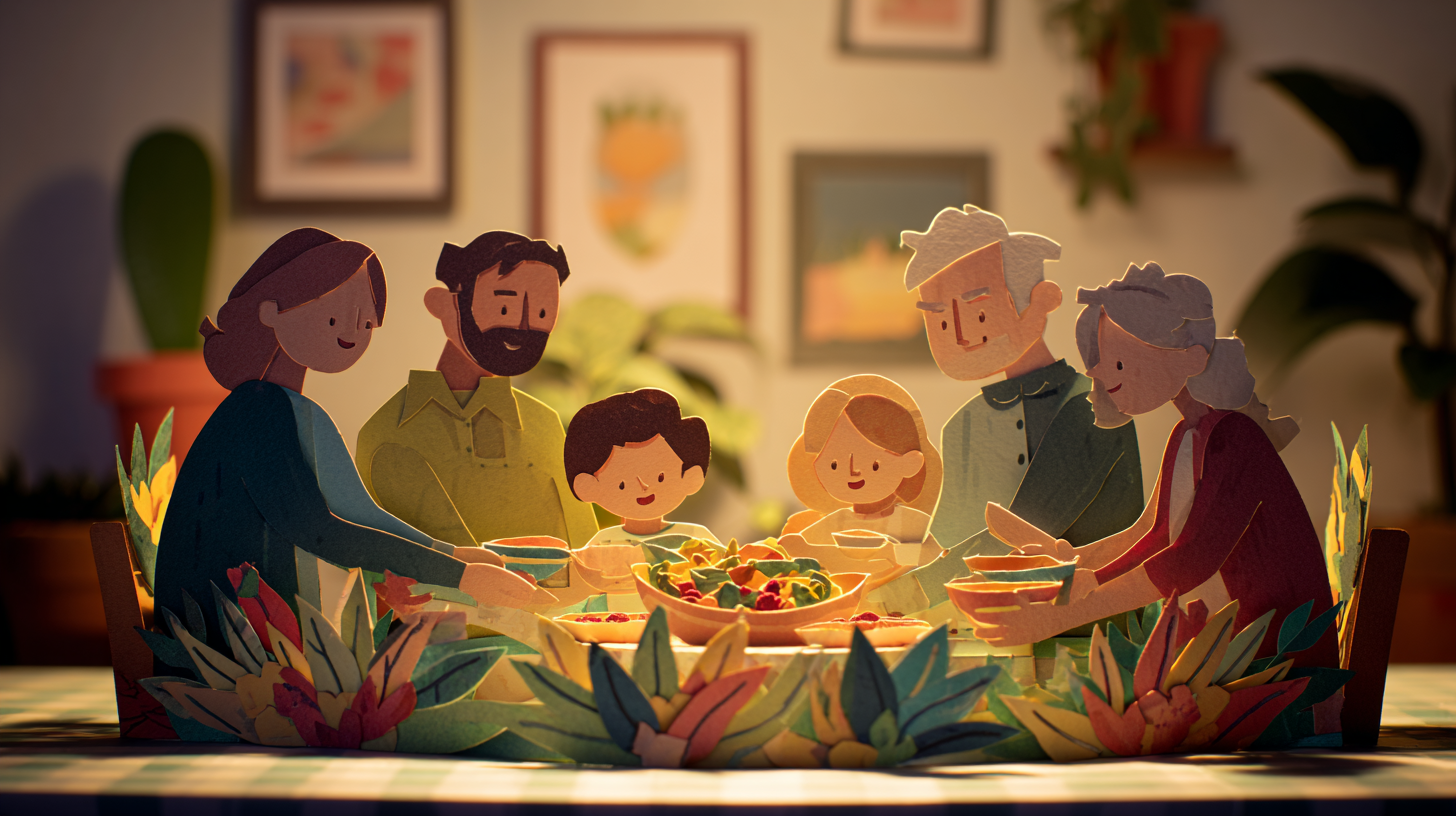
Alright, here’s where everything shifts. Building genuine food gratitude in children isn’t complicated, but it does require intention. Recent studies from 2023-2025 have identified specific practices that actually work, and I’m going to break them down for you in ways you can implement starting tonight.
First, understanding developmental stages matters enormously. A three-year-old experiences gratitude completely differently than a ten-year-old. Young children under five are concrete thinkers—they need to touch, see, and experience to understand. This means gratitude practices for littles should be sensory and immediate. Let them wash the vegetables, smell the spices, feel the dough. When my daughter was four, I started letting her help me prepare simple dishes from the Caribbean Baby Food Recipe Book—mashing sweet potatoes for Batata y Manzana, stirring coconut milk into Calabaza con Coco. She couldn’t articulate gratitude yet, but she was building the foundation: understanding that food requires work, time, and care.
School-age children can start connecting the dots between effort and outcome. This is when you introduce them to food origins. Take them to farmers’ markets and have them talk to growers. Explain where coconut milk comes from, why plantains cost more this week, how weather affects crops. Plant a small garden—even just herbs in pots—so they see that food doesn’t just appear. One powerful practice: create a “food journey” discussion at dinner. “This rice traveled from a farm three hours away. A farmer planted it, harvested it, and a truck driver brought it to our store. Then I cooked it for you.” Suddenly, rice isn’t just rice. It’s a gift from multiple people.
Now, for older children and teens, gratitude becomes about systems thinking and global awareness. They can understand food insecurity, sustainability, privilege, and choice. This is when you involve them in meal planning and budgeting. Show them how much groceries cost. Let them plan one meal a week within a budget. Discuss food waste and its environmental impact. Have honest conversations about why you make the food choices you do—health, finances, culture, values.
Find Your Child’s Gratitude Practice
Select your child’s age range for personalized gratitude-building activities:
But here’s what research shows is the absolute most powerful practice: cooking together. Not “helping” where the child just watches. Real cooking where they’re involved in decisions, where they struggle a bit, where they see mistakes happen and recover. Studies on culinary interventions with children aged 5-12 revealed that kids who regularly cooked with caregivers showed dramatically increased appreciation for ingredients, reduced pickiness, and stronger family bonds. When children sweat over a hot stove, when their arms get tired from stirring, when they burn themselves slightly and learn to be careful—that’s when gratitude is born.
And let’s talk about cultural food wisdom. In Caribbean culture, food is never just sustenance—it’s love, history, connection, and identity. When you teach children to prepare traditional dishes, you’re not just teaching recipes. You’re teaching them that their grandmother’s callaloo recipe represents generations of knowledge, that the spices you use tell the story of your ancestors, that food is a language of care. This deeper cultural context automatically builds reverence and appreciation. Children who grow up understanding their food heritage are statistically more grateful for meals because they understand they’re receiving something precious.
Practical Implementation: The 30-Day Gratitude Transformation
Theory is beautiful, but you need practical steps. Here’s what actually works, tested by real families dealing with real food battles. I’m giving you a progressive approach that builds gratitude layer by layer.
Week 1: Awareness and Acknowledgment
Start with the simplest shift: making the invisible visible. Before each meal, take 30 seconds to acknowledge aloud what went into it. “This chicken came from a farm. Someone raised it. I drove to the store, chose it, brought it home, seasoned it, and cooked it for an hour. These vegetables were grown in soil, harvested, cleaned, and prepared.” Don’t ask anything from your children yet—just model awareness. Researchers call this “narrating the effort,” and it’s shockingly effective because children begin to notice things they never saw before.
Simultaneously, eliminate distractions. No phones, tablets, or TV during meals. Research confirms that device-free meals are essential for building the connection where gratitude grows. Yes, your kids will complain. Yes, it will feel awkward at first. Do it anyway. The World Happiness Report found that sharing meals without digital interference significantly increases happiness and social connection.
Week 2: Involvement and Experience
Now we add participation. Choose one meal this week where your child is fully involved from start to finish. They help plan it, shop for it, prepare it, serve it, and clean up. Let them struggle. Let them discover that chopping takes forever, that timing multiple dishes is hard, that cleaning is tedious. This isn’t about creating little chefs—it’s about building empathy through experience.
One mother shared with me that she had her chronically ungrateful nine-year-old plan and cook Sunday dinner entirely alone (with supervision). The child chose spaghetti—seems simple, right? After 90 minutes of boiling water, making sauce, burning garlic, redoing the sauce, and finally serving a mediocre meal, that child never complained about dinner again. Experience taught what a thousand lectures couldn’t.
This is also the week to introduce a “food gratitude moment” before eating. Not a formal prayer if that’s not your style, but a moment where everyone shares one thing they’re thankful for about the meal. It can be as simple as “I’m thankful we have food” or as specific as “I’m grateful Mom remembered I love cilantro.” Keep it short, keep it real, no pressure.
Week 3: Connection and Context
Time to expand the circle of gratitude beyond your family. Take your children to a farmers’ market and have them interview a farmer. Visit a food bank and volunteer. Watch age-appropriate documentaries about food production. Read books about where food comes from. The goal is helping children see the vast network of human effort that feeds them.
For Caribbean families specifically, this is the perfect time to dive into food heritage. Tell the stories behind the dishes you make. Explain why your family uses certain ingredients, where recipes came from, what they meant to your grandparents. Make traditional dishes together using recipes that connect your child to their roots—things like Stewed Peas Comfort, Cornmeal Porridge Dreams, or Yellow Yam & Carrot Sunshine. When food carries story and identity, it automatically becomes more valuable.
Also this week, start addressing food waste with your children. Studies show that teaching children about food waste is one of the most effective gratitude builders. Have them track what gets thrown away in your household for one week. Calculate what that waste cost in money. Discuss where that food could have gone instead. This concrete understanding of resource value creates lasting appreciation.
Quick Gratitude Mindset Check
When your child refuses dinner, your first response is:
The best way to teach appreciation for ingredients is:
Food gratitude is really about teaching children:
Week 4: Ritual and Reinforcement
By now, you’ve built awareness, involvement, and connection. Week four is about making gratitude a sustainable family culture, not just a passing phase. This means creating rituals that stick.
Establish a weekly “cook-together” night where children plan and prepare a meal. Make it sacred—no canceling, no outsourcing. Over time, this becomes the night everyone looks forward to, where recipes are tried, mistakes are laughed about, and family bonds deepen. Studies confirm that regular family cooking time is one of the strongest predictors of grateful children.
Create a “gratitude jar” specifically for food appreciation. Every time someone notices effort, acknowledges a cook, tries something new, or helps without being asked, they write it on a slip and add it to the jar. Once a month, read them together and celebrate growth. This tangible practice helps children see their own progress and reinforces positive behavior.
Institute “no complaint” meals once a week. Everyone agrees that for this one meal, no negative comments about food are allowed. If you don’t like something, you simply don’t eat it—but you don’t vocalize complaints. This boundary teaches children to regulate their responses and recognize that not everything revolves around their preferences. It’s surprisingly effective at shifting dinner dynamics.
When Children Push Back: Navigating Resistance
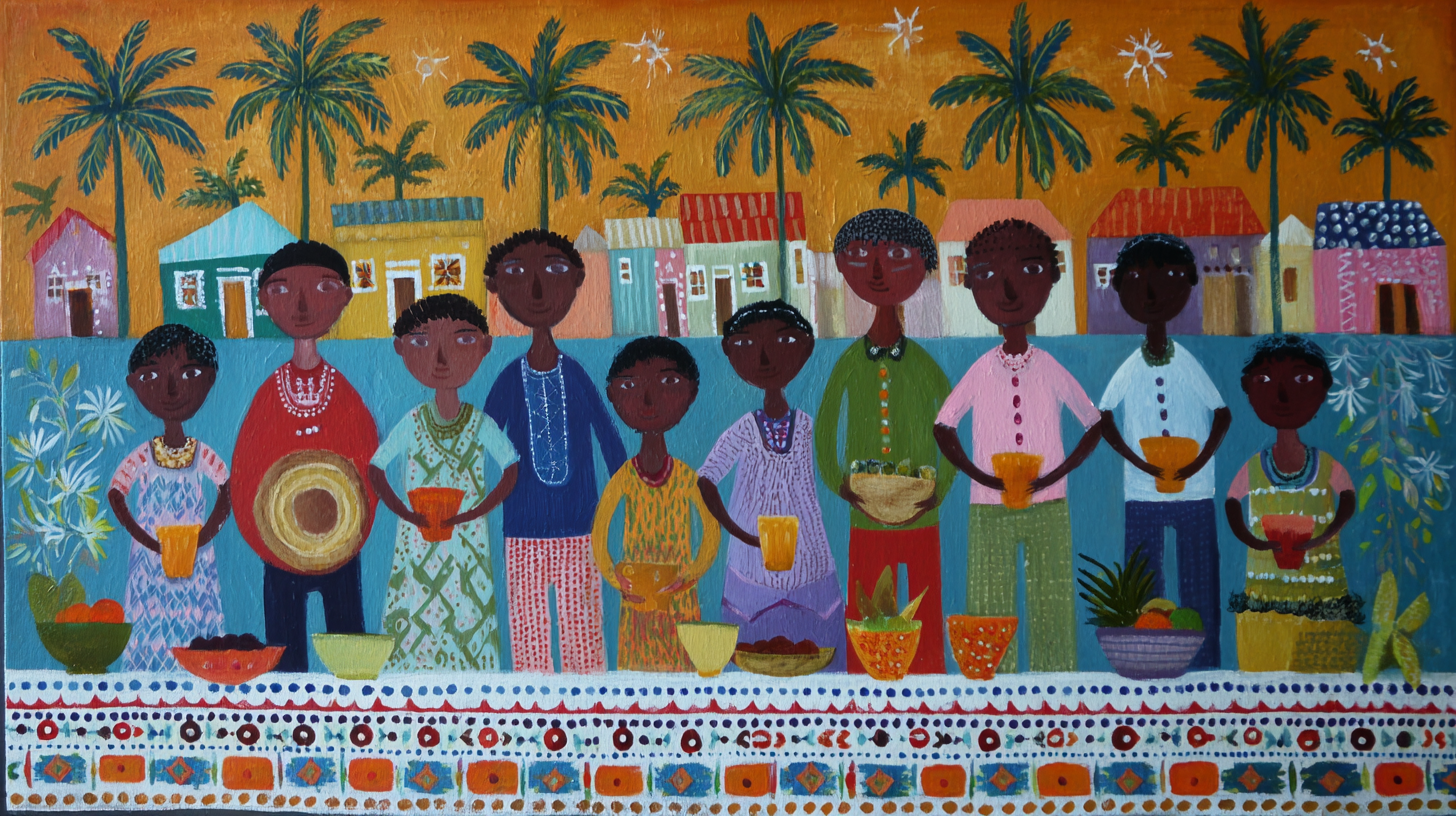
Let’s be real—children won’t embrace this gracefully at first. Especially if you’ve been stuck in an entitlement pattern for years, the pushback will be intense. Here’s how to handle common resistance scenarios based on what actually works for families in the trenches.
“I didn’t ask for this!”
This is the classic entitlement response. Your child genuinely believes that because they didn’t request the meal, they owe no appreciation. Counter this by calmly explaining: “You don’t have to ask for air to be grateful you can breathe. Some things in life are gifts we receive whether we ask or not.” Then follow up with natural consequences. If they refuse dinner without respect, they don’t get alternatives. Not as punishment, but as reality—in life, we don’t always get what we want, and that’s okay.
“But my friends don’t have to do this!”
Ah, the comparison game. This is actually an opportunity. Respond with: “Every family has different values. Our family values appreciating the work that goes into feeding us. When you have your own family one day, you’ll choose your values.” This sets a boundary while respecting their autonomy long-term. Also, consider having your child’s friends over for a cook-together meal. You might be surprised how much their peers actually enjoy being involved—many children crave this connection but don’t get it at home.
Silent resistance and attitude
Some children don’t argue—they just radiate resentment. Eye rolls, heavy sighs, aggressive silence. Don’t engage with the attitude. Instead, maintain your boundary calmly and consistently. “I notice you seem frustrated. You don’t have to like helping with dinner, but you do have to participate. We can talk about your feelings after we’re done.” Emotions are valid, but behavioral expectations remain firm.
The regression trap
Here’s something nobody warns you about: children often get worse before they get better. When you start enforcing gratitude practices, kids may temporarily become more ungrateful as they test whether you’re serious. Expect this. Don’t cave. Researchers call this “extinction burst”—behavior gets worse right before it improves because the child is trying to return to the old pattern. Stay consistent for at least six weeks before evaluating whether your approach is working.
Real Scenarios: What Would You Do?
Click each scenario to reveal the gratitude-building response:
The Cultural Dimension: Caribbean Food Wisdom
Now, I’d be doing you a disservice if I didn’t talk about how Caribbean culture offers unique advantages in building food gratitude. Growing up in Caribbean households, food was never just nutrition—it was storytelling, it was healing, it was gathering, it was love made visible. And that cultural context naturally builds the gratitude we’re all chasing.
In Caribbean food culture, meals are communal. You don’t just feed your own children—you feed whoever shows up. This abundance mentality, even in scarcity, teaches children that food is for sharing, not hoarding. When your child sees you preparing extra rice and peas “just in case somebody stops by,” they learn that food generosity comes back to you. When they watch you send plates to the elderly neighbor, they understand that feeding others is a privilege, not a burden.
Caribbean cooking also tends to be labor-intensive in visible ways. You’re not opening packages—you’re peeling breadfruit, shelling peas, grating coconut, pounding spices. Children see the work. They smell the effort. They watch transformations happen. When you make Cornmeal Porridge Dreams from scratch, stirring constantly for 20 minutes, your child understands effort in a way that microwaving oatmeal can never teach. When you spend two hours making Stewed Peas Comfort because it’s Sunday and Sunday means special food, your child learns that some things are worth the time.
The spice culture is another gift. Caribbean cooking involves layering flavors—scotch bonnet, thyme, allspice, ginger, scallion, garlic. Each ingredient has a purpose, a history, a reason. Teaching your child about these spices is teaching them that good things take patience and knowledge. You can’t rush proper seasoning. You can’t skip steps and expect the same result. This translates directly to gratitude: good things in life require effort, care, and respect for process.
And let’s talk about food as language. In Caribbean culture, “You eat yet?” isn’t really asking about hunger—it’s asking “Are you okay? Do you need care? Can I help?” Food is how we show love when words feel inadequate. Teaching your children this linguistic dimension of food builds emotional intelligence alongside gratitude. They learn to read the love in a meal, to understand that when Grandma makes your favorite dish, she’s saying “I see you, I know you, I love you.”
This is why I always encourage parents to cook cultural dishes with their children, especially recipes from the Caribbean Baby Food Recipe Book that can grow with your family—things like Sweet Potato & Callaloo Rundown, Coconut Rice & Red Peas, or Plantain Paradise. These aren’t just meals. They’re heritage, identity, and values cooked into every bite. When children grow up tasting their culture, they grow up grateful for where they come from.
Measuring Success: What Real Food Gratitude Looks Like
Parents always ask me: “How do I know if this is working?” Fair question, because food gratitude isn’t about perfect behavior—it’s about incremental shifts in mindset and response. Here are the real markers of success, based on research and hundreds of parent testimonials.
Unprompted acknowledgment. The day your child says “thanks for making this” without being told is a massive milestone. It means the practice has internalized. They’re not performing gratitude—they’re feeling it. This typically happens after four to six weeks of consistent practice.
Curiosity over criticism. Instead of “I don’t like this,” you start hearing “What’s in this?” or “Why did you make it this way?” That shift from judgment to curiosity indicates they’re beginning to see food as interesting rather than just good or bad. They’re connecting to the story, not just the taste.
Voluntary helping. When your child starts setting the table without being asked, or volunteers to chop vegetables, or suggests making a meal together—that’s when you know gratitude is translating into action. Gratitude that doesn’t result in generous behavior isn’t real gratitude yet.
Reduced food waste. Children who genuinely appreciate food stop wasting it. They take smaller portions, they finish what they take, they suggest ways to use leftovers. This practical change demonstrates that they understand resources are valuable.
Defending the food at home. Here’s a surprising one: when your child starts defending your cooking to their friends (“My mom makes the best callaloo” or “We always have plantains on Sundays”), they’ve moved from passive tolerance to active appreciation. They’re not embarrassed by your food—they’re proud of it.
✅ Your Family’s Gratitude Habits (Track Your Week)
Click each habit you practiced this week to mark it complete:
Emotional regulation during meals. Grateful children have fewer mealtime meltdowns. They’ve learned that not every meal will be their favorite, and that’s okay. They can sit through a meal they don’t love without drama because they understand it’s not all about them. This emotional maturity is one of the most valuable outcomes of gratitude work.
Extending gratitude beyond food. The ultimate success indicator: when food gratitude starts bleeding into other life areas. Children who learn to appreciate meals start appreciating their clothes, their toys, their home, their education. They begin to see their entire life through a gratitude lens, recognizing that almost everything they have exists because someone worked to provide it. That’s when you know you’ve fundamentally shifted their worldview.
Building This Legacy Forward
Here’s the beautiful truth that nobody talks about enough: teaching food gratitude isn’t just about making family dinners more pleasant right now. You’re building a legacy that will affect how your children show up in the world for the rest of their lives. Grateful children become grateful adults who appreciate their partners, acknowledge their colleagues, respect their communities, and see abundance where others see lack.
Every time you involve your child in cooking, you’re teaching work ethic. Every time you explain where food comes from, you’re teaching systems thinking. Every time you share a meal without devices, you’re teaching presence. Every time you talk about food heritage, you’re teaching identity and pride. Every time you address food waste, you’re teaching environmental responsibility. Food gratitude is the vehicle—life skills are the destination.
The research backs this up beautifully. Studies show that adults who grew up in homes with regular family meals and food involvement report higher life satisfaction, stronger relationships, better health outcomes, and greater career success. Not because they ate better food, but because they learned fundamental life principles through those meals: cooperation, appreciation, delayed gratification, resourcefulness, and connection.
And for those of us raising Caribbean children, or any children of immigrant heritage, food gratitude becomes even more significant. We’re not just teaching our children to appreciate dinner—we’re teaching them to appreciate their culture, their history, their identity. We’re ensuring that when they grow up and move away, they’ll crave their grandmother’s pelau, they’ll seek out Caribbean markets, they’ll cook traditional dishes for their own children. Food becomes the thread that keeps them connected to who they are and where they come from.
I think about what my own daughter will remember about her childhood food experiences. I hope she remembers standing on a stool at the counter, helping me make Yellow Yam & Carrot Sunshine when she was tiny, graduating to Karhee Curry Blend as she got older. I hope she remembers the smell of allspice and thyme filling our kitchen on Sundays. I hope she remembers that food in our house was never just sustenance—it was story, it was love, it was culture, it was gratitude made edible. And I hope when she’s an adult making meals for her own family, she passes those same values forward, understanding that she’s not just feeding bodies—she’s feeding souls, building connection, creating memory, teaching gratitude.
That’s the magic parents often miss in the daily grind of meal planning and cooking and cleaning. You’re not just preparing dinner. You’re shaping character. You’re building worldview. You’re creating the foundation for how your child will relate to abundance, effort, generosity, and appreciation for the rest of their life. Every single meal is an opportunity. Every dinner is a classroom. Every moment of involving them, explaining to them, expecting from them is building something bigger than full bellies.
So yes, start small. Start tonight. Narrate the effort that went into dinner. Turn off the screens. Ask your child to help with one simple task. Share one story about where an ingredient came from. Institute one moment of acknowledgment before eating. That’s all you need to begin. The transformation won’t happen overnight—real change never does. But six months from now, you’ll look back at this moment as the turning point when your family’s relationship with food shifted from entitlement to gratitude, from stress to joy, from transaction to connection.
And here’s my final piece of encouragement: you don’t have to be perfect at this. Your meals don’t have to be Instagram-worthy. Your children don’t have to become model citizens overnight. This journey is messy, imperfect, and full of setbacks. Some nights you’ll still get eye rolls. Some meals will still end in frustration. Some weeks you’ll feel like you’re making no progress at all. That’s normal. That’s real. That’s parenting. What matters is that you’re trying, that you’re consistent, that you’re showing your children that some values are worth fighting for, worth maintaining, worth building even when it’s hard.
Because at the end of the day—and I mean this literally, at the end of your children’s childhood when they’re grown and gone—what will they remember about your dinner table? Will they remember what they ate? Probably not. Will they remember the lessons you taught through food? The connection you built? The culture you shared? The gratitude you modeled? Absolutely. That’s what sticks. That’s what shapes them. That’s what they’ll carry forward and pass on. And that, dear parents, is worth every ounce of effort it takes to get there.
Your family’s food gratitude journey starts with a single meal, a single moment, a single choice to do things differently. The table is set. The opportunity is here. All you have to do now is begin.

Kelley's culinary creations are a fusion of her Caribbean roots and modern nutritional science, resulting in baby-friendly dishes that are both developmentally appropriate and bursting with flavor. Her expertise in oral motor development and texture progression ensures that every recipe supports your little one's feeding milestones while honoring cultural traditions.
Join Kelley on her flavorful journey as she shares treasured family recipes adapted for tiny taste buds, evidence-based feeding guidance, insightful parenting anecdotes, and the joy of celebrating food, culture, and motherhood. Get ready to immerse yourself in the captivating world of Kelley Black and unlock the vibrant flavors of the Caribbean for your growing baby, one nutritious bite at a time.
- The Feeding Revolution: Why Your Everyday Meals Are Changing the World - October 13, 2026
- Your Feeding Story Matters More Than The “Perfect” One Online - October 12, 2026
- Looking Forward: Stepping Into Your Confident Feeding Future - October 11, 2026