
Beyond Clean Plates: Why Your Child’s Half-Eaten Dinner Is Actually a Victory
️ Tap to Reveal
Myth: “A good parent makes sure their child finishes everything on their plate.”
Truth: Research shows that pressuring children to finish meals disrupts their natural ability to regulate hunger and can increase obesity risk. Stopping when full is a sign of healthy self-awareness.
Tap to Reveal
Myth: “Children will starve themselves if we don’t make them eat.”
Truth: Studies confirm that when allowed, children naturally consume what their bodies need over a 24-hour period. Their appetite varies meal-to-meal, which is completely normal and healthy.
Tap to Reveal
Myth: “Wasting food is worse than making a child overeat.”
Truth: Forcing children to eat beyond fullness teaches them to ignore their body’s signals. Experts say respecting satiety cues prevents disordered eating patterns that last a lifetime.
Here’s something nobody tells you when you become a parent: that moment when your toddler pushes away a plate still half-full of food you spent thirty minutes preparing will trigger something deep in your chest. For many of us, it’s not just frustration—it’s the echo of our own childhood, when leaving food meant disappointing someone we loved, wasting precious resources, or facing consequences we didn’t understand.
The “Clean Plate Club” didn’t start as a parenting philosophy. It emerged during World War I and II as a patriotic duty, a way for families to contribute to the war effort by minimizing food waste during rationing. Government campaigns urged children to finish every morsel, and communities rallied around the message. What began as a response to genuine scarcity became a cultural cornerstone—one that persisted long after the necessity disappeared. Today, nearly half of parents admit they’re raising their children with the same food rules they grew up with, even when those rules no longer serve us.
But here’s what decades of research now tell us: the pressure to clean our plates has created generations of adults who struggle to recognize their own hunger and fullness. It’s disconnected us from our bodies’ wisdom. And when we pass this expectation to our children, we’re not teaching discipline or gratitude—we’re interrupting one of the most sophisticated self-regulation systems nature ever designed.
The Science Behind Self-Regulation (And Why It Matters More Than You Think)
Children are born with an extraordinary ability: they know when they’re hungry, and they know when they’re full. This isn’t guesswork or manipulation—it’s biology. Research published in recent years shows that when children are allowed to serve themselves and stop eating when satisfied, they naturally regulate their intake based on what their bodies need. Food preferences and portion sizes strongly predict actual consumption, but only when children are free to listen to their internal cues.
The trouble starts when we override these signals. Studies demonstrate that parental pressure to eat, large default portions, and “finish your plate” rules are all linked to overeating, poor appetite regulation, and increased obesity risk in children. When we insist a child eat three more bites, finish their vegetables, or clear their plate to earn dessert, we’re essentially teaching them that external rules matter more than internal wisdom.

Think about it: we spend the first year of a baby’s life carefully watching for hunger cues—rooting, fussing, turning away from the bottle when they’ve had enough. We celebrate when they show us they’re done. Then suddenly, around the toddler years, we start second-guessing them. “Are you sure you’re full? You barely ate anything!” We wouldn’t dream of forcing a six-month-old to finish a bottle, yet we pressure a three-year-old to finish a plate of rice and peas.
In my own household growing up in the Caribbean, food was love. Food was community. And yes, food was also authority. My grandmother would stand over the table, arms crossed, until every grain of rice disappeared. Looking back now, I understand she was doing what generations before her had done—passing down a tradition rooted in times when food scarcity was real. But we’re learning that honoring our ancestors doesn’t mean repeating every practice without question.
How Well Do You Support Self-Regulation?
Tap your usual response to see if you’re building trust or creating pressure.
Your child says “I’m full” after eating only a few bites. You typically:
Your child wants seconds of their favorite food at dinner. You typically:
Your child’s appetite varies widely from day to day. You typically:
Your Result
The Real Cost of Clean Plate Culture
The consequences of forced eating extend far beyond childhood. Experts warn that making children eat when they’re not hungry—or preventing them from eating when they are—disrupts self-regulation in ways that can persist for decades. Some children develop food aversions, others become picky eaters as a form of control, and many grow into adults who struggle with weight management, emotional eating, or disordered relationships with food.
Recent cases have highlighted the extreme end of this spectrum: parents charged with abuse for forcing children to eat dog food or other coercive feeding practices. While most families would never approach such extremes, the underlying principle is the same. Any time we use force, shame, or excessive pressure around food, we’re crossing a boundary that should remain sacred—the boundary of a child’s bodily autonomy.
But the cultural norms around finishing meals run deep, especially in communities shaped by histories of colonization, slavery, poverty, or food insecurity. In Caribbean families, in African households, in immigrant communities—the memory of scarcity is often only a generation or two behind us. Our parents and grandparents knew real hunger. They worked hard to ensure we never would. Asking us to let our children leave food on a plate can feel like dishonoring that struggle, disrespecting that sacrifice.
This is where the conversation gets nuanced. We can hold multiple truths at once: we can honor our ancestors’ resilience and resourcefulness while also recognizing that our children’s needs are different. We can teach gratitude for food without using guilt as a tool. We can reduce waste through better planning and smaller portions rather than forcing consumption.
Age-Appropriate Portion Guide
Select your child’s age to see realistic starting portions (remember: they can always have more!).
Suggested Starting Portions:
Remember: These are starting points. Your child knows if they need more or less!
What Expert Voices Are Saying
Pediatric dietitians and feeding specialists have reached a remarkable consensus: the division of responsibility in feeding. Adults decide what food is offered, when it’s offered, and where meals happen. Children decide whether to eat and how much. This framework, championed by feeding expert Ellyn Satter and now widely adopted in pediatric circles, respects both parental responsibility and child autonomy.
The message is gaining momentum on social media, where parenting influencers and healthcare professionals share scripts for supporting intuitive eating: “You know your tummy best.” “It’s okay to be done when you’re full.” “We can save this for later if you get hungry.” These phrases model trust rather than control, connection rather than coercion.

Healthcare providers now coach parents to recognize that appetite fluctuations are normal. A child might eat ravenously one day and pick at their food the next—and both are fine. Growth spurts, activity levels, illness, emotions, and even weather can affect appetite. When we insist on consistent intake regardless of these factors, we’re ignoring the complexity of human biology.
I remember a conversation with a pediatrician friend who put it this way: “Your job is to offer nutritious food at regular intervals. Your child’s job is to listen to their body. When you try to do both jobs, you mess up the whole system.” It’s simple, but it’s not easy—especially when your child refuses the dinner you lovingly prepared and then asks for a snack an hour later.
That’s where the real work comes in. Letting go of clean plate expectations means accepting that some meals won’t go as planned. It means preparing nourishing foods your child enjoys and trusting they’ll eat when they’re hungry. It means offering regular meals and snacks without becoming a short-order cook. It means separating food from reward, punishment, or emotional manipulation.
Pressure vs. Trust: Where Do Your Responses Fall?
Tap each scenario to reveal whether it builds pressure or trust.
Scenario: “You can’t have dessert until you finish your vegetables.”
Scenario: “Dessert is part of our meal today. You decide how much of everything you want to eat.”
Scenario: “You said you were hungry, so you have to eat what I made.”
Scenario: “This is what’s for dinner. You can choose how much to put on your plate.”
Scenario: “Just three more bites and then you can leave the table.”
Scenario: “If you’re done, you can be excused. Next meal is breakfast.”
Respecting Appetite Variations Without Losing Your Mind
One of the hardest parts of letting go of clean plate expectations is accepting how much a child’s appetite can vary. Yesterday, your four-year-old ate two full helpings of your cassareep sweet potato. Today, they take three bites and declare they’re done. As a parent, this can feel personal. Did they not like it? Are they being difficult? Are they going to wake up hungry at 2 a.m.?
Here’s what research tells us: children’s eating patterns are far more variable than adults’, and that variability is healthy. Their little bodies are navigating growth spurts, increased activity, new foods, developing taste preferences, and emerging independence. What looks like pickiness or defiance is often just development doing its job.
The key is to zoom out. Instead of evaluating nutrition meal by meal, look at a whole day—or even better, a full week. Studies show that when children are allowed to self-regulate, they naturally consume what they need over a 24-hour period. One light breakfast balances against a hearty lunch. A day of grazing makes way for a day of proper meals.
Understanding Weekly Appetite Patterns
Track a typical week to see how appetite naturally varies (select different days to explore).
Tap a typical appetite level for this day:
✨ Insight:
Practical strategies can help you navigate this without abandoning structure entirely. Offer meals and snacks at predictable times so your child knows when food will be available. Serve family-style when possible, letting children serve themselves (even if it’s messy at first). Include at least one food you know they’ll accept alongside new or less-preferred options. And most importantly, stay neutral. When we make a big deal about eating or not eating, we inadvertently give food more power than it deserves.
This approach works beautifully with Caribbean flavors and ingredients too—foods that many of us grew up with and want to pass on to our children. Instead of forcing a child to finish their callaloo or rice and peas, we can offer smaller portions, let them explore textures and flavors at their own pace, and trust that repeated exposure (without pressure) builds familiarity and preference over time.
Addressing the Food Waste Concern (Because It’s Valid)
Let’s be honest: food waste is a real concern, economically and environmentally. Nobody wants to throw away perfectly good food, especially when budgets are tight or when we remember times when food wasn’t guaranteed. The guilt of scraping uneaten meals into the trash can feel overwhelming.
But here’s the reality check: using your child’s stomach as a garbage disposal is not the solution. Forcing them to eat food they don’t need doesn’t eliminate waste—it just relocates it. And the long-term costs of that choice—potential eating disorders, obesity, disconnection from hunger cues—far outweigh the short-term benefit of an empty plate.
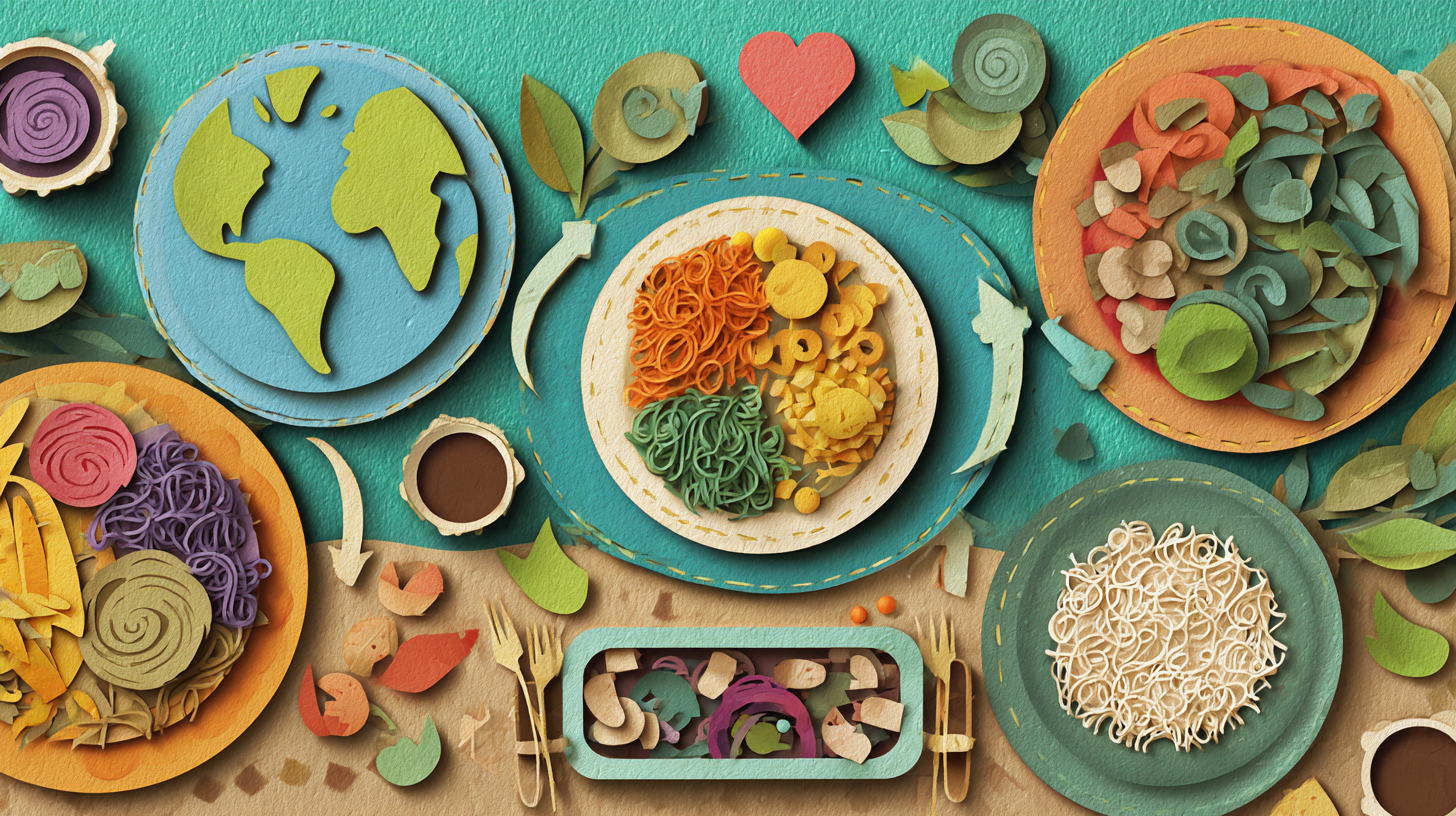
Instead, we can address waste through better planning. Start with smaller portions and offer seconds freely. Save leftovers for the next meal or the next day. Involve children in meal planning so they have buy-in for what’s being served. Batch cook staples like rice, beans, and roasted vegetables that can be mixed and matched throughout the week. And yes, sometimes food will still go to waste—and that’s okay. It’s part of learning what works for your family.
In Caribbean cooking traditions, we’re already masters of resourcefulness. Leftover rice becomes tomorrow’s fried rice. Overripe plantains become sweet plantain mash. Bones and vegetable scraps become rich broths. We can apply this same creativity to reducing waste without pressuring our children to overeat.
Teaching Gratitude Without Guilt
Many parents worry that if they don’t enforce clean plates, their children won’t learn to appreciate food or understand its value. This concern is especially acute in communities with cultural memories of scarcity. How do we raise grateful children without using shame or obligation?
The answer is to separate gratitude from consumption. We can teach appreciation for food through conversation, involvement, and modeling—not through forced eating. Talk about where food comes from. Visit farmers’ markets or grow a small garden together. Let children help with age-appropriate cooking tasks. Share stories about family food traditions and why certain dishes matter to your heritage.
Gratitude grows when children feel connected to their food, not when they’re forced to eat it. When a child helps stir the pot of cornmeal porridge, they’re more likely to try it—not because they have to, but because they’re curious and invested. When they hear the story of how their great-grandmother used to make festival on Saturday mornings, they’re learning that food carries meaning beyond nutrition.
We can also model gratitude ourselves. Instead of complaining about the work of cooking, we can express appreciation for the opportunity to nourish our families. Instead of stressing about waste, we can talk about our plans to compost or save leftovers. Children learn more from what we do than what we demand.
Cultural Wisdom: Balanced Approaches From Around the Caribbean
Tap the arrows to explore how different Caribbean cultures balance tradition with child autonomy.
Practical Scripts for Real-Life Situations
Knowing the theory is one thing. Living it out when your toddler refuses dinner for the third night in a row is another. Here are specific phrases that can help you maintain boundaries without creating power struggles:
When your child says they’re full after a few bites: “Okay, you can be done. Dinner is over now, and we’ll have a snack in two hours.” This respects their fullness while maintaining your structure.
When relatives pressure your child to eat more: “We’re teaching [child’s name] to listen to their body. They’ll eat when they’re hungry.” This is calm, firm, and educational without being defensive.
When your child wants dessert but barely touched dinner: “Dessert is part of our meal today. You can have your portion now if you’d like.” This removes the reward dynamic and normalizes all foods.
When your child asks for a snack right after refusing a meal: “I hear you’re hungry. Our next eating time is [specific time]. Would you like me to save your dinner for then?” This maintains boundaries while offering flexibility.
When you’re worried they didn’t eat enough: “I notice you didn’t eat much today. Is your tummy feeling okay?” This opens conversation without pressure and checks for genuine issues.
These scripts work because they separate your responsibilities (what, when, where) from your child’s (whether, how much). They maintain structure without control. They show respect without permissiveness.
When to Seek Additional Support
While most feeding challenges are developmental and resolve with patience and consistent approach, some situations warrant professional guidance. If your child consistently refuses entire food groups, has significant texture aversions that limit variety, shows signs of nutrient deficiency, has a history of choking or swallowing difficulties, or if mealtimes have become consistently distressing for your family, it may be time to consult a pediatric dietitian, feeding therapist, or occupational therapist specializing in feeding.
These professionals can help determine whether there’s an underlying medical issue, sensory processing challenge, or oral motor difficulty that needs addressing. They can also provide personalized strategies for your specific situation. Seeking help isn’t admitting failure—it’s taking your child’s well-being seriously.
It’s also worth noting that some children who have experienced food insecurity, trauma, or medical interventions around feeding may need extra support in developing healthy food relationships. If your family falls into any of these categories, working with professionals who understand feeding trauma can be tremendously helpful.
Building a New Legacy
Here’s what I’ve come to understand after years of unlearning my own clean plate conditioning: letting go of these expectations isn’t about being permissive or abandoning standards. It’s about recognizing that the standards we inherited don’t align with what we now know about child development, nutrition, and respect.
Our grandparents did the best they could with what they knew and the circumstances they faced. Many of them ensured their children never experienced the hunger they had known. That’s a profound gift. But we can honor that gift by doing what they would have done if they’d had the information and resources we have now: we can feed our children in ways that support their physical and emotional health.
Breaking generational patterns is hard work. It requires us to sit with discomfort, to tolerate uncertainty, to trust when our instincts scream for control. It means accepting that our children’s relationship with food might look different from ours—and that’s not just okay, it’s the goal.
When you serve your child a portion of callaloo and rice, or plantain and beans, or any of the beautiful foods from your culture, you’re offering them more than nutrition. You’re offering them connection, heritage, love. But you’re also offering them the chance to build their own relationship with these foods—one based on pleasure and autonomy rather than obligation.
Some nights, they’ll eat enthusiastically, asking for seconds and compliments. Other nights, they’ll take a few bites and move on. Both responses are valid. Both teach them something important about listening to their bodies. Both preserve your relationship, which is infinitely more valuable than any single meal.
What Success Really Looks Like
If we’re not measuring success by clean plates, what are we measuring it by? Here are the real victories worth celebrating:
Your child tells you they’re full and you believe them without question. They ask for more food when they’re still hungry, trusting you’ll provide it. They try new foods willingly because there’s no pressure attached. They eat when they’re hungry and stop when they’re satisfied, most of the time. Mealtimes are generally peaceful rather than battles. Your child shows interest in food, cooking, or food traditions. They can identify hunger and fullness sensations in their body.
These milestones matter more than grams consumed or percentiles reached. They indicate that your child is developing a healthy, sustainable relationship with food—the kind that will serve them for life.
And here’s the beautiful part: when we stop focusing on clean plates, many children actually become more willing to try new foods. Without pressure, their natural curiosity emerges. They explore flavors and textures at their own pace. They develop genuine preferences rather than strategic resistances. The foods we were so desperate for them to eat? They often come around to those eventually, once eating becomes their choice rather than our demand.
Moving Forward With Confidence
Letting go of clean plate expectations doesn’t happen overnight. You’ll have moments where you catch yourself pressuring, negotiating, or hovering. You’ll face criticism from well-meaning relatives who don’t understand your approach. You’ll doubt yourself when your child seems to survive on air and love for a week straight.
But here’s what you can hold onto: every time you respect your child’s “I’m full,” you’re making a deposit in their self-trust account. Every time you offer food without pressure, you’re teaching them that eating can be joyful rather than fraught. Every time you separate your worth as a parent from how much your child eats, you’re breaking a cycle that needed breaking.
The research is clear. The experts agree. And more importantly, your child’s body knows what it needs. Your job isn’t to override that knowledge—it’s to create an environment where they can access it freely.
So the next time you see a half-eaten plate, take a breath. Remember that this isn’t rejection or defiance or disrespect. It’s a child doing exactly what they should be doing: paying attention to their body’s signals. It’s evidence that you haven’t yet taught them to ignore their internal wisdom in favor of external rules.
And that, honestly, is something to celebrate. Because beyond clean plates lies something far more valuable: children who trust themselves, parents who trust their children, and families who can share meals without warfare. That’s the legacy worth building—one mindful bite at a time.

Kelley's culinary creations are a fusion of her Caribbean roots and modern nutritional science, resulting in baby-friendly dishes that are both developmentally appropriate and bursting with flavor. Her expertise in oral motor development and texture progression ensures that every recipe supports your little one's feeding milestones while honoring cultural traditions.
Join Kelley on her flavorful journey as she shares treasured family recipes adapted for tiny taste buds, evidence-based feeding guidance, insightful parenting anecdotes, and the joy of celebrating food, culture, and motherhood. Get ready to immerse yourself in the captivating world of Kelley Black and unlock the vibrant flavors of the Caribbean for your growing baby, one nutritious bite at a time.
- When Food Becomes the Language Your Heart Speaks - September 30, 2026
- What Feeding Success Really Looks Like (Hint: Not the Empty Plate) - September 29, 2026
- Beyond the Plate: How Feeding Becomes Your Quietest (and Loudest) Parenting Philosophy - September 28, 2026