
Learning from Feeding Setbacks: Turning “I’m Failing” into “We’re Growing”
On a scale from “crushed” to “quietly hopeful,” where are you after your last tricky meal with your little one?
Tap the option that feels closest and get an instant reality check.
If you’ve ever walked away from a highchair thinking, “What am I doing wrong?”, you are exactly who this article is for. Around the world, parents report that feeding problems are both common and incredibly stressful, especially in infancy and toddlerhood, and many quietly carry the weight of feeling like every refusal or regression is a personal failure.
But here’s the quiet, shocking truth most baby-feeding advice skips: families who grow the most around food are not the ones with smooth journeys; they are the ones who learn to mine the hard seasons for information, patterns, and resilience. When you start treating setbacks as part of the curriculum of parenting instead of a grade on your performance, everything changes—your stress, your connection with your child, and even how your child eventually relates to food.
In this deep-dive, you’ll explore why feeding setbacks are so emotionally loud, what the research actually says about non-linear progress, how experts think about resilience, and—most importantly—step-by-step ways to reframe, track patterns, adjust strategies, and come out of tough phases more grounded than before. Along the way, you’ll find interactive tools, gentle reality checks, and a little Caribbean-flavored practical wisdom to remind you: this is not just about what your child eats; it’s about who your family becomes as you navigate this together.

What Counts as a Feeding Setback (and Why It Hurts So Much)
“Feeding setback” is a big umbrella term. It can mean an infant struggling to latch, a baby suddenly refusing bottles, a toddler going from adventurous to “plain rice only,” a preschooler’s appetite dropping after illness, or a child who backslides after a big life change like daycare or a new sibling. For many parents, these bumps land like alarms: Is something wrong with my child? Is something wrong with me?
Studies of caregivers of infants with feeding problems show that these issues are strongly linked with higher overall stress and more intense feeding-related distress. Parents often describe feeling worried, helpless, or even panicked when meals repeatedly go sideways. At the same time, large observational studies of food parenting practices suggest that ups and downs are common over months and years; feeding is not a straight line, it’s a series of curves, loops, and new starting points.
Underneath the practical worry is something deeper: identity. So much of modern parenting culture quietly suggests that a “good parent” should be able to produce a child who eats a balanced, home-cooked, colorful plate with a smile. Social media feeds amplify this message with curated lunch boxes and spotless highchairs. When your reality is tears, flung plantain, and rejected spoonfuls, it can feel like a verdict on who you are. That’s why separating your worth from what happens at tonight’s dinner is the first radical step toward resilience.
The Science of Setbacks: What Research Reveals About Non-Linear Feeding
When researchers follow parents and young children over time, they see a consistent pattern: both parenting behaviors around food and children’s eating behaviors shift. Pressuring, bribing, monitoring, relaxing, experimenting—these actions often wax and wane depending on the child’s age, temperament, growth, and the parent’s own stress and support levels. Rather than a fixed “feeding style,” there is a dynamic dance between parent and child.
Interestingly, these changes in feeding style are not random. Studies suggest they are linked with factors like caregiver mental health, life stress, and family routines. For example, when parents are more stressed or anxious, pressure to eat or rigid control can creep in. When support is stronger and stress is lower, parents tend to lean toward more responsive, flexible approaches, where the adult provides structure and the child gets more say in what and how much to eat.
At the same time, research on self-compassion in parents—including those caring for children with health or feeding challenges—shows that how parents talk to themselves in hard moments matters. Parents who learn to respond to their own frustrations with kindness, perspective, and a sense of common humanity (“other parents struggle with this too”) report lower stress and better emotional well-being. These mental shifts make it easier to stay curious during setbacks instead of spiraling into self-blame.
Put together, this evidence paints a hopeful picture: both feeding behavior and emotional coping around feeding are changeable skills, not fixed traits. You can learn to adjust how you respond to each new phase. That’s what makes setbacks powerful—they are prompts to reflect, not punishments for getting something wrong.
Reality Check: Is This a Phase or a Red Flag?
One of the hardest parts of feeding regression is figuring out whether you’re looking at a typical phase or something that needs professional support. Parents often bounce between “I’m overreacting” and “I’m ignoring something serious.” The truth usually sits somewhere in the middle: lots of fussiness, pickiness, and appetite swings are normal, but some patterns do deserve extra attention.
Patterns that often reflect normal phases include short-lived pickiness around new developmental transitions, appetite dips after illness with gradual recovery, evening meal refusal when naps or schedules shift, and sudden loyalty to a few “safe” foods during big emotional changes. Research tracking families indicates that these phases come and go as routines, environments, and stress levels change.
On the other hand, some signs deserve a conversation with your pediatrician or a feeding specialist: ongoing weight loss or poor growth, regular coughing or choking while eating, significant pain or distress during feeds, very limited diets that don’t improve over time, or intense battles at nearly every meal. Specialists who work with infant and child feeding problems often note that parental intuition—especially when paired with a simple log of what’s happening—is a valuable early warning system.
The goal is not to become your child’s doctor, but to become a good observer. When you see a shift, you do not have to panic or ignore it. You can say, “Okay, this is data. Let me watch, record what I see, and, if needed, bring that to someone who can help.” That mindset alone lowers stress and opens the door to solutions.
Reframing Failure: The Hidden Power of Self-Compassion
Here is where science and soul meet: parents who practice self-compassion around challenges—not just in theory, but in how they talk to themselves in the middle of the mess—tend to cope better, feel less overwhelmed, and stay more flexible in their parenting. In studies of parents dealing with high-stress caregiving situations, including feeding difficulties, self-compassion has been linked with lower anxiety, less depression, and higher resilience.
Self-compassion has three simple pillars that can guide you through a rough feeding phase:
- Self-kindness: speaking to yourself the way you’d speak to a dear friend who just had a disastrous dinner with their toddler.
- Common humanity: remembering that many, many families face complex feeding seasons; you are not uniquely broken.
- Mindful awareness: noticing your frustration, shame, or fear without being swallowed by it.
Imagine this: your toddler just launched callaloo straight onto the floor after three bites. Instead of thinking, “I always mess this up,” you pause and say, “This is really hard, and any parent would feel frustrated right now. My child and I are both learning.” That shift is not fluffy—it changes your nervous system’s response, making it easier to stay patient, to try again tomorrow, and to keep the long game in mind.
As Caribbean parents often say, “Today salt, tomorrow sweet.” That old saying captures a deep psychological truth: you don’t judge a whole pot of soup from the taste of the first stir. You keep seasoning, adjusting, and tasting as you go. Feeding is the same; you are allowed to iterate.
Spotting Patterns: A Gentle Detective Game (Not a Trial)
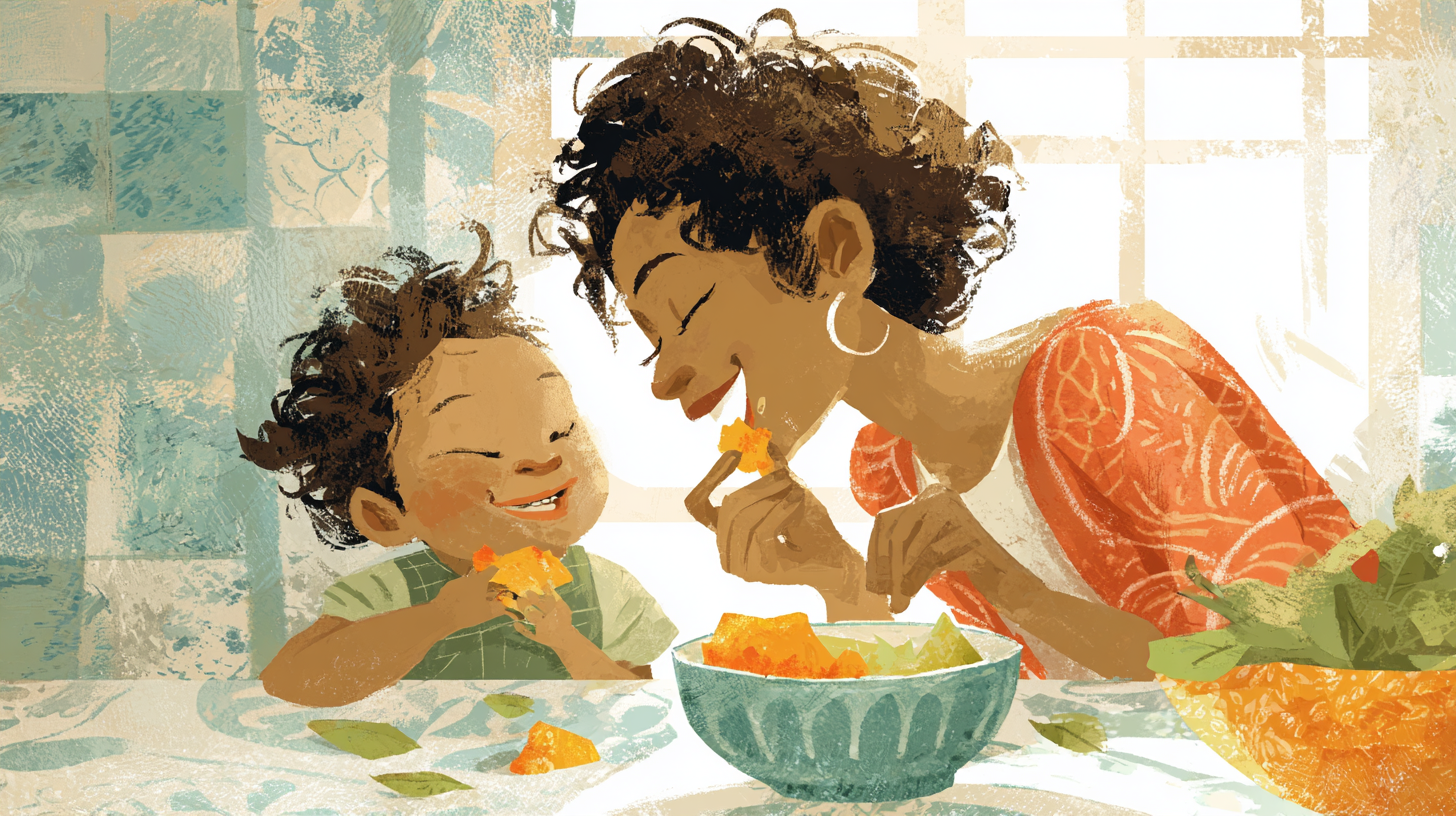
Research following families over time shows that food parenting practices—like pressure, monitoring, discipline, or relaxed structure—are not static. They shift with life events, stress, and new routines. That means what works in one season may not work in the next, and noticing patterns becomes more useful than clinging to any single “perfect” method.
One of the most powerful low-effort tools you can use is a “pattern log.” It doesn’t have to be fancy. For a week or two, jot down what you notice in three simple columns: What happened before the meal? What did I do? What did my child do? Over time, small but important themes often emerge: evenings are tougher than mornings; post-daycare dinners are refused more often; snacks are too close to meals; or pressure leads to more refusal, while playful exposure leads to more curiosity.
Many parents discover that what they thought was a “picky eater problem” was often a “too-tired-at-dinner” pattern, or that their child is far more adventurous at breakfast and lunch than at the last meal of the day. Others realize that screen distractions, big transitions, or parent rushing correlate strongly with battles at the table. Once those patterns are visible, you can experiment with small, realistic changes instead of overhauling everything.
Caribbean-style cooking actually offers a beautiful metaphor here. Think of a dish like Calabaza con Coco (pumpkin with coconut milk) or a smooth Sweet Potato & Callaloo Rundown. You taste, notice what’s missing, and adjust seasoning, liquid, or texture—not by blaming yourself, but by studying how the ingredients are responding. Feeding setbacks are that kind of feedback: a cue to adjust the “recipe” of your routines, not a reason to toss the whole pot.
Adjusting Strategies: From Pressure and Panic to Structure and Curiosity
Research into family mealtimes and food parenting points to one consistent theme: children thrive when there is a balance of structure and autonomy. Parents decide what, when, and where food is offered; children get increasing say in whether and how much they eat from what’s on offer. Setbacks often push us away from this balance—toward pressure, bribery, or chaos—so the work is to gently steer back.
Common course corrections that line up with current research include:
- Sticking to predictable meal and snack times so the child arrives at the table with some appetite, rather than grazing all day.
- Offering one or two “safe” foods alongside new or more challenging ones, so the plate feels less threatening.
- Removing pressure phrases (“Just one more bite!”) and replacing them with neutral observations (“You tried the mango today—that’s new!”).
- Making space for shared family meals, even simple ones, which are linked with better social and health outcomes over time.
When introducing new flavors, especially bolder ones like Caribbean pumpkin, callaloo, or beans with coconut, the key is repeated, low-pressure exposure. For example, you might offer a small spoon of Calabaza con Coco beside familiar mashed sweet potato, or a gentle blend inspired by Coconut Rice & Red Peas smoothed out for your baby’s stage. If you want ready-to-use ideas here, the Caribbean Baby Food Recipe Book: Easy & Healthy Homemade Meals for Infants & Toddlers walks you through age-appropriate combinations using ingredients like sweet potato, plantain, coconut milk, beans, and more, so you can experiment without guessing.
The key is to pair your pattern observations with one or two small, realistic experiments at a time: moving veggies to earlier in the day, simplifying evening meals, or shifting from “clean plate club” to curiosity-based tasting. Then you watch what changes—not overnight perfection, but tiny shifts in stress, connection, and willingness to try.
Challenges, Setbacks, and the Social Media Trap
Modern parents do not raise children in quiet villages; they raise them in public squares built by algorithms. Systematic reviews show that parents increasingly use social media for parenting and feeding information, peer support, and comparison. That brings both comfort and pressure: you see other parents’ struggles, but you also see highly edited success stories that leave out the tantrums and food on the walls.
Online, extreme opinions about feeding travel far: never serve this, always serve that, your child will be ruined if they see sugar before age X, or you’re harming them if you don’t follow a particular philosophy. While some accounts and peer groups can be incredibly validating and research-informed, others oversimplify complex issues, shame parents for coping strategies, or sell quick fixes that ignore context like culture, food access, or neurodiversity.
There are also deeper systemic challenges that don’t get enough airtime. Families face time pressure, food insecurity, limited healthcare access, or generational expectations that say a child who doesn’t “eat up” is misbehaving. Researchers increasingly emphasize that feeding challenges cannot be laid solely at parents’ feet; they are shaped by policies, culture, and economics as much as by what happens in your kitchen. Remembering this bigger picture can help loosen the grip of shame.
So, when scrolling, it helps to treat social media like a spice rack: a little can enhance your cooking; too much, and the whole dish is overpowering. Curate your feed with voices that normalize struggle and talk honestly about setbacks, and mute those that make you feel like you are on trial every time your child eats less than a picture-perfect portion.
Real-Life Caribbean Kitchen Moments: How Setbacks Became Turning Points
Let’s take this out of the research papers and into a Caribbean kitchen. One evening, after a long workday and a sweaty commute, a parent serves a blended version of Sweet Potato & Callaloo Rundown to their one-year-old. The parent is picturing that perfect Instagram moment: baby grinning, green mustache, maybe a little soca playing in the background. Instead, the child takes one taste, scrunches their face, and sweeps the bowl straight to the floor. Rice crackers win the night.
In the past, that parent might have taken it personally: “They hate my culture’s food. I should have just served plain cereal. I’ve ruined their palate.” But after learning about feeding resilience, they try something new. They pause, name their frustration (“This is so disappointing”), and then reframe: “This was our first try. My child is tired. The texture is new. This is information, not a verdict.”
Over the next week, they offer the same flavors in gentler ways: a small spoon of callaloo stirred into familiar mashed sweet potato one day; a mellow pumpkin and coconut blend inspired by Calabaza con Coco another; a smoother bean and coconut purée like a baby-friendly nod to Coconut Rice & Red Peas on the weekend. They keep portions small, reactions low-pressure, and exposure steady. Gradually, the child begins to accept more of those flavors—not every time, but often enough that a new normal emerges.
This is the quiet magic of learning from setbacks. The recipe didn’t disappear. The culture didn’t disappear. What changed was the story: from “my child rejected my food” to “my child is learning my flavors in their own time.” For structured, island-inspired ideas you can adapt in this way, the Caribbean Baby Food Recipe Book: Easy & Healthy Homemade Meals for Infants & Toddlers includes recipes like Papaya & Banana Sunshine, Yellow Yam & Carrot Sunshine, and Geera Pumpkin Puree, which can all be introduced gradually and repeatedly as your little one’s comfort grows.
Building a Resilient Feeding Mindset, Step by Step
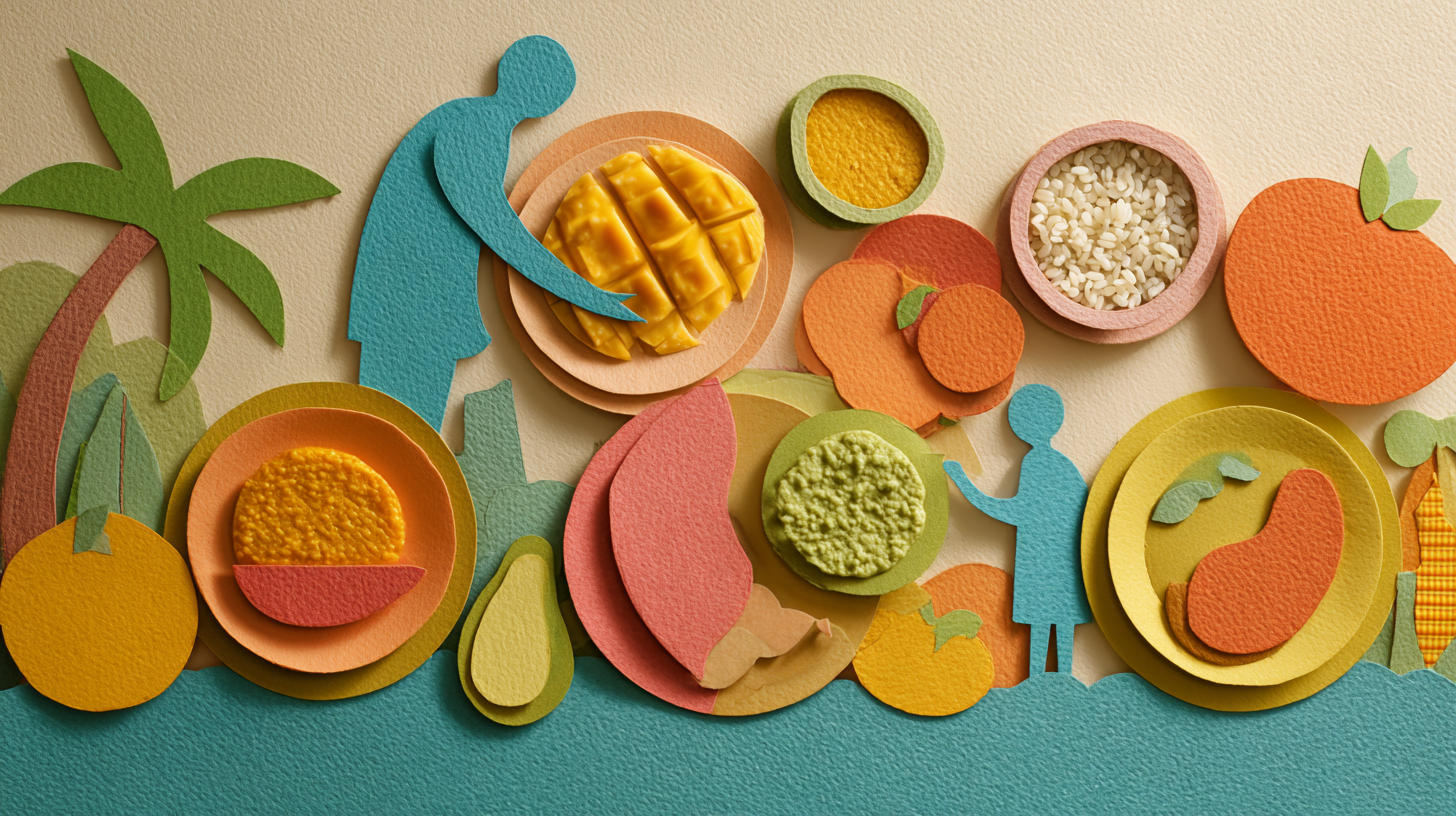
Resilience is not a trait you either have or you don’t. It’s more like a muscle you train—especially in daily, ordinary moments like yet another bowl of pumpkin purée on the floor. Studies of parent-focused self-compassion programs show that when caregivers practice simple strategies regularly, their stress drops and their sense of competence rises, even in the face of ongoing challenges.
You can think of building a resilient feeding mindset in small, repeatable steps:
- Recognize the trigger: Notice when a setback happens and name it: “That meal was rough.”
- Regulate your body: Take a breath, sip some water, step away for a moment if you need to.
- Reframe the thought: Shift from “I’m failing” to “We’re learning and I can adjust.”
- Request support: Reach out to a partner, friend, or online community that normalizes hard phases.
- Review the pattern: Later, look back: What time was it? What was your child’s day like? What did you need?
None of these steps make feeding magically easy. Your child may still go through picky phases, regress during illness, or surprise you with sudden new dislikes. But over time, your nervous system learns that a rough meal is not an emergency, your mindset shifts from “I must fix this now” to “I can stay curious,” and your child gets to experience a parent who is steady, even when the plate isn’t.
This is especially powerful in families where food has long been tied to pressure, guilt, or scarcity. By responding differently in this generation—breathing, adjusting, experimenting instead of shaming—you are quietly changing the story your child carries into their teen and adult years about their body, their appetite, and their culture’s food.
Looking Ahead: What Feeding Growth Can Mean for Your Family
Researchers expect that support for parents around feeding will continue to evolve. More programs are being developed that combine practical nutrition guidance with emotional skills like self-compassion, stress management, and pattern awareness. Digital peer communities and online resources are also becoming more intentional about centering diverse families, cultural foods, and non-linear progress rather than one-size-fits-all milestones.
For your family, this means you are not stuck with whatever feeding scripts you inherited. You can:
- Normalize that growth around food often looks like “two steps forward, one step back.”
- Protect your relationship with your child above the appearance of their plate.
- Invite them, over time, into the joy of your own food stories—grandma’s pumpkin soup, a Sunday callaloo, plantain mashed just the way your auntie used to make it.
Tools like a reliable recipe collection can free up mental space so you can focus less on “what on earth do I cook?” and more on “how are we connecting around this meal?” When you have options like Batata y Manzana (white sweet potato and apple), Baigan Choka Smooth (eggplant-inspired purée), or Amerindian Farine Cereal at your fingertips, you can experiment confidently with flavors and textures while staying aligned with your baby’s developmental stage. That’s exactly the kind of support the Caribbean Baby Food Recipe Book: Easy & Healthy Homemade Meals for Infants & Toddlers is built to provide.
Over time, each setback you live through—each dish refused, each regression navigated, each new approach tried—becomes part of a bigger story. Not a story of “I finally achieved perfect feeding,” but a story of “We learned, we adapted, we stayed connected.” Your child will not remember how many bites of pumpkin they ate on a random Tuesday. They will remember how it felt to be with you while they were learning to listen to their own body.
As you move into your next meal, remember this: setbacks are not interruptions to the “real” feeding journey. They are the journey. Tonight’s refused spoon, tomorrow’s small victory, next month’s new favorite food—they are all chapters in a story where you and your child grow braver, wiser, and more connected. And if you’d like a companion in the kitchen—one that respects both your baby’s needs and your Caribbean roots—you can explore the Caribbean Baby Food Recipe Book: Easy & Healthy Homemade Meals for Infants & Toddlers and let it support you with nourishing, culturally rich ideas while you focus on what matters most: the relationship at the table.

Kelley's culinary creations are a fusion of her Caribbean roots and modern nutritional science, resulting in baby-friendly dishes that are both developmentally appropriate and bursting with flavor. Her expertise in oral motor development and texture progression ensures that every recipe supports your little one's feeding milestones while honoring cultural traditions.
Join Kelley on her flavorful journey as she shares treasured family recipes adapted for tiny taste buds, evidence-based feeding guidance, insightful parenting anecdotes, and the joy of celebrating food, culture, and motherhood. Get ready to immerse yourself in the captivating world of Kelley Black and unlock the vibrant flavors of the Caribbean for your growing baby, one nutritious bite at a time.
- The Feeding Revolution: Why Your Everyday Meals Are Changing the World - October 13, 2026
- Your Feeding Story Matters More Than The “Perfect” One Online - October 12, 2026
- Looking Forward: Stepping Into Your Confident Feeding Future - October 11, 2026