When Birthday Cake Becomes a Battlefield: The Hidden Truth About Celebrating with Food Allergies
Let’s discover how prepared you really are for allergy-safe celebrations. Click your biggest celebration challenge:
Three years ago, at my nephew’s sixth birthday party, I watched a mother stand at the edge of the celebration, clutching an EpiPen while her daughter sat alone with a bag of “safe” crackers. The other children devoured chocolate cake, colorful cupcakes, and candy, their faces lit with joy. Her daughter’s face told a different story—one I’ve seen repeated at countless celebrations across the Caribbean and beyond.
That moment changed everything for me. Because here’s what nobody tells you about food allergies and celebrations: the real battle isn’t just keeping your child safe. It’s fighting the invisible exclusion that happens when every birthday, holiday, and gathering revolves around foods that could send your little one to the emergency room.
But here’s the truth that the $102 billion allergen-free food industry doesn’t always shout from the rooftops: celebration and safety aren’t opposites. They’re partners. And with the right knowledge, your child with food allergies can experience the same joy, the same inclusion, the same wide-eyed wonder at every celebration—without compromise.
The Shocking Reality Behind Food Allergy Celebrations
Let’s start with the numbers that should make every parent sit up and pay attention. Approximately 8% of children and 11% of adults now have convincing food allergies. That’s roughly one in every twelve children sitting in your kid’s classroom, at the birthday party, at the family gathering. The global allergen-free food market is projected to explode from $50.37 billion in 2025 to over $102 billion by 2035—a staggering 7.8% annual growth rate.
But here’s what those statistics don’t tell you: behind every number is a child who’s been handed a substitute snack while watching others enjoy “normal” treats. A parent who’s spent hours reading microscopic ingredient labels under fluorescent grocery store lights. A family that’s declined invitations because the stress of navigating allergens feels overwhelming.
of global consumers actively seek allergen-free labels when shopping—that’s one in three families demanding change
The revolution happening right now in allergy-friendly celebration foods isn’t just about more products on shelves. It’s about a fundamental shift in how we think about inclusion. Recent research shows that early allergen introduction—particularly peanuts during infancy—has led to a remarkable 43% decrease in peanut allergies and a 36% drop in overall IgE-mediated food allergies in the United States. Science is rewriting the rules, and celebration strategies need to catch up.
Decoding Labels Like Your Child’s Life Depends On It (Because It Does)
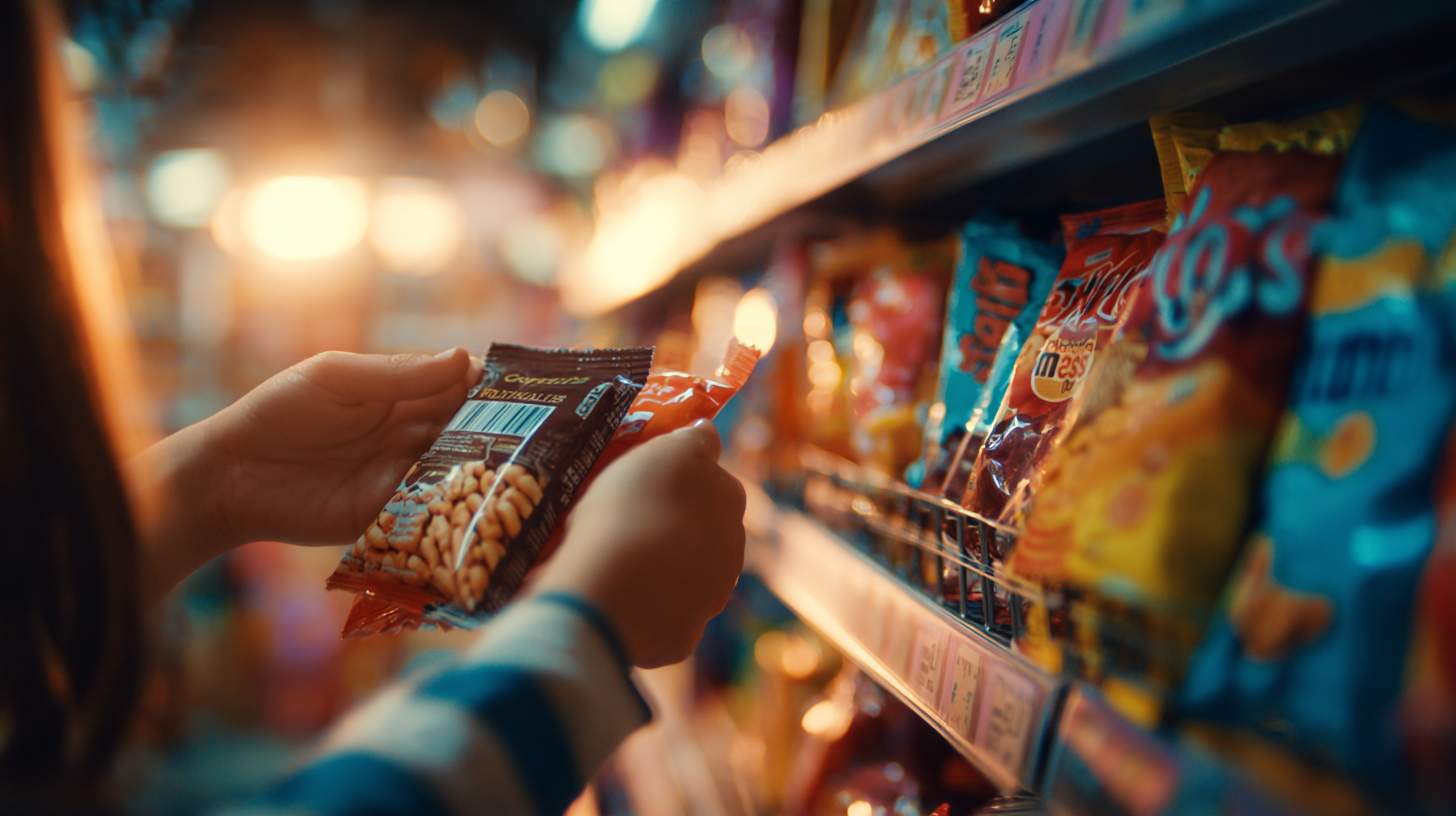
I remember standing in the middle of the grocery store last December, preparing for my niece’s first Christmas, holding a package of “festive cookies” that listed seventeen ingredients I couldn’t pronounce. My sister-in-law, whose daughter has severe nut and dairy allergies, taught me something that day that changed how I look at every label: the dangerous ingredients aren’t always obvious.
Food labels are written in a language designed to confuse. “Natural flavors” can hide dairy proteins. “Modified food starch” might contain wheat. “Caramel color” could be derived from milk. And those innocent-sounding additives? They’re landmines waiting to explode your celebration plans.
Click each card to reveal the hidden allergen danger:
The truth about label reading that experienced allergy parents know: it’s not just about reading the ingredients list once. It’s about reading it every single time you purchase a product, even if you’ve bought it a hundred times before. Manufacturers change formulations without warning. A cookie that was safe last month might contain milk powder this month.
Here’s your battle-tested label reading protocol: First, scan for the “Contains” statement required by law for the top eight allergens (milk, eggs, fish, shellfish, tree nuts, peanuts, wheat, and soy). Then—and this is crucial—read the entire ingredient list anyway, because lesser-known allergens like sesame, mustard, and certain food dyes don’t always get the bold-text treatment. Look for manufacturing statements about shared equipment or facilities. Finally, when in doubt, contact the manufacturer directly. Most companies have allergen hotlines specifically for this purpose.
Social media communities and advocacy groups like FARE (Food Allergy Research & Education) and Kids with Food Allergies maintain updated lists of safe products for various celebrations. Their April 2025 Allergy-Friendly Candy Guide is downloaded by thousands of parents every holiday season. These resources do the heavy lifting of verifying products, but your vigilance remains the final safety net.
The Caribbean Kitchen Secret: Naturally Allergy-Friendly Celebration Foods
Here’s something beautiful that happened when my family started exploring allergen-free celebrations: we discovered that traditional Caribbean ingredients are naturally some of the safest, most nutrient-dense celebration foods on earth. While mainstream parties revolve around wheat-based cakes and dairy-heavy treats, Caribbean cuisine has been creating naturally allergy-friendly celebrations for generations.
Think about it: coconut milk instead of dairy. Sweet plantains that rival any cake in natural sweetness. Vibrant fruit blends that make artificial candy colors look dull. Ground provisions like malanga and yam that provide substance without common allergens. The ingredients our grandmothers used weren’t just cultural traditions—they were accidentally brilliant allergy-friendly choices.
When you’re creating celebration foods for children with allergies, inspiration from Caribbean cooking offers incredible advantages. Coconut milk creates creamy textures without dairy. Plantains can be transformed into sweet “cakes” or crispy chips without wheat. Fresh tropical fruits bring color and excitement to any party table. And the spices—cinnamon, nutmeg, vanilla—add celebration-worthy flavors without triggering common allergies.
This is where resources like a Caribbean Baby Food Recipe Book become invaluable. With over 75 recipes featuring naturally allergy-friendly ingredients like sweet potatoes, mangoes, coconut milk, and plantains, you’re not just feeding your child—you’re introducing them to authentic flavors that happen to be celebration-worthy and safe. Recipes like Calabaza con Coco (Pumpkin & Coconut Milk), Plantain Paradise, and Cornmeal Porridge Dreams prove that restriction doesn’t mean boring.
Making Allergen-Free Versions That Don’t Taste Like Cardboard
Let me be brutally honest: the first allergen-free birthday cake I made for my nephew looked like a science experiment gone wrong and tasted like sweetened sawdust. The kids took polite bites and quietly set down their plates. I wanted to cry. But that failure taught me something crucial: allergen-free doesn’t mean flavor-free or joy-free. It means getting creative with substitutions that actually work.
The revolution in allergen-free baking comes down to understanding what ingredients actually do, not just swapping one for one. Eggs provide structure and moisture—you can replace them with flax eggs (1 tablespoon ground flaxseed + 3 tablespoons water per egg) or aquafaba (the liquid from canned chickpeas). Dairy adds richness and fat—coconut milk, oat milk, or almond milk (if tree nuts are safe) work beautifully. Wheat flour provides structure—but coconut flour, oat flour, or rice flour blends can create equally delicious results.
Track your celebration preparation progress:
Your Celebration Safety Score:
Real-world allergen-free celebration wins come from recipes that have been tested and proven. No Whey! Foods creates chocolate and candy free from the top eight allergens—their products taste like regular chocolate because they’ve mastered the art of substitution. Enjoy Life Foods offers allergy-friendly baking mixes that actually work. Trader Joe’s Sunflower Seed Butter Cups give peanut-allergic kids the same experience as Reese’s Cups without the terror.
But here’s where homemade allergen-free treats become powerful: you control every ingredient, every surface, every tool. Cross-contamination—one of the biggest risks in allergen-free eating—disappears when you’re making treats in your own kitchen with dedicated, thoroughly cleaned equipment. And there’s something magical about a parent creating a special treat specifically for their child’s safety and joy.
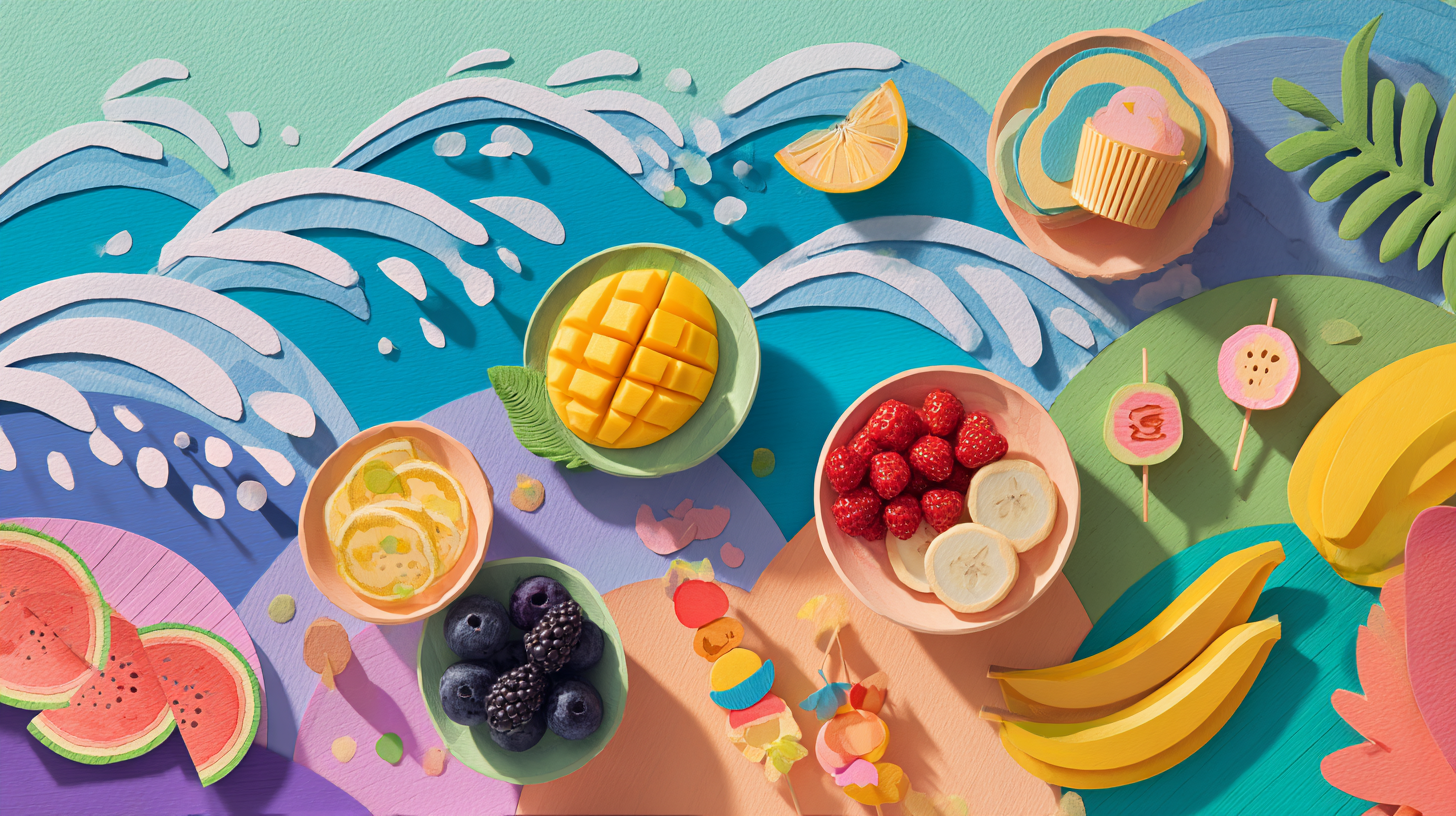
Some of the most successful allergen-free celebration treats I’ve witnessed aren’t trying to imitate traditional treats—they’re creating their own identity. Fruit kabobs with coconut yogurt dip become more exciting than boring cake. Plantain “nice cream” (frozen blended plantains) rivals any ice cream. Coconut flour brownies made with Caribbean cocoa have a richness that dairy-based brownies can’t match. When you explore resources like the Caribbean Baby Food Recipe Book, you’ll find recipes for naturally sweet treats like Papaya & Banana Sunshine, Mala Rabia Puré (Ripe Plantain and Guava), and Chokola Peyi Puré that transition beautifully into celebration foods as children grow.
Celebrating Without Exclusion: The Social-Emotional Side Nobody Talks About
This is where my heart breaks and heals simultaneously. The psychological impact of food allergies on children extends far beyond physical safety. Studies show that children with food allergies experience higher rates of anxiety, social isolation, and feelings of difference. And celebrations—those moments meant to create joy and connection—can become painful reminders of what makes them “different.”
I’ve watched children with allergies develop coping mechanisms that break your heart: the forced smile while everyone else eats cake, the practiced explanation of “I can’t have that,” the quiet retreat to the edges of the party. Parents report that their allergic children often decline invitations to avoid the stress and exclusion. The gap this creates isn’t just about food—it’s about belonging, about feeling valued, about childhood memories that should be joyful but become tinged with sadness.
But here’s the powerful truth emerging from advocacy groups and progressive schools: exclusion isn’t inevitable. Inclusion is a choice we make in how we design celebrations. The most successful allergy-inclusive celebrations share common elements: everyone eats the same safe foods (no “special” separate treats that mark the allergic child as different), celebrations incorporate non-food activities that emphasize joy over eating, and the allergic child’s safety becomes everyone’s shared responsibility rather than their burden alone.

Which celebration ideas prioritize TRUE inclusion? Test your inclusive celebration instincts:
Forward-thinking schools and community organizations are revolutionizing how celebrations work. Instead of birthday cupcakes in the classroom, they’re implementing “birthday book donations” where the celebrating child donates a book to the classroom library. School celebrations feature activities like dance parties, craft stations, and outdoor games where food isn’t the centerpiece. When food is served, the entire class enjoys the same allergy-safe treats—and remarkably, most children don’t notice or care about the substitutions when the treats are well-made and presented with excitement.
Parents who’ve mastered inclusive celebrations report a simple but powerful shift: they stopped trying to make allergy-friendly versions of everything and started creating NEW celebration traditions that happen to be allergy-safe. One family I know hosts annual “tropical fruit parties” where every dish features Caribbean fruits, naturally avoiding their daughter’s dairy and nut allergies while introducing exciting flavors. Another family made “cooking together” their celebration tradition, letting the birthday child help prepare their own safe treats—turning potential exclusion into empowerment.
Joy Despite Restrictions: Redefining What Celebration Means
Here’s the paradigm shift that changes everything: celebrations aren’t about the food. They’re about connection, joy, acknowledgment, and love. Food has become the default center of celebrations in modern culture, but it doesn’t have to be. And for families managing allergies, this realization becomes liberation.
The most joyful allergy-friendly celebrations I’ve witnessed de-center food entirely. Birthday parties built around themes—superhero training camps, princess craft stations, science experiment parties—create memories that have nothing to do with cake. The treats are present but peripheral. Children remember the treasure hunt, the craft they made, the games they played—the food becomes just fuel, not the focal point.
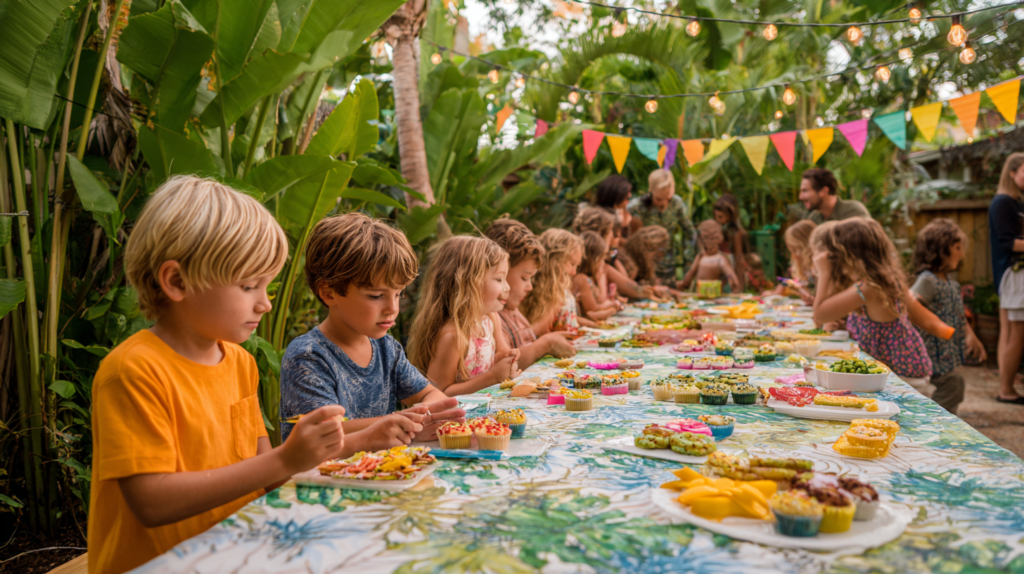
This doesn’t mean eliminating treats altogether. It means right-sizing their importance. When my nephew turned eight last year, his mother created a “cooking party” where each child decorated their own allergen-free cupcake (all ingredients pre-checked and safe). The activity of decorating became the celebration. The eating was almost an afterthought. Every child felt included, creative, and celebrated—and the allergic children in attendance weren’t stressed or excluded.
Non-food rewards and celebrations are gaining traction in schools and communities. Instead of candy rewards, teachers offer extra recess time, homework passes, or special privileges. Instead of food-centered holiday parties, schools host cultural celebrations with music, storytelling, and art. These changes benefit all children—not just those with allergies—by de-emphasizing sugar-centered celebrations and emphasizing experiences over consumption.
Your 30-Day Celebration Revolution
Week 1: Knowledge Foundation
→ Audit your current celebration foods and identify hidden allergens
→ Join online allergy support communities (FARE, Kids with Food Allergies)
→ Download current allergen-safe product lists for your region
→ Test one allergen-free recipe from trusted sources
Week 2: Kitchen Preparation
→ Designate allergy-safe preparation zones and equipment
→ Stock your pantry with versatile allergen-free ingredients (coconut milk, plantains, safe flours)
→ Practice making 2-3 go-to safe treats until you master them
→ Create an emergency contact list and verify EpiPen expiration
Week 3: Social Strategy
→ Draft a clear, friendly communication template for party hosts about your child’s allergies
→ Plan one “practice celebration” at home with safe treats
→ Research and order from verified allergy-friendly brands
→ Discuss celebration strategies directly with your child—empower them with knowledge
Week 4: Implementation & Advocacy
→ Host your first fully inclusive celebration (birthday, playdate, or family gathering)
→ Share your successful strategies with your child’s school or community group
→ Create a “safe celebration kit” for last-minute invitations (portable safe treats, wipes, medications)
→ Document what worked and what needs adjustment for future celebrations
Remember: Every celebration you navigate successfully builds your confidence and your child’s resilience. You’re not just managing allergies—you’re teaching your child that their safety matters, that inclusion is possible, and that joy doesn’t depend on what everyone else is eating.
The Future of Allergy-Friendly Celebrations Is Already Here
The landscape of food allergies and celebrations is transforming faster than most people realize. The $102 billion allergen-free food market by 2035 isn’t just a statistic—it’s a revolution in how food companies, schools, communities, and families approach inclusion. Digital platforms are emerging that allow families to scan barcodes and instantly verify allergen safety. Subscription boxes deliver curated allergy-safe treats directly to homes. Artificial intelligence is being developed to read labels and flag hidden allergens that humans might miss.
Bioengineering research is creating hypoallergenic crop strains that could reduce allergies at the source. Schools are implementing comprehensive allergen policies that protect vulnerable children without creating stigma. Social media communities are sharing real-time information about product recalls, formula changes, and newly available safe products. Parent advocacy groups are successfully lobbying for clearer labeling laws and better allergen regulations.
But perhaps the most powerful change is cultural. The shame and stigma that once surrounded food allergies are dissolving. Children are learning in schools that accommodating allergies is normal kindness, not special treatment. Parents are discovering that allergen-free doesn’t mean flavor-free or joy-free. Communities are recognizing that true celebration includes everyone, regardless of what they can or cannot safely eat.
The families who thrive in this new landscape share common characteristics: they educate themselves relentlessly, they connect with supportive communities, they advocate confidently for their children’s needs, and they refuse to accept exclusion as inevitable. They discover that introducing diverse, naturally allergy-friendly foods—like those found in Caribbean cuisine through resources like a Caribbean Baby Food Recipe Book—opens culinary horizons rather than closing them.
Finding Your Family’s Celebration Path Forward
Three years after that birthday party where I watched a mother clutch an EpiPen while her daughter ate crackers alone, I attended another celebration. Same family. Different approach. This time, the entire party was allergen-free by design—not as an accommodation but as the foundation. Plantain “cake” topped with fresh mango and coconut cream. Fruit skewers with chocolate sauce made from safe ingredients. Popcorn seasoned with cinnamon and a touch of coconut oil. Every child ate the same beautiful, delicious foods. And that little girl? She was in the center of the celebration, laughing and playing, no different from any other child.
Her mother pulled me aside as the party wound down, and I expected her to thank everyone for accommodating. Instead, she said something that captured everything: “This is the first birthday party where I didn’t spend the whole time terrified. Where my daughter didn’t feel different. Where celebration felt like celebration.”
That’s what we’re fighting for. Not just safety—though safety is non-negotiable. Not just inclusion—though inclusion is essential. We’re fighting for the fundamental right of every child to experience pure, uncomplicated joy at celebrations. To make memories that aren’t tinged with fear or marked by difference. To feel that they belong exactly as they are.
The tools, resources, and knowledge exist right now to create these experiences. The allergen-free products on store shelves are more delicious and diverse than ever. The online communities provide support and tested recipes. The advocacy organizations fight for better policies and clearer labels. The research continues to unlock new solutions. And families like yours, armed with knowledge and determination, are rewriting what celebration means.
Your journey with allergy-friendly celebrations won’t be perfect from day one. You’ll read labels wrong. You’ll have failed recipe attempts. You’ll face situations that test your patience and creativity. But every small victory—every successful party, every confident conversation with a host, every moment your child eats safely alongside their friends—is building toward something larger. You’re not just managing your child’s allergies. You’re teaching them resilience, self-advocacy, and the truth that restrictions don’t define joy.
Start where you are. Choose one celebration—a birthday, a holiday, a weekend gathering—and apply what you’ve learned here. Read every label twice. Connect with supportive communities. Explore naturally allergy-friendly ingredients like those in Caribbean cooking. Create alternatives that celebrate rather than compromise. Communicate clearly with everyone involved. And watch as celebration transforms from a source of stress into a source of genuine connection and joy.
Because at the end of the day, celebration isn’t about the food we eat. It’s about the love we share, the moments we create, and the message we send to our children: you are valued, you are included, and your safety and joy matter equally. That’s a celebration worth fighting for. And it’s a celebration that’s absolutely possible—starting today, with the very next gathering, one intentional choice at a time.
The birthday cake battlefield can become a place of victory. The celebration table can welcome everyone. And your child with food allergies can experience the fullness of childhood joy—not despite their restrictions, but with careful, creative, loving accommodation that proves joy and safety aren’t opposites. They’re partners in creating the memories that will sustain your family for years to come.
Ready to revolutionize your family’s celebration approach?
Explore over 75 naturally allergy-friendly Caribbean recipes that prove restriction doesn’t mean boring—it means discovering flavors and traditions that happen to be safe, nutritious, and celebration-worthy.
Discover Caribbean-Inspired Safe Celebration Foods →
Kelley's culinary creations are a fusion of her Caribbean roots and modern nutritional science, resulting in baby-friendly dishes that are both developmentally appropriate and bursting with flavor. Her expertise in oral motor development and texture progression ensures that every recipe supports your little one's feeding milestones while honoring cultural traditions.
Join Kelley on her flavorful journey as she shares treasured family recipes adapted for tiny taste buds, evidence-based feeding guidance, insightful parenting anecdotes, and the joy of celebrating food, culture, and motherhood. Get ready to immerse yourself in the captivating world of Kelley Black and unlock the vibrant flavors of the Caribbean for your growing baby, one nutritious bite at a time.
- Feeding Therapy: Your Family’s Roadmap from Overwhelm to Progress - September 10, 2026
- When to Seek Professional Feeding Help: Your Complete Guide to Recognizing Warning Signs and Taking Action - September 9, 2026
- Finding Your Feeding Community: The Support That Changes Everything - September 8, 2026