 Skip to content

Preventing Cross-Contamination in Group Settings: Your Family’s Safety Blueprint
Quick Reality Check: What’s Your Biggest Group Setting Challenge?
Click your primary concern and discover your personalized safety priority:
Six months ago, my neighbor called me in tears. Her daughter had been rushed to the hospital after eating a “safe” cupcake at a classroom party. The culprit? A well-meaning parent who used the same knife to frost allergy-friendly cupcakes that they’d just used on regular ones. One shared utensil. One second of contact. One terrifying emergency room visit.
That moment changed everything for both of us. Because here’s what nobody tells you about managing food allergies in group settings: it’s not just about knowing what’s in the food. It’s about understanding the invisible pathways allergens take—from cutting boards to serving spoons, from shared tables to helping hands. And it’s about creating safety without creating fear, vigilance without anxiety, protection without isolation.
If you’re navigating food allergies with your little one, you already know the statistics are sobering. Food allergies affect approximately 8% of U.S. children, translating to roughly 1 in 13 kids, or about two students in every classroom. Emergency room visits for allergic reactions exceed 200,000 annually in the United States alone. But here’s what those numbers don’t capture: the constant mental math, the social navigation, the explaining and re-explaining, and the weight of being your child’s first and last line of defense in environments you can’t fully control.
The truth? Cross-contamination remains the leading cause of accidental exposures in group settings. Over 50% of severe allergic reactions aren’t from direct ingredient errors—they’re from cross-contact that happens in kitchens, at buffet tables, during food prep, and in shared dining spaces. Recent studies tracking simulated food handling found that allergens transfer at alarming rates: 36.4% from contaminated food to gloves, 42.4% from glove to food, and 15.2% from food to food within mere minutes of contact.
But before you spiral into worst-case scenarios, take a breath. Because while cross-contamination is a real danger, it’s also preventable. Not through hypervigilance that exhausts everyone involved. Not through bubble-wrapping your child. But through smart systems, clear communication, and practical strategies that work in real-world situations—from school lunchrooms to grandma’s kitchen, from birthday parties to Caribbean family gatherings where the food is abundant and the serving spoons are… let’s just say, enthusiastically shared.
Understanding the Hidden Danger: What Cross-Contamination Really Means
Cross-contamination—or as allergists more accurately call it, “cross-contact”—happens when an allergen transfers from one food or surface to another. Unlike bacterial contamination that you can often cook away, allergen proteins are remarkably resilient. They survive cooking, freezing, and even some cleaning methods. They’re invisible, odorless, and can cause reactions in trace amounts as small as a few milligrams.
Think about it this way: if someone spreads peanut butter on bread using a knife, then dips that same knife into the jam jar, that jam is now contaminated. Every sandwich made with that jam carries potential danger for a child with peanut allergies. One jar. Dozens of exposures. This is the multiplication effect of cross-contamination that makes group settings particularly risky.
In Caribbean households where cooking is often a communal, multi-generational activity—where aunties are stirring multiple pots, cousins are helping season meats, and everyone’s reaching for the same serving spoons—the opportunities for cross-contact multiply exponentially. When you’re preparing traditional dishes that might include coconut milk (a common allergen), fish, shellfish, tree nuts, or eggs, often all in the same kitchen at the same time, understanding contamination pathways becomes absolutely critical.
The Shocking Truth About Surface Contamination
Click below to discover how long allergens survive on everyday surfaces (this might surprise you):
Research shows that allergen proteins can remain on surfaces for hours or even days without proper cleaning:
- Peanut proteins: Can persist on tables for up to 110 days and on surfaces for 24+ hours after exposure
- Milk proteins: Remain detectable on hands for 30+ minutes after consumption and on surfaces for several hours
- Egg proteins: Can survive standard wiping and require soap-based cleaning for effective removal
- Tree nut proteins: Particularly oily ones like cashews, can spread easily and resist simple water wiping
The takeaway? A quick wipe with a dry cloth or even water alone isn’t enough. This is why dedicated, separate preparation areas and proper cleaning protocols aren’t just helpful—they’re essential.
The economic and emotional toll is substantial too. The total impact of food allergies in the U.S. surpassed $33 billion in 2024, including medical costs, lost productivity, and quality-of-life impacts. But no number captures the anxiety of watching your child navigate a birthday party, the exhaustion of constant vigilance, or the isolation families feel when they decline yet another invitation because the risk feels too great.
That’s exactly why understanding cross-contamination isn’t about fear-mongering. It’s about empowerment. When you know how contamination happens, you can implement systems that prevent it. When you understand the science, you can communicate effectively with teachers, relatives, and other parents. And when you have practical strategies, you can participate in group settings with confidence instead of dread.
The Four Critical Contamination Pathways (And How to Block Each One)
Cross-contamination doesn’t happen randomly. It follows predictable pathways. Understanding these routes is like having a map of the battlefield—suddenly, you know exactly where to focus your defenses.
Pathway #1: Hand-to-Food Transfer
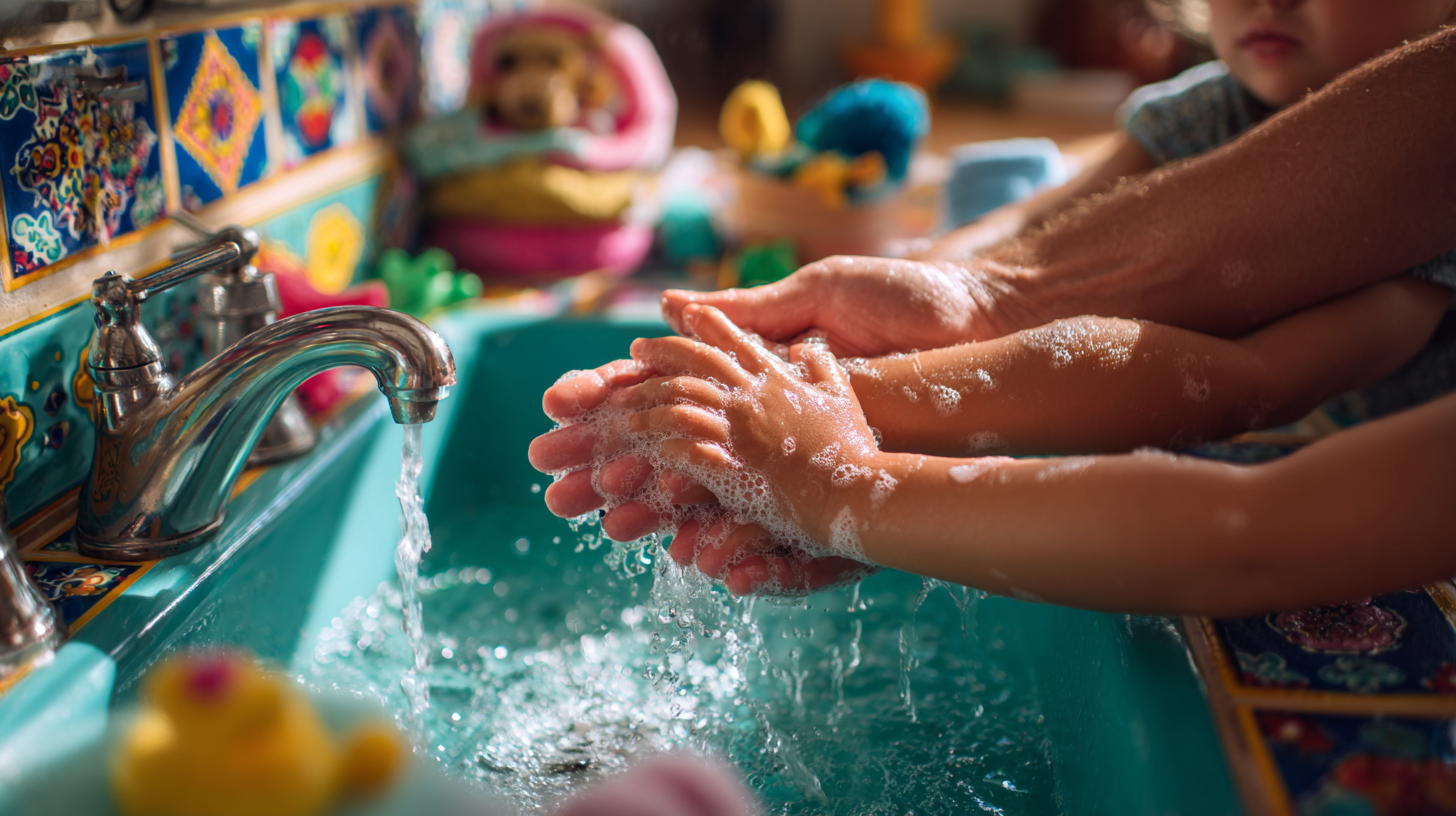
This is the most common contamination route, especially in settings with children. Someone eats a peanut butter sandwich, doesn’t wash their hands thoroughly, then touches a “safe” snack. Or an adult prepares allergen-containing food, rinses their hands quickly, then handles your child’s meal. Studies show that allergen proteins can remain on hands for 30+ minutes even after rinsing with water alone. Soap and vigorous washing for 20+ seconds are required for effective removal.
The solution isn’t just asking people to wash their hands—it’s creating systems where hand washing becomes automatic and convenient. At group events, position hand-washing stations or sanitizing wipes at food entry points. Designate one person as the “safe food handler” whose sole job is managing allergen-free items and who doesn’t handle any allergen-containing foods. In Caribbean family settings where multiple cooks work simultaneously, assign clear roles: one person handles the coconut-based dishes, another manages the seafood, and a designated handler works exclusively with safe foods.
Pathway #2: Shared Utensils and Equipment
This pathway caught my neighbor. Shared knives, spoons, cutting boards, blenders, toasters, and even can openers can harbor allergen residue. One study found that only 32% of people properly clean and sanitize surfaces after preparing allergenic foods. Standard dishwashing usually removes allergens effectively, but hand-washed items that get a quick rinse may still be contaminated.
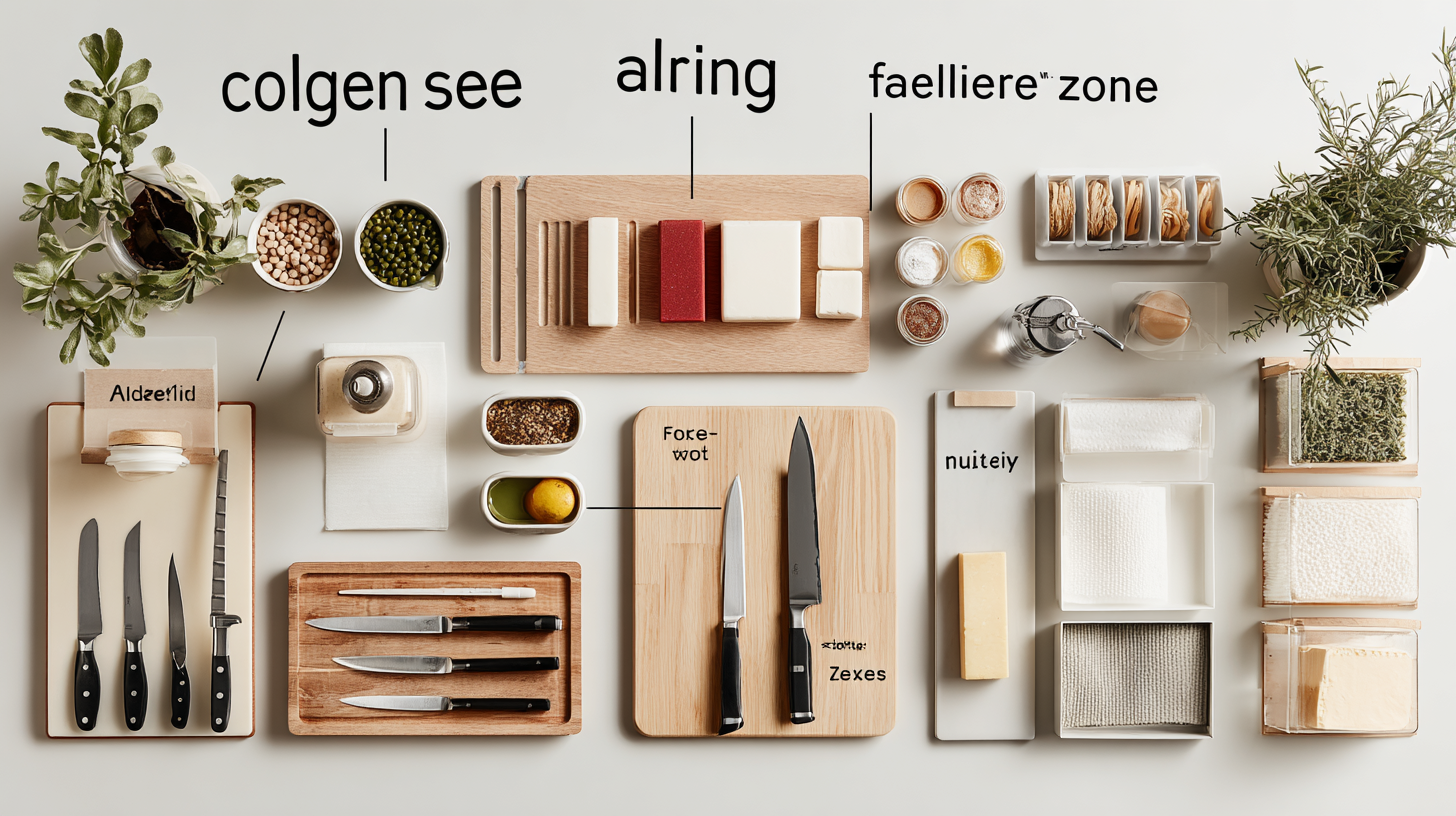
The answer is dedicated equipment and color-coding systems. In your home kitchen, maintain separate cutting boards, knives, and stirring utensils for allergen-free cooking. Use color coding: green cutting board for safe foods, red for allergen-containing foods, for example. Many professional kitchens and food manufacturers now use this system exclusively, and it’s being adopted in schools and community centers. When preparing dishes from the Caribbean Baby Food Recipe Book, which features over 75 island-inspired recipes for babies 6+ months, having dedicated equipment ensures that ingredients like coconut milk, plantains, and sweet potatoes remain safely separated from any household allergens.
Home Kitchen Setup
Click for your equipment safety guide
Your Essential Safe Kitchen Equipment List:
- Separate cutting boards (color-coded: green for safe, red for allergens)
- Dedicated knives, spatulas, and serving spoons stored separately
- Separate colander/strainer for pasta and grains
- Designated storage containers marked “SAFE” in permanent marker
- Personal toaster or toaster bags if bread allergens are an issue
- Separate sponges/cleaning cloths for allergen-free prep areas
Pro tip: Store safe equipment in a specific cabinet or drawer that’s clearly marked and off-limits for allergen-containing food prep.
Potluck Events
Click for your contribution strategy
Your Safe Potluck Game Plan:
- Always bring your child’s complete meal in sealed containers
- Bring extra safe food to share so other kids can eat the same thing
- Provide your own serving utensils that stay with your dishes
- Set up a designated “safe food station” separate from the main buffet
- Clearly label your safe foods with allergen-free signs
- Serve your child first, before cross-contamination from shared utensils occurs
Remember: Even well-meaning hosts can’t guarantee what’s in every dish. Your child’s safety is worth bringing your own meal every single time.
School Lunchroom
Click for your communication template
Your School Communication Strategy:
- Request a written allergy action plan on file with multiple staff members
- Ask for a designated allergen-free table or eating area
- Provide disposable placemats or washable mats for your child’s eating space
- Supply pre-moistened cleaning wipes for table cleaning before meals
- Request that your child eat first or has a designated lunch buddy who doesn’t consume allergens
- Provide the teacher with safe classroom snacks for parties and celebrations
Document everything in writing and follow up with email confirmations. Your child’s safety plan should be reviewed at the start of every school year and after any incidents.
Birthday Parties
Click for your party survival kit
Your Complete Party Prep Checklist:
- Contact the host 3-5 days before to discuss food and cake plans
- Offer to bring a safe cupcake or treat for your child (and extras to share)
- Pack a complete safe meal if the food situation is uncertain
- Bring your own party plates, napkins, and utensils in your child’s favorite color
- Arrive early to help set up a safe eating space
- Stay present during food service and eating times
- Bring entertainment or activities for your child to enjoy if they finish eating before others
Make it special: Let your child choose a safe “party treat” beforehand that they’re excited about. This shifts focus from what they can’t have to what they can enjoy.
Pathway #3: Airborne Particles
While less common than direct contact, airborne contamination can occur with certain foods, particularly when cooking. Steaming shellfish, frying fish, or even opening a container of peanut butter can release allergen particles into the air. For highly sensitive individuals, inhaling these particles or having them settle on food or surfaces can trigger reactions.
Mitigation strategies include ensuring good ventilation when cooking allergen-containing foods, using lids and covers during preparation, and preparing allergen-free meals before cooking allergenic foods in the same kitchen. If you’re hosting a large Caribbean family gathering where ackee and saltfish, curry shrimp, or fried fish might be on the menu, prepare any allergen-free dishes first, store them covered in a separate area, and then proceed with the rest of the cooking. This sequence prevents airborne particles from settling on safe foods.
Pathway #4: Surface Contact
Countertops, tables, high chair trays, and even floors can harbor allergen residue. This is particularly concerning with young children who frequently touch surfaces and then put their hands in their mouths. Allergen proteins can persist on surfaces for hours or even days without proper cleaning, as we discussed earlier.
The solution is a cleaning protocol that actually works. Simple water wiping is insufficient. Effective allergen removal requires soap or detergent-based cleaners and thorough wiping. Before your child eats at any shared table or surface, clean it yourself with soap-based wipes or a cloth with detergent solution. At home, establish cleaning zones: safe food prep areas get cleaned with dedicated cloths, and thorough cleaning happens between preparing allergen-containing and allergen-free foods.
Building Your Separate Preparation System
Separate preparation areas sound straightforward in theory, but implementation in real-world kitchens—especially during busy family gatherings—requires thoughtful planning. This isn’t about building a separate kitchen; it’s about creating designated zones and workflows that minimize cross-contact risk.
The Zone Method for Home Kitchens
Divide your kitchen into three functional zones: a safe zone exclusively for allergen-free food prep, a general zone for non-allergenic foods, and a separate zone for known allergen-containing foods. The safe zone should be as far as possible from the allergen zone—ideally on opposite counters or separated by the sink.
In the safe zone, store dedicated equipment, ingredients, and cleaning supplies. Before starting any meal prep, clean this area thoroughly with soap-based cleaner. Prepare all allergen-free foods first, before handling any allergen-containing ingredients. Once safe foods are prepared, immediately cover and store them away from active cooking areas. Only then should you move to preparing foods that contain allergens.
This sequential workflow is crucial. Think of it like this: you’re creating a time-based barrier when you can’t create a perfect physical one. When preparing Caribbean-inspired baby meals—like the Sweet Potato & Callaloo Rundown or Yellow Yam & Carrot Sunshine from the Caribbean Baby Food Recipe Book—complete these recipes entirely, portion them, and store them before moving on to family meals that might contain coconut, seafood, or other potential allergens.
Adapting Separation for Group Settings
At community events, school parties, or family gatherings where you don’t control the kitchen, adaptation is key. Request a designated table or counter area for safe food preparation. Cover this surface with clean disposable tablecloths or butcher paper to create a clean starting point. Set up your station away from high-traffic areas where people might be eating allergen-containing foods or bringing used plates.
Establish visual boundaries. Use colored tape, signs, or even decorative elements to clearly mark the safe food area. Make it obvious that this zone is off-limits for allergen-containing foods. One creative mom I know uses a colorful beach umbrella over the safe food table at outdoor events—it’s festive, functional, and creates an unmistakable visual cue.
️ Your Personal Safety System Audit
Click each practice you currently have in place. Watch your safety score increase in real-time:
Your Safety Score: 0/100
The Double-Check Protocol
Even with the best preparation systems, human error happens. That’s why successful allergy families implement double-check protocols. Before any food reaches your child, verify three things: the ingredient list, the preparation method, and the contamination risk.
For packaged foods, read labels every single time, even for familiar products. Manufacturers change formulations, and allergen-warning language varies. For homemade foods, ask specific questions: “What ingredients did you use? Were there any allergens in your kitchen while cooking? What utensils did you use, and were they washed or dedicated to this dish?” These aren’t rude questions; they’re necessary ones. Most people appreciate the thoroughness once you explain why you’re asking.
Labeling Systems That Actually Work
Labels are your communication tool when you can’t personally explain safety measures to every person who might handle food. But labeling only works if it’s clear, consistent, and comprehensive.
The Three-Part Label System
Effective allergen-free food labels contain three critical pieces of information: what the food is, who it’s for, and what it’s free from. A label that just says “Emma’s snack” isn’t enough. But “Emma’s snack – ALLERGEN-FREE – No peanuts, tree nuts, eggs, or dairy” communicates everything a well-meaning adult needs to know.
Use visual cues alongside text. Color-coding works brilliantly here too. Bright green stickers or tape can mark allergen-free items, while red marks allergen-containing foods. Create a simple key card that explains your color system and keep copies in your child’s lunchbox, backpack, and at school.
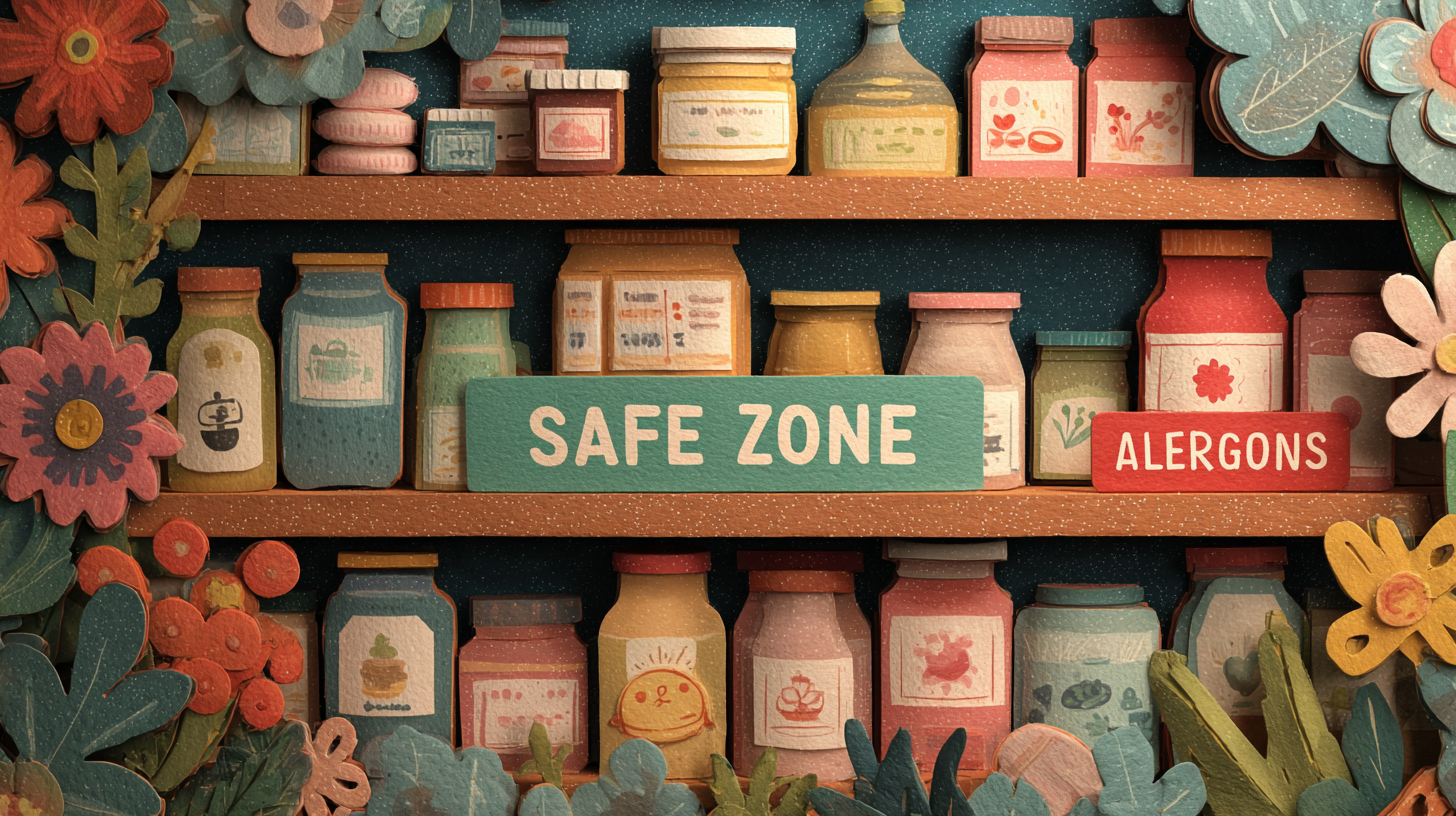
For storage at home, label shelves and areas, not just individual containers. “SAFE ZONE – No allergens allowed” on a refrigerator shelf or pantry section creates a household-wide system that guests and extended family can understand immediately. In Caribbean households where extended family often helps with childcare and cooking, these labeled zones become especially critical for ensuring that well-meaning aunties and uncles don’t accidentally introduce cross-contamination.
Portable Labeling for Group Events
When attending potlucks or parties where you’re contributing safe food to share, bring pre-made labels or tent cards. List all ingredients clearly and include allergen-free certifications prominently. Make these labels large and visually appealing—bright colors, clear fonts, and laminated if possible so they don’t smudge or tear.
Consider creating ingredient cards that travel with your dishes. Include the recipe name, all ingredients with brand names when relevant, and allergen information. This transparency builds trust and helps other parents make informed decisions if their children also have allergies. It also sets an example that normalizes detailed ingredient disclosure in group settings.
Digital Labeling Solutions
Technology can simplify labeling, especially for frequent group interactions. Several apps now help families create, store, and print allergen-free labels. Some allow you to create QR codes that link to complete ingredient lists and preparation details. For school lunches and regular events, this approach saves time while maintaining thoroughness.
You can also use shared digital documents for recurring group settings. If your child attends the same playgroup weekly, create a shared Google Doc where parents list planned snacks with full ingredients in advance. This allows you to review everything beforehand, suggest safe alternatives, or prepare your own food as needed. The transparency reduces last-minute stress and helps everyone participate more comfortably.
Educating Others Without Exhausting Yourself
Here’s the part that nobody prepares you for: you’ll need to educate people constantly. Teachers, family members, friends, other parents, coaches, camp counselors—the list is endless. And you’ll need to do it without coming across as paranoid, without making people so nervous they exclude your child, and without burning yourself out in the process.
The One-Pager That Changes Everything
Stop re-explaining your child’s allergies from scratch every single time. Instead, create a comprehensive one-page document that covers everything: allergens to avoid, emergency symptoms, action plan, safe food alternatives, and your contact information. Make it visually clean and easy to scan. Include photos of safe products you use regularly.
Print multiple copies and laminate them. Keep one in your child’s backpack, one with school staff, one at each grandparent’s house, and extras to give to new caregivers. This document becomes your surrogate when you can’t be there to explain in person. Update it annually or whenever circumstances change.
The genius of this approach is that it frontloads your effort. Yes, creating the document takes time initially, but it eliminates hundreds of repetitive conversations. People can reference it when planning meals or activities, reducing the mental load on you significantly.
The “Teach Once, Reinforce Often” Method
For people who regularly spend time with your child—grandparents, regular babysitters, close friends—invest in one thorough education session. Walk them through your kitchen setup, demonstrate proper hand washing and surface cleaning, show them how to read labels, and practice using emergency medication with training devices.
Make this session hands-on and non-judgmental. Frame it as “Here’s how our family stays safe” rather than “Here are all the ways you might hurt my child.” The emotional tone matters enormously. When people feel trusted and capable rather than terrified and scrutinized, they’re more likely to implement protocols correctly and ask questions when uncertain.
After the initial teaching session, reinforce regularly but gently. Before each visit or event, send a quick text reminder: “Looking forward to Sunday! Just a reminder that we’ll need to use separate cutting boards if you’re preparing anything with eggs.” This maintains awareness without requiring full re-education each time.
Myth vs. Reality: What People Get Wrong About Cross-Contamination
Click each myth to reveal the scientifically-backed truth:
MYTH: “A little bit won’t hurt” or “They need exposure to build immunity”
MYTH TRUTHREALITY: For individuals with true food allergies, even trace amounts can trigger severe reactions. Reactions can occur from exposures as small as a few milligrams, sometimes even less for highly sensitive individuals. “Building immunity” through uncontrolled exposure is dangerous and is NOT how food allergy treatment works. Supervised oral immunotherapy exists but requires medical oversight and carries significant risks. Never attempt exposure therapy at home.
MYTH: “Washing with water is enough to remove allergens”
MYTH TRUTHREALITY: Water alone is insufficient for removing allergen proteins, especially oily ones like peanuts and tree nuts. Research consistently shows that soap or detergent-based cleaners are necessary for effective allergen removal from hands, utensils, and surfaces. This is why hand sanitizer, while good for bacteria, doesn’t reliably remove allergens. Soap, water, and friction for 20+ seconds is the gold standard.
MYTH: “If it’s not listed in the ingredients, it’s not in the food”
MYTH TRUTHREALITY: Cross-contamination during manufacturing can introduce allergens that aren’t ingredients. This is why “may contain” warnings exist. Additionally, ingredients can hide under unexpected names (milk proteins in “natural flavors,” egg proteins in some vaccines). Shared equipment, manufacturing facilities, and supply chain changes can all introduce allergen contamination. Always read labels completely, including allergen warnings, and contact manufacturers when uncertain.
MYTH: “Kids with allergies shouldn’t participate in group activities”
MYTH TRUTHREALITY: With proper planning and safety measures, children with food allergies can safely participate in nearly all group activities. Exclusion isn’t safety—it’s discrimination. Legal protections like the ADA and Section 504 require schools and many organizations to provide reasonable accommodations. The goal is inclusive participation with appropriate safety protocols, not isolation. Social and emotional development are just as critical as physical safety.
MYTH: “Cooking destroys allergens”
MYTH TRUTHREALITY: Most allergen proteins are heat-stable and survive normal cooking temperatures. Some people with specific allergies may tolerate extensively heated forms (like baked eggs), but this varies individually and should only be tested under medical supervision. You cannot make an allergenic food safe by cooking it thoroughly. Cross-contamination with cooked food is just as dangerous as cross-contamination with raw food.
Addressing Pushback and Resistance
Unfortunately, not everyone will immediately understand or respect allergy protocols. You’ll encounter eye rolls, dismissive comments about “kids these days,” and resistance from people who think you’re overreacting. This is particularly challenging in multi-generational Caribbean families where food is deeply tied to love, hospitality, and cultural identity.
When facing resistance, lead with empathy while standing firm on boundaries. Acknowledge that allergy management is inconvenient and changes traditional practices: “I know it’s frustrating to use separate pots for the rice and peas. It’s extra work, and I really appreciate you being willing to do it.” Then follow with the non-negotiable truth: “This is what keeps my child safe, and I can’t compromise on safety.”
Share the “why” behind your protocols. People are more likely to comply when they understand the stakes. But—and this is critical—you don’t owe everyone a traumatic story to justify your boundaries. “These measures prevent life-threatening reactions” is sufficient explanation. You don’t need to share emergency room horror stories to validate your child’s right to safety.
For persistently resistant family members, consider inviting them to an allergist appointment. Hearing medical information from a doctor sometimes carries weight that your own words don’t. It’s frustrating but effective.
Vigilance Without Anxiety: The Psychological Balance
Here’s the paradox of allergy parenting: you must be constantly vigilant without becoming perpetually anxious. You need to maintain awareness without catastrophizing. You have to protect your child without transmitting fear that damages their confidence and quality of life.
This balance is perhaps the hardest part of managing food allergies in group settings, and it’s something nobody adequately prepares you for. Because the truth is, the hypervigilance required for safety can easily spiral into anxiety that affects your entire family’s mental health and social functioning.
Building Confidence Through Competence
Anxiety often stems from feeling unprepared or out of control. The antidote is competence. When you have robust systems in place, when you’ve practiced emergency protocols, when you’ve successfully navigated multiple group events—confidence grows. You shift from “I hope nothing goes wrong” to “I know how to handle whatever happens.”
Practice emergency scenarios at home. Not to scare your child, but to build muscle memory and confidence for both of you. Role-play situations: “Someone offers you a cookie at school. What do you do?” Work through the responses until they’re automatic. Practice using the epinephrine auto-injector with trainer devices so the mechanics are familiar, not frightening.
This preparation doesn’t increase anxiety—it reduces it. Because you’re replacing vague worry with specific competence. You’re building a toolkit of responses that make you feel capable rather than helpless.
Reframing Risk Assessment
Anxiety tricks us into overestimating danger and underestimating our ability to manage it. When deciding whether to attend a group event, assess risk systematically rather than emotionally. Ask: What specific allergen exposures might occur? What control do I have over food preparation and serving? What’s my ability to supervise? What’s the quality of emergency medical access?
Sometimes the answer will be “This situation has too many uncontrolled variables; we’ll skip it.” That’s not anxiety—that’s informed decision-making. But other times, you’ll realize that with specific accommodations (bringing all food, eating before the event, having a designated safe space), participation is reasonably safe. The goal isn’t eliminating all risk; it’s managing risk to acceptable levels.
Your Cross-Contamination Prevention Journey
Click each milestone you’ve achieved to track your progress toward confident allergy management:
Created action plan
Set up safe zone at home
Implemented color-coding
Educated school staff
Trained family members
Successfully navigated group event
Built emergency confidence
Start clicking milestones to see your progress!
Teaching Your Child Age-Appropriate Self-Advocacy
As your child grows, they need to become their own advocate. This doesn’t mean placing unrealistic safety burdens on young children—it means gradually building skills appropriate to their developmental stage.
For toddlers and preschoolers, start with simple rules: “Only eat food that Mommy or Daddy gives you. Always ask first.” Make this a game at home: practice scenarios where you offer safe and unsafe foods, teaching them to check before eating. For young children dealing with multiple food restrictions, preparing familiar safe meals becomes crucial. The recipes in the Caribbean Baby Food Recipe Book—featuring dishes like Coconut Rice & Red Peas, Sweet Potato & Callaloo Rundown, and Plantain Paradise—can become reliable, allergen-aware comfort foods that your child recognizes and trusts.
Elementary-age children can learn to read simple labels, identify their allergens by name, and explain their allergy to trusted adults. Practice language: “I’m allergic to peanuts. If I eat them, I could get very sick. I can only eat food that my parents have checked.” Role-play different social situations so they develop confidence in speaking up.
As children reach middle school and adolescence, education shifts toward complete self-management: reading all labels independently, recognizing reaction symptoms, knowing when and how to use emergency medication, and making risk-assessment decisions. This progression builds competence and confidence while recognizing developmental limitations at each stage.
Caribbean Cultural Adaptations: Making Safety Work with Tradition
Caribbean culture centers around generous hospitality, shared meals, and food as an expression of love. When you add food allergies to this picture, tension can arise. How do you honor cultural traditions while maintaining strict safety protocols? How do you accept hospitality without accepting unsafe food? How do you participate in communal cooking without contamination risk?
The answer isn’t choosing between culture and safety—it’s adapting traditional practices to accommodate both.
Reimagining Shared Meals
Traditional Caribbean gatherings often feature buffet-style serving where everyone dishes from shared pots. This setup is a cross-contamination nightmare. But you can preserve the communal spirit while modifying the execution.
Suggest a “serve first” protocol where your child gets their safe portions directly from the stove before food moves to the buffet table. Explain that once serving spoons get mixed, used, or contaminated, the food is no longer safe. Most families are willing to accommodate when you frame it as a simple sequence adjustment rather than complete tradition abandonment.
Alternatively, prepare complete duplicate dishes using safe ingredients. If the family is having curried chicken with coconut milk and you’re managing a coconut allergy, prepare a coconut-milk-free curry version. Your child eats the adapted version while everyone else enjoys the traditional recipe. Yes, it’s extra work. But it allows participation in the cultural food experience while maintaining safety.
Educating Elders with Respect
Grandparents and older relatives may struggle most with allergy protocols. They raised children without these concerns, and food allergies may not align with their understanding or lived experience. Add language barriers or health beliefs rooted in different cultural contexts, and communication becomes even more complex.
Approach these conversations with respect for their knowledge and experience while being absolutely clear about non-negotiable safety requirements. Acknowledge their expertise in cooking and feeding children: “You’re an amazing cook, and I want my child to experience your food. Here’s how we can make that happen safely.” Then outline specific protocols: separate cutting boards, specific ingredients to avoid, safe substitutions to use.
Visual demonstrations work better than verbal instructions with hands-on cooks. Show them your safe kitchen zone setup. Cook a recipe together following safety protocols. Let them see that safe preparation doesn’t diminish food quality or love—it’s simply a different technique.
When resistance persists despite respectful education, enforce boundaries firmly: “I know you disagree, but this is how we keep our child safe. If we can’t follow these protocols, we’ll need to bring our own food or eat before we visit.” It’s uncomfortable, but your child’s safety supersedes anyone’s comfort, including beloved grandparents’.
Looking Forward: Innovation and Hope
While this article focuses on present-day practical strategies, the future of food allergy management is evolving rapidly. Understanding emerging trends helps maintain hope during difficult days and informs long-term planning.
Oral immunotherapy (OIT) programs are expanding, helping some individuals build tolerance to previously dangerous allergens under strict medical supervision. These programs aren’t cures, and they carry risks, but they represent significant progress. Biologic medications that reduce allergic response severity are in development and early trials. Improved diagnostic testing allows more precise identification of specific allergen proteins, potentially revealing that some individuals can safely consume certain forms of their allergen (extensively heated milk or egg, for example).
Technology continues advancing too. Apps for ingredient scanning and allergen identification are becoming more sophisticated. Smart kitchen devices can detect allergen contamination on surfaces. Digital networks connect allergy families for real-time information sharing about product recalls, safe restaurants, and tested recipes.
Policy changes matter too. The FASTER Act, passed in 2021, now requires sesame labeling on packaged foods in the U.S. Advocacy continues for improved labeling clarity, standardized precautionary allergen labeling, and stronger protections in schools and public accommodations. Your participation in allergy advocacy organizations contributes to these systemic improvements that benefit all families.
None of this eliminates the daily work of cross-contamination prevention. But it means you’re not alone in this challenge. Research continues, support expands, and understanding grows. The landscape is changing, even if slowly.
Your Action Plan: Where to Start Today
If you’re feeling overwhelmed by everything covered in this article, take a breath. You don’t need to implement every strategy immediately. Instead, start with high-impact changes and build from there.
This Week: Foundation Building
Choose three immediate actions: First, create or update your emergency action plan. Ensure it’s written, includes photos, lists specific symptoms and responses, and exists in multiple locations. Second, establish a basic safe zone in your kitchen. This might just be one shelf in the pantry and one counter section initially. Mark it clearly and declare it allergen-free. Third, order or purchase dedicated equipment: at minimum, a separate cutting board and knife set for safe food prep. Color code them immediately.
This Month: System Implementation
Expand your foundation: Implement the sequential workflow system for meal preparation. Stock your safe zone with reliably safe foods and ingredients. Create your one-page information document and distribute it to regular caregivers. Schedule and conduct one thorough education session with grandparents or another frequent caregiver. Practice emergency response with trainer epinephrine devices until the mechanics feel automatic.
If you’re introducing solid foods to your baby or looking for safe, culturally relevant recipes to share at family gatherings, explore the Caribbean Baby Food Recipe Book. With over 75 allergen-aware recipes featuring ingredients like sweet potatoes, plantains, mangoes, and beans, you’ll find culturally meaningful foods that can be prepared with confidence in your safe kitchen zone.
This Quarter: Confidence Building
Start navigating group settings with your new protocols: Attend a small, controlled group event where you bring all food for your child. Use this as a practice run for your portable safety system. Schedule meetings with school staff to establish or review accommodation plans. Connect with local or online allergy family support groups to share experiences and learn from others. These relationships become invaluable sources of practical advice, emotional support, and tried-and-tested resources.
Evaluate and refine your systems quarterly. What’s working well? What feels cumbersome or unsustainable? Adjust based on real-world experience. Allergy management is an evolving practice, not a perfect science. Your protocols will change as your child grows, as your confidence increases, and as you discover what works best for your specific family.
Living Fully, Not Fearfully
I started this article with a story about an emergency room visit, but I want to end with something different: the moments of joy that become possible when you have solid safety systems in place.
I think about my neighbor’s daughter now, three years after that scary incident. She confidently attends birthday parties, carrying her safe cupcake in a special container she decorated herself. She advocates for herself at school, reminding classmates to wash hands before craft time. She participates fully in her Caribbean dance troupe’s cultural celebrations, eating specially prepared dishes that let her enjoy the same flavors as everyone else, just safely adapted. She travels with her family, asks questions in restaurants, and lives a rich, full life that includes food allergies but isn’t defined by them.
This transformation didn’t happen because the allergies disappeared. It happened because her parents built systems, educated communities, and modeled confidence without complacency. They created safety not through isolation, but through intelligent adaptation.
That’s what’s possible for your family too. Not a life without food allergies—those aren’t going anywhere soon. But a life where safety protocols become second nature, where group participation is normal rather than terrifying, and where your child grows up feeling protected but not restricted, aware but not anxious, safe but not separate.
The work is real. The vigilance is constant. The emotional load is heavy some days. But it’s also manageable, especially when you have clear strategies

Kelley's culinary creations are a fusion of her Caribbean roots and modern nutritional science, resulting in baby-friendly dishes that are both developmentally appropriate and bursting with flavor. Her expertise in oral motor development and texture progression ensures that every recipe supports your little one's feeding milestones while honoring cultural traditions.
Join Kelley on her flavorful journey as she shares treasured family recipes adapted for tiny taste buds, evidence-based feeding guidance, insightful parenting anecdotes, and the joy of celebrating food, culture, and motherhood. Get ready to immerse yourself in the captivating world of Kelley Black and unlock the vibrant flavors of the Caribbean for your growing baby, one nutritious bite at a time.
- Feeding Therapy: Your Family’s Roadmap from Overwhelm to Progress - September 10, 2026
- When to Seek Professional Feeding Help: Your Complete Guide to Recognizing Warning Signs and Taking Action - September 9, 2026
- Finding Your Feeding Community: The Support That Changes Everything - September 8, 2026


