Holiday Foods Around the World: Your Family’s Passport to Global Celebrations
What brings you to the global holiday table? Click to reveal your personalized journey:
My grandmother used to say that every holiday dish carries a story—not just of ingredients and recipes, but of migrations, survival, hope, and home. Growing up in a Caribbean household where Christmas meant sorrel drink and curry goat alongside baked ham, I learned early that holidays don’t have to look the same for everyone. Yet so many families I meet feel trapped by the “traditional” holiday menu, unaware that traditions themselves were once someone’s brave experiment, someone’s adaptation to a new land, someone’s act of cultural preservation.
Here’s what nobody tells you about holiday foods: they’re not static museum pieces. They’re living, breathing expressions of who we are and who we’re becoming. When 70% of multicultural U.S. consumers now incorporate heritage dishes into mainstream holidays like Thanksgiving, they’re not diluting tradition—they’re honoring multiple truths at once. They’re teaching their children that belonging doesn’t require erasure, that a table can hold both turkey and tamales, both pumpkin pie and pumpkin coconut pudding.
This isn’t about abandoning your cherished family recipes. It’s about expansion. It’s about recognizing that in our globalized world, our children’s friends celebrate Diwali, Lunar New Year, Eid, Hanukkah, and Las Posadas—and that understanding these celebrations through their foods is one of the most delicious forms of cultural education available. When families actively explore global holiday traditions, they’re not just cooking different dishes; they’re building empathy, curiosity, and a sense of shared humanity that starts at the table and extends far beyond it.
Why Holiday Foods Hold Cultural Power
Holiday food traditions are far more than seasonal recipes. They’re recurring dishes and shared meals linked to specific religious, national, or seasonal celebrations—Diwali sweets marking the festival of lights, Eid feasts celebrating the end of Ramadan, Christmas tamales connecting families to Indigenous Mesoamerican roots, Lunar New Year dumplings symbolizing prosperity and family reunion. These foods connect families to ancestors, mark sacred or historical events, and signal belonging to a community or diaspora.
What makes holiday foods particularly powerful is their sensory memory. The smell of your grandmother’s jollof rice or the taste of your aunt’s pasteles instantly transports you across time and distance. Research on food rituals confirms that sharing festive meals supports feelings of togetherness, nurtures emotional well-being, and creates powerful memories across generations. For immigrant families especially, lack of access to familiar cultural foods during holidays can harm mental health and identity—making these dishes critical touchpoints for maintaining connection to heritage.
Historically, holiday foods emerged from local agriculture, religious rules around fasting and feasting, and seasonal scarcity, leading to rich, labor-intensive dishes reserved for special occasions. Migration and globalization spread those dishes worldwide, so now panettone, mooncakes, and latkes appear in mainstream supermarkets far from their places of origin. Today, multicultural societies, interfaith families, and food media shape how we experience global holiday foods, with many households blending multiple traditions at the same table.
The truth that changed how I approach holiday cooking:
“Every ‘traditional’ holiday dish was once an innovation—an adaptation to new ingredients, a creative response to scarcity, or a bold fusion of cultures meeting for the first time. Your experimentation isn’t disrespecting tradition; it’s continuing the very process that created tradition in the first place.”
The Data Behind Global Holiday Food Exploration
Recent consumer and cultural data reveal just how central and diverse holiday foods have become in modern family life. A 2024 multicultural holiday report shows that 20% of U.S. consumers now celebrate Cinco de Mayo, and 35% of East and Southeast Asian Americans celebrate Lunar New Year, reflecting growing awareness of non-majority holidays beyond the traditional Western calendar. More significantly, research from Collage Group indicates that approximately 70% of Hispanic and Asian consumers incorporate dishes from their heritage into mainstream celebrations like Thanksgiving and Christmas—creating truly multicultural holiday tables.
Holiday dining behavior reveals both deep attachment to tradition and openness to change. In 2024, dining trend analysis found that 37% of people host holiday gatherings of 6-10 guests and 39% host 3-5 guests, with many willing to spend 10-49% more for holiday meals despite inflation. This willingness to invest financially underscores the perceived importance of festive food as an expression of love, hospitality, and cultural identity.
How many of these shifts have you noticed in your own celebrations?
Surveys indicate high interest in outsourcing some cooking: roughly two-thirds of U.S. respondents say they would consider ordering an entire holiday meal. Yet traditional family desserts remain the most likely to be homemade, signaling strong emotional attachment to dessert rituals specifically. This suggests families want to preserve the meaningful, memory-making parts of holiday cooking while reducing overwhelm in other areas.
The diversification of holiday centerpieces is also noteworthy. A 2025 compilation of holiday food statistics notes strong growth in plant-based and alternative main dishes—nut roasts, vegan “turkeys,” and vegetable-forward mains—alongside enduring demand for classic meats. This indicates diversification rather than replacement, with families expanding their definition of what belongs on a holiday table rather than abandoning traditional proteins entirely.
How Global Holiday Foods Are Reshaping Family Celebrations
Several major developments are transforming how families approach holiday food traditions, and understanding these shifts helps you position your own family’s experiments within a larger cultural movement.
Multicultural, blended tables represent perhaps the most visible shift. Research on American holiday celebrations shows that many multicultural households actively add non-traditional or fusion dishes—biryani at Thanksgiving, tamales at Christmas, jollof rice alongside turkey—to reflect multiple identities simultaneously. These aren’t haphazard additions; they’re intentional statements about belonging, heritage, and the refusal to choose between cultural identities.
Schools and child-focused organizations increasingly use holiday food as an educational tool to teach about global traditions. Resources now guide teachers to explore Diwali, Hanukkah, Las Posadas, Lunar New Year, Eid, and Kwanzaa through stories and age-appropriate food-related activities. This institutional shift means your children are likely encountering these celebrations at school, creating natural opportunities for at-home exploration and deeper conversations about cultural diversity.
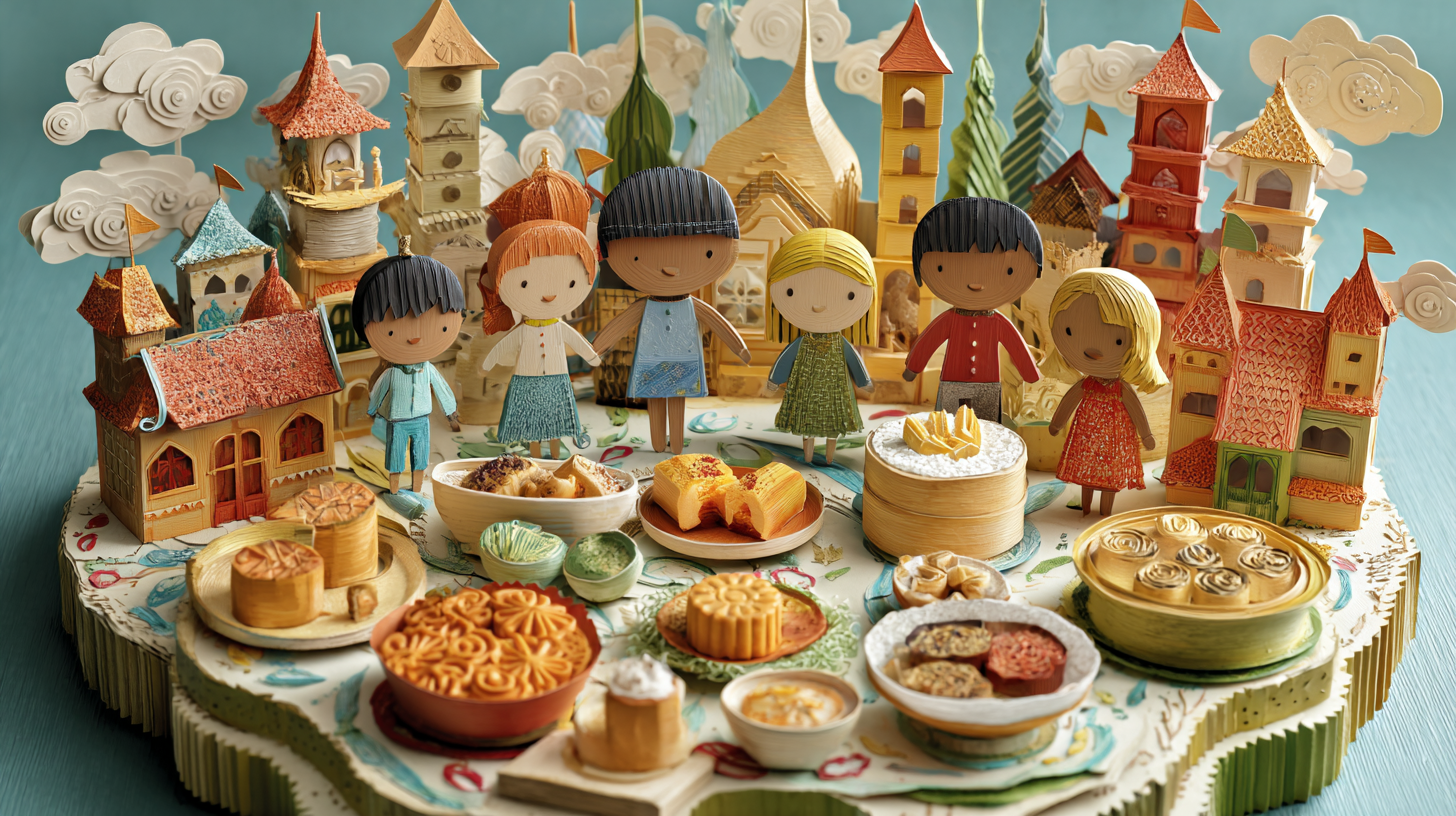
Digital and social media have accelerated exposure to global holiday foods in unprecedented ways. Family brands and parenting sites feature “world tour” cooking nights with kid-friendly recipes from multiple countries, and shareable reels of families trying dumplings, tamales, or Diwali sweets for the first time model cultural openness for millions of viewers. These platforms also spotlight anti-bias approaches to holiday learning, encouraging educators and parents to go deeper than superficial “food and fun” by including context about history, colonization, and religious meaning.
Food festivals and seasonal events demonstrate how local celebrations can preserve traditional food knowledge while drawing visitors interested in authentic, place-based foods. Italy’s Pink Asparagus Festival exemplifies this trend, showing how holiday-like celebrations can become cultural anchors and tourism draws simultaneously. Holiday clubs and community programs increasingly pair food provision with cultural enrichment activities during school breaks, especially for children at risk of food insecurity, recognizing that holiday food access and cultural education are interconnected needs.
For Caribbean families specifically, this global expansion creates beautiful opportunities. The techniques you already know—the way coconut milk transforms humble vegetables, how spices layer to create depth, the art of slow-cooking that turns tough cuts tender—translate beautifully to exploring other cuisines. The same patience that makes perfect pelau can make perfect biryani. The understanding of plantain’s versatility helps you appreciate taro’s similar role in Pacific Island cooking. If you’re raising babies and toddlers, introducing them to global holiday flavors early builds adventurous palates—and resources like the Caribbean Baby Food Recipe Book show how ingredients like coconut milk, sweet potatoes, and plantains already bridge multiple cultural traditions naturally.
Expert Voices on Holiday Foods and Identity
Researchers and educators provide crucial context for understanding why holiday food exploration matters beyond mere culinary adventure. Scholarship on food rituals emphasizes that sharing festive meals supports feelings of togetherness and creates what researchers call “soul nourishment”—feeding emotional and spiritual needs alongside physical hunger. These shared meals generate powerful intergenerational memories, with specific dishes becoming shorthand for family love and cultural continuity.
Studies on cultural food security reveal the flip side: lack of access to familiar cultural foods can harm mental health and identity, particularly for students and second-generation immigrants. This makes holiday dishes especially important touchpoints—moments when cultural foods move from private family practice to public celebration, validating their importance and creating space for cultural pride.
What holiday food traditions do you want your children to remember? Click each category to reveal memory-making opportunities:
Experts in multicultural education and early childhood learning frame food as a practical tool for anti-bias and cultural awareness education, using four goals: identity (understanding yourself), diversity (understanding others), justice (recognizing unfairness), and activism (standing up for what’s right). Guidance recommends limiting focus on any single holiday while exploring a few traditions deeply and respectfully, including food, rather than creating superficial “tourist” experiences that sample many cultures shallowly.
Presentations on teaching cultural awareness through food traditions recommend pairing tasting activities with discussions of values—hospitality, gratitude, resilience, community—and avoiding stereotypes or trivialization of sacred foods. The emphasis is on respectful curiosity rather than appropriation, learning with humility rather than treating other cultures as entertainment.
Social media and family-oriented brands add practitioner-level insights. Parenting platforms highlight how “tasty world tours” and cooking together with kids build curiosity, empathy, and comfort with diversity while teaching practical skills like reading recipes, measuring ingredients, and following multi-step processes. Family blogs stress that holiday cooking from scratch, preserving seasonal produce, or passing down recipes can anchor children in family stories and create anticipated annual rituals that provide stability and identity in a rapidly changing world.
Navigating the Challenges of Global Holiday Food Exploration
Let’s address the real obstacles and controversies, because honest conversation matters more than pretending everything is simple. Expanding holiday food traditions globally raises legitimate challenges that deserve thoughtful attention.
Cultural appropriation versus appreciation tops the list of concerns. Critics correctly note that casually adopting holiday dishes—Día de los Muertos sugar skull treats, Diwali sweets, Hanukkah latkes—without understanding their meaning can feel disrespectful to communities for whom these foods are sacred or deeply symbolic. The distinction lies in approach: Are you learning with humility and giving credit? Are you seeking to understand the cultural context? Are you supporting communities whose traditions you’re exploring? Or are you treating other cultures as a aesthetic trend or exotic novelty?
Experts warn against superficial “food-only” multiculturalism—the “tourist” approach where children sample foods from many cultures without deeper discussion of history, oppression, or lived realities. This can reinforce stereotypes rather than promote true understanding, reducing complex cultures to consumable products. The solution isn’t to avoid exploration but to pair it with education, to use food as an entry point into more substantive conversations about values, history, and contemporary realities.
A framework I use with my own family:
Before cooking a dish from another culture, we research together: What holiday or occasion is this for? What does it symbolize? Who traditionally prepares it? What values does it represent? We watch videos created by people from that culture. We acknowledge what we don’t know. We approach it as students, not conquerors of culinary territory. And when possible, we support businesses or creators from that community—buying ingredients from appropriate markets, following recipes from cultural insiders, sharing credit and context when we post about our experience.
Health and equity concerns also surface in honest discussions about holiday foods. Public health experts describe how immigrant communities may begin eating festival foods—often rich in sugar, fat, or refined grains—more frequently outside of traditional holiday contexts, raising risks for chronic disease if not balanced with everyday nutrition. The solution isn’t demonizing these foods but maintaining their special status as occasional celebratory dishes while emphasizing vegetables, whole grains, and lean proteins in daily eating.
Studies of holiday food programs highlight that while seasonal initiatives alleviate hunger, they can struggle with resources, cultural relevance of meals, and sustained funding beyond crisis periods. This reminds us that access to holiday foods isn’t universal—that food insecurity affects which families can participate in expansive holiday cooking experiments at all.
Family-level obstacles shape implementation more than we often acknowledge. Research on parental “foodwork” shows that coordinating shopping, cooking, and rituals is already demanding, and adding new global dishes can feel overwhelming without support, time-saving tools, or realistic expectations. You don’t need to become an expert in twelve different culinary traditions. Start with one or two. Give yourself permission to use shortcuts. Acknowledge that your version won’t be exactly like the traditional preparation—and that’s okay as long as you’re honest about it.
Cost and ingredient access make some traditional dishes—specialty sweets, imported ingredients, specific cuts of meat—less feasible, especially for low-income families or those living far from ethnic markets. Online shopping has improved access, but not everyone has reliable internet or the budget for specialty orders. This is where adaptation matters: Can you capture the spirit and flavor profile with more accessible substitutions? Can you focus on the ritual and values rather than ingredient perfection?
The Future of Global Holiday Food Traditions
Market analysts forecast sustained growth in multicultural celebrations and cross-cultural participation in holidays such as Lunar New Year, Diwali, and Día de los Muertos in the U.S., creating more demand for related ingredients, restaurant offerings, and ready-made products. Consumer research indicates that food will remain central to celebrations, with rising spending on gatherings, specialty items, and food gifts, even as people seek ways to reduce stress by outsourcing some cooking.
Opportunities for families and educators continue expanding. Expect development of more curriculum-linked kits, cooking boxes, and online programs that tie global holiday recipes to geography, language learning, and history lessons for children. The intersection of food education and academic learning creates natural engagement—children who might tune out a geography lecture eagerly locate countries on a map when it’s connected to what they’re about to eat.
Imagine your family five years from now. Which of these holiday food futures excites you most?
Increased emphasis on balancing festive foods with health represents another emerging trend. Rather than restriction during celebrations, experts highlight plant-forward traditional dishes—lentil-based New Year’s dishes in Italy, vegetable-heavy Diwali meals, bean-centered Latin American celebrations—and focus on mindful portions. This approach honors the pleasure and cultural significance of holiday foods while acknowledging that frequency and quantity matter for health.
Social and policy directions may further support inclusive celebrations. Family-centered nutrition and cooking programs are likely to expand, as emerging research links shared cooking and meals to better holistic well-being, suggesting that holiday cooking traditions have benefits beyond culture alone. As diversity and anti-bias education gain prominence, more schools and community centers may adopt structured, respectful frameworks for exploring holidays through food, including guidance co-created with cultural communities rather than imposed by outsiders.
Practical Strategies for Your Family’s Global Holiday Table
Theory matters, but implementation transforms lives. Here are concrete strategies for families wanting to broaden holiday food traditions beyond the familiar, organized by approach and family stage.
Global holiday theme nights offer a manageable starting point. Choose one or two holidays each season—Diwali from India, Hanukkah from Jewish traditions, Las Posadas from Mexico, Lunar New Year from East Asia, Eid from Islamic cultures, Kwanzaa from African American tradition—and cook one simple, authentically-inspired dish while learning about its story through books or kid-friendly videos. You’re not attempting a complete traditional feast; you’re creating a cultural touchpoint that builds curiosity and respect.
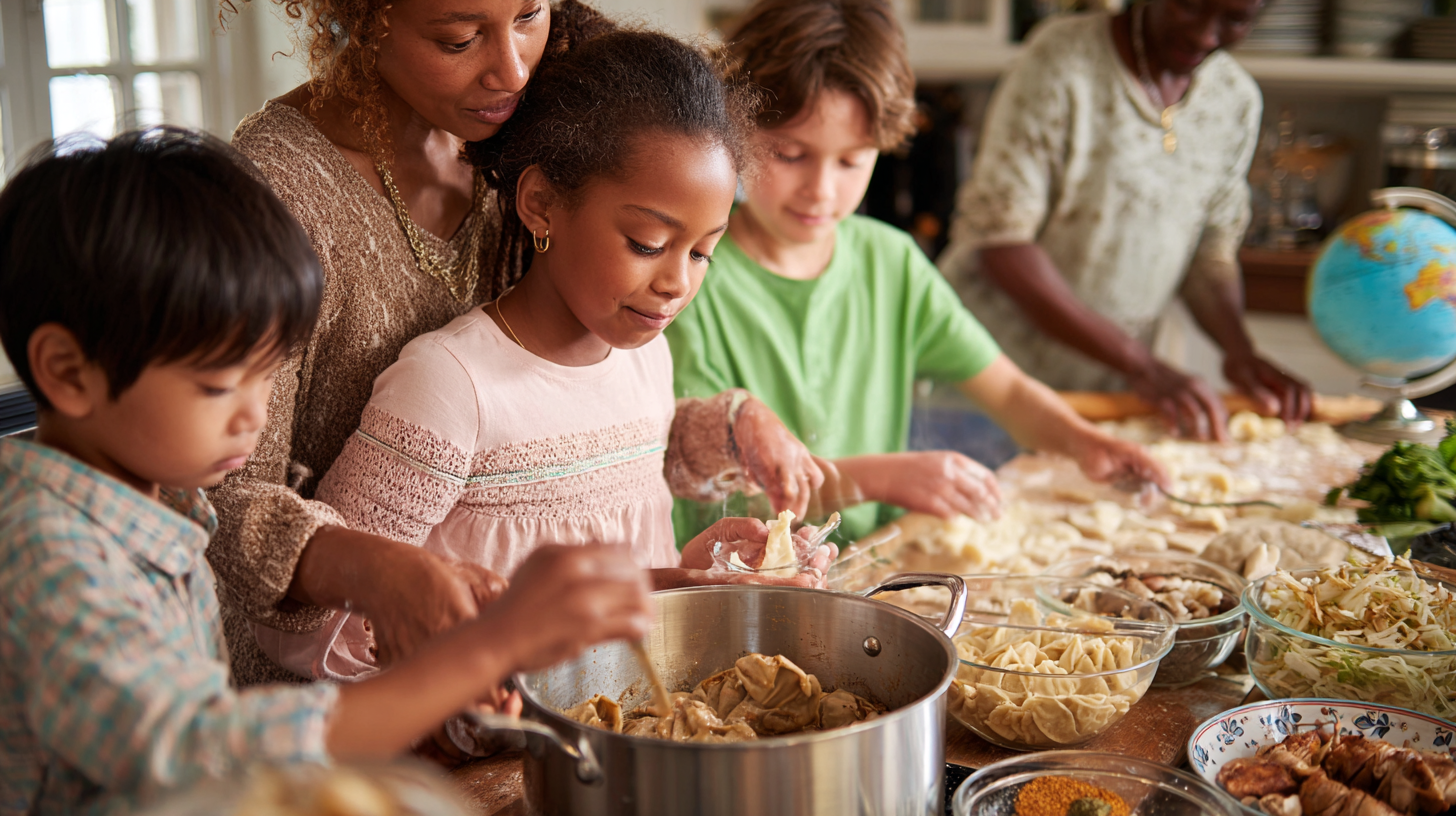
For Diwali (October/November), try making simple coconut barfi or kheer (rice pudding) while discussing the festival of lights and the triumph of light over darkness. For Lunar New Year (January/February), prepare dumplings together—the folding process becomes a multigenerational activity—while talking about family reunion and fresh starts. For Las Posadas (December), make champurrado (Mexican hot chocolate) and discuss the journey of Mary and Joseph. For Hanukkah (November/December), prepare latkes (potato pancakes) while learning about religious freedom and the miracle of oil lasting eight days.
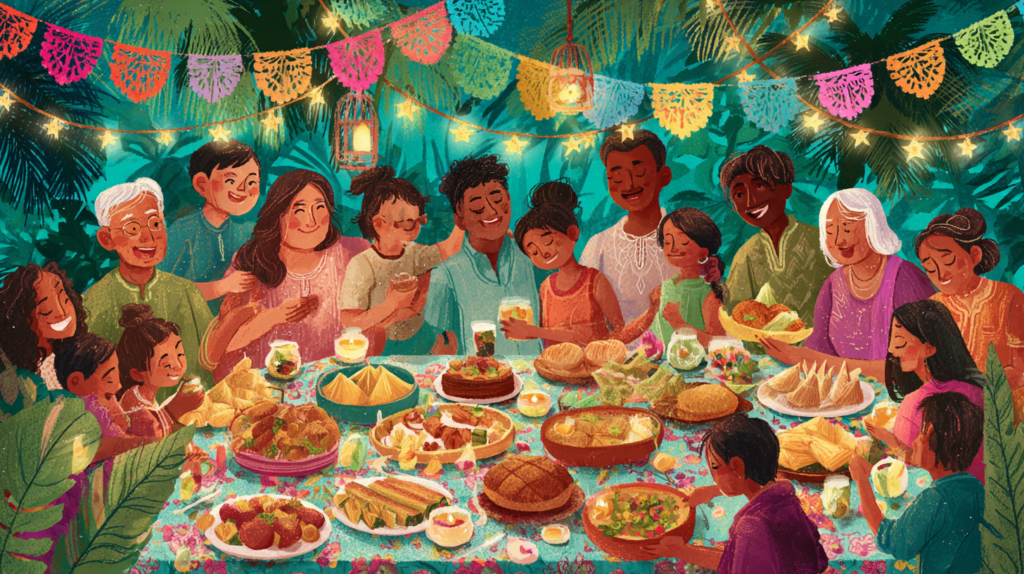
International potluck or “world tour” buffets distribute the labor and expertise. Invite friends or relatives to bring a dish connected to their heritage or a culture they’ve respectfully researched. Label dishes with country/region, holiday connection, and a short description for children to read. This approach naturally creates conversation—people share their family stories, explain ingredients, and connect over the universal themes of celebration, gratitude, and hospitality that transcend specific traditions.
For families with babies and toddlers, this global exploration begins with ingredients, not complex dishes. The Caribbean Baby Food Recipe Book demonstrates how ingredients like sweet potatoes, coconut milk, plantains, and beans appear across multiple cultural traditions—the sweet potato in Caribbean cuisine parallels the role of similar root vegetables in West African, Pacific Island, and Latin American cooking. When you introduce these ingredients to babies as simple purées (like Calabaza con Coco from the recipe book’s Puerto Rican section), you’re building a flavor foundation that makes exploring similar dishes from other cultures feel familiar rather than foreign as they grow.
Recipe storytelling transforms cooking into oral history preservation. Ask older relatives or community members to share stories around a holiday food—Kwanzaa jollof rice, Italian Feast of Seven Fishes, Southern U.S. pecan pie, Caribbean sorrel drink—and record or write these down as part of a family “holiday cookbook.” These aren’t just recipes; they’re migration narratives, survival stories, love letters to home.
My grandmother’s story about making Christmas sorrel drink connects to her childhood in Jamaica, the African origins of hibiscus cultivation in the Caribbean, her first winters in New York when she couldn’t find fresh sorrel and had to use dried, and eventually teaching her grandchildren (including me) to make it as an act of cultural transmission. That story contains history, botany, diaspora studies, and family love—all accessible through one crimson, spiced drink.
Food plus map exploration integrates geography seamlessly. While cooking, have kids locate the dish’s origin on a map or globe, practice pronouncing key words in the original language, and note which ingredients reflect local climate or history. Tamales for Christmas connect to Indigenous Mesoamerican traditions, Spanish colonization, and the specific crops (corn, peppers, beans) that thrived in that region. Dumplings for Lunar New Year reflect wheat cultivation in northern China and the importance of family gathering during winter. This contextualization prevents the “exotic food” framing and instead positions dishes within their environmental and historical realities.
Balancing plate and frequency addresses health concerns respectfully. Present rich festive foods alongside fruits, vegetables, and whole grains, and frame them as “sometimes” foods tied to special rituals, especially for children in immigrant households where festival foods might otherwise become everyday options. This isn’t about restriction or shame; it’s about maintaining the special status that makes these foods culturally significant. When Diwali sweets appear only during Diwali, they retain their sacred, celebratory meaning. When they’re available constantly, that meaning dilutes.
For Caribbean families specifically, this means applying the same wisdom you’d use with traditional holiday foods. Just as you wouldn’t serve rum cake and sorrel year-round, you wouldn’t make mooncakes a weekly dessert or serve latkes outside of Hanukkah without acknowledging you’re removing them from their cultural context. The specialness matters.
Inclusive classroom or community sharing extends learning beyond your household. When schools host holiday events, suggest including a variety of cultural foods with context, avoiding singling out children as “representatives” of entire cultures, and using anti-bias guidelines to shape respectful celebrations. Volunteer to help organize events that treat multiple traditions equitably rather than centering one dominant culture with others as add-ons.
If your child’s classroom celebrates winter holidays, advocate for including Hanukkah, Kwanzaa, Lunar New Year, and winter solstice traditions alongside Christmas, with equal depth and respect for each. Provide resources created by people from those communities rather than relying on outsider interpretations. Connect food to values and history, not just aesthetics.
Implementation Scenarios: Bringing It All Together
Real families need real examples. Here are detailed implementation scenarios across different family structures and goals.
Scenario 1: The Heritage Reclamation Family
Maya’s family emigrated from the Philippines when she was young, and traditional holiday foods faded as they assimilated. Now raising her own children, she wants to reclaim those traditions while living far from Filipino markets. She starts with one holiday: Noche Buena, the Christmas Eve feast. She calls her mother for the recipe for bibingka (rice cake) and attempts it with her kids, documenting the process with photos and her mother on video call. It’s imperfect, but her children see her learning, hear their grandmother’s stories, and taste something their great-grandparents would recognize. The next year, she adds another dish. By year three, they’ve established their own version of Noche Buena—not identical to what happens in Manila, but authentically theirs, honoring both their heritage and their American upbringing.
Scenario 2: The Interfaith, Multicultural Family
James (Jewish) and Aisha (Muslim) want their children to understand both Hanukkah and Eid deeply, plus develop respect for their friends’ celebrations. They establish “holiday learning months” where the family explores one celebration intensively—reading books, watching documentaries, preparing signature foods, and if possible, attending community events or accepting invitations from friends who celebrate. December focuses on Hanukkah (latkes, sufganiyot), with stories about the Maccabees and religious freedom. Eid al-Fitr gets similar treatment (date cookies, lamb dishes, fresh breads), with discussion of Ramadan, fasting, and gratitude. They also explore Diwali, Lunar New Year, and Christmas with the same depth, creating a year-round rhythm of cultural learning anchored by food. Their children become cultural bridges—explaining Hanukkah to Muslim friends, Eid to Jewish classmates, both to Christian neighbors.
Scenario 3: The Budget-Conscious, Time-Strapped Family
Keisha works two jobs and has three kids under ten. Elaborate holiday cooking feels impossible. She chooses the “one dish deep” approach: each holiday season, they make ONE dish from a culture they’re learning about, using affordable, accessible ingredients. For Lunar New Year, it’s simple vegetable dumplings with store-bought wrappers. For Día de los Muertos, it’s pan de muerto from a simplified recipe using regular bread flour. For Diwali, it’s rice pudding (kheer) with ingredients from her regular grocery store. She uses library books and free online videos for education. The kids help with age-appropriate tasks. It’s manageable, meaningful, and slowly building their cultural knowledge without breaking the budget or adding unsustainable stress.
Scenario 4: The Fusion Innovation Family
Chen and Marcus have Chinese and African American heritage respectively. Rather than separating these traditions, they intentionally fuse them, creating new holiday dishes that honor both backgrounds. Their Lunar New Year/Kwanzaa fusion feast includes collard green dumplings, jollof rice with Chinese five-spice, black-eyed pea and pork wontons, and sweet potato sesame balls. These aren’t traditional in either cuisine, but they tell their family’s unique story—the marriage of two cultures, the creation of something new that honors both origins. They document these recipes as their children’s heritage, the traditions being built in real-time.
Ready to start your family’s global holiday food journey? Click to generate your personalized first steps:
When Food Becomes Cultural Bridge-Building
The most profound truth about expanding holiday food traditions is this: you’re not just teaching recipes. You’re teaching your children that the world is vast and varied, that different approaches to celebration reflect different histories and values, that learning from others enriches rather than threatens your own identity, and that respect and curiosity are muscles that strengthen with practice.
When your child can explain why mooncakes are round (representing family reunion and completeness), why Hanukkah latkes are fried in oil (commemorating the miracle of oil lasting eight days), why Caribbean sorrel drink is a Christmas tradition (connecting to hibiscus cultivation and African diaspora), and why these different traditions all center on light, hope, community, and gratitude—they’re developing sophisticated cultural literacy that serves them for life.
This literacy translates directly to social skills and emotional intelligence. Children who understand that their friend’s family celebrates differently aren’t just more accepting; they’re more curious, more capable of seeing beyond surface differences to shared values, more comfortable with complexity and nuance. These are the skills that build peaceable communities, that create workplaces where diverse teams thrive, that enable the kind of coalition-building necessary for addressing complex social challenges.
For families with Caribbean heritage specifically, expanding beyond your own tradition doesn’t erase it—it contextualizes it. When you understand how coconut appears in Caribbean, South Asian, Southeast Asian, and Pacific Island cooking, you see patterns of trade, migration, and colonialism. When you notice how many cultures have labor-intensive, special-occasion breads or pastries—Caribbean coconut drops, Middle Eastern ma’amoul, Mexican conchas, Jewish challah—you recognize universal human impulses to mark sacred time with foods that require time, skill, and love.
Your children benefit enormously from understanding their Caribbean heritage as part of a global story—not isolated or exceptional, but connected to broader patterns of human movement, adaptation, creativity, and resilience. The baby food principles in resources like the Caribbean Baby Food Recipe Book—introducing bold flavors early, using coconut milk to create creamy textures, incorporating nutrient-dense root vegetables, building on traditional recipes with modern nutrition knowledge—directly parallel how families worldwide adapt traditional foods for their youngest members while maintaining cultural connection.
Moving Forward: Your Family’s Unique Path
There’s no single right way to expand your family’s holiday food traditions. The families thriving in this space share common qualities: curiosity rather than judgment, willingness to learn and make mistakes, recognition that their version won’t perfectly replicate traditional preparations (and that’s okay), commitment to giving credit and context, and focus on values and stories alongside flavors.
Start where you are, with what you have. If you only have bandwidth for one new holiday exploration per year, that’s meaningful. If you have young children and can only manage simplified versions of traditional dishes, that’s valuable. If you’re navigating food allergies, budget constraints, or time scarcity, adapt rather than abandon the goal.
Document your journey. Take photos. Write down stories. Record your children’s reactions and questions. Create a family “holiday food journal” that captures not just recipes but the learning process, the funny failures, the unexpected connections. This documentation becomes part of your family story, the traditions you’re actively building.
Connect with communities whose traditions you’re exploring. Support their businesses, restaurants, markets, and creators. When possible, accept invitations to participate in authentic celebrations rather than only experiencing them through your own recreations. Recognize that your home cooking is educational approximation, not replacement for the real thing.
Remember that this journey serves multiple purposes simultaneously. You’re expanding your culinary skills and your children’s palates. You’re creating memorable family bonding activities. You’re teaching cultural respect and curiosity. You’re honoring heritage—both your own and others’. You’re building your children’s confidence in navigating diversity. You’re making your holiday celebrations more inclusive for friends from various backgrounds who might join your table.
Most importantly, you’re teaching your children that traditions aren’t fragile museum pieces that shatter if touched. They’re living practices that survive through adaptation, that grow richer through exchange, that gain new meaning in new contexts while maintaining connection to their origins. You’re showing them that respecting tradition and embracing innovation aren’t opposites—they’re partners in the ongoing human project of creating meaning, belonging, and celebration.
The holidays are coming. Your table is waiting. What story will it tell this year?
Ready to Begin?
Choose one holiday from outside your primary tradition. Research it this week. Cook one dish from it next week. Tell the stories. Take the photos. Start the journey.
Your children will remember the holidays where you adventured together far more than they’ll remember the perfectly executed traditional meals. Give them curiosity. Give them courage. Give them a world that tastes like possibility.

Kelley's culinary creations are a fusion of her Caribbean roots and modern nutritional science, resulting in baby-friendly dishes that are both developmentally appropriate and bursting with flavor. Her expertise in oral motor development and texture progression ensures that every recipe supports your little one's feeding milestones while honoring cultural traditions.
Join Kelley on her flavorful journey as she shares treasured family recipes adapted for tiny taste buds, evidence-based feeding guidance, insightful parenting anecdotes, and the joy of celebrating food, culture, and motherhood. Get ready to immerse yourself in the captivating world of Kelley Black and unlock the vibrant flavors of the Caribbean for your growing baby, one nutritious bite at a time.
- The Feeding Revolution: Why Your Everyday Meals Are Changing the World - October 13, 2026
- Your Feeding Story Matters More Than The “Perfect” One Online - October 12, 2026
- Looking Forward: Stepping Into Your Confident Feeding Future - October 11, 2026