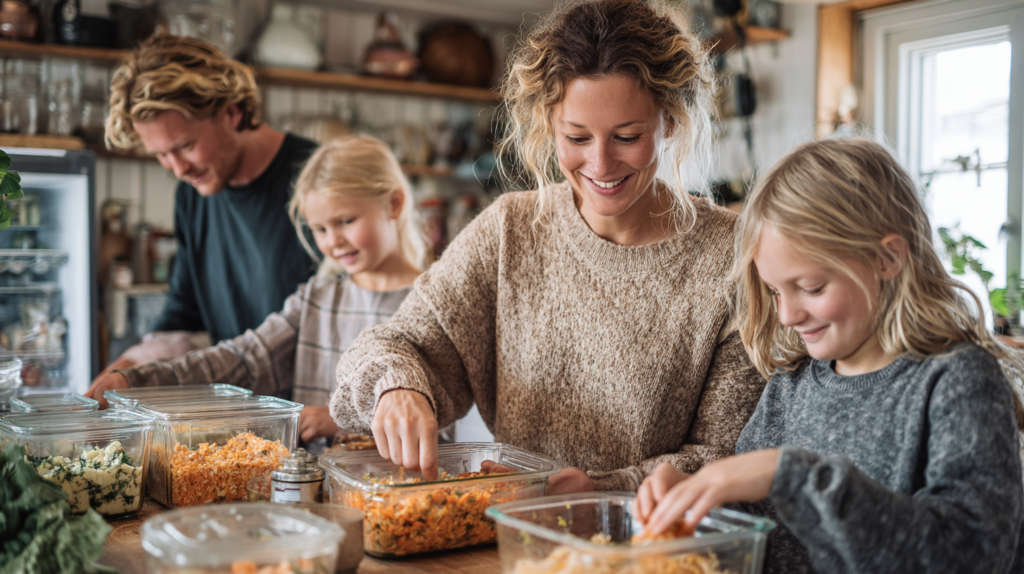
Safe Leftovers: Storage, Reheating, and When to Toss
Test Your Leftover Safety IQ
Before we dive deep, let’s see where you stand. How long do you think most cooked foods stay safe in your fridge?
Here’s something that stopped me cold last Tuesday evening: I opened my fridge to find five different containers staring back at me, none labeled, all mysteries waiting to either feed my family or send us running to the emergency room. Sound familiar? If you’ve ever played leftover roulette—sniffing, inspecting, and ultimately guessing whether that container from “sometime last week” is still safe—you’re not alone. Nearly one-third of the U.S. food supply ends up wasted, costing families hundreds of dollars annually while simultaneously putting loved ones at risk when we guess wrong about food safety.
But here’s what most families don’t realize: the invisible danger zone exists between our desire to reduce waste and our responsibility to keep our families safe. We’re living in a fascinating contradiction. On one hand, food waste reached 73.9 million tons in 2023, valued at approximately $382 billion—numbers so staggering they feel almost fictional. On the other hand, food recalls surged 41% in 2024 due to pathogens like Salmonella and Listeria, with improper home storage playing a starring role in thousands of foodborne illness cases.
The truth? You don’t have to choose between being environmentally conscious and being safe. You can honor both values—but only if you understand the science, recognize the real risks, and implement practices that actually work in busy family kitchens. This isn’t about fear-mongering or complicated protocols. It’s about giving you the knowledge to make confident decisions every single time you reach for that leftover container.
The Science Nobody Tells You About Leftovers
Let’s start with the uncomfortable reality: bacteria don’t care about your good intentions. Every minute your food sits in the “danger zone”—temperatures between 40°F and 140°F—bacteria populations double approximately every 20 minutes. That Sunday pot roast sitting on your counter while you clean up after dinner? It’s becoming a bacterial breeding ground faster than you can load the dishwasher.
Research from food safety experts reveals that most foodborne illness doesn’t happen at restaurants—it happens in home kitchens where well-meaning families make small, repeated mistakes. The CDC estimates that one in six Americans gets sick from contaminated food annually, and a significant portion of these cases trace back to improper leftover handling. But here’s what gives me hope: nearly all of these incidents are preventable with knowledge and consistent practices.
The modern approach to leftovers evolved dramatically from historical preservation methods. Our grandparents relied on salting, drying, and fermenting—techniques that fundamentally changed food chemistry to inhibit bacterial growth. Today’s refrigeration offers convenience but creates a false sense of security. Your fridge doesn’t stop bacteria—it only slows them down. Understanding this distinction changes everything about how you handle leftovers.
⏱️ The 2-Hour Rule Tracker
Click the food type to see how long it’s been sitting out. Remember: 2 hours maximum (1 hour if temperature is above 90°F)!
45 min
1.5 hours
2.25 hours
30 min
3 hours
1 hour
When I first learned that prepared meals account for 8-10% of household food waste, I felt that familiar pang of guilt. But then I discovered something liberating: most of that waste happens because families don’t know how long foods actually keep, not because they’re careless. With proper storage techniques, you can safely extend the life of your leftovers while maintaining quality and safety—giving you more meals, less waste, and zero stomach bugs.
The Storage Strategy That Actually Works
Storage begins the moment cooking ends, not when you remember those containers hours later. The critical window is those first two hours. Food safety professionals universally agree: hot foods must be refrigerated within two hours of cooking (or one hour if the ambient temperature exceeds 90°F). Miss this window, and you’ve already compromised safety, regardless of how carefully you store things afterward.
But here’s where most advice fails families: it assumes you have unlimited fridge space, perfect containers, and the time to properly cool large batches. Reality looks different. You’ve got a packed fridge, mismatched containers, and a toddler pulling at your leg while you’re trying to clean up dinner. This is where practical strategies matter more than perfect ones.
For large portions—think holiday turkey or big batches of stew—divide them into smaller, shallow containers. This isn’t just about convenience; it’s about physics. Large masses of hot food take hours to cool in the fridge, spending far too long in that bacterial danger zone. Shallow containers (no more than 2 inches deep) cool food from 140°F to 40°F in under two hours, drastically reducing risk. Some experts even recommend ice baths for large portions, submerging sealed containers in ice water for 30 minutes before refrigerating.
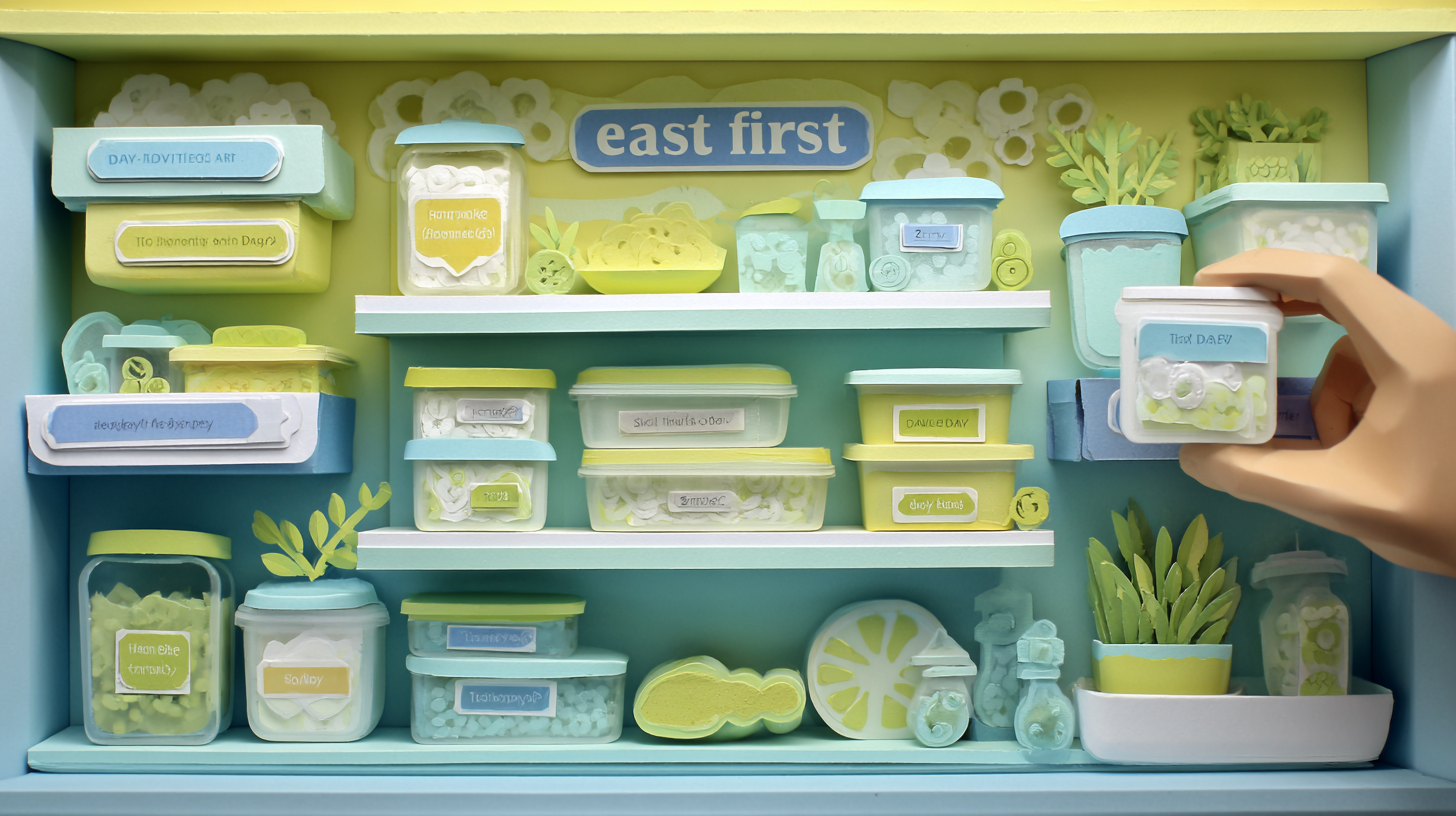
Container choice matters more than you’d think. Glass and food-grade plastic containers with airtight seals protect food from cross-contamination and prevent moisture loss that speeds spoilage. But here’s the game-changer most families miss: labeling. A simple piece of masking tape with the date transforms your fridge from a mystery box into a strategic inventory system. Studies show families waste 25% less food when they consistently label leftovers.
Your refrigerator temperature deserves attention too. That dial inside isn’t decorative—it’s your primary defense against bacterial growth. Maintain your fridge at 40°F or below and your freezer at 0°F or below. Many families run their fridges too warm without realizing it. Invest in an inexpensive fridge thermometer; you’d be surprised how often built-in temperature displays are inaccurate.
Just like when introducing Caribbean-inspired baby foods from our Caribbean Baby Food Recipe Book featuring recipes like Coconut Rice & Red Peas or Sweet Potato & Callaloo Rundown, proper storage extends shelf life and maintains nutritional value. These nutrient-dense meals deserve the same careful handling as any family leftovers—refrigerate promptly, use within 3-4 days, or freeze for later.
How Long Foods Actually Keep
This is where families need hard numbers, not vague guidelines. The USDA provides specific recommendations, but the food industry has overcomplicated this information. Let’s make it crystal clear with categories that matter:
3-4 Days Maximum: This is your standard timeline for most cooked foods. Cooked meats, poultry, fish, casseroles, soups, stews, cooked vegetables, and pasta dishes all fall into this category. After four days, even properly stored foods begin developing bacterial populations that can cause illness. This isn’t about visible spoilage—it’s about invisible contamination.
1-2 Days Only: Some foods are inherently riskier. Seafood leftovers, stuffed meats, and dishes with cream or mayonnaise-based sauces have shorter safe windows. Fresh fish and shellfish are particularly vulnerable. That shrimp scampi from Sunday dinner? It needs to be consumed by Tuesday at the absolute latest.
5-7 Days: A very small category of foods can safely last slightly longer with perfect storage. Hard-boiled eggs in their shells, certain pickled items, and some fermented foods fall here. But note: this is the exception, not the rule.
Freezer Timelines: Freezing dramatically extends storage times, but not indefinitely. Most cooked foods maintain quality for 2-6 months in the freezer. Beyond this, they remain safe but suffer texture and flavor degradation. Properly wrap foods in freezer-safe containers or heavy-duty freezer bags, removing as much air as possible to prevent freezer burn.
Your Personal Leftover Calculator
Select your leftover type to see exactly when you need to eat or freeze it!
Here’s a perspective shift that helped me tremendously: think of these timelines as maximum limits, not targets. Just because chicken can safely last four days doesn’t mean you should routinely push it to day four. Life happens—power outages, temperature fluctuations, cross-contamination from other foods. Building in a margin of safety makes sense, especially when feeding young children or elderly family members with compromised immune systems.
The Reheating Methods That Keep You Safe
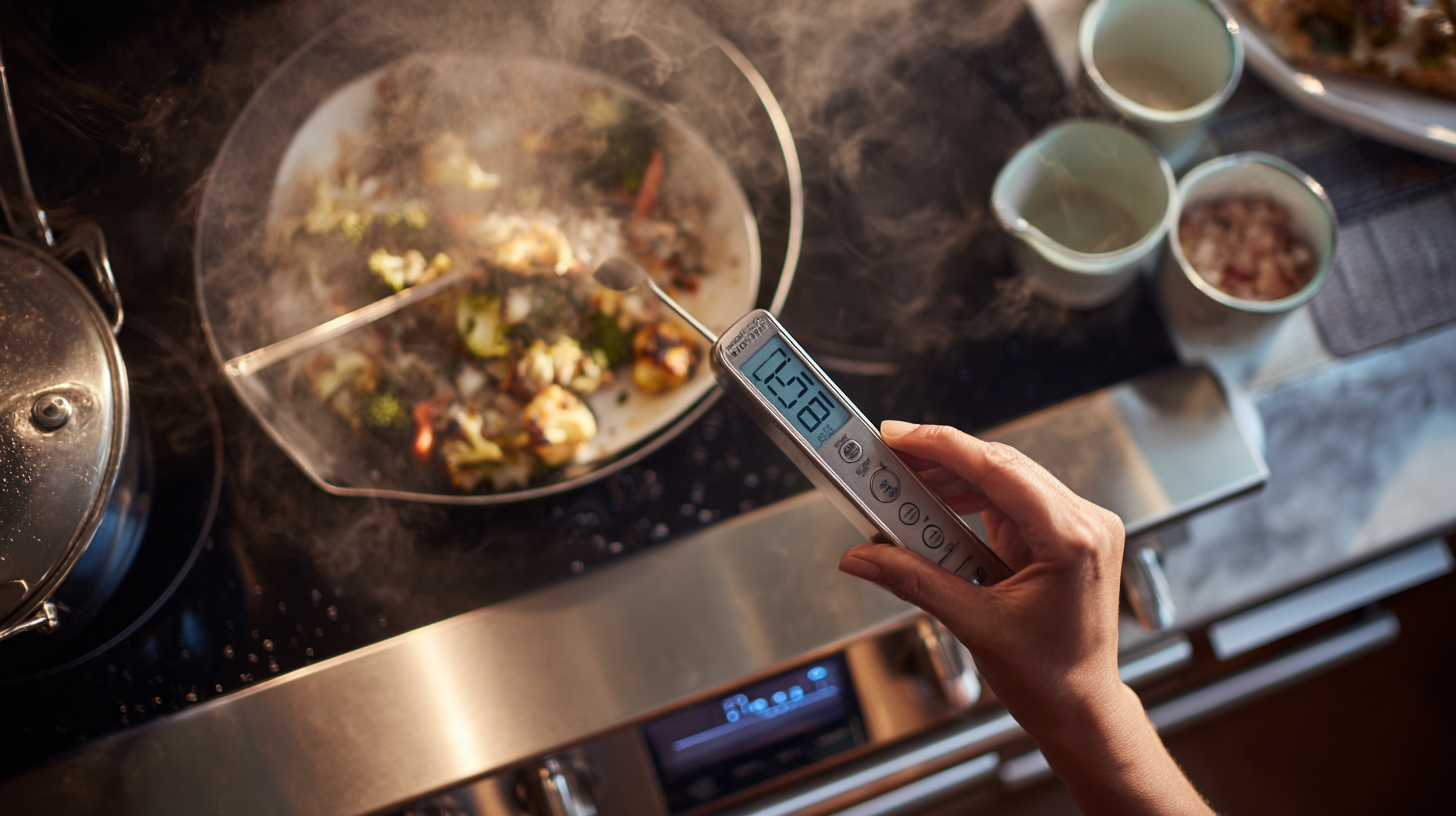
Reheating isn’t just about making food hot—it’s about reaching temperatures that kill harmful bacteria. The magic number is 165°F, measured with a food thermometer at the thickest part of the food. This temperature instantly kills most foodborne pathogens, including Salmonella, E. coli, and Listeria. But here’s what consumer research reveals: fewer than 30% of home cooks actually use food thermometers. We guess based on appearance, steam, or how hot the container feels. This is where mistakes happen.
Microwave reheating requires special attention because microwaves heat unevenly, creating hot spots and cold spots within the same dish. To compensate, arrange food in a circular pattern, leaving the center empty when possible. Cover dishes with a microwave-safe lid or wrap to trap steam, which helps heat food more evenly. Stop halfway through reheating time to stir thoroughly, then continue heating. Let food rest for two minutes after microwaving—this allows heat to distribute more evenly throughout.
Stovetop reheating gives you more control. For soups, stews, and sauces, bring them to a rolling boil, stirring frequently. For denser foods like rice or pasta dishes, add a small amount of liquid (water, broth, or sauce) to prevent drying out, cover the pan, and heat over medium-low, stirring occasionally. The thermometer remains your best friend—check multiple spots to ensure even heating.
Oven reheating works beautifully for casseroles and larger portions. Preheat to 350°F, cover dishes with foil to retain moisture, and heat until the internal temperature reaches 165°F throughout. This method takes longer but provides the most even heating, especially for family-size portions.
️ Safe Reheating Temperature Guide
Slide to see different temperatures and learn what’s safe!
One critical mistake: never reheat food more than once. Each cooling and reheating cycle provides opportunities for bacterial growth. If you have a large batch, only reheat the portion you plan to eat immediately. Keep the rest refrigerated until needed. And never reheat foods in slow cookers or chafing dishes—these appliances don’t heat food quickly enough to pass through the danger zone safely.
Recognizing Spoilage Before It’s Obvious
The “sniff test” has been passed down through generations, but it’s dangerously unreliable. Many harmful bacteria produce no detectable odor, especially in the early stages of contamination. Salmonella, one of the most common foodborne pathogens, is completely odorless. Relying solely on smell means you might consume contaminated food that appears and smells perfectly fine.

Visual inspection provides more reliable clues. Mold—whether white, green, black, or pink—means immediate disposal. Don’t just remove the moldy portion; mold sends invisible root structures throughout the food. Color changes, particularly graying in meat or browning in previously vibrant vegetables, signal degradation. Surface slime on meat or excessive liquid pooling at the bottom of containers indicates bacterial activity.
Texture changes matter too. Slimy surfaces, unusual stickiness, or a significant change in consistency all warrant caution. Dried-out edges or crusty surfaces don’t necessarily indicate spoilage, but they suggest quality degradation and exposure to air, which accelerates bacterial growth.
Spoilage Sign Spotter
Click on the signs you see. Each reveals whether it’s a danger signal or just quality loss!
Any color
Unusual stickiness
Sour or unusual
Crusty surface
Gray meat
Less tasty
But here’s the golden rule that food safety experts universally embrace: “When in doubt, throw it out.” That container you can’t remember making? Toss it. That leftover that sat out during game night while everyone was distracted? Toss it. The potential savings of one meal never outweigh the risk of serious illness. A study in 2024 revealed that families who followed this principle experienced zero food poisoning incidents from leftovers over a full year, compared to a 12% incident rate among families who “took chances.”
The Real Cost of Food Waste vs. Food Safety
Families feel genuine guilt about wasting food, and rightfully so. With food costs rising and environmental consciousness growing, throwing away perfectly good meals feels wrong. But let’s reframe this conversation with actual numbers that matter to real families.
A foodborne illness typically costs families $1,068 to $2,000 when accounting for medical bills, lost work time, and replacement meals. Severe cases requiring hospitalization can exceed $10,000. Meanwhile, the average family throws away approximately $1,500 worth of food annually—but only a small fraction of that waste is leftovers that could have been safely consumed. Most waste comes from expired products, over-purchasing, and spoiled fresh produce, not from properly stored leftovers discarded for safety.
The sustainable approach isn’t eating questionable leftovers—it’s preventing waste at the source. Buy realistic quantities, store foods properly from the start, label everything, and plan leftover meals into your weekly menu. Transform that roast chicken into chicken soup, then freeze portions in single-serving containers. That way, you’re maximizing food value without compromising safety.
Legislative momentum is building too. Over 100 state-level bills addressed food waste in 2024-2025, with several requiring composting infrastructure, enhanced food donation pathways, and improved consumer education on date labeling. These policy shifts recognize that reducing waste and maintaining safety aren’t competing values—they’re complementary goals requiring different strategies.
For families introducing diverse foods to young children—whether that’s introducing babies to Caribbean flavors through dishes in our Caribbean Baby Food Recipe Book like Calabaza con Coco or Cornmeal Porridge Dreams, or managing family leftovers—the principles remain consistent: proper storage, safe temperatures, and intelligent meal planning reduce waste while protecting health.
Technology and Tools Making Leftovers Safer
Innovation is transforming leftover management in ways that would have seemed futuristic a decade ago. Smart refrigerators now track what’s inside, send expiration alerts to your phone, and even suggest recipes based on available ingredients. While these high-tech solutions aren’t accessible to everyone, the underlying principle matters: systematic tracking dramatically reduces waste and improves safety.
You don’t need a smart fridge to benefit from technology. Simple smartphone apps help families inventory their fridge contents, send reminders about aging leftovers, and provide quick safety lookups for specific foods. Many are free or low-cost, and they work remarkably well for families committed to using them consistently.
Food-safe storage containers have evolved too. Temperature-indicating containers change color when contents rise into the danger zone. Vacuum-sealed containers remove air, significantly extending storage times. Glass containers with silicone seals provide airtight storage without the concerns some families have about plastics. These aren’t luxury items—they’re investments that pay for themselves by reducing both waste and illness risk.
AI-enabled freshness sensors are emerging as consumer products. These small devices analyze chemical signatures emitted by food as it degrades, providing objective spoilage warnings before visible or olfactory signs appear. While still in early adoption phases, experts predict these technologies will become standard in household kitchens within five years.
Your Leftover Safety Score
Based on your interactions throughout this article, let’s see how you’re doing!
Keep reading to improve your score!
Expert Strategies for Busy Families
Theory means nothing without practical application in real kitchens with real constraints. Food safety experts who work with families have identified strategies that actually get implemented, not just nodded at and forgotten.
The Sunday Reset: Designate one day weekly to audit your fridge. Check dates on all containers, discard anything questionable, and plan the week’s meals around what needs consuming first. This 15-minute habit prevents the accumulation of mystery containers and reduces waste by 30-40%.
The Leftover Plan: Before cooking large meals, decide how you’ll use leftovers. That Sunday pot roast becomes Monday’s sandwiches and Wednesday’s beef stew. This intentional approach transforms leftovers from forgotten experiments into planned meals, increasing both consumption and safety.
The Freezer Strategy: When you cook, cook big, but freeze half before it becomes a leftover. Fresh-frozen foods maintain better quality and safety margins than refrigerated leftovers approaching their limits. Portion into single-serve or family-size containers based on your typical meals.
The Clear Container Rule: Use clear storage containers whenever possible. Being able to see contents without opening containers reduces contamination risk and helps you remember what you have. Label the lid, not the container—lids stay with specific batches while containers get reused.
The First In, First Out System: Organize your fridge like grocery stores organize shelves. Newer items go behind older ones, ensuring you consume food in the order it was stored. This simple organizational principle prevents good food from hiding behind newer items until it spoils.
Registered dietitians working with families emphasize realistic expectations. You’re not going to label every container every time, especially during chaotic weeknight dinners. That’s okay. The goal is consistency over perfection. Even labeling 70% of containers represents a massive improvement for most families.
Cultural Wisdom Meets Modern Science
Many cultures have traditional leftover practices that align beautifully with modern food safety science. Caribbean cooking traditions, for instance, often emphasize using fresh ingredients and consuming meals relatively quickly, with preservation through cooking methods rather than extended storage. These cultural practices developed over generations of observing what kept families healthy.
The concept of “eating with the seasons” naturally reduces leftover accumulation. When you cook with fresh, peak-season ingredients and appropriate portions, you’re less likely to have extensive leftovers requiring complex storage strategies. This approach honors both sustainability and safety—using food when it’s most nutritious and flavorful, in quantities families actually consume.
Traditional preservation techniques like pickling, fermenting, and spicing have modern applications too. These methods fundamentally alter food chemistry, creating environments hostile to harmful bacteria while maintaining or even enhancing nutritional value. When preparing Caribbean-inspired baby meals like those in our Caribbean Baby Food Recipe Book—featuring recipes with carefully balanced spices and fresh ingredients—these principles ensure safety while introducing babies to authentic flavors.
Generational differences in leftover attitudes reflect changing food systems. Older generations who experienced scarcity often prioritize avoiding waste above all else, sometimes at the expense of safety. Younger generations raised in abundance may waste food unnecessarily due to overcaution. The middle path combines respect for food with respect for health—using every bit you safely can, while accepting that some disposal is responsible, not wasteful.
Building Leftover Confidence for Your Family
Food safety doesn’t require perfection—it requires consistency with key principles. Most families already do several things right; they just need to close a few critical gaps. Start by implementing one new practice this week. Maybe it’s buying that food thermometer and actually using it. Maybe it’s starting the Sunday fridge audit. Maybe it’s simply labeling containers with dates.
Track your progress for a month. Notice how these small changes affect both your food waste and your confidence when serving leftovers. Most families report feeling dramatically more in control once they establish consistent practices. That anxiety about whether food is safe—the mental load of constantly questioning and second-guessing—diminishes significantly.
Teach these principles to everyone in your household old enough to prepare food. Food safety is a family skill, not a parent’s sole responsibility. Teenagers capable of cooking should understand proper storage and reheating. Even younger children can learn basics like the two-hour rule and why labeling matters.
Your Personal Action Plan
Based on this article, here are your action steps:
- This Week: Buy a food thermometer and fridge thermometer. Label all current leftovers with dates.
- This Month: Implement the Sunday fridge audit. Start dividing large batches into smaller containers.
- This Quarter: Invest in quality airtight containers. Establish your leftover meal planning routine.
- Long-term: Make these practices automatic habits. Teach family members. Adjust your cooking portions based on actual consumption patterns.
Remember: Every meal kept safe is a win. Every bit of waste prevented through proper planning is a win. You’ve got this!
Your Leftovers, Your Family, Your Confidence
We’ve covered substantial ground—from the science of bacterial growth to practical storage strategies, from reheating temperatures to spoilage recognition, from technology tools to cultural wisdom. But all of this information distills into one essential truth: you can keep your family safe while reducing waste, without stress or constant second-guessing.
The families who master leftover safety share common traits. They plan ahead rather than reacting. They use systems and tools rather than relying on memory. They build margins of safety rather than pushing limits. And crucially, they accept that some disposal is responsible stewardship, not failure.
Your fridge doesn’t have to be a source of anxiety. Those containers can represent resourcefulness, creativity, and care—meals that nourish your family twice, saving time and money while supporting sustainability. The key is knowledge applied consistently, not perfectly.
Start tonight. Look at your fridge with new eyes. Label what needs labels. Plan tomorrow’s lunch using today’s dinner leftovers. Check that your fridge is actually at 40°F or below. These small actions compound into significant results.
Food connects us to our families, our cultures, and our values. Whether you’re serving traditional Caribbean dishes that bridge generations, introducing babies to diverse flavors through thoughtfully prepared meals found in our Caribbean Baby Food Recipe Book, or simply making sure Tuesday’s chicken is safe for Wednesday’s lunch—you’re practicing care. You’re nourishing bodies while respecting resources. You’re building food confidence that serves your family for years.
The next time you open that fridge and see those containers, you’ll know exactly what to do. You’ll make informed decisions quickly and confidently. You’ll waste less, worry less, and trust yourself more. Because now you have what every family deserves: the knowledge to keep leftovers both safe and delicious.

Kelley's culinary creations are a fusion of her Caribbean roots and modern nutritional science, resulting in baby-friendly dishes that are both developmentally appropriate and bursting with flavor. Her expertise in oral motor development and texture progression ensures that every recipe supports your little one's feeding milestones while honoring cultural traditions.
Join Kelley on her flavorful journey as she shares treasured family recipes adapted for tiny taste buds, evidence-based feeding guidance, insightful parenting anecdotes, and the joy of celebrating food, culture, and motherhood. Get ready to immerse yourself in the captivating world of Kelley Black and unlock the vibrant flavors of the Caribbean for your growing baby, one nutritious bite at a time.
- The Feeding Revolution: Why Your Everyday Meals Are Changing the World - October 13, 2026
- Your Feeding Story Matters More Than The “Perfect” One Online - October 12, 2026
- Looking Forward: Stepping Into Your Confident Feeding Future - October 11, 2026