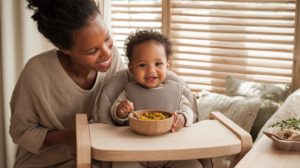
The Hidden Truth About Food Poisoning Every Parent Must Know
⚠️ Quick Reality Check: How Safe Is Your Kitchen?
You’ve just finished preparing dinner. What’s your next move?
Here’s something most parenting books won’t tell you: the biggest threat to your child’s health might not be the playground, the mall, or even the pediatrician’s waiting room. It’s likely sitting right there in your kitchen, hiding in plain sight on your cutting board, lingering on your countertop, or multiplying silently in your refrigerator.
Every single year, approximately 600 million people worldwide fall ill from contaminated food—that’s nearly 1 in 10 people on this planet. But here’s what hits different: 420,000 of those cases end in death, and 125,000 of those deaths are young children. Thirty percent of all foodborne deaths globally happen to children under five, even though they represent just 9% of the world’s population. Think about that for a moment. Our little ones—the ones we’d move mountains to protect—are the most vulnerable.
I remember the first time my toddler got sick from something we ate. The guilt was overwhelming. I’d done everything I thought was right—cooked the food, washed the vegetables, kept things “clean.” But clean and safe aren’t always the same thing. That’s when I realized something crucial: good intentions don’t kill bacteria. Knowledge does. Action does.
Why Your Kitchen Is a Battleground (And You Didn’t Even Know It)
The home environment is the primary source of foodborne illness risk, particularly for young children. Studies show that upwards of 80% of families report washing their hands and produce, yet many still engage in practices that dramatically increase contamination risk—things like thawing meat on the counter or using the same cutting board for raw chicken and fresh vegetables.
In the United States alone, an estimated 9.9 million foodborne illnesses occur annually due to seven major pathogens, resulting in 53,300 hospitalizations and 931 deaths each year. The usual suspects? Norovirus, Salmonella, and Campylobacter lead the charge. But here’s the terrifying part: these invisible enemies don’t announce themselves. They don’t smell bad. They don’t change the color of your food. They simply wait.
The gap between what we know and what we do is staggering. You might know hand-washing matters, but do you do it consistently—before touching food, after handling raw meat, after touching your phone, after helping your child in the bathroom? Knowledge without action is just trivia. And when it comes to protecting our children, we can’t afford to treat food safety like a fun fact.
The Shocking Truth About “Safe” Foods
Here’s what the food industry doesn’t want you to panic about:
Fresh Produce Is NOT Always Safe: Recent outbreaks in 2024-2025 have been heavily linked to E. coli and Salmonella in fresh produce and ready-to-eat foods. That pre-washed salad? That “fresh” spinach? They’ve been implicated in multiple large-scale recalls.
Your Refrigerator Temperature Is Probably Wrong: Most home fridges sit at 40-45°F (4-7°C), but bacteria can still multiply slowly at these temperatures. The safe zone is 40°F (4°C) or below.
Leftovers Are Danger Zones: Food left at room temperature for more than 2 hours becomes a bacterial breeding ground. In hot weather (above 90°F/32°C), that window shrinks to just 1 hour.
Cross-Contamination Happens in Seconds: It takes mere seconds for bacteria from raw meat to transfer to your hands, utensils, and other foods. One absent-minded touch can contaminate an entire meal.
The Invisible Enemies in Your Food
Foodborne illness occurs when harmful bacteria, viruses, parasites, or chemicals contaminate what we eat. These pathogens have existed throughout history, but the globalization of our food supply has made the problem more complex and far-reaching than ever before. What happens on a farm thousands of miles away can end up affecting your family’s dinner table.
Let’s talk about the major players you need to know:
Tap Each Card to Learn About Common Culprits
Salmonella
Tap to learn more
Found in: Raw poultry, eggs, unpasteurized milk, fresh produce
Symptoms: Diarrhea, fever, stomach cramps within 6-72 hours
E. coli
Tap to learn more
Found in: Undercooked ground beef, raw produce, contaminated water
Danger: Can cause severe kidney damage in children
Listeria
Tap to learn more
Found in: Deli meats, soft cheeses, refrigerated foods
Special note: Can grow even in cold temperatures
Norovirus
Tap to learn more
Spread by: Contaminated food, surfaces, person-to-person contact
Impact: Highly contagious, spreads rapidly
The scary reality? These pathogens are everywhere, and they’re opportunistic. They wait for that one moment when you’re tired, distracted, or rushing. That moment when you don’t wash your hands thoroughly. That moment when you leave the chicken out just a bit too long. That moment when you use the same knife for raw meat and then the vegetables without washing it first.
And here’s what makes it even more challenging for parents: children’s immune systems are still developing. What might cause mild discomfort in an adult can lead to severe illness in a young child. Their bodies simply don’t have the same defense mechanisms we do. When you’re preparing food for your little ones, the margin for error is razor-thin.
The Four Pillars of Food Safety (That Actually Work)
Experts worldwide agree on a simple, powerful framework: Clean, Separate, Cook, Chill. These four words have prevented countless cases of foodborne illness, but only when people actually follow them consistently. Let me break down what each one really means in the chaos of everyday parenting.
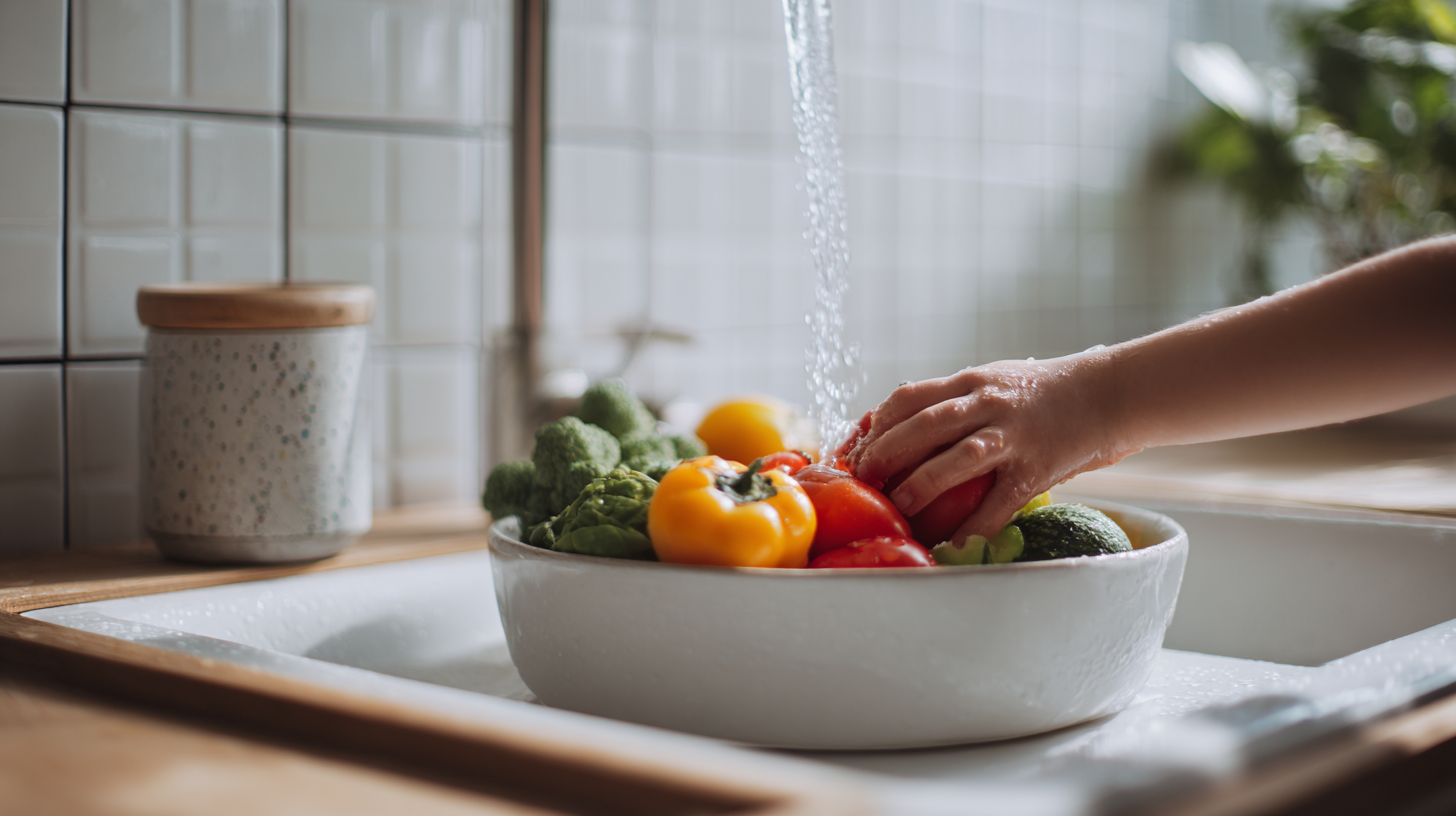
Clean: This isn’t just about rinsing an apple under water for two seconds. It means washing your hands with soap and warm water for at least 20 seconds before and after handling food. It means sanitizing countertops, cutting boards, and utensils that have touched raw meat. It means washing fresh produce thoroughly under running water, even if you plan to peel it—because the knife that cuts through the skin can drag bacteria from the outside to the inside.
Separate: Cross-contamination is silent and deadly. Use separate cutting boards for raw meat and vegetables—and I mean truly separate, not just “I’ll wash it quickly between uses.” Keep raw meat, poultry, and seafood away from ready-to-eat foods in your shopping cart, refrigerator, and during preparation. Never place cooked food back on a plate that previously held raw meat without washing it first.
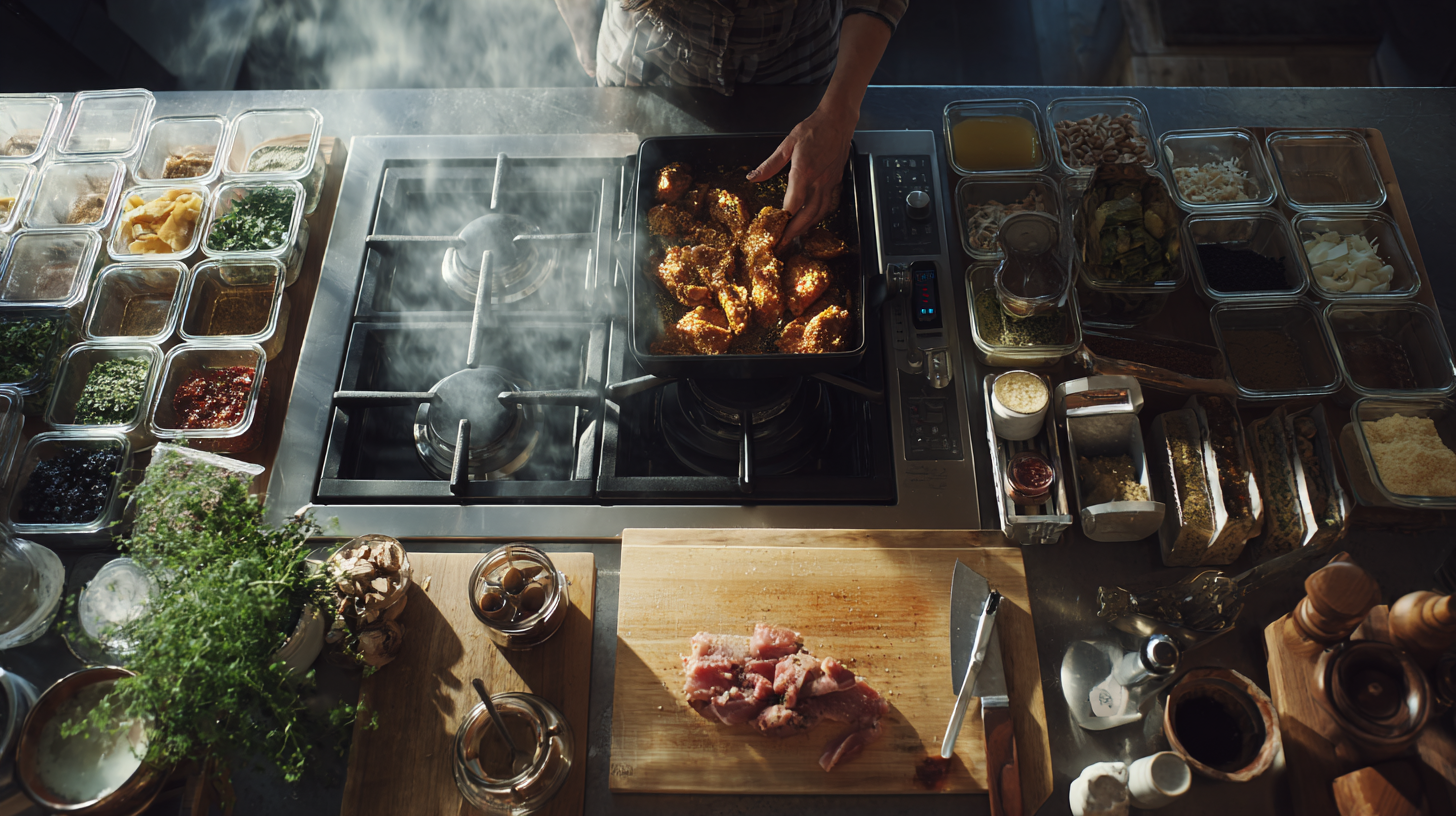
Cook: This is where a lot of families get tripped up. “It looks done” is not the same as “it’s safe.” The only way to know if food has reached a safe internal temperature is to use a food thermometer. Ground beef needs to reach 160°F (71°C). Poultry requires 165°F (74°C). These aren’t suggestions—they’re the temperatures at which harmful bacteria die.
️ Is Your Food Actually Safe? Check the Temperature
Chill: Bacteria multiply rapidly at room temperature. The “danger zone” is between 40°F and 140°F (4°C and 60°C). Refrigerate perishable foods within 2 hours—or within 1 hour if the temperature is above 90°F (32°C). Don’t overstuff your refrigerator; cold air needs to circulate. And never thaw meat on the counter—use the refrigerator, cold water, or the microwave instead.
Now, I know what you’re thinking: “This sounds like a lot of work.” And you’re right—it is. But here’s the thing: it becomes second nature once you build the habit. Just like you automatically buckle your child into their car seat, you can automatically follow food safety practices. It’s not about perfection; it’s about consistency. Small actions, repeated daily, become the shield that protects your family.
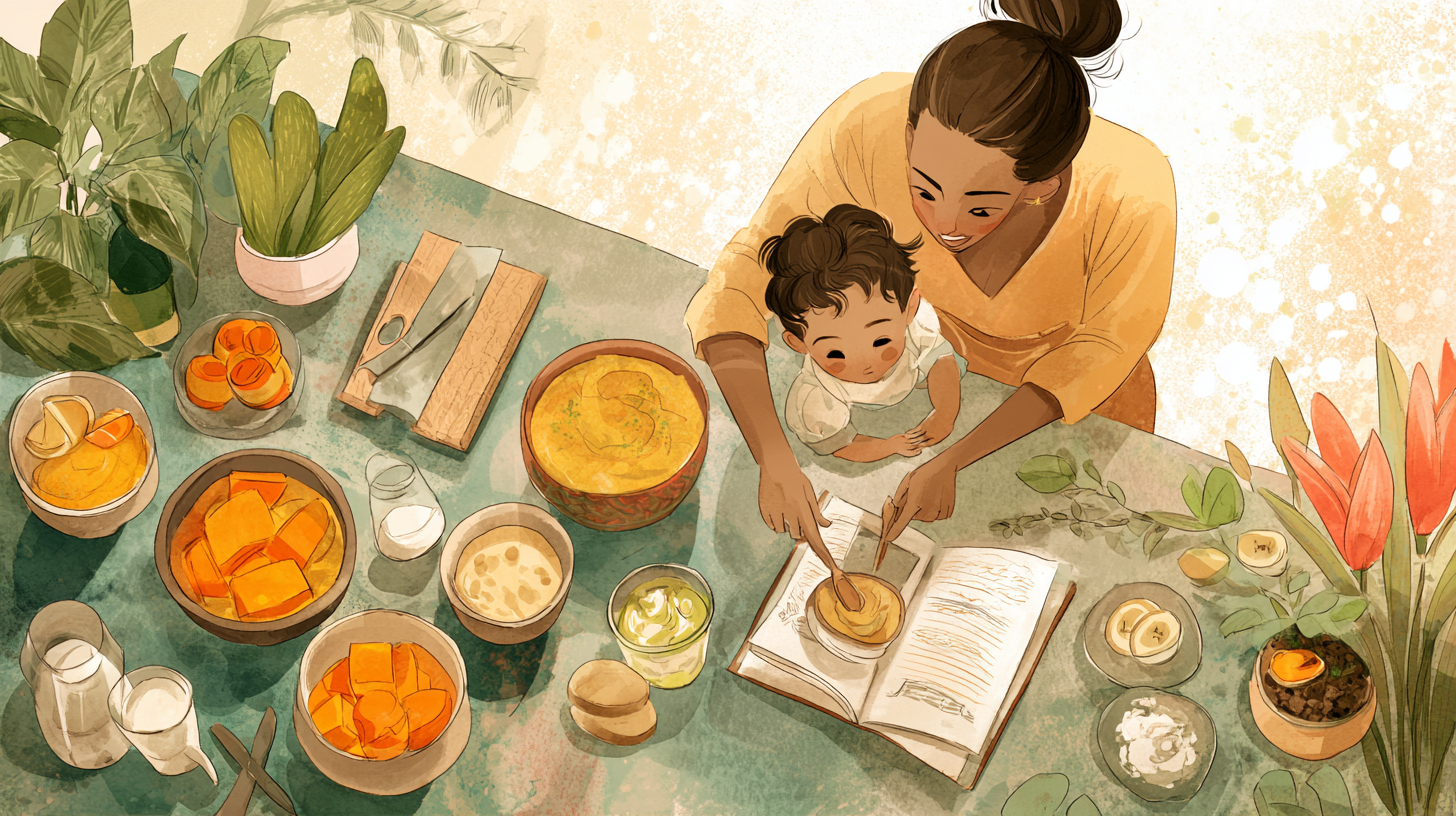
If you’re looking to expand your family’s culinary horizons while keeping safety top of mind, introducing diverse flavors early can be both nutritious and exciting. The Caribbean Baby Food Recipe Book offers over 75 safe, tested recipes that incorporate ingredients like sweet potatoes, plantains, and coconut milk—foods that are not only packed with nutrition but also introduce your little one to authentic island flavors. When you prepare these meals at home, you control every aspect of food safety from start to finish.
When Something Goes Wrong: Recognizing the Signs
Despite our best efforts, sometimes foodborne illness happens. Knowing how to recognize the symptoms and when to seek medical care can literally save your child’s life. Most symptoms appear within hours to days after consuming contaminated food, but the timeline varies depending on the pathogen.
Symptom Checker: How Serious Is It?
Select all symptoms your child is experiencing:
Common symptoms of food poisoning include nausea, vomiting, diarrhea, abdominal cramps, and fever. In many cases, these symptoms resolve on their own within 24-48 hours with rest and hydration. However, certain red flags demand immediate medical attention, especially in young children.
Seek medical care immediately if your child experiences:
• High fever (above 102°F/39°C)
• Blood in vomit or stool
• Signs of severe dehydration (dry mouth, little to no urination, extreme thirst, dizziness)
• Diarrhea lasting more than 3 days
• Severe abdominal pain
• Symptoms in infants under 6 months
Dehydration is the primary concern with food poisoning in children. Their smaller bodies lose fluids quickly. Offer small, frequent sips of water or an oral rehydration solution. Avoid sugary drinks or fruit juices, which can worsen diarrhea. Watch for signs of dehydration: decreased urination, crying without tears, sunken eyes, or extreme lethargy. If you notice any of these, don’t wait—get medical help.
Special Considerations for Caribbean and International Foods
If your family enjoys Caribbean cuisine or international dishes, you’re giving your children an incredible gift: exposure to diverse flavors and cultural traditions. But some ingredients and preparation methods require extra attention to food safety.
Take ackee, for example—a beloved Jamaican fruit. While delicious when properly prepared, unripe ackee contains toxins that can cause serious illness. Always purchase canned ackee from reputable sources or ensure fresh ackee is fully ripe and properly prepared. Similarly, dishes featuring coconut milk, like the Coconut Rice & Red Peas or Calabaza con Coco recipes, should be refrigerated promptly after cooking, as the rich, creamy environment is perfect for bacterial growth.
When preparing traditional dishes with root vegetables like malanga, cassava, or dasheen, ensure thorough cooking. These starchy staples are generally safe, but raw or undercooked versions can contain naturally occurring toxins. Boiling, steaming, or baking until completely soft eliminates these concerns and makes them perfect for young palates.
Fish and seafood dishes, such as Guyanese Fish & Potato or Lambi ak Lalou (conch), require special vigilance. Purchase seafood from reputable sources, keep it refrigerated until immediately before cooking, and ensure it reaches safe internal temperatures. The general rule: fish should reach 145°F (63°C) and have opaque flesh that flakes easily.
The beauty of preparing these foods at home—rather than relying on restaurants or store-bought versions—is complete control over every ingredient and every step. Resources like the Caribbean Baby Food Recipe Book provide age-appropriate adaptations of traditional dishes, with clear food safety guidance built into every recipe. From the Basic Mixed Dhal Pure to the Plantain Paradise, each recipe considers both nutrition and safety for developing digestive systems.
The Modern Challenges We’re Facing
Food safety has gotten more complicated, not simpler. Our food supply chain stretches across continents, meaning a contamination event thousands of miles away can affect your local grocery store within days. Recent outbreaks in 2024-2025 have involved everything from fresh produce to ready-to-eat meals, prompting multiple recalls and public health warnings.
The FDA and USDA have responded by modernizing regulations with improved labeling, enhanced pathogen monitoring, and risk-based preventive controls. Technologies like artificial intelligence and blockchain are being integrated into supply chains for earlier detection of contamination. But here’s the reality: all the regulations and technology in the world can’t eliminate risk. They can only reduce it.
Another challenge? Antibiotic resistance. The overuse of antibiotics in food animal production has led to the emergence of antibiotic-resistant bacteria. When these bacteria cause foodborne illness, treatment becomes significantly more difficult. This is one reason why cooking temperatures and food handling practices have become even more critical—we can’t always rely on antibiotics to save us if something goes wrong.
Confusing food labels add another layer of complexity. “Best by,” “use by,” “sell by”—these dates often lead to unnecessary food waste because people don’t understand what they mean. “Best by” refers to quality, not safety. “Use by” is the manufacturer’s recommendation for peak quality. Neither is a hard safety deadline for most foods if they’ve been properly stored. However, highly perishable items like deli meats, soft cheeses, and prepared salads should be consumed by the date on the package.
Your Family Food Safety Mastery Path
Click each step as you master it:
What Experts Are Saying (And What They’re Not)
Public health authorities universally agree: the home environment is where the battle against foodborne illness must be fought and won. Professional kitchens have regulations, inspections, and accountability. Your home kitchen has you. That’s both empowering and sobering.
Leading food safety experts emphasize that education alone isn’t enough—there’s a persistent gap between knowledge and practice. Studies show that people may know they should wash their hands, but don’t do it consistently. They may know about safe cooking temperatures, but rely on visual cues instead of using a thermometer. This knowledge-practice gap is the weak link in household food safety.
There’s ongoing debate about the most effective methods for consumer education. Some experts advocate for large-scale public health campaigns. Others argue for more localized, culturally tailored programs that address specific community needs and practices. Research from diverse populations shows that food safety behaviors vary significantly based on cultural traditions, available resources, and access to information.
On social media, food safety information ranges from genuinely helpful expert advice to dangerous misinformation. Many parents follow credible organizations like the CDC, FDA, and WHO, but they’re also exposed to anecdotal prevention tips that have no scientific backing. The challenge is discerning which voices to trust. Generally, stick with information from public health organizations, university extension programs, and certified food safety professionals.
Building a Culture of Safety (Without Going Crazy)
Look, I’m not suggesting you turn your kitchen into a sterile laboratory or live in constant fear of every meal. That’s not realistic, and it’s not healthy. What I am suggesting is that you build simple systems that become automatic—the same way you automatically check if your child’s seatbelt is buckled before driving.
Start with one habit. Maybe it’s always using a meat thermometer. Or maybe it’s implementing a strict two-hour rule for refrigerating leftovers. Once that becomes automatic, add another habit. Small changes, consistently applied, create significant results over time.
Involve your children in food safety practices. Make hand-washing fun. Explain why we use different cutting boards. Let older children help check food temperatures. When kids understand the “why” behind safety rules, they’re more likely to follow them throughout their lives. You’re not just protecting them now—you’re teaching them to protect themselves and their own future families.
Create visual reminders. Put a small chart on your refrigerator with safe cooking temperatures. Set a timer when food comes out of the oven to remind you to refrigerate it within two hours. Keep a bottle of sanitizing spray within easy reach of your prep area. Make the safe choice the easy choice.
When introducing new foods to your baby or toddler, home preparation offers unmatched safety and nutritional control. Whether you’re making traditional Jamaican Yellow Yam & Carrot Sunshine, Cuban Maíz Tierno con Leche, or Dominican Mangú Morning, having tested recipes with clear instructions removes guesswork. The Caribbean Baby Food Recipe Book features comprehensive food safety guidelines alongside its 75+ recipes, helping you navigate everything from ingredient selection to proper storage.
The Path Forward
The future of food safety will likely see continued regulatory improvements, better tracking systems, and more advanced detection technologies. But technology can only take us so far. At the end of the day, the person standing in your kitchen with a knife in one hand and your child’s dinner in the other is you. That responsibility can feel heavy, but it’s also empowering.
You have more control than you think. Yes, outbreaks happen. Yes, recalls occur. But the vast majority of foodborne illnesses are preventable through basic, consistent food safety practices. You don’t need expensive equipment. You don’t need a degree in microbiology. You need a thermometer, a timer, separate cutting boards, soap, and attention to detail.
Every meal you prepare safely is a vote for your child’s health. Every time you wash your hands before cooking, you’re protecting them. Every time you check that temperature, you’re showing up for your family. These small acts of diligence are actually profound acts of love.
The truth is, most parents get it right most of the time. But “most of the time” isn’t good enough when a single mistake can land your child in the hospital. That might sound harsh, but I’d rather speak hard truth than offer false comfort. Your vigilance matters. Your consistency matters. Your willingness to take these practices seriously—even when you’re exhausted, even when you’re in a hurry, even when no one else is watching—that’s what stands between your family and a preventable illness.
Taking the First Step Today
So where do you start? Right here, right now. Don’t wait for a scare. Don’t wait until something goes wrong. Begin building these habits today while the stakes feel manageable and your motivation is high.
First, assess your current practices honestly. Walk through your kitchen routine with fresh eyes. Where are the gaps? Do you always wash your hands thoroughly? Do you have a working refrigerator thermometer? Do you own a food thermometer? Are you separating raw and ready-to-eat foods? Identify your weakest link and strengthen it.
Second, invest in the basic tools. A good digital food thermometer costs less than twenty dollars. Separate cutting boards—color-coded if possible—are inexpensive and last for years. A refrigerator thermometer ensures your cold storage is actually cold enough. These simple tools remove guesswork and provide certainty.
Third, create a simple reference sheet. Write down the four core principles—Clean, Separate, Cook, Chill—and post it somewhere visible. Add the key temperatures for different foods. Having this information at your fingertips removes the temptation to guess or cut corners when you’re rushed.
Finally, extend this mindset to how you shop, store, and prepare food. Don’t break the cold chain—get perishables home and into the refrigerator quickly. Check expiration dates. Store raw meat on the bottom shelf of your fridge so it can’t drip onto other foods. Defrost properly. Label and date leftovers. These small systems compound over time into a comprehensive safety net for your family.
Remember, clarity doesn’t come from waiting. It comes from doing. You don’t need to master everything overnight. You just need to take the next small step. And then the next one. And before you know it, these practices become as automatic as breathing—woven into the fabric of how you care for your family.
The magic isn’t in some distant future when you’ve achieved perfection. The magic is in the here and now—in the meal you’re about to prepare, in the habits you’re building today, in the choice you make right now to prioritize your family’s safety. Because all we truly have is this moment. So why not make it count?
Your children are counting on you. Not for perfection, but for consistency. Not for fear, but for knowledge. Not for complex systems, but for simple, reliable habits that keep them safe. You’ve got this. One meal, one practice, one day at a time. And trust me, when you look back years from now, you’ll be grateful you started today rather than waiting for tomorrow.

Kelley's culinary creations are a fusion of her Caribbean roots and modern nutritional science, resulting in baby-friendly dishes that are both developmentally appropriate and bursting with flavor. Her expertise in oral motor development and texture progression ensures that every recipe supports your little one's feeding milestones while honoring cultural traditions.
Join Kelley on her flavorful journey as she shares treasured family recipes adapted for tiny taste buds, evidence-based feeding guidance, insightful parenting anecdotes, and the joy of celebrating food, culture, and motherhood. Get ready to immerse yourself in the captivating world of Kelley Black and unlock the vibrant flavors of the Caribbean for your growing baby, one nutritious bite at a time.
- The Feeding Revolution: Why Your Everyday Meals Are Changing the World - October 13, 2026
- Your Feeding Story Matters More Than The “Perfect” One Online - October 12, 2026
- Looking Forward: Stepping Into Your Confident Feeding Future - October 11, 2026