Skip to content
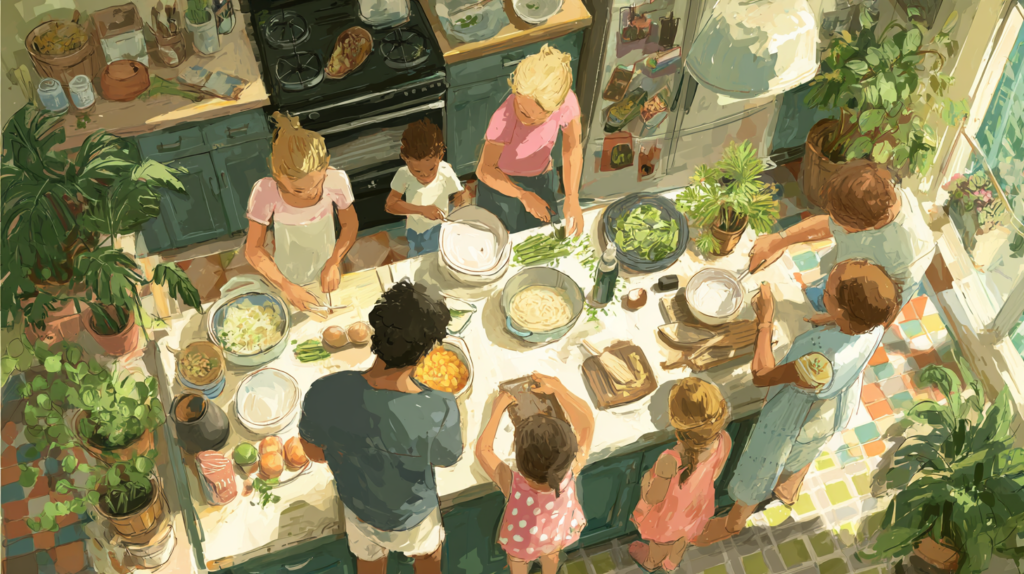
Getting Kids in the Kitchen: The Age-by-Age Guide That Actually Works
That long game starts with tiny messy moments today—not some magical future when life is less busy.
Many parents secretly dream of a future where dinner isn’t a one-person performance, but a shared family effort. The shocker is this: kids do not learn to cook just by watching you dash around the kitchen—they learn by touching, stirring, tasting, and repeating skills over and over with the right level of support and supervision at each age.
Large studies of children’s cooking programs show that early, hands-on practice builds long-term cooking confidence, stronger food literacy, and more positive attitudes toward fruits and vegetables. That doesn’t mean you need picture-perfect “mini chef” moments every night. It means small, deliberate invitations—over years—can quietly rewire how your child relates to food, family meals, and their own body.
This guide walks you through age-appropriate tasks from toddler to teen, how to keep things safe without killing the fun, and how to use cooking time to build real-life skills and interest in food. Along the way, you’ll get ready-made phrases, simple supervision tricks, and even a few Caribbean-inspired ideas you can use tonight—no culinary degree or Pinterest kitchen required.
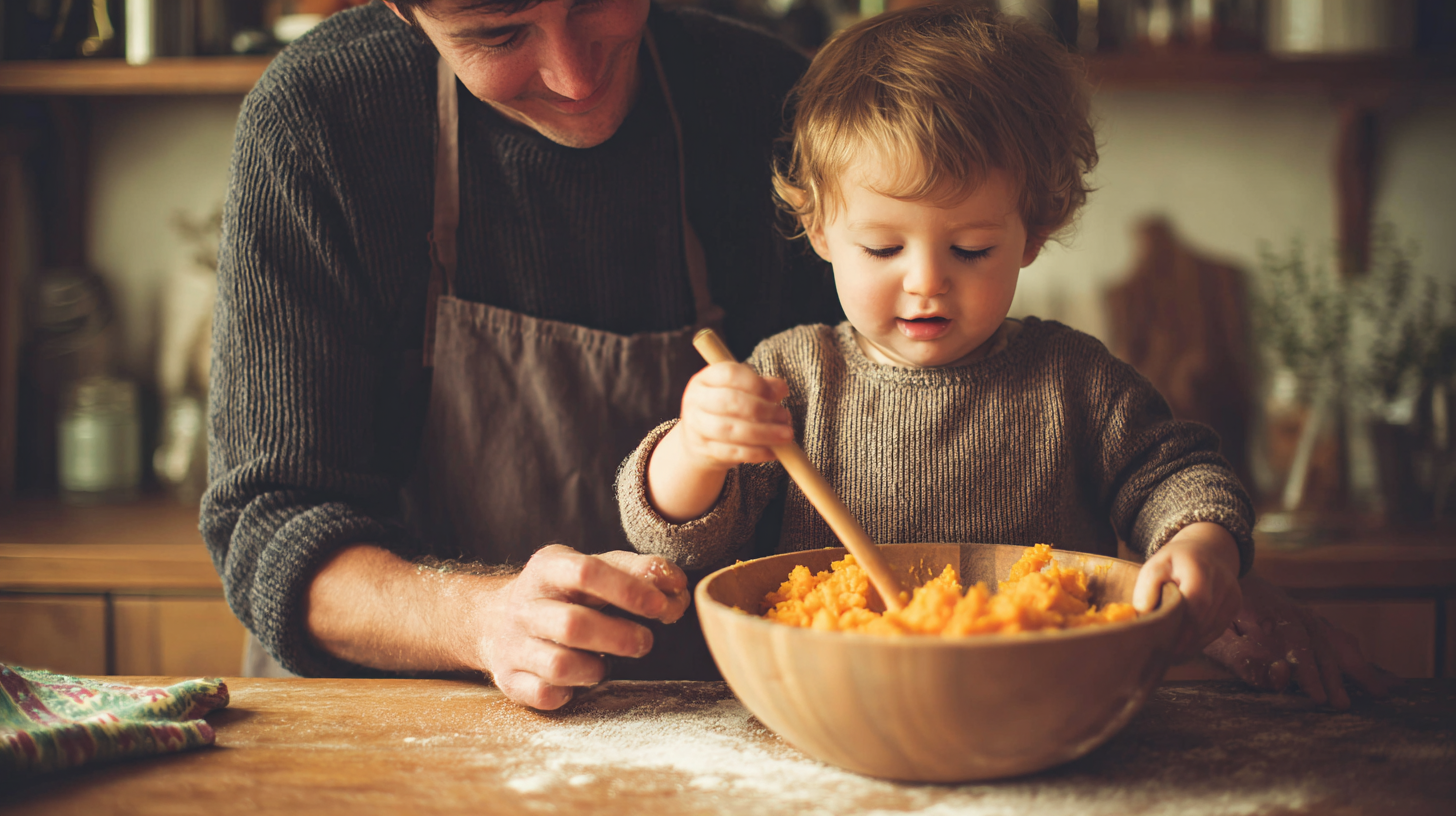
Why Getting Kids in the Kitchen Matters More Than We Think
Over the past couple of decades, home cooking has quietly declined in many households as schedules fill up and convenience foods take over. At the same time, researchers and pediatric health organizations have noticed that basic cooking know-how isn’t automatically passing from adults to kids anymore, and this gap shows up later in life as less cooking confidence and more reliance on ultra-processed foods.
Cross-sectional studies of adults have found that those who learned cooking skills earlier in childhood report higher skill levels as adults and tend to prepare more meals at home. Those habits are linked to healthier dietary patterns over time, including more fruit and vegetable intake and fewer fast-food meals. In other words, the “little helper” years are not cute extras; they are the training ground for adult food habits.
In response, schools, community programs, nurseries, and public health campaigns have started adding hands-on cooking to nutrition education. Instead of just talking about “eat your veggies,” these programs let kids wash, chop, mix, and cook vegetables themselves. When children get to see, smell, and handle foods, fussiness often drops and curiosity rises—even in kids who were previously cautious or selective around new flavors.
One nursery-based parent–child cooking program for preschoolers, for example, found that just four weekly sessions helped reduce food fussiness and boosted kids’ willingness to taste vegetables. Other school-age culinary programs have reported gains in cooking self-confidence, better understanding of recipes, and more openness to trying vegetable-rich dishes, even when the meals are unfamiliar or from different cultural traditions.
Are They Ready Yet? Quick Kitchen Readiness Check
Parents often ask, “What age should I start?” A better question is, “What can my child do safely right now with my help?” Readiness depends on motor skills, attention span, and ability to follow simple safety rules. Even toddlers can join in, but their tasks look very different from those of an eight-year-old or tween.
Use this quick, no-judgment checklist to see where your child might be on the kitchen readiness spectrum today. Think about one child at a time, and tap the statements that feel true right now.
Here’s the surprising truth many parents discover: most kids are capable of more in the kitchen than we assume, especially when tasks are broken down, tools are adapted for small hands, and safety rules are taught calmly and repeatedly instead of only after an accident or spill.
The rest of this guide walks through a realistic progression—from toddlers who can barely see the counter to teens who can plan, cook, and clean up whole meals. You don’t have to hit every step perfectly. Your job is to keep offering small, doable invitations that match where your child is developmentally right now.
Toddlers (About 2–3 Years): The Handwashing Helpers
At this stage, the goal is not “mini masterchef.” It’s to make the kitchen feel safe, fun, and familiar while reinforcing basic routines like washing hands and staying back from heat. Toddlers are still building balance and coordination, so tasks should be low, stable, and non-breakable whenever possible.
Great starter jobs include turning the tap on and off with you, helping wash produce in a basin on the table, carrying unbreakable items from the fridge to the counter, sprinkling pre-measured herbs, and dumping pre-measured ingredients into a bowl. You can also let them “paint” bread with a silicone brush and a bit of oil, mash very soft foods with a sturdy fork, or tear lettuce leaves into a salad bowl.
This is also a perfect time to quietly expose them to new ingredients without any pressure to eat. Let them feel the bumpy skin of a calabaza (pumpkin), smell a bit of thyme on your finger, or help rinse black beans you’ll later turn into a smooth mash for the rest of the family. When they see these ingredients in their own bowl as a baby or toddler-friendly mash, they already have a sensory relationship with them.
If you’re already exploring Caribbean flavors with your little one, you might have baby-friendly dishes like smooth pumpkin-and-coconut blends or sweet potato mashes in rotation. Those are beautiful opportunities to let your toddler watch you scoop, mash, and stir, and then “help” with a clean spoon while you keep the real action safely in your own hands.
Preschoolers (3–5 Years): The Curious Tasters
By preschool, many children can follow short sequences like “wash, dry, then put on the tray” and love being trusted with “real” jobs. Their fine motor skills are stronger, but attention spans are still short, so think in three- to eight-minute bursts of focused work followed by tasting, chatting, or a dancing break while food cooks.
Ideal tasks for this age include tearing leafy greens, snapping green beans, mixing dry ingredients in a large bowl, pouring cool liquids from a small jug, spreading soft spreads with a child-safe knife, placing muffin liners in a tin, and decorating the top of dishes with simple garnishes. They can help crack eggs with your hand wrapped gently around theirs and rinse measuring cups in a basin of water set safely away from any heat or sharp tools.
Preschool is also where sensory play really pays off for picky or cautious eaters. When kids get to squish dough for a simple roti-inspired flatbread, feel the silkiness of a pumpkin puree, or smell cinnamon and nutmeg before they go into porridge, their bodies log those sensations as familiar instead of threatening. Over time, familiarity makes tasting feel easier—even if your child simply licks a spoon and says, “Not today.”
If you enjoy Caribbean-inspired baby and toddler meals, you can scale some recipes for this age group by letting them help with the “cool” parts—rinsing rice for a coconut rice dish, mixing mashed plantain with a bit of coconut milk, or sprinkling finely chopped callaloo onto a tray before you handle the oven. Repeating these little jobs across weeks builds motor skills and confidence without overwhelming them.
Early Elementary (6–8 Years): The Skill Builders
Between six and eight, children can usually follow multi-step instructions, read simple recipe snippets, and stay focused a bit longer. Research on school-based cooking lessons in this age group shows that kids at this stage can meaningfully improve their cooking self-confidence and willingness to try new foods with relatively short, hands-on programs. The key is letting them do the work, not just watch.
At home, this is the sweet spot for measuring and counting. Let them scoop flour, level off with a butter knife, measure liquids at eye level, count spoonfuls into a bowl, and read out loud the next step on a card. They can wash fruits and vegetables in a sink or basin, grease pans with a pastry brush, toss salads with tongs, shape simple patties or dumplings, and cut very soft ingredients with a small, dull knife or child-safe serrated knife.
Kids this age are also ready to start understanding basic food safety: why we wash produce, how long leftovers can stay out, and why raw chicken gets its own cutting board. Keeping explanations short and repeated (“This board is only for raw chicken. We wash our hands and the board before touching anything else.”) builds lifelong habits. It also makes them strong helpers later when you delegate more complex tasks.
Many families find that early elementary is when kids become genuinely excited about “owning” a dish. A child might become the official pancake stirrer on Sundays or the one who always preps the seasoning blend for a sweet potato and callaloo dish. Giving them a signature job (or recipe) is a subtle way of telling them, “You belong in this kitchen. We need you here.”
Early school-age kids are also great candidates for gentle conversations about where food comes from and how flavors travel. When you make a pumpkin-and-coconut mash inspired by Caribbean cooking, for example, you can tell the story of how calabaza grows, how families use coconut milk in porridges and stews, and why spices like cinnamon or thyme are added in tiny amounts to baby food recipes. Storytelling keeps curiosity alive alongside skill building.
As you expand your family’s recipe rotation, Caribbean-style dishes like coconut rice with red peas, mild stewed peas, or smooth plantain blends can be very kid-friendly playgrounds for new textures and seasonings. Let your early elementary child rinse the beans, measure the rice, or carefully strip thyme leaves from the stem while you manage knives and heat.
Tweens (9–12 Years): The Almost-Independent Cooks
By nine to twelve, many kids are physically ready for safe knife work, more responsibility with appliances, and partial independence in the kitchen. Carefully designed cooking programs for this age show that as children master real techniques—chopping, sautéing, baking—they also develop stronger belief in their own abilities around food and movement. That confidence often spills over into other parts of life.
Typical tween tasks include chopping softer vegetables with a sharp but well-sized knife, slicing fruit, grating cheese (with knuckle-awareness!), boiling pasta under supervision, using an oven with clear rules, and operating mixers or blenders for batters and smoothies. It’s also a great age to introduce reading full recipes independently, scaling ingredient amounts, and checking if there’s enough of each ingredient before starting.
This is where you can start handing over almost-complete dishes: a simple pasta with canned tomatoes and herbs, a one-pan baked chicken and vegetable tray (you handle raw meat safety checks), or a Caribbean-inspired tray of seasoned sweet potatoes, pumpkin cubes, and beans roasted together. The aim isn’t gourmet; it’s repetition. The more they repeat a recipe, the more it becomes muscle memory they’ll carry into adulthood.
Tweens can also learn about budgeting and label reading: comparing prices on coconut milk cans, spotting added sugars in flavored yogurts, or figuring out which bean is most cost-effective for a week’s worth of meals. Those small skills make it far easier for them to feed themselves well later, whether they’re cooking callaloo, dhal, or a quick rice and beans bowl in a tiny first apartment kitchen.
Teenagers (13+ Years): From Helper to Household Chef
By the teenage years, most young people can safely handle full recipes with appropriate household rules and supervision. Longitudinal research on cooking skills suggests that teens who feel confident cooking basic meals are more likely to cook for themselves in young adulthood and less likely to rely solely on takeaway and convenience foods. That has ripple effects for their health, finances, and independence.
Teens can plan and prepare full meals from start to finish: selecting recipes, writing a shopping list, comparing prices, prepping ingredients, cooking, plating, and cleaning up. You might still put guardrails around high-risk techniques (like deep frying) or set expectations about when they can cook without an adult at home, but overall, they should be treated like emerging adults in the kitchen rather than perpetual helpers.
This is a beautiful window to share family and cultural recipes that matter to you—whether that’s a Jamaican-style sweet potato and callaloo rundown, a Guyanese-inspired cook-up rice, or a smooth plantain and guava dish that started as a baby recipe and gradually grew more textured and spiced. Invite them into the stories: who taught you the dish, what it meant growing up, and how they might make it their own one day.
When teens see cooking as a way to care for themselves and others—not just a chore dumped on them—they’re more likely to keep doing it. Let them host a “family night” where they pick a Caribbean-inspired menu, cook most of it, and proudly serve everyone. Those are the moments they’ll remember when they’re the ones welcoming guests into their own kitchen years from now.
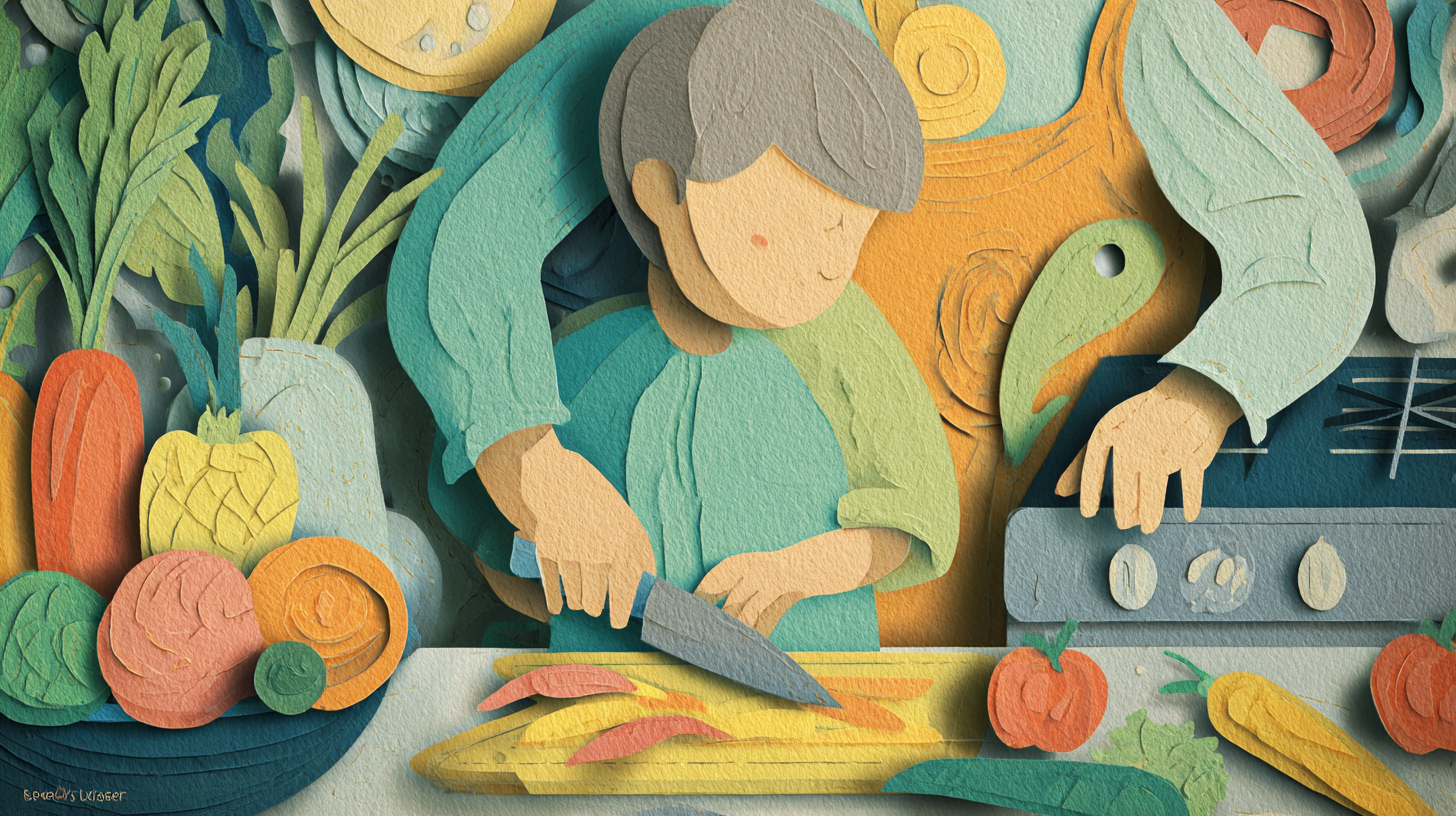
Safety and Supervision Without the Stress
The biggest thing that keeps parents from inviting kids into the kitchen isn’t laziness—it’s fear. Fear of burns, cuts, cross-contamination, or chaos. That fear is valid, but it doesn’t have to stop you. Thoughtful guidelines from pediatric and public health organizations emphasize that good supervision and smart task-matching dramatically reduce risk while still letting children do meaningful work.
Practical safety basics include consistent handwashing, tying back long hair, using stable step stools, teaching “sharp side down and pointed away” anytime a knife or grater moves, and clearly defining “hot zones” (like near the stove or oven) where only adults or older kids are allowed. Repeating simple safety mantras in a calm tone—rather than only shouting during near-misses—helps those habits stick.
Another underused safety tool is the “safety pause”: a quick moment before each new step where you both ask, “What here could hurt someone? What will we do about it?” This trains kids to scan for risks themselves instead of relying entirely on you to call out every danger. Over time, you’ll hear them coaching younger siblings with the same language.
Social media sometimes glamorizes toddlers wielding sharp knives or cracking eggs inches from a hot pan. Behind the scenes, those clips often involve hidden adult support, heavy editing, or rehearsals that don’t reflect real-life safety practices. You’re not failing if your version looks slower, more supervised, and less “viral.” You’re building habits that keep your child safe and confident for the long haul.
For many families, the real breakthrough is accepting that a truly safe kitchen is not one where kids never touch tools, but one where they gradually master those tools under calm, consistent supervision. The goal is to move from “Don’t touch that!” to “Let me show you how to use this safely” as your child grows.
Mess, Cleanup, and the Hidden Life Skills
Let’s be honest: getting kids in the kitchen usually means more mess, not less—especially at first. Flour dusts the counter, eggshells make unwanted cameos, and water somehow ends up everywhere but the sink. Many parents quietly decide it’s “easier if I just do it myself.” Easier tonight, maybe. Harder in a few years when your teen has never learned to wipe a counter.
The trick is to build cleanup into the job from day one. Toddlers and preschoolers can wipe tables with a damp cloth, carry trash to the bin, or put unbreakable items in the sink. Early elementary kids can wash plastic bowls and utensils in warm soapy water, sweep small crumbs with a handheld brush, and help load the dishwasher. Tweens and teens can take full responsibility for post-meal cleanup on days they cook.
Framing cleanup as “what cooks do” changes the dynamic. Instead of, “You made this mess, now you have to clean it up,” you can say, “Part of being the pancake chef is resetting the kitchen so it’s ready for next time.” That small language shift turns cleanup into a badge of honor rather than a punishment, and research on habit formation suggests that consistent routines like this are more likely to stick.
Cleanup time is also when many kids open up. Stirring a pot or wiping a counter side-by-side often leads to the kind of quiet conversations you simply can’t schedule on command. In Caribbean households, this is often when stories of “how Granny used to make this dish” or “what we ate back home” come out. Those stories turn recipes into family history lessons your child will remember long after they’ve forgotten exactly how much coconut milk went into the pot.
If you’d like ready-made recipes that naturally lead into kitchen jobs for kids—like stirring a coconut rice with peas, mashing sweet potato, or helping portion out tropical fruit purees—the Caribbean Baby Food Recipe Book: Easy & Healthy Homemade Meals for Infants & Toddlers offers a full index of dishes organized by ingredient and age, from smooth purees to more textured, family-style meals.
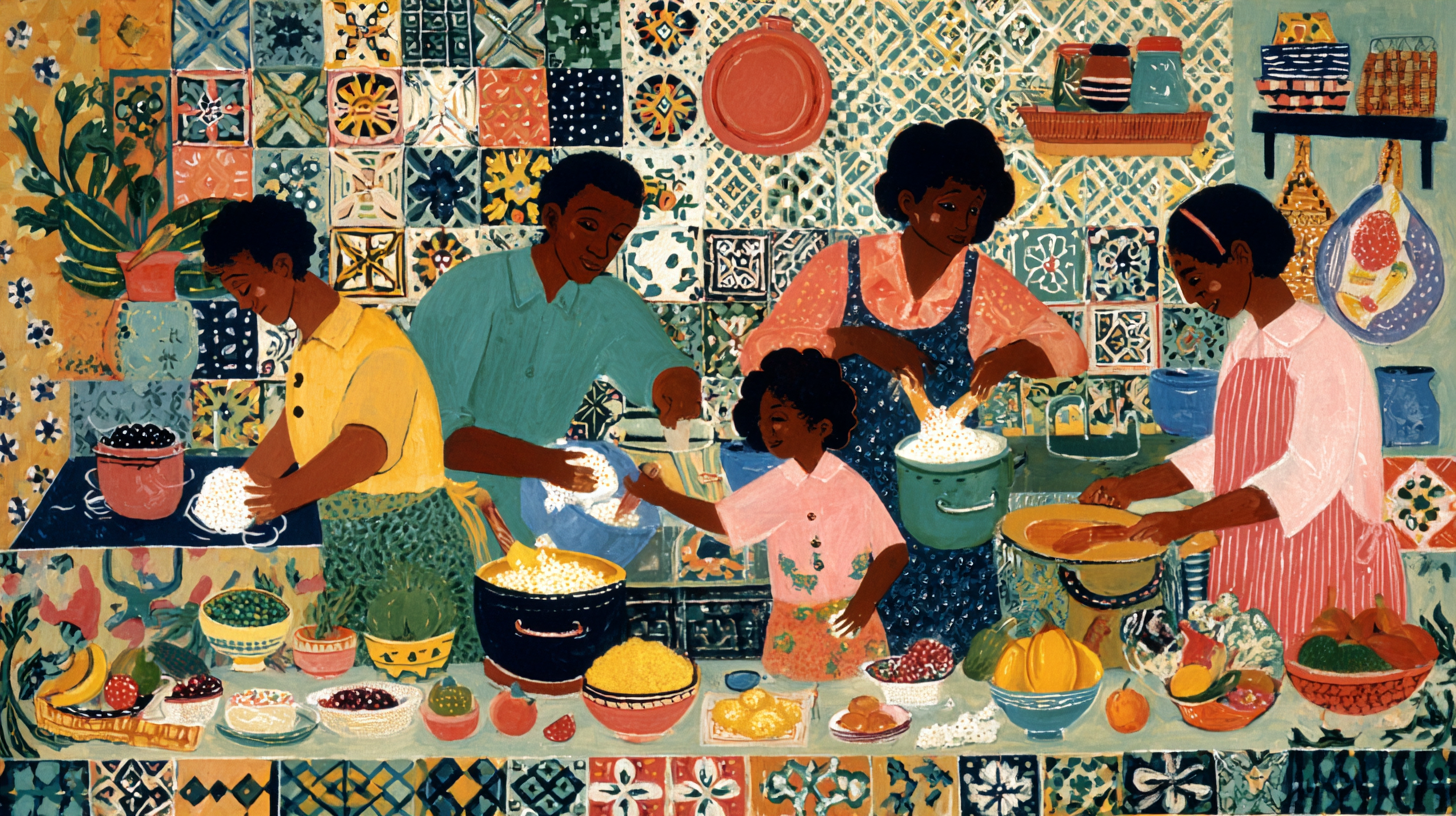
Common Roadblocks (and How to Move Through Them)
Even with the best intentions, most families hit some friction points when trying to involve kids in cooking. Some parents worry that recipes will take too long. Others are navigating limited space, tricky sensory needs, or kids who seem utterly uninterested. None of these are signs that you’re failing; they’re simply puzzles to solve together.
Time is the biggest barrier. It helps to start on low-pressure days—a Saturday morning pancake session, or a Sunday evening “prep for the week” where kids wash and chop fruit or portion out smoothie packs. You don’t have to invite them in every night; consistency across weeks matters more than frequency across any single week.
Picky eating is another common concern. While cooking together often increases willingness to taste new foods, pushing too hard can backfire. Programs that combine sensory exploration with low-pressure tasting (smelling, touching, licking, but never forcing) see better results than those that insist kids “must try everything you make.” Your job is to offer and explore; your child’s job is to listen to their own body signals.
For families managing allergies, intolerances, or cultural dietary patterns, cooking together can actually make things safer and more inclusive. Kids learn which ingredients are safe or off-limits, what substitutions you use, and how to adapt recipes so everyone can join in. For example, a dish that usually includes shellfish can be reimagined as a plantain-and-bean bake, or a creamy porridge might lean on coconut milk instead of dairy.
Access and equity also matter. Not every household has a spacious kitchen, fancy tools, or a full pantry. The good news is that nearly all of the benefits of cooking with kids come from repeated, hands-on practice, not from expensive ingredients. A pot, a pan, a knife suited to your child’s stage, and staple foods like rice, beans, sweet potatoes, plantains, and seasonal veggies are more than enough to build strong skills.
Bringing It All Together: Your Next Small Step
Ten years from now, your child will barely remember whether every dinner looked “perfect.” What they will remember is how it felt to be invited into the heart of your home, trusted with real work, and taught family recipes and stories along the way. Getting kids in the kitchen is not about flawless meals—it’s about forming a quiet, powerful thread between daily food and lifelong confidence.
You don’t need to overhaul your entire routine to start. Pick one age-appropriate task from this guide that feels doable this week: maybe your toddler rinses callaloo leaves in a bowl, your preschooler tears salad greens, your eight-year-old measures coconut milk for porridge, or your teen plans a simple rice-and-beans dinner. Repeat that task a few times until it feels second nature, then add another.
Over time, those tiny, imperfect, flour-dusted moments add up to something big: a young adult who knows how to feed themselves, respects the work that goes into meals, and carries your family’s food traditions—Caribbean or otherwise—into their own future home. That is a legacy worth a little extra cleanup.
If you’d like a roadmap of baby and toddler recipes that naturally evolve into family dishes and kid-friendly cooking jobs, explore the Caribbean Baby Food Recipe Book: Easy & Healthy Homemade Meals for Infants & Toddlers . From sweet potato callaloo mash to plantain-and-guava blends and coconut porridges, you’ll find recipes that nourish your child today and lay the foundation for confident, adventurous cooking tomorrow.

Kelley's culinary creations are a fusion of her Caribbean roots and modern nutritional science, resulting in baby-friendly dishes that are both developmentally appropriate and bursting with flavor. Her expertise in oral motor development and texture progression ensures that every recipe supports your little one's feeding milestones while honoring cultural traditions.
Join Kelley on her flavorful journey as she shares treasured family recipes adapted for tiny taste buds, evidence-based feeding guidance, insightful parenting anecdotes, and the joy of celebrating food, culture, and motherhood. Get ready to immerse yourself in the captivating world of Kelley Black and unlock the vibrant flavors of the Caribbean for your growing baby, one nutritious bite at a time.
- You’re More Than Just the Person Who Feeds Your Baby - September 12, 2026
- You’re Doing Your Best: The Self-Compassion Revolution Every Feeding Parent Needs - September 11, 2026
- Feeding Therapy: Your Family’s Roadmap from Overwhelm to Progress - September 10, 2026