Using Food as Reward: Why It Backfires and What to Do Instead
What’s Your Food Reward Reality?
Tap a scenario that sounds familiar to see what’s really happening behind the scenes…
Last Tuesday evening, I watched my neighbor bribe her four-year-old with ice cream to finish three bites of broccoli. The little one dutifully choked down the green bits, then devoured her “reward” with the kind of enthusiasm she’d just denied every vegetable on her plate. Sound familiar? If you’re nodding, you’re not alone—and you’re definitely not a bad parent. You’re just doing what millions of us were taught works. Except… it doesn’t.
What we’re really doing when we reward behavior with treats is building a complex psychological relationship between food and feelings that researchers are now calling one of the most significant contributors to emotional eating, picky eating, and problematic food relationships in childhood. A large longitudinal study tracking families from when children were 4 years old until age 9 found that parents who regularly used food as reward had children who showed significantly higher emotional overeating and increased picky eating behaviors five years later—even when researchers accounted for other parenting factors.
The science is clear, but the solution isn’t about becoming the parent who never allows treats or celebrations. It’s about understanding what’s actually happening in your child’s developing brain when you tie cookies to cooperation, and then learning the specific, practical alternatives that support both good behavior and a lifetime of healthy eating. Because here’s what changed everything for me: you can absolutely motivate, celebrate, and comfort your child—you just need different tools.
The Hidden Psychology: What Really Happens When We Reward with Treats
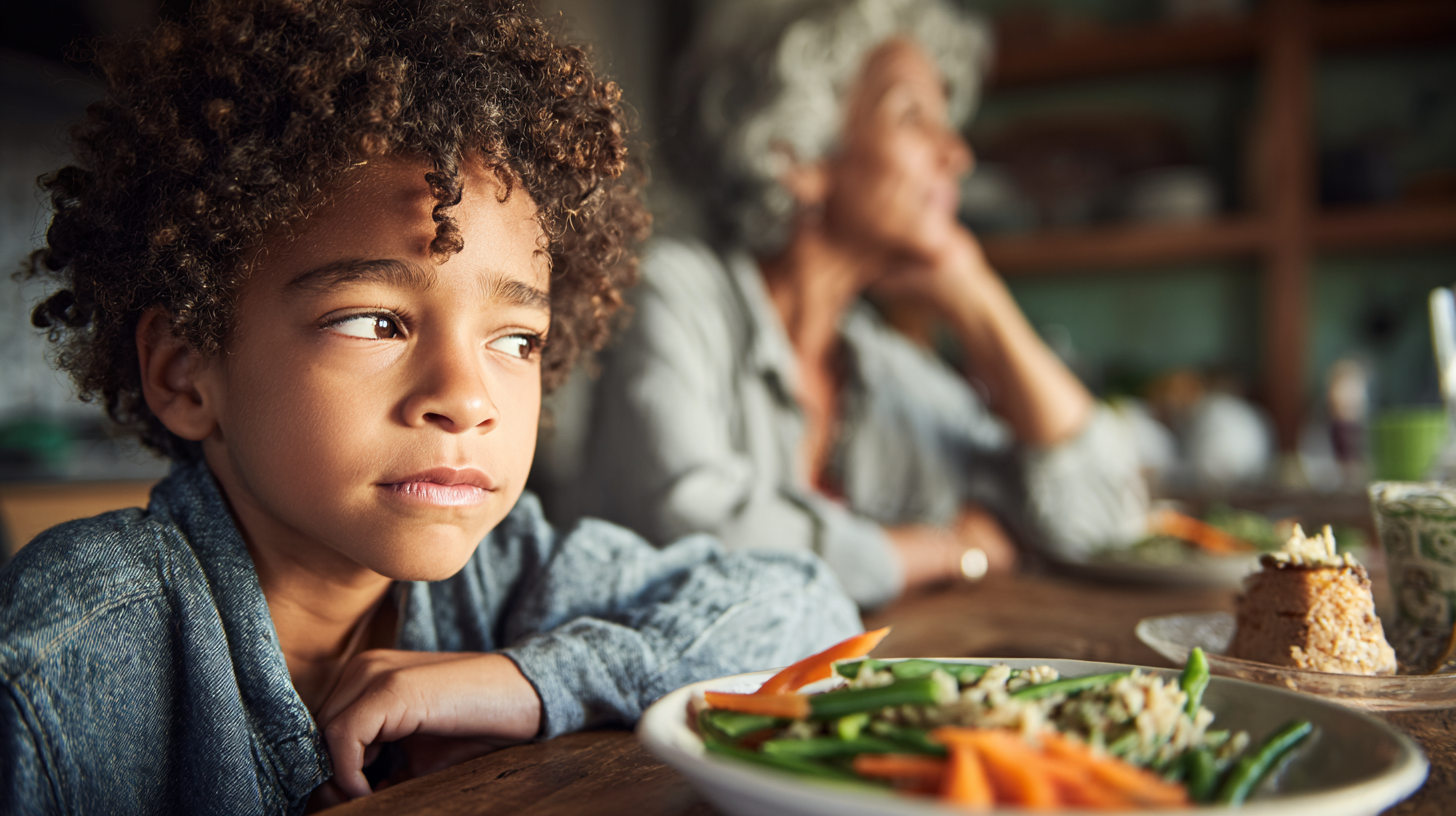
When you tell a child “eat your chicken and you’ll get a cupcake,” your brain thinks you’re teaching cause and effect. But your child’s brain is learning something entirely different: that cupcake is valuable and special (why else would you have to earn it?), while chicken is an obstacle to overcome. Researchers at Cornell University conducted experiments with first-graders and discovered something striking—children who received a sweet food specifically as a reward for completing a task later valued that food significantly more than peers who were simply given the same food without conditions attached.
The reward learning gets even more complex. In parallel animal studies, rats given palatable food as a contingent reward consumed more total calories over 24 hours compared to rats who received the same food non-contingently. The act of earning the food through behavior actually increased their overall intake. Applied to humans, this suggests our dessert bribes might not just be teaching preferences—they might be programming overconsumption patterns.
But it’s not just about sweets getting elevated to “superstar” status. The practice fundamentally disrupts your child’s natural hunger and fullness regulation. Children are born with an incredible ability to self-regulate intake—they eat when hungry, stop when full. When we override those internal signals with external rewards (“just three more bites for dessert”), we teach them to ignore their body’s feedback and eat to please others or achieve goals. Research confirms this plays out exactly as you’d expect: children whose parents use food as rewards show lower self-regulation around food, eating more when not hungry and turning to snacks under stress.
The Food-Emotion Connection Builder
Click each card to reveal what your child’s brain is actually learning…
“Finish your dinner, THEN dessert”
Dessert is the prize, dinner is punishment. Sweets > real food.
“Here’s a cookie, don’t be sad”
Food fixes feelings. Emotional eating pattern established.
“Good job! You earned candy!”
My worth = treats. Success requires food validation.
“Be good or no sweets”
Food is love/approval. Behavior = access to good food.
Perhaps most concerning is the emotional dimension. When we consistently soothe upset children with snacks or celebrate achievements with treats, we’re teaching them that food serves an emotional function beyond nutrition or enjoyment. Longitudinal research shows that parents who use food to manage children’s emotions when they’re 3-5 years old end up with children ages 5-7 who are significantly more likely to eat in the absence of hunger and turn to snacks when experiencing mild stress. The pattern, once established, becomes a go-to coping mechanism that follows many people into adulthood, contributing to disordered eating patterns and difficult relationships with food.
And here’s the Caribbean truth I learned from watching my own grandmother: food is celebration, food is love, food is community. In island culture, sharing meals is how we show care. But there’s a profound difference between sitting down together over a special coconut sweet bread on Sunday afternoon because it’s our tradition and using that same bread as a bargaining chip for good behavior. One builds positive food memories and cultural connection; the other teaches transactional thinking and emotional dependence on sweets.
The Data Doesn’t Lie: Long-Term Consequences in Numbers
Let’s talk about what the research reveals when scientists follow families over years, not just weeks. In a comprehensive study published in 2020, researchers tracked children from age 4 to age 9, specifically measuring parental use of food rewards and subsequent eating behaviors. The findings were stark: parents who regularly used food as reward at age 4 had children showing significantly higher emotional overeating and notably more picky eating behaviors five years later. What surprised researchers was that these patterns emerged independent of the child’s BMI—meaning the harm showed up first as problematic eating behaviors and emotional relationships with food, not necessarily as weight gain.
The numbers tell a story of preference distortion, too. Experimental work with elementary school children demonstrated that when sweet foods were used as rewards for completing tasks, those children later valued those specific foods more highly than children who’d received the same foods without behavioral conditions. It wasn’t just temporary excitement—the reward context fundamentally changed how much the children wanted those foods. For parents, this means every “if you do X, you get dessert” interaction is potentially increasing your child’s preference for and desire for that treat food.
When researchers look at brain responses, the picture becomes even clearer. Studies examining neural activation in response to food rewards found that children with greater brain reactivity to food rewards (compared to other rewards like money) showed higher intake at buffet-style meals and more eating in the absence of hunger. This suggests that intensifying food’s reward value through bribes and incentives may be programming stronger neural responses that drive overconsumption patterns.

Perhaps most telling is the research on emotional eating. Multiple studies now show clear associations between parents using food to soothe or reward and children’s tendency to eat for emotional rather than physiological reasons. One study tracking stress-eating in adolescents found direct links between early parental food-reward practices and teenagers who turned to snacks under pressure. The pattern isn’t subtle: teach children that cookies make sadness better or that candy celebrates success, and they learn to reach for food when they need emotional regulation—a pattern that becomes increasingly difficult to unlearn with age.
The concerning part? These effects appear robust across different family structures, socioeconomic backgrounds, and even when researchers control for other parenting practices. Using food as reward isn’t just one factor among many—it emerges again and again as a significant predictor of problematic eating patterns. And before you think “but it’s just occasional,” know that frequency matters. The more regularly parents deployed food rewards, the stronger the associations with emotional eating, picky eating, and poor self-regulation around food.
What Parents Get Wrong (And Why It Feels So Right)
Here’s why food rewards are so seductive: they work immediately. You’re in the grocery store, your toddler is melting down, you offer a lollipop if they stop crying—and like magic, they do. You’re exhausted at dinner, battling over vegetables for the twentieth time, you promise ice cream for three bites—and your child complies. In that moment, it feels like good parenting. It feels like problem-solving. The behavior stopped, cooperation happened, everyone moved on.
But what we’re seeing is short-term compliance purchased at the cost of long-term food relationship. Child-feeding researchers and pediatric dietitians almost universally advise against using food—especially sweets—as routine rewards precisely because of this gap between immediate effectiveness and delayed consequences. The problems accumulate gradually: more fussiness over time, increased emotional eating, heightened power struggles at meals, and a child who increasingly tunes out their own hunger and fullness to focus on earning treats.
The cultural dimension complicates things, too. In many Caribbean families, including mine, food is deeply woven into how we express love, celebrate, and bring comfort. My aunt would make her special gizzada when we did well in school. My mother’s cure for a bad day always involved fried plantain. These weren’t transactions—they were expressions of care. But somewhere along the way, many of us crossed from “let’s celebrate together with a special meal” into “do this or you don’t get that.” The latter turns food into currency; the former keeps it as connection.
⚖️ Reward Impact Calculator
Tap each reward type to see its long-term impact on your child’s relationship with food and behavior…
Another trap is the false dichotomy: parents think rejecting food rewards means never having treats or never celebrating with special foods. That’s not what researchers recommend. The problem isn’t that dessert exists or that you sometimes make a special batch of coconut drops. The problem is the contingency—the “if you do X, then you get Y” structure that teaches children to view food as something they earn with behavior or use to manage emotions rather than as nourishment and enjoyment within the normal rhythm of eating.
There’s also the very real challenge that non-food alternatives require more thought and energy. When you’re exhausted and your child is refusing to cooperate, grabbing a bag of gummies from your purse is infinitely easier than remembering your toolkit of alternative motivators. Food is cheap, portable, and universally understood by children as desirable. Quality time, specific praise, experiential rewards—these require parents to be more present and intentional. For families juggling work stress, limited resources, and multiple children, the path of least resistance often leads straight to the candy drawer, even when parents know better.
The Surprising Truth: What Actually Works Better
So if food rewards backfire, what actually motivates children effectively without undermining their eating? The research-backed answer might surprise you: connection, autonomy, and competence. These are the three psychological needs that drive intrinsic motivation in children—and not one of them requires a single gummy bear.
Start with the power of specific, meaningful praise. Instead of “great job, here’s a cookie,” try “You worked really hard on that homework, and I noticed you didn’t give up even on the tricky problems.” This kind of praise costs nothing, takes seconds, and research consistently shows it’s more effective at building long-term motivation than tangible rewards. Children who receive regular specific praise show better task persistence, higher self-esteem, and more internal motivation than children rewarded with treats or toys.
For tangible motivators that don’t involve food, experiential rewards consistently outperform edible ones in both effectiveness and long-term outcomes. Extra time at the park, choosing the family movie, a special one-on-one outing with a parent, staying up 20 minutes later on weekends—these create positive memories and strengthen relationships while teaching children that good behavior leads to experiences and privileges rather than consumption. One study comparing different reward systems in schools found that students who earned extra recess or special activity time showed better sustained behavior improvement than students who earned food rewards.
When my daughter was struggling with bedtime cooperation, I stopped promising treats and started offering “power choices”—she could choose two books instead of one, pick her pajamas, or select tomorrow’s breakfast from healthy options I was comfortable with. Giving children age-appropriate autonomy satisfies their developmental need for control and often eliminates the power struggle that led to bribes in the first place. Caribbean parents know this instinctively when we let our children help with cooking—the autonomy and competence they feel stirring the pot or kneading the dough is far more motivating than any reward we could offer for helping.
For younger children, token or sticker systems can work beautifully when they lead to non-food rewards. A chart where 10 stars equals a trip to the beach or a small toy provides structure and motivation without tying behavior to eating. The key is making sure the end reward isn’t food-based and that the system is age-appropriate—what works for a 7-year-old won’t work for a 2-year-old, and forcing complex systems on kids who aren’t developmentally ready just creates frustration.
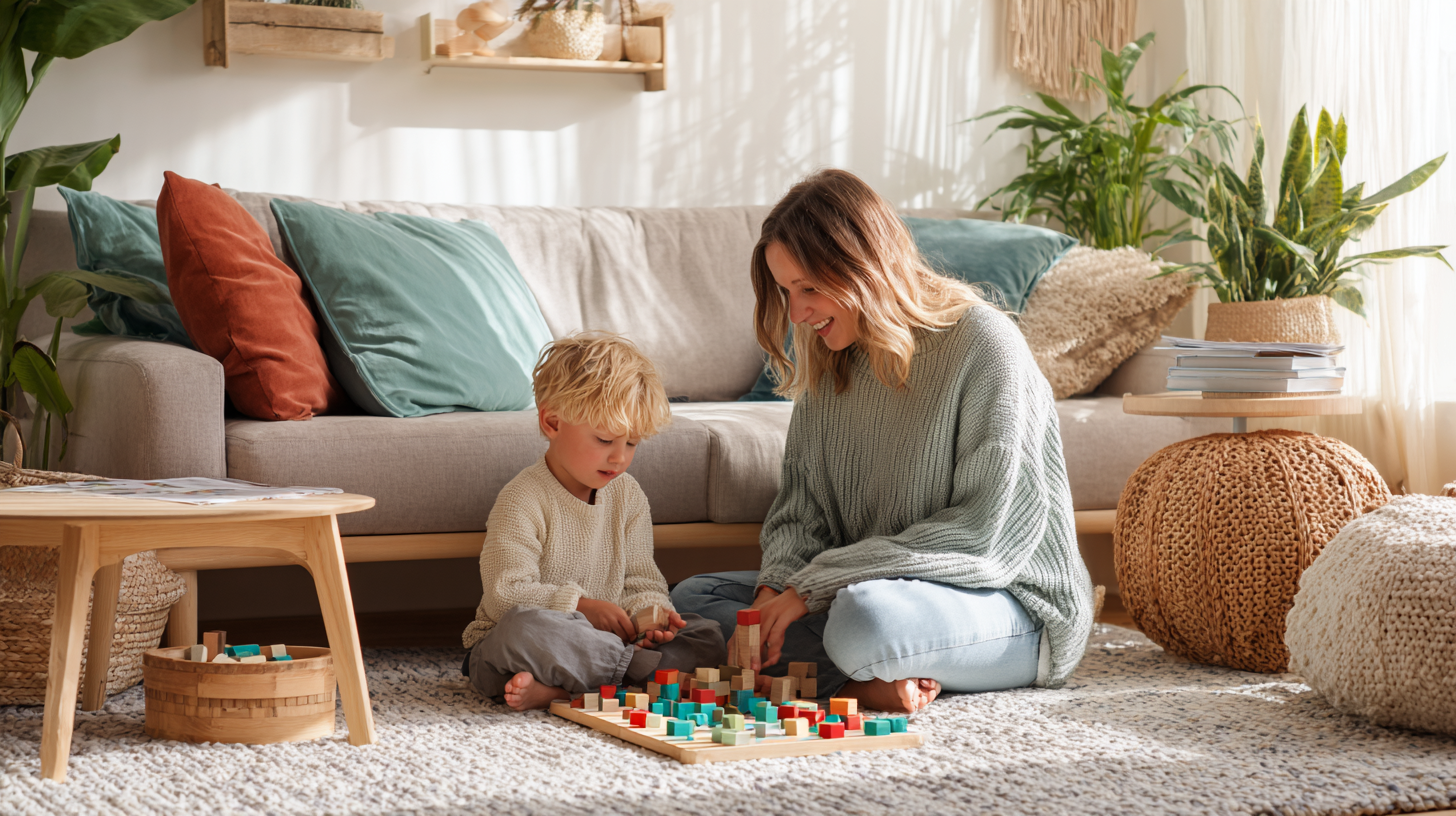
Perhaps the most powerful alternative is what I call “Caribbean-style connection rewards”—the gift of your undivided attention and presence. In our culture, time together isn’t just nice; it’s sacred. When behavior warrants recognition, offering to play a game together, teach your child how to make your grandmother’s recipe for cornmeal porridge, take a walk to feed the birds, or just sit and talk creates far more meaningful memories than any packaged snack. Research on parent-child attachment consistently shows that quality time and responsive presence are among the most powerful predictors of children’s emotional wellbeing and cooperative behavior.
Breaking the Pattern: A Realistic Step-by-Step Transition
Reading research is one thing; actually changing entrenched family patterns is another. If you’ve been using food rewards regularly, your child has learned to expect them—and removing them cold turkey often creates more mealtime battles and behavioral resistance, not less. The transition needs to be gradual, thoughtful, and realistic about the fact that you’re changing learned behaviors for both you and your child.
Step 1: Observe and document your current patterns. For one week, simply notice when and how you use food rewards. No judgment, just data. You might discover you’re defaulting to food bribes mainly during dinner battles, or primarily when you’re stressed and exhausted, or mostly with one particular child. Understanding your personal triggers and patterns is essential before you can change them.
Step 2: Pick your starting point. Don’t try to eliminate all food rewards simultaneously across all situations and all children. Choose the single most frequent or problematic pattern—maybe it’s the dessert-for-vegetables dinner battle, or the treat-to-stop-tantrums grocery store issue—and focus there first. Small, sustained changes beat ambitious overnight overhauls every time.
Step 3: Replace the script and the structure. This is where specific alternatives matter. If you’ve been saying “finish your chicken and you get ice cream,” the new approach might be: “We’re having ice cream for dessert tonight—everyone gets a small bowl after dinner.” Notice the difference? Dessert still happens, but it’s not contingent on eating the main meal. You’re removing the transaction while keeping the enjoyment. For the tantrum-cookie pattern, your replacement might be: “I can see you’re upset. Let’s take three big breaths together, and then you can tell me what you need.” You’re addressing the emotion directly rather than covering it with food.
Step 4: Build your non-food reward toolkit. This requires advance planning because in the moment of conflict, your stressed brain will default to old patterns. Sit down and brainstorm 15-20 specific alternatives that work for your family’s age ranges, schedule, and resources. Write them down. Post them on your phone or fridge. When your child does something reward-worthy or you need to motivate cooperation, consult your list instead of reaching for snacks. Your list might include: extra story at bedtime, choosing tomorrow’s playlist for the car, helping cook dinner, video call with grandparents, building a fort together, dance party in the living room, playing catch outside, or earning points toward a larger goal like a family outing.
Step 5: Prepare your child for the change. Depending on age, a simple explanation helps: “We’re going to try something new at dinner. Instead of earning dessert, sometimes we’ll have a small treat as part of the meal, and other times we won’t have dessert at all. But we’ll never again make you finish your food to get it—your body knows when you’re full, and we trust you.” For reward-seeking behaviors, you might say: “From now on, when you do a great job on homework, we’re going to celebrate with special time together instead of candy. You can choose what we do—maybe we play a game, maybe we go outside, maybe I teach you something new.”
✅ Your 30-Day Food Reward Freedom Plan
Track your progress through the transition—check off each milestone as you go!
Step 6: Expect and navigate the extinction burst. When you first stop providing food rewards, behavior often gets worse before it gets better—this is called an extinction burst in behavioral psychology. Your child has learned that certain behaviors lead to treats; when the treats stop coming, they’ll initially try harder to get them (more tantrums, more whining, more refusal). This doesn’t mean your new approach isn’t working—it means it IS working, and your child is testing whether you really mean it. Stay consistent through this uncomfortable phase, usually 3-7 days, and the behavior will decrease as your child learns the new expectations.
Step 7: Rebuild food as enjoyment, not transaction. Once you’ve broken the reward pattern, actively work to create positive food experiences that aren’t tied to behavior at all. Cook together. Try new recipes from the Caribbean Baby Food Recipe Book and let your child explore flavors like coconut, plantain, or sweet potato purees. Talk about how foods make your body feel. Make occasional treats part of regular meals, served alongside everything else, with no conditions. This teaches children that all foods—including desserts—can be part of balanced eating without emotional strings attached.
Real Families, Real Solutions: What This Looks Like in Action
Theory is helpful; examples are better. Let me share how several families I know navigated away from food rewards into healthier patterns, because seeing the practical application often makes the difference between understanding and implementing.
Jessica had been using candy to motivate her daughter through potty training, and it was working—until her daughter started asking for candy every single time she used the bathroom, even months after she was fully trained. Jessica realized she’d created a dependency, but worried that stopping would cause regression. Her solution: she transitioned to a sticker chart where a full row of stickers (about a week’s worth) earned a trip to their favorite playground, not food. For the first few days, her daughter asked for candy, and Jessica would warmly redirect: “Remember, we’re doing stickers now for the special park trip!” Within a week, the candy requests stopped, and within two weeks, even the sticker system became unnecessary as bathroom use became routine. The key was replacing one tangible system with another, then gradually fading it entirely.
Marcus struggled with his son’s after-school emotional eating. Every day, his son would come home stressed from school and immediately raid the snack cabinet for cookies or chips. Marcus had been allowing it because his son seemed genuinely upset and food “helped.” But over months, the pattern intensified—more snacks, more often, and his son was losing appetite for dinner. Marcus made a change: instead of the snack-first routine, they started with a 10-minute check-in where his son could talk about his day, followed by a planned, balanced snack (fruit with peanut butter, crackers with cheese) and then a calming activity like drawing or playing with the dog. The first week was hard—his son complained he wasn’t “allowed” his cookies. But Marcus held firm while staying empathetic: “I know change is hard. You can still have cookies sometimes, but not as the way we handle big feelings. Let’s figure out what you’re feeling first.” Within three weeks, the emotional eating pattern had significantly decreased, and his son started independently using words to express stress rather than reaching for food.
At my own dinner table, the biggest change came when I stopped making dessert contingent on anything. We shifted to: sometimes dessert is served alongside dinner as part of the meal (yes, really—a small cookie sits on the plate with everything else), sometimes we have a sweet treat an hour after dinner regardless of what anyone ate, and sometimes we don’t have dessert at all. The first few nights, my children were confused: “Don’t we have to finish our food first?” I explained: “Nope. Dessert isn’t a reward. Sometimes we have it, sometimes we don’t, but your job is to listen to your tummy and eat until you’re satisfied.” The shift was remarkable—dinner battles decreased dramatically because the power struggle was gone. And surprisingly, when dessert was available from the start, my kids often ate it last anyway or even forgot about it while eating the rest of their meal. Removing the “forbidden fruit” aspect actually decreased its appeal.
Another friend tackled the grocery store meltdown-to-lollipop pipeline by implementing a “helper” system instead. Before entering the store, she’d assign her preschooler specific tasks: “Your job is to help me find three red things we need on our list.” This gave her daughter focused engagement and autonomy instead of bored frustration. For cooperation during checkout—historically the worst part—she started bringing a small bag of non-food items her daughter could play with only at the store: special stickers, tiny figurines, a little notebook. The lollipop requests didn’t disappear overnight, but each time her daughter asked, she’d redirect: “No lollipop today, but you’ve been such a good helper! When we get home, we’re going to have snack together and you can tell me about all the things you found.” By rewarding the behavior with connection and attention rather than sugar, she broke the association while still acknowledging her daughter’s cooperation.
The Cultural Shift: Food as Celebration, Not Transaction
I want to address something important for those of us from Caribbean families: our cultural relationship with food is beautiful, generous, and deeply loving. When my grandmother made her famous rum cake for birthdays, when my mother’s sorrel appeared every Christmas, when we gathered for Sunday dinner over rice and peas—those weren’t transactions. Those were traditions. Those were love made edible. And that’s not what researchers are asking us to give up.
The problem isn’t celebrating with food. The problem is when food becomes the currency of behavior, the tool of emotional management, the thing that must be earned. There’s a world of difference between “We’re making festival tonight because it’s Friday and we’re together” and “If you clean your room, I’ll make you festival.” One is connection; the other is transaction.
Caribbean parenting already has so many tools that align perfectly with healthy reward alternatives, we just need to recognize them. The tradition of storytelling, the communal approach to celebration, the emphasis on multi-generational connection, the pride in teaching children skills in the kitchen—these are all powerful non-food motivators that can replace treats while actually strengthening our cultural bonds. When my daughter does something worth celebrating, I often invite her to help me make something from our family’s recipes—she’s learning heritage, spending quality time with me, building competence, and yes, we’ll enjoy eating it together. But the reward isn’t the food; it’s the experience of creating together and the connection we build in the process.
This shift also honors the wisdom many of our grandparents had naturally: food was for nourishment and gathering, not for controlling behavior. My grandmother never bribed us to behave—if we misbehaved, we faced consequences (usually involving more chores or less play time). But when we gathered for meals, everyone ate together, everyone was welcome, and food was simply part of the rhythm of family life. We’re not inventing something new; in many ways, we’re returning to something old that worked better all along.
When to Be Flexible: Treats, Traditions, and Special Occasions
Before you panic that your child can never have birthday cake or holiday treats again, let me be clear: occasional celebration with special foods is not the same as routine food rewards. The research distinguishes between systematic use of food as behavior currency and cultural traditions or true celebrations where food plays a natural role.
Birthday parties, holidays, cultural celebrations, family gatherings—these can and should include special foods without creating the problems we’ve discussed. The difference is context and frequency. When your child has cake at their birthday party, they’re not earning that cake by being good; they’re enjoying a celebratory food as part of a special occasion. That’s developmentally appropriate and culturally normal. The issue arises when every homework session ends in candy, every shopping trip requires a treat-bribe, every tantrum gets soothed with a cookie.
Some parents worry about the grey area: what about “we’re having ice cream after dinner tonight because everyone cooperated at bedtime all week”? Here’s my guideline—if you’re framing it that way to your child, you’re still in reward territory and might want to reconsider. But if you simply decide to have ice cream as a family one evening and it happens to follow a good week, that’s just normal life. The key is whether the child knows they’re earning the food with behavior or whether the food is offered as part of the family rhythm independent of specific actions.
There’s also the reality that grandparents, other caregivers, and the broader culture will offer treats to your children regardless of your careful parenting. When my children visit their grandmother, she absolutely slips them something sweet—it’s her way of showing love, and I’ve made peace with that. What I can control is the message in my own home: treats exist, treats can be enjoyed, but treats aren’t how we motivate, comfort, or reward. Grandma’s occasional cookie doesn’t undo the patterns we’re building daily at home.
Turning the Ship: Small Changes, Lasting Impact
If you’ve read this far and you’re feeling overwhelmed or guilty about every gummy bear you’ve ever promised, take a breath. You’re not a bad parent. You didn’t permanently damage your child. What matters now is what you do moving forward, and the beautiful truth is that small, consistent changes add up to significant shifts in family patterns.
Start small. Maybe this week, you simply become aware of when you default to food rewards without actually changing anything yet. Maybe next week, you implement one script change at dinner—dessert is no longer contingent on finishing the main meal. Maybe the week after, you try one non-food reward and see how your child responds. These incremental steps are more sustainable and ultimately more effective than trying to overhaul everything overnight.
The goal isn’t perfection. You’ll have moments when you’re exhausted and you promise cookies for cooperation because you just need to get through the day. That’s human. One cookie promise doesn’t erase weeks of new patterns. What matters is the overall trajectory—are you moving away from routine food rewards and toward alternatives that support both behavior and healthy eating? Are you becoming more intentional about when and why you offer treats? That’s progress, even if it’s imperfect.
Remember, too, that you’re not just changing behavior—you’re modeling a relationship with food that your children will carry into adulthood. When they see you comfort them with connection instead of cookies, celebrate achievements with experiences instead of candy, and treat all foods as normal parts of eating rather than rewards or restrictions, you’re teaching them that food is nourishment and enjoyment, not emotional currency. That lesson is worth every awkward transition moment, every tantrum you navigate without the lollipop shortcut, every dinner where you hold firm on “dessert isn’t earned.”
And here’s the part that surprised me most: when you remove food from behavior and emotion management, meals actually become more peaceful. The power struggles decrease because the stakes are lower. Your child isn’t fighting to earn dessert or to prove their independence against your food rules—they’re just eating. You’re not bargaining, bribing, or battling—you’re just offering food and trusting their bodies. For many families, this shift makes mealtimes the connection point they were always meant to be rather than the daily war zone they’d become.
The Path Forward: Food Freedom for Your Whole Family
What if mealtimes could be peaceful? What if your child could enjoy treats without the baggage of earning them or feeling guilty about them? What if behavior challenges could be addressed with tools that actually build your relationship instead of undermining your child’s food relationship? This isn’t fantasy—it’s the reality for families who’ve made the transition away from food rewards.
The research is overwhelmingly clear: using food as reward increases emotional eating, picky eating, and poor self-regulation around food while providing only short-term behavior compliance. The alternatives—connection, praise, autonomy, experiential rewards, quality time—work better for both behavior and food relationships. This isn’t about being a stricter parent or a more permissive one; it’s about being a more intentional one, choosing tools that align with your long-term goals for your child’s health and happiness.
You don’t need to become the parent who never allows sweets or who makes every aspect of parenting complicated. You just need to separate food from behavior and emotions, keep treats as occasional, unconditional parts of life, and build a toolkit of alternatives that work for your family’s specific challenges and constraints. The families who do this successfully aren’t superhuman—they’re just consistent, creative, and committed to the long game.
Your child deserves the freedom to listen to their body, to eat when hungry and stop when full, to experience all foods without moral judgment or transactional strings. You deserve mealtimes without battles and parenting tools that work both now and years down the road. The transition might feel awkward at first—any pattern change does—but on the other side is something better: a child who eats intuitively, experiences food as nourishment and joy, and has healthy strategies for managing emotions and behavior that don’t involve raiding the pantry.
This is your reminder that you can start today, right now, with one small change. Notice the next time you reach for a food reward and pause. Ask yourself: what is my child really needing in this moment? Connection? Comfort? Motivation? Recognition? Then offer that directly instead of wrapping it in sugar. That’s how transformation happens—one intentional choice at a time, building patterns that will serve your family for years to come.
The sweetest reward isn’t in the candy jar. It’s in raising a child who knows their worth isn’t measured in treats, whose emotions don’t require food to manage, and who can enjoy all foods—from vegetables to desserts—as normal, neutral parts of a balanced life. That’s the freedom we’re working toward, one meal at a time.

Kelley's culinary creations are a fusion of her Caribbean roots and modern nutritional science, resulting in baby-friendly dishes that are both developmentally appropriate and bursting with flavor. Her expertise in oral motor development and texture progression ensures that every recipe supports your little one's feeding milestones while honoring cultural traditions.
Join Kelley on her flavorful journey as she shares treasured family recipes adapted for tiny taste buds, evidence-based feeding guidance, insightful parenting anecdotes, and the joy of celebrating food, culture, and motherhood. Get ready to immerse yourself in the captivating world of Kelley Black and unlock the vibrant flavors of the Caribbean for your growing baby, one nutritious bite at a time.
- From “Who’s Right?” to “We’ve Got This”: Building a Feeding Partnership That Actually Works - September 13, 2026
- You’re More Than Just the Person Who Feeds Your Baby - September 12, 2026
- You’re Doing Your Best: The Self-Compassion Revolution Every Feeding Parent Needs - September 11, 2026