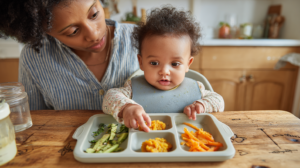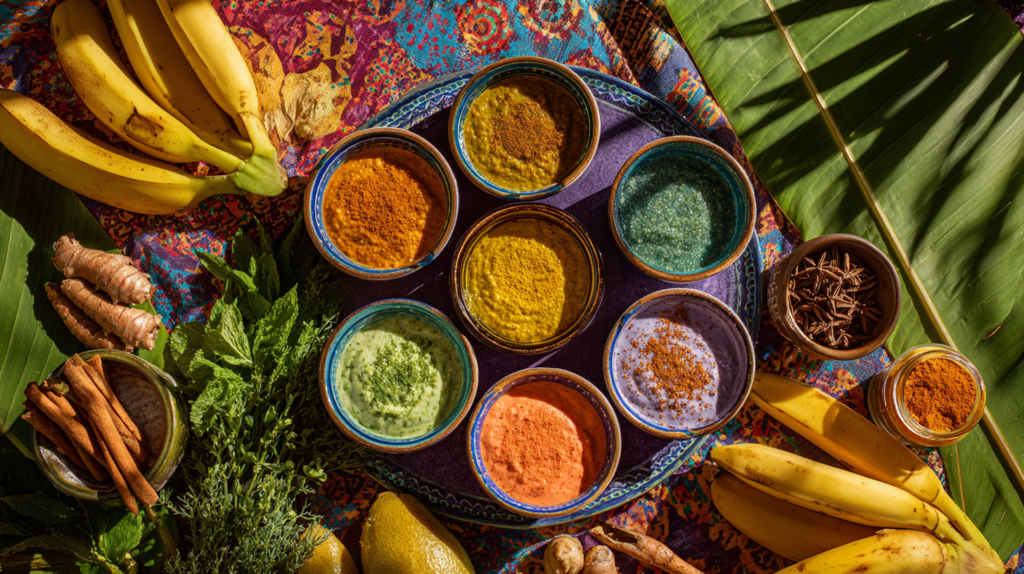
Beyond Bland: The Shocking Truth About Why Your Baby Deserves Better Than Tasteless Mush
Here’s something that’ll make you rethink everything you thought you knew about baby food: while you’re carefully spooning plain, colorless puree into your little one’s mouth, babies in India are tasting turmeric-spiced dal, Caribbean infants are enjoying thyme-seasoned sweet potato, and Japanese babies are exploring the umami depths of miso broth. And guess what? Those babies grow up to be adventurous eaters who actually want their vegetables.
The uncomfortable truth? The “bland is best” myth we’ve been sold isn’t protecting our babies—it’s robbing them of a critical window that closes faster than you think. Research shows there’s a flavor window between 6-18 months when babies are neurologically primed to accept diverse tastes. Miss it, and you’re setting yourself up for years of mealtime battles with a picky toddler who thinks chicken nuggets are a food group.
But here’s the good news: you’re about to discover how to reclaim your baby’s palate, starting today. And it’s easier than you think—no fancy ingredients required, just a shift in mindset and a pinch of courage.
️ What’s YOUR Baby’s Flavor Personality?
Click your baby’s age to discover their ideal flavor journey:
The Million-Dollar Mistake Most Parents Make
Let me tell you about my cousin Marissa. She spent months making perfectly bland butternut squash puree, plain rice cereal, and unseasoned sweet potato for her daughter. By 18 months, little Maya would only eat beige foods—pasta, bread, crackers. Sound familiar? Marissa thought she was doing everything right, following every pediatrician recommendation from 1987.
Here’s what nobody told her: babies are born with more taste buds than adults—around 10,000 compared to our measly 5,000. They’re designed to taste more intensely, not less. By feeding them bland food, we’re not protecting their delicate palates; we’re training them to expect boring, one-note flavors. And when we finally introduce “real” food with actual taste? Rejection. Tantrums. Food jammed into couch cushions.
The research backs this up: a 2023 study from Stony Brook University found that babies exposed to diverse flavors early showed significantly stronger preferences for those tastes into adulthood—but only when exposure happened during that critical window. Wait too long, and you’re fighting an uphill battle against something called “food neophobia,” which peaks between ages 2-6.
The Flavor Window: Your Limited-Time Offer
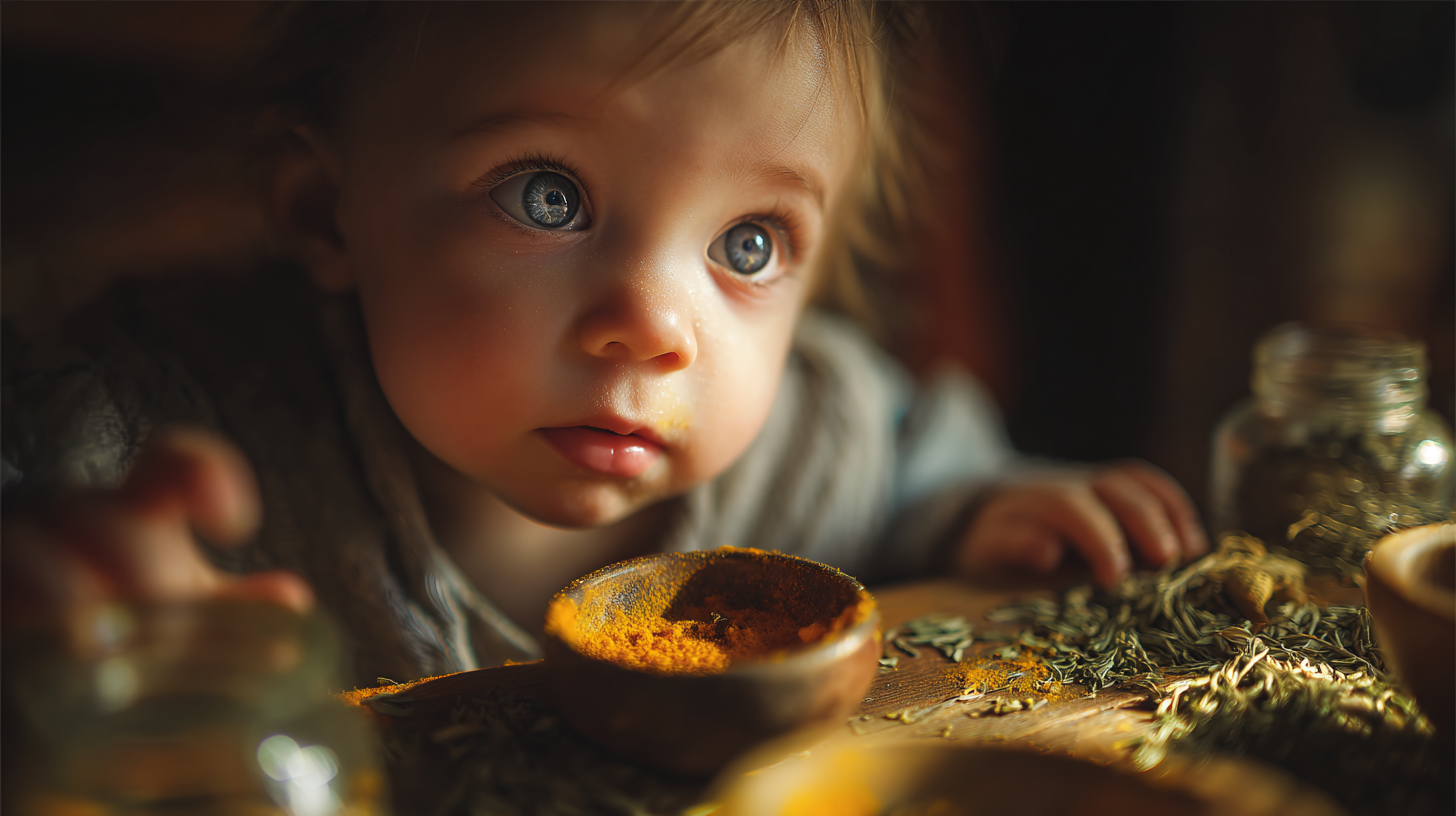
Think of your baby’s first 18 months as a golden ticket—a once-in-a-lifetime opportunity when their brain is literally wired to accept new tastes without judgment. During this window, babies don’t have preconceived notions about what food “should” taste like. They’re open, curious, willing to try anything.
But this window doesn’t stay open forever. Research from Washington University shows that between 6-18 months, infants need just 6-15 exposures to accept a new food. Wait until they’re toddlers? That number jumps dramatically, and you’re now dealing with a tiny human who’s discovered the word “no” and uses it liberally.
✨ Baby Spice Safety Guide
Click any spice to see if it’s safe for your baby right now:
Here’s another truth bomb: your breast milk has been flavoring your baby’s palate all along. When you eat garlic, curry, or spices, those flavors pass through your milk. Breastfed babies show better acceptance of varied foods precisely because they’ve been tasting Mom’s diet since day one. Formula-fed babies? They get the same single flavor every single meal. No wonder they struggle when solids introduce new tastes.
The Caribbean Secret: How Island Babies Learn to Love Food
Growing up in a Caribbean household, I watched my grandmother introduce my baby brother to flavors that would make most American parenting blogs clutch their pearls. A tiny pinch of thyme in his sweet potato. A whisper of allspice in his plantain. Bay leaf simmered with his pumpkin. And you know what? That kid ate everything. No food battles, no picky eating phase—he genuinely enjoyed meals because food had always been interesting.
Caribbean parents have known this secret for generations: babies don’t need bland food; they need flavorful food without added salt or sugar. There’s a massive difference. When you use herbs and spices, you’re building complex flavor profiles that train tiny taste buds to appreciate real food—not just the sweet and salty extremes that dominate processed foods.
Take a peek at traditional first foods around the world: Indian babies get dal with turmeric and cumin, Mexican infants enjoy beans seasoned with cilantro and mild spices, Japanese babies explore dashi broth with its rich umami character. These cultures aren’t “toughening up” their babies—they’re honoring what science now proves: diverse early flavor exposure creates adventurous eaters.
⏰ Your Flavor Window Status
Find out how much time you have left in the golden window:
Safe Spices: What You Can Use (And What to Wait On)
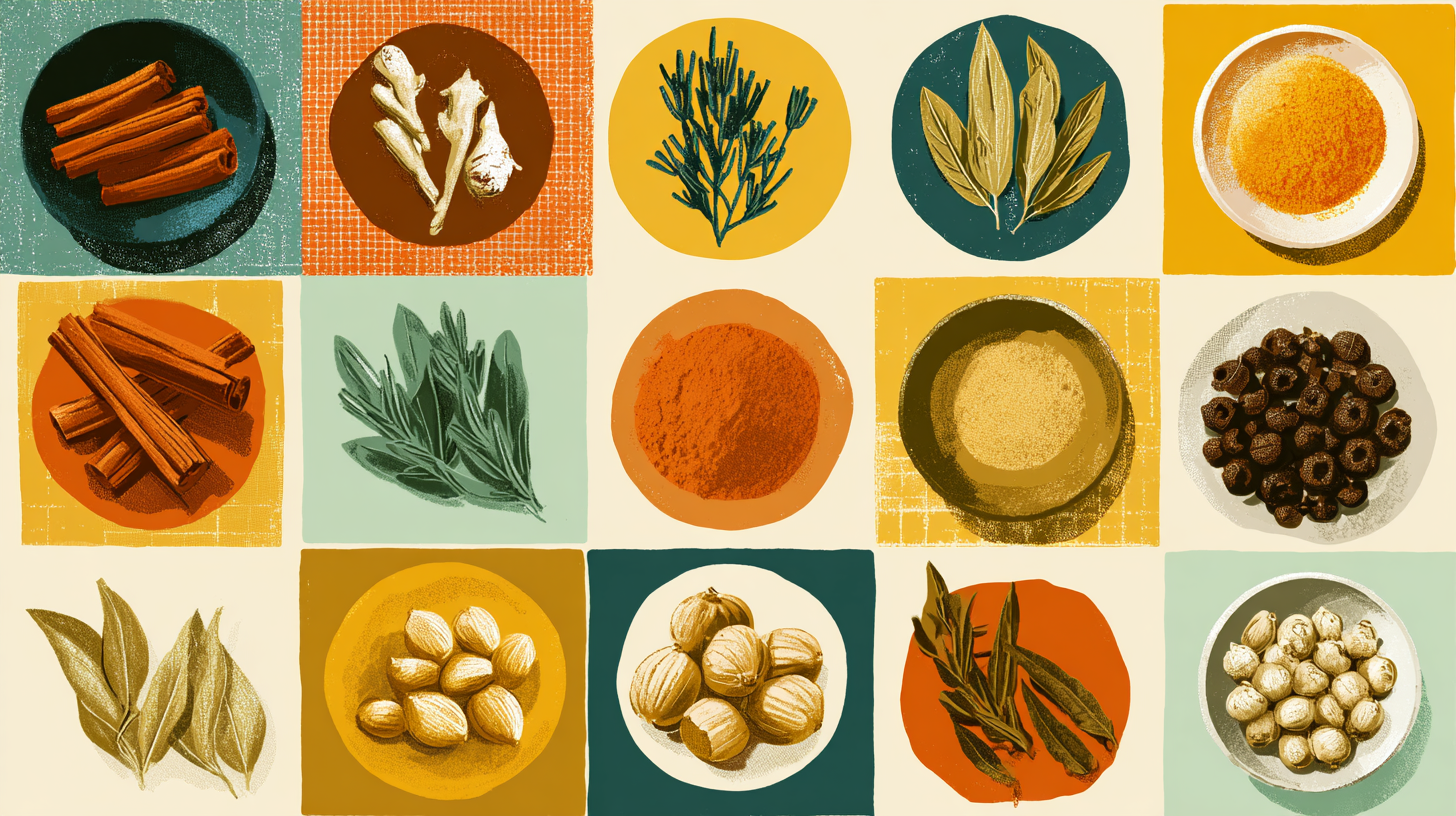
Let’s get practical. You don’t need a spice cabinet rivaling a Michelin-starred restaurant. Start simple with these baby-safe options that pack maximum flavor with minimal risk:
6-7 months (The Gentle Starters): Turmeric is your golden child—literally. This anti-inflammatory powerhouse has been used in Indian baby food for centuries. Add a tiny pinch to lentils or rice. Cinnamon brings natural sweetness without sugar—perfect in oatmeal or mashed banana. Cardamom adds a fragrant, slightly sweet note that babies often love.
8-10 months (Stepping It Up): Cumin (called geera in the Caribbean) transforms humble vegetables into something worth getting excited about. Try it in mashed sweet potato or pumpkin puree. Fresh ginger—just a small amount, grated fine—adds warmth and helps with digestion. Thyme and basil bring savory depth without overwhelming young palates.
11+ months (Getting Adventurous): Mild curry blends (check they’re salt-free), allspice, nutmeg, and garlic powder open up whole new worlds. This is when you can start adapting family meals rather than making separate baby portions.
What to avoid until 12+ months: Hot spices containing capsaicin—cayenne, chili powder, hot paprika. It’s not that they’re dangerous, but they can overwhelm and potentially cause discomfort. Also skip any spice blends containing added salt or sugar (read those labels!).
Your Caribbean-Inspired Flavor Starter Kit
Ready to ditch the bland and embrace the bold? Here’s how to start—Caribbean style, but adapted for any kitchen. The magic is in building layers of flavor that make your baby actually want to eat their vegetables.
The Morning Porridge Revolution: Forget plain oatmeal. Try cornmeal porridge with a cinnamon stick simmered in coconut milk (yes, coconut milk is fine for babies 6+ months). This is inspired by our Caribbean Baby Food Recipe Book, where you’ll find the full Cornmeal Porridge Dreams recipe that babies actually finish.
Sweet Potato Transformation: Plain mashed sweet potato is… fine. But sweet potato with a pinch of thyme and a hint of allspice? That’s the Sweet Potato & Callaloo Rundown that gets babies excited about vegetables. The key is starting with just 1/8 teaspoon of dried thyme or a small fresh sprig simmered with the potato.
The Legume Game-Changer: Lentils and beans can be boring, or they can be the Basic Mixed Dhal your baby requests by pointing at the pot. The secret? Turmeric, a touch of cumin, and coconut milk create creamy, golden goodness that doesn’t need salt to taste amazing.
Pumpkin Perfection: Caribbean pumpkin (calabaza) with coconut milk and a whisper of cinnamon creates that Calabaza con Coco magic that transforms pumpkin haters into pumpkin enthusiasts. The coconut milk adds healthy fats and natural sweetness while the cinnamon provides warmth.
️ Find Your Baby’s Perfect Caribbean Flavor Match
Choose your baby’s favorite texture to discover their ideal island-inspired recipe:
The beauty of these combinations? They’re not “baby food” at all—they’re real food that the whole family can enjoy. Make a big batch, separate baby’s portion before adding salt for the adults, and everyone’s happy. That’s the Caribbean way: one pot, whole family, no separate meals.
The Salt and Sugar Trap (And How Spices Save You)
Here’s where things get serious. The WHO and American Academy of Pediatrics are crystal clear: no added salt for babies under 12 months, and no added sugar until age 2. But here’s what they don’t always explain—why this matters so much.
Salt and sugar hijack the developing palate, creating preferences for extreme flavors that natural foods can’t compete with. A baby who learns that food “should” be salty or sweet struggles when offered the subtle sweetness of carrot or the earthy richness of lentils. You’re literally programming their taste buds for a lifetime of poor food choices.
Commercial baby food? Often loaded with both. That “sweet potato” puree might have added sugar. Those baby snacks? Check the sodium content—you’ll be shocked. Even products marketed as “natural” or “organic” can pack surprising amounts of both.
But spices? They give you all the flavor impact without the metabolic disaster. Cinnamon adds perceived sweetness without a single gram of sugar. Cumin and thyme create savory satisfaction without sodium. Turmeric brings color and earthy depth. You’re training taste buds to appreciate complexity rather than intensity.
Building Your Baby’s Adventurous Eating Foundation
This isn’t just about surviving the baby food stage—it’s about setting up your child for a lifetime of healthy eating. Research from 2023 found that children who experienced diverse flavors before 12 months showed better diet quality at age 3, eating more vegetables and showing less pickiness. That’s three full years of easier mealtimes because of choices you make right now.
The strategy is simple but powerful: variety, repetition, and patience. Introduce new flavors one at a time (wait 3-5 days between new spices to watch for reactions). Repeat the same flavored food 6-15 times—babies need multiple exposures before they fully accept new tastes. And most importantly, stay patient when they make that scrunched-up face. That’s not rejection; that’s exploration.
Think of yourself as a flavor tour guide. You’re not forcing anything; you’re offering experiences. Some they’ll love immediately. Others take time. My daughter rejected ginger-spiced carrot puree the first five times. On the sixth try? Cleaned the bowl. Now at three, she asks for “the spicy carrots.”
Your Flavor Journey Tracker
Track your baby’s spice milestones—click to mark as complete:
- Introduced first mild spice (turmeric, cinnamon, or cardamom)
- Tried 3 different herbs/spices
- Created first family meal adapted for baby
- Explored a spice from another culture
- Baby accepted previously rejected spiced food
- Using 5+ different spices regularly
Your Progress
Start clicking to track your journey!
The Cultural Food Identity Connection
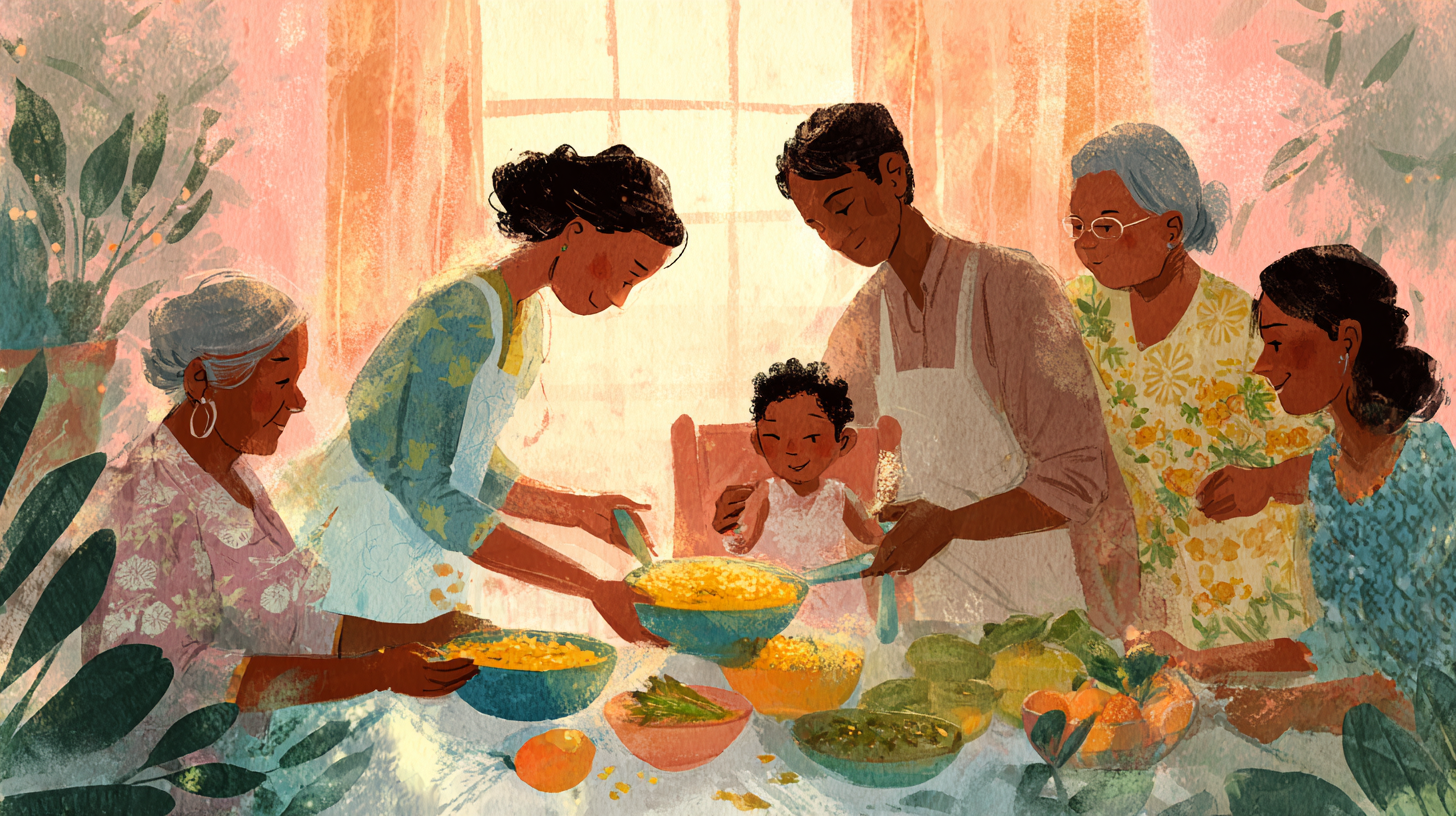
Here’s something that doesn’t get talked about enough: food is culture. When you introduce your baby to the spices and flavors of your heritage—whether that’s Caribbean thyme, Mexican cumin, Indian turmeric, or any other tradition—you’re passing down something precious. You’re saying, “This is who we are. This is where we come from.”
Second-generation immigrant families know this deeply. Food becomes the bridge connecting children to cultures they might not otherwise experience. That baby eating turmeric dal isn’t just eating lunch; they’re connecting to Indian grandparents and centuries of tradition. The baby enjoying Geera Pumpkin Puree is learning Trinidadian heritage through taste.
Even if you’re not introducing heritage foods, you’re still building your child’s food culture—one that values real flavors, diverse tastes, and the joy of eating. That’s a gift that keeps giving.
The Practical Reality: Making This Work in Real Life
Look, I know what you’re thinking. “This sounds great, but I barely have time to shower, let alone experiment with spices in baby food.” I hear you. The beauty of this approach is that it’s actually easier than making separate bland meals.
Here’s my real-world strategy: Make family meals, season smart. When you’re cooking sweet potato for dinner, set aside baby’s portion before salting. Add a pinch of thyme or cinnamon to their portion. Done. When making rice and beans, separate some before seasoning with salt, then add cumin and a bay leaf to baby’s portion. This takes 30 seconds.
Batch cooking becomes your best friend. Make a big pot of spiced pumpkin puree on Sunday. Freeze in ice cube trays. Pull out portions throughout the week. The spices actually help preserve the food naturally while maintaining flavor.
For specific recipes that take the guesswork out of combining flavors, the Caribbean Baby Food Recipe Book has over 75 tested combinations—everything from Plantain Paradise to Yellow Yam & Carrot Sunshine to Coconut Rice & Red Peas. Each recipe includes the family meal version so you’re not making two separate dinners.
Tap to Reveal: Flavor Truths Nobody Tells You
Click each card to reveal the truth!
Your Action Plan: Starting Today
Enough theory. Here’s exactly what to do next, broken down so simply you can start at your baby’s next meal:
Today: Choose one mild spice you already have—cinnamon, if nothing else. Add a tiny pinch (1/8 teaspoon) to something your baby already eats and likes. Notice their reaction without judgment. That’s it. You’ve started.
This week: Introduce one new spice. Wait 3-5 days. Watch for any reactions (extremely rare with mild spices, but good practice). Try the same spice in a different food. Keep it simple—you’re building the database, not creating gourmet cuisine.
This month: Work up to using 3-4 different spices regularly. Start adapting one family meal per week—portion out baby’s food before adding salt/sugar, season theirs appropriately. Celebrate every time your baby tastes something new, even if they don’t love it yet.
Long-term: Aim for your baby to experience 10+ different herbs and spices by their first birthday. Introduce flavors from different cuisines—the Caribbean Baby Food Recipe Book covers Jamaica, Trinidad, Guyana, Haiti, Cuba, Puerto Rico, and Dominican Republic, each with unique spice profiles. Make spices normal, not special occasion foods.
The Bigger Picture: What You’re Really Building
This journey isn’t really about spices. It’s about confidence—yours and your baby’s. When you move beyond the bland, you’re trusting your instincts and your baby’s capabilities. You’re saying, “My child deserves real food with real flavor.” That’s powerful.
You’re also building a foundation for food joy rather than food battles. Picture your toddler at the dinner table, actually eating what you serve instead of demanding pasta for the fourth night in a row. Imagine a child who tries new foods without drama, who enjoys vegetables, who thinks mealtimes are interesting rather than torturous.
That future starts with the choices you make right now, during this brief but crucial window. Every spiced sweet potato, every herb-infused lentil, every cinnamon-dusted banana is a vote for a future where food is pleasure, not punishment.
Living Proof: What Happens When You Get It Right
My friend Keisha took this approach with her son. At 18 months, that kid was eating curry goat (mild version), ackee with tomatoes and thyme, and callaloo like it was the most normal thing in the world. Because for him, it was. Food was never a battle because food had always been interesting.
Compare that to her neighbor’s child, same age, raised on bland purees and then transitioned abruptly to “regular food.” That child went on a food strike that lasted months, refusing anything that wasn’t beige or sweet. The parents were tearing their hair out.
The difference? Flavor exposure during the window. That’s it. Same neighborhood, similar socioeconomic background, just two different approaches to introducing solids.
The science backs this up with hard data: a 2023 study tracking infants through early childhood found that early flavor variety predicted better diet quality years later. We’re talking measurable differences in vegetable consumption, dietary diversity, and absence of pickiness.
Your Next Chapter: Making It Stick
The truth is, starting is the hardest part. Once you see your baby’s face light up at a new flavor, once you realize how much easier it is to share family meals, once you experience the confidence that comes from trusting your instincts—you’ll wonder why you ever hesitated.
The blend is over. The flavor revolution starts now. Your baby is waiting for you to open that spice cabinet and show them what food can really be. Don’t let the fear of doing it “wrong” rob them of doing it right.
Because here’s the final truth: you already know more than you think. If your cultural tradition includes flavorful food for babies, trust that wisdom. If you’re starting from scratch, trust the science and start simple. Either way, trust yourself.
The flavor window is open. What you do with it is up to you. But I promise you this: years from now, when your child is eating everything and friends are amazed at their adventurous palate, you’ll look back at this moment as the turning point. The day you decided bland wasn’t good enough.
Your baby deserves better than tasteless mush. And now you know exactly how to give it to them—one tiny pinch of courage and spice at a time.
Ready to dive deeper? Get instant access to 75+ flavor-packed recipes tested on real Caribbean babies in the Caribbean Baby Food Recipe Book. Each recipe includes exact spice measurements, age recommendations, and the family meal version so you never make separate dinners again. Plus, you’ll learn the month-by-month spice journey that takes the guesswork out of what to introduce when.

Kelley's culinary creations are a fusion of her Caribbean roots and modern nutritional science, resulting in baby-friendly dishes that are both developmentally appropriate and bursting with flavor. Her expertise in oral motor development and texture progression ensures that every recipe supports your little one's feeding milestones while honoring cultural traditions.
Join Kelley on her flavorful journey as she shares treasured family recipes adapted for tiny taste buds, evidence-based feeding guidance, insightful parenting anecdotes, and the joy of celebrating food, culture, and motherhood. Get ready to immerse yourself in the captivating world of Kelley Black and unlock the vibrant flavors of the Caribbean for your growing baby, one nutritious bite at a time.
- The Feeding Revolution: Why Your Everyday Meals Are Changing the World - October 13, 2026
- Your Feeding Story Matters More Than The “Perfect” One Online - October 12, 2026
- Looking Forward: Stepping Into Your Confident Feeding Future - October 11, 2026