Skip to content
Store-Bought vs. Homemade Baby Food: What Nobody’s Telling You About the Real Cost, Safety, and Time Investment
Here’s what happened last Tuesday at 2 AM: I found myself standing in front of my refrigerator, staring at three-day-old mashed sweet potato while my daughter screamed in the background. My phone was buzzing with a group chat debate about whether store-bought baby food was “poisoning our children” or if making everything from scratch made me a “Pinterest martyr.” The guilt was eating me alive.
Sound familiar? If you’ve spent even five minutes in a parent Facebook group, you know this debate gets heated faster than a pot of plantain porridge. One camp swears homemade is the only way to ensure your baby gets proper nutrition. The other insists that modern commercial baby food is perfectly safe and that spending hours in the kitchen is unnecessary stress. Meanwhile, you’re just trying to feed your child without having a breakdown.
Here’s the thing nobody wants to admit: both sides are missing the point. Because this isn’t about being the “perfect parent”—it’s about understanding the actual data so you can make decisions that work for your family. No judgment. No shame. Just facts.
What’s Your Feeding Personality?
Click the statement that resonates most with you:
The Cost Myth Everyone Gets Wrong
Let me tell you what shocked me when I actually tracked my spending for six months. Ready for this? The difference between homemade and store-bought baby food was one-tenth of one cent per ounce. That’s it. Not the massive savings everyone promises. Not the wallet-crushing expense others warn about. Practically identical.
One parent tracked every penny and found homemade averaged 12.4 cents per ounce versus 12.3 cents for jarred options. Another analysis showed homemade at 14.7 cents per ounce—which was actually cheaper than commercial by about 12 cents per ounce. But here’s what those numbers don’t tell you: the hidden costs nobody mentions.
When you make baby food at home, you’re not just paying for sweet potatoes and mangoes. You’re investing in equipment. A decent steamer-blender runs $50-$160. Ice cube trays with lids? Another $18-$35. Glass storage containers? Add $21-$35. Your startup cost lands somewhere between $90 and $230. That sweet potato purée suddenly doesn’t feel so budget-friendly, does it?

Your Real Monthly Baby Food Cost Calculator
But wait—there’s more to this story. Store-bought options come with their own hidden expenses. That convenience factor? You’re paying for it. Premium organic brands can run $2-3 per small pouch. Even standard brands add up fast when your 9-month-old demolishes three pouches a day. Plus, let’s talk about food waste. How many times have you opened a jar only to have your baby refuse it completely?
The real winner here might surprise you: combination feeding. Buy store-bought for busy weekdays and travel. Make homemade batches on relaxed weekends when you actually enjoy cooking. Suddenly your monthly costs drop, your stress decreases, and your baby gets variety.
The Safety Conversation Nobody Wants to Have
Remember when that congressional report dropped in 2021 revealing that 95% of store-bought baby food—both conventional and organic—contained heavy metals? The parent groups exploded. Everyone rushed to their kitchens, convinced homemade was the answer. But here’s the uncomfortable truth they discovered: homemade baby food isn’t immune to heavy metal contamination either.
Why? Because the problem isn’t the processing—it’s the soil. Arsenic, lead, cadmium, and mercury exist in the ground where our vegetables grow. Rice, sweet potatoes, and carrots are particularly good at absorbing these metals from contaminated soil. When you buy organic sweet potatoes from the farmer’s market and lovingly steam them for your baby, those same heavy metals come along for the ride.
The FDA finally issued action levels for lead in processed baby foods in 2025: 10 parts per billion for most products, 20 ppb for root vegetables. But—and this is crucial—these guidelines don’t apply to raw ingredients or homemade preparations. You could be unknowingly serving higher levels than commercial products that must meet these standards.
Real talk from a Caribbean mama: When I learned this, I felt like the ground shifted beneath my feet. I’d been so proud of making my daughter’s food from scratch, using yams and plantains like my grandmother taught me. Turns out, good intentions don’t neutralize environmental toxins. The solution? Variety. Rotate your ingredients. Don’t serve rice cereal every single day. Mix up your root vegetables. And yes, strategically using tested commercial options isn’t “giving up”—it’s being smart.
Now let’s talk about the safety issue nobody mentions in those heated Facebook debates: bacterial contamination. Homemade baby food lasts 1-2 days refrigerated for meats and eggs, 2-3 days for fruits and vegetables. Commercial options? Shelf-stable until opened, then several days refrigerated. A quality assessment found potential for foodborne illness in homemade preparations due to contamination during production, handling, and storage.
I learned this lesson the hard way when I discovered I’d been storing my batches too long. Those cute little freezer cubes I’d made on Sunday? If they sat in the fridge more than two days before freezing, they were already growing bacteria. Commercial baby food undergoes rigorous safety testing and standardized protocols that my home kitchen—no matter how clean—simply cannot replicate.
Does this mean store-bought is automatically safer? Not exactly. It means both approaches carry different risks that require different precautions. The key is knowing what you’re working with.
The Time Investment Reality Check
Let me paint you a picture of my first attempt at “batch cooking for the week.” It was a Saturday morning. I had everything planned: sweet potatoes, callaloo, ripe plantains, and Caribbean recipes from my grandmother’s cookbook that I was excited to adapt for my baby.
Four hours later, my kitchen looked like a hurricane hit it. I had sweet potato in my hair, a screaming baby who decided that moment was perfect for refusing her nap, and three measly ice cube trays of purée to show for my efforts. “Pretty simple,” they said. “Just batch cook,” they said. What they didn’t say was that it takes time to learn the process, optimize your workflow, and develop realistic expectations.
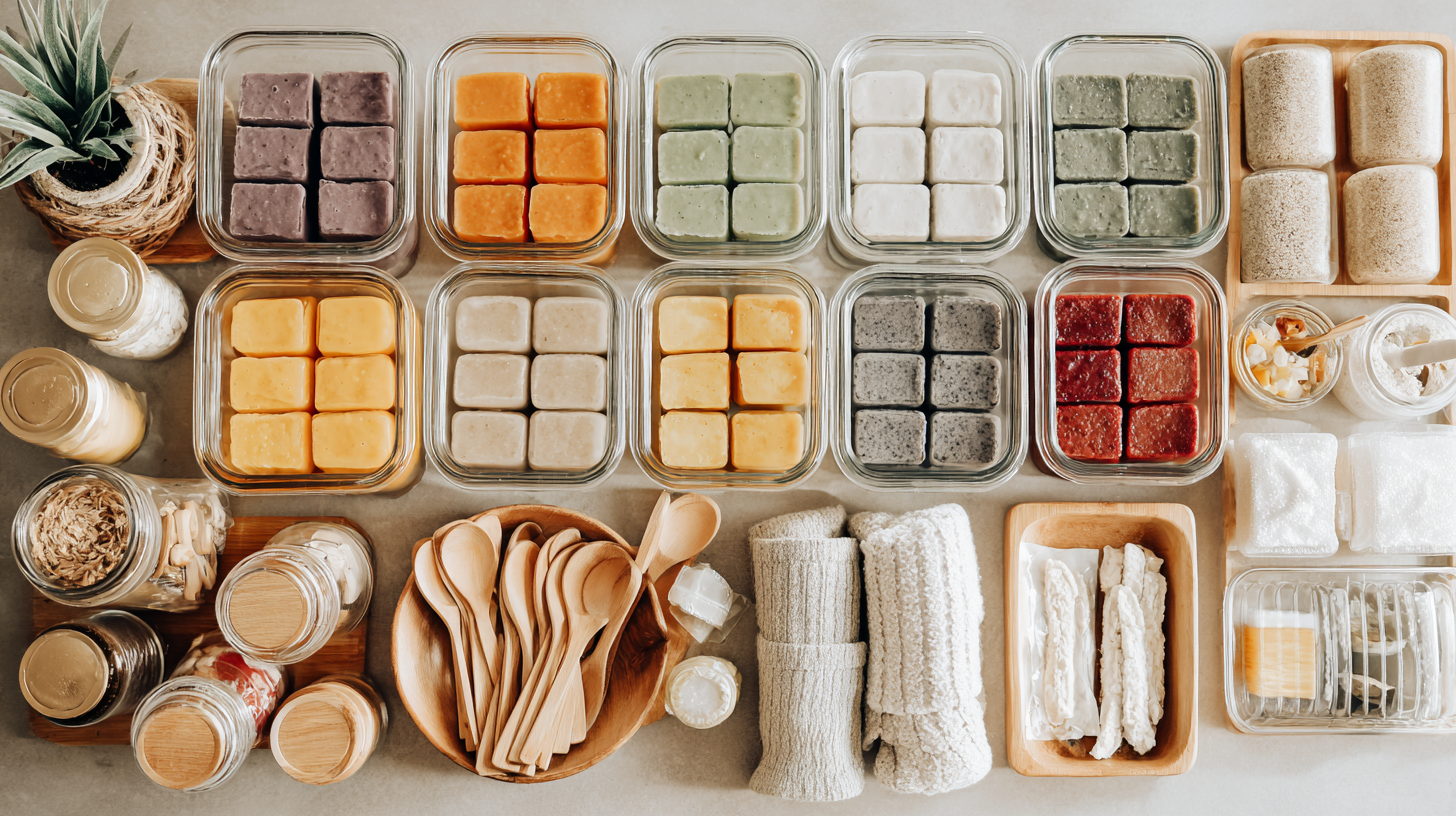
Here’s the honest breakdown: efficient homemade baby food prep takes about 2-3 hours per week once you’ve got your system down. That’s after the learning curve. It includes shopping for ingredients, washing and prepping produce, cooking, pureeing, portioning into storage containers, labeling, and cleaning up. Oh, and actually having a cooperative baby during this time window.
Compare that to store-bought: grab pouches from the shelf, stick them in your diaper bag, open and serve. Total time investment? Maybe 5 minutes for shopping, 30 seconds for serving. For parents working full-time, managing multiple kids, or dealing with postpartum recovery, that time difference isn’t trivial—it’s the difference between survival and burnout.
⏱️ Your Weekly Time Investment Quiz
How much time do you realistically have for baby food prep?
But here’s what changed everything for me: the combination approach. I stopped trying to be a hero. Some weeks I batch-cooked simple recipes like Sweet Potato & Callaloo Rundown or Cornmeal Porridge Dreams—cultural foods that connected my daughter to her roots. Other weeks? I unashamedly bought pouches and focused my energy on actually playing with my baby instead of chaining myself to the kitchen.
The truth is, making baby food doesn’t have to be an all-or-nothing proposition. It’s not about achieving Pinterest-perfect batches every single week. It’s about finding a rhythm that doesn’t leave you exhausted and resentful.
What the Nutrition Labels Aren’t Telling You
Here’s where things get interesting. A Spanish study compared 190 homemade and commercial infant foods, and the results weren’t what anyone expected. Homemade foods had higher protein (3.6g vs 3.0g per 100g for infants) and significantly more fiber (2.6g vs 0.8g per 100g). Score one for the homemade camp, right?
Not so fast. Commercial products had higher fat content for infants (2.3g vs 1.5g per 100g)—and fat is crucial for brain development in the first year. Store-bought options are also fortified with iron, zinc, and other nutrients that homemade preparations might miss unless you’re very intentional about ingredient selection.
But then there’s the sodium issue. Commercial foods for young children contained nearly double the sodium of homemade options (111mg vs 65.2mg per 100g). Add in the fact that 66% of baby foods in U.S. grocery stores don’t meet nutritional standards for healthy baby food, and suddenly you’re reading every single label like it’s a legal contract.
| Nutrient | Homemade (per 100g) | Store-Bought (per 100g) |
|---|---|---|
| Protein | 3.6g (Higher) | 3.0g |
| Fiber | 2.6g (Significantly Higher) | 0.8g |
| Fat | 1.5g | 2.3g (Higher) |
| Sodium | 65.2mg (Lower) | 111.0mg |
| Fortification | Depends on ingredients | Iron, Zinc, Vitamins added |
The real kicker? Neither approach guarantees nutritional completeness. Homemade food needs variety and proper balance—especially for iron, zinc, and vitamin D, which are often deficient in infant diets. Commercial foods need careful label reading to avoid excessive sodium, added sugars, and unnecessary additives.
When I adapted traditional Caribbean recipes for my daughter, I had to be intentional. Recipes like Yellow Yam & Carrot Sunshine or Coconut Rice & Red Peas provided cultural connection, but I also needed to ensure she got enough iron-rich foods and vitamin D through other sources. Sometimes that meant using a fortified cereal. Sometimes it meant a commercial meat purée. Both were valid choices.
Busting the Biggest Baby Food Myths
The misinformation around baby food is thick enough to spread on toast. Let’s clear up the five myths that keep parents up at night, shall we?
Myth Buster Challenge
Click each myth to reveal the truth:
The Caribbean Advantage: Cultural Connection Through Food
Let me tell you why this matters so deeply to me. When my grandmother fed me as a baby, she wasn’t just filling my belly—she was passing down generations of knowledge. The way she steamed dasheen with a bay leaf. How she knew exactly when plantain was ripe enough to mash. The rhythm of making callaloo smooth enough for tiny mouths but flavorful enough to remember.
That knowledge almost died with her generation. Because somewhere along the way, we decided that gray mush from a jar was “modern” and “scientific” while our ancestral foods were “too spicy” or “too complex” for babies. But here’s what the research shows: babies can handle more flavor than we give them credit for, and early exposure to diverse tastes shapes lifelong food preferences.
Making even occasional homemade baby food using Caribbean ingredients—recipes like Zaboca and Green Fig Blend, Papaya & Banana Sunshine, or Stewed Peas Comfort—gives your baby a taste of their heritage. It tells them, “These flavors belong to you. This food is your history.”
Commercial baby food can’t give you that. The jars don’t contain the story of who you are and where you come from. And while there’s absolutely nothing wrong with using store-bought options regularly, making space for cultural foods—even just once a week—creates something irreplaceable.
You don’t need to choose between convenience and culture. Batch-cook a big pot of Coconut Rice & Red Peas or Cornmeal Porridge on Sunday. Freeze it in portions. Supplement with store-bought pouches for daycare and busy evenings. Both can coexist in your feeding approach without guilt on either side.
Building Your Personal Baby Food Strategy
After everything we’ve covered—the costs, safety concerns, time investment, nutritional differences, and cultural significance—you might be wondering, “So what do I actually do?”
Here’s the framework that transformed my feeding approach and restored my sanity:
The 70/30 Rule: If you’re drawn to homemade, aim for 70% homemade with 30% store-bought backup. If convenience is your priority, flip it—70% store-bought with 30% homemade cultural foods when energy allows. The ratio matters less than the flexibility.
The Rotation Strategy: Whether making food at home or buying it, rotate ingredients weekly to minimize heavy metal exposure. Week one: sweet potato, mango, chicken. Week two: yam, papaya, beef. Week three: plantain, avocado, fish. You get the picture.
The Time Audit: Be brutally honest about your available time. If you’re working 60-hour weeks, commuting 90 minutes daily, and managing a toddler plus a baby, stop pretending you’ll batch-cook every Sunday. Buy store-bought without guilt and save homemade for rare weekend experiments if you feel like it.
The Equipment Assessment: Don’t invest in expensive baby food makers before knowing if you’ll actually use them. Start with tools you already own—a regular blender, a pot, ice cube trays. Upgrade only if homemade becomes a consistent practice you genuinely enjoy.
The Label Literacy: When buying commercial, read ingredients obsessively. Choose products with recognizable foods, minimal sodium (under 100mg per serving ideally), no added sugars, and brands that test for heavy metals at multiple supply chain stages. Accept that perfection is impossible.
Your Personal Feeding Plan Progress
Based on your interactions throughout this article, here’s your recommended approach:
What This Really Means for Your Family
At the end of the day—after all the research, the debates, the mom-guilt, and the sleepless nights—feeding your baby comes down to something much simpler than any study can measure. It’s about whether you’re present during mealtimes. Whether your baby sees you enjoying food. Whether feeding time is filled with stress or connection.
I’ll never forget the moment everything clicked for me. My daughter was about eight months old. I’d made a beautiful batch of Sweet Potato & Callaloo Rundown—my grandmother’s recipe, adapted perfectly, frozen in Instagram-worthy portions. She took one bite and spit it out. Refused another bite. Screamed when I tried again.
Defeated, I grabbed a store-bought pouch from the pantry. She devoured it. Smiled at me. Reached for more.
My first thought was, “I failed.” But then I looked at her face—pure joy, no stress, just a happy baby eating food and connecting with her mama. And I realized: the goal isn’t to win the homemade vs. store-bought debate. The goal is to feed your child without losing yourself in the process.
Some days you’ll have the energy to steam plantains and blend them with coconut milk. Other days you’ll rip open a pouch while standing in the grocery store parking lot. Both days, your baby is loved. Both days, your baby is fed. Both days, you’re doing an incredible job.
The baby food industry wants you to believe you need their solution—whether that’s premium organic pouches or specialized equipment for homemade perfection. The parent shaming culture wants you to feel guilty regardless of what you choose. But here’s what actually matters: understanding your options clearly, making informed decisions for your unique situation, and releasing the guilt that serves nobody.
So whether you’re team homemade, team store-bought, or team “whatever-gets-food-in-my-baby’s-mouth-today,” you’re not just feeding a child. You’re building a relationship with food that will last a lifetime. Make it one that includes joy, flexibility, and a whole lot of grace for yourself.
Because that baby of yours? They won’t remember whether their sweet potato came from a pouch or a pot. But they’ll remember how they felt when you fed them. And that’s the only statistic that truly matters.
Your next step: Want to explore Caribbean-inspired recipes that connect your baby to their cultural heritage while providing balanced nutrition? Whether you’re making food weekly or just occasionally, having a reliable recipe collection makes the process so much simpler. Check out the Caribbean Baby Food Recipe Book with over 75 authentic recipes adapted perfectly for babies 6+ months, featuring ingredients like plantains, callaloo, coconut milk, sweet potatoes, and more—complete with family meal adaptations so you’re not cooking separate meals for everyone.

Kelley's culinary creations are a fusion of her Caribbean roots and modern nutritional science, resulting in baby-friendly dishes that are both developmentally appropriate and bursting with flavor. Her expertise in oral motor development and texture progression ensures that every recipe supports your little one's feeding milestones while honoring cultural traditions.
Join Kelley on her flavorful journey as she shares treasured family recipes adapted for tiny taste buds, evidence-based feeding guidance, insightful parenting anecdotes, and the joy of celebrating food, culture, and motherhood. Get ready to immerse yourself in the captivating world of Kelley Black and unlock the vibrant flavors of the Caribbean for your growing baby, one nutritious bite at a time.
- From “Who’s Right?” to “We’ve Got This”: Building a Feeding Partnership That Actually Works - September 13, 2026
- You’re More Than Just the Person Who Feeds Your Baby - September 12, 2026
- You’re Doing Your Best: The Self-Compassion Revolution Every Feeding Parent Needs - September 11, 2026