 Skip to content

The Safest Path to Baby-Led Weaning: Your Anxiety-Proof Guide to Modified BLW
Here’s what nobody tells you about baby-led weaning: that moment when your six-month-old reaches for their first piece of food and your heart literally stops. Not from joy—from pure, unfiltered terror. Your hands hover nearby, ready to intervene. Your eyes scan every millimeter of that sweet potato stick for potential danger. You’ve watched seventeen YouTube videos on the difference between gagging and choking, yet somehow you’re still not convinced you’d recognize it in real time.
If this sounds familiar, you’re not alone. Recent research shows that mothers practicing baby-led weaning experience significantly higher anxiety levels throughout the entire six-month complementary feeding period compared to those using traditional methods. But here’s the truth that changed everything for me: there’s a scientifically-validated middle ground that lets you embrace the incredible benefits of BLW while addressing every single safety concern that’s keeping you up at night.
What’s Your BLW Anxiety Level?
Select the statement that resonates most with you:
What Modified Baby-Led Weaning Actually Means
Let me take you back to my grandmother’s kitchen in Trinidad. She’d be making callaloo and provision, and even as a baby, I was at that table experiencing real food. But she didn’t just plop whole cassava in front of me and walk away. There was intention, progression, cultural wisdom baked into how she introduced textures and flavors. That’s exactly what modified BLW is about—honoring your baby’s readiness for self-feeding while adding layers of safety that let you breathe easier.
Modified Baby-Led Weaning, particularly the evidence-based BLISS (Baby-Led Introduction to SolidS) approach, represents a scientifically-validated middle ground between traditional spoon-feeding purees and standard baby-led weaning. The research team at the University of Otago in New Zealand developed this approach specifically to address three primary parental concerns: iron deficiency, growth faltering, and choking risk. And the results? Modified BLW demonstrated higher iron intakes and lower choking risk than unmodified BLW, with safety outcomes comparable to traditional spoon-feeding.
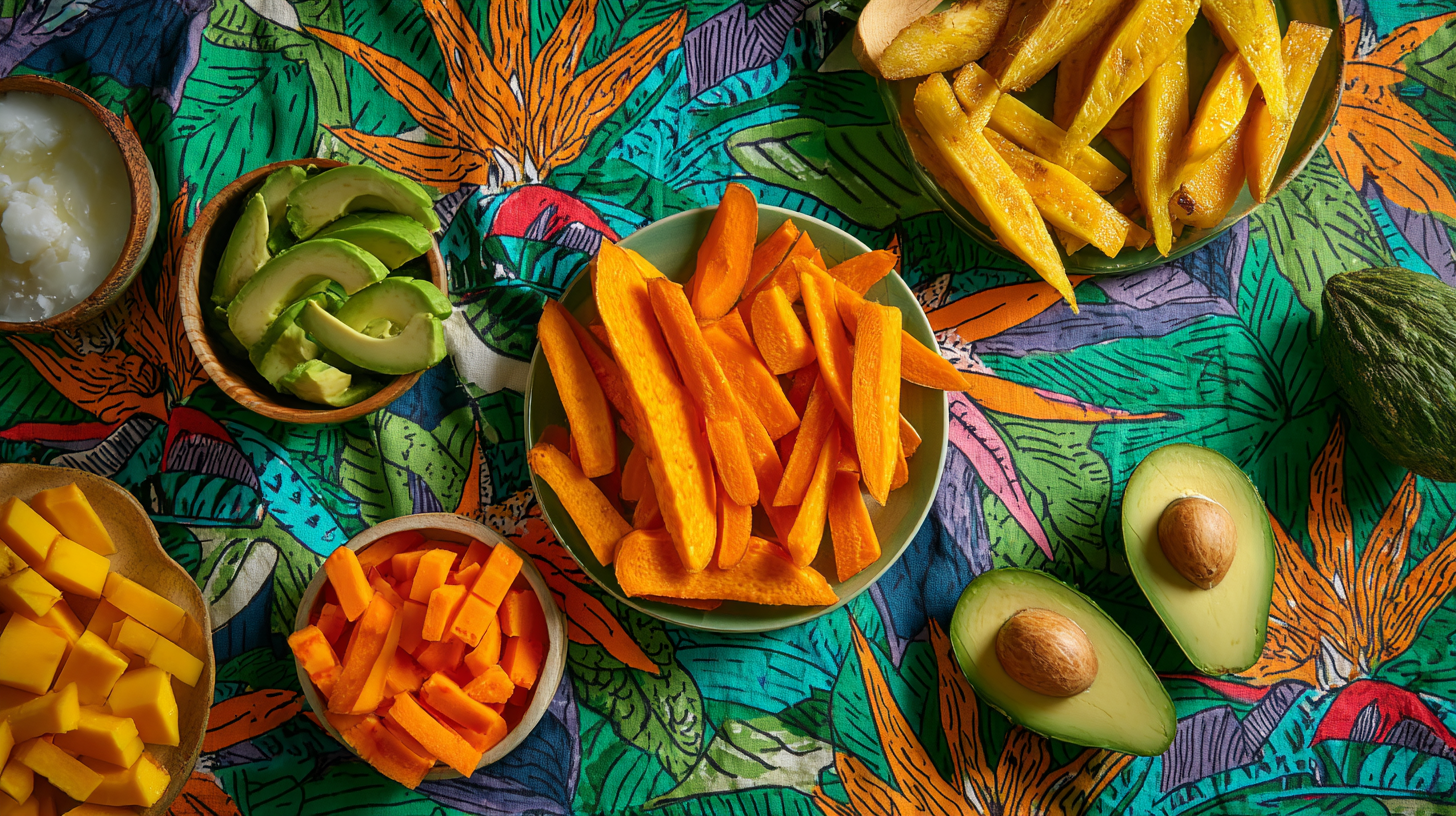
Here’s what makes modified BLW different: you’re still letting your baby self-feed and explore food at their own pace, but with specific adaptations for food shapes, slower texture progression, and safety validation at each developmental stage. Think of it as BLW with training wheels—except these training wheels are backed by peer-reviewed research and real-world success stories from thousands of families.
The Truth About Feeding Methods
Click each method to reveal what research really shows:
The Four-Phase Texture Progression (Your Safety Roadmap)
This is where modified BLW becomes practical magic. Instead of diving straight into finger foods at six months, you follow a deliberate progression that matches your baby’s developmental readiness. And here’s what surprised me most: this doesn’t mean you’re spoon-feeding purees for months. You can start with modified textures that still allow self-feeding from day one.
Phase 1 (6 months – Early Introduction): Start with soft, mashable foods cut into 2-3 inch strips—what we call “stick shapes” that allow palmar grasp. Think steamed sweet potato strips, ripe avocado slices, or soft-cooked plantain fingers. In our Caribbean Baby Food Recipe Book, recipes like Yellow Yam & Carrot Sunshine and Plantain Paradise are perfect for this stage—naturally soft, nutrient-dense, and easy to prepare in safe shapes.
Phase 2 (7-9 months – Textured Exploration): Progress to mashed and lumpy foods with more defined chunks. Your baby can now handle foods with varied textures in each bite. This is when you can introduce dishes like our Sweet Potato & Callaloo Rundown or Calabaza con Coco—both feature Caribbean ingredients rich in iron and healthy fats, addressing nutritional concerns while building texture tolerance.
Phase 3 (9-11 months – Advanced Finger Foods): Your little one’s pincer grasp is developing, so introduce smaller, soft pieces alongside continued stick shapes. Foods like well-cooked beans, shredded meat, and soft fruits become accessible. The Coconut Rice & Red Peas recipe from our cookbook transitions beautifully here—iron-rich, culturally meaningful, and perfectly textured for this stage.
Phase 4 (10-12+ months – Family Table Integration): Now your baby joins family meals with minimal modifications. They can handle most soft table foods, though you’ll still avoid choking hazards like whole grapes or hard raw vegetables. This is when dishes like Geera Pumpkin Puree (modified to finger-food consistency) or Karhee Curry Blend become family favorites that everyone shares.
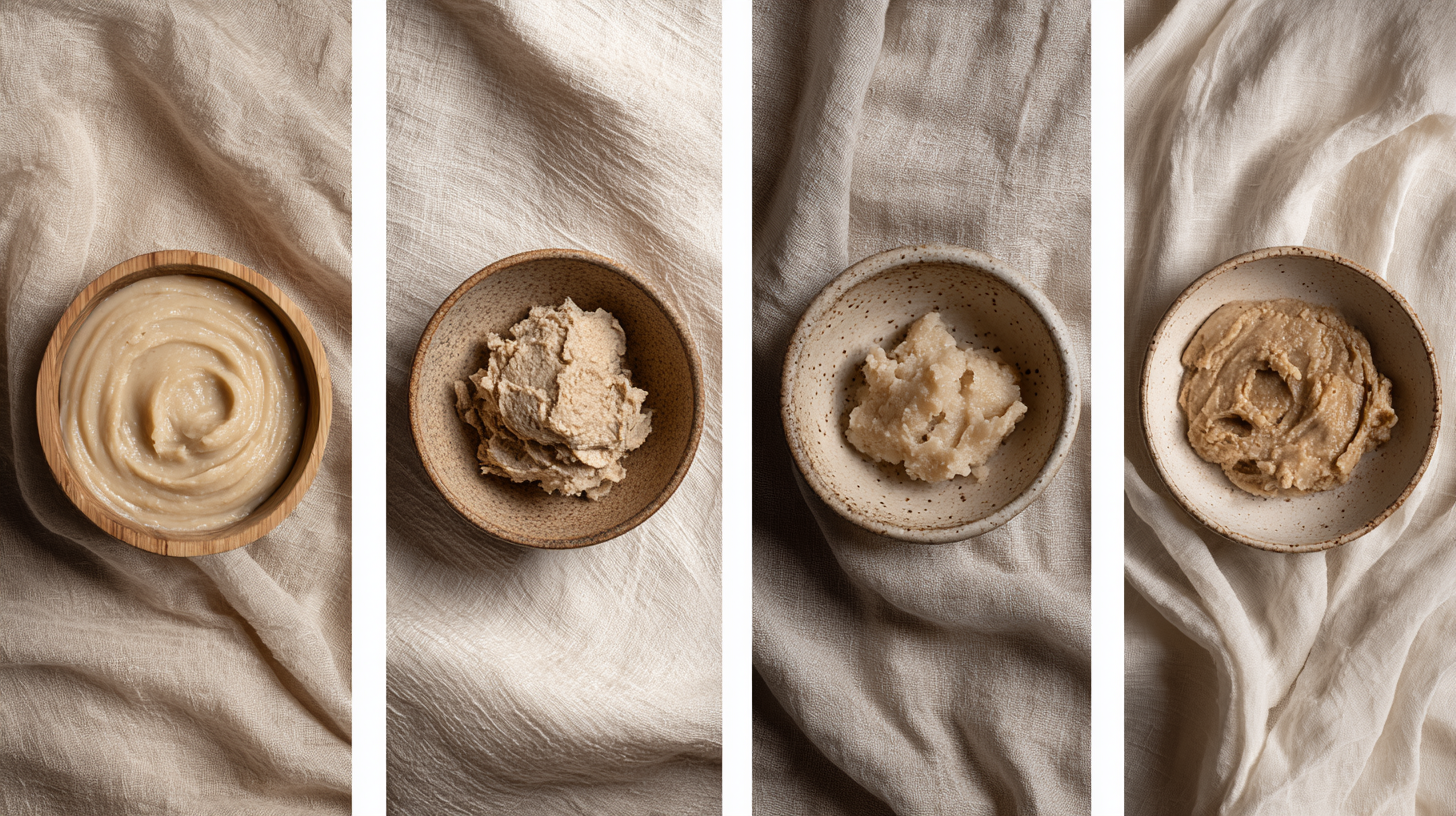
Is This Food Shape Safe?
Test your knowledge! Select a food scenario:
The Iron Question Everyone’s Asking
Let’s address the elephant in the room: iron deficiency. This is one of the biggest concerns healthcare professionals have about standard BLW, and honestly, it’s valid. Babies need iron-rich foods daily starting at six months, and if you’re just offering whatever finger foods seem easiest, you might miss this crucial window.
The BLISS modification specifically emphasizes offering iron-rich foods at least once daily. But here’s where Caribbean cuisine becomes your secret weapon. Our traditional ingredients are naturally iron powerhouses: callaloo, red beans, lentils (dhal), fortified cereals, and properly prepared meats. When I was introducing solids, I made sure every meal had at least one iron-rich component.
Some of my go-to iron-rich first foods from our Caribbean traditions:
- Basic Mixed Dhal Puree: Red lentils cooked soft, naturally mushy, loaded with iron and protein
- Sweet Potato & Callaloo Rundown: Combining iron-rich greens with energy-dense sweet potato
- Stewed Peas Comfort: Red kidney beans simmered until soft, perfect finger food by 9 months
- Fortified porridge: Cornmeal porridge or farine cereal with added iron-fortified formula or breast milk
Research from the BLISS trial showed that with proper education on iron-rich foods, modified BLW resulted in significantly higher iron intakes than unmodified BLW. It’s not about restriction—it’s about intention. You can find dozens of iron-rich, baby-safe Caribbean recipes in our Caribbean Baby Food Recipe Book, specifically designed to support healthy development while introducing authentic island flavors.
What the Research Really Says About Choking
Here’s the shocking truth that changed my entire perspective: properly supervised baby-led feeding does NOT increase choking risk compared to spoon-feeding. Let me repeat that because it’s important—the research shows choking requiring medical intervention occurred in 0.31% of spoon-fed babies and 0.45% of BLW babies. That’s statistically insignificant.
What DOES happen more with BLW? Gagging. And this is where understanding the difference becomes crucial. Gagging is your baby’s natural protective reflex—it’s loud, looks dramatic, and sounds scary. But it’s actually their body working exactly as designed to prevent choking. Gagging happened in about 52% of BLW babies versus lower rates in spoon-fed babies, but that’s because those babies are actively learning to manage food textures with their natural reflexes.
During my first week of modified BLW with my daughter, she gagged on a piece of steamed plantain. My entire body tensed. But I’d taken infant CPR (which I cannot recommend enough), so I knew what to watch for. She coughed, moved the food forward in her mouth, and kept eating. That was gagging—protective and normal.
Modified BLW adds extra safety layers:
- Modified shapes: Strips and sticks rather than circles that can block airways
- Texture guidelines: Foods must be mashable between your fingers
- Staged progression: Not introducing challenging textures too early
- Supervised practice: Always staying within arm’s reach during meals
- Positioning protocols: Baby sits fully upright with good postural support
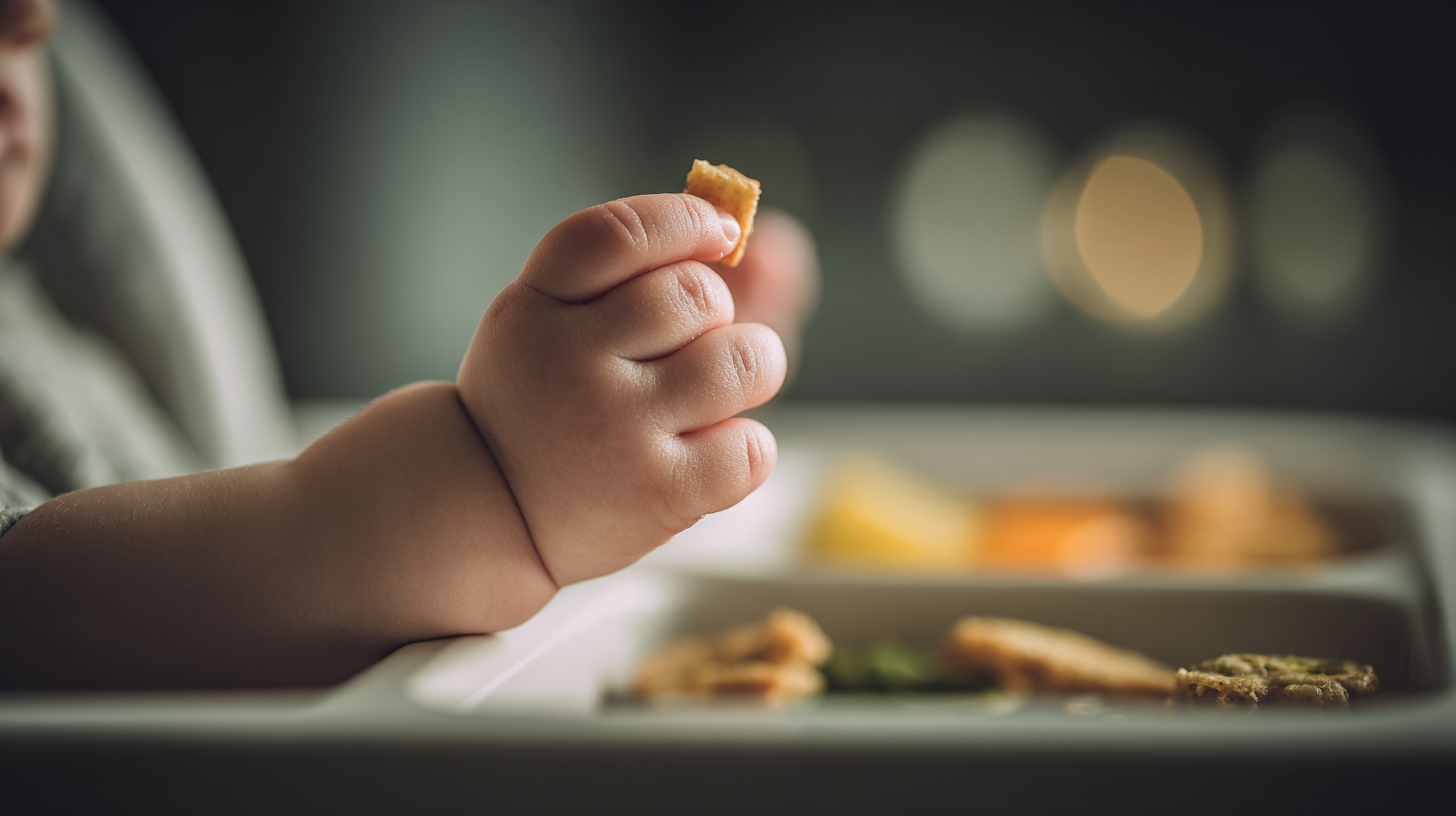
⚠️ Critical Knowledge: Gagging vs. Choking
Every parent needs to know this. Click to reveal the key differences:
✅ GAGGING (Normal & Safe)
- Makes noise (coughing, sputtering)
- Face might turn red
- Eyes may water
- Actively working to clear food
- May vomit but can still breathe
- Action: Stay calm, let baby work it out
CHOKING (Emergency)
- Silent or very quiet
- Cannot cough or make sound
- May point to throat
- Face turns blue/pale
- Looks panicked, cannot breathe
- Action: Immediate back blows/CPR – call 911
Pro Tip: Take an infant CPR class before starting solids. The confidence you gain from knowing exactly how to respond in emergencies will dramatically reduce your anxiety. Many hospitals and fire stations offer free classes for parents.
Your Week-by-Week Modified BLW Starter Plan
The biggest mistake I see parents make? Trying to do too much too fast. Modified BLW works best with gradual, intentional progression. Here’s exactly how I’d start if I were doing it again:
Week 1-2 (The Exploration Phase): Offer one meal per day, same time, low-pressure environment. Choose 2-3 foods you’re comfortable with—steamed sweet potato strips, ripe avocado, soft-cooked plantain. Let baby touch, squish, taste, throw. Seriously, throwing is part of learning. Your goal isn’t consumption; it’s exposure. During this phase, I used simple recipes like Papaya & Banana Sunshine from our cookbook—naturally soft, no choking hazards, and introducing tropical flavors from the start.
Week 3-4 (Building Routine): Add a second meal. Introduce iron-rich options—our Basic Mixed Dhal Puree is perfect here. Soft-cooked red lentils are naturally mushy, packed with iron, and impossible to choke on. You can serve it thick enough for baby to scoop with hands. Mix in some cooked sweet potato for added energy and nutrition.
Month 2 (Texture Variety): Now you’re offering 2-3 meals daily. Start varying textures within the safety guidelines—some meals with strips, others with slightly thicker purees baby can self-feed. This is when we introduced Cornmeal Porridge Dreams, made thick enough to stick to a spoon but soft enough to be completely safe. The key is making sure everything can be mashed between your thumb and forefinger.
Month 3 (Confidence Building): Your baby’s pincer grasp is emerging. Start offering smaller pieces alongside strips. Introduce more complex family foods like our Coconut Rice & Red Peas—the rice is soft, beans are mashable, coconut milk adds healthy fats. By now, you’re probably feeling less anxious during meals. You recognize the difference between gagging and choking. You trust your baby’s abilities.
Months 4-6 (Family Integration): Baby eats what the family eats with minimal modifications. You’re preparing one meal and offering it safely to everyone. Dishes like Yellow Yam & Carrot Sunshine or Sweet Potato & Callaloo Rundown work for the whole table. This is the beauty of Caribbean cuisine—our traditional foods are naturally baby-friendly when prepared properly.
Track Your Modified BLW Journey
Mark your progress as you go! Click each milestone you’ve achieved:
Real Talk: The Challenges Nobody Warns You About
Let me be honest about what modified BLW actually looks like in practice, because the Instagram-perfect photos don’t tell the whole story.
The Mess is Biblical. I’m talking sweet potato smashed into hair, avocado on the walls, plantain ground into the high chair crevices. For the first month, I put a plastic tablecloth under the high chair and still spent 15 minutes after each meal cleaning. But here’s what helped: I started doing messy meals outside on nice days, or right before bath time. And gradually, the mess decreased as motor skills improved.
The Anxiety Doesn’t Disappear Overnight. Even with all the research, even after taking CPR, my heart rate still spiked during the first few weeks. That first gagging episode? I almost intervened. The key was having my partner there for support, reminding me of what we’d learned. Research confirms that anxiety persists throughout the introduction period for many mothers, but it does get better with time and positive experiences.
Family Pressure Can Be Intense. My mother-in-law was convinced I was starving her grandchild. “Just give him some rice cereal in a bottle,” she’d say. Or my favorite: “We fed you purees and you turned out fine.” This is where having research-backed information helped. I could explain the BLISS study, show her the safety data, demonstrate how much baby was actually eating (even though half ended up on the floor).
Not Every Day is Perfect. Some days, baby refused everything. Other days, they’d eat three green beans and call it a meal. Studies show that adherence to any single feeding method is actually quite low—less than 20% of families stick strictly to one approach. Most end up doing a combination, and that’s completely okay. The goal is responsive feeding, not rigid perfection.
The Comparison Trap is Real. Your friend’s baby is eating quinoa bowls at seven months while yours is still figuring out how to get avocado from palm to mouth. Healthcare professionals warn that parental anxiety increases when comparing infant growth and eating habits with others. Every baby’s timeline is different. My daughter didn’t really “get” BLW until about eight months, and now at two years old, she eats everything.
Why Caribbean Cuisine is Perfect for Modified BLW
This might seem random, but hear me out: Caribbean food is essentially designed for safe, nutritious baby feeding. Our traditional ingredients—plantains, sweet potatoes, cassava, dasheen, pumpkin, callaloo—are naturally soft when cooked, nutrient-dense, and available year-round in most areas. The way we prepare food, with longer cooking times and emphasis on tenderness, creates perfect BLW textures without extra effort.
In our Caribbean Baby Food Recipe Book, you’ll find over 75 recipes specifically adapted for babies 6+ months, featuring ingredients like coconut milk (healthy fats for brain development), beans and lentils (iron and protein), and traditional root vegetables (complex carbohydrates and minerals). Each recipe includes age-appropriate modifications and safety notes.
Some of my absolute favorites that work perfectly with modified BLW:
- Zaboca and Green Fig Blend: Avocado and banana—nature’s perfect first food combination, rich in healthy fats
- Dasheen Bush Silk: Taro leaves and roots, iron-rich and traditional
- Simple Metemgee Style Mash: A Guyanese comfort food with eddoes, coconut milk, and gentle spices
- Baigan Choka Smooth: Roasted eggplant, naturally soft and flavorful
- Cook-Up Rice & Beans Smooth: One-pot meal with complete nutrition
The beauty is that these aren’t “baby foods”—they’re family meals modified for tiny hands and developing palates. You’re not preparing separate meals; you’re serving your cultural heritage in a safe, age-appropriate way.
️ Find Your Perfect First Foods
What’s your main priority right now? Click to get personalized recipe suggestions:
Your Permission Slip to Be Flexible
Here’s what I wish someone had told me at the beginning: you don’t have to be perfect. You don’t have to follow any method with 100% adherence. The research actually shows that most families end up using a combination approach, and outcomes are just as positive.
Some days, you might offer perfectly prepared finger foods. Other days, you might do a pouch of puree because you’re exhausted and it’s that or everyone goes hungry. Some meals might be pure BLW; others might involve you loading a spoon and letting baby guide it to their mouth. All of these approaches can coexist.
What matters most—and this is backed by every piece of feeding research I’ve read—is responsive feeding. That means:
- Recognizing and responding to baby’s hunger and fullness cues
- Creating a positive, low-pressure eating environment
- Offering nutritious options without force-feeding
- Allowing baby to explore food at their own pace
- Trusting that your baby knows their own appetite
Modified BLW gives you a framework for safety and nutrition, but within that framework, there’s room for flexibility, cultural adaptation, and real-life messiness. The goal isn’t Instagram-perfect meals. The goal is raising a child who has a healthy relationship with food, can self-regulate their appetite, and experiences mealtimes as positive, social occasions.
My daughter is two now. She eats with a fork (most of the time), tries new foods without fear, and actually enjoys vegetables because they’ve always been part of her meals—not something we battle over. She loves callaloo, begs for “dahl rice,” and will demolish a piece of steamed plantain. Looking back, the anxiety-filled early days feel distant. What remains is confidence—in her, in our approach, and in the process.
The Bottom Line: Safety and Independence Can Coexist
If you’re a safety-conscious parent who’s intrigued by baby-led weaning but terrified of the risks, modified BLW offers exactly what you need: evidence-based protocols that maintain all the developmental benefits of self-feeding while addressing legitimate safety concerns about choking, iron deficiency, and adequate growth.
The research is clear. The BLISS study demonstrated that with proper modifications—emphasis on iron-rich foods, appropriate texture progression, modified food shapes, and safety education—babies thrive. They develop strong motor skills, healthy eating habits, and food autonomy. Parents gain confidence. Families eat together. And the choking risk? Statistically the same as traditional spoon-feeding.
You don’t have to choose between your baby’s independence and your peace of mind. Modified BLW gives you both. It honors your instincts as a parent to protect your child while respecting your child’s innate capability to learn and grow.
Start small. Take that infant CPR class. Prepare one soft sweet potato stick and offer it at a low-pressure meal. Watch your baby explore. Trust the process. And remember: you’re not just teaching your child to eat—you’re building a foundation for a lifetime of healthy, joyful relationship with food.
If you’re ready to take the next step, our Caribbean Baby Food Recipe Book gives you 75+ recipes specifically designed for modified BLW, with clear age guidelines, safety notes, and cultural authenticity. Every recipe has been tested with real babies and real families. Because feeding your baby shouldn’t require you to abandon your heritage or your sanity.
The journey from that first nervous sweet potato stick to confident family meals isn’t always smooth. But it’s worth it. Your baby is capable of more than you think. And you? You’re exactly the parent they need—cautious enough to prioritize safety, brave enough to trust the process.
You’ve got this. Your baby’s got this. And now, you’ve got the knowledge to make it happen safely.

Kelley's culinary creations are a fusion of her Caribbean roots and modern nutritional science, resulting in baby-friendly dishes that are both developmentally appropriate and bursting with flavor. Her expertise in oral motor development and texture progression ensures that every recipe supports your little one's feeding milestones while honoring cultural traditions.
Join Kelley on her flavorful journey as she shares treasured family recipes adapted for tiny taste buds, evidence-based feeding guidance, insightful parenting anecdotes, and the joy of celebrating food, culture, and motherhood. Get ready to immerse yourself in the captivating world of Kelley Black and unlock the vibrant flavors of the Caribbean for your growing baby, one nutritious bite at a time.
- You’re Doing Your Best: The Self-Compassion Revolution Every Feeding Parent Needs - September 11, 2026
- Feeding Therapy: Your Family’s Roadmap from Overwhelm to Progress - September 10, 2026
- When to Seek Professional Feeding Help: Your Complete Guide to Recognizing Warning Signs and Taking Action - September 9, 2026


