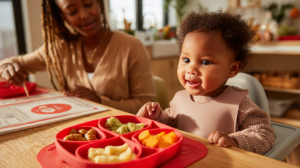
The Night I Almost Called 911 Over A Sweet Potato: How One CPR Class Changed Everything
⚡ Quick Reality Check: What’s Your Feeding Fear Factor? ⚡
Before we dive deep, let’s see where you really stand. No judgment—just honest answers that might surprise you.
Here’s what nobody tells you about introducing solid foods: the recipes are the easy part. The real challenge? The paralyzing terror that grips your chest every time your baby puts food in their mouth.
It was a Tuesday evening when it happened. I’d just finished making a beautiful batch of mashed sweet potato—one of those vibrant orange Caribbean yams my grandmother swore by. My six-month-old daughter was in her high chair, eyes wide with curiosity. I gave her a tiny spoonful, and she gagged.
Not choked. Gagged. But I didn’t know the difference yet. My heart stopped. My hands started shaking. I grabbed my phone, 911 already half-dialed, when she coughed, smiled, and reached for more. That’s when I realized something terrifying: I had absolutely no idea what to do if something actually went wrong. And that fear was stealing every moment of joy from our feeding journey.
The Fear That Follows Every Bite
Let me be straight with you—feeding anxiety isn’t just “new parent nerves” that everyone dismisses. It’s rooted in a legitimate, rational concern: two-thirds of choking victims are infants younger than one year old. More than 12,000 children visit emergency departments annually for food-related choking injuries. That’s 34 children every single day.
But here’s the shocking truth that changed everything for me: my fear wasn’t protecting my daughter. It was paralyzing both of us. She could sense my tension during meals, which made her tense. I was hovering so intensely that I couldn’t actually see what normal eating development looked like. And worst of all, I was one panicked moment away from potentially making a dangerous situation worse because I didn’t have the knowledge to respond correctly.
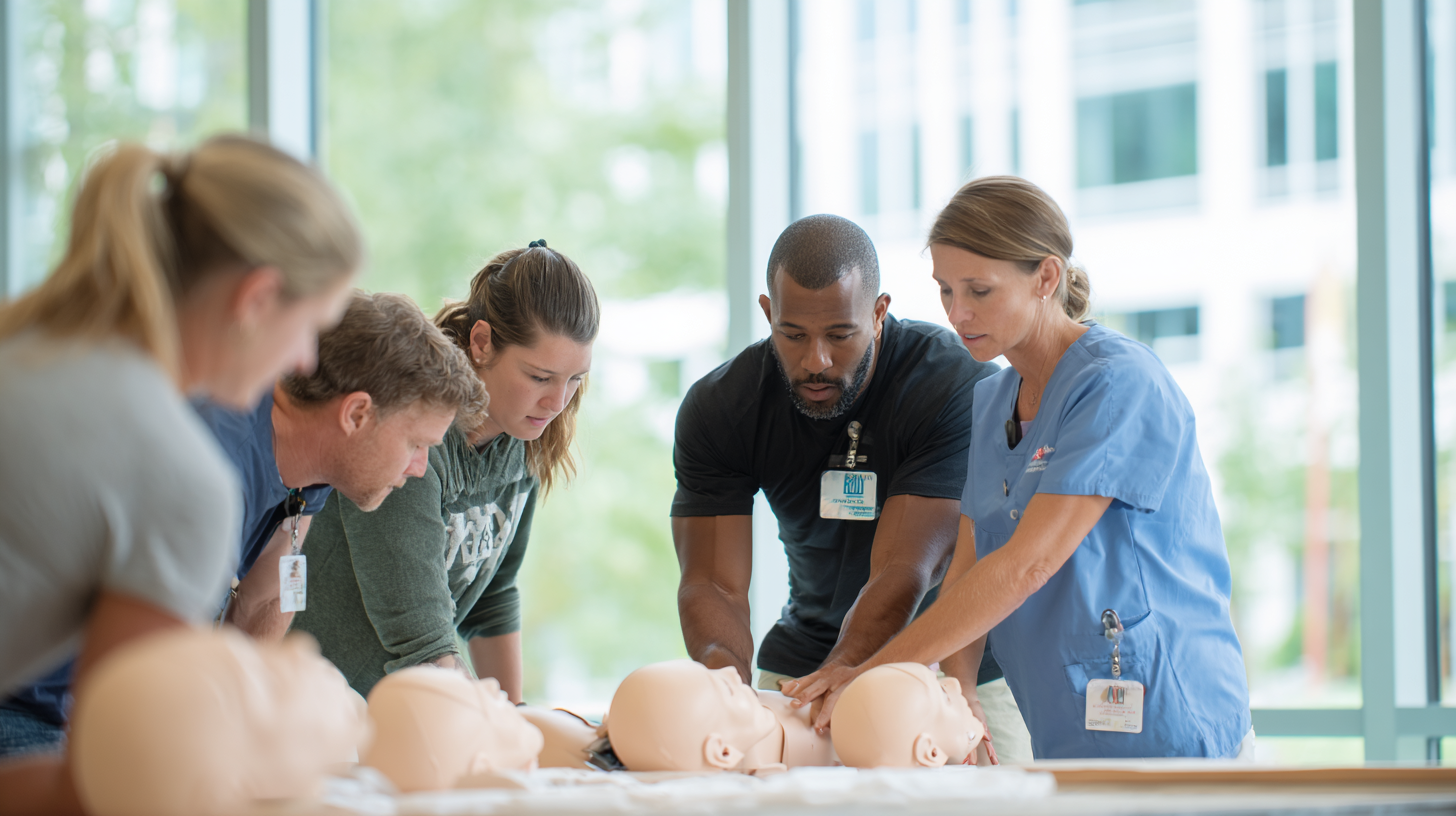
Research from 2025 reveals something incredible: CPR training doesn’t just teach skills—it dramatically reduces parental anxiety. Parents who completed infant CPR training experienced a 12% decrease in anxiety immediately after training and a 19% reduction three months later. Even more powerful? Their comfort levels for performing CPR increased by at least 177% and stayed elevated for months.
That’s when I decided to stop waiting for the “right time” and just do the thing that terrified me most: sign up for an infant CPR class. Because clarity doesn’t come from obsessive googling at 2 AM. It comes from doing.
Walking Into That Classroom Changed My Life
I’ll never forget walking into that community center classroom on a Saturday morning. There were about fifteen of us—bleary-eyed parents, pregnant couples, even a grandmother who was preparing to babysit her first grandchild. We all had that same look: exhausted, anxious, and desperately hoping someone would just tell us how to keep our babies safe.
Our instructor, a pediatric ER nurse named Patricia, started with something that hit me like a revelation: “Your fear isn’t irrational. It’s your body trying to protect your child. But fear without knowledge is just anxiety. Fear with knowledge becomes preparedness. And preparedness brings peace.”
The Choking vs. Gagging Truth Test
This is THE skill that transformed my feeding anxiety. Can you tell the difference? Most parents can’t—but you’re about to learn.
Scenario 1: Your baby makes loud coughing sounds, face turns red, eyes are watering
Scenario 2: Your baby is silent, unable to cry or cough, hands may be at throat
Scenario 3: Your baby is making gagging noises but breathing between sounds
Scenario 4: Your baby’s skin is turning blue or pale, no sound is coming out
She taught us the critical difference: gagging is LOUD—baby is coughing, making noise, working to clear their airway. Choking is SILENT—baby can’t make sound because no air is moving. This one distinction changed everything for me. Suddenly, those terrifying gag reflexes I’d been witnessing weren’t emergencies at all. They were my baby’s natural defense system doing exactly what it should.
The Skills Every Parent Desperately Needs
The hands-on practice was where everything clicked into place. We worked with infant manikins that felt surprisingly real—weighted like actual babies, with the right amount of resistance when you pressed the chest. Patricia walked us through each scenario step by step, and here’s what I learned that literally saved my sanity:
For Infant Choking: You position baby face-down along your forearm, head lower than their body. Five firm back blows between the shoulder blades using the heel of your hand. If that doesn’t work, flip baby face-up and deliver five chest thrusts using two fingers at 1½ inches depth—right at the center of the chest. You alternate between these until the object clears or baby becomes unresponsive.
For Infant CPR: If baby is unresponsive and not breathing, you place them on a firm, flat surface. After confirming they’re not breathing normally, you give five rescue breaths while watching for chest rise. Then you start cycles of 30 chest compressions with two fingers at the center of the chest, followed by two rescue breaths. You continue this 30:2 ratio until help arrives.
But here’s what nobody tells you about CPR training: the technical skills are actually the easiest part. What’s harder—and more transformative—is the psychological shift that happens when you practice these moves over and over until they become muscle memory.

By the end of that three-hour class, something remarkable had happened. That knot of anxiety that had been living in my chest for months? It was still there, but it had transformed from paralyzing fear into focused readiness. I wasn’t less concerned about my daughter’s safety—I was more equipped to protect her.
Finding A Quality Class (Not All CPR Training Is Equal)
Let me save you from making the mistake I almost made: I initially tried to learn infant CPR from YouTube videos at 2 AM while my daughter slept. It seemed convenient and free, right? But here’s the brutal truth—research shows that 27.5% of parents who completed instructor-led CPR classes couldn’t demonstrate adequate skills on standardized tests. And those were people who attended actual classes. Imagine the success rate for solo YouTube learning.
When you’re ready to invest in real training (and trust me, this is one of those non-negotiable investments), here’s what to look for:
Certification matters: Stick with courses certified by the American Heart Association or American Red Cross. These organizations follow International Liaison Committee on Resuscitation guidelines and update their protocols based on the latest evidence. The 2025 AHA Guidelines for CPR represent the most current comprehensive review of resuscitation science.
Hands-on practice is non-negotiable: Those online-only certifications might seem convenient, but they skip the most crucial component—actual physical practice with instructor feedback. You need to feel the correct pressure, the right hand placement, the proper rhythm. You can’t learn that from watching a screen.
Your Personalized CPR Class Finder
Answer these quick questions to discover which type of CPR class fits your situation best.
Infant-specific training: General CPR classes often lump infant, child, and adult techniques together. But infant CPR has critical differences—from the two-finger compression technique to the 30:2 compression-to-breath ratio. Look for classes specifically marketed to new parents or that spend significant time on infant emergencies.
Small class sizes: My class had fifteen people, which was about the maximum for everyone to get adequate practice time. If you’re looking at classes with 30+ participants, you won’t get enough hands-on time with the instructor watching your technique.
Real-world scenario practice: The best classes don’t just teach isolated skills—they walk you through complete scenarios. “Your six-month-old is choking on a piece of banana. Walk me through your response.” This scenario-based learning is what builds confidence for actual emergencies.
Classes typically cost between $40-80 per couple, which I know feels like a lot when you’re already drowning in baby expenses. But compare that to the cost of one emergency room visit (which averaged $2,607 in the U.S. in 2023) or—even more valuable—the priceless peace of mind that lets you actually enjoy feeding your baby. When I look at it that way, it’s one of the best investments I made in our feeding journey.
How Knowledge Transformed My Feeding Journey
Here’s what changed after that CPR class: Not everything. I still watch my daughter when she eats. I still cut her food appropriately. I’m still present and attentive. But the quality of that attention completely transformed.
Before CPR training, I was watching her like a hawk watches prey—tense, hypervigilant, ready to swoop in at the slightest sound. My anxiety was so thick she could feel it. Babies are incredible at reading our energy, and my constant stress was making her tense during meals too.
After training, I became watchful instead of worried. There’s a massive difference. I could recognize the difference between normal eating sounds and actual distress. When she gagged—which happens regularly because that’s how babies learn to manage food in their mouths—I didn’t panic. I watched to ensure she was working through it, ready to intervene if necessary, but giving her the space to develop her own eating skills.
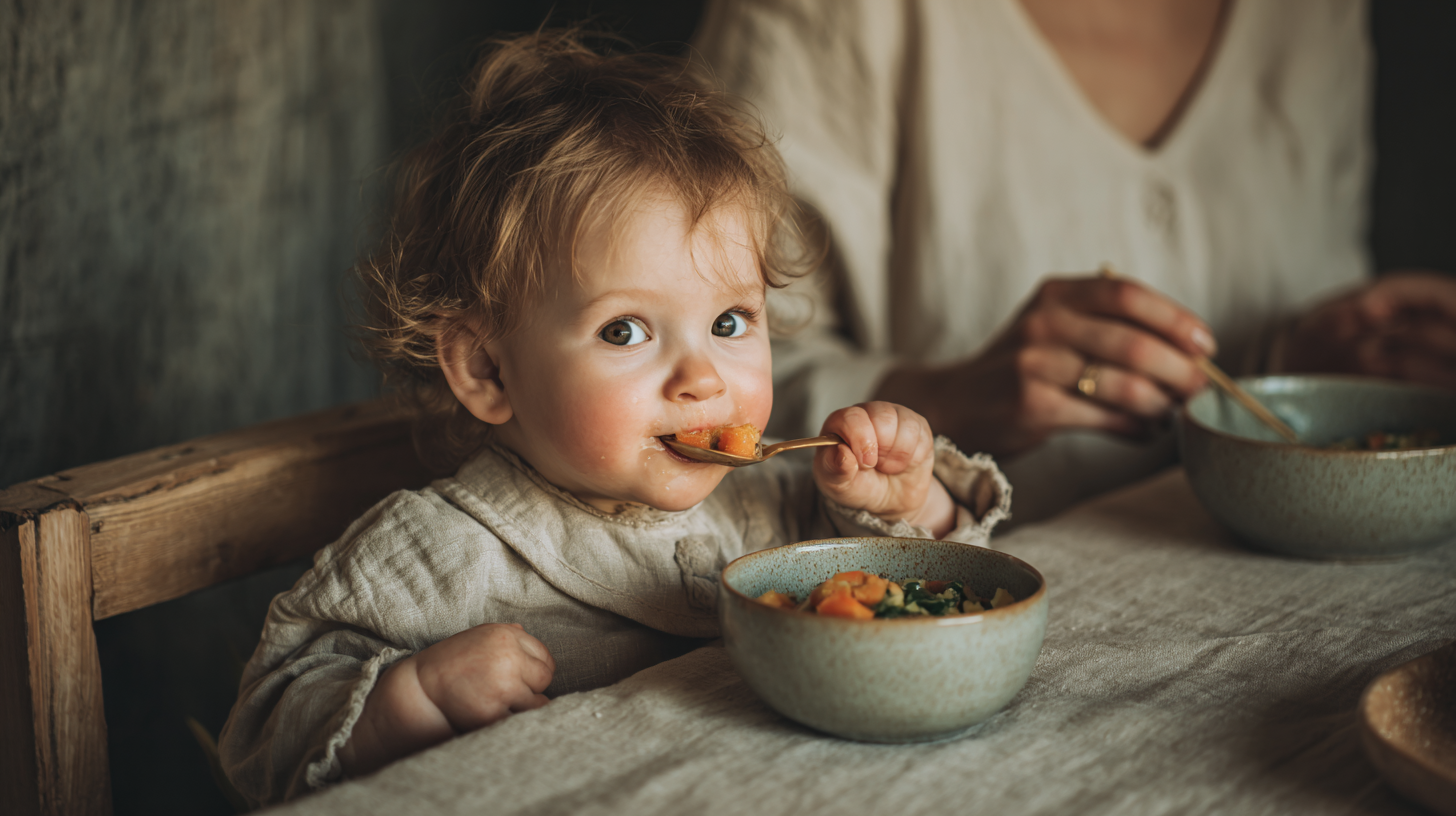
That shift changed everything. Mealtimes became joyful instead of terrifying. We started exploring new foods with confidence instead of fear. I could introduce those vibrant Caribbean flavors I grew up with—the sweet plantains, the rich pumpkin mashes, the aromatic seasonings that make food sing. My Caribbean Baby Food Recipe Book became a source of excitement instead of anxiety, because I finally had the confidence to try recipes like Coconut Rice & Red Peas and Plantain Paradise without that underlying current of fear.
I started noticing the incredible details I’d been too anxious to see before: the way her eyes light up when she tries a new flavor. The concentrated expression on her face as she works a piece of food around in her mouth. The proud smile when she successfully swallows something challenging. These moments were always there—I was just too terrified to experience them.
The Practice Scenarios That Built My Confidence
Here’s something nobody tells you: taking one CPR class isn’t enough. Skills decay over time without practice. Healthcare professionals who go 12 months since their last CPR training show increased anxiety when facing real cardiac arrest situations. If trained medical professionals experience skill decay, you can bet regular parents do too.
So I made a commitment: I’d practice once a month for ten minutes. I bought a baby CPR manikin for about $30 (far less than I spent on some of the baby gadgets gathering dust in my closet). Every month, I’d run through the scenarios:
CPR Confidence Builder Game
Test your readiness with these real scenarios. Choose your response and see if you’ve got the right instincts.
Your 8-month-old just grabbed a small piece of food off the floor and is now silent, turning red, unable to cry:
Scenario practice became my secret weapon. I’d mentally rehearse while doing dishes: “If she chokes on that piece of plantain, I’d position her face-down, give five back blows…” This mental rehearsal isn’t paranoia—it’s preparation. Just like pilots run through emergency procedures until they’re automatic, parents benefit from the same approach.
The beautiful thing about this practice? It never felt scary. Because I was practicing when calm, it became routine. And research shows that when you practice a motor skill while calm, your body can execute it even under stress. Your muscles remember even when your panicked brain tries to freeze.
The Caribbean Connection to Feeding Confidence
Growing up Caribbean, food was never just nutrition—it was love, culture, connection, and joy all wrapped up in vibrant flavors and communal meals. But when I became a mother, I found myself afraid to share those foods with my daughter. What if she choked on the sweet potato? What if the plantain was too much? What if, what if, what if?
CPR training gave me back my food culture. I could finally prepare those recipes from my childhood—the ones that taste like sunshine and island breezes and my grandmother’s kitchen—without that paralyzing fear stealing the joy. I made Cornmeal Porridge Dreams with coconut milk and cinnamon. I introduced her to Yellow Yam & Carrot Sunshine mash. I watched her face light up with Five-Finger Fusion puree.
When you’re cooking through recipes like those in the Caribbean Baby Food Recipe Book—things like Stewed Peas Comfort or Sweet Potato & Callaloo Rundown—you’re not just feeding your baby. You’re passing down heritage. You’re creating memories. You’re building their palate with bold flavors that will shape their relationship with food forever.
But you can only do that from a place of confidence, not fear. You can only truly enjoy watching your baby discover Papaya & Banana Sunshine or Coconut Rice & Red Peas when you trust yourself to handle whatever happens. That trust comes from knowledge. That knowledge comes from training.
What I Wish I’d Known Sooner
If I could go back and tell my terrified, newly-postpartum self one thing, it would be this: your fear is valid, but you don’t have to live in it alone. There’s a path from paralyzing anxiety to empowered preparedness, and it starts with three hours in a community center learning skills you hope you’ll never need but desperately need to know.
I wish I’d known that infant CPR training would change more than just my emergency response skills. It would change the entire emotional landscape of feeding. It would transform me from a hovering, anxious presence into a confident, watchful guide. It would allow my daughter to explore food with the freedom she needed to develop her eating skills, while I maintained the preparedness to keep her safe.
⏰ Your 30-Day Feeding Confidence Roadmap ⏰
Go from anxious to empowered in one month. Check off each milestone as you complete it.
I wish I’d known that the night I almost called 911 over a sweet potato gag would eventually become a funny story we laugh about, rather than a traumatic memory that reinforced my anxiety. Because that’s what preparedness gives you—the ability to look back at close calls and see them as learning moments rather than near-disasters.
Most of all, I wish I’d known sooner that there’s an entire community of parents who transformed their feeding anxiety the same way. Parents who went from terrified to confident. From paralyzed to prepared. From hovering to trusting. And every single one of them will tell you the same thing: the CPR class was the turning point.
Your Feeding Journey Deserves Better Than Fear
So here’s my challenge to you: stop waiting for the right time. Stop telling yourself you’ll take a CPR class “eventually” or “when things calm down” (spoiler alert: things never calm down with a baby). The right time is now. Before you introduce solids. Before the first gag that sends your heart racing. Before one more meal is stolen by anxiety.
Because every day you wait is another day you’re missing the magic. You’re missing the pure joy on your baby’s face when they discover that Sweet Potato & Callaloo Rundown or Geera Pumpkin Puree. You’re missing the pride you’ll feel when you confidently prepare Plantain Paradise or Ackee Adventure from your Caribbean recipe collection, knowing you can handle whatever happens.
You’re missing the transformation from parent who’s terrified of feeding to parent who celebrates it. And that transformation? It’s waiting for you in a three-hour class at your local community center or hospital.
The path from fear to confidence isn’t mysterious. It’s not about positive thinking or just “relaxing” (the most useless advice ever given to an anxious parent). It’s about taking one concrete action that changes everything: learning the skills you need to protect your child, so your body can finally believe what your mind knows—you’ve got this.
That sweet potato incident happened two years ago. My daughter is now a thriving toddler who eats everything from Tambran Ball Inspired purees to Karhee Curry Blend. She’s adventurous with food, confident in her abilities, and completely unbothered by the occasional gag that comes with learning to eat. And me? I’m the parent I always wanted to be—present, joyful, and prepared.
The CPR class didn’t just teach me how to save my daughter’s life in an emergency. It taught me how to actually live our feeding journey instead of just surviving it. And that’s a gift that keeps giving with every single meal.
Your feeding journey can start today—not with fear, but with confidence. Not with anxiety, but with joy. All it takes is three hours and the courage to choose preparation over paralysis. Because in the Caribbean tradition, food is meant to bring families together in celebration, not drive them apart in fear. Let’s reclaim that joy. Your baby—and your peace of mind—deserve nothing less.

Kelley's culinary creations are a fusion of her Caribbean roots and modern nutritional science, resulting in baby-friendly dishes that are both developmentally appropriate and bursting with flavor. Her expertise in oral motor development and texture progression ensures that every recipe supports your little one's feeding milestones while honoring cultural traditions.
Join Kelley on her flavorful journey as she shares treasured family recipes adapted for tiny taste buds, evidence-based feeding guidance, insightful parenting anecdotes, and the joy of celebrating food, culture, and motherhood. Get ready to immerse yourself in the captivating world of Kelley Black and unlock the vibrant flavors of the Caribbean for your growing baby, one nutritious bite at a time.
- From “Who’s Right?” to “We’ve Got This”: Building a Feeding Partnership That Actually Works - September 13, 2026
- You’re More Than Just the Person Who Feeds Your Baby - September 12, 2026
- You’re Doing Your Best: The Self-Compassion Revolution Every Feeding Parent Needs - September 11, 2026