
When to Let Go: Choosing Your Battles at the Table (Without Failing Your Child)
For the parent who has negotiated one too many bites today: this is your permission slip to put some battles down and still raise a well‑fed, confident little eater.
Quick Check-In: How Intense Are Your Food Battles Right Now?
Tap the option that feels closest to today, and watch how your “battle meter” responds.
If your shoulders jumped just reading those options, you are in good company. Many parents describe mealtimes as “battles,” especially when picky eating, strong-willed toddlers, or feeding worries become a daily storm. Underneath the spilled milk and rejected dinners is something serious: parents trying desperately to keep their children healthy, while quietly burning out in the process.
The quiet shock hiding in the research is this: fighting harder does not usually create better eaters. What changes everything is learning which battles are truly non-negotiable and which you are allowed to gently put down. That shift not only supports your child’s eating over time, it also protects your mental health and your family’s peace.

What “Choosing Your Battles” in Feeding Really Means
Choosing your battles in feeding is not about giving up or lowering your standards. It is about separating what truly matters for safety, growth, and long-term relationship with food from the everyday struggles that can safely be released. At its core, this lens draws from responsive feeding and the Division of Responsibility in feeding, where parents decide the what, when, and where of meals while children decide whether and how much to eat from what is offered.
Historically, many of us grew up with clean-your-plate pressure, bribes, and punishments tied to food. Those strategies were usually rooted in love and fear—fear of waste, hunger, or “spoiling” kids—but modern evidence links controlling feeding practices with more fussiness, emotional eating, and conflict. As feeding science has evolved, experts have shifted toward a gentler, more collaborative approach: trust your child’s appetite, protect boundaries that matter, and stop fighting over the rest.
Today this question—“Which battles are worth my energy?”—is more relevant than ever. Parents juggle busy jobs, economic stress, sometimes food insecurity, and the pressure of perfectly curated plates on social media. All of that can turn a normal picky phase into a crisis in your mind, even when your child is actually growing well. Learning how to zoom out, reset your expectations, and focus on evidence-based non-negotiables can be the difference between constant dread at dinner and a home where food is just one part of family life, not the main source of stress.
The Hidden Cost of Constant Feeding Battles
Research consistently shows that many children go through phases of selective eating. A large portion of typically developing kids will have strong preferences or avoid certain textures at various ages, yet still meet their nutritional needs over time. A smaller group experience more extreme food selectivity or feeding disorders, where intake, growth, or family functioning are genuinely affected. Understanding this difference is essential, because frequent but typical fussiness can look dramatic while still being developmentally normal.
What often becomes problematic is not the picky behavior itself, but the spiral it creates in parents. Studies on parenting stress highlight how food insecurity, chaotic schedules, and mental health challenges can make mealtimes feel overwhelming. When a parent is already stretched thin, every refused bite can feel like a judgment on their competence or a threat to their child’s future. That emotional weight makes it more likely they will push, plead, bribe, or give up in ways that backfire.
At the same time, work in child nutrition and psychology shows that emotional feeding—using food to soothe feelings—or controlling strategies like forcing bites or using dessert as leverage can interfere with a child’s ability to listen to internal hunger and fullness cues. Over time, that can shape patterns like overeating, anxiety around food, or digging in harder on picky behaviors. The more mealtime becomes a battleground, the less it feels like a safe place for connection, curiosity, and learning to enjoy new foods.
Interactive Reality Check: Preference or Possible Problem?
Choose the statement that sounds most like your child at the moment.
Typical picky phases generally allow for some flexibility across the week: maybe your child won’t touch the callaloo in tonight’s Sweet Potato & Callaloo Rundown, but happily eats pumpkin mash or rice and peas on other days. More concerning are patterns where the menu shrinks to a handful of foods, mealtimes are filled with distress, and growth or energy seems off. In those cases, the “battle” to fight is not at the table; it is advocating for an evaluation with your pediatrician or a feeding team that can support both your child and your family.
The hopeful news is that when parents reduce pressure and shift to a responsive framework, children’s eating tends to progress over time. Mealtimes that were once power struggles can become calmer, even if the menu is still a work in progress. That peace gives you the mental space to try new strategies, like offering Caribbean-inspired baby-friendly dishes—gentle plantain blends, soft pumpkin with coconut milk, or mango-based purees—without needing your child to love them on the first try.
Your Non-Negotiables: What Actually Matters
The first step in choosing your battles is deciding what, for your family, is truly non-negotiable. These are the areas where you stay consistent even when you are tired, even when your child protests, because they protect safety, nutrition, and values. Once these are clear, many other points of friction can be reclassified as flexible or “not worth the fight today.”
Most families benefit from grounding their non-negotiables in three domains: safety, growth and medical needs, and relationship and values. Within each domain, there is room to adapt to culture, family rhythms, and circumstances, but the underlying anchors stay steady. That consistency is what allows your child to relax into the structure, while knowing they still have meaningful control over how their own body feels at the table.
Build Your Personal Non-Negotiable List
Select the statements that feel important for your family. Then click “Show My Non-Negotiables.”
Safety non-negotiables include age-appropriate textures and choking precautions, supervised and seated eating, and a clear rule that food will not be used to punish or humiliate your child. Growth and medical non-negotiables include following up if your child is not gaining weight well, appears unusually tired, or has medical conditions such as allergies or celiac disease that require consistent management. Relationship and values non-negotiables might include avoiding body shaming, rejecting “clean your plate” pressure, or preserving shared mealtime as a screen-light, connection-focused part of the day.
When you know these are the hills you will stand on, it becomes easier to let other things slide. You can decide, for example, that on hard days it is okay if your toddler eats mostly the coconut rice and skips the callaloo, or if your baby leans heavily on familiar sweet potato today while you keep the more adventurous mango and papaya blends for calmer mornings. That flexibility does not mean you are inconsistent; it means you are protecting your energy so you can show up calmly for the parts that truly matter.
Where You Can Gently Let Go (Without Failing Your Child)
Once non-negotiables are set, you can start to identify the many places where battles are optional. Often, these are the areas where parental expectations clash with what is developmentally realistic: wanting variety at every meal instead of across the week, expecting toddlers to love mixed textures immediately, or insisting on “one more bite” even when a child is clearly done. Letting go here is not irresponsible; it is strategic.
One powerful shift is accepting that children’s intake can vary wildly from meal to meal. Some days your child might devour their Plantain Paradise or Yellow Yam & Carrot Sunshine; other days they may poke at two bites and be done. As long as growth is on track and you are offering balanced options across meals and snacks, you can allow that variability instead of chasing every calorie. This reduces your anxiety, which in turn helps your child feel safer experimenting with new flavors and textures.
Another area to release is the order of eating and the “perfect plate” ideal. It is okay if your toddler eats the sweet plantain or coconut-rich pumpkin first and only later nibbles on beans or vegetables, especially if the overall offer is balanced. You can also use themed meals to keep your energy up—like a simple night of Cook-Up Rice & Beans Smooth and soft ripe plantain—without seeing it as a failure that you did not plate three vegetables and a protein. Big-picture patterns over several days matter more than the beauty of any single plate.
If you are craving more simple, island-inspired ideas that still keep nutrition in mind, a structured resource like the Caribbean Baby Food Recipe Book: Easy & Healthy Homemade Meals for Infants & Toddlers can be a game changer. It gathers over 75 baby-friendly recipes—like Pumpkin & Coconut Milk purées, Green Papaya blends, or Mangú Morning—that you can rotate without reinventing the wheel every night, making it easier to relax about variety while still offering nourishing options.
Prioritizing Your Mental Health Without Losing the Plot
Parental mental health is not a bonus item on the feeding checklist; it is one of the main ingredients. Studies that look at depression, anxiety, and parenting stress show clear links between how overwhelmed a caregiver feels and how they respond at the table. When you are running on fumes, it is much harder to calmly hold boundaries, tolerate picky phases, or resist using food as a bribe or emotional bandage.
That is why one of the most radical “feeding interventions” is giving yourself permission to simplify. On high-stress days, your job is not to run a perfect exposure plan; it is to protect your relationship with your child and protect yourself from burning out. That might mean serving a “low-effort, high-familiarity” dinner—maybe Mangú Morning for the baby and the adult version with cebollas curtidas for you—or assembling a quick Coconut Rice & Red Peas bowl instead of cooking something elaborate your child might refuse anyway.
You can also reframe breaks as strategic pauses instead of failures. It is perfectly valid to tell yourself, “For the next week, I am putting new-food pressure down,” while you focus on re-establishing calm routines and caring for your own nervous system. When your mental load is lighter, you will have more patience to offer a new flavor like Guanabana Dreams or a gentle Green Papaya Pleasure without needing immediate success to feel okay.
Mini Reset: What Can You Put Down This Week?
Select one thing you’re willing to release temporarily, then tap “Show Reset Permission.”
For many Caribbean families and diaspora parents, there is also cultural pressure to show love through abundant food and “strong” children. You might hear relatives urging more bites of yam, cassava, or rice, or worrying loudly if a child seems slim. It can help to remember that honoring your heritage and prioritizing mental health are not opposites—you can serve beloved dishes like Sweet Potato & Callaloo Rundown or Cassareep Sweet Potato in baby-friendly versions while still defending your boundary that you will not force-feed or shame your child at the table.
Distinguishing Preferences from Problems (With Perspective)
The line between “just picky” and “this needs specialist support” can feel blurry when you are in the trenches. One guiding question is: “Is my child’s eating causing functional problems?” That might look like poor growth, low energy, constant battles that derail family life, or extreme distress during mealtimes. When functional problems show up, it is time to shift from battling your child to advocating for them.
Typical preferences often include rejecting certain textures (like slimy okra), needing many exposures to accept a new island flavor, or preferring comfortable options like batata-and-apple mash over more complex dishes. These children usually maintain energy and growth, and they may explore new foods slowly when the pressure is low. You can support them by repeatedly offering small tastes of family foods—like a bit of Geera Pumpkin Purée or a spoon of Cook-Up Rice & Beans Smooth—without forcing, bribing, or over-explaining.
More concerning patterns include extremely limited menus (only a few foods total), frequent gagging or vomiting, intense panic when new foods are presented, or mealtimes that stretch on with constant coaxing and chasing. If you see these, your “battle” becomes getting on a waitlist for a feeding evaluation, keeping meals short and predictable, and protecting your child from pressure while you wait. This is where feeding therapists, dietitians, and medical providers can guide you through stepwise strategies and rule out underlying issues.
In both cases, focusing on connection helps. Even if your child only eats a bit of Plantain Paradise tonight, that meal can still be a success if you shared a laugh, stayed calm, and maintained your non-negotiables. Over time, the atmosphere you create at the table has as much impact as the exact ingredient list on your child’s plate.

Real-Life Scenarios: When to Hold Firm and When to Let Go
Sometimes the fastest way to feel clarity is to “try on” different scenarios. Below are three common mealtime situations and how choosing your battles might look in each. As you read, see which one feels closest to your current reality.
Scenario 1: Every Meal Is a Negotiation
Your child is growing well, but every meal involves bargaining: “Three more bites and you get dessert,” “Just try it for me,” or “No tablet unless you finish.” You walk away feeling drained, they walk away annoyed, and nobody actually enjoys the food. Underneath it all, you are terrified that if you stop pushing, they will only eat air and crackers.
Here, your non-negotiables might be: everyone sits at the table for 20–30 minutes, no force-feeding, and screens are limited during that window. You always include at least one “safe” food—maybe Papaya & Banana Sunshine or a small portion of Coconut Rice & Red Peas—alongside other family foods. What you let go of is the minute-by-minute negotiation; you offer the food, stay neutral, and end the meal when time is up, trusting your child to eat what they need from what you provided.
Over time, this reduces the sense that eating is a performance. You will likely notice fewer tantrums when dessert is not tied to bite counts and fewer power struggles when your child knows you will not argue over each forkful. That calmer environment makes them more open to tasting new ingredients, including gently spiced Caribbean dishes that reflect your family’s roots.
Scenario 2: “I’m Mentally Done” Nights
Some evenings, you are so tired you cannot imagine chopping another vegetable or negotiating another bite. Maybe you have a baby who has been up all night, a job that drained every ounce of energy, or relatives calling with unsolicited feeding advice. On those nights, perfectionism around food becomes your enemy.
Choosing your battles here starts with granting yourself full permission to simplify. That could look like a “comfort and calm” menu: Stewed Peas Comfort with soft rice or a smooth Sweet Potato & Callaloo Rundown portioned for your baby and older siblings. You still honor your non-negotiables—no pressure, seated eating, some structure—but you drop the extras: no new-food goals, no fancy plating, no guilt for not offering five vegetables.
Having a bank of easy recipes makes this much easier. Resources that focus specifically on Caribbean-inspired baby meals, like the Caribbean Baby Food Recipe Book: Easy & Healthy Homemade Meals for Infants & Toddlers , give you ready-to-use combinations—Calabaza con Coco (Pumpkin & Coconut Milk), Green Papaya Pleasure, or Ti Pitimi Dous (Sweet Millet Baby Cereal with Cinnamon)—so you can protect your energy without defaulting to ultra-processed options.
Scenario 3: “This Feels Bigger Than Picky Eating”
You might be noticing that your child’s list of accepted foods is shrinking, mealtimes are filled with tears or gagging, or growth charts are starting to dip. Your gut says this is more than just a strong preference for plain batata mash, but you worry that asking for help means you have failed somehow.
In this situation, the battle worth fighting is not over the next bite—it is over access to appropriate support. Your non-negotiables become: contacting your pediatrician, keeping a calm record of what your child does and does not eat, and pushing for referrals to a feeding therapist or team if your concerns are dismissed. At the table, you step away from force or bribes and instead focus on short, predictable meals with one or two familiar “safe” options and a neutral presentation of new foods.
The goal is to preserve trust and reduce trauma around eating while specialists help you navigate the underlying issues. That might include sensory sensitivities, oral-motor challenges, medical problems, or learned fear from past negative experiences. Even here, cultural comfort foods have a role—you might use very smooth versions of dishes like Amerindian Farine Cereal or Malanga Blanca Puré as safe bases, adjusting textures gradually as your child’s skills and confidence grow.
Which Scenario Feels Closest to You?
Tap the one that fits best to get a tailored “next step” suggestion.
Evidence-Based Principles That Quiet the Chaos
While every family’s story is unique, several principles show up again and again in the research on feeding, parenting, and child development. These are the quiet rules that help you decide, in the moment, “Is this worth a battle?” and “What matters more right now: one extra bite or our relationship?”
First, responsive feeding beats pressure. When caregivers pay attention to hunger and fullness cues, provide structure, and let children decide how much to eat, kids tend to regulate intake better and show less extreme fussiness. This does not mean letting your child graze all day; it means offering regular meals and snacks, sitting together as often as possible, and trusting them to eat what they need from what you provide.
Second, emotional climate matters. Children learn as much from how we act around food as from what we serve. A parent who can breathe through a refused spoon of Chenchén con Leche and say, “Okay, you don’t have to eat it,” teaches that food is not a test or a weapon. Over time, that relaxed atmosphere makes kids more open to tasting mango, allspice-kissed pumpkin, or gentle coconut milk blends because they are not bracing for pressure.
Third, the big picture wins over any single meal. Growth patterns, energy levels, and general wellbeing speak louder than one dinner where your toddler ate only Yellow Yam & Carrot Sunshine and ignored the beans. When you catch yourself spiraling about today’s intake, zoom out: has your child been active, curious, and growing over the past months? If yes, chances are you can file that battle under “not worth the fight.”
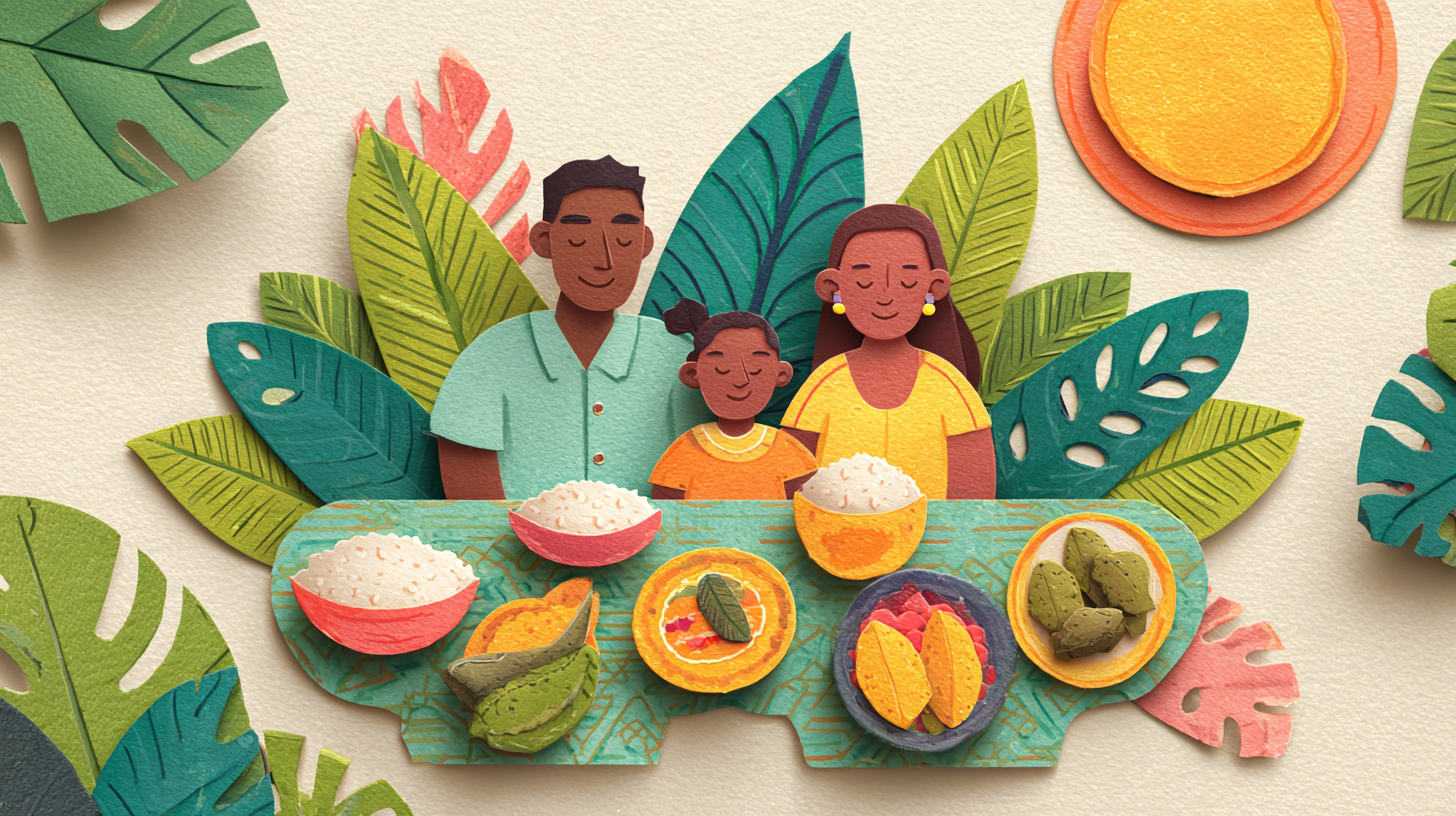
Bringing It All Together: A New Way to Measure “Good Feeding”
Here is the quiet revolution: good feeding is not measured by how many bites your child eats tonight; it is measured by the blend of structure, respect, and self-care you bring to the table over time. It is the calm way you say, “You don’t have to eat it,” when they turn away. It is the decision to serve a simple Cassareep Sweet Potato mash because that is what your energy allows. It is the courage to ask for help when you suspect something deeper is going on.
A more helpful scoreboard for feeding might include questions like: Did we sit together? Did I keep my non-negotiables? Did I avoid shaming or forcing? Did I care for my own nervous system at least a little today? When this is how you define success, the nightly “what did they eat” anxiety loses some of its power. You start seeing progress in tiny moments of connection, not just in cleaned plates.
Tools that make your job easier are worth embracing. Something as simple as having an organized collection of island-inspired, baby-friendly recipes—like the ones in the Caribbean Baby Food Recipe Book: Easy & Healthy Homemade Meals for Infants & Toddlers —can reduce decision fatigue. When you do not have to invent what to cook, you free up emotional bandwidth to stay present, curious, and kind at the table.
Your One-Sentence Takeaway for Tonight
Tap the phrase that feels most healing, then hit “Lock In My Mantra.”
If you remember nothing else from this article, remember this: you are allowed to stop fighting every feeding battle. You are allowed to prioritize safety, steady growth, and the warmth at your table over winning every argument about peas or plantain. You are allowed to choose ease some nights and to ask for professional help when your instincts whisper that something is off.
One day, your child will barely remember whether they ate the Geera Pumpkin Purée or the Mangú Morning on a given Tuesday. What they will remember is how it felt to sit at the table with you: the sound of your laugh, the calm in your voice, the sense that home was a place where their body and feelings were respected. Those are the battles worth fighting for—and you do not have to fight them alone.
As you move forward, let your non-negotiables guide you, let your mental health matter, and let small, practical tools—from simple Caribbean baby food recipes to tiny mantras like the one you just chose—make the journey lighter. You and your child deserve a table that feels more like an island breeze than a war zone, one small, gentle meal at a time.

Kelley's culinary creations are a fusion of her Caribbean roots and modern nutritional science, resulting in baby-friendly dishes that are both developmentally appropriate and bursting with flavor. Her expertise in oral motor development and texture progression ensures that every recipe supports your little one's feeding milestones while honoring cultural traditions.
Join Kelley on her flavorful journey as she shares treasured family recipes adapted for tiny taste buds, evidence-based feeding guidance, insightful parenting anecdotes, and the joy of celebrating food, culture, and motherhood. Get ready to immerse yourself in the captivating world of Kelley Black and unlock the vibrant flavors of the Caribbean for your growing baby, one nutritious bite at a time.
- The Feeding Revolution: Why Your Everyday Meals Are Changing the World - October 13, 2026
- Your Feeding Story Matters More Than The “Perfect” One Online - October 12, 2026
- Looking Forward: Stepping Into Your Confident Feeding Future - October 11, 2026