The Working Mom’s Secret Weapon: 15-Minute Baby Feeding Solutions That Actually Work (Without the Guilt)
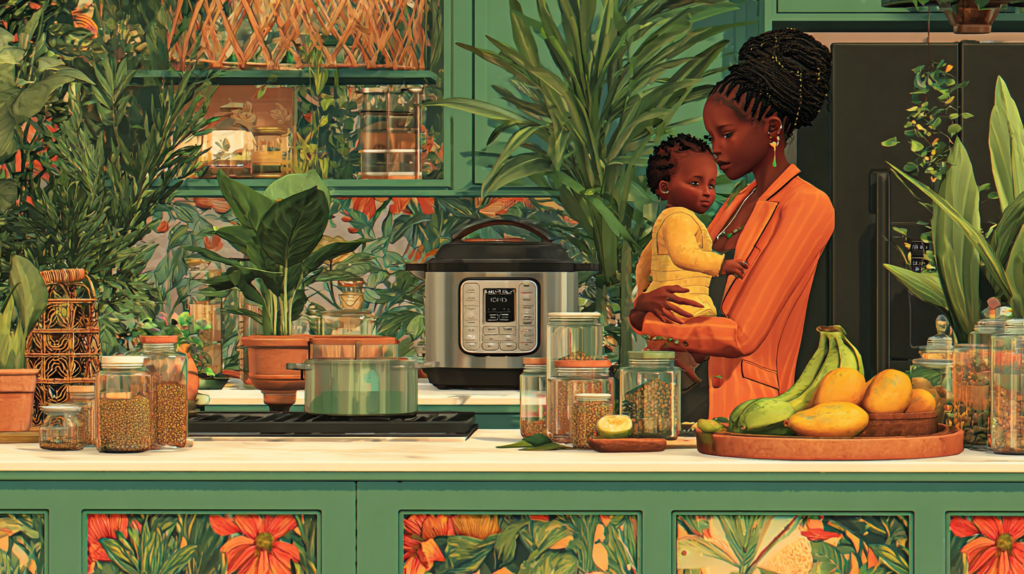
Last Tuesday, I stood in my kitchen at 6:47 PM. My daughter was crying in her high chair, covered in what used to be sweet potato. My phone buzzed with three work emails marked “urgent.” The rice cooker timer screamed. And somewhere in the chaos, I realized something that changed everything: I’d been doing this all wrong.
Here’s what nobody tells you about working motherhood and baby feeding—the real truth hiding behind Instagram’s filtered feeding moments and Pinterest’s perfect purees. After 1,800 hours (yes, that’s nearly a full-time job) spent on infant feeding alone, working mothers aren’t failing. The system is.
But what if I told you that the global baby food market reaching $110.12 billion in 2024 isn’t growing because parents are lazy? It’s because 83% of working mothers return to work within 12 weeks postpartum, and we’re all desperately seeking solutions that honor both our careers and our babies’ nutrition. The real gap? Nobody’s talking about realistic, time-efficient approaches that acknowledge the beautiful chaos of work-life demands.
This isn’t another guilt-inducing blog post about organic everything or homemade perfection. This is about survival. About thriving. About those 15-minute windows between daycare pickup and bedtime meltdown. This is your permission slip to do feeding differently—and still nail it.
⏰ Your Time Reality Check: How Much Time Do You REALLY Have?
Click your typical weeknight scenario to discover your personalized feeding strategy:
The Shocking Truth About Working Parents and Baby Feeding
Let me hit you with some truth that’ll make your morning coffee taste bitter: While over 80% of U.S. mothers start breastfeeding, less than 25% exclusively breastfeed at six months. Return-to-work? It’s the number one culprit. But here’s what really gets me—we’re the only high-income nation without federally mandated paid maternity leave, yet we’re drowning in advice about “optimal feeding practices.”
The math doesn’t math. Breastfeeding alone equals 1,800 hours annually—basically a full-time job on top of your actual full-time job. And when you factor in solid food preparation, feeding time, and cleanup? You’re looking at another 10-15 hours weekly. Where exactly are we supposed to find this time? Between midnight and 3 AM?
But here’s where it gets interesting. Research from 2023-2025 reveals something game-changing: Quality feeding interactions matter infinitely more than quantity of time spent. Babies whose parents work full-time show zero negative developmental impacts when feeding relationships maintain responsive, present interactions—even if those moments are shorter.
Translation? That rushed 15-minute dinner where you’re fully present, making eye contact, responding to your baby’s cues? It’s worth more than an hour of distracted, guilt-ridden feeding while you’re mentally writing tomorrow’s presentation.
Weekend Batch Cooking: Your New Best Friend
Okay, real talk. When I first heard “batch cooking,” I pictured some Pinterest-perfect mom with matching containers and color-coded labels, spending eight hours every Sunday in the kitchen. Nah. That’s not us. That’s not reality. That’s definitely not happening when you’ve got exactly 90 minutes before your toddler destroys something valuable.
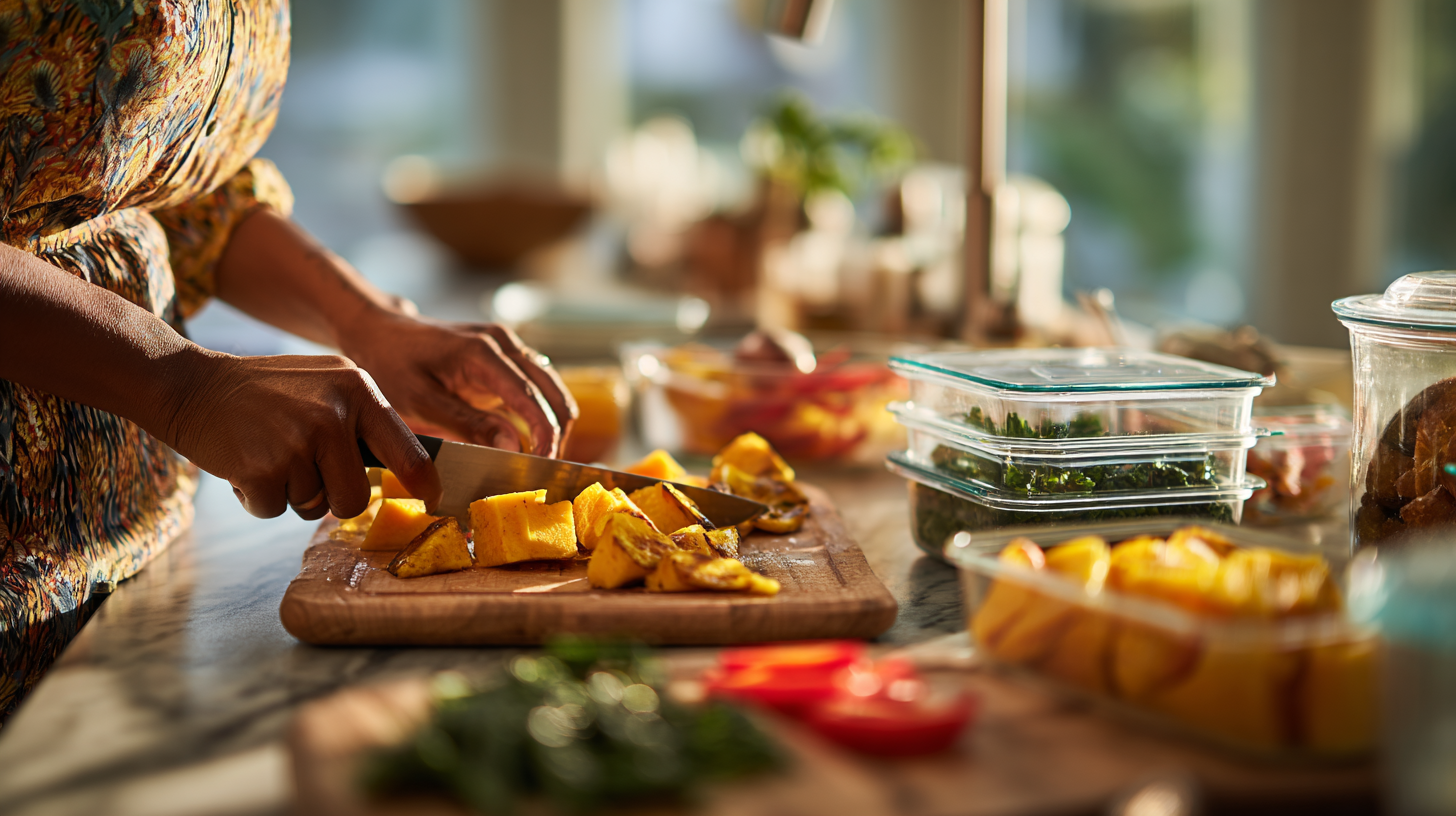
Here’s what actually works: One hour. One session. Three to four weeks of meals. That’s it. That’s the formula.
The secret? You’re not making elaborate gourmet baby cuisine. You’re making smart, nutritious, freezer-friendly basics that your baby will actually eat. Think beet tofu balls (sounds fancy, takes 20 minutes), vegetable fritters, baby muffins loaded with produce you’d normally toss, and fish cake balls that my daughter calls “circle food” and devours.
My grandmother from Trinidad taught me something profound while making her famous callaloo: “Chile, the best food is the food that gets eaten.” Not the most beautiful. Not the most complicated. The food that actually makes it into your baby’s belly without a full-scale meltdown.
Your Personal Batch Cooking Blueprint
Select what you have available this weekend:
The real game-changer? Using Caribbean ingredients that naturally batch well. Sweet potatoes (or batata, as we call them), plantains, pumpkin, beans—these aren’t just culturally rich foods. They’re nutritional powerhouses that freeze beautifully and reheat in minutes without losing texture or nutrients.
Speaking of Caribbean-inspired nutrition, if you’re looking for specific recipes that honor your island roots while meeting modern time constraints, the Caribbean Baby Food Recipe Book features over 75 batch-friendly recipes specifically designed for working parents. Recipes like Coconut Rice & Red Peas, Plantain Paradise, and Sweet Potato & Callaloo Rundown that take 15 minutes active prep time but feed your baby for weeks.
The 15-Minute Weeknight Miracle Method
It’s 5:30 PM on a Wednesday. You just walked through the door with a cranky baby who skipped their afternoon nap (because of course they did). Dinner needs to happen in exactly 15 minutes or all hell breaks loose. What do you do?
This is where the magic happens—when you’ve prepped smart on the weekend, weeknights become almost laughably easy. Almost.
The Instant Pot Vegetable Method: You know what changed my life? Starting my Instant Pot the moment I get home—before I even take off my shoes. Seriously. Walk in, toss in pre-chopped vegetables (prepped on Sunday), hit the button, and by the time you’ve changed the baby and washed your hands, dinner’s done. Leftover veg goes in the fridge and reheats in minutes using your oven’s steam function or microwave.
The 60-Second Scramble: Scrambled eggs. One minute. That’s all. Mix in some pre-shredded sweet potato or that batch-cooked pumpkin puree from your freezer stash. Protein, healthy fats, vegetables—done. Pair with pre-washed fruit. Total active cooking time? Under three minutes.
The Microwave Magic: Listen, I know some people clutch their pearls at microwaving baby food. But you know what’s worse for your baby than a microwave? A stressed, overwhelmed, guilt-ridden mother who’s too exhausted to be present during feeding. One minute to heat pre-shredded carrots with a tablespoon of coconut milk? That’s not lazy. That’s survival. That’s smart.
No-Mess Feeding Setups That Save Your Sanity
Can we talk about the mess for a second? Because the mess—oh lord, the mess—is why so many working parents cave and just buy pouches for every meal. I get it. When you’ve got 15 minutes total and 30 minutes of cleanup staring at you, the math doesn’t work.
But here’s what nobody tells you: The right setup eliminates 80% of the mess before it happens.
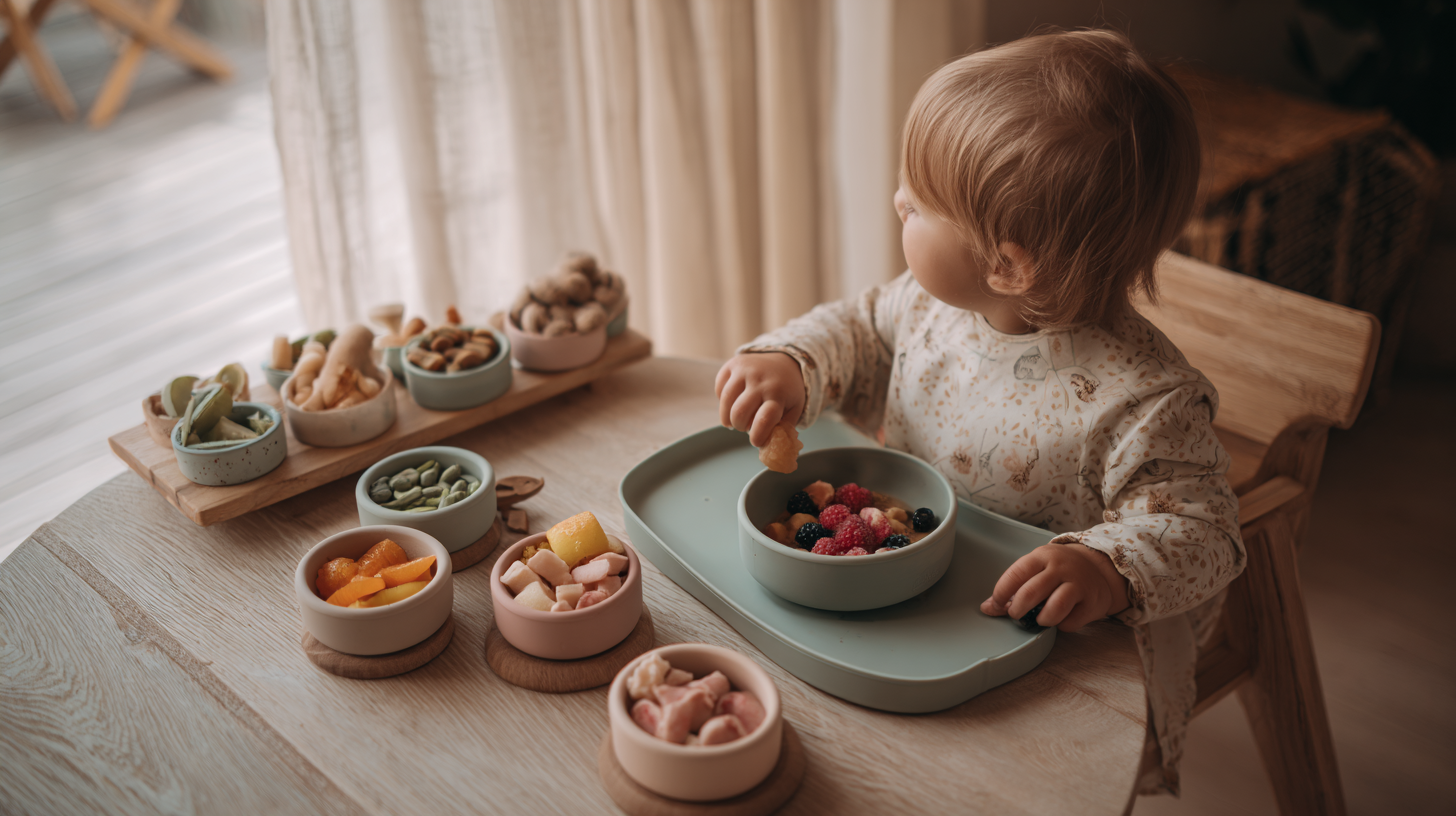
Silicone suction mats are your new religion. They stick to the high chair tray like they’re superglued (they’re not, they wash off easily, praise be). Food stays on the mat instead of achieving flight. Get ones with sections—keeps foods separate, which apparently matters to tiny humans with strong opinions about peas touching sweet potatoes.
Silicone baby spoons for self-feeding are game-changers. Soft enough they can’t hurt themselves, dishwasher safe, and here’s the kicker—they don’t hold onto food smells like plastic ones do. After three months of use, they still smell like nothing instead of like a science experiment.
The splat mat situation? Game over. High chair splat mats create a contained feeding zone. Everything that hits the floor stays on the mat. After feeding, you literally just pick it up, shake it over the trash, and wipe it down. Thirty seconds of cleanup versus 15 minutes of crawling around finding rogue blueberries? Yes, please.
Feeding Guilt Myth Buster
Click each myth to reveal the research-backed truth:
MYTH: “Homemade is always better than store-bought”
Research shows zero nutritional difference between properly prepared commercial baby food and homemade when both meet safety standards. What DOES matter? Your mental health and feeding relationship quality. A calm parent with a jar is better than an exhausted, resentful parent with homemade everything.
MYTH: “Working mothers can’t successfully breastfeed”
Success isn’t defined by exclusivity—it’s defined by meeting YOUR family’s needs. Combination feeding (breast + formula) is valid, nutritionally complete, and maintained by millions of working mothers. Fed is best. Your mental health is best. Sustainable feeding is best.
MYTH: “Quick meals mean poor nutrition”
15-minute meals can be nutritionally superior to elaborate 2-hour preparations. Why? Because you’re using whole foods, minimal processing, and fresh ingredients. A simple sweet potato, avocado, and banana mash prepared in 5 minutes beats over-processed “gourmet” baby food every single time.
MYTH: “Less time means less bonding”
2023 research proves quality trumps quantity every time. 15 minutes of fully present, responsive feeding creates stronger attachment than an hour of distracted, stressed interaction. Your baby needs your presence, not your perfection.
Daycare Coordination: The Game Nobody Teaches You
Let’s get into the coordination dance between home and daycare, because this is where things get tricky. You’re trying to maintain consistency, but you’re also not physically there for 8-10 hours daily. How do you keep feeding on track when someone else is doing half the job?
Here’s my system, developed after six months of trial and error (okay, mostly error):
Night-before bottle prep combined with daycare-handled morning solids has saved my sanity more times than I can count. My baby gets just bottles from me in the morning chaos, then solid food at daycare where they actually have time and patience. This eliminates the 6:30 AM breakfast battle when we’re both barely awake.
The communication log is your secret weapon. Not some elaborate app—just a simple shared note where daycare writes what baby ate, how much, and any reactions. I review it during my commute home, so I know exactly what to serve for dinner (and what to avoid because she already had it twice).
Weekly face-to-face check-ins during pickup or dropoff keep everyone aligned. Five minutes. That’s all it takes. “How’s she doing with textures?” “Any new foods we should try together?” “She’s been super hungry at 4 PM—should we adjust snack timing?”
Your Daycare Feeding Communication Checklist
Click each item as you complete it—track your coordination game!
The key? Trust your daycare providers while staying informed. They’re feeding multiple babies daily—they’ve seen it all. When my daughter refused vegetables for three days straight at home, her daycare provider casually mentioned mixing them with a tiny bit of her favorite fruit first. Boom. Problem solved. Sometimes it takes a village, and that village includes people who’ve fed 500 babies before yours.
Real Talk: Making Caribbean-Inspired Quick Meals Work
Now, let me bring this home—literally. Because if you’re Caribbean or Caribbean-American like me, you’re probably thinking, “This all sounds great, but what about our food? Our spices? Our culture?”
Here’s the beautiful truth: Caribbean ingredients are literally designed for busy cooking. I’m serious. Our ancestors were working the land from sunrise to sunset—you think they had time for complicated meal prep? No. They created nutrient-dense foods that cook quickly, store well, and feed large groups.
Sweet potatoes steam in 12 minutes. Plantains bake in 15. Green bananas boil in 20. Pumpkin microwaves beautifully. Coconut milk adds instant creaminess and healthy fats. Beans pressure cook in 30 minutes but feed you for days.
The spices? They’re not just flavor—they’re nutrition. Cinnamon helps regulate blood sugar. Ginger aids digestion. Allspice has antioxidants. Thyme has antimicrobial properties. Our grandmothers weren’t just making food taste good; they were making medicine disguised as dinner.
️ Your 15-Minute Caribbean Meal Matcher
Click your scenario to get your instant meal solution:
Want to explore more Caribbean-inspired quick meals? The Caribbean Baby Food Recipe Book breaks down traditional recipes into 15-minute adaptations. Recipes like Cornmeal Porridge Dreams (8 minutes start to finish), Yellow Yam & Carrot Sunshine (12 minutes), and Papaya & Banana Sunshine (literally 3 minutes) that connect your baby to their cultural heritage without the time investment you don’t have.

The Quality Over Quantity Revolution
Here’s where I need you to really hear me, because this is the part that changed everything for me personally.
For months—months—I carried guilt so heavy it physically hurt. Guilt about working full-time. Guilt about not making everything from scratch. Guilt about the 15-minute dinners. Guilt about formula supplementation. Guilt about the store-bought baby food stash in my pantry. Guilt about not being there for every single meal.
Then I discovered research from 2023 that literally made me cry in a Target parking lot (very on-brand for working motherhood, honestly). Quality of feeding interactions matters infinitely more than quantity of time spent.
Let me say that again, louder, for the mothers in the back drowning in guilt: Your presence matters more than your perfection.
Babies whose parents work full-time show zero—ZERO—negative developmental impacts when feeding relationships maintain responsive, present interactions. Even if those moments are shorter. Even if some meals happen at daycare. Even if dinner is scrambled eggs and pre-cut mango three nights this week.
What creates secure attachment during feeding? Eye contact. Responding to hunger and fullness cues. Talking to your baby about the food. Making feeding a connected, stress-free experience. Being there—really there—even if it’s just for 15 minutes.
What damages feeding relationships? Stress. Distraction. Resentment. Guilt. Feeling like you’re failing. Being physically present but mentally absent because you’re overwhelmed by expectations you can’t meet.
The Quality vs. Quantity Truth Revealer
Click “Reveal the Truth” on each scenario to discover what research actually shows:
1 hour distracted feeding
Parent present but checking phone, stressed about work, mentally absent
Why: Baby receives minimal responsive feedback. No eye contact. Parent misses hunger/fullness cues. Baby learns feeding is not a connected experience. Duration doesn’t matter without presence.
15 minutes fully present
Parent engaged, responsive, making eye contact, talking about food, reading baby’s cues
Why: Quality responsive interactions create secure attachment. Baby feels seen, understood, and safe. Short, consistent, connected feeding moments build stronger bonds than long, distracted ones. This is what matters.
The Research-Backed Reality:
• Working mothers who prioritize quality feeding interactions have babies with equivalent or better attachment outcomes compared to stay-at-home mothers with more time but higher stress.
• 15 minutes of responsive feeding beats an hour of distracted feeding 100% of the time.
• Your presence + your baby’s nutrition = success. Everything else is just noise.
The Partner Coordination Reality
Let’s talk about something nobody wants to admit: You can’t do this alone. And you shouldn’t have to.
The most successful working parent feeding setups I’ve seen involve rotating evening duties between partners. One night, you cook while your partner handles bath and bedtime. Next night, you swap. Weekend solo time rotates too—you get Saturday morning off, partner gets Sunday morning off. This prevents the burnout that makes everyone miserable.
Crockpot and air fryer strategies become family projects. Sunday afternoon, make taco meat and spaghetti sauce together—enough for two weeks. Air fryer salmon takes eight minutes and feeds everyone. These aren’t just “baby meals”—they’re family meals that baby participates in. That’s the real hack.
And honestly? Sometimes the most loving thing you can do is order takeout, pick out the baby-safe components (rice, steamed veggies, plain protein), and call it a night. Nobody gets a medal for cooking every single meal from scratch. But you might get a medal for preserving your sanity and your relationship.
Building Your Personal System
Here’s what I want you to understand: There is no one “right” system. There’s only the system that works for your family, your schedule, your baby, your resources, and your sanity.
Maybe your system is batch cooking on Sundays and serving those meals all week. Maybe it’s cooking fresh every night using pre-prepped ingredients. Maybe it’s relying heavily on quality commercial baby food supplemented with homemade on weekends. Maybe it’s formula plus family foods using Baby-Led Weaning. Maybe it’s all of the above on a rotating basis.
The only wrong system is the one that makes you feel like you’re failing. The one that creates more stress than it solves. The one that damages your feeding relationship because you’re so overwhelmed you can’t be present.
My system evolved over months. It looks like this now: Weekend batch cooking produces 3-4 core components (roasted sweet potatoes, black beans, plantains, mixed vegetables). I mix and match these throughout the week with quick-cook additions. Emergency commercial baby food lives in my pantry guilt-free. Wednesday nights, we order from the Caribbean restaurant and baby eats modified versions of our takeout. Friday nights are scrambled egg and fruit nights because we’re all exhausted. And you know what? My daughter is thriving.
She’s hitting all her milestones. She loves food. She eats adventurously. She’s healthy. She’s happy. And our feeding relationship is strong because I stopped trying to be perfect and started focusing on being present.
Your Permission Slip
Remember that moment I mentioned at the beginning? Standing in my kitchen at 6:47 PM, covered in sweet potato, drowning in guilt?
Here’s what changed: I gave myself permission. Permission to do it differently. Permission to prioritize presence over perfection. Permission to use every shortcut, hack, and time-saving tool available. Permission to feed my baby in ways that honored both her needs and mine.
And now I’m giving you that same permission slip.
You are not failing because you work full-time. You are not failing because you use store-bought baby food sometimes (or often). You are not failing because you serve simple meals. You are not failing because you need help. You are not failing because you can’t do it all.
You’re succeeding because you’re showing up. Because you’re seeking solutions. Because you’re trying to do right by your baby while also maintaining your career, your identity, and your mental health. That’s not failure—that’s heroic.
The baby food market hit $110.12 billion because millions of working parents are in the exact same position as you. Seeking realistic solutions. Trying to balance it all. Doing their absolute best with the time and resources they have. You’re not alone in this.
And here’s what I know for certain after countless conversations with working parents, pediatricians, feeding therapists, and my own grandmother who raised six children while working full-time: Fed is best. Present is best. Sustainable is best.
Your 15-minute feeding solutions aren’t shortcuts—they’re smart strategies that honor both your baby’s nutrition and your family’s reality. They’re the system that lets you show up fully present for those feeding moments instead of resentful and exhausted. They’re the approach that makes working parenthood sustainable instead of soul-crushing.
So yes, batch cook those sweet potatoes on Sunday. Yes, use that Instant Pot for 10-minute dinners. Yes, keep commercial baby food in your pantry. Yes, let daycare handle some meals. Yes, serve scrambled eggs three nights this week if that’s what works. Yes, use pre-cut fruit. Yes, embrace the silicone mats and no-mess setups. Yes, ask for help. Yes, rotate duties with your partner. Yes, prioritize your mental health.
And if you want a deeper dive into Caribbean-inspired quick meals that connect your baby to their cultural roots without the time investment, the Caribbean Baby Food Recipe Book offers 75+ recipes specifically designed for working parents—complete with batch cooking tips, freezer storage guidance, and 15-minute meal variations.
Because at the end of the day—at the end of your life, really—what will matter isn’t whether every meal was homemade or how many hours you spent in the kitchen. What will matter is whether you were present. Whether you were happy. Whether you enjoyed those fleeting baby feeding moments instead of drowning in stress and guilt.
The magic isn’t in the method. The magic is in those 15 minutes when you’re both together, connected, and present. That scrambled egg dinner where you’re making eye contact and talking about the yellow color and responding to your baby’s cues? That’s everything. That’s what builds attachment. That’s what creates security. That’s what they’ll remember—not the method, but the feeling.
So take your 15 minutes. Use your shortcuts. Embrace your system. Show up present. And let go of the guilt.
You’ve got this, mama. You’ve always had this. You just needed permission to do it your way.
Now go make that 60-second scrambled egg dinner and enjoy every precious moment of it. Because that right there? That’s not a shortcut. That’s success. That’s what working parent feeding victory looks like. And it’s more than enough.

Kelley's culinary creations are a fusion of her Caribbean roots and modern nutritional science, resulting in baby-friendly dishes that are both developmentally appropriate and bursting with flavor. Her expertise in oral motor development and texture progression ensures that every recipe supports your little one's feeding milestones while honoring cultural traditions.
Join Kelley on her flavorful journey as she shares treasured family recipes adapted for tiny taste buds, evidence-based feeding guidance, insightful parenting anecdotes, and the joy of celebrating food, culture, and motherhood. Get ready to immerse yourself in the captivating world of Kelley Black and unlock the vibrant flavors of the Caribbean for your growing baby, one nutritious bite at a time.
- The Feeding Revolution: Why Your Everyday Meals Are Changing the World - October 13, 2026
- Your Feeding Story Matters More Than The “Perfect” One Online - October 12, 2026
- Looking Forward: Stepping Into Your Confident Feeding Future - October 11, 2026