The Food Safety Rule That Saved My Baby (And Why Nobody Talks About It)
Last Thursday at 2 AM, I stood in my kitchen holding a container of sweet potato puree I’d made three days earlier, wondering if it was still safe for my seven-month-old daughter. My phone was already in my hand, finger hovering over the pediatrician’s after-hours line. That moment of uncertainty—that gut-wrenching question every parent faces—is exactly why we need to talk about what nobody tells you about baby food safety.
Here’s the shocking truth: approximately 800,000 foodborne illnesses affect children under age 10 in the United States every year, with infants being disproportionately vulnerable. And globally? Thirty percent of all foodborne deaths occur among children under 5 years of age. But here’s what nobody’s telling you at those pediatrician visits or in those glossy parenting books—most of these cases are completely preventable with proper storage practices that take less time than brewing your morning coffee.
️ Pop Quiz: Can You Spot the Danger Zone?
Bacteria that can make your baby sick multiply fastest at certain temperatures. Can you identify the “danger zone”?
Here’s What You Need to Know:
The danger zone is 46°F – 145°F (8°C – 63°C). Within this temperature range, harmful bacteria can double in number every 20 minutes! This is why that two-hour rule exists—after two hours at room temperature, baby food enters a bacterial multiplication danger zone where the risk of foodborne illness skyrockets.
The Midnight Panic Every Parent Knows
We spend months preparing for our babies—reading every book, buying every gadget, baby-proofing every corner. But when it comes to food safety? Most of us are winging it, relying on the sniff test our grandmothers taught us (spoiler alert: that doesn’t work for the bacteria that harm babies) or vague memories of something a friend mentioned at a playgroup.
I learned this the hard way. When my daughter started solids at six months, I was so excited to make her those beautiful Caribbean-inspired purees from my grandmother’s recipes—calabaza con coco, sweet plantain mash, that silky smooth malanga puree. I’d spend Sunday afternoons batch-cooking, feeling like Supermom, filling my freezer with colorful little cubes of homemade goodness.
But nobody told me about the critical difference between storing fruit purees versus meat-based meals. Nobody explained why the refrigerator door—where I proudly displayed my labeled containers—was actually the worst place to store baby food. And certainly, nobody warned me that reheating food more than once was essentially creating a bacteria breeding ground.
What Changed Everything
The wake-up call came during a routine pediatrician visit. While discussing my daughter’s eating habits, I casually mentioned my batch-cooking routine. My pediatrician’s face shifted—not judgmental, but concerned. She pulled out a printout and walked me through the actual guidelines, and I realized I’d been making critical mistakes that could have serious consequences.
Foodborne illness cases in the United States increased by 24.5% from 2023 to 2024, with hospitalizations more than doubling. But here’s the thing: these statistics aren’t meant to scare you into never making homemade baby food. They’re meant to empower you with knowledge so you can do it safely.
⏰ Your Personal Food Storage Timer
Select what you’re storing to see your safe storage windows:
Safe Storage Guidelines:
Pro Tip:
The Storage Rules Nobody Teaches You
Let’s talk about refrigeration first, because this is where most mistakes happen. Your refrigerator seems like a safe haven, but it’s actually a battlefield where temperature matters more than you think. The FDA requires refrigerators to maintain temperatures at or below 40°F (4°C), but here’s what they don’t tell you: every time you open that door, the temperature spikes.
This is why storing baby food in the refrigerator door is a terrible idea. I used to do it because I wanted easy access for those frantic feeding times. But the door experiences the most temperature fluctuations—sometimes rising above the safe zone multiple times per day. Your baby food should live on the main shelves, ideally toward the back where temperature remains most consistent.
Now, here’s where it gets specific: not all baby foods are created equal when it comes to storage time. Fresh homemade vegetable and fruit purees can safely hang out in your refrigerator for 24-48 hours. But meat-based purees? You’re looking at a maximum of 24 hours, and honestly, I try to use them within the same day. The proteins in meat create a much friendlier environment for bacterial growth, and we’re not taking chances with our babies.
When my daughter started eating more complex meals—like that delicious Guyanese fish and potato puree or the Cuban picadillo suave—I had to completely restructure my meal prep strategy. I started making smaller batches that I knew we’d finish quickly, and everything else went straight to the freezer within two hours of cooking.
The Freezer Is Your Best Friend (If You Use It Right)
Here’s what transformed my entire approach to homemade baby food: embracing the freezer not as a long-term storage unit, but as a short-term freshness preserver. Think of it as hitting pause on your food’s timeline, not stopping it completely.
For fruit and vegetable purees, you’ve got a solid three-month window in the freezer. Meat-based purees? One to two months maximum. I learned to write both the preparation date and a “use by” date on every container because let me tell you, when you’re sleep-deprived and scrambling to defrost something for breakfast, you’re not going to remember when you made that butternut squash puree.
The container game is crucial here. I invested in BPA-free silicone freezer trays specifically designed for baby food—best decision ever. They create perfect portion sizes (usually 1-2 ounces per cube), and once frozen, you can pop them out and transfer them to labeled freezer bags. This method not only saves space but also prevents that freezer burn that ruins texture and taste.
Can You Spot the Risk? Real Parent Scenarios
Tap each scenario to reveal the contamination risk level and what you should do:
What’s happening: Saliva from your baby’s mouth introduces bacteria into the jar. Even though it’s going back in the fridge, those bacteria will multiply. This is the “double-dipping danger.”
The fix: Always spoon out a serving portion into a separate bowl. Discard whatever remains in the serving bowl—never put it back in storage.
What’s happening: Room temperature thawing allows the outer portions to enter the danger zone while the center remains frozen—creating perfect conditions for bacterial growth.
The fix: Thaw overnight in the refrigerator (safest), or use the cold water method (sealed container in bowl of cold water, changing water every 30 minutes). Never at room temperature.
What’s happening: Multiple microwave cycles can create uneven heating with dangerous hot spots. Also, if the food wasn’t stored properly or has been reheated before, you’re compounding risk.
The fix: Stir thoroughly after first heating, test temperature on your wrist, and ensure it reaches 165°F throughout. Never reheat the same food more than once.
What’s happening: Cross-contamination can occur even with handwashing if you’re using the same cutting board, knife, or prep area. Raw chicken carries Salmonella and Campylobacter.
The fix: Use separate color-coded cutting boards—one for raw meat, one for ready-to-eat foods. Wash all surfaces with hot soapy water between tasks.
What’s happening: Honey can contain Clostridium botulinum spores that cause infant botulism—a potentially fatal illness. Babies under 12 months cannot fight this bacteria.
The fix: Absolutely no honey (raw or processed) for babies under 12 months. Instead, enhance sweetness with ripe banana, dates, or mango puree.
The Contamination Mistakes I Made (So You Don’t Have To)
Let’s talk about contamination—specifically, the kind that happens before food even gets to storage. This is the stuff that keeps me up at night because it’s so preventable, yet so easy to overlook when you’re juggling a crying baby and boiling water.
My biggest mistake? I used to prep multiple foods in succession without properly cleaning between tasks. I’d chop carrots for baby on the same board where I’d just trimmed chicken for dinner, thinking a quick rinse was sufficient. It wasn’t. Cross-contamination between raw meat and ready-to-eat baby foods is one of the leading causes of infant foodborne illness.
Now I use a color-coded system: green cutting board for vegetables and fruits, red for raw meat. It sounds overly cautious until you learn that Listeria recalls increased from 47 in 2023 to 65 in 2024, with Listeria being particularly dangerous for infants.
Another revelation: my hands. I thought washing them before cooking was enough. But you need to wash them before AND during food prep—especially after touching your phone (which we all do), handling garbage, touching your face, or switching between different food types. Penn State University research found concerning compliance gaps in handwashing practices among mothers with young infants. We think we’re doing it right, but we’re often not.
The Art of Safe Reheating (It’s More Than Just Microwaving)
Reheating is where so many of us stumble, myself included. For months, I’d just zap frozen puree cubes in the microwave until they looked warm enough. But “looking warm” and being safely heated are completely different things.
The gold standard is 165°F—that’s the temperature that kills harmful bacteria. But here’s the tricky part: microwaves create hot spots and cold spots. You might have portions of puree that are scalding hot while other parts remain cool enough for bacteria to survive. This uneven heating is particularly dangerous because it gives us false confidence—we test one spot, it feels warm, and we assume it’s safe throughout.
✅ Your Safe Reheating Checklist
Tap each step as you complete it to ensure you’re reheating safely:
Only heat what baby will eat now
Until steaming (165°F)
Distribute heat evenly
Test on wrist before serving
Never reheat again
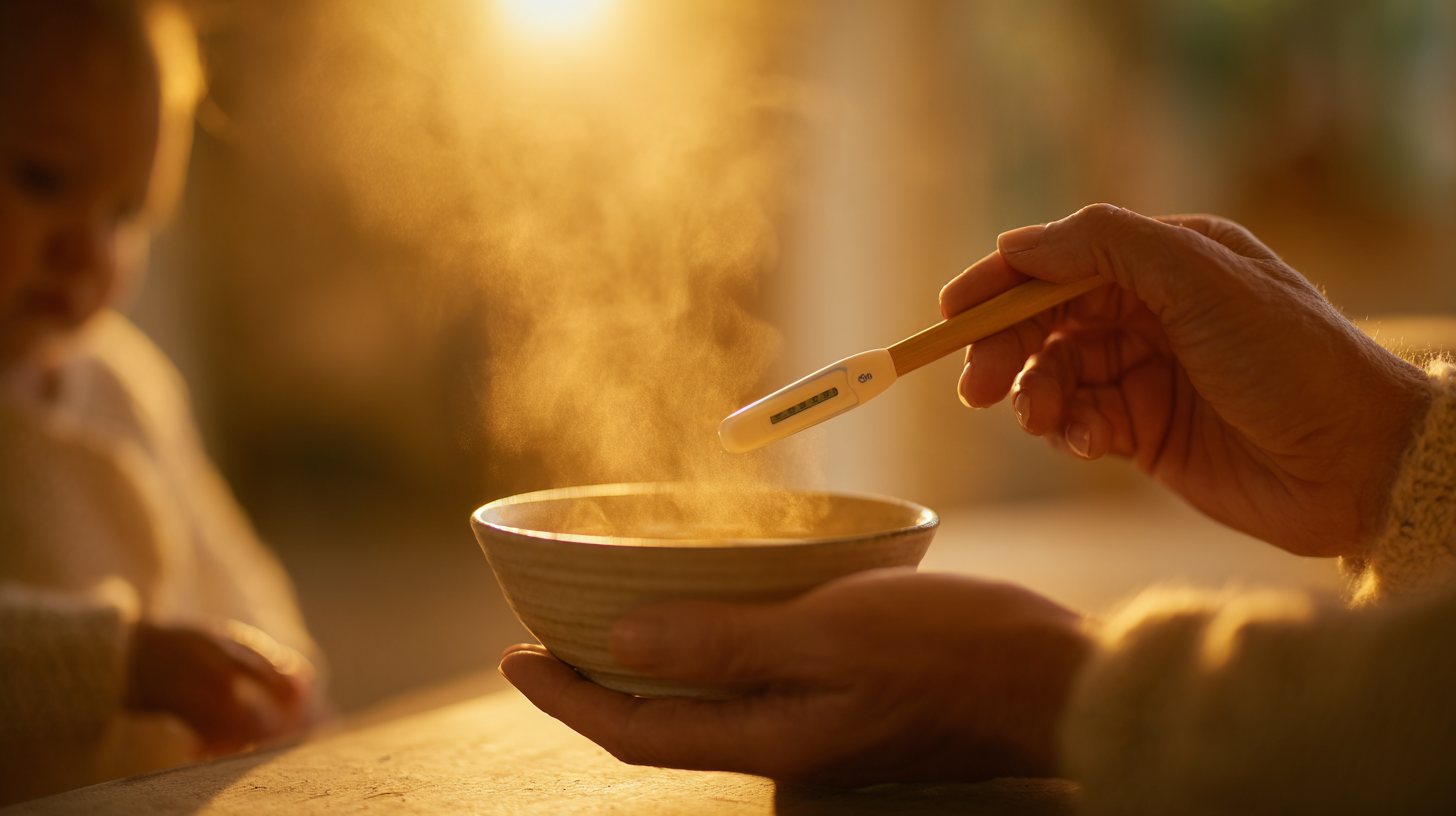
My solution? I started using a food thermometer designed for small portions. Yes, it’s one more thing to clean, but peace of mind is worth it. I heat the food until it’s steaming, stir it thoroughly (this step is crucial—it redistributes the heat), let it cool for a minute, then test it on my wrist before serving.
And here’s the rule that changed everything: never reheat the same food twice. Once it’s been heated and cooled, bacteria have had the opportunity to grow. Heating it again won’t make it safe—you’re just killing the active bacteria while leaving behind their toxins, which can still make your baby sick.
When to Throw It Out (Even When It Looks Fine)
This is the hardest part for me, especially when I’ve spent time making a special Caribbean recipe like that cornmeal porridge with cinnamon or the Kremas-inspired porridge. But here’s what I’ve learned: when it comes to baby food, your nose and eyes are unreliable judges.
Many dangerous bacteria produce no detectable smell or visible changes. That sweet potato puree might look and smell perfectly fine on day four in the fridge, but it could be harboring bacterial levels that would make your baby seriously ill.
My discard rules are now non-negotiable:
- Any food left in baby’s feeding bowl after a meal—even if they barely touched it. Saliva contamination is real.
- Refrigerated fruit/veggie purees older than 48 hours, meat purees older than 24 hours.
- Anything frozen longer than the recommended timeframe (3 months for fruits/veggies, 1-2 months for meat).
- Any food that’s been at room temperature for more than 2 hours (or 1 hour if it’s over 90°F outside).
- Previously frozen food that was thawed in the refrigerator and not used within 24 hours.
- Opened commercial baby food jars older than 3 days, regardless of how they look.
Yes, it feels wasteful. I struggle with this too, especially when I think about the time and money invested. But I reframe it this way: throwing out questionable food is an investment in my daughter’s health. A trip to the emergency room with a baby suffering from foodborne illness costs far more—financially and emotionally—than a few ounces of puree.
Building Your Personal Safety System
Here’s what nobody tells you: safe food storage isn’t about memorizing a hundred rules. It’s about building a system that works for your life, your kitchen, and your family’s eating patterns.
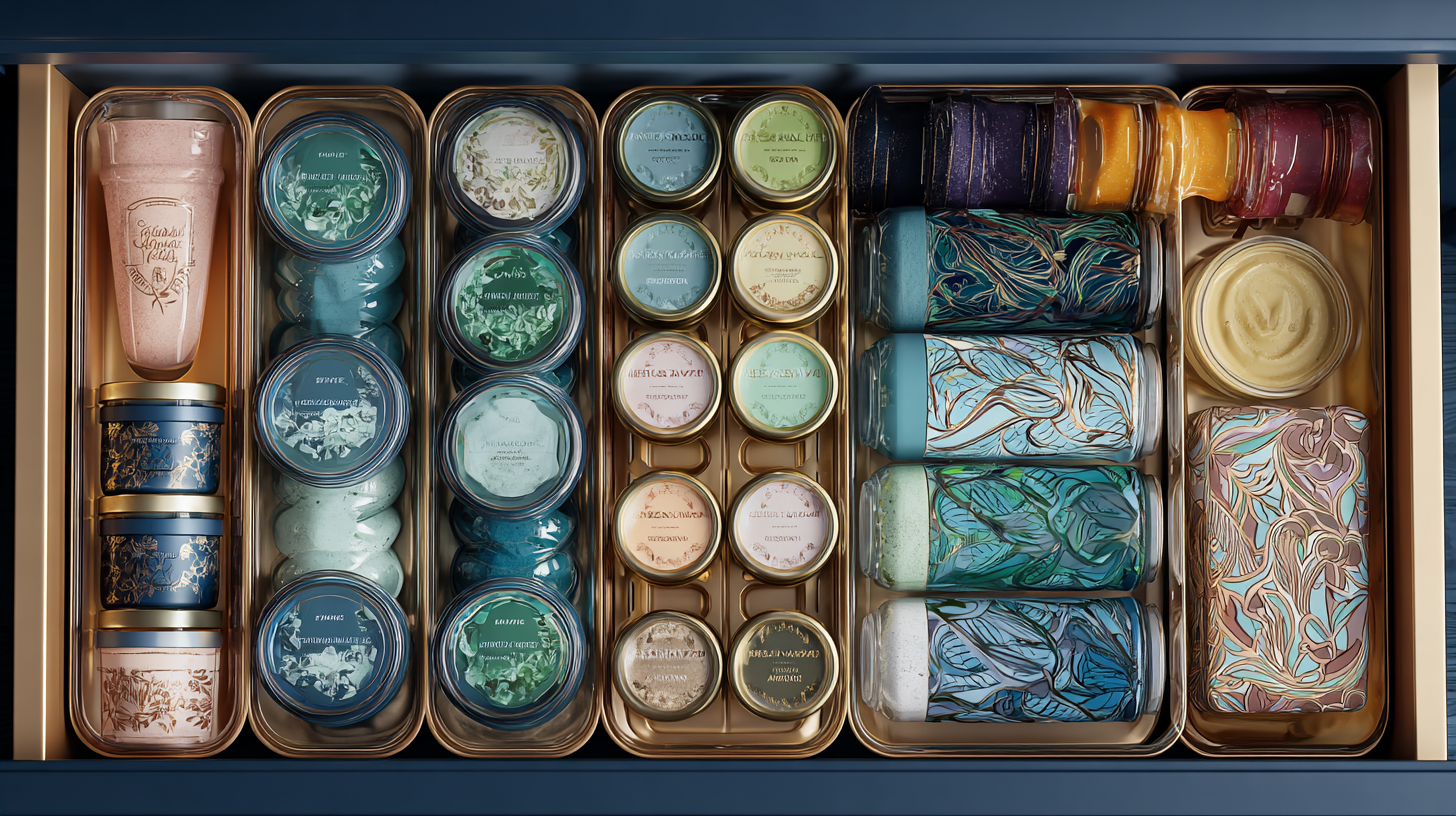
My system started with three changes: First, I designated a specific area in my refrigerator just for baby food—middle shelf, toward the back. Second, I bought a cheap pack of colored permanent markers for labeling. Each color represents a different month, so I can see at a glance what needs to be used first. Third, I set a weekly “freezer review” reminder on my phone. Every Sunday evening, I check what needs to be used that week and plan accordingly.
Freezer Organization Challenge
Where would you store these foods for optimal safety and organization? (Tap/click items to select, then tap zones to place them)
Use This Week
(Foods approaching their limit)
️ Discard Now
(Past safe storage time)
✨ Safe for Longer Storage
(Within safe timeframe)
For batch cooking, I now work backwards from storage capacity. Instead of making huge batches and hoping they fit, I plan based on how much my baby actually eats and how much freezer space I realistically have. This means smaller cooking sessions more frequently, but it also means fresher food and less waste.
I also embraced flexibility with traditional recipes. Those beautiful Caribbean dishes I wanted to share with my daughter? I started making modified versions that freeze better. The Caribbean Baby Food Recipe Book became my Bible because it includes specific storage guidance for each recipe—something I desperately needed when trying to preserve cultural food traditions safely.
The Small Changes That Made the Biggest Difference
Looking back over the past year, the safety practices that felt overwhelming at first have become automatic. I don’t think about handwashing anymore—I just do it. Labeling containers feels as natural as putting them in the freezer. And checking temperatures is as routine as tasting for seasoning.
But three small changes made the biggest impact on my daily life:
- The “two-hour rule” timer: I started setting a phone timer the moment food comes off the stove. When it goes off, if food isn’t in the fridge or freezer, it goes in the trash. No more guessing.
- Smaller portions: Instead of freezing in large containers, I freeze in 2-ounce portions. I can always thaw two cubes if needed, but I can’t safely refreeze partially thawed food.
- The “when in doubt, throw it out” mantra: This one took time to embrace, but it’s given me peace of mind. If I’m questioning whether something is still safe, the answer is always no.
I also learned to involve my partner in the system. We both understand the rules, both know where things are stored, and both can quickly assess what’s safe to use. This consistency is crucial—mixed messages about food safety can lead to dangerous mistakes.
What I Wish Someone Had Told Me From Day One
If I could go back to that excited new parent standing in the kitchen ready to make her first batch of baby food, here’s what I’d say: Safe food storage isn’t about being perfect. It’s about being consistent with a few critical practices.
You don’t need expensive equipment or a degree in food science. You need reliable containers, a permanent marker, knowledge of basic temperature guidelines, and the willingness to throw things out when they exceed safe storage times. That’s it.
The statistics about foodborne illness in infants are scary, yes. But they’re preventable. Every single one of those 800,000 cases could be avoided with proper food handling practices. And here’s the thing that finally made it click for me: these practices don’t add hours to your day. They add minutes. Minutes that could save you from days or weeks of dealing with a sick baby.
Your Complete Baby Food Safety Checklist
Tap each category to reveal your action items. Check off each item as you implement it in your kitchen:
Moving Forward With Confidence
That 2 AM moment in my kitchen—standing there with the container of sweet potato puree, unsure if it was safe—was a turning point. Instead of calling the pediatrician, I checked my label (made 2 days ago), checked my guidelines (fruit/veggie purees good for 48 hours), and felt confident in my decision to use it.
That’s the feeling I want for every parent reading this: confidence rooted in knowledge, not fear. The truth is, making homemade baby food is one of the most loving things you can do for your child. Introducing them to family flavors, cultural dishes, and real food textures sets them up for a lifetime of healthy eating habits.
But we have to do it safely. And safety doesn’t have to be complicated or time-consuming. It just has to be consistent.
These days, my daughter is thriving on a rotation of Caribbean-inspired foods that connect her to her heritage—properly stored, safely prepared, and made with love. When I batch-cook on Sundays, I do it with my checklist in mind. When I reach into the freezer on busy weekday mornings, I trust my labeling system. And when I portion out her meals, I know exactly what’s safe and what needs to be discarded.
The fear hasn’t completely disappeared—I’m still a parent, after all, and worry comes with the territory. But it’s been replaced by competence. And that makes all the difference.
So here’s my challenge to you: pick three items from the safety checklist above. Just three. Implement them this week. Maybe it’s the labeling system, the two-hour timer, and the separate cutting boards. Or maybe it’s mastering proper thawing, learning the storage windows, and committing to the “when in doubt, throw it out” rule.
Start small, be consistent, and build from there. Your baby’s health is worth those few extra minutes. And before you know it, these practices will become second nature—just another part of the beautiful, messy, rewarding journey of feeding your little one.
Because at the end of the day, we’re not just storing food. We’re protecting our babies, honoring our cultural traditions, and creating the foundation for a lifetime of healthy eating. And that’s worth every labeled container, every set timer, and every questionable puree we brave enough to throw away.
One more thing: If you’re looking for baby food recipes that include specific storage guidelines for Caribbean-inspired dishes—from how long Jamaican callaloo puree keeps to the best way to freeze Puerto Rican malanga—the Caribbean Baby Food Recipe Book has been my trusted resource. It’s saved me countless hours of research and helped me safely share my culture with my daughter through food. Each of the 75+ recipes includes safety notes, storage times, and age-appropriate modifications—exactly what I wished I’d had from day one.

Kelley's culinary creations are a fusion of her Caribbean roots and modern nutritional science, resulting in baby-friendly dishes that are both developmentally appropriate and bursting with flavor. Her expertise in oral motor development and texture progression ensures that every recipe supports your little one's feeding milestones while honoring cultural traditions.
Join Kelley on her flavorful journey as she shares treasured family recipes adapted for tiny taste buds, evidence-based feeding guidance, insightful parenting anecdotes, and the joy of celebrating food, culture, and motherhood. Get ready to immerse yourself in the captivating world of Kelley Black and unlock the vibrant flavors of the Caribbean for your growing baby, one nutritious bite at a time.
- The Feeding Revolution: Why Your Everyday Meals Are Changing the World - October 13, 2026
- Your Feeding Story Matters More Than The “Perfect” One Online - October 12, 2026
- Looking Forward: Stepping Into Your Confident Feeding Future - October 11, 2026