
The Combo Feeding Method No One Talks About (But Everyone Does)
Three months into feeding your baby solids, and you’ve got pureed sweet potato on the ceiling, a rejected spoon on the floor, and a sneaking suspicion that everyone else has figured out something you haven’t.
Here’s what nobody tells you: 71.7% of parents end up doing exactly what you’re doing—mixing purees and finger foods in their own messy, beautiful, completely unplanned way. The research calls it “combination feeding,” but most of us just call it survival.
What If I Told You…
You’re not “doing it wrong”—you’re actually ahead of the curve.
While everyone else debates BLW versus purees like it’s some kind of parenting civil war, research from 2024 shows that combination feeding produces the lowest anxiety levels in mothers (8.3 out of 20 points) compared to strict BLW (15.3 points). Parents who mix methods stay with their approach longer, stress less, and their babies get all the developmental benefits without the dogma.
The “secret” everyone’s been gatekeeping? There is no secret. You’ve been doing it right all along.
This isn’t another article telling you to pick a side. This is about formalizing what your gut already knows—that the best feeding method is the one that actually works for your family, your schedule, and your baby’s unique personality. Because the truth is, clarity doesn’t come from following someone else’s perfect plan. It comes from doing what actually works in your kitchen, with your baby, on your timeline.
Why the “Versus” Debate Never Made Sense
Let me take you back to a moment that changed how I saw everything. I was sitting in my grandmother’s kitchen in Trinidad, watching her feed my cousin’s baby. One minute she was spooning creamy callaloo into his eager mouth. The next, she placed a piece of soft yellow yam in his chubby hand and let him explore. No handbook. No hashtags. Just generations of knowing that babies need both—guidance and independence, nourishment and exploration.
That’s when it hit me: We’ve been solving the wrong problem.
The internet wants you to believe you must choose between Baby-Led Weaning and traditional purees. Pick your tribe. Plant your flag. Defend your method in the comment section.
But here’s what the 2023 research actually shows: When mothers were trained in three different feeding methods, the combination approach had the highest adherence rate—71.7%. That means nearly three out of four families stuck with combo feeding, while only 39% continued with traditional spoon-feeding and just 20% maintained strict BLW.
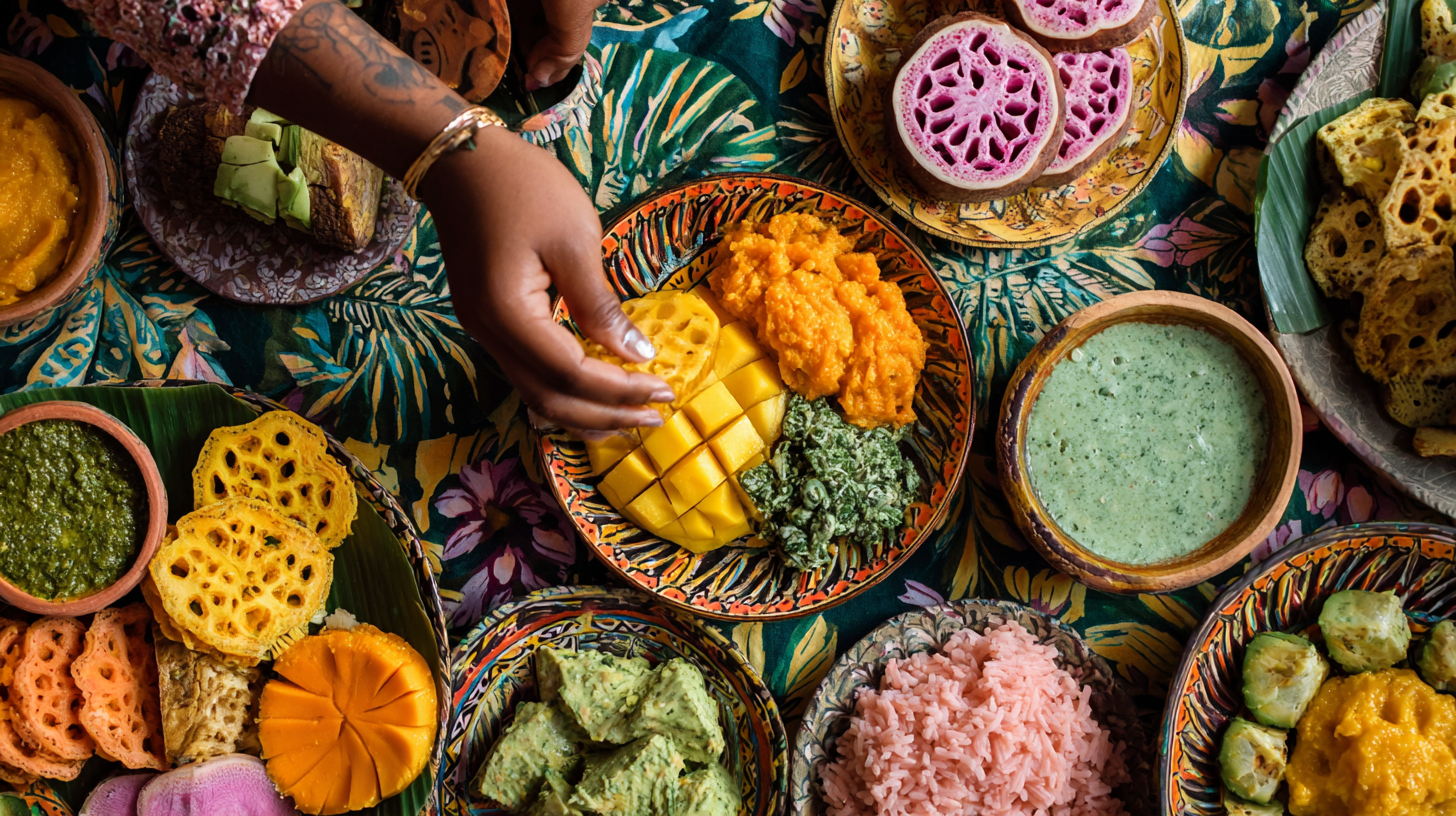
Why? Because combination feeding mirrors how we actually live—sometimes you have 45 minutes for a leisurely breakfast where baby can squish banana to their heart’s content. Other times you’ve got 8 minutes before daycare drop-off and you need to get some iron-fortified oatmeal into that belly, mess-free.
The “versus” debate assumes your life is consistent. Combination feeding assumes you’re human.
Discover Your Natural Feeding Style
What sounds most like you right now?
You’re a Natural for Combo Feeding
Here’s why this is perfect for you: Combination feeding gives you the structure you crave while building in flexibility. You can follow age-appropriate progression guidelines (which I’ll give you) while adapting to your baby’s readiness cues. Think of it as having a map with multiple routes—you’re still reaching the destination, just not stressing about taking the “only” path.
Your combo feeding superpower: You’ll excel at tracking which nutrients come from purees versus finger foods, ensuring balanced nutrition across both methods.
You’re Already Combo Feeding (You Just Didn’t Know It Had a Name)
Here’s your validation: That thing you’ve been doing—yogurt pouches in the car, scrambled eggs at home, store-bought puree when visiting grandma, avocado slices when you have time? That’s combination feeding. You’ve been intuitively choosing the right tool for each situation.
Your combo feeding superpower: You naturally assess what your baby needs in each moment and match your method to the context. That’s literally the core of successful combo feeding.
Combo Feeding Will Actually Reduce Your Anxiety
Here’s the research: 2025 data shows mothers doing combination feeding scored 8.3 on anxiety scales versus 15.3 for strict BLW. Why? Because you can progress at YOUR pace. Start with purees that feel safe, introduce soft finger foods gradually, and build confidence with each small success.
Your combo feeding superpower: Your caution will make you excellent at proper food preparation—cutting things to safe sizes, testing textures, and creating a genuinely safe feeding environment.
You’re Accidentally Brilliant
Here’s what’s happening: While you think you’re “winging it,” you’re actually practicing responsive feeding—the gold standard approach recommended by pediatric nutritionists. You’re reading your baby’s cues, adapting in real-time, and staying flexible. That’s not chaos. That’s mastery.
Your combo feeding superpower: You won’t get stuck in rigid rules. When something isn’t working, you’ll pivot naturally. That adaptability is exactly what makes combo feeding successful.
The Strategic Approach Nobody’s Teaching You
Let’s get practical. The magic of combination feeding isn’t just doing both methods—it’s knowing when to use each one strategically.
Think of purees and finger foods like different tools in your kitchen. You wouldn’t use a chef’s knife to stir soup or a wooden spoon to chop carrots. Each tool has its purpose. Same with feeding methods.
Use purees when:
- Nutrient delivery is the priority — Iron-fortified cereals, pureed meats, and lentil blends are easier to consistently deliver via spoon. A 2018 study found babies on unmodified BLW consumed less than half the iron of traditionally-fed babies. Combo feeding solves this: offer that iron-rich puree at lunch, then let them explore finger foods at dinner.
- Time is not on your side — It’s 6:47 AM, you leave for work in 13 minutes, and your baby woke up hungry. That pouch of Calabaza con Coco (pumpkin with coconut milk) from your batch cooking? That’s your hero. Save the sensory exploration for Saturday morning.
- You’re in a “mess is not an option” situation — Doctor’s office waiting room. Your mother-in-law’s cream-colored couch. That fancy restaurant where you’re pretending your life is still together. These are puree moments.
- Your baby is tired but needs to eat — Fussy, overtired babies often lack the patience for self-feeding. A quickly-delivered puree prevents meltdowns and ensures they get calories before crashing.
Use finger foods when:
- Development is the goal — Pincer grasp, hand-eye coordination, jaw strength, tongue lateralization—these skills only develop through practice. Those smooshed banana pieces on the high chair tray? That’s your baby’s gym session.
- You’re eating together as a family — Research shows babies who participate in family meals develop better eating habits long-term. When you’re having roasted sweet potato, give them soft sweet potato sticks. When it’s Coconut Rice & Red Peas night, offer them a deconstructed version they can self-feed.
- Your baby is alert and interested — There’s a window of maximum engagement—usually mid-morning or after a good nap—when babies are curious and patient. This is your finger food sweet spot.
- Building independence matters right now — Some days, letting your baby make choices and control their intake is the lesson. Offer three different finger foods and let them decide what, how much, and in what order.
Your Personal Meal Strategy Generator
Click your current situation to get instant feeding recommendations:
Combo Strategy: Quick iron-fortified oatmeal or Cornmeal Porridge (puree) + pre-cut banana slices or avocado pieces on the side (finger food)
Why it works: Puree ensures they get nutrients fast, finger foods keep them engaged while you finish getting ready.
Time investment: 10 minutes total
Combo Strategy: This is your prime finger food exploration time. Offer steamed veggie strips, soft plantain slices, or yellow yam chunks with a small side of yogurt (which doubles as puree and finger food—they can dip or you can spoon-feed).
Why it works: Baby is alert, you have time to supervise closely, and cleanup can happen before lunch.
Time investment: 25-30 minutes (including cleanup)
Combo Strategy: Energy-sustaining puree (sweet potato, beans, or lentils) + a few easy finger foods like cheese cubes or soft pear slices.
Why it works: Puree provides quick calories, finger foods prevent the meal from feeling rushed.
Time investment: 15 minutes
Combo Strategy: Modified family meal—whatever you’re eating, adapted. Serving pasta? Offer soft, large pasta shapes. Making stewed peas? Pull out some beans and veggies before adding heavy seasoning. Keep a puree backup (reheated from freezer stash) for quick nutrition if they’re more interested in throwing than eating.
Why it works: Models family eating, provides variety, and has a safety net.
Time investment: 20-25 minutes
Combo Strategy: 80% puree, 20% finger food. Keep it simple and soothing—warm oatmeal, mashed avocado, or a favorite puree. Offer one easy finger food (like a rice rusk) more for comfort than nutrition.
Why it works: Tired babies can’t handle complex self-feeding. Quick, familiar, done.
Time investment: 8-10 minutes
The Age-By-Age Progression (That Actually Makes Sense)
Here’s where most advice falls apart—it assumes all 6-month-olds are identical and all 10-month-olds have the same skills. Your baby didn’t get that memo.
Combination feeding works because it’s progression-focused, not age-obsessed. You’re watching for readiness cues, not calendar dates.
That said, here’s a realistic framework that accounts for typical development while building in flexibility:

Click Your Baby’s Age for Personalized Guidance
The Foundation Phase (6-7 Months)
What’s happening developmentally: Baby is just learning that food exists outside of milk. Their tongue thrust reflex is fading, but they’re still figuring out how to move food around their mouth. Sitting stability is improving but may need support.
Combo approach: 70% purees, 30% finger foods
Puree focus:
- Iron-fortified cereals mixed with breast milk or formula
- Single-ingredient purees to identify allergies: sweet potato, avocado, banana, plantain, papaya
- Smooth, thin consistency that requires minimal oral processing
Finger food introduction:
- Not actual “fingers” yet—think soft, meltable pieces they can grasp in their whole fist
- Steamed carrot sticks (thick enough to hold, soft enough to gum)
- Banana spears rolled in infant cereal for better grip
- Roasted sweet potato wedges
Your real goal this phase: Get them comfortable with the act of eating, not the amount consumed. Exposure > consumption right now.
Sample day:
Breakfast: Iron-fortified oatmeal (puree) + banana spear (finger food)
Lunch: Pureed avocado + steamed green fig (banana) strips
Dinner: Sweet potato puree + soft steamed broccoli floret to hold
The Exploration Phase (8-9 Months)
What’s happening developmentally: The pincer grasp is emerging—they can pick up smaller pieces between thumb and finger. Chewing motions are developing (even without teeth!). They’re getting opinionated about wanting to do it themselves.
Combo approach: 50% purees, 50% finger foods (the sweet spot of balance)
Puree evolution:
- Thicker textures with small lumps—think mashed rather than smooth
- Combination purees for nutrient density: lentils + sweet potato, chicken + vegetables
- Start “loading” spoons and letting them try to feed themselves the puree (it’ll be messy—that’s the point)
Finger food progression:
- Smaller, bite-sized pieces now that pincer grasp is emerging
- Shredded chicken, ground meat formed into small balls
- Pasta shapes, soft beans, small cubes of cheese
- Soft plantain, yam, dasheen, and callaloo in appropriate textures
- Toast strips with mashed avocado or hummus
The critical window: 6-9 months is when babies are most willing to try new textures. If you stay with only smooth purees past 9 months, research shows increased pickiness later. This is why combo feeding shines—you’re consistently offering varied experiences.
Sample day:
Breakfast: Yogurt (let them dip fingers in) + scrambled egg pieces + berries
Lunch: Mashed beans + cheese cubes + soft breadfruit pieces
Dinner: Deconstructed family meal—whatever you’re eating, unseasoned/lightly seasoned, in safe sizes
The Independence Phase (10-12 Months)
What’s happening developmentally: Chewing is more coordinated. They want to use utensils (poorly, but enthusiastically). They have opinions about EVERYTHING, especially food. Family meals become more important socially.
Combo approach: 30% purees, 70% finger foods (the transition toward table foods)
Puree transformation:
- Purees now serve specific purposes: smoothies, dips, spreads
- Use as “sauces” for finger foods—tomato-based purees for pasta, yogurt for dipping veggies
- Thick, spoonable textures they can scoop (even if inefficiently) with baby utensils
Finger food mastery:
- Most of what your family eats, adapted for safety
- Mixed textures now okay—they can handle foods that are crispy outside, soft inside
- Small pieces of almost everything: fish, meat, vegetables, fruits, grains
- Cultural foods that connect them to heritage: ackee (12+ months), roti, rice and peas, festival, accra
The shift happening: You’re moving from “baby food” to “family food served baby-safe.” They eat what you eat, just cut smaller and prepared softer.
Sample day:
Breakfast: Finger foods dominate—pancake strips, scrambled eggs, fruit, with yogurt as a dip
Lunch: Sandwich squares, veggie sticks, hummus for dipping, cheese
Dinner: Full family meal participation—everyone eats the same thing with minor modifications
Let’s Talk About the Mess (Because It’s Coming Either Way)
If you’re thinking combo feeding will somehow reduce mess because you’re using purees sometimes, I need to be honest with you: Nope.
Purees get flung. Finger foods get smooshed. Babies discover that sweet potato makes excellent hair gel and that yogurt has impressive ceiling-reaching distance when properly flicked.
But here’s what does change: your relationship with the mess.
When I started combo feeding, my grandmother pulled me aside and said something that shifted everything: “Beta, in the islands, we don’t stress over a messy floor. Messy means they’re learning. Clean floor means you’re doing all the work.”
The mess isn’t a failure. It’s data collection. Your baby is running experiments:
- “What happens if I squeeze this banana?”
- “How far can pureed pumpkin travel?”
- “Does rice stick to my forehead? (Hypothesis: yes, yes it does.)”
Every smooshed avocado is teaching them about texture. Every fistful of oatmeal is strengthening their grasp. The mess is literally their curriculum.
Your Real-Time Feeding Stress Check
How’s your anxiety level about feeding right now? (Be honest—no judgment)
Pretty Calm
Moderate Stress
Full Panic Mode
You’re In a Good Place—Here’s How to Stay There
Your calm approach is your superpower. You’re likely already reading your baby’s cues well and adapting without overthinking. Keep doing what you’re doing, and protect this energy.
Your combo feeding advantage: Use your low-stress state to experiment. This is when you introduce new foods, try different textures, and observe what your baby naturally gravitates toward. Your calm is contagious—your baby will feel safe exploring.
One thing to watch: Don’t let others’ stress infiltrate your peace. Well-meaning relatives will have opinions. Trust your instincts over their anxiety.
You’re Not Alone—This Is the Most Common Response
Moderate stress about feeding is completely normal. You care about doing it right, which means you’re engaged and thoughtful. The key is preventing this from escalating into paralysis.
Your combo feeding advantage: Channel that energy into preparation, not worry. Prep freezer-friendly puree batches on Sunday. Pre-cut finger foods. Having options ready reduces decision fatigue during actual meals.
Stress-reducing strategy: Remember that 2025 study—combination feeding mothers scored 8.3 on anxiety versus 15.3 for strict BLW. You’ve chosen the lower-stress path. Every time you feel anxious, remind yourself: “I have options. I can adapt. There’s not one right way.”
Pattern to break: Stop comparing your baby’s eating to other babies. Your baby’s journey is their own timeline.
First: Take a Deep Breath. Second: This Gets Better
High anxiety around feeding is more common than you think, and it’s usually rooted in legitimate fears—choking, nutritional adequacy, judgment from others, or past difficult experiences.
Your immediate action plan:
- Start with what feels safe: If purees feel manageable, start there. There’s no rule saying you must introduce finger foods on day one of solids.
- Educate yourself on choking vs. gagging: Take a baby CPR class (seriously, it reduces anxiety significantly). Learn what gagging looks like—it’s loud, looks dramatic, but is actually protective.
- Go slower than “recommendations”: Your baby won’t be harmed by progressing textures at your pace. Better a gradual introduction you can sustain than rushing and becoming too anxious to continue.
- Use combo feeding as your safety net: Knowing you can always default to purees when anxiety spikes gives you the courage to try finger foods when you’re feeling braver.
Consider talking to: A pediatric feeding therapist or your pediatrician about your specific fears. Sometimes anxiety has roots that need professional support, and that’s completely okay.
What research shows: Parents who start with combination feeding and progress gradually report lower sustained anxiety than those who “jump in” to methods that feel overwhelming. Give yourself permission to move slowly.
The Nutrition Balance Nobody Explains Clearly
Here’s where combination feeding becomes genuinely brilliant: You can optimize nutrition across methods instead of hoping one method covers everything.
The concern with strict Baby-Led Weaning has always been nutrient intake, particularly iron. That 2018 study showed BLW babies consuming half the iron of spoon-fed babies. Iron deficiency in infancy impacts brain development—this isn’t trivial.
But the concern with only purees is that babies miss out on developing crucial oral motor skills, experiencing varied textures during the critical 6-9 month window, and learning self-regulation of intake.
Combination feeding solves both problems simultaneously.
Your nutritional strategy:
Use purees to deliver:
- Iron: Fortified cereals, pureed red meats, lentil-based blends
- Healthy fats: Nut butters (thinned and mixed), avocado blends, coconut milk-based purees
- Dense nutrition when intake is limited: If your baby isn’t eating large volumes yet, purees pack more nutrition per spoonful
Use finger foods to deliver:
- Variety: Different colors, flavors, and textures in their whole-food form
- Family foods: Cultural dishes, herbs, spices (age-appropriate), and meals that connect them to heritage
- Protein in manageable forms: Shredded chicken, flaked fish, beans, tofu, cheese, eggs
- Produce diversity: Vegetables and fruits in forms that teach them about real food—what a carrot actually looks like, how pear skin feels different from pear flesh
A day of balanced combo feeding might look like:
Morning: Iron-fortified oatmeal (puree for iron) + banana pieces (finger food for potassium and texture)
Mid-morning: Breast milk or formula (still primary nutrition)
Lunch: Lentil and sweet potato puree (protein, iron, vitamin A) + steamed broccoli florets (finger food for vitamin C, fiber)
Afternoon: Breast milk or formula
Dinner: Shredded chicken (finger food protein) + mashed avocado (can be puree or self-fed) + soft-cooked carrot coins (finger food)
Evening: Breast milk or formula
What you’ve accomplished: Iron covered. Protein diverse. Vegetables in multiple forms. Self-feeding practiced. Family meals participated in. Efficient nutrition delivery achieved.
This isn’t about perfection every day. Some days will be puree-heavy because you’re traveling. Other days will be all finger foods because baby is in an independent mood and refuses the spoon. The balance is achieved across days and weeks, not within each meal.
Busting the Myths That Keep Parents Stuck
Click Each Myth to Reveal the Truth
What This Really Looks Like in Your Daily Life
Theory is lovely. Real life is chaos with snacks.
Let me walk you through what combo feeding actually looks like when you’re not performing for Instagram:
Monday morning, 7:15 AM: You’re running late for work. Baby gets iron-fortified oatmeal from a pouch (yes, store-bought, yes, it counts as puree, no, you don’t need to apologize). While you’re packing your bag, you scatter some freeze-dried strawberry pieces and a few Cheerios on the high chair tray. Baby self-feeds the finger foods while you spoon in the oatmeal between bites. Everyone’s fed, no one cried, you left on time. Victory.
Wednesday lunch, working from home: You have 45 minutes before your next meeting. You steam some broccoli and carrot sticks while reheating leftover Callaloo and Sweet Potato Rundown puree you batch-made Sunday. Baby gets the puree for dense nutrition, the veggie sticks for chewing practice and engagement. Half the broccoli ends up on the floor. The dog is thrilled. You’re building both nutrition and motor skills simultaneously.
Friday dinner, extended family gathering: Your aunt has prepared a full spread, none of which is baby-appropriate as-is. You brought a backup puree pouch and some banana you can quickly mash. Baby gets the backup puree for actual nutrition, gets to participate with safe finger foods, and you’re not stressed trying to make strict BLW work in someone else’s kitchen.
Saturday morning, no agenda: This is your exploration time. You cut up six different foods—some familiar, some new. Scrambled eggs, avocado slices, mango chunks, soft festival pieces, steamed green beans, cheese cubes. You also have yogurt available that can be spoon-fed or self-fed. You sit with your coffee and just observe what your baby gravitates toward, how they manipulate different textures, what they’re ready for and what’s still challenging. There’s no rush. This is the meal where development happens.
Sunday batch-prep session: While your partner entertains baby, you roast sweet potatoes, steam a rainbow of vegetables, cook a big pot of lentils, and bake a batch of banana oat muffins. Some of the sweet potato gets pureed and frozen in cubes. The rest gets cut into finger-food sticks and refrigerated. Lentils get divided—half stay whole for finger food, half get blended with vegetables into purees. The muffins work as both finger food and can be crumbled into yogurt as a puree-adjacent option. You’ve just created two weeks of combo feeding options in 90 minutes.
This is real combo feeding. Not perfect. Not Instagram-worthy. Just functional, flexible, and focused on what actually matters: feeding your baby in ways that work for your actual life while supporting their development.
Your Permission Slip to Stop Overthinking This
Let’s come back to where we started—that feeling that everyone else has figured out something you haven’t.
They haven’t.
The secret everyone’s been keeping? There is no secret. There’s no perfect method. There’s no gold star for feeding difficulty. There’s just you, your baby, and figuring out what works for your unique situation.
That 71.7% of families naturally gravitate toward combination feeding tells you something important: This is what human feeding actually looks like when you strip away the dogma and the marketing.
Babies have been eating for millennia. Long before BLW had a name, before purees came in pouches, before any of this was monetized and systematized—parents fed babies with common sense and responsiveness. Sometimes that looked like mashing food and helping a baby eat it. Sometimes that looked like handing them something safe to gnaw on. Usually, it looked like both.
Combination feeding isn’t a compromise. It’s not settling. It’s not the middle ground for people who “couldn’t decide.”
It’s the formalization of responsive, adaptable, realistic feeding that prioritizes your baby’s development and your family’s sustainability over rigid adherence to someone else’s rules.
When you use purees strategically for efficient nutrition delivery and finger foods intentionally for skill development, you’re not diluting two methods—you’re leveraging the strengths of both while mitigating the limitations of each.
When you adapt your approach based on your baby’s mood, your schedule, your energy level, and your circumstances, you’re not being inconsistent—you’re being responsive.
When you reject the pressure to do it “perfectly” according to someone else’s definition and instead do it effectively according to your family’s needs, you’re not failing—you’re succeeding at the thing that actually matters.
Here’s your permission slip: You don’t need to choose a side. You don’t need to defend your approach. You don’t need to feel guilty about using both methods.
What you need is to feed your baby nutritious food, support their development, and preserve your sanity in the process. If that looks like purees on Tuesday and finger foods on Saturday and a chaotic mixture of both on Thursday—you’re doing it exactly right.
The real success isn’t measured by which method you used. It’s measured by whether your baby is growing, developing skills, exploring food, and forming a healthy relationship with eating. And whether you’re able to sustain this journey without burning out or drowning in anxiety.
On both counts, combination feeding delivers.
So here’s what I want you to do: Stop waiting for permission to trust yourself. Stop second-guessing your instinct to adapt. Stop comparing your baby’s eating to the highlight reel you see online.
Start exactly where you are. With whatever foods you have. Using whatever method feels manageable today. And know that every spoonful of puree and every smooshed piece of banana is moving your baby forward—not because it’s perfect, but because you showed up.
The magic isn’t in following the perfect method. The magic is in the doing—in showing up meal after meal, adapting when something isn’t working, celebrating tiny wins, and building your confidence one feeding session at a time.
That’s not the feeding method nobody talks about. That’s the feeding reality everyone lives but nobody validates enough.
Until now.
Welcome to combo feeding. You’ve been doing it all along. Now you just have a name for it—and the research to back up what your instincts already knew.
Now go feed your baby. However works for you today. That’s the right way.

Kelley's culinary creations are a fusion of her Caribbean roots and modern nutritional science, resulting in baby-friendly dishes that are both developmentally appropriate and bursting with flavor. Her expertise in oral motor development and texture progression ensures that every recipe supports your little one's feeding milestones while honoring cultural traditions.
Join Kelley on her flavorful journey as she shares treasured family recipes adapted for tiny taste buds, evidence-based feeding guidance, insightful parenting anecdotes, and the joy of celebrating food, culture, and motherhood. Get ready to immerse yourself in the captivating world of Kelley Black and unlock the vibrant flavors of the Caribbean for your growing baby, one nutritious bite at a time.
- The Feeding Revolution: Why Your Everyday Meals Are Changing the World - October 13, 2026
- Your Feeding Story Matters More Than The “Perfect” One Online - October 12, 2026
- Looking Forward: Stepping Into Your Confident Feeding Future - October 11, 2026