The 9-Month Finger Food Revolution: What Pediatricians Won’t Tell You About Self-Feeding
Discover Your Baby’s Feeding Personality
Every baby approaches finger foods differently. Click the description that best matches your 9-month-old right now:
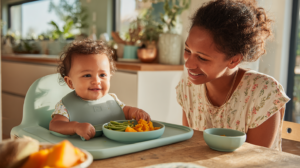
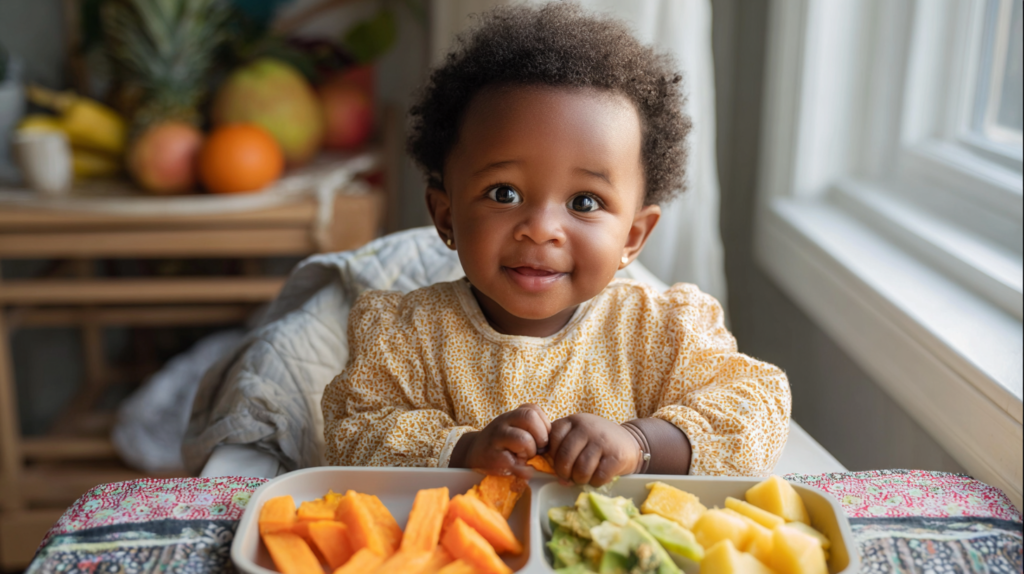
Here’s what nobody tells you about that magical 9-month mark: your baby is about to stage a revolution in your kitchen, and you’re going to want a front-row seat. When my own daughter turned nine months, I watched her transform from a passive eater into a tiny human with opinions—strong ones—about every morsel that touched her high chair tray. That soggy piece of avocado I carefully mashed? Flung across the room. The slightly firm mango cube I was nervous about? Demolished with surprising efficiency.
The transition to finger foods isn’t just about nutrition or developmental milestones, though those matter tremendously. It’s about witnessing your baby discover autonomy for the first time. That pincer grasp—the way they delicately pick up a piece of steamed sweet potato between thumb and forefinger—represents months of neurological development culminating in a single, purposeful movement. When my Trinidadian grandmother saw this happening, she laughed and said, “Child learning to nyam like big people now!” And she was right. This moment marks the beginning of your baby joining the family table, not as a spectator, but as a participant.
But let me be honest with you: the finger food journey comes with anxiety. The choking fears keep you awake at night. The mess feels overwhelming. The rejection of foods you spent an hour preparing stings more than you’d admit. And then there’s the conflicting advice—purees versus baby-led weaning, store-bought versus homemade, introducing allergens early versus waiting. The information overload makes you second-guess every single food choice.
What helped me navigate this phase was understanding the science behind why finger foods matter so profoundly at nine months, learning which foods genuinely support development versus which ones are marketing hype, and discovering practical strategies that work in real Caribbean kitchens where we’re not always following Western feeding schedules. The research I’ll share isn’t just academic theory—it’s backed by recent studies, market data showing how parents worldwide are approaching this transition, and expert perspectives that challenged many of my own assumptions.
Why Nine Months Changes Everything
The ninth month represents a convergence of developmental readiness that makes self-feeding not just possible, but essential. Your baby’s digestive system has matured significantly—stomach acid production has increased, enzyme activity has ramped up, and the gut microbiome has diversified enough to handle more complex foods. The research published in pediatric nutrition journals confirms what experienced parents observe: babies at this age show clear signs they’re biologically prepared for texture variety.
Motor skill development reaches a critical threshold around nine months. Most babies have mastered sitting independently without support, which stabilizes their core and allows both hands to explore food freely. The pincer grasp—that precise thumb-and-forefinger coordination—typically emerges between 8-10 months, transforming how babies interact with small objects, including food. Occupational therapists emphasize that self-feeding practice during this window directly influences fine motor development, hand-eye coordination, and even future skills like writing and tool use.
Oral motor skills undergo remarkable changes during this period. The tongue develops more sophisticated lateral movements, pushing food from side to side rather than just front to back. The munching pattern—using gums to break down soft foods—becomes more refined. These skills don’t develop from purees alone; they require practice with varied textures and shapes. Studies tracking infant feeding patterns show that babies introduced to appropriate finger foods at this age demonstrate better chewing skills and texture acceptance at 18 months compared to those who delayed this transition.
Neurologically, nine-month-olds are primed for sensory exploration. Their brains are actively forming neural pathways related to taste, texture, temperature, and spatial awareness. Every time they grasp a piece of soft-cooked carrot, bring it to their mouth, and experience its flavor and consistency, multiple brain regions activate simultaneously. This multi-sensory experience can’t be replicated with spoon-feeding. Neurodevelopmental research suggests this period of intense sensory exploration correlates with long-term eating behaviors and food acceptance patterns.
The Market Boom Nobody’s Talking About
Something fascinating happened in the baby food industry between 2023 and 2025: the prepared finger food market exploded. We’re not talking modest growth—we’re seeing a sector that reached $3.1 billion in 2023 and is projected to hit $4.5 billion by 2027, with a compound annual growth rate of 7.2%. These numbers tell a story about how dramatically parenting culture has shifted around infant feeding.
The driving force? Parents increasingly recognize the developmental importance of self-feeding, but they’re also busier than ever. The market responded with innovation: organic freeze-dried fruits, vegetable puffs fortified with DHA and probiotics, allergen-introduction products designed to expose babies to common allergens safely, and culturally diverse options reflecting global cuisines. About 30% of this market growth comes specifically from organic offerings, showing parents prioritize clean ingredients even when convenience matters.
Digital retail transformed how parents access finger food products and information. Instagram feeds overflow with creative finger food ideas. YouTube channels dedicated to baby-led weaning attract millions of views. Parent forums buzz with recommendations, warnings, and innovations. This democratization of information empowers parents but also creates information overload. The challenge isn’t finding guidance—it’s determining which advice actually aligns with current pediatric recommendations and your family’s specific needs.
Major food corporations—Hero Group, Nestlé, Kraft-Heinz—invested heavily in research and development for finger food products. They’re studying texture profiles that babies can manage safely, portion sizes that support nutritional needs without promoting overconsumption, and packaging that maintains freshness while supporting busy family lifestyles. The single-serving, resealable pouches that dominated the puree market have evolved into compartmentalized finger food containers designed for on-the-go families.
The Hidden Truth About Commercial vs. Homemade
Here’s the uncomfortable reality: Many commercial finger food products marketed for 9-month-olds contain significantly more sugar and salt than pediatricians recommend. A 2024 analysis found that some popular baby snack puffs contain three times the sodium appropriate for this age. The “organic” label doesn’t guarantee nutritional superiority—it only indicates how ingredients were grown.
Meanwhile, homemade finger foods from your own kitchen offer complete control over ingredients, textures, and portion sizes. A steamed sweet potato wedge costs pennies and provides superior nutrition compared to processed alternatives. But here’s where it gets complicated: not every parent has time for elaborate meal prep, and that’s completely valid. The key is knowing which shortcuts genuinely work and which ones compromise your baby’s nutrition.
The balanced approach? Use commercial products strategically—for travel, backup options, allergen introduction—while building a repertoire of simple homemade options that take minimal time. A batch of soft-cooked plantain fingers or coconut-milk-steamed pumpkin cubes can be prepared in 15 minutes and frozen in portions for the entire week.
What the Experts Actually Agree On
Despite the noise and conflicting advice flooding parenting spaces, pediatric experts, registered dietitians, and occupational therapists converge on several fundamental principles for 9-month-old finger food introduction. Understanding these consensus points provides a solid foundation for navigating the details where opinions diverge.
First, readiness signs matter more than chronological age. The American Academy of Pediatrics emphasizes that babies should demonstrate three key abilities before finger foods: sitting independently without support, showing interest in foods others eat, and bringing objects to their mouth purposefully. These signs typically emerge around 8-9 months, but individual variation is normal. Your baby’s development should guide timing, not arbitrary calendar dates or pressure from well-meaning relatives.
Second, texture progression follows a predictable but flexible path. At nine months, appropriate finger foods should be soft enough to mash between your fingers with gentle pressure—roughly the consistency of ripe avocado or steamed vegetables. The “pea-sized pieces” recommendation you’ll see everywhere has evolved; current guidance suggests starting with larger pieces (about the size of your pinky finger) that babies can grasp in their palm with a bit extending beyond their fist. As their pincer grasp refines, smaller pieces become manageable. This approach actually reduces choking risk because babies can’t fit the entire piece in their mouth at once.
Third, variety matters profoundly for long-term eating habits. Research from multiple longitudinal studies shows that babies exposed to diverse tastes, textures, and food families between 6-12 months demonstrate significantly broader food acceptance in toddlerhood and beyond. This doesn’t mean force-feeding unfamiliar foods—it means regular, pressure-free exposure. Nutritionists recommend offering 8-12 different foods weekly, including various colors, textures, and flavor profiles. For Caribbean families, this naturally includes bold seasonings in age-appropriate amounts: a touch of thyme in steamed vegetables, coconut milk in rice, mild curry powder in lentils.
Fourth, self-feeding supports healthy eating behaviors long-term. Occupational therapists who specialize in pediatric feeding emphasize that babies who practice self-feeding develop better internal hunger and fullness cues. They eat until satisfied rather than until the bowl is empty, establishing healthy portion control habits that persist into childhood. This principle underlies the baby-led weaning movement, though you don’t need to follow that approach exclusively to benefit from self-feeding opportunities.
Myth-Busting Quiz: Test Your Finger Food Knowledge
Select your answer for each statement:
The Baby-Led Weaning Debate
Few topics in infant feeding generate more passionate discussion than baby-led weaning (BLW). This approach—offering finger foods from the start rather than beginning with purees—has gained enormous popularity, particularly in social media parenting communities. Understanding both its merits and limitations helps you make informed decisions for your family.
The theoretical foundation of BLW emphasizes infant autonomy, natural appetite regulation, and exposure to varied textures from the beginning. Proponents argue that babies who self-feed from six months develop better motor skills, show less pickiness, and establish healthier relationships with food. Some research supports these claims: studies comparing BLW babies to traditionally weaned infants found differences in eating behaviors and food preferences at 18-24 months.
However, pediatric nutritionists and feeding specialists raise legitimate concerns. Strict BLW excludes all purees and spoon-feeding, which can make meeting iron and zinc requirements challenging for some babies. Iron-rich finger foods tend to be tougher (meat) or require more advanced chewing skills (legumes), potentially creating nutritional gaps during a critical growth period. Additionally, BLW requires considerable parental confidence and knowledge about appropriate food preparation—not all caregivers feel equipped for this approach, and that’s completely reasonable.
The choking concern deserves serious consideration. While BLW advocates correctly note that gagging (a normal protective reflex) differs from choking, the approach does present higher risk if foods aren’t prepared properly. Research comparing choking incidents between feeding methods shows mixed results, with some studies finding no difference and others suggesting slightly elevated risk with BLW. The critical factor isn’t the feeding philosophy—it’s whether caregivers understand safe food preparation, recognize appropriate textures, and supervise meals attentively.
A balanced, evidence-based approach often works best: combine finger foods and purees based on your baby’s skills, your confidence level, and practical considerations. Offer soft finger foods at most meals while occasionally spoon-feeding iron-rich purees or smooth lentil mash. This hybrid method, sometimes called “baby-led introduction to solids,” captures BLW benefits while addressing nutritional concerns. It also accommodates cultural food traditions that don’t fit neatly into either approach—Caribbean families often serve softer “ground foods” like mashed yam or soft-cooked plantain that babies can self-feed but aren’t exactly finger foods or purees.
Building Your Starter Menu: Practical Food Choices
Creating a solid repertoire of first finger foods doesn’t require extensive meal planning or culinary expertise. What matters is choosing options that meet safety criteria, provide good nutrition, and align with foods your family actually eats. Let me walk you through building a practical starter menu that works in real life, not just on Instagram.
Start with naturally soft vegetables that require minimal preparation. Sweet potato wedges—steamed until soft enough to mash easily—offer excellent nutrition and a naturally sweet flavor most babies enjoy. Cut them into thick strips that babies can grasp easily. Avocado slices provide healthy fats crucial for brain development, though their slipperiness challenges the developing pincer grasp (coat them lightly in ground oats or fine breadcrumbs for better grip). Well-cooked carrot batons, steamed broccoli florets with enough stem for gripping, and soft-cooked green beans all work beautifully.
Fruits provide natural sweetness and important vitamins. Ripe banana pieces are classic starters, though they share avocado’s slipperiness challenge. Steamed apple slices (with peel removed), ripe mango strips, ripe papaya chunks, and soft pear pieces all work well. For Caribbean families, ripe plantain is exceptional—naturally sweet when fully ripe, easy to cook until soft, and substantial enough for babies to grip. My grandmother’s trick was to steam plantain slices with a touch of cinnamon, creating a finger food that introduced complex flavor while remaining completely age-appropriate.
Proteins require more attention to texture and preparation. Scrambled eggs (well-cooked but still moist, not rubbery) provide excellent nutrition and iron. Shredded chicken (not pulled chicken, which forms stringy pieces, but chicken that’s been cooked until very tender and then shredded into small, soft pieces) works for many babies at nine months. Flaked fish (boneless, skinless, well-cooked) introduces important omega-3 fatty acids. For plant-based protein, well-cooked lentils, mashed black beans formed into small patties, or soft-cooked chickpeas (with skins removed for easier digestion) provide excellent options.
Carbohydrate staples beyond fruits and vegetables round out the menu. Toast strips spread with thin nut butter (if no allergy concerns), small pieces of soft pasta (fusilli or penne work better than spaghetti), rice balls formed with slightly sticky rice, and soft-cooked oatmeal formed into small cakes all provide energy and variety. Caribbean families might offer small pieces of soft festival (fried cornmeal dumplings, though less frequently due to frying), soft johnny cakes, or steamed cornmeal made firm enough to hold shape.
Safety Without Paranoia: Navigating Choking Fears
Let’s address the elephant in every parent’s dining room: choking fear. This anxiety is completely rational—choking represents a genuine risk, and your protective instincts are functioning exactly as they should. However, when fear prevents offering age-appropriate finger foods, babies miss crucial developmental opportunities. The goal is informed caution, not paralysis.
Understanding the difference between gagging and choking is fundamental. Gagging is a protective reflex that occurs when food moves too far back in the mouth before the baby is ready to swallow. The baby may cough, sputter, or push food forward with their tongue. This looks alarming but is actually the safety system working correctly. During gagging, babies can still breathe, cry, and cough. Choking, in contrast, means the airway is blocked—the baby cannot breathe, cough, or make sound. True choking requires immediate intervention.
Research on infant feeding safety shows that gagging occurs commonly when babies first encounter finger foods, typically decreasing as their oral motor skills develop. Studies tracking babies through the finger food transition found that most experienced gagging episodes, but these decreased significantly within 2-3 weeks of regular practice. Babies literally learn through experience where food should go and how to manage it safely. Preventing all gagging by avoiding finger foods doesn’t protect them—it delays the development of skills they need to eat safely.
Certain foods pose objectively higher choking risk and should be avoided or modified until at least 12 months (and often later). The list includes: whole grapes, cherry tomatoes, or similar round foods (slice lengthwise into quarters), hot dogs and sausages (even cut pieces can be problematic due to their texture), hard raw vegetables like carrots or celery, whole nuts and seeds, popcorn, chunks of hard cheese, chunks of nut butter (thin spreads are fine), and chewy or tough meat pieces. These foods share characteristics that make them dangerous: round shape that can block the airway, hard texture that won’t compress if aspirated, or sticky/tough texture that doesn’t break down easily.
Safe food preparation significantly reduces risk. Cook vegetables until genuinely soft—the “mash between fingers” test ensures appropriate tenderness. Cut foods into appropriate shapes: strips for palm grasp, small pieces for pincer grasp, but avoid perfect circles. Supervise meals attentively—this doesn’t mean hovering nervously, but staying present and watching your baby eat. Keep meals calm and unhurried; never let babies eat while walking, playing, or lying down. Ensure babies sit fully upright in a supportive high chair during meals. These basic practices dramatically reduce choking risk.
Every parent should know infant CPR and choking response. Local hospitals, fire departments, and community centers often offer classes specifically for parents. Having this knowledge provides confidence—you know you could respond effectively in an emergency, which paradoxically reduces anxiety about normal feeding situations. The peace of mind is worth the couple of hours investment.
✓ Your Finger Food Safety Checklist
Click each item as you complete it to track your readiness:
The Mess Factor: Making Peace with Chaos
If you’re waiting for finger foods to be tidy, I have news: it won’t happen. Nine-month-olds exploring food create spectacular messes. Food ends up in hair, smeared on faces, ground into high chair crevices, and flung across kitchen floors. This isn’t misbehavior or poor parenting—it’s neurodevelopment in action.
When babies squeeze banana between their fingers, they’re learning about cause and effect, texture, and their own strength. When they drop food repeatedly, they’re experimenting with gravity and spatial relationships. When they paint their high chair tray with sweet potato puree, they’re processing sensory information that builds neural pathways. The mess serves developmental purposes, though this doesn’t make cleanup any less tedious.
Practical mess management strategies make this phase more manageable. Invest in a good bib with a pocket that catches dropped food—silicone bibs work especially well for finger foods. Place a splat mat or old sheet under the high chair; after meals, take it outside and shake it off. Feed messy foods at bath time when possible—dinner followed by bath simplifies the cleaning routine. Keep a damp washcloth at the table for quick face and hand wipes during meals. Strip babies down to just a diaper for particularly messy foods if your kitchen is warm enough.
The emotional dimension of mess tolerance varies tremendously among parents and caregivers. Some people genuinely don’t mind the chaos; others feel visceral stress watching food waste and disorder. If you fall into the latter category, you’re not broken or uptight—you just have different sensory tolerances. Work within your comfort zone while gradually expanding it. Maybe start with less messy foods like toast strips before tackling spaghetti. Maybe feed finger foods outside when weather permits. Maybe accept that you’ll wipe surfaces more frequently than seems reasonable and that’s okay.
Cultural context shapes mess tolerance too. In Caribbean households where cleanliness and orderliness hold high value, the finger food phase can create real tension. I watched my mother-in-law visibly cringe the first time my daughter smeared ripe plantain across her face. But even she came around when she saw how confidently her granddaughter fed herself by 12 months—ahead of cousin babies who’d been primarily spoon-fed. The short-term mess investment paid developmental dividends.
Dealing with Rejection and Selectivity
Your baby will reject foods. Not occasionally—regularly. Foods they loved yesterday will be refused today. Foods you spent time preparing will be dropped on the floor without tasting. This rejection feels personal but isn’t. Understanding why it happens helps you respond constructively rather than anxiously.
Neophobia—fear of new things, including foods—is developmentally normal and actually protective. In evolutionary terms, wariness of unfamiliar foods kept children safe from potential toxins. While we no longer face those particular dangers, the instinct remains. Research shows neophobia begins emerging around 9-10 months and peaks during toddlerhood. Ironically, this happens precisely when you’re trying to establish varied eating habits.
Repeated exposure works, but “repeated” means 8-15 times or more, not 2-3 attempts. Studies consistently show that babies and toddlers require numerous exposures to unfamiliar foods before acceptance. This doesn’t mean forcing or pressuring—it means regularly offering foods without expectation. Put the rejected green bean on the tray alongside accepted foods. Eventually, curiosity overcomes caution for most children.
Texture selectivity also influences acceptance. Some babies prefer crispy foods; others prefer soft, smooth textures. Some love mixed textures; others find them overwhelming. You can’t force texture preferences, but you can prepare the same food different ways. Carrots can be steamed soft, roasted with slight crisp, or pureed smooth. Offering variety within the same food increases the chance of finding an acceptable version.
Pressure backfires spectacularly. When parents show anxiety, disappointment, or frustration about food rejection, babies pick up on these emotions and associate them with mealtimes. This creates negative feeding dynamics that worsen selectivity. The division of responsibility feeding approach—parents choose what foods are offered and when, babies choose what and how much to eat from those options—reduces mealtime stress for everyone.
The Caribbean Secret to Food Acceptance
Here’s what Caribbean grandmothers understand intuitively: Babies are more likely to accept foods they see their family eating with obvious enjoyment. In Caribbean culture, meals are communal, animated, and filled with commentary about the food. “This callaloo so good!” “Look how nice this plantain cook!” These aren’t just expressions—they’re modeling food enthusiasm.
When you eat alongside your baby, putting the same foods on your plate that appear on their tray, you demonstrate these foods are valued, safe, and delicious. This social referencing—babies looking to caregivers for cues about how to respond—is powerful. If you want your baby to enthusiastically try steamed pumpkin, let them see you eating and enjoying pumpkin.
This principle extends to cultural foods specifically. If you want your baby to accept bold Caribbean flavors, don’t separate “baby food” from “family food” completely. Adapt family meals appropriately, but keep the essence recognizable. When the family eats coconut rice and peas, give baby soft-cooked rice with coconut milk and mashed red beans. When the family has curried vegetables, give baby mild curry-seasoned steamed vegetables. This isn’t just about nutrition—it’s about cultural identity and belonging.
Special Considerations: Allergies and Sensitivities
The guidance around allergen introduction has shifted dramatically in recent years, creating confusion for parents following older advice or recommendations from well-meaning relatives. Current evidence-based guidelines from multiple pediatric organizations now recommend introducing common allergens early—ideally between 4-6 months, and certainly by 9 months.
The major allergens include eggs, dairy, peanuts, tree nuts, soy, wheat, fish, and shellfish. These account for about 90% of food allergies. Previous advice to delay these foods didn’t prevent allergies—in fact, delayed introduction may have increased allergy risk. Studies, particularly the landmark LEAP trial with peanuts, showed that early introduction of allergens in age-appropriate forms reduced allergy development.
At nine months, babies can be introduced to allergens as finger foods if they haven’t been already. Scrambled eggs serve as finger foods and introduce egg. Toast with thin peanut butter spread introduces wheat and peanuts. Small pieces of well-cooked fish introduce that allergen. Introduce one new allergen at a time, waiting 3-5 days before introducing another, watching for reactions. This timing allows you to identify which food caused a reaction if one occurs.
Allergic reactions range from mild to severe. Mild reactions might include skin rash, hives, or digestive upset. These should be discussed with your pediatrician but aren’t typically emergencies. Severe reactions—anaphylaxis—include difficulty breathing, facial swelling, rapid pulse, or loss of consciousness. This requires immediate emergency medical attention. Parents introducing allergens should have emergency action plans in place, especially if there’s family history of allergies.
The practical challenge is distinguishing normal newness responses from allergies. Babies might refuse a new food, make faces, or even gag slightly. These are typical responses to unfamiliar taste or texture, not allergies. Actual allergic reactions involve physical symptoms—rashes, vomiting, difficulty breathing—not just dislike. When in doubt, consult your pediatrician, especially if your baby has eczema or existing food allergies, which increase risk for additional allergies.
Your Action Plan: The First Two Weeks
Knowing information intellectually differs from implementing it practically. Let me give you a concrete two-week action plan for starting finger foods that’s realistic, flexible, and builds confidence gradually.
Days 1-3: The Foundation
Start with one finger food at one meal daily. Choose something extremely low-stress: steamed sweet potato wedges or ripe avocado slices. Offer 2-3 pieces alongside milk feeding. Expect more exploring than eating. Focus on familiarization, not consumption. Your baby should simply experience picking up food and bringing it to their mouth, even if they don’t swallow much.
Days 4-6: Adding Variety
Introduce a second finger food option while continuing the first. Maybe add soft-cooked carrot batons or ripe banana pieces. Offer at the same meal each day—consistency helps babies know what to expect. Start offering finger foods at a second meal if the first meal is going smoothly. Milk remains the primary nutrition source; finger foods are practice and exploration.
Days 7-9: Building Routine
Aim for finger foods at 2-3 meals daily now. Add a protein option—scrambled egg pieces or well-cooked lentils. Begin combining foods on the tray: vegetable + fruit, or carbohydrate + protein. This introduces variety and lets babies practice choosing among options. Expect continued mess and potential rejection of some offerings.
Days 10-14: Expanding Repertoire
By week two, you should have 5-6 reliable finger foods your baby handles reasonably well, even if consumption is still minimal. Start introducing foods with different textures—something crispy like toast alongside soft fruits. Consider adding gentle seasonings now—pinch of cinnamon on sweet potato, touch of mild curry in lentils. Watch your baby’s skills develop; adjust food sizes and textures as their pincer grasp improves.
This gradual approach reduces overwhelm for both babies and parents. You’re building skills incrementally rather than expecting immediate proficiency. By two weeks in, finger foods should feel more routine than revolutionary, though challenges will certainly continue. The key is momentum and consistency, not perfection.
Looking Forward: Life Beyond Nine Months
The skills your baby develops now establish the foundation for years of eating ahead. Nine months is just the beginning of the self-feeding journey, but it’s arguably the most important phase because you’re setting patterns and expectations that persist.
By 12 months, most babies demonstrate dramatically improved dexterity with finger foods. They’ll manage smaller pieces confidently, combine foods intentionally, and communicate preferences clearly. Their diet will have shifted substantially—solids providing the majority of nutrition while milk transitions to a complementary role rather than the primary one. The transition happens gradually, meal by meal, bite by bite.
The eating habits you establish now influence toddler eating behaviors profoundly. Toddlers who practiced self-feeding as babies tend to be more adventurous eaters, more willing to try unfamiliar foods, and better at self-regulating portion sizes. They’re also often less picky, though some degree of toddler pickiness is developmental and nearly universal. The foundation of varied exposure, pressure-free offering, and family meal participation you build now pays dividends when the toddler “no” phase arrives.
Cultural food identity begins forming now too. The flavors, textures, and foods you offer during this crucial window become your child’s “normal.” If you want your child to embrace Caribbean cuisine—to love rice and peas, to enjoy plantain, to appreciate properly seasoned vegetables—now is when you start building those preferences. This doesn’t mean babies need elaborate preparations, but it does mean thoughtfully introducing the building blocks of your food culture in age-appropriate ways.
The confidence you develop as a parent during this phase extends beyond feeding. Learning to trust your baby’s cues, tolerate appropriate mess, manage reasonable risks, and balance expert advice with your own observations builds parenting self-efficacy. These skills transfer to other developmental domains. The patience you develop watching your baby figure out how to grasp a slippery mango chunk will serve you well during toilet training, the independence you foster during self-feeding translates to other areas where children need to practice and sometimes struggle.
Celebrate Your Readiness
You’ve absorbed a tremendous amount of information. Before we close, acknowledge what you’re bringing to this journey:
The Real Revolution
The finger food revolution happening in your kitchen isn’t really about nutrition percentages or developmental milestones, though those matter. It’s about witnessing personhood emerging. When your nine-month-old reaches for a piece of food, examines it carefully, brings it to their mouth, and decides whether to eat it or throw it, they’re exercising agency for perhaps the first time in their young life. That’s profound.
You’ll have hard days. Days when every food is rejected. Days when the mess feels unsustainable. Days when you question whether you’re doing this right. Those days are part of the process, not evidence of failure. Every parent navigating this phase experiences them. The difference between those who persist and those who retreat to purees isn’t that the former are better parents—it’s that they’ve made peace with imperfection.
Here’s what I wish someone had told me before we started: trust your baby more than you trust advice, including this article. Watch your specific child. Learn their cues. Adjust based on their responses. Yes, follow safety guidelines and evidence-based recommendations, but within those boundaries, there’s enormous room for individual variation. Your baby doesn’t read the developmental textbooks. They’ll surprise you—both with what they can do earlier than expected and what takes longer than the milestones suggest.
Embrace the cultural foods that matter to your family. Don’t let mainstream baby food culture convince you that white rice, bland chicken, and American cheese are more appropriate than coconut rice, seasoned fish, and tropical fruits. Your food traditions deserve space at your baby’s table. The act of adapting cherished recipes for your baby’s developing skills honors both your heritage and your child’s future. When you serve your nine-month-old a finger food version of a dish your grandmother made, you’re not just feeding them—you’re passing down identity.
The mess, the rejection, the choking fears, the conflicting advice—all of it is temporary. But the foundation you’re building is permanent. Years from now, you won’t remember the specific meals or the cleanup challenges. You’ll remember the moment you saw your baby’s face light up when they successfully brought food to their mouth independently. You’ll remember their satisfied little sighs after figuring out a particularly tricky texture. You’ll remember sitting together at the table, sharing a meal, beginning the rituals that define family life.
That nine-month-old smearing plantain across their high chair? They’re becoming a person who feeds themselves, who makes choices, who participates in family life. Your job isn’t to make this process perfect or tidy or exactly like someone else’s journey. Your job is to offer opportunities, ensure safety, model enjoyment, and trust the process. You’re not just introducing finger foods—you’re introducing your baby to the pleasures and complexities of eating, the sensory richness of food, and the social warmth of shared meals.
The revolution is happening right there at your kitchen table. And you’re the perfect guide for your baby’s journey through it.

Expertise: Sarah is an expert in all aspects of baby health and care. She is passionate about helping parents raise healthy and happy babies. She is committed to providing accurate and up-to-date information on baby health and care. She is a frequent speaker at parenting conferences and workshops.
Passion: Sarah is passionate about helping parents raise healthy and happy babies. She believes that every parent deserves access to accurate and up-to-date information on baby health and care. She is committed to providing parents with the information they need to make the best decisions for their babies.
Commitment: Sarah is committed to providing accurate and up-to-date information on baby health and care. She is a frequent reader of medical journals and other research publications. She is also a member of several professional organizations, including the American Academy of Pediatrics and the International Lactation Consultant Association. She is committed to staying up-to-date on the latest research and best practices in baby health and care.
Sarah is a trusted source of information on baby health and care. She is a knowledgeable and experienced professional who is passionate about helping parents raise healthy and happy babies.
- Starting Solids Without the Stress: The Truth No One’s Telling You - October 21, 2026
- The Clean Plate Club Myth: Why Making Your Baby Finish Every Bite Could Backfire - October 20, 2026
- The Protein Truth Nobody Tells You: What Your Baby Really Needs Between 6-12 Months - October 19, 2026