
Setting Realistic Feeding Goals: Why Progress Always Beats Perfection
Select the statement that resonates most with your current feeding experience:
Here’s what nobody tells you about feeding your child: the moments you think you’re failing are actually the moments you’re succeeding most. That rejected green bean? Success. That meal where your toddler ate three bites of chicken and declared themselves full? Success. That day you served crackers and cheese for the third time this week because life got overwhelming? Still success.
But somewhere along the way, we’ve been sold a lie. We scroll through perfectly plated toddler meals on Instagram, read about children who eat seventeen different vegetables before age two, and watch feeding experts make it look effortless. Meanwhile, we’re standing in our kitchens wondering why our reality looks nothing like the highlight reel.
The truth is this: 79% of parents snack daily with their children while feeling pressured by unrealistic feeding expectations. During the 2022 formula shortage, breastfeeding rates increased nearly 2 percentage points—not because parents suddenly became “better,” but because they adapted. They proved what many of us forget: good enough isn’t just acceptable. Good enough is actually good parenting.
The Hidden Truth About “Perfect” Feeding Standards
For decades, parenting advice pushed universalized, rigid feeding standards that made no room for individual children, family circumstances, or cultural differences. The assumption was simple: if you followed the rules perfectly, your child would eat perfectly. But real life doesn’t work that way, and neither do children.
Recent research into responsive feeding has revolutionized how professionals understand infant and child nutrition. Responsive feeding—a framework embedded in responsive parenting theory—emphasizes reading your child’s hunger and fullness cues, respecting their preferences, and building a positive mealtime relationship rather than forcing adherence to external standards.
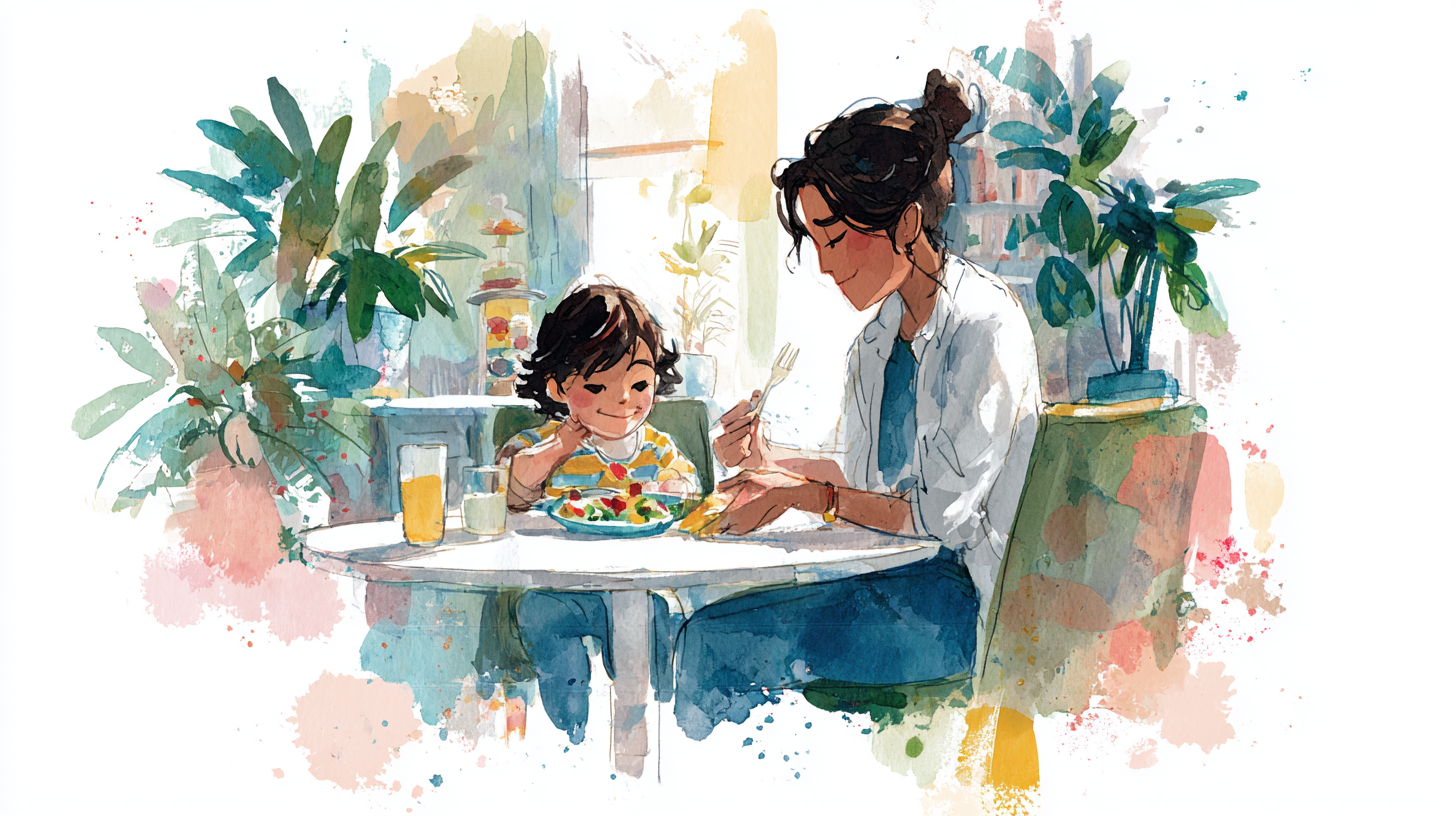
The shift from rigid feeding rules to flexible, family-centered goals isn’t just more compassionate—it’s more effective. When parents focus on small, incremental improvements rather than idealized outcomes, children develop healthier relationships with food. They learn to trust their bodies, explore new foods at their own pace, and see mealtimes as opportunities for connection rather than battles to be won.
Think about introducing your baby to Caribbean flavors through simple, achievable steps. Maybe you start with a mild sweet potato and coconut milk blend, like Calabaza con Coco from the Caribbean Baby Food Recipe Book. The goal isn’t perfection—it’s exposure. One taste counts. A curious look counts. Even a rejected spoonful counts because your child experienced something new.
What if I told you that the parents who seem to have it all figured out are struggling just like you?
What Realistic Feeding Goals Actually Look Like
Forget the Instagram-perfect bento boxes and the pressure to have your one-year-old eating quinoa bowls. Realistic feeding goals are collaborative, individualized, and focus on your child’s development—not someone else’s standards.
Feeding therapy experts now emphasize skill-based, incremental goals. Instead of “my child will eat vegetables,” a realistic goal might be “my child will touch a new vegetable with their fingers this week.” Instead of “three balanced meals daily,” it might be “one meal where we sit together as a family without screens.”
Here’s what makes these goals powerful: they’re measurable, achievable, and celebrate the journey. Research from institutions like Mass General for Children shows that when parents set “just right” challenges—not too easy, not too overwhelming—children make consistent progress. More importantly, parents feel empowered rather than defeated.
Check off each small victory as it happens this week—no win is too small!
Let’s talk about what this looks like in practice. Say you want to introduce your baby to traditional Caribbean ingredients. Maybe you’re Jamaican and want your child to experience the comfort of cornmeal porridge, or you’re Guyanese and dream of the day they enjoy cook-up rice.
A perfectionist approach might involve elaborate meal plans, specific nutrient calculations, and rigid feeding schedules. A progress-focused approach? Start with one spoonful of Cornmeal Porridge Dreams, celebrate their curiosity (even if they spit it out), and try again next week. Maybe add a hint of cinnamon the second time. Maybe mix it with a familiar flavor they already love.
The goal isn’t immediate acceptance. It’s building familiarity, reducing pressure, and making mealtimes feel safe. Some babies need 15-20 exposures before accepting a new food. That’s not failure—that’s normal development.
The Data Behind Progress Over Perfection
Let’s ground this in numbers. During the 2022 infant formula shortage, researchers observed something remarkable: parents who adapted their feeding strategies to real-world constraints didn’t just survive—their babies thrived. When rigid standards became impossible to maintain, parents got creative, sought community support, and learned to trust their instincts.

Mobile apps designed to help parents set and track feeding goals have exploded in popularity. These tools work because they provide personalized content, affirm small wins, and adjust expectations based on real progress rather than predetermined timelines. The BabyByte app study, for instance, found that parents using responsive feeding apps reported lower stress levels and higher confidence in their feeding practices.
Expert perspectives have shifted dramatically. Clinical feeding therapists now advocate for family-centered, strengths-based approaches that honor cultural traditions, family values, and individual child temperament. The SOS Approach to Feeding—one of the leading therapeutic models—emphasizes playful, pressure-free exploration of food. Goals aren’t about consumption; they’re about interaction.
Dietitians and parenting experts on social media have amplified this message. Hashtags like #ProgressOverPerfection and #RealisticParenting have created communities where parents share stories of “good enough” meals and celebrate the small victories that make up real feeding success. These spaces validate what research confirms: authentic success doesn’t look like a magazine spread. It looks like your child asking for seconds of rice and peas, even if they ignored the vegetables.
How realistic are your current feeding expectations? Rate each area on a scale from 1-10:
Celebrating Small Wins (Because They’re Actually Big Wins)
Here’s something that will change how you see feeding forever: every interaction with food is progress. Your toddler licked the spoon with pureed callaloo? Progress. Your baby made a face at their first taste of Plantain Paradise but didn’t cry? Progress. You survived a meal without bargaining, bribing, or breaking down? Major progress.
The problem is we’ve been trained to overlook these moments. We’re so focused on the end goal—a child who eats everything enthusiastically—that we miss the incremental steps that actually build healthy eating habits. But feeding therapists will tell you: those small steps are everything.
Consider the parent who worries their child only eats five foods. Instead of fixating on the 95 foods they won’t touch, celebrate the five they will. Those five foods represent trust, familiarity, and comfort. From that foundation, you can slowly introduce variations. The child who loves Batata y Manzana (sweet potato and apple blend) might eventually accept yellow yam or calabaza. But it starts with celebrating what’s already working.
Community and online groups have revolutionized how parents celebrate these wins. Parents post photos of their baby’s first taste of Ackee Adventure or share stories of their toddler finally accepting a spoonful of Basic Mixed Dhal Puree after months of refusal. These moments—documented, shared, and celebrated—become powerful reminders that progress isn’t linear, and every small win matters.
One parent shared their journey introducing Caribbean foods through the Caribbean Baby Food Recipe Book: “Week one, my daughter turned her nose up at everything. Week three, she touched a piece of green banana. Week six, she ate a full serving of Yellow Yam & Carrot Sunshine. I cried happy tears. Not because she ate it, but because I finally realized that every tiny step counted.”
Adjusting Expectations Without Lowering Standards
Let’s address the fear that lurks behind every conversation about realistic goals: if I lower my expectations, am I setting my child up for poor nutrition? Am I being lazy? Am I giving up?
No. Adjusting expectations isn’t about lowering standards—it’s about aligning them with reality. It’s about recognizing that your 18-month-old refusing dinner isn’t a failure of parenting. It’s developmentally normal behavior.
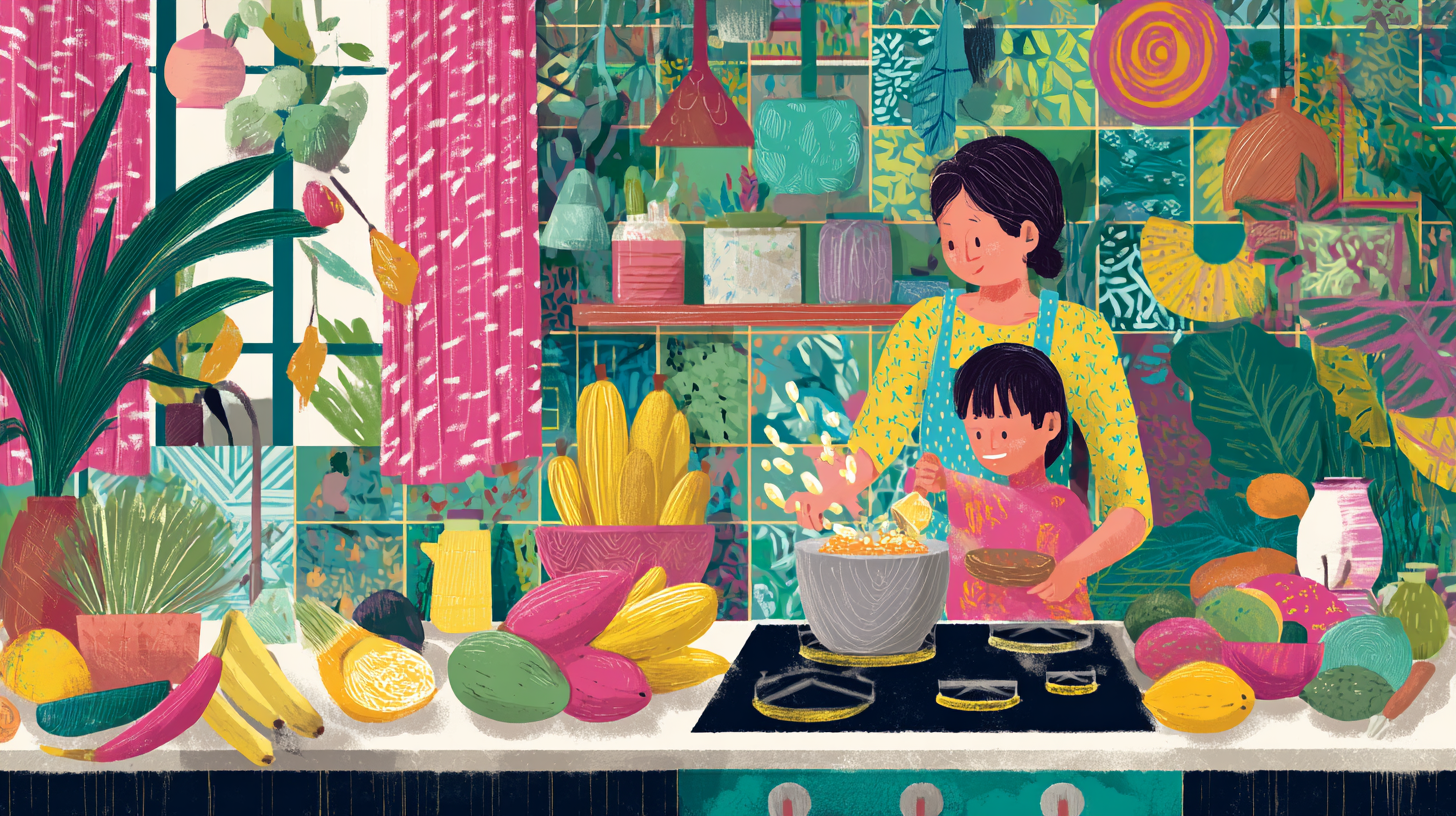
Research into feeding difficulties shows that children thrive when parents provide structure without rigidity. This means offering regular meals and snacks, presenting a variety of foods, and then—here’s the key—letting the child decide how much to eat. This division of responsibility, pioneered by feeding expert Ellyn Satter, reduces mealtime battles and helps children develop healthy self-regulation.
Adjusting expectations also means getting honest about your family’s capacity. Maybe you work long hours and don’t have time for elaborate meal prep. That’s okay. A simple meal of Coconut Rice & Red Peas from a trusted recipe is nutritious, culturally meaningful, and achievable. The standard isn’t perfection—it’s providing nourishment and connection.
Parents dealing with picky eating, sensory sensitivities, or feeding disorders face unique challenges. For these families, adjusting expectations isn’t optional—it’s necessary for survival and progress. Goals might look like “my child will sit at the table without distress” or “we’ll have one meal this week where nobody cries.” These aren’t low standards. They’re realistic, compassionate, and clinically appropriate goals.
Rate your feeding wins this week. Give yourself a point for each one you achieved!
When Social Media Steals Your Confidence
Let’s talk about the elephant in the room: social media. Specifically, the endless scroll of beautifully photographed toddler meals, the influencer parents whose children apparently eat everything, and the subtle (or not-so-subtle) feeding advice that makes you question every decision.
A 2025 study found that parents feel increasingly pressured and judged over what their children eat, with social media amplifying these feelings. When you see a post about a two-year-old eating salmon and Brussels sprouts while your toddler just threw spaghetti at the wall, it’s easy to feel like you’re failing.
But here’s the truth: social media shows you the highlight reel, not the full picture. That perfect meal? It might be the first time that child ate vegetables all week. That calm, smiling parent? They might have cried in the bathroom ten minutes earlier. You’re comparing your behind-the-scenes reality to someone else’s carefully curated performance.
Expert voices on social media have started pushing back against this culture of perfection. Dietitians share posts about “good enough” meals. Pediatricians remind parents that toddler food refusal is normal, not a sign of poor parenting. Feeding therapists emphasize that every child develops at their own pace.
The antidote to social media comparison is community—real, honest, messy community. Join groups where parents share the truth: the rejected meals, the tantrums, the days when chicken nuggets saved everyone’s sanity. These spaces validate your experience and remind you that progress, not perfection, is the goal.
Measuring Success Authentically
If perfect isn’t the goal, how do you know if you’re succeeding? What metrics matter when you’re focused on progress over perfection?
Authentic success in feeding looks like this: your child has a generally positive relationship with food and mealtimes. They show curiosity about new foods (even if they don’t immediately eat them). They can recognize and communicate their hunger and fullness. Mealtimes are mostly peaceful rather than battlegrounds.
Notice what’s not on that list? Specific foods. Nutrient calculations. Comparisons to other children. Those things might matter to some extent, but they’re not the foundation of feeding success.
Feeding therapy experts often use the concept of “food interaction” rather than “food acceptance” as a success metric. Did your child look at the new food? Touch it? Smell it? Lick it? Each of these is a form of success because it represents engagement rather than avoidance. Over time, these small interactions build familiarity and reduce fear.
For parents navigating cultural food traditions, success might mean your child accepts one culturally significant dish, even if they’re still working on others. Maybe they love Cornmeal Porridge Dreams but aren’t ready for Geera Pumpkin Puree. That’s okay. You’re building bridges to your heritage one spoonful at a time, and every bite is meaningful.
Authentic measurement also involves checking in with yourself. Do you feel less stressed about feeding? Are mealtimes more enjoyable? Have you stopped comparing your child to others? These internal shifts are just as important as your child’s eating behaviors. When you’re calmer, your child feels safer. When you’re confident, your child trusts the process.
The Caribbean Approach: Food, Family, and Flexibility
There’s something we can learn from Caribbean feeding traditions that perfectly embodies progress over perfection: flexibility within structure. Caribbean meals often involve large pots of food shared among family, with children eating what and how much they choose from what’s available. There’s structure—specific dishes, regular mealtimes—but also flexibility in portions and preferences.
This approach naturally supports responsive feeding principles. The parent’s job is to provide the food (hello, Stewed Peas Comfort or Cook-Up Rice & Beans Smooth). The child’s job is to decide how much to eat. There’s cultural wisdom in this division that modern feeding research is only now catching up to.
When you’re introducing Caribbean foods to your baby or toddler, you’re not just offering nutrition—you’re offering connection, identity, and comfort. These meals tell stories. They connect your child to grandparents, islands, and traditions that stretch back generations. This emotional and cultural value matters just as much as the nutritional content.
Using resources like the Caribbean Baby Food Recipe Book helps you bring these traditions to life in baby-friendly ways. Recipes like Sweet Potato & Callaloo Rundown or Papaya & Banana Sunshine honor your heritage while meeting your baby’s developmental needs. And here’s the beautiful part: even if your child doesn’t immediately love every dish, you’re planting seeds. Familiarity matters. Exposure matters.
Match the perfectionistic thoughts with their progress-focused alternatives. Click cards to flip them:
Real Parents, Real Stories, Real Progress
Let me share some stories from parents who’ve embraced progress over perfection—because sometimes the best teaching comes from lived experience.
Maria, a first-time mom from Trinidad, spent months stressing over her son’s limited diet. He would only eat about six foods, and she felt like a failure every time she saw other toddlers eating varied meals. Then she connected with a feeding therapist who reframed her perspective. Instead of focusing on what her son wouldn’t eat, they celebrated what he would. They noticed he loved texture, so they introduced variations of his favorite foods in different forms. Six months later, his accepted foods had doubled—not because Maria forced anything, but because she created a low-pressure environment where exploration felt safe.
Jason, a Jamaican dad working full-time, used to feel guilty about not cooking elaborate meals. He wanted his daughter to experience traditional foods but felt overwhelmed by the time and effort. When he discovered simple, authentic recipes like Plantain Paradise and Yellow Yam & Carrot Sunshine, everything shifted. He realized that feeding his daughter didn’t require perfection—it required presence. Now, Sunday mornings involve simple cooking together, tasting as they go, and connecting through food rather than stressing over it.
Keisha, a Guyanese-American mom, struggled with feeding her daughter who had sensory sensitivities. Traditional feeding advice felt impossible to implement, and she often felt judged by family members who didn’t understand. Her breakthrough came when she started setting micro-goals: just having her daughter sit at the table during meals, even if she didn’t eat. Then, touching a food with her fingers. Eventually, tolerating the smell of certain dishes. Each tiny step took weeks or months, but they added up. Today, her daughter eats a small but growing variety of foods, and Keisha no longer measures success by comparing her child to others.
These stories illustrate a crucial truth: progress is personal. What works for one family won’t work for another. What matters is finding your own path, celebrating your own wins, and trusting that small, consistent efforts compound over time.
Building Your Personal Feeding Philosophy
So where does this leave you? How do you actually implement progress over perfection in your daily life?
Start by defining what success looks like for your family. Not Instagram’s version. Not your mother-in-law’s version. Yours. Maybe success is three meals a week where everyone sits together. Maybe it’s introducing one new food every two weeks. Maybe it’s simply ending each day knowing you did your best with the energy and resources you had.
Build in flexibility. Life happens. Growth spurts happen. Teething happens. Toddler autonomy battles happen. Your feeding approach needs to bend without breaking. Some days, you’ll serve a beautiful, balanced meal with foods from multiple groups. Other days, you’ll serve toast and scrambled eggs for dinner. Both are okay. Both count.
Connect with your culture. If Caribbean food traditions matter to you, find simple, achievable ways to share them. One recipe at a time. One ingredient at a time. The Caribbean Baby Food Recipe Book offers over 75 recipes that honor island flavors while supporting your child’s development. Pick one that resonates, try it without pressure, and let the experience unfold naturally.
Practice self-compassion. You will have hard days. You will feel frustrated. You will question your choices. When those moments come, remind yourself: you’re doing better than you think. The fact that you’re reading this article, seeking information, and caring about your child’s relationship with food? That already makes you a great parent.
Seek support when you need it. If feeding becomes truly stressful, if your child shows signs of feeding difficulties, or if you feel overwhelmed, reach out to professionals. Feeding therapists, pediatric dietitians, and supportive pediatricians can help you set realistic goals and troubleshoot challenges. There’s no shame in asking for help—it’s a sign of strength, not weakness.
Your Invitation to Start Today
Ten years from now, you won’t remember the meals your child refused. You won’t obsess over the days they ate crackers for breakfast or the weeks they survived on five foods. But you will remember the moments you shared: the laughter over a messy face covered in mango puree, the pride in their eyes when they bravely tasted something new, the peace of knowing you created a mealtime environment built on connection rather than conflict.
Progress over perfection isn’t about giving up. It’s about giving yourself permission to be human, to honor your child’s unique journey, and to trust that small, consistent efforts create lasting change. It’s about recognizing that the goal isn’t raising a perfect eater—it’s raising a confident, healthy child who trusts their body and sees food as nourishment, pleasure, and connection.
The magic isn’t in the perfect meal plan or the flawless feeding strategy. The magic is in showing up, day after day, meal after meal, with patience, flexibility, and love. That’s what your child will remember. That’s what will shape their relationship with food for a lifetime.
So take a deep breath. Release the pressure. Celebrate the small wins. Adjust your expectations to match your reality. And remember: good enough isn’t just good parenting—it’s exactly the parenting your child needs.
You’ve got this. One meal, one moment, one tiny victory at a time.

Kelley's culinary creations are a fusion of her Caribbean roots and modern nutritional science, resulting in baby-friendly dishes that are both developmentally appropriate and bursting with flavor. Her expertise in oral motor development and texture progression ensures that every recipe supports your little one's feeding milestones while honoring cultural traditions.
Join Kelley on her flavorful journey as she shares treasured family recipes adapted for tiny taste buds, evidence-based feeding guidance, insightful parenting anecdotes, and the joy of celebrating food, culture, and motherhood. Get ready to immerse yourself in the captivating world of Kelley Black and unlock the vibrant flavors of the Caribbean for your growing baby, one nutritious bite at a time.
- The Feeding Revolution: Why Your Everyday Meals Are Changing the World - October 13, 2026
- Your Feeding Story Matters More Than The “Perfect” One Online - October 12, 2026
- Looking Forward: Stepping Into Your Confident Feeding Future - October 11, 2026