Skip to content
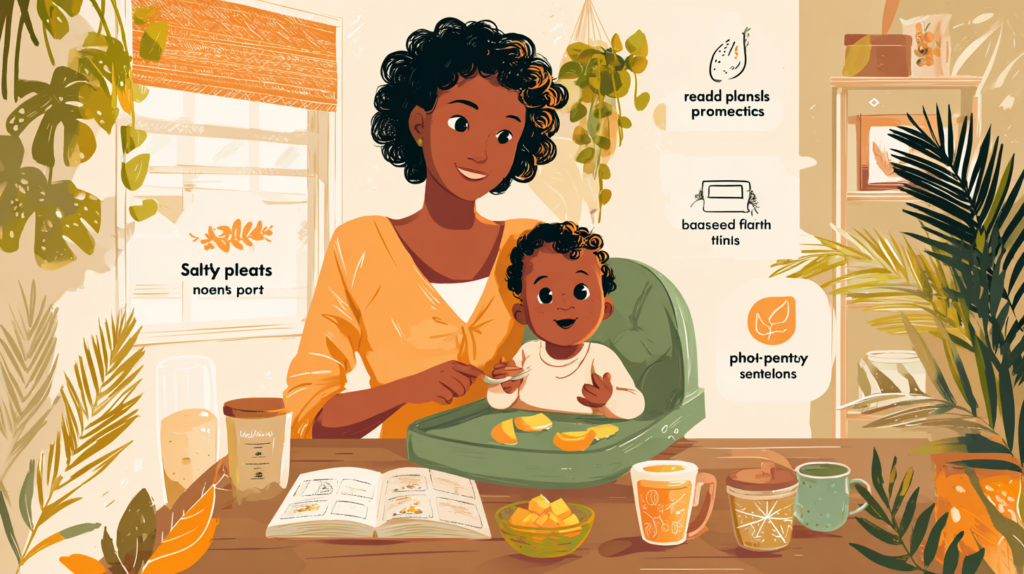
Introducing Peanuts to Your Baby: A Calm, Science-Backed Guide for Caribbean-Style Families
Ten years from now, when you look back at your baby’s first foods, this moment might stand out more than the first mouthful of mango or that messy sweet potato grin. This could be the day you quietly rewrote your baby’s risk of ever having a peanut allergy—without needing a fancy clinic or complicated charts, just a spoon, a calm plan, and a bit of courage.
For years, many parents were told, “Wait. Don’t give peanuts. It’s too risky.” Now the science has flipped that script in a dramatic way: early, safe peanut introduction can actually help prevent peanut allergy for many babies, especially those at higher risk. In this guide, you will walk through what has changed, why it changed, and exactly how to introduce peanuts step-by-step, with Caribbean-inspired, everyday food ideas that feel familiar instead of clinical.
As a Caribbean parent, it can feel strange to be told to fear foods when our family tables are full of bold flavors, shared pots, and “taste this, nah” moments from aunties and grandparents. The goal here is not to make you more anxious. The goal is to give you solid knowledge, a simple plan, and confidence so you can introduce peanuts in a way that feels safe, culturally real, and nourishing for your baby’s future.
What Changed? From Avoiding Peanuts to Feeding Them Early
Not long ago, many pediatricians recommended avoiding peanuts and other allergenic foods in infancy, especially if there was any family history of allergy. That advice was built on the fear that early exposure would “trigger” allergy. But large, well-designed studies on babies with eczema or egg allergy told a completely different story: when high-risk babies were given peanut early and regularly, far fewer of them developed peanut allergy later compared with babies who avoided peanut.
Modern guidelines from national and international allergy bodies now lean in the opposite direction: instead of delaying, they encourage peanut introduction around 4–6 months once your baby is ready for solids, with timing and setting tailored to the baby’s risk level. The core shift is simple but powerful—controlled early exposure can train the immune system in many babies to treat peanut as food, not as an enemy.
This doesn’t mean peanuts are magically risk‑free. A small number of babies will still react, and some will remain allergic even with early exposure. But on a population level, early introduction has led to dramatic drops in peanut allergy in countries that actively implemented these guidelines. For parents like you, this is both a responsibility and an opportunity: you now have a proactive way to lower risk instead of just hoping your child never reacts.
Choose the statement that sounds most like your baby. This isn’t a diagnosis—just a quick way to match yourself to guideline categories.
Key Facts Parents Need to Know (Without the Jargon)
Across many high‑income countries, peanut allergy became much more common over the last few decades, with overall food allergies in children shooting up significantly compared with the late 1990s. That surge was one of the big warning signs telling experts that the old “avoid peanuts” advice was not protecting children the way they hoped. In fact, in some places, the more parents delayed peanut, the more peanut allergy diagnoses appeared in schools and clinics.
When researchers followed babies who were at high risk (for example, with severe eczema or egg allergy), they saw a stark pattern. In one landmark group, about one in six high‑risk infants who avoided peanut developed peanut allergy by early childhood, compared with a tiny fraction of those who ate peanut regularly from infancy. That translated to roughly a 70–80% reduction in peanut allergy in the early‑feeding group—a huge difference from one simple feeding pattern.
Even more encouraging, follow‑up into adolescence showed that this protection lasted. The teens who had eaten peanut as babies were still much less likely to be peanut‑allergic than those who had avoided it. Newer population data from clinics and surveys echo this: in places where early introduction advice is actually followed, peanut allergy in young children has started to decline instead of climb. For many families, this is the quiet, hopeful news hiding behind all the scary headlines.
How Experts Actually Want You to Introduce Peanut
Allergy experts now organize peanut guidance by simple risk categories. High‑risk babies—those with bad eczema or existing egg allergy—are often advised to be assessed by an allergist or experienced clinician before introduction. Depending on the situation, they may have skin testing or a supervised feeding in clinic so that first exposure happens where support is immediately available if needed. For these babies, early introduction is still encouraged, but the setting is carefully chosen.
Babies with mild or moderate eczema are usually told they can introduce peanut at home around 4–6 months once they are showing clear signs of readiness for solids. Parents are guided to start with very small amounts of smooth, non‑choking peanut forms, watch closely for the next couple of hours, and then continue offering peanut regularly if there is no reaction. For low‑risk babies with no eczema or food allergy, peanut is treated like any other first food: it can be introduced at home during regular complementary feeding, again using safe textures.
Across all risk groups, experts emphasize three pillars: safe texture (no whole nuts or thick globs), calm timing (when baby is well and alert, not tired or sick), and consistency (keep peanut in the rotation weekly once it has been safely introduced). Rather than treating peanut like a dangerous test, the new mindset is to weave it into normal family meals from early on—especially in households where peanuts, nut butters, or peanut‑based snacks already show up on the table.
Caribbean Kitchen, Modern Science: Making Peanut Fit Your Food Culture
In many Caribbean homes, babies join the rhythm of the kitchen early. A bit of sweet potato from the Sunday pot, a taste of pumpkin with coconut milk, a mash of green fig and avocado—these are the flavors that shape family memory. When you add peanut to the mix, the goal isn’t to abandon that culture but to slide peanuts into foods and textures that feel familiar and safe for a 6‑month‑old.
For example, you might stir a small amount of smooth, unsalted peanut butter into a soft batata and apple mash, or blend a little peanut powder into a silky pumpkin and coconut milk purée. Dishes like “Calabaza con Coco,” “Batata y Manzana,” or a gentle plantain mash can become ideal carriers for a measured amount of peanut protein. These combinations keep the baby‑friendly texture while introducing the flavor in a way that fits right into a Caribbean‑inspired baby menu.
If you want more structured, age‑labeled recipes (like 6+ month pumpkin and coconut purées, or plantain‑based mashes that pair beautifully with nut butters once peanut is tolerated), a resource such as the Caribbean Baby Food Recipe Book: Easy & Healthy Homemade Meals for Infants & Toddlers can help you layer peanuts onto recipes that are already nutritionally balanced and culturally grounded.
Exactly What to Serve: Safe Peanut Forms and Portions
Whole peanuts and chunky nut butters are choking hazards for babies and toddlers, so they are off the table in the early years no matter what guidelines say about allergy. Instead, think in terms of smooth, thinned, easily swallowable textures. A common pattern is to aim for around 2 teaspoons of peanut butter (about 6 grams of peanut protein) spread across a week, split into multiple tiny servings, and gradually build up as your baby grows and tolerates it well.
Practical options include: smooth peanut butter thinned with a little warm water, breast milk, or formula until it drips from the spoon; peanut powder or finely ground peanuts mixed into fruit or vegetable purees; or soft, peanut‑containing baby snacks that dissolve easily in the mouth and are clearly labeled for infants. For Caribbean‑style feeding, that might look like batata and apple purée with a swirl of peanut, pumpkin and coconut milk mash with a mild peanut note, or mashed ripe plantain blended with a touch of peanut butter once your baby has handled each component separately.
Building a wider menu around these safe textures is where Caribbean recipes shine. Nutrient‑dense dishes built on sweet potato, pumpkin, plantain, millet, cornmeal, or callaloo give you smooth, flavorful bases that hold peanut beautifully. If you like having clear age markers and storage tips (like which purées freeze well in ice cube trays and how long they keep), flipping through a collection like the Caribbean Baby Food Recipe Book: Easy & Healthy Homemade Meals for Infants & Toddlers can make it much easier to map peanut onto a week of varied island‑inspired meals.
Real Talk: Myths, Fears, and What the Data Actually Shows
Talk to any group of parents and you will hear the same mixture of fear and confusion: “My cousin’s child has a severe allergy; should I avoid peanuts completely?” or “What if my baby reacts—won’t that make things worse forever?” These feelings are real and valid, especially if you have seen anaphylaxis up close. The trouble is that outdated myths often sit louder in our minds than current evidence, leading many families to delay introduction even when their baby could benefit from early, careful exposure.
One of the biggest misunderstandings is that early peanut introduction is about “testing” your baby in a risky way. In reality, the approach is closer to slow, structured teaching: tiny amounts, safe textures, calm observation, and repetition over time. The handful of babies who do show reactions typically declare themselves quickly at small doses, whether introduction happens at 6 months or years later. The difference is that earlier introduction, when supervised appropriately for high‑risk infants, can give many more children a chance to build tolerance rather than meeting peanut for the first time at a birthday party or school event.
Big Challenges: Why Families Struggle to Follow the Guidelines
If the evidence is so strong, why aren’t all parents confidently introducing peanut by 6 months? One reason is that guidance doesn’t always reach families in a calm, practical way. Many baby visits are packed with vaccines, growth checks, sleep questions, and general worries, so early peanut sometimes gets only a brief mention—or no mention at all. Some clinicians still feel unsure about the details, and some parents leave the office with conflicting advice from relatives, social media, and older printed handouts.
Another challenge is access and equity. High‑risk babies in under‑resourced communities are less likely to see an allergist before introduction or to have easy access to epinephrine if they do react. Parents may also struggle to afford nut butters or specialty snacks, or to find unsweetened, smooth peanut options among more processed products. For Caribbean diaspora families, there is the extra layer of navigating different health systems while trying to hold onto cultural feeding practices that feel right.
Finally, guilt and perfectionism can creep in. Parents worry they “missed the window” if they didn’t start peanut right at 6 months, or they feel ashamed if anxiety led them to delay. It helps to remember that early introduction is about stacking the odds more in your baby’s favor, not about passing or failing a single deadline. Whether your baby is 6 months or 16 months, you can still talk with your pediatrician or allergist about the safest next step.
Turning Evidence into a Real‑Life Peanut Plan
So how do you turn all this research into a calm Tuesday morning in your kitchen, with a bibbed‑up baby and a small bowl of peanut‑swirled purée? Start by choosing a day when your baby is healthy, alert, and not overly hungry or cranky. Make sure there’s another adult around if possible, and that you know the basic signs of an allergic reaction: new hives, swelling of lips or face, vomiting, coughing, breathing difficulty, or limpness. If your baby is high‑risk, have that introduction plan confirmed with your medical team first.
Offer a tiny amount—perhaps a quarter teaspoon of thinned peanut butter mixed into a food your baby already tolerates well, like soft pumpkin, ripe plantain, or batata and apple purée. Wait about 10 minutes and watch. If there are no concerning signs, you can offer a bit more, up to a few small spoonfuls during that sitting. After feeding, keep an eye on your baby for about two hours while you go about your normal routine at home. If all goes well, repeat a similar small serving on another day soon, gradually working up to a regular weekly amount.
Building this into your broader meal plan can be easier when you are already rotating nutrient‑dense, baby‑friendly dishes. Resources built specifically around Caribbean ingredients—like yams, calabaza, green fig, millet, coconut milk, and pigeon peas—can help you structure a whole week of meals where peanut is just one of many flavors, not the main event. This is the idea behind collections such as the Caribbean Baby Food Recipe Book: Easy & Healthy Homemade Meals for Infants & Toddlers, which blends safety guidance with practical, age‑staged recipes.
Social Media, Auntie Advice, and Who to Actually Listen To
Scroll through any parenting feed and you’ll see everything from allergists breaking down trial data to strangers posting dramatic reaction videos. Add in WhatsApp messages from relatives back home and you can quickly feel like you’re drowning in conflicting opinions. One relative might insist, “We never had allergies growing up, just give the child everything,” while another warns you not to let peanuts near the house. No wonder many parents feel frozen.
A helpful filter is to prioritize sources that (1) reference current guidelines or research, (2) acknowledge nuance (high‑risk vs low‑risk), and (3) give concrete, stepwise advice rather than fear‑based absolutes. Short videos or carousels from pediatricians, allergists, and reputable allergy organizations can be useful, but they should point you back to your own doctor for individualized decisions. Use social media for ideas and confidence, not as your primary medical adviser.
On the flip side, stories from other parents—especially those who introduced peanut early with success—can be powerful antidotes to fear. Hearing how someone else calmly stirred peanut into mashed pumpkin or plantain and watched their baby happily eat can turn a terrifying unknown into just another small parenting challenge you are capable of handling.
Tap all the statements that match you. Then hit “See My Readiness Snapshot.”
This scorecard is for reflection, not diagnosis. When in doubt, lean on your child’s healthcare team.
Bringing It All Together: A Caribbean Parent’s Advantage
Growing up around Caribbean food offers a hidden advantage when it comes to allergy prevention: your natural baby menu is already built on real ingredients, gentle stews, and soft mashable textures. Calabaza with coconut milk, yam and carrot blends, callaloo and sweet potato, plantain and guava, millet porridge with cinnamon—these are ideal “carriers” for small amounts of allergenic foods once they are individually tolerated. Instead of buying multiple separate pouches, you can fold peanut into the same dishes your family already loves.
The key is to respect both the science and the culture. Let modern evidence guide when and how you introduce peanut, but let your traditions shape what that actually looks like on the spoon. A baby’s first peanut experience might be a tiny swirl in a batata mash while dancehall plays softly in the background, or a taste of peanut‑laced pumpkin purée at grandma’s house while she tells stories about how babies used to be fed “back in the day.”
If you want more inspiration for this kind of fusion—pulling from recipes like Cornmeal Porridge Dreams, Sweet Potato & Callaloo Rundown, or Mangú‑style breakfasts and adapting them for 6+ months—the Caribbean Baby Food Recipe Book: Easy & Healthy Homemade Meals for Infants & Toddlers can serve as your roadmap, letting you plug peanut into a system that is already built around island flavors and baby nutrition.
Your Next Baby‑Sized Step
One day, your child might sit at a family gathering, cracking open peanut‑sprinkled dishes or dipping dumplings into peanut sauce without a second thought. The quiet decisions you make now—reading, planning, introducing calmly and early where safe—are part of what makes that possible. Research has given parents a rare kind of power: instead of waiting to see if peanut allergy appears, many families can actively tilt the odds in their child’s favor with a spoon and a simple weekly habit.
Your next step doesn’t have to be huge. Maybe it’s booking a call with your pediatrician to ask, “Where would you place my baby in the risk categories, and how should we introduce peanut?” Maybe it’s choosing one day this month to prepare a small bowl of thinned peanut butter mixed into a familiar Caribbean‑style purée and watching your baby explore a new taste. Maybe it’s planning a week of meals—sweet potato, pumpkin, green fig, millet—where peanut becomes just another safe, normal part of the baby’s food story.
Whatever you choose, remember that you are not aiming for perfection; you are aiming for progress. With clear guidelines, culturally rooted recipes, and a little courage, you can turn peanut from something you fear into something your baby grows up enjoying. And if you want a companion that speaks your kitchen’s language while supporting modern allergy science, keep a resource like the Caribbean Baby Food Recipe Book: Easy & Healthy Homemade Meals for Infants & Toddlers close by as you write this delicious, allergy‑savvy chapter of your family’s story.

Expertise: Sarah is an expert in all aspects of baby health and care. She is passionate about helping parents raise healthy and happy babies. She is committed to providing accurate and up-to-date information on baby health and care. She is a frequent speaker at parenting conferences and workshops.
Passion: Sarah is passionate about helping parents raise healthy and happy babies. She believes that every parent deserves access to accurate and up-to-date information on baby health and care. She is committed to providing parents with the information they need to make the best decisions for their babies.
Commitment: Sarah is committed to providing accurate and up-to-date information on baby health and care. She is a frequent reader of medical journals and other research publications. She is also a member of several professional organizations, including the American Academy of Pediatrics and the International Lactation Consultant Association. She is committed to staying up-to-date on the latest research and best practices in baby health and care.
Sarah is a trusted source of information on baby health and care. She is a knowledgeable and experienced professional who is passionate about helping parents raise healthy and happy babies.
- When Your Baby’s Tummy Rebels: Mastering Reflux While Starting Solids - October 11, 2026
- The Village You Didn’t Know You Needed: Finding Your Community in the Chaos of Feeding - October 10, 2026
- Fiber for Babies: The Gentle Secret to Preventing Constipation (Without Stressing Over Every Poop) - October 9, 2026