Hydration for Babies: Water, Milk, and Other Beverages
Take the Hydration Knowledge Quiz
Before we dive deep into baby hydration, test what you think you know. You might be shocked by what’s actually safe…
When can you safely give your baby water?
Three a.m. You’re up again. Your baby’s crying, and your mother-in-law’s voice echoes in your head: “Just give them some water, nah?” Your neighbor swears by juice to keep her six-month-old hydrated. Your pediatrician says something completely different. And you? You’re standing in your kitchen, exhausted and confused, wondering if you’re somehow failing your baby by not knowing something as basic as what they should drink.
Here’s what nobody tells you when you bring that precious bundle home: hydration for babies isn’t intuitive. It defies common sense. What works for adults can actually be dangerous for infants. And the advice you’ll get from well-meaning relatives? Often dead wrong. But don’t worry—that confusion ends today. Because understanding baby hydration isn’t just about preventing dehydration. It’s about protecting your baby’s kidneys, supporting their growth, and yes, sometimes ignoring what seems like obvious advice to keep them safe.
The truth is, baby hydration follows rules that seem to contradict everything we know about keeping ourselves healthy. Too much water can be more dangerous than too little. Milk isn’t always the answer. And juice—that innocent-looking beverage—might be one of the worst things you can offer. But once you understand the why behind these rules, everything clicks into place. And that’s exactly what we’re going to unpack together, starting with the most shocking truth of all.
The Shocking Truth About Water and Babies Under Six Months
Let me tell you something that might blow your mind: giving water to a baby under six months old can actually be dangerous. Not just unnecessary—dangerous. Here’s why. A baby’s tiny body has a delicate sodium balance. When you introduce water before their system is ready, you dilute that sodium concentration. This condition, called hyponatremia or water intoxication, can cause seizures, coma, or in extreme cases, death. It sounds dramatic because it is. We’re talking about babies whose kidneys aren’t mature enough to process excess fluids the way ours can.
Before six months, breast milk or properly mixed formula provides all the hydration your baby needs. These aren’t just food—they’re perfectly calibrated hydration systems. Breast milk is approximately 87% water. It adjusts its composition based on your baby’s needs, becoming more watery in hot weather or when your baby is thirsty. Formula, when mixed correctly, provides the same water content. Think of it this way: you wouldn’t water down a perfectly balanced solution, right? That’s essentially what happens when you add water to a baby’s diet before they’re ready.
Even in hot Caribbean climates—and I know this goes against what many of our grandmothers say—babies under six months don’t need water. Not even “just a sip.” The risk of disrupting their electrolyte balance far outweighs any perceived benefit. Research confirms that exclusively breastfed or formula-fed infants maintain proper hydration even in warm environments without additional water. The American Academy of Pediatrics is clear on this: no water before six months, period. Not in bottles, not on spoons, not “just to try.” Their little systems simply aren’t designed for it yet.
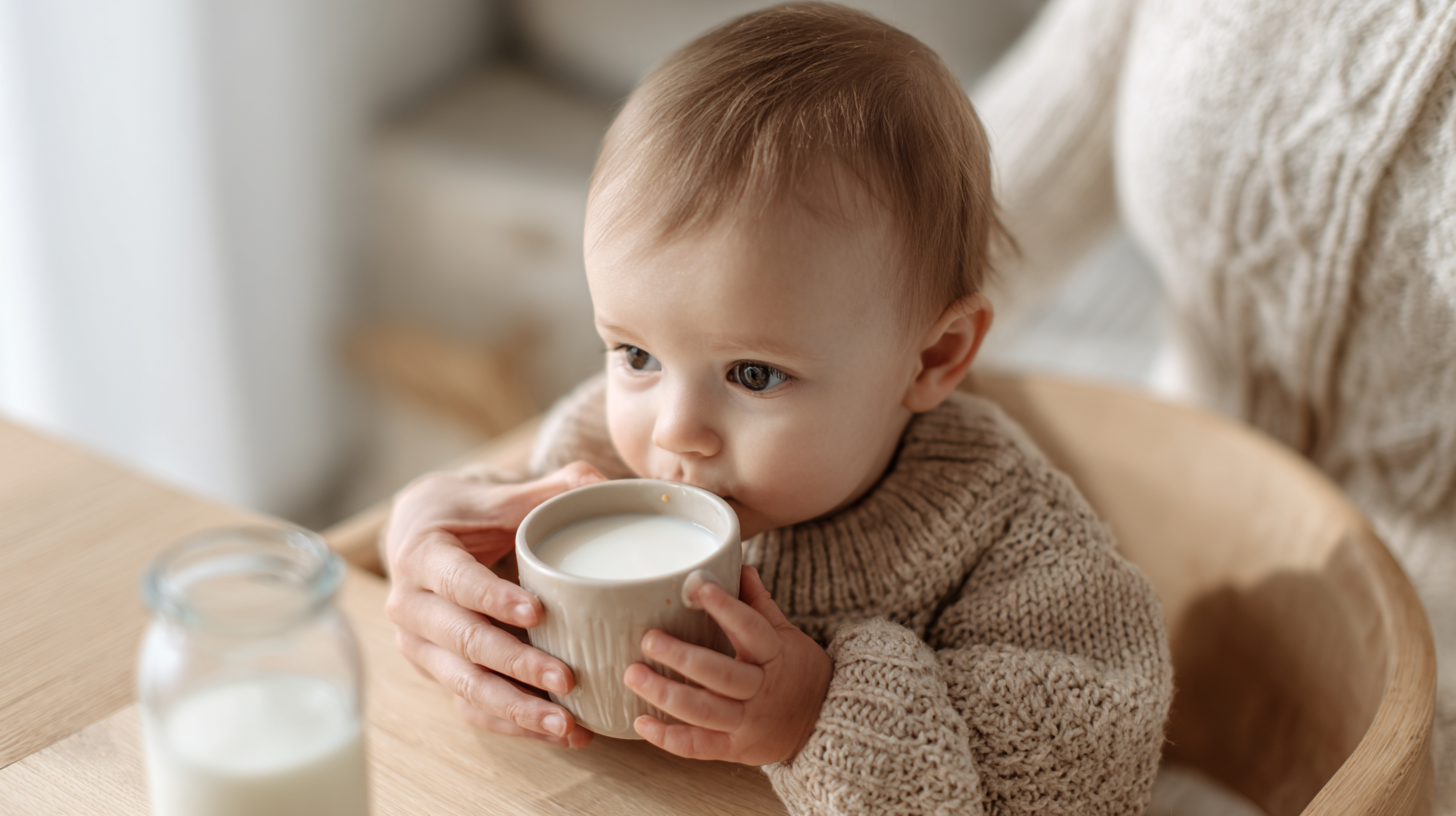
But here’s where it gets interesting. Around six months, when babies start eating solid foods, everything changes. Solids are less hydrating than milk. They require more water to digest and process. Suddenly, your baby’s body needs additional fluids beyond what milk provides. This is when—and only when—you can start offering small amounts of water. We’re talking 4-8 ounces total per day at first, offered in a cup at mealtimes. Not as a replacement for milk, but as a complement to their expanding diet. Think of water at this stage as a supporting player, not the star of the show.
Baby Hydration Calculator
Find out exactly how much fluid your baby needs based on their age
Why Juice Is Your Baby’s Sweet Enemy
Let’s talk about juice. It looks harmless sitting there in its colorful packaging, promising vitamins and fruit goodness. But here’s what the juice industry doesn’t advertise: juice for babies under 12 months is essentially liquid sugar without the fiber benefits of whole fruit. The American Academy of Pediatrics updated their guidelines specifically to address the juice problem, and their stance is unequivocal: no juice before one year, period. Not diluted juice, not organic juice, not “natural” juice. None of it.
Why the hard line? Because juice does three things, all of them bad. First, it trains your baby’s palate to expect sweet drinks, making plain water less appealing later. Second, it provides empty calories that displace more nutritious foods and milk. Third, it bathes developing teeth in sugar, setting the stage for dental cavities even before those teeth fully emerge. One study found that more than 25% of infants 7-11 months already show signs of inadequate water intake, partly because parents substitute juice thinking it’s healthier. It’s not. If you want to give your baby fruit, offer actual fruit. Mashed, pureed, or cut into appropriate sizes depending on their age. They get the vitamins, the fiber, and none of the concentrated sugar hit.
After 12 months, if you do choose to offer juice, keep it strictly limited to less than 4 ounces per day. That’s half a standard juice box. Think of juice as an occasional treat, not a daily beverage. And here’s a Caribbean twist that actually works: instead of store-bought juice, if your little one is ready for more complex flavors and you’re already introducing them to island foods, you might explore gentle fruit purees inspired by Caribbean ingredients. Speaking of which, if you’re looking for creative ways to introduce authentic island flavors to your baby while providing proper nutrition, the Caribbean Baby Food Recipe Book offers over 75 recipes using ingredients like mangoes, papayas, and coconut milk—all designed to be baby-safe and hydrating without relying on processed juices.
The better approach? Water and milk should be your baby’s go-to drinks through toddlerhood. Water for hydration during and between meals. Milk (breast milk, formula, or whole cow’s milk after 12 months) for nutrition and calories. Everything else—juice, plant-based milk alternatives, flavored drinks—should be viewed with extreme skepticism unless specifically recommended by your pediatrician for medical reasons. The hydration equation for healthy babies is actually quite simple: milk plus water equals everything they need. No additions required.
The Age-by-Age Hydration Blueprint
Click each age range to reveal hydration guidelines
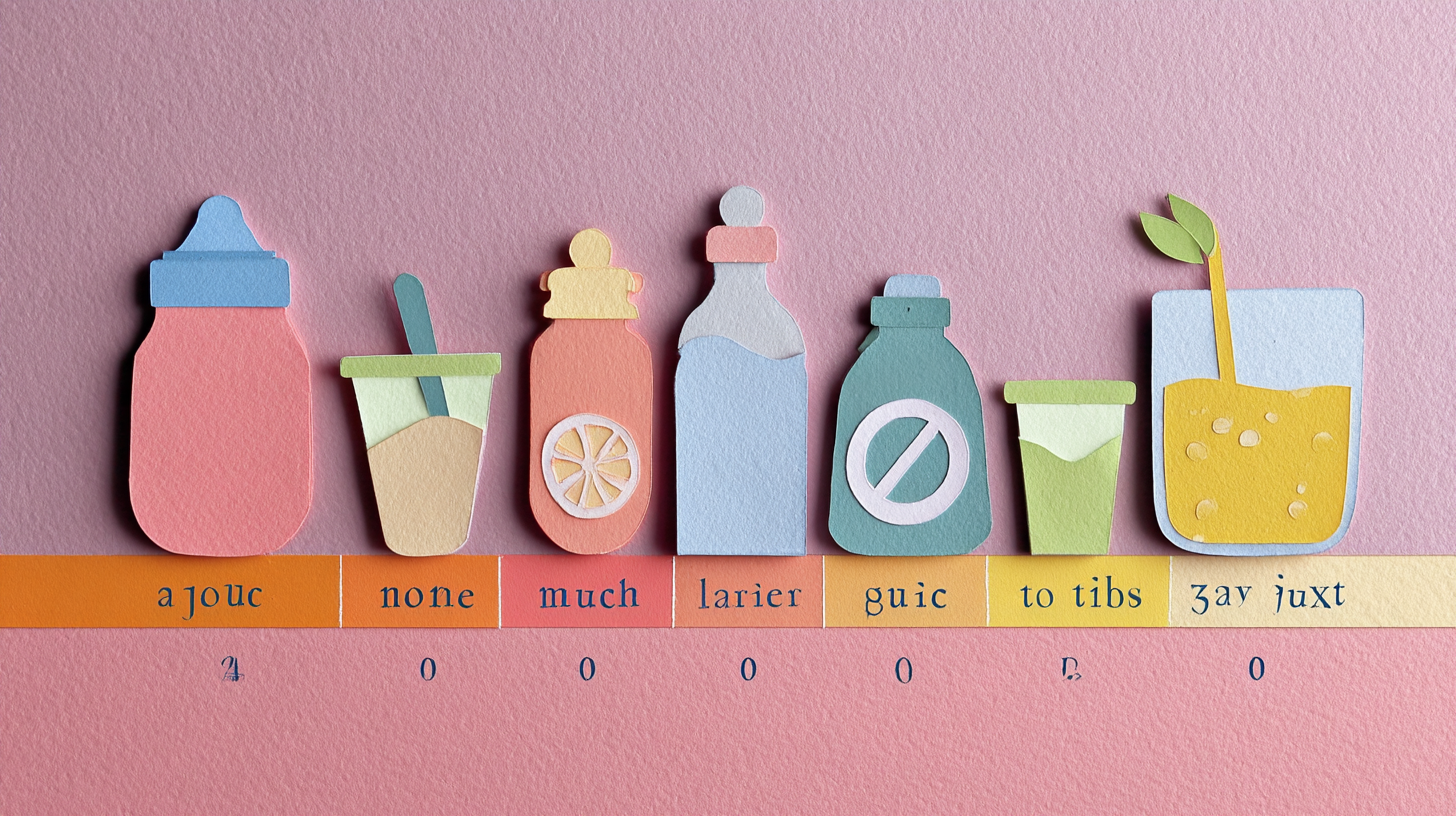
Understanding hydration needs by age removes so much guesswork from parenting. At 0-6 months, your job is simple: milk only, on demand. Don’t overthink it. Your baby’s cues will tell you when they need more. At 6-12 months, you’re introducing a new concept: water as a mealtime companion. Offer it in a cup (starting with tiny amounts), but don’t stress if they ignore it at first. They’re learning. Milk is still doing the heavy lifting for hydration and nutrition.
Between 12-24 months, water becomes genuinely important. Toddlers move more, play harder, and need more fluids to keep up. This is when you establish the habit of offering water throughout the day. After meals, during play, when they wake from naps. Make it available, make it normal. And here’s a pro tip: toddlers love to copy. Drink water yourself, and they’ll want to drink it too. Model the behavior you want to see. Recent surveys show that more than 50% of children 12-23 months may have water intakes below recommended limits, largely because parents don’t make it a consistent priority. Don’t let your child become part of that statistic.
After age two, you’re solidifying a lifetime habit. Water should be the default answer to thirst. Milk provides calcium and protein but shouldn’t be used as a hydration crutch. And if you’re still offering juice regularly, this is the time to phase it out. The Centers for Disease Control and major pediatric organizations all emphasize the same message: water and milk are the only beverages children need. Everything else is optional at best, harmful at worst.
Hydration Myths BUSTED
Click each myth to reveal the shocking truth
Recognizing Dehydration Before It Becomes Dangerous
Here’s something that should be taught in every parenting class but rarely is: babies can become dehydrated faster than you think, and the early signs are subtle. We’re not talking about the dramatic, obvious cases you see in medical documentaries. We’re talking about everyday dehydration that creeps up during a stomach bug, a hot afternoon, or a few skipped feeds. The scary part? By the time dehydration is obvious, your baby is already in trouble. But if you know what to look for, you can catch it early.
The first sign most parents miss: fewer wet diapers. A well-hydrated baby under six months produces at least six wet diapers in 24 hours. After six months, the number might be slightly less, but you should still see regular output. If you’re noticing longer stretches between wet diapers, pay attention. The second sign: darker urine. Pale yellow or clear is good. Dark yellow or amber means your baby needs more fluids immediately. Third sign: dry lips and mouth. When you gently pull down your baby’s lower lip, the inside should be moist and pink. Dry, sticky mucous membranes are a red flag.
Other warning signs include sunken eyes, a sunken soft spot (fontanelle) on baby’s head, lethargy or unusual sleepiness, crying without tears (in babies old enough to produce tears, usually after 3-4 months), and skin that doesn’t bounce back quickly when gently pinched (called poor skin turgor). If you notice any combination of these signs, contact your pediatrician immediately. Don’t wait to “see if it gets better.” Dehydration in infants can escalate quickly, especially if they’re also dealing with vomiting, diarrhea, or fever.
⚠️ Dehydration Risk Checker ⚠️
Check the symptoms your baby is experiencing (if any) to assess dehydration risk
Prevention is always easier than treatment. Keep your baby well-hydrated by following age-appropriate feeding guidelines. During illness, offer more frequent feeds—breast milk or formula for babies under six months, plus water and milk for older babies. In hot weather, don’t bundle them excessively, keep them in shade, and again, offer more frequent fluids. If you’re traveling, especially to warmer climates, pay extra attention to hydration status. Airplanes are notoriously dehydrating environments; nurse or offer bottles during flights.
One more critical point: never try to treat significant dehydration at home without medical guidance. If your baby shows multiple signs of dehydration, especially lethargy, sunken fontanelle, or significantly reduced urine output, get medical attention immediately. Pediatricians can assess hydration status accurately and provide appropriate treatment, which might include oral rehydration solutions or, in severe cases, IV fluids. This isn’t something to mess around with. Trust your instincts—if something feels wrong, it probably is.

The Milk Conversation: Breast, Formula, and Beyond
Let’s clear up the confusion around milk because it’s genuinely one of the most debated topics in baby nutrition. For the first six months, breast milk or infant formula is non-negotiable. These are the only two options. Not cow’s milk, not goat’s milk, not any plant-based alternative. Why? Because infant formula is specifically engineered to match breast milk’s nutritional profile as closely as possible. It contains the right balance of proteins, fats, carbohydrates, vitamins, and minerals that babies need for brain development, growth, and immune function. Regular milk—any other kind—doesn’t come close.
Breast milk is the gold standard, adjusting its composition throughout the day and across your baby’s development. It provides antibodies, probiotics, and a perfect nutritional balance that no formula can fully replicate. But here’s what needs to be said loudly for the parents in the back: if breastfeeding doesn’t work for you, formula is an excellent alternative. Your baby will thrive. The “breast is best” messaging, while well-intentioned, has created unnecessary guilt for families who can’t or choose not to breastfeed. Fed is best. Hydrated is best. A healthy, growing baby is best. The method you use to get there is your choice.
Around 12 months, assuming your baby is eating a variety of solid foods and growing well, you can introduce whole cow’s milk as a beverage. Whole milk, not reduced-fat, because toddlers need those calories and fats for brain development. Offer about 16-24 ounces per day—enough to provide calcium and protein, but not so much that it displaces solid food. Some toddlers become “milk-aholics,” drinking so much milk that they’re not hungry for meals. If this happens, limit milk to mealtimes and emphasize water between meals.
What about plant-based milks? Here’s the honest answer: most plant-based milks are nutritionally inadequate for children under three unless medically necessary. Almond milk, rice milk, oat milk—they lack the protein, fat, and calorie density that growing toddlers need. Soy milk is the closest alternative, but even that should only be used with pediatrician guidance, typically in cases of diagnosed cow’s milk protein allergy or severe lactose intolerance. The health organizations that set beverage guidelines for children are clear: cow’s milk or breast milk for most children, plant-based alternatives only when medically indicated. Don’t let trendy marketing convince you otherwise.
Practical Strategies for Real-Life Hydration Challenges
Theory is great. But what about when your toddler refuses water? Or when your baby won’t take a sippy cup? Or when you’re traveling and normal routines go out the window? Let’s talk real-world strategies that actually work. First, the water-refusing toddler. This is incredibly common. Try making water more appealing without adding sugar or juice. Offer it in different types of cups—sometimes a new cup with their favorite character works wonders. Add ice cubes if they’re old enough (18 months plus). Serve it at different temperatures. Some kids prefer cold water, others room temperature.
For babies transitioning from bottle to cup, start early and be patient. Around six months, introduce an open cup or sippy cup at mealtimes, even if they just play with it at first. Let them watch you drink water. Make it part of the mealtime routine. Don’t stress if they don’t actually drink much initially—the learning process is what matters. By 12 months, actively work toward phasing out bottles, which increases the likelihood of accepting cups for hydration.
During illness, hydration becomes even more critical and often more challenging. Babies may refuse their usual feeds when they don’t feel well. Offer smaller, more frequent amounts. For breastfeeding babies, nurse more often, even if sessions are shorter. For formula-fed babies, continue regular formula—don’t dilute it unless your pediatrician specifically instructs you to. For babies over six months, continue offering water in small, frequent sips. If vomiting or diarrhea is present, talk to your pediatrician about oral rehydration solutions specifically designed for infants.
Traveling with babies requires hydration planning. Pack more formula or be prepared to nurse more frequently than usual. Bring a familiar cup for water. If you’re traveling internationally, research water safety at your destination. In some locations, bottled water for mixing formula might be necessary. On planes, the pressurized cabin environment is dehydrating—nurse or offer bottles during takeoff and landing to help with ear pressure and maintain hydration. Don’t wait for your baby to show signs of thirst; offer fluids proactively throughout the journey.
In Caribbean climates or during summer months anywhere, outdoor play requires extra attention to hydration. Before heading outside, make sure your baby is well-fed and hydrated. For young babies, this means a full nursing session or bottle. For older babies and toddlers, offer water before going out and bring water along. Take breaks in the shade every 20-30 minutes to offer more fluids. Watch for signs of overheating: flushed cheeks, excessive fussiness, or decreased activity. If your little one seems off, move to a cooler environment immediately and offer fluids.
One more practical tip that combines hydration with nutrition: when you’re preparing homemade baby food, especially if you’re exploring diverse flavors, the water content in those purees contributes to daily hydration. Fruits and vegetables naturally contain water, and when pureed, they’re quite hydrating. If you’re looking for inspiration on creating nutrient-dense, hydrating purees that also introduce exciting flavors, the Caribbean Baby Food Recipe Book includes recipes featuring water-rich ingredients like papaya, mango, sweet potatoes, and coconut milk—all of which help keep babies hydrated while exposing them to authentic island tastes from an early age.
Click to Reveal Quick Hydration Tips
Tap here to discover
5 game-changing hydration hacks
every parent needs to know
1. Model behavior: Drink water visibly and often
2. Make water accessible: Keep cups where toddlers can reach
3. Ice cubes = fun: Add safe ice shapes to water
4. Routine is key: Offer water at same times daily
5. Never force it: Pressure creates resistance
What the Experts Want You to Know
Let’s synthesize what pediatricians, nutritionists, and child development specialists agree on. The American Academy of Pediatrics, the Centers for Disease Control, and international health organizations all emphasize the same core principles: exclusive milk feeding until six months, gradual water introduction alongside solids, no juice before one year, and water plus milk as primary beverages through early childhood. This isn’t one doctor’s opinion. This is the consensus of decades of research across millions of children.
Pediatric nephrologists—kidney specialists—are particularly vocal about the dangers of water before six months. They see the consequences when well-meaning parents offer water too early: electrolyte imbalances, hyponatremia, and in rare but tragic cases, seizures or brain swelling. The science is unambiguous. Baby kidneys aren’t mature enough to handle excess water until around six months of age. This isn’t a gray area. It’s a hard biological fact.
Pediatric dentists weigh in on the juice debate, seeing firsthand how early juice consumption leads to dental caries in toddlers. Baby bottle tooth decay—severe cavities in very young children—is directly linked to prolonged exposure to sugary liquids, including juice and sweetened milk. The recommendation to eliminate juice entirely or strictly limit it isn’t about being extreme. It’s about preventing a painful, costly problem that affects a child’s eating, speaking, and overall development.
Nutritionists emphasize that hydration and nutrition are inseparable in babies and young children. Unlike adults who can hydrate with water and get nutrition separately, babies rely on milk for both. This is why the transition from exclusive milk to a varied diet must be managed carefully. Too much water too soon can displace nutritious milk. Not enough water once solids increase can lead to dehydration or constipation. The balance matters enormously during that first year of life.
Social media has added another dimension to expert guidance. Pediatricians now spend significant time debunking viral trends: babies “obsessed” with water (which sounds cute but might indicate a problem), challenges involving splashing babies with water (which can be dangerous), or influencers promoting special “baby water” products that aren’t necessary. The message from experts is consistent: ignore the trends, follow evidence-based guidelines, and when in doubt, ask your pediatrician, not Instagram.
Building Lifelong Healthy Hydration Habits
Here’s the truth that extends far beyond baby’s first year: the hydration habits you establish now shape your child’s relationship with beverages for life. Children who grow up drinking water as their primary beverage are far more likely to continue that habit into adolescence and adulthood. Children who learn that thirst equals juice or sugary drinks struggle to break that association later. You’re not just hydrating your baby today—you’re programming preferences that will influence their health for decades.
Start by making water the default. When your toddler asks for a drink, the answer is water unless it’s a meal that includes milk. Keep water accessible. Use open cups as early as possible (with supervision) because they’re better for oral development than sippy cups. Make water visible in your home—have a water pitcher on the counter, keep filled cups at toddler height, drink water yourself throughout the day. Children learn by watching, and nothing teaches better than consistent modeling.
Avoid using beverages as rewards or treats. When you say “You can have juice if you finish your vegetables,” you’re teaching your child that juice is more valuable than vegetables and that drinks should be earned. This creates unhealthy psychological associations with food and beverages. Instead, serve appropriate beverages as a normal part of meals and snacks without attaching emotions or conditions to them. Water is not a punishment, and milk is not a prize—they’re both simply what bodies need.
As your child grows, teach them to recognize thirst. Around age two or three, start conversations about how their body tells them when it needs water. Talk about dry mouth, feeling tired, or noticing they haven’t peed in a while. Help them connect those sensations with the need to drink. This body awareness will serve them throughout life, enabling them to self-regulate hydration rather than relying on external cues or adults telling them when to drink.
Establish beverage boundaries early and stick to them. If your household rule is water between meals and milk only at meals, enforce it consistently. Toddlers thrive on routines and clear expectations. When you’re wishy-washy about beverage rules—juice sometimes, soda occasionally, whatever keeps them quiet—you create confusion and undermine healthy habits. Be the boring parent who always offers water. Your child’s future self will thank you when they’re not battling sugar addictions or dental problems.
Your Baby’s Hydration Journey Starts Today
Here’s what I want you to take away from all of this. Baby hydration isn’t complicated once you understand the principles. For the first six months, milk handles everything—hydration, nutrition, comfort. You don’t need to add anything else, no matter what anyone tells you. Around six months, when solid foods enter the picture, water becomes a supporting player. Small amounts, offered consistently, complementing continued milk consumption. No juice necessary, no special beverages required. Just water and milk. That’s the formula for healthy hydration through toddlerhood and beyond.
The confusion you feel? It’s normal. You’re bombarded with conflicting advice from family, friends, social media, and random people in grocery stores. But now you have the knowledge to filter that noise. You understand why water before six months is dangerous. You know why juice is problematic. You can explain to your mother-in-law (kindly but firmly) why you’re not giving your four-month-old water, even in the heat. You’re equipped to make informed decisions based on science, not outdated traditions or marketing hype.
Watch your baby’s cues. Count those wet diapers. Offer appropriate fluids for their age. Don’t stress about perfect amounts—ranges exist because babies are individuals with varying needs. Trust your instincts when something seems off, and don’t hesitate to contact your pediatrician with concerns. You’re not being paranoid by asking about hydration. You’re being a thoughtful, informed parent who understands that something as “simple” as what your baby drinks actually matters enormously.
As you navigate this journey, remember that variety in food can complement hydration beautifully. When you introduce solids, think about water-rich foods that provide both nutrition and fluids. Fruits like mango and papaya, vegetables like sweet potato and pumpkin—these Caribbean staples are naturally hydrating while offering incredible nutritional benefits. If you’re curious about incorporating these traditional ingredients safely into your baby’s diet, complete with age-appropriate preparations and serving sizes, the Caribbean Baby Food Recipe Book provides detailed guidance for over 75 recipes that honor island heritage while meeting modern nutritional standards.
Most importantly, give yourself grace. You’re going to have days when routines fall apart, when your toddler refuses water for hours, when you question whether they’re drinking enough. That’s parenthood. The fact that you’re reading this, educating yourself, and trying to do right by your baby means you’re already succeeding. Hydration matters, yes. But so does your sanity and your relationship with your child. Do your best, follow the guidelines, and trust that you’re enough. Your baby is lucky to have someone who cares this much about their wellbeing.
So tonight, when you’re up at 3 a.m. again, and someone’s voice is echoing in your head about what you should or shouldn’t be giving your baby to drink, take a breath. You know the truth now. You understand the why behind the rules. And armed with that knowledge, you can make the right call for your baby, your family, and your circumstances. That’s not just hydration guidance—that’s parenting power. And you’ve got this.

Kelley's culinary creations are a fusion of her Caribbean roots and modern nutritional science, resulting in baby-friendly dishes that are both developmentally appropriate and bursting with flavor. Her expertise in oral motor development and texture progression ensures that every recipe supports your little one's feeding milestones while honoring cultural traditions.
Join Kelley on her flavorful journey as she shares treasured family recipes adapted for tiny taste buds, evidence-based feeding guidance, insightful parenting anecdotes, and the joy of celebrating food, culture, and motherhood. Get ready to immerse yourself in the captivating world of Kelley Black and unlock the vibrant flavors of the Caribbean for your growing baby, one nutritious bite at a time.
- The Feeding Revolution: Why Your Everyday Meals Are Changing the World - October 13, 2026
- Your Feeding Story Matters More Than The “Perfect” One Online - October 12, 2026
- Looking Forward: Stepping Into Your Confident Feeding Future - October 11, 2026