
Heavy Metals in Baby Food: What Every Parent Needs to Know in 2025
Quick Question: If I told you that 95% of baby food containers tested positive for toxic heavy metals—and one in four contained ALL FOUR dangerous metals—would you still reach for that convenient jar tomorrow morning?
Here’s what keeps me up at night as a parent: We spend hours researching the perfect stroller, obsessing over organic cotton onesies, and sanitizing every pacifier like our lives depend on it. But that sweet potato puree we just spooned into our baby’s mouth? It might contain lead levels 177 times higher than what’s allowed in bottled water.
I know—your stomach just dropped. Mine did too when I first discovered this. But here’s the thing: panic doesn’t protect our babies. Knowledge does. And that’s exactly what you’re about to get.
In January 2025, everything changed. New California transparency laws kicked in, forcing baby food manufacturers to finally reveal what’s really in their products. The FDA issued groundbreaking lead guidelines. Major brands got caught, some stepped up, and parents like us? We finally got the roadmap we’ve been desperately needing.
So take a deep breath. Pour yourself that lukewarm coffee (because let’s be real, that’s the parent life). And let’s talk about heavy metals in baby food—not to scare you, but to empower you with every tool you need to protect your little one while keeping your sanity intact.
Your Baby’s Heavy Metal Exposure Risk Assessment
Answer these quick questions to discover your baby’s current risk level and get personalized action steps.
The Shocking Truth About What’s Really in That Baby Food Jar
Let me paint you the picture that changed everything for thousands of parents in 2021. A congressional investigation ripped open the baby food industry and exposed something that had been hiding in plain sight for years: the food we trusted most was contaminated with neurotoxic heavy metals at levels that would make your blood run cold.
Here’s what they found: major baby food manufacturers had internal documents—actual proof—showing their products contained lead levels up to 177 times higher than what’s allowed in bottled water. Inorganic arsenic? Ninety-one times higher. Cadmium? Sixty-nine times higher. And here’s the kicker: most companies only tested individual ingredients, not the finished product sitting on the shelf. Even worse, they continued using ingredients that exceeded their own internal safety standards.
I’ll never forget reading that only one company even bothered testing for mercury at all. One. Out of the major manufacturers feeding millions of babies.
But that was 2021, you might be thinking. Surely things have gotten better? Well, yes and no. Consumer Reports tested 41 baby formulas in early 2025 and found that Abbott Nutrition’s EleCare Hypoallergenic formula contained inorganic arsenic levels at 19.7 parts per billion. A Reuters investigation analyzing 1,757 test results from nine manufacturers revealed that 102 products exceeded California’s maximum lead limit.
And the most comprehensive study by Healthy Babies Bright Futures? They found toxic heavy metals in 95% of 168 baby food containers tested. Let that sink in. Ninety-five percent. One in four baby foods contained all four toxic metals—arsenic, lead, cadmium, and mercury.
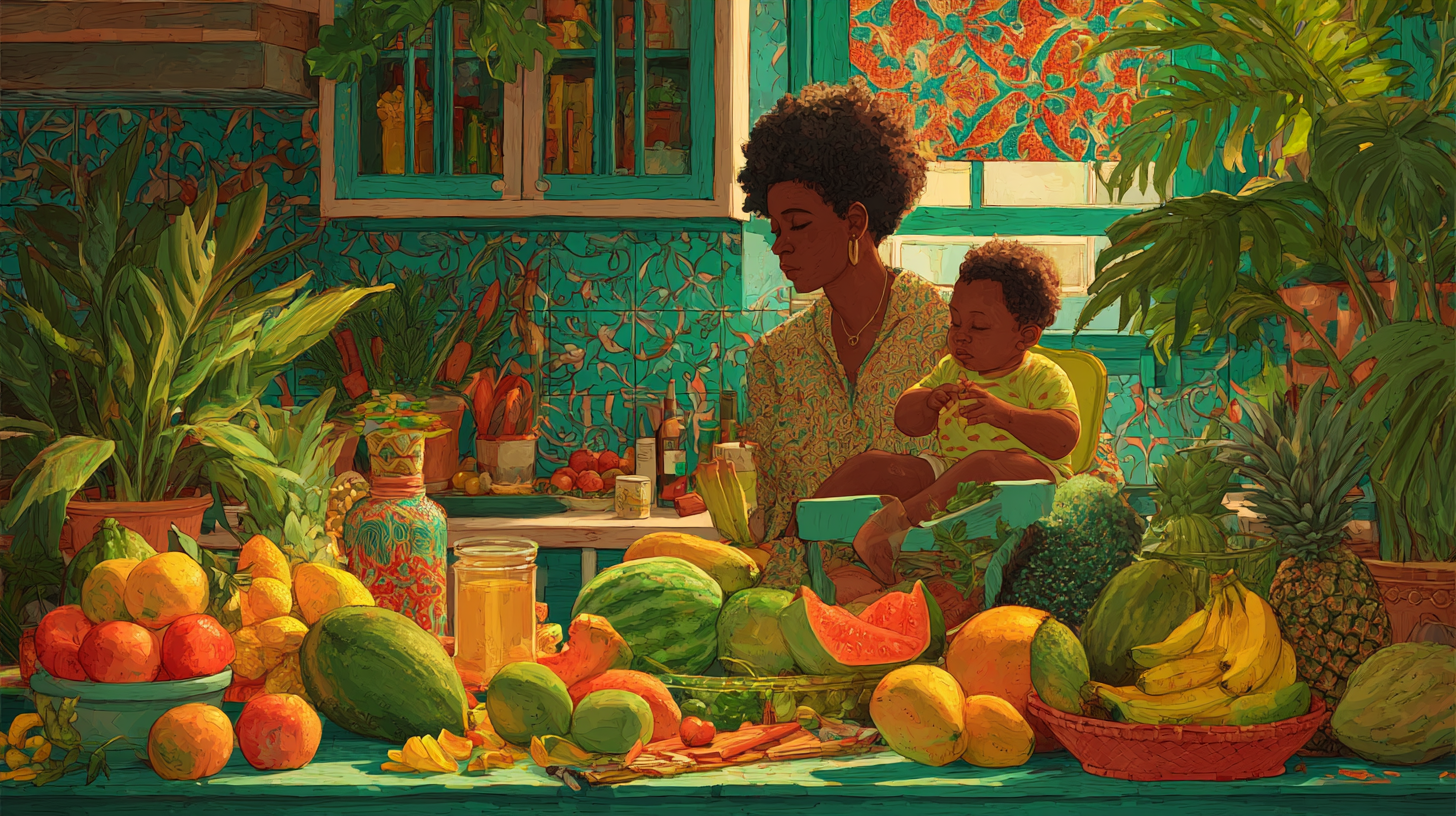
Now, before you throw every jar in your pantry into the trash (been there, almost did that), here’s what you need to understand: these heavy metals occur naturally in soil, water, and air. They’re environmental contaminants that accumulate in crops. Rice is particularly notorious for soaking up arsenic. Root vegetables like carrots and sweet potatoes pull lead and cadmium from soil. Certain fruits concentrate these metals during growth.
The real issue isn’t that contamination exists—it’s that the industry knew about it, had limited federal oversight, and many companies prioritized profits over proactive testing and transparent disclosure. That’s what sparked the lawsuits, the state regulations, and finally, the federal action we’re seeing now in 2025.
Why This Matters More Than You Think (The Science Without the Panic)
Let’s talk about why your baby’s developing brain makes this issue so much more serious than if you or I ate the same contaminated food. And I promise to keep this straightforward—no medical jargon, just the facts that matter.
Your baby’s brain is growing at a rate that won’t happen again in their entire life. Every single day, neural connections are forming at lightning speed. Their blood-brain barrier—that protective shield that keeps harmful substances out—isn’t fully developed yet. They absorb toxic metals more efficiently than adults, and their smaller body size means the same exposure concentration has a much greater impact.
Research has linked early-life heavy metal exposure to developmental delays, lower IQ scores (we’re talking measurable differences), attention deficits, learning disabilities, behavioral issues, ADHD, and autism spectrum disorder. Now, here’s where I need you to really hear me: these links don’t mean baby food alone causes these conditions. Social, environmental, and genetic factors all play roles. But dietary exposure during these critical development windows absolutely contributes to risk.
A 2023 study found Hazard Index values between 2.68 and 6.83 in tested infant foods—well above the safe threshold of 1. The cancer risk values exceeded acceptable limits. Research from Poland showed 4.53% of samples exceeded lead limits. Spanish studies found fish purees containing mercury at 28.1 nanograms per gram and arsenic at 346.2 nanograms per gram.
The American Academy of Pediatrics notes that while heavy metals in baby food “likely are a relatively small part of a child’s overall toxic metal exposure risk,” they emphasize that every exposure pathway we can control matters. Think of it like this: you can’t control the air quality outside, but you can absolutely control what goes into your baby’s mouth three times a day.
Dr. Lauren Crosby, a Fellow of the American Academy of Pediatrics, advises parents that “the key is really not to panic, as this is really nothing new.” She’s right—but knowing this information should empower us to make better choices, not paralyze us with fear.
The 2025 Game-Changer: New Rules, Transparency, and What Actually Changed
January 1, 2025, marked a watershed moment. California’s AB 899 law went into full effect, and it fundamentally transformed the baby food landscape overnight. For the first time ever, manufacturers selling products in California—which, let’s be real, is basically everyone given the state’s market size—must test representative samples for arsenic, cadmium, lead, and mercury, and publicly disclose these results.
Walk down the baby food aisle now and you’ll see QR codes on packaging. Scan them with your phone, and you can access actual test results for the specific batch you’re holding. Gerber, Beech-Nut, and other major brands have created searchable databases where you can look up products by name or batch number. Once Upon a Farm, Plum Organics, and Square Baby went beyond the legal requirements and voluntarily published their entire 2024 testing results for anyone to see.
But here’s what’s fascinating—and a little frustrating: Consumer Reports and Unleaded Kids evaluated 39 baby food brands and found that only 13 scored at the top for transparency. Many manufacturers technically comply with the law but make it difficult for parents to actually access the information. Some bury it on obscure website pages. Others require you to know and enter specific batch numbers (which, come on, who saves those?).
The FDA also made significant moves in January 2025, issuing final guidance that establishes action levels for lead in processed baby foods. They set maximum lead levels at 10 parts per billion for most baby foods—things like yogurts, puddings, single-ingredient containers, and meat products. Root vegetables and dry infant cereals got a slightly higher limit of 20 ppb because these foods naturally accumulate more lead from soil.
The FDA’s “Closer to Zero” roadmap projects finalized action levels for lead in juices during 2025, with guidance for arsenic, cadmium, and mercury following once they complete data review. Critics argue these timelines move too slowly—and they’re not wrong—but it’s progress we haven’t seen in decades.
Major manufacturers like Gerber stated their products already comply with these new standards. But Reuters’ analysis found 102 products that exceeded California’s 0.5 microgram per serving lead limit. So while some brands are meeting federal guidelines, they’re still falling short of the stricter state requirements that better protect our babies.
Quick Brand Transparency Quiz
See how your current baby food brands stack up on the transparency scale!
Select all brands you currently use:
The Rice Cereal Revelation (And Why Your Pediatrician Might Change Their Mind)
Remember when rice cereal was the gold standard first food? When every pediatrician, grandmother, and parenting book recommended it as the perfect way to introduce solids? Well, that conventional wisdom is crumbling faster than those little rice puff snacks your baby loves.
Here’s what’s happening with rice: this crop is essentially a sponge for inorganic arsenic. Rice plants grow in flooded paddies, and those water-saturated conditions allow arsenic to accumulate in the grain at levels significantly higher than other crops. The Healthy Babies Bright Futures testing found that four of seven infant rice cereals exceeded the FDA’s proposed 100 parts per billion action level for inorganic arsenic. Rice-based foods showed the highest arsenic contamination at 84.71 micrograms per kilogram.
And it’s not just the cereal. Rice rusks, rice puffs, rice-based pouches—anything with rice or rice derivatives like rice flour, rice starch, or rice syrup—carries this arsenic burden. One study found rice-based wafers and crisps contained arsenic levels that made other baby foods look pristine by comparison.
Now, I know what you’re thinking: “Great, there goes the easiest breakfast I had in my arsenal.” But here’s the beautiful part—there are better options, and the difference is staggering. Switching from rice cereal to oatmeal or multi-grain cereals reduces toxic heavy metal intake by approximately 84%. Eighty-four percent! That’s not a small tweak; that’s a game-changer.
Online parenting communities have caught on fast. Reddit threads and Facebook groups now actively recommend avoiding or minimizing rice-based products, with parents sharing lists of alternatives: oatmeal, quinoa (naturally low in arsenic), multi-grain options, and even traditional Caribbean porridges made with cornmeal or millet.
Speaking of Caribbean alternatives, my grandmother would make the most incredible cornmeal porridge with a touch of cinnamon and nutmeg that put any boxed cereal to shame. These traditional preparations often use ingredients that naturally accumulate fewer heavy metals while providing incredible nutrition. If you’re looking for authentic Caribbean-inspired first foods that sidestep the rice issue entirely, the Caribbean Baby Food Recipe Book features over 75 recipes using ingredients like sweet potatoes, plantains, coconut milk, and alternative grains that provide rich nutrition without the arsenic concerns.
The science backs this up beautifully. Alternative cereals like oatmeal contain approximately 84% less toxic heavy metals compared to rice cereal. Quinoa is naturally low in arsenic. Millet—used in traditional Haitian Ti Pitimi Dous porridge—offers excellent nutrition with minimal contamination risk. Even traditional European barley cereals show lower heavy metal profiles than rice.
So if you’re still serving rice cereal daily, this is your permission slip—no, your gentle push—to make the switch today. Your baby won’t notice the difference (they’re remarkably adaptable little creatures), but their developing brain absolutely will benefit from reduced arsenic exposure.
The Carrot Conundrum and Sweet Potato Surprise
If rice is the arsenic villain, root vegetables play the supporting role in the heavy metal drama—but here’s where it gets nuanced, because we absolutely don’t want to demonize incredibly nutritious foods. We just need to be smart about how we use them.
Root vegetables—particularly carrots and sweet potatoes—grow underground where they’re in direct contact with soil. They act like little miners, pulling nutrients from the earth. Unfortunately, they also pull lead and cadmium along with those nutrients. Studies have found that fruit mousses (often containing root vegetables) had the highest lead at 138.99 micrograms per kilogram. Root vegetables naturally accumulate more contaminants, which is why the FDA set a higher lead action level of 20 ppb for these foods compared to 10 ppb for most other baby foods.
But here’s what I need you to understand: the problem isn’t carrots or sweet potatoes themselves. These vegetables are nutritional powerhouses packed with beta-carotene, fiber, vitamins, and minerals that babies absolutely need. The problem is serving them repeatedly without variety.
Think about it this way: if your baby eats sweet potato puree for breakfast, carrot sticks for lunch, and a sweet potato-carrot pouch for dinner, that’s three daily exposures to the same contamination profile. The heavy metals accumulate in their small body without giving their system a break.
Research shows that serving diverse fruits and vegetables rather than primarily carrots and sweet potatoes achieves about 73% lower heavy metal exposure. Seventy-three percent! And your baby gets better overall nutrition from variety anyway—different vegetables provide different vitamins, minerals, and phytonutrients. It’s a win-win.
So what does this look like in practice? Instead of sweet potato puree five days a week, rotate through avocado (naturally low in heavy metals), banana, papaya, mango, butternut squash, pumpkin, green beans, peas, and yes—still include sweet potato and carrots, just not every single day.
One strategy I love from Caribbean cooking traditions is using a variety of ground provisions—what we call the starchy vegetables like yam, cassava, eddoes, and green plantain. These provide similar nutrition to sweet potatoes but come from different plant families with different soil interaction patterns. The Caribbean Baby Food Recipe Book includes recipes like Yellow Yam & Carrot Sunshine, Simple Metemgee Style Mash with eddoes, and Plantain Paradise that introduce these traditional ingredients in baby-appropriate preparations.
Pro tip for reducing heavy metals even further: peel root vegetables before cooking. The outer layers in direct contact with soil contain higher concentrations of contaminants. It’s a small step that makes a measurable difference.
️ Smart Variety Meal Rotation Generator
Click to generate a balanced 7-day meal plan that naturally reduces heavy metal exposure through variety!
The Homemade Solution (Without Losing Your Mind)
Look, I get it. The idea of making all your baby’s food from scratch probably sounds about as appealing as sleep training during a growth spurt. You’re already exhausted, touched-out, and running on fumes. The last thing you need is another task on your already impossible to-do list.
But here’s the thing about homemade baby food in the context of heavy metals: it gives you control. You choose the ingredients, you know their source, and you can use strategies to minimize contamination that commercial manufacturers can’t or won’t implement. And—this is crucial—it doesn’t have to be all-or-nothing.
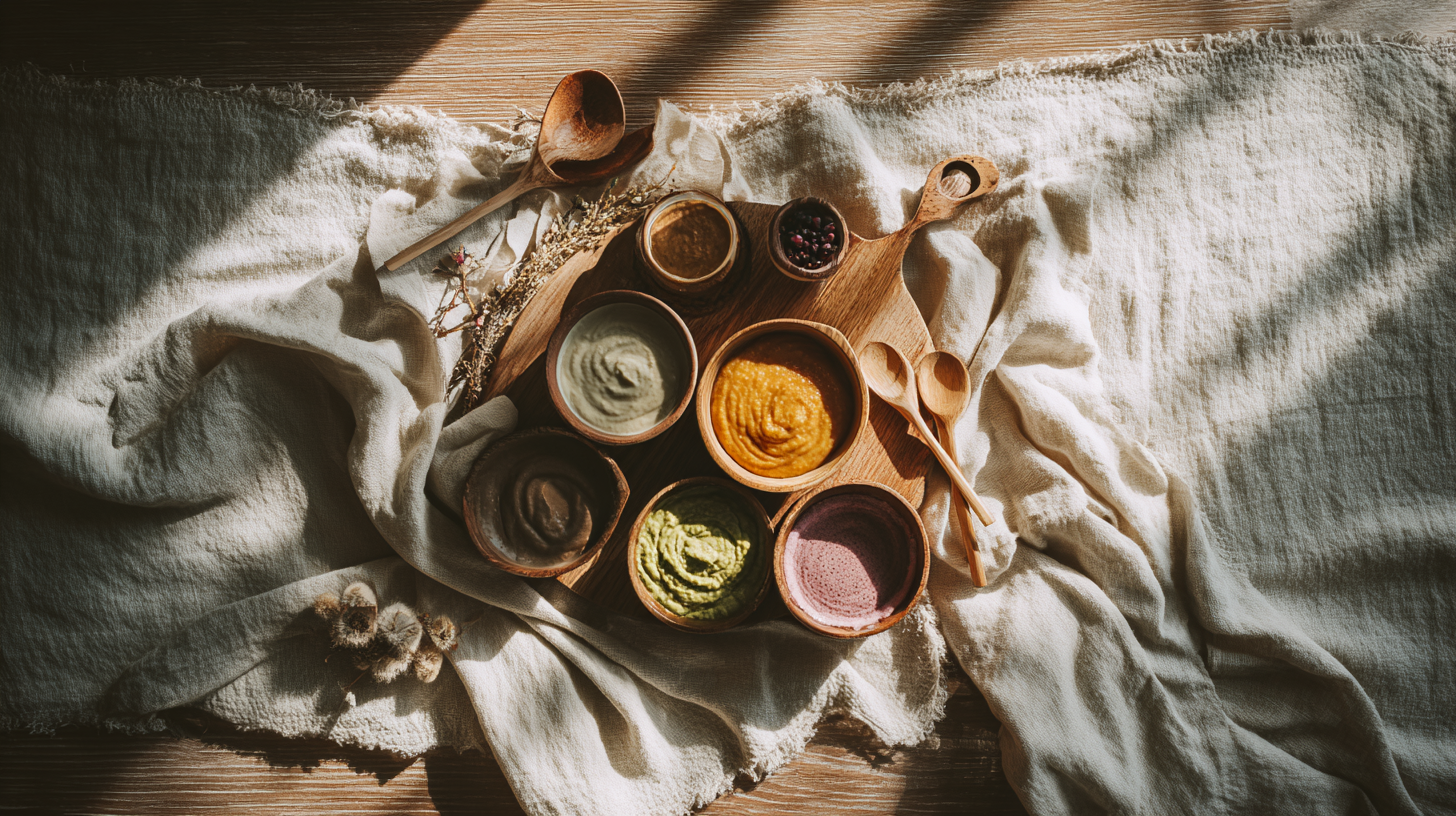
Start with the easiest wins. Avocado? Mash it with a fork. Takes thirty seconds. Banana? Same deal. Ripe papaya? Fork and bowl. Done. These no-cook first foods require zero special equipment, minimal time, and they’re naturally low in heavy metals. Your grandmother didn’t have a fancy food processor, and babies have been thriving on simple mashed foods for thousands of years.
When you’re ready to level up, steaming takes about twenty minutes and preserves nutrients better than boiling. Sweet potato, butternut squash, pumpkin, green beans—steam them, mash or blend them, and you’ve got meals for days. I discovered that roasting brings out incredible natural flavors that actually make vegetables taste better. Roasted pumpkin pureed with a tiny bit of coconut milk? My baby goes wild for it, and I’m serving a traditional Caribbean flavor combination with minimal contamination risk.
Here’s a strategy I learned that changed everything: batch cooking and freezing. Dedicate one hour on Sunday (or whatever day works—no judgment on your weekly schedule chaos). Steam three different vegetables. Puree them. Pour into ice cube trays. Freeze. Each cube is approximately one serving. Pop them out, store in labeled freezer bags, and you’ve got two weeks of meals ready to go. Thaw, warm gently, serve. Total active time per meal? About ninety seconds.
The contamination-reduction strategies for homemade food are simple but effective. Use distilled or reverse osmosis water for cooking and mixing—contaminated tap water can introduce heavy metals even into clean ingredients. Peel root vegetables to remove outer layers with highest contamination. If you’re making rice occasionally, boil it in excess water and drain it (though this removes some nutrients, it also reduces arsenic). Select organic produce when available, but understand that organic certification addresses pesticides, not heavy metals in soil.
Now, if you’re thinking “this sounds great but where do I even start with recipes,” let me share what worked for me. I grew up eating Caribbean food, and when I started making baby food, I realized these traditional preparations are naturally designed for developing palates. The Caribbean Baby Food Recipe Book includes over 75 age-appropriate recipes using ingredients like plantains, coconut milk, ground provisions, and tropical fruits—many of which naturally have lower heavy metal profiles than conventional first foods. Recipes like Cornmeal Porridge Dreams, Calabaza con Coco, and Papaya & Banana Sunshine provide authentic flavors while sidestepping high-contamination ingredients.
You’ll also find recipes for older babies like Coconut Rice & Red Peas (rice in moderation with protein-rich peas), Baigan Choka Smooth (roasted eggplant—different veggie family entirely), and Basic Mixed Dhal Puree (legumes are naturally safer than root vegetables). Each recipe includes the family meal version too, so you’re not making separate food for everyone.
The beauty of homemade baby food in this context isn’t perfection—it’s flexibility. Make three homemade purees this week and use store-bought pouches the rest of the time. That’s still three meals where you controlled the entire process. Every homemade meal reduces your baby’s cumulative exposure, and every reduction matters.
Reading Labels Like a Detective (Your New Superpower)
Remember when reading baby food labels meant checking if it said “organic” and calling it a day? Those simpler times are gone. But the good news is that California’s AB 899 has armed you with actual data—if you know where to look and how to interpret it.
First, look for the QR code. It’s usually on the back or side of the package, near the batch number and expiration date. Scan it with your phone’s camera. If the brand is truly transparent, you’ll land on a database or testing results page. Look for the specific batch number printed on your package—it’s typically a series of numbers and letters that identifies when and where the product was manufactured.
On the results page, you want to see actual numbers for all four toxic metals: arsenic, lead, cadmium, and mercury. Be wary if a brand only tests for one or two, or if results are vague (“below detection limits” without specifying what those limits are). Top-tier brands like Once Upon a Farm, Square Baby, and Plum Organics publish comprehensive results with specific measurements.
Here’s what to look for in the actual numbers. For lead, California’s standard is 0.5 micrograms per serving—that’s stricter than federal guidelines. The FDA’s new action levels are 10 parts per billion for most baby foods and 20 ppb for root vegetables and cereals. If you see lead levels approaching or exceeding these numbers, choose a different product or brand.
For arsenic, particularly in rice products, the FDA’s proposed action level is 100 parts per billion for inorganic arsenic in infant rice cereal. But remember, four of seven cereals tested by Healthy Babies Bright Futures exceeded this limit. Ideally, you want to see arsenic levels well below 100 ppb, or better yet, choose non-rice alternatives altogether.
Now let’s talk ingredient lists. They’re ordered by weight, so the first ingredients make up the bulk of what you’re feeding your baby. Watch for rice or rice derivatives (rice flour, rice starch, rice syrup, brown rice) appearing early in the list, especially in products marketed as multigrain or mixed cereal. A “multigrain” cereal that’s primarily rice with a tiny bit of oats isn’t giving you the heavy metal reduction you’re looking for.
Multi-ingredient products may have higher cumulative contamination than single-ingredient options. A pouch containing sweet potato, carrot, apple, and rice concentrate is stacking multiple potential contamination sources in one serving. Sometimes simple is better—single-ingredient purees allow you to control variety and rotation yourself.

Certifications are helpful but don’t tell the whole story. USDA Organic is great for reducing pesticide exposure, but it doesn’t guarantee low heavy metals—remember, organic certification addresses farming practices, not soil contamination that existed before the farm converted to organic methods. Third-party heavy metal testing certifications are more relevant to this specific concern.
Some brands like White Leaf Provisions combine multiple certifications—Regeneratively Farmed, Biodynamic, and third-party heavy metal testing. This comprehensive approach addresses soil health (which can reduce contamination over time) plus transparent testing. These are the brands worth supporting with your dollars.
If a brand makes testing results difficult to find, takes multiple clicks through obscure website pages, or requires you to create an account just to see data, that’s a red flag. Truly transparent companies make this information immediately accessible because they’re proud of their results and want parents to see them.
Keep a notes app on your phone with your approved brands list. When you’re standing in the store aisle with a fussy baby and depleted decision-making capacity, you’ll thank yourself for doing the research once and having a quick reference guide. Include notes like “Cerebelly – sources from low-contamination regions, tests batches” or “Once Upon a Farm – voluntarily publishes all results.”
Label Reading Challenge Game
Test your new label-reading skills! Can you spot the better choice?
Question 1 of 3: Which cereal is the better choice?
DIY Testing: Is It Worth It?
So you’ve switched brands, diversified your baby’s diet, started making some homemade purees, and you’re reading labels like a pro. But there’s still that nagging question in the back of your mind: “What if I want to actually test the food or water I’m using? Can I even do that?”
The answer is yes—but let’s talk about when it makes sense and when you’re better off putting that energy (and money) elsewhere.
Home heavy metal testing kits are available, and they work by sending samples to EPA-certified laboratories for analysis. The Safe Home Heavy Metals Test Kit is one accessible option that measures arsenic, lead, cadmium, mercury, and other heavy metals in any water-based liquid. You can test prepared infant formula (not just powder—this is key because contamination might come from your mixing water, not the formula itself), drinking water, or even thinned-out purees.
The process is straightforward: collect your sample following the kit instructions, ship it to the lab, and wait one to two weeks for results showing exact concentration measurements. If elevated heavy metals show up in your tap water used for formula preparation, switching to distilled or reverse osmosis water addresses the contamination source immediately.
Testing costs vary but generally run between forty and eighty dollars per kit. So here’s my honest take on when this investment makes sense:
**Test your water if:** You live in an older home with potentially lead pipes, you’re in an area with known water contamination issues, you use well water, or you prepare formula with tap water daily. Water is the constant in every bottle, every sippy cup, every batch of oatmeal. If your water is contaminated, you’re introducing heavy metals into otherwise clean food. Testing once gives you actionable information you can immediately fix by switching to distilled water (available at any grocery store for minimal cost).
**Consider testing specific products if:** You’ve found a concerning brand that doesn’t publish test results but you’ve already purchased it in bulk (don’t waste it without verification), you want peace of mind about a frequently used product, or you’re comparing homemade versions to store-bought to validate your efforts.
**Skip testing if:** You’re already using transparent brands with published results (you’re essentially paying to verify what they’ve already tested), you’ve implemented the dietary diversity strategies (which reduce exposure regardless of specific contamination levels), or the cost would create financial stress (that money might be better spent on higher-quality food or transparent brands).
There’s also the question of testing your child’s blood levels. At-home heavy metal tests using blood samples exist—LetsGetChecked offers a micronutrient test measuring zinc, copper, magnesium, and selenium through blood collection. But here’s what medical authorities say: NYSCHECK and other organizations do not recommend heavy metal testing for children based solely on baby food consumption. Lead screening is already part of routine well-child care following standard pediatric guidelines.
Unless your child has specific symptoms, known exposure from other sources (like living in a home with lead paint), or your pediatrician recommends testing based on individual circumstances, blood testing usually isn’t necessary. The practical dietary changes you’re implementing will reduce exposure regardless of current blood levels, and those changes are what matter most moving forward.
My honest recommendation? Test your water once if you use tap water for formula or cooking. That’s the single test with the highest return on investment. Beyond that, focus your energy and resources on the strategies we’ve covered: variety, transparent brands, homemade options, and smart food choices. These actions reduce exposure regardless of exact contamination numbers, and they’re sustainable long-term practices that benefit your baby’s overall nutrition, not just heavy metal reduction.
The Caribbean Food Wisdom Your Baby Deserves
Let me tell you something beautiful about traditional Caribbean cooking that modern baby food manufacturers somehow missed: our grandmothers were already solving the heavy metal problem before anyone knew it existed.
Think about it. Traditional Caribbean baby foods emphasize plantains (not rice), ground provisions like yam and dasheen (rotating root vegetables from different families), coconut milk (healthy fats with minimal contamination), tropical fruits like mango and papaya (naturally low heavy metal profiles), and legumes like pigeon peas and dhal (protein without the root vegetable exposure). These aren’t trendy superfoods—they’re ingredients that generations of Caribbean families have used to nourish babies because they work.
When I started researching heavy metals and comparing contamination profiles, I had this moment of realization: the foods my grandmother fed me as a baby naturally side-step many of the highest-risk ingredients. She wasn’t thinking about arsenic in rice or lead in carrots—she was using what was available, affordable, and traditionally proven. But the result was dietary diversity from ingredients across different plant families with naturally lower contamination risk.
Cornmeal porridge instead of rice cereal? Lower arsenic. Plantain instead of white potato? Different contamination profile. Calabaza (Caribbean pumpkin) instead of repeated sweet potato? Varied exposure. Coconut milk adding healthy fats instead of constant carrot puree? Smart rotation. These aren’t radical changes—they’re traditional wisdom that happens to align perfectly with modern safety science.
The recipes in the Caribbean Baby Food Recipe Book include over 75 options specifically designed for babies 6+ months through toddlerhood, using ingredients like sweet potatoes (in rotation, not daily), mangoes, coconut milk, plantains, beans, ground provisions, and Caribbean spices introduced at age-appropriate levels. Each recipe provides the nutritional benefits babies need while naturally incorporating the variety that reduces heavy metal exposure.
You’ll find preparations like Papaya & Banana Sunshine (tropical fruits with virtually zero heavy metal concern), Cornmeal Porridge Dreams (traditional alternative to rice cereal), Plantain Paradise (the versatile ground provision that’s a Caribbean staple), Coconut Rice & Red Peas (rice used in moderation with protein-rich legumes), Sweet Potato & Callaloo Rundown (sweet potato rotated with leafy greens), and Basic Mixed Dhal Puree (protein-packed legumes that are naturally safer than many vegetables).
What I love most is that these recipes include the family meal bonus versions. You’re not making separate food—you’re preparing one dish that baby eats pureed or mashed, and the family eats in traditional form. That’s sustainable. That’s realistic. That’s how real parents with limited time and energy actually feed their families.
Caribbean cooking naturally emphasizes bold flavors from herbs and spices rather than relying on the same vegetables repeatedly. Thyme, allspice, ginger, cinnamon, bay leaf, cumin—these seasonings (introduced gradually and age-appropriately) add flavor variety that encourages babies to accept diverse foods. When every meal tastes different, dietary variety becomes easier to maintain.
This isn’t about being exclusively Caribbean in your approach—it’s about incorporating these naturally diverse, lower-risk ingredients into whatever feeding style works for your family. One Caribbean-inspired porridge for breakfast. A traditional plantain mash for lunch. Conventional store-bought dinner. Every meal with variety reduces cumulative exposure.
The Caribbean Advantage: Smart Food Swaps
Click each card to reveal how traditional Caribbean ingredients naturally reduce heavy metal exposure!
Breakfast Grain
Conventional: Rice Cereal
Highest arsenic accumulator
Served daily in most homes
Click to see the Caribbean alternative
Daily Vegetable
Conventional: Carrot Puree
Root vegetable, lead accumulator
Often served repeatedly
Click to see the Caribbean alternative
Filling Starch
Conventional: White Rice
Primary arsenic source
Base of many meals
Click to see the Caribbean alternative
Root Vegetable
Conventional: Sweet Potato Daily
Repeated exposure same contamination profile
Click to see the Caribbean alternative
The Pattern: Traditional Caribbean ingredients naturally emphas

Kelley's culinary creations are a fusion of her Caribbean roots and modern nutritional science, resulting in baby-friendly dishes that are both developmentally appropriate and bursting with flavor. Her expertise in oral motor development and texture progression ensures that every recipe supports your little one's feeding milestones while honoring cultural traditions.
Join Kelley on her flavorful journey as she shares treasured family recipes adapted for tiny taste buds, evidence-based feeding guidance, insightful parenting anecdotes, and the joy of celebrating food, culture, and motherhood. Get ready to immerse yourself in the captivating world of Kelley Black and unlock the vibrant flavors of the Caribbean for your growing baby, one nutritious bite at a time.
- The Feeding Revolution: Why Your Everyday Meals Are Changing the World - October 13, 2026
- Your Feeding Story Matters More Than The “Perfect” One Online - October 12, 2026
- Looking Forward: Stepping Into Your Confident Feeding Future - October 11, 2026