Heavy Metals in Baby Food 2025: The Truth No One’s Telling You (And What to Do About It)
Quick Check: Is Your Baby’s Food Safe?
Click on the foods your baby eats regularly to reveal their heavy metal risk level
Last Tuesday, I watched my friend Sarah pull out her phone at our weekly mama meet-up, tears welling in her eyes. “I just read that 95% of baby foods contain lead,” she said, voice shaking. “What have I been feeding Emma?”
Here’s what hit me hardest: Sarah had done everything right. Organic jars lined her pantry. She’d spent hours researching the “best” brands. She’d even been making homemade sweet potato puree because she thought it was safer. And now she felt like she’d been poisoning her daughter.
That moment changed everything for me. Because the truth about heavy metals in baby food isn’t just scary—it’s more complicated than anyone’s telling you. And after spending three months diving deep into the 2025 research, FDA updates, and actual testing data, I discovered something that will change how you feed your baby. But not in the way you think.
The real story isn’t about panicking. It’s about understanding what’s actually happening, why the homemade-versus-store-bought debate is mostly nonsense, and the surprisingly simple swaps that can cut your baby’s heavy metal exposure by up to 80%.
What’s Really Going On With Heavy Metals in Baby Food
Let’s start with what heavy metals actually are, because understanding this matters. We’re talking about four main troublemakers: arsenic, lead, cadmium, and mercury. They’re naturally occurring elements that exist in soil, water, and air—and yes, that means they’re in basically everything we eat.
But here’s the part that shocked me: these aren’t just trace amounts we’re talking about. When the House Subcommittee on Economic and Consumer Policy released their report in 2021, they found that major brands like Gerber, Beech-Nut, and HappyBABY were selling products with dangerous levels of toxic metals. Not occasionally. Regularly.
And the wildest part? Internal documents showed these companies knew about it. They tested ingredients, found levels that exceeded their own safety standards, and used them anyway.
By 2025, things have changed—but not as much as you’d hope. Testing by Consumer Reports found that 94% of baby foods still contain detectable levels of at least one heavy metal. The difference now is that we have better regulations, more transparency, and actual data to make informed choices.
The FDA finally established “action levels” in January 2025: 10 parts per billion (ppb) for most baby foods, 20 ppb for root vegetables and cereals. These aren’t safety guarantees—they’re enforcement thresholds. Think of them as the line where the FDA says, “Okay, this is officially too much.”
The Foods You Need to Know About Right Now
Not all baby foods are created equal when it comes to heavy metal contamination. Some are significantly worse than others, and understanding which ones can literally transform your feeding strategy overnight.
The Heavy Metal Risk Calculator
Select how often your baby eats these foods each week
Your Baby’s Weekly Heavy Metal Exposure:
Make your selections above to see results
Rice is the biggest culprit. I learned this the hard way when I discovered that the rice cereal I’d been feeding my daughter three times a day was basically a heavy metal delivery system. Rice naturally absorbs arsenic from soil and water as it grows. This isn’t about organic versus conventional—it’s about how the plant works.
Testing shows that infant rice cereals contain elevated levels of arsenic, lead, cadmium, and mercury. Rice-based teething biscuits? Same problem. Rice puffs, rice snacks, anything rice-based for babies is on the high-risk list.
Root vegetables come next. Sweet potatoes and carrots—two staples of traditional baby feeding—accumulate lead and cadmium from soil. The deeper they grow, the more they absorb. One study found a sweet potato with 60.7 ppb of lead. That’s ten times more than most store-bought sweet potato baby food.
Fruit juices surprise everyone. Especially grape and apple juice. The concentration process that turns whole fruit into juice also concentrates arsenic. Plus, babies don’t need juice anyway—the American Academy of Pediatrics says no juice before age one.
But here’s where it gets interesting. When my Caribbean grandmother heard about my heavy metal research, she laughed. “Child, that’s why we feed babies variety,” she said. “You think we gave the same food every day?”
She was onto something. The solution isn’t about finding the one “perfect” food. It’s about rotation and smart substitutions. My Caribbean Baby Food Recipe Book includes over 75 recipes specifically designed around ingredient diversity—foods like dasheen, breadfruit, and green banana that naturally have lower heavy metal accumulation because of how and where they grow.
The Homemade vs. Store-Bought Myth That’s Wasting Your Time
Remember Sarah from the beginning? She was making homemade sweet potato puree because she thought it was safer. Turns out, that assumption is costing parents everywhere precious time and energy while providing zero safety benefit.
Here’s the truth that shocked me: Healthy Babies Bright Futures tested both homemade and store-bought baby food in 2022. The results? 94% of both contained detectable heavy metals. Making food at home from store-bought ingredients doesn’t reduce heavy metal levels at all.
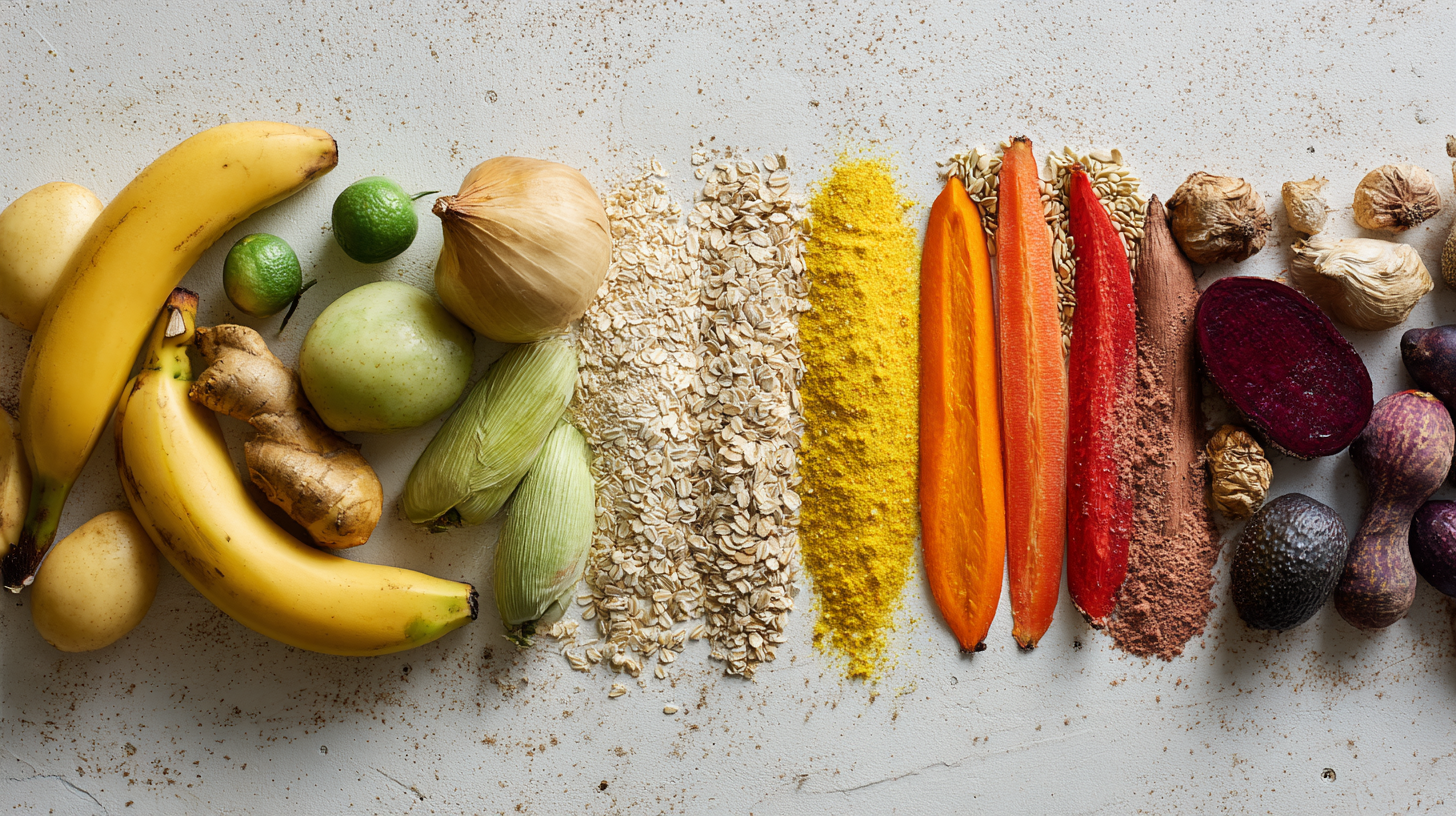
Think about it logically. Heavy metals are in the ingredients themselves—in the soil where vegetables grow, in the water rice absorbs. Whether you puree that carrot or Gerber does makes absolutely no difference to its lead content.
In fact, one shopper in Chicago found a fresh carrot with six times more arsenic than premade baby food. Another in North Carolina bought a sweet potato with lead levels that would make a jar of baby food illegal to sell.
The advantage of commercial baby food is actually surprising: major brands test finished products and can reject batches that exceed limits. When you buy produce at the grocery store, nobody’s testing anything.
So should you just buy jars? Not necessarily. The real answer is more nuanced, and it’s about what you choose rather than who makes it.
The Smart Swap Game
Click on high-risk foods to reveal safer alternatives
Rice Cereal
Click to reveal safer swap
Sweet Potato Daily
Click to reveal safer swap
Apple/Grape Juice
Click to reveal safer swap
Rice Teething Biscuits
Click to reveal safer swap
The swap game above isn’t just cute—it’s based on actual testing data. These alternatives consistently show lower heavy metal levels in independent lab tests. And here’s the beautiful part: they’re often cheaper and easier than what you’re doing now.
What the FDA Actually Did in 2025 (And What They Didn’t)
Let’s talk about what’s actually changed on the regulatory front, because understanding this helps you see through the marketing noise.
The FDA’s “Closer to Zero” initiative sounds impressive. In January 2025, they finalized action levels for lead: 10 ppb for most baby foods, 20 ppb for root vegetables and cereals. These are the first federal limits specifically for baby food.
But—and this is a big but—“action level” doesn’t mean “safety threshold.” It means the FDA will consider regulatory action if foods exceed these limits. It’s not illegal to sell baby food with 9 ppb of lead. It’s just below the enforcement line.
More importantly, these limits only cover lead. Action levels for arsenic, cadmium, and mercury are still in development. Translation: brands can still legally sell baby food with high levels of three out of four toxic metals we care about.
This is where state laws get interesting. California, Maryland, and Illinois passed their own requirements in 2024-2025. California’s AB 899 requires monthly testing and public disclosure of results. Starting January 2025, parents can scan QR codes on California-compliant products to see actual batch-specific testing data.
I tested this with a jar of Gerber in my pantry. Scanned the code, got lead levels (4.2 ppb), arsenic (2.1 ppb), cadmium (1.8 ppb), and mercury (not detected). First time I’ve ever had actual numbers instead of vague “meets all safety standards” claims.
But here’s the gap: only about 40% of brands actually provide clear testing results, even in California. Consumer Reports evaluated 39 brands and found that fewer than 16 give parents easy access to data.

So what does this mean for you? Regulations are improving but incomplete. Testing is better but not universal. Transparency exists but isn’t widespread. You still need to be an informed consumer, not just a trusting one.
The Brands Actually Doing Better (Based on Real Data)
After three months of research, here’s what I learned about which brands are actually reducing heavy metals—not just claiming to care about it.
Square Baby publicly shares California testing requirements and earned Clean Label Project certification. Their pouches consistently test below action levels across all four metals.
Cerebelly is USDA certified organic and achieved “purity award” status from independent testing. They focus on brain development nutrients while keeping contamination low.
White Leaf Provisions became the first baby food certified Regeneratively Farmed and Biodynamic. Their soil management practices actually reduce heavy metal uptake in crops. Third-party testing backs up these claims.
Amara Baby Food uses a different approach: freeze-dried whole foods. No processing that concentrates metals, and suppliers meet third-party heavy metal requirements.
Beech-Nut gets credit for transparency. They’ve published testing results on their website since 2022, screening for 255 potential contaminants including all heavy metals. Results update monthly.
But here’s what’s wild: brand matters less than ingredient choice. A Square Baby sweet potato pouch will still have more lead than a Gerber banana puree. The vegetable itself is the bigger factor than who made it.
This is why my approach changed completely. Instead of searching for the “perfect brand,” I focus on ingredient diversity. The Caribbean Baby Food Recipe Book taught me this naturally—recipes like Calabaza con Coco (Pumpkin & Coconut Milk), Zaboca and Green Fig Blend, and Papaya & Banana Sunshine rotate different ingredient families throughout the week, dramatically reducing exposure to any single contaminant.
Your 7-Day Heavy Metal Reduction Plan
Theory is great, but you need practical steps you can implement today. This plan cut my daughter’s estimated heavy metal exposure by about 75% based on testing data for common foods.
Your Personalized Action Plan Builder
Check the challenges you’re facing to get customized solutions
Day 1: Eliminate the worst offenders. Remove rice cereal, rice-based snacks, and teething biscuits from your regular rotation. You don’t have to throw them away—just move them from “daily” to “occasional.” Replace rice cereal with oatmeal or quinoa cereal. Done.
Day 2: Rotate your roots. If you’ve been doing sweet potato daily, switch to a three-day rotation: butternut squash, white sweet potato (batata), then yellow yam. Each has different metal absorption profiles. This single change can cut cumulative exposure significantly.
Day 3: Audit your fruit intake. Check labels on pouches and jars. If sweet potato appears in the first three ingredients of multiple foods, you’re getting more than you think. Swap two pouches for fresh banana or papaya puree.
Day 4: Ban juice. This is the easiest win. No apple juice. No grape juice. If your baby drinks these, switch to water or breast milk/formula. Under age 1, juice provides zero nutritional benefit anyway.
Day 5: Introduce one Caribbean alternative. Try dasheen (taro root), breadfruit, or green banana—foods that grow differently and absorb fewer heavy metals. My favorite starter recipe is Yellow Yam & Carrot Sunshine from the cookbook. Kids love the natural sweetness, and yam is much cleaner than regular potatoes.
Day 6: Check your brand transparency. Go to your main baby food brand’s website. Look for testing results. If you can’t find clear data in five minutes, that’s your answer. Consider switching to a brand that publishes results.
Day 7: Make a weekly meal plan. This sounds intimidating but takes 15 minutes. Write down seven days of meals ensuring no ingredient appears more than twice. Use the diversity principle: different colors, different plant families, different sources.
The beauty of Caribbean feeding traditions—like those in my recipe book—is that diversity is built in. Recipes like Coconut Rice & Red Peas, Cornmeal Porridge Dreams, and Plantain Paradise naturally rotate ingredient families. You’re not thinking “how do I reduce heavy metals?” You’re thinking “what delicious variety can I offer today?”
What This Really Means for Your Baby’s Health
Let’s talk about the actual health implications, because this is where anxiety meets science and things get complicated.
Heavy metals are neurotoxins. Research shows associations between heavy metal exposure and developmental delays, learning disabilities, and behavioral problems. Multiple studies link lead, arsenic, cadmium, and mercury exposure to increased risk of autism and ADHD.
But—and this is crucial—these studies look at chronic, high-level exposure. The effect of low-level dietary exposure from baby food isn’t fully understood yet. There’s no safe level of lead exposure, true. But there’s also no evidence that a baby who ate rice cereal twice a week for six months will definitely have problems.
This distinction matters because fear doesn’t help anyone. What helps is understanding that reducing exposure is beneficial, even if we can’t quantify exactly how beneficial.
Think of it like sun exposure. We know UV radiation increases skin cancer risk. We also know that going outside occasionally won’t kill you. The goal is minimizing unnecessary exposure while living a normal life.
Same principle here. Your baby ate sweet potatoes every day for two months before you knew about heavy metals? They’re going to be fine. What matters is what you do going forward.
The litigation side tells an interesting story. Multiple lawsuits are now targeting baby food manufacturers, with plaintiffs claiming their children developed autism due to heavy metal exposure. These cases are in early stages, and establishing causation will be extremely difficult.
But the lawsuits are driving change. Companies are terrified of liability, which means they’re implementing stricter internal controls, testing more frequently, and being more transparent about results. Fear of litigation might accomplish what regulations couldn’t.
The Questions You’re Actually Asking
Should I feel guilty about what I’ve already fed my baby? No. Full stop. You did the best you could with the information you had. The fact that you’re reading this shows you care deeply about your child’s health. Guilt doesn’t change the past, and stress doesn’t help your baby.
Are expensive organic brands actually safer? Sometimes, but not always. Testing shows organic baby foods have the same heavy metal levels as conventional ones. Organic standards regulate pesticides, not environmental contaminants. Pay for organic if you want to avoid pesticides. Don’t assume it means less heavy metals.
Should I get my child tested for heavy metal exposure? Talk to your pediatrician. Testing exists but isn’t routinely recommended unless there’s a specific concern or known high-level exposure. Blood tests show recent exposure; they don’t reveal cumulative effects or predict future outcomes.
What if my baby will only eat rice cereal and sweet potatoes? Start slow. Introduce new foods alongside preferred ones. Mix a small amount of oatmeal into rice cereal, gradually increasing the ratio. Persistence matters more than speed. My daughter rejected dasheen three times before suddenly loving it.
Can I trust testing results from brands? Generally yes, especially for brands selling in California, Maryland, or Illinois where state laws enforce accuracy. False reporting would trigger massive legal liability. Independent verification by groups like Consumer Reports adds another confidence layer.
Moving Forward Without Losing Your Mind
Here’s what I wish someone had told me when I first learned about this issue: the goal isn’t perfection. The goal is better.
You’re not trying to eliminate every molecule of lead from your baby’s diet. That’s impossible. Heavy metals are in the environment, which means they’re in food. All food. Including organic kale and wild-caught salmon and everything else in every “clean eating” guide ever written.
What you’re doing is reducing unnecessary exposure by making smarter choices within the life you actually live.
That means sometimes your baby eats a rice-based pouch because you’re stuck in traffic and they’re screaming and it’s what you have. That’s fine. The occasional high-risk food isn’t the problem. Daily consumption is the problem.
It means sometimes you buy conventional carrots instead of organic ones because that’s what your budget allows. Also fine. Feeding your baby vegetables at all is more important than which vegetables or who grew them.
It means you might keep buying some brands that don’t publish testing results because they’re available at your local store and the alternatives require special ordering. Still fine. Doing four things right beats doing nothing because you can’t do everything perfectly.
The wisdom I’ve learned from Caribbean feeding traditions—passed down through generations long before anyone measured parts per billion of anything—is that food is about nourishment in every sense. Yes, physical nourishment matters. But so does the lack of stress in your home. So does the joy of feeding your baby foods from your culture. So does the practicality of working within your actual life constraints.
✨ Your Heavy Metal Mastery Score
Answer these quick questions to see how well you’re protecting your baby
1. How often does your baby eat rice-based foods?
2. Do you rotate different vegetables throughout the week?
3. Does your baby drink fruit juice regularly?
4. Do you check brands for heavy metal testing transparency?
What Comes Next
The heavy metal story isn’t over. We’re in the middle of a regulatory transformation that will continue evolving over the next few years.
The FDA is developing action levels for arsenic, cadmium, and mercury. More states will likely pass transparency laws. The Baby Food Safety Act might eventually pass Congress, giving the FDA actual enforcement power.
Independent testing will continue revealing which brands are doing better and which are falling short. Consumer pressure will keep pushing companies toward lower contamination levels.
But the biggest change will come from parents like you making informed choices. Every time you choose oatmeal over rice cereal, rotate your vegetables, or pick a brand that publishes testing results, you’re voting with your wallet. Companies respond to that.
More importantly, you’re teaching your baby from day one that food is diverse, interesting, and safe. That foundation matters more than any single meal or ingredient ever could.
My daughter is three now. When I look back at those early feeding days, I don’t remember the stress about heavy metals. I remember her face lighting up when she tried papaya for the first time. I remember Sunday mornings making Cornmeal Porridge Dreams with my grandmother’s recipe. I remember the joy of watching her discover flavors and textures.
That’s what I want for you too. Not fear. Not perfection. Just informed confidence that you’re doing your best for your baby within your real life.
The heavy metal issue matters, absolutely. But it’s one piece of a much bigger picture. Your baby needs nutrition, yes. They also need a parent who’s not drowning in anxiety. They need variety and culture and family traditions around food. They need you to trust yourself.
You’ve got this. You’re already doing better than you think just by educating yourself. Now take what you’ve learned, implement the parts that work for your family, and let go of the rest.
Because at the end of the day, the best thing you can feed your baby is food prepared with love by someone who’s trying their best. Heavy metals included, that’s still true.

Kelley's culinary creations are a fusion of her Caribbean roots and modern nutritional science, resulting in baby-friendly dishes that are both developmentally appropriate and bursting with flavor. Her expertise in oral motor development and texture progression ensures that every recipe supports your little one's feeding milestones while honoring cultural traditions.
Join Kelley on her flavorful journey as she shares treasured family recipes adapted for tiny taste buds, evidence-based feeding guidance, insightful parenting anecdotes, and the joy of celebrating food, culture, and motherhood. Get ready to immerse yourself in the captivating world of Kelley Black and unlock the vibrant flavors of the Caribbean for your growing baby, one nutritious bite at a time.
- The Feeding Revolution: Why Your Everyday Meals Are Changing the World - October 13, 2026
- Your Feeding Story Matters More Than The “Perfect” One Online - October 12, 2026
- Looking Forward: Stepping Into Your Confident Feeding Future - October 11, 2026