Eating Out with Baby: The Equipment Checklist No One Shares
Last Tuesday, I watched my neighbor Sharon stuff her entire diaper bag into the restaurant booth—only to realize she’d forgotten the one thing that would’ve saved her meal: a proper bib. Twenty minutes later, she was wearing pureed sweet potato like a Jackson Pollock painting.
Here’s what nobody tells you about dining out with babies: 80% of parents with young children eat at restaurants at least weekly, yet most of us wing it with whatever’s in the diaper bag. We’re out here living our best lives until baby launches a fistful of rice and peas across the table, and suddenly you’re using napkins as makeshift bibs while other diners pretend not to stare.
Click your biggest dining-out nightmare:
The truth is, dining out with baby doesn’t have to feel like you’re preparing for a military operation. But it does require knowing exactly what to pack—and what to leave behind. After compiling research from pediatric feeding specialists, occupational therapists, and thousands of real parent experiences, I’ve cracked the code on the restaurant survival kit that actually works.
This isn’t about carrying your entire nursery in a tote bag. It’s about strategic packing that turns chaotic outings into enjoyable family meals. Because here’s what I’ve learned from both raising my own little one and listening to my Auntie Gloria’s wisdom over Sunday curry: preparation and a good sense of humor will carry you through anything—even a baby who thinks spaghetti belongs in their hair.
The Truth About Restaurant High Chairs (Spoiler: They’re Disgusting)
Let me paint you a picture that’ll make your skin crawl: researchers found that restaurant high chairs are breeding grounds for bacteria, with most featuring “sticky, crusty, broken-safety-belt loaners” that parents actively avoid. In 2024, feeding experts reported that contaminated restaurant seating is one of the top concerns among families dining out, ranking right up there with inappropriate menu options and noise complaints.
Shocking Statistics: Studies show that families with two children eat out an average of 3.47 times per week, yet many restaurants still provide inadequate or unsanitary seating for infants. This gap between family dining frequency and proper accommodations has created a booming market for portable seating solutions.
The game-changer? Clip-on table chairs like the Inglesina Fast have become the gold standard for 2024-2025. These lightweight wonders attach directly to restaurant tables, fold flat into your diaper bag, and eliminate your dependence on whatever questionable contraption the restaurant offers. Occupational therapists emphasize that proper positioning—90-degree angles at hips, knees, and ankles with adequate back support—is critical for safe swallowing and choking prevention.
But here’s where it gets interesting: not all portable chairs work on all tables. Booth seating, thick tables, and unusual table lips can render some models useless. That’s why savvy parents keep a backup plan—either a lightweight fabric booster seat like the hiccapop OmniBoost or simply requesting a regular dining chair where baby can sit on your lap with proper support.
The Equipment Secret Restaurants Don’t Want You to Know:
You have every right to wipe down restaurant high chairs with your own disinfecting wipes—and you should. Food safety experts recommend cleaning the tray, straps, and seat before placing your baby in any restaurant-provided equipment. Many parents also bring their own tray covers or disposable placemats because restaurant high chair trays can harbor food particles from previous diners. The restaurant staff won’t be offended; they understand you’re protecting your child.
The Complete Restaurant Bag: What Actually Makes the Cut
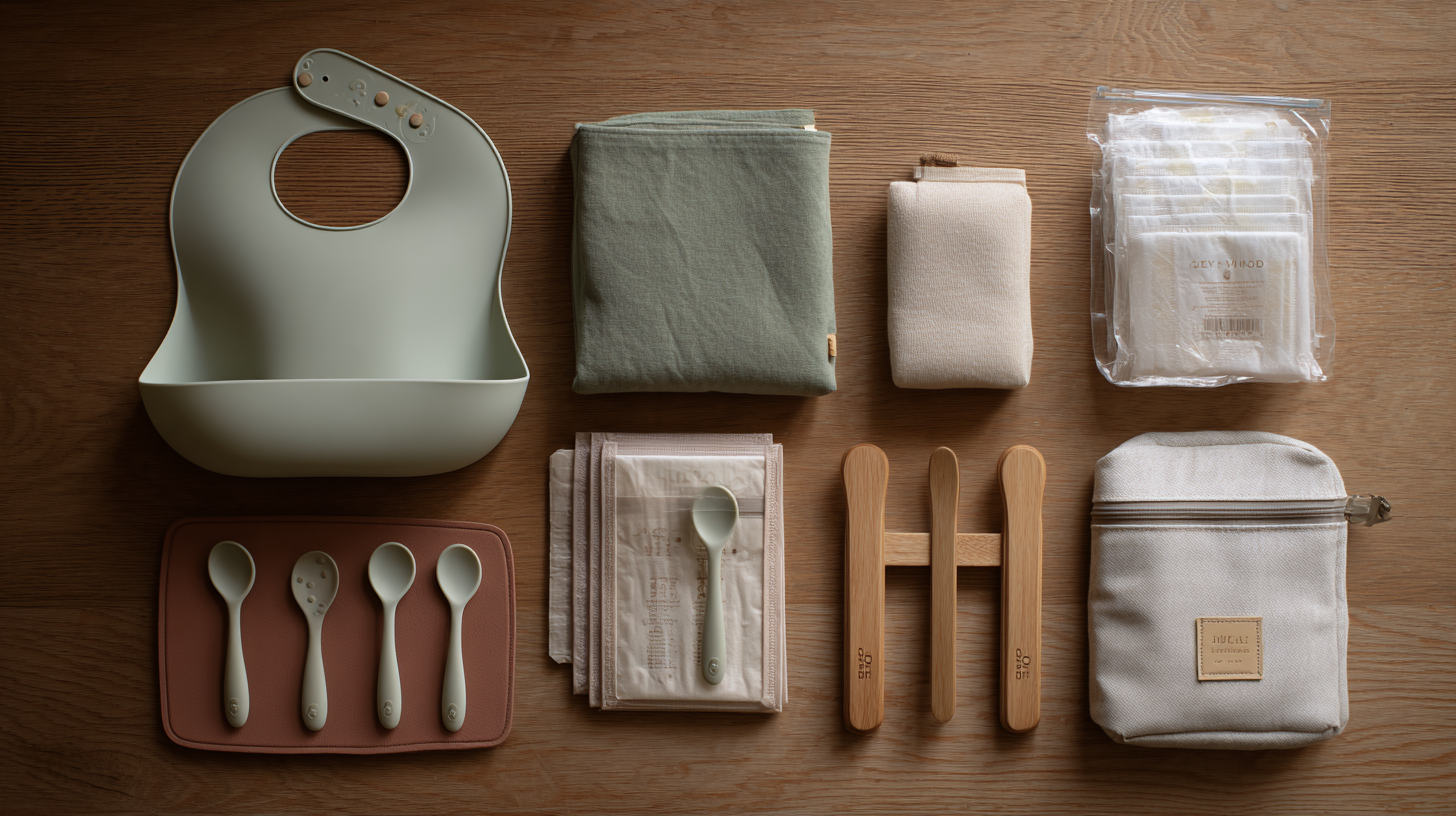
After analyzing recommendations from Feeding Littles, registered dietitians, and viral social media “restaurant bag dumps,” here’s the definitive list of what belongs in your dining-out kit—and why each item earns its spot.
✓ Build Your Perfect Restaurant Kit
Click each item as you add it to your bag:
Now, let’s talk about why each of these items matters. The waterproof silicone bib isn’t just about keeping baby’s clothes clean—it’s about wipeable convenience that allows you to clean up instantly and pack wet items without soaking your entire bag. Fabric-backed bibs retain moisture and create a breeding ground for bacteria during transport.
The EZPZ Mini Mat is genius because it suctions directly to restaurant tables, creating a hygienic eating surface while preventing the classic plate-throw that ruins everyone’s meal. But here’s the insider tip: suction products work inconsistently on wood, textured, or uneven surfaces. That’s why you pack 3-5 disposable adhesive placemats as backup—they stick to any surface and get tossed when you’re done.
Caribbean Mama Wisdom: My Auntie Gloria always says, “Pack light but pack smart, like how we carry provisions from market.” She keeps her restaurant bag organized with clear ziplock compartments—feeding equipment in one, cleanup in another, and entertainment in the third. Position frequently grabbed items (bibs, wipes) at the top for one-handed access while managing a squirmy baby. Some families maintain a dedicated restaurant bag that lives in the car, preventing the “oh no, I forgot it” panic.
What to Skip (Yes, You’re Probably Overpacking)
Here’s where minimalist parents and feeding experts agree: you’re carrying too much stuff. The goal is preparation without burden, and that means ruthlessly cutting items that don’t serve a clear purpose.
Your Packing Personality Assessment
How many bibs do you typically pack for one restaurant meal?
What’s your approach to baby food at restaurants?
Entertainment strategy for waiting time?
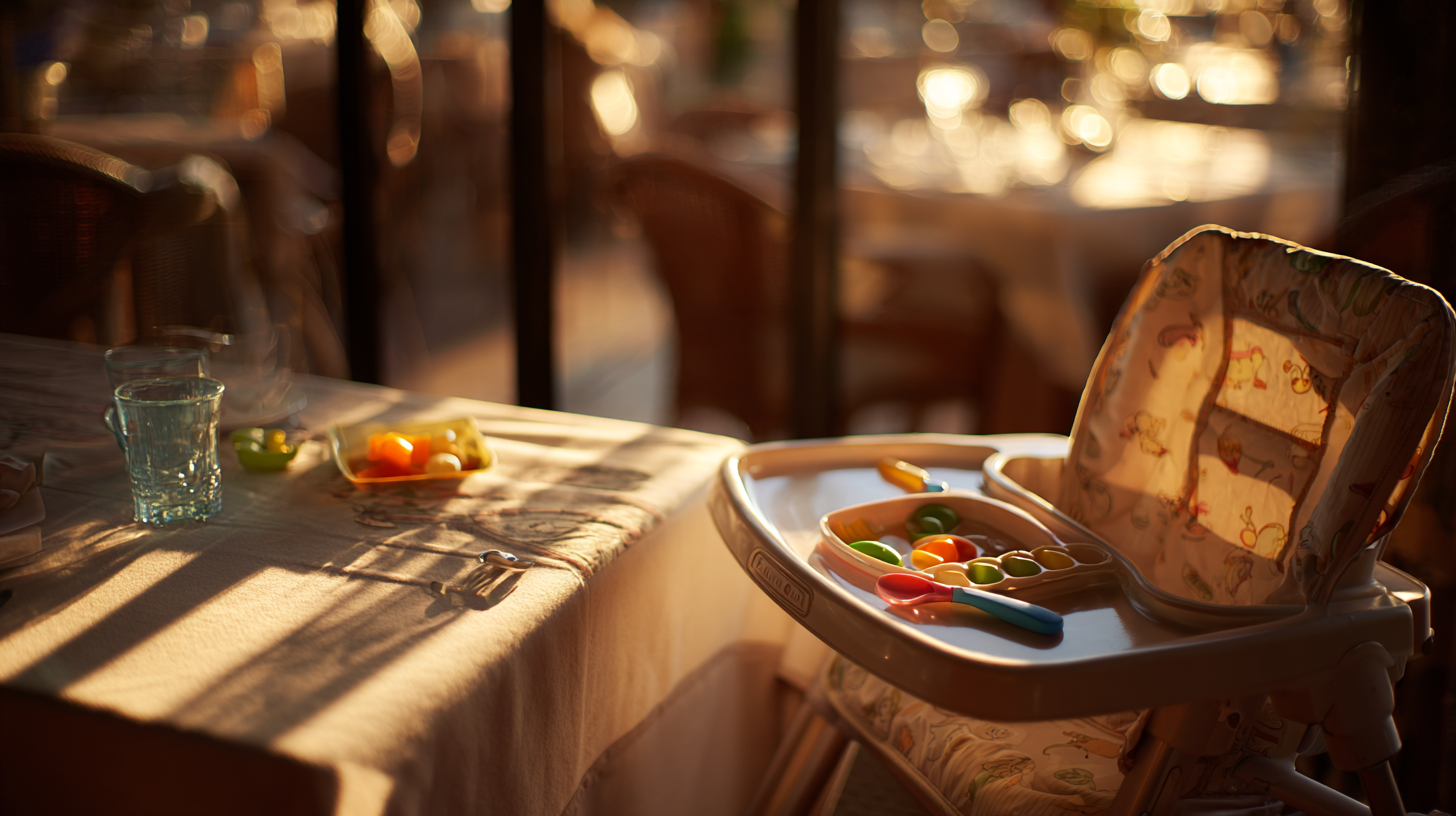
Skip high chair covers. Yes, they’re marketed as essential, but wiping down the restaurant chair is faster and less cumbersome. You’re creating work where simple cleaning suffices.
Skip multiple backup bibs. One quality wipeable bib is all you need. If you’re packing three bibs for a single meal, you’re planning for failure instead of preventing it. Trust the gear that works.
Skip specialized baby food pouches and jars. This is where feeding experts get passionate. Strong4Life pediatric nutritionists specifically warn against “toddler snacks” like cheese puffs, cereal bars, and yogurt drops—they’re loaded with sugar and increase pickiness. Food pouches prevent babies from learning vegetable flavors because manufacturers sweeten everything with fruit. Instead, order simple items from the adult menu that expose babies to real flavors.
Skip screens at mealtimes. iPads might seem like the ultimate distraction tool, but feeding specialists emphasize that mealtime is for eating, not entertainment. Screens interfere with hunger cues, prevent babies from learning about food textures and flavors, and create dependency on distraction. Simple conversation, singing, or allowing baby to explore appropriate restaurant items (like a sturdy napkin or the sugar caddy—minus the sugar packets) works better.
When my cousin Rashida started bringing her daughter Amara to restaurants, she packed everything—three bibs, four changes of clothes, a portable seat cushion, specialized baby utensils in three different sizes, and enough pouches to stock a grocery store. Her diaper bag weighed more than the baby. After watching experienced parents at a family gathering (where we were serving recipes like Coconut Rice & Red Peas and Sweet Potato & Callaloo Rundown to our little ones), she trimmed down to essentials and never looked back. Less stress, more enjoyment, same clean baby at the end of the meal.
The Menu Decoder: What to Actually Order
This is where rubber meets road—or rather, where avocado meets baby’s face. Registered dietitians who specialize in infant feeding have specific recommendations for restaurant orders that support nutrition without added salt, sugar, or choking hazards.
️ Restaurant Visit Meal Planner
How many restaurant meals per week?
Breakfast winners: Eggs cooked “over hard” with no added salt, sliced into strips for baby-led weaning. Avocado slices. Toast with butter or nut butter (if allergens have been introduced), cut into strips. Whole bananas with peel halfway removed for gripping. Plain oatmeal with peanut butter stirred in (after allergen introduction). These simple foods provide protein, healthy fats, and textures that promote self-feeding development.
Lunch and dinner champions: Soft cooked vegetables like peppers, squash, and tomatoes. Beans (smashed for younger babies to prevent choking). Shredded chicken or pork—order it plain without sauce or seasoning. Grilled fish broken into appropriate-sized pieces. Plain rice or pasta. Baked potatoes with butter. Cheese strips. Soft tortilla strips. Sliced pears. Smashed blueberries.
Notice what’s missing? Anything fried. Items with added sugar. Processed meats like sausage, bacon, or deli meat. Choking hazards like whole grapes, nuts, or hot dogs. And critically—foods the baby hasn’t tried at home.
Here’s where my Caribbean background gives me an advantage: we understand the power of real food flavors. When I take my little one to a Caribbean restaurant, I order the same ingredients I prepare at home—yellow yam, plantain, callaloo, ackee (when age-appropriate)—without heavy seasoning. The restaurant staff understands when I request “no salt, no pepper sauce” because they’re familiar with adapting flavors for different family members. This is the beauty of eating out: exposing babies to diverse flavors while maintaining nutritional boundaries.
The Cleanup Strategy Nobody Talks About
Baby-led weaning parents know the truth: feeding babies is messy business. At home, you’ve got splat mats and the comfort of your own mop. At restaurants, you’re working with limited tools and the watchful eyes of other diners (and trust me, they’re watching).
Here’s the protocol that works: wipeable bibs that clean with one swipe and dry immediately are non-negotiable. After the meal, wipe baby’s face and hands with baby wipes—not restaurant napkins, which are rough and ineffective. Wipe down the placemat, table area, and high chair if you used the restaurant’s equipment. Use your microfiber cloths for the table and save disposable wipes for surfaces you won’t take home.
The Miss Mouth’s Messy Eater stain spray is brilliant for immediate treatment of food-stained clothing. Spray it on the stain before you leave the restaurant, and you’ve prevented permanent discoloration. This is the difference between salvageable clothing and a new spot in the rag pile.
The Floor Situation (A Controversial Take):
Let’s address the elephant in the room: baby will drop food on the floor. This is developmentally normal and actually part of learning cause-and-effect relationships. However, you have a responsibility to manage the mess respectfully. The BusyBaby suction mat with toy attachment cords prevents dropped utensils and toys from hitting the floor repeatedly. When food does fall (and it will), pick up large pieces before you leave and alert restaurant staff so they can properly clean the area. Many parents over-apologize or attempt to sweep under the table themselves—restaurant staff prefer you leave it for their cleaning protocols, but gathering obvious pieces shows consideration. A generous tip acknowledges the extra work your meal created. This is basic respect, not performative guilt.
Timing Is Everything (And Other Hard-Learned Lessons)
Experienced parents know that when you go matters as much as what you bring. Schedule restaurant visits during baby’s naptime if they’ll sleep through the meal in a carrier—you’ll eat in peace while they snooze. Alternatively, go immediately after feeding time at home to minimize hunger-related stress.
Make reservations whenever possible. Wait times increase baby restlessness exponentially. A 15-minute wait might seem manageable, but to a hungry baby, it’s an eternity of increasing frustration that often culminates in a meltdown before the food even arrives.
Review menus in advance and identify appropriate food options before you arrive. When you’re seated, order baby’s food immediately—even before your own order. Request that simple items like toast, avocado, or scrambled eggs come out first. Restaurants are usually accommodating when you explain it’s for a baby.
The controversial wisdom from a 2025 viral incident: if baby is screaming inconsolably, it’s okay to step outside briefly to calm them. This isn’t about shame—it’s about managing the situation effectively. Fresh air often resets a worked-up baby, and it gives you a moment to breathe and strategize. Other diners will appreciate the consideration, and you’ll return to your table with a calmer child and clearer headspace.
The Social Media Secret: What’s Actually Working in 2024-2025
Instagram and TikTok have become unexpected knowledge banks for restaurant dining strategies. Parent influencers demonstrate their complete portable setups, share “restaurant bag dumps,” and normalize comprehensive preparation. This peer-to-peer information exchange has accelerated the adoption of specialized gear and created informal best-practice standards.
The most viral 2024 tip? The BusyBaby suction mat with toy attachment cords. Parents discovered that preventing dropped toys and utensils reduces floor contamination and eliminates the endless bend-retrieve-sanitize-return cycle. This single product solved the problem of babies intentionally throwing items to watch them fall (again, developmentally normal but exhausting in public).
Another trending strategy: waterproof storage bags specifically designed for restaurant kits. The Itzy Ritzy brand gained popularity because the bags contain post-meal mess—you can throw dirty bibs, used placemats, and soiled cloths into the bag without contaminating your main diaper bag or car. The bag itself washes easily and dries quickly.
The Data Speaks: Consumer spending at restaurants has increased 24.5% above projected trendlines since the pandemic, with families containing children driving this growth through necessity rather than luxury dining. Parents now view restaurants as routine solutions to busy schedules rather than special occasions, making preparation essential rather than optional.
When Restaurants Fail Families (And What We’re Doing About It)
Despite families representing the restaurant industry’s most reliable customer base, many establishments still provide inadequate family amenities. Dirty high chairs, missing changing tables, judgmental staff, and menus devoid of simple, unseasoned options create unnecessary barriers to family dining.
The 2021 expansion of the National Restaurant Association’s Kids LiveWell program aimed to modernize healthy children’s meal options across participating establishments. This strategic pivot recognizes family dining’s economic importance, particularly as childless diners reduce frequency in response to inflation.
But here’s the truth: change happens when we vote with our wallets and our voices. Restaurants that accommodate families—providing clean equipment, flexible menu options, and welcoming attitudes—earn our loyalty and repeat business. Those that make families feel unwelcome or fail to meet basic hygiene standards lose customers to competitors who understand the market.
Share your positive experiences on review platforms. Specifically mention family-friendly features, accommodating staff, and menu flexibility. This information helps other parents and signals to restaurants what families value. Similarly, constructive feedback about inadequate facilities or hostile attitudes creates accountability.
The Caribbean Approach to Feeding (Because We Do It Different)
Growing up watching my grandmother feed her grandchildren, I learned that Caribbean families approach food with joy, flexibility, and practical wisdom. We don’t stress about fancy equipment or perfect conditions—we focus on nourishing our children with real food and teaching them to eat what the family eats.
When we go to restaurants, we bring the same philosophy. Order what you know—the foods baby enjoys at home. Request simple preparations without heavy seasoning. Share from your plate when appropriate. Don’t overthink it.
My Auntie Gloria raised four children, and she never owned a single baby food pouch. She mashed whatever the family ate—rice and peas, stewed chicken, callaloo, plantain—and fed it to her babies with a regular spoon. At restaurants, she’d order plain provisions and mash them at the table. No fancy equipment, no stress, no Pinterest-perfect presentations. Just good food, family time, and babies who grew up eating everything.
This is the wisdom I want you to carry: preparation matters, but perspective matters more. You’re not trying to achieve perfection—you’re sharing a meal with your baby in public. Sometimes it’ll go smoothly. Sometimes you’ll wear rice in your hair. Both outcomes are fine.
If you want to build that foundation of adventurous eating at home—the kind that makes restaurant dining easier because baby already knows diverse flavors—check out the Caribbean Baby Food Recipe Book. It features over 75 recipes using ingredients like sweet potatoes, mangoes, coconut milk, plantains, and beans—the same real foods you can order at restaurants. When home cooking and dining out align nutritionally, feeding becomes simpler everywhere.
Your Restaurant Dining Action Plan
Let’s bring this full circle with concrete steps. You don’t need to implement everything at once—start with the basics and build from there.
This week: Assemble your core restaurant kit with a waterproof bib, portable placemat option, baby spoons, wipes, and a waterproof storage bag. These five items solve 80% of restaurant dining challenges.
This month: Add a portable seating solution if restaurant high chairs concern you. Research clip-on chairs or booster seats that fit your lifestyle and budget. Test them at home before using them in public to understand installation and fit.
This quarter: Develop your go-to restaurant order list for different cuisines and meal times. Know what to ask for at breakfast spots, lunch cafes, and dinner restaurants. Practice ordering simple, baby-appropriate foods until it becomes second nature.
Long-term: Build confidence through repeated practice. Your first few restaurant outings might feel stressful, but each experience teaches you what works for your specific baby and family dynamics. Some babies do better at loud, casual restaurants where noise blends in. Others handle quiet, slower-paced settings more successfully. You’ll discover your baby’s patterns and plan accordingly.
The Most Important Thing: You belong in restaurants with your baby. Full stop. Don’t let fear of judgment or potential mess keep you from enjoying family meals in public spaces. Preparation helps, but confidence matters more. Other diners were once parents of messy babies too (or they will be, or they chose not to be—either way, you’re not living for their approval). Feed your baby. Enjoy your meal. Clean up respectfully. Tip generously. Leave. You did great.
The Real Success Metric
Success isn’t a Pinterest-worthy photo of your baby eating organic quinoa with a monogrammed bib while sitting perfectly still. Success is getting out of the house, sharing a meal, and returning home without a complete meltdown (baby’s or yours).
Success is your baby trying new foods, even if most of them end up on the floor. It’s the moment they successfully use a spoon, even if the next five attempts miss their mouth entirely. It’s the smile they give you between bites, the way they watch other diners with curiosity, the social learning that happens just by being in a restaurant environment.
Some meals will be disasters. My little one once grabbed my curry goat so enthusiastically that gravy splattered three neighboring tables. We apologized, cleaned what we could reach, tipped 30%, and never went back to that particular restaurant. But we kept going to other restaurants, kept practicing, kept exposing our baby to public dining experiences.
Now, months later, restaurant meals feel manageable. We know our rhythm. We pack our kit automatically. We order with confidence. And yes, we still have messy moments—but we also have the tools and knowledge to handle them without panic.
That transformation from overwhelmed to prepared? It starts with the right equipment checklist and ends with the confidence that comes from practice. You’ve got this. And on the days when you don’t—when everything goes wrong and you’re wearing sweet potato like a badge of dishonor—you’ve still got this. Because showing up is half the battle, and you’re already here.
Pack that bag. Make that reservation. Order that plain avocado. And remember: the goal isn’t perfection. The goal is nourishment, connection, and building memories—even the messy ones. Especially the messy ones.
Now if you’ll excuse me, I have a date with some jerk chicken and a baby who thinks throwing spoons is the height of comedy. See you at the restaurant—you’ll recognize us by the waterproof bib and the laughter.

Kelley's culinary creations are a fusion of her Caribbean roots and modern nutritional science, resulting in baby-friendly dishes that are both developmentally appropriate and bursting with flavor. Her expertise in oral motor development and texture progression ensures that every recipe supports your little one's feeding milestones while honoring cultural traditions.
Join Kelley on her flavorful journey as she shares treasured family recipes adapted for tiny taste buds, evidence-based feeding guidance, insightful parenting anecdotes, and the joy of celebrating food, culture, and motherhood. Get ready to immerse yourself in the captivating world of Kelley Black and unlock the vibrant flavors of the Caribbean for your growing baby, one nutritious bite at a time.
- The Feeding Revolution: Why Your Everyday Meals Are Changing the World - October 13, 2026
- Your Feeding Story Matters More Than The “Perfect” One Online - October 12, 2026
- Looking Forward: Stepping Into Your Confident Feeding Future - October 11, 2026