DIY Baby Food That Dodges Heavy Metals: The Smart Sourcing Guide
Here’s something that kept me up at night when my little one turned six months: I spent weeks researching the perfect high chair, debating whether to start with purees or baby-led weaning, and obsessing over organic versus conventional produce. Then I stumbled across a report that made my stomach drop—95% of baby foods contain heavy metals like arsenic, lead, cadmium, and mercury. And here’s the real kicker: homemade baby food is just as likely to contain these metals as store-bought versions.
But before you panic and swear off solids forever, let me share what I learned after diving deep into research, talking with pediatric nutritionists, and completely overhauling how I source and prepare food for my baby. The truth is, you can’t eliminate heavy metals entirely—they’re naturally present in soil and water—but you absolutely can slash your baby’s exposure by up to 80% through smart ingredient choices and strategic preparation methods.
Discover Your Baby’s Heavy Metal Risk Score
Answer these quick questions to see how your current feeding choices stack up
1. What grain do you serve most often?
The Shocking Truth About Heavy Metals in Baby Food
When I first learned that heavy metals were lurking in my carefully prepared sweet potato purees, I felt like everything I thought I knew about healthy feeding was a lie. But here’s what the research actually shows: arsenic, lead, cadmium, and mercury are naturally occurring elements in soil and water. They’re absorbed by plants as they grow—especially root vegetables and rice—which means they end up in both commercial and homemade baby food. A 2022 study published in the journal Frontiers in Nutrition found that over 90% of foods tested contained detectable levels of at least one heavy metal.
The real issue isn’t that these metals exist—it’s the cumulative exposure over time. Young children are particularly vulnerable because their brains and bodies are still developing, and they absorb more of these toxins relative to their body weight than adults do. Chronic exposure during the first years of life has been linked to developmental delays, lower IQ scores, and behavioral problems. But—and this is crucial—you can dramatically reduce exposure through strategic sourcing and preparation methods.
Strategic Ingredient Selection: What to Choose and What to Avoid
After months of research and trial-and-error, I’ve developed a foolproof system for choosing ingredients that naturally contain lower heavy metal levels. The first rule? Ditch rice as your go-to grain. Rice is notorious for absorbing arsenic from groundwater—sometimes up to 10 times more than other grains. Instead, I rotate between oats, barley, quinoa, and yes, even Caribbean staples like cornmeal and farine (cassava flour). My grandmother used to make the creamiest cornmeal porridge, and it turns out that tradition was protecting us from arsenic exposure all along.
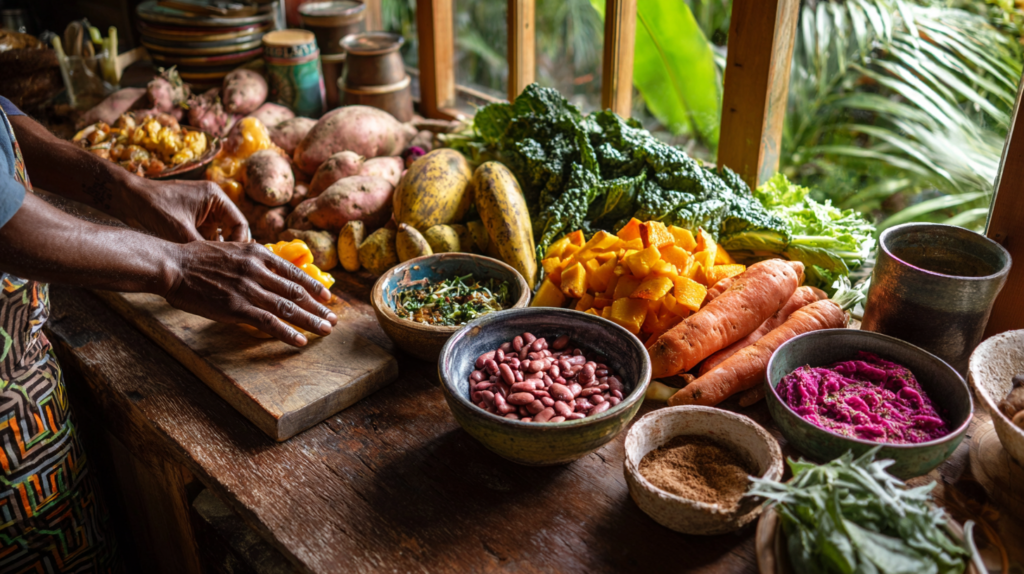
Root vegetables are trickier because they’re in direct contact with soil where heavy metals accumulate. Sweet potatoes, carrots, and beets—all Caribbean kitchen staples—can absorb lead and cadmium. But here’s the game-changer: the type of root vegetable and where it’s grown matters enormously. White sweet potatoes (batata) and yellow yams tend to have lower contamination than regular orange sweet potatoes. And sourcing from regions with cleaner soil makes a massive difference. I now buy my root vegetables from local Caribbean and Latin American farmers who grow in volcanic or coastal soils, which typically have lower heavy metal concentrations than industrial farmlands.
Caribbean Kitchen Wisdom
My Jamaican grandmother always said to “mix up the pot”—meaning rotate your ingredients. This traditional wisdom is now backed by science: rotating food sources prevents accumulation from any single contaminated batch. Check out the Caribbean Baby Food Recipe Book for over 75 recipes featuring naturally lower-arsenic grains like cornmeal, farine, and oats—plus traditional preparations that reduce heavy metal absorption.
Sourcing from Low-Contamination Regions
Here’s something most parents don’t know: where your food comes from matters just as much as what you’re buying. Heavy metal contamination in produce is directly tied to soil quality, and certain regions have significantly cleaner agricultural land. After the 2021 Congressional report on heavy metals in baby food, some companies completely overhauled their supply chains. Cerebelly, for example, switched to suppliers in regions with lower soil contamination and managed to reduce lead levels dramatically.
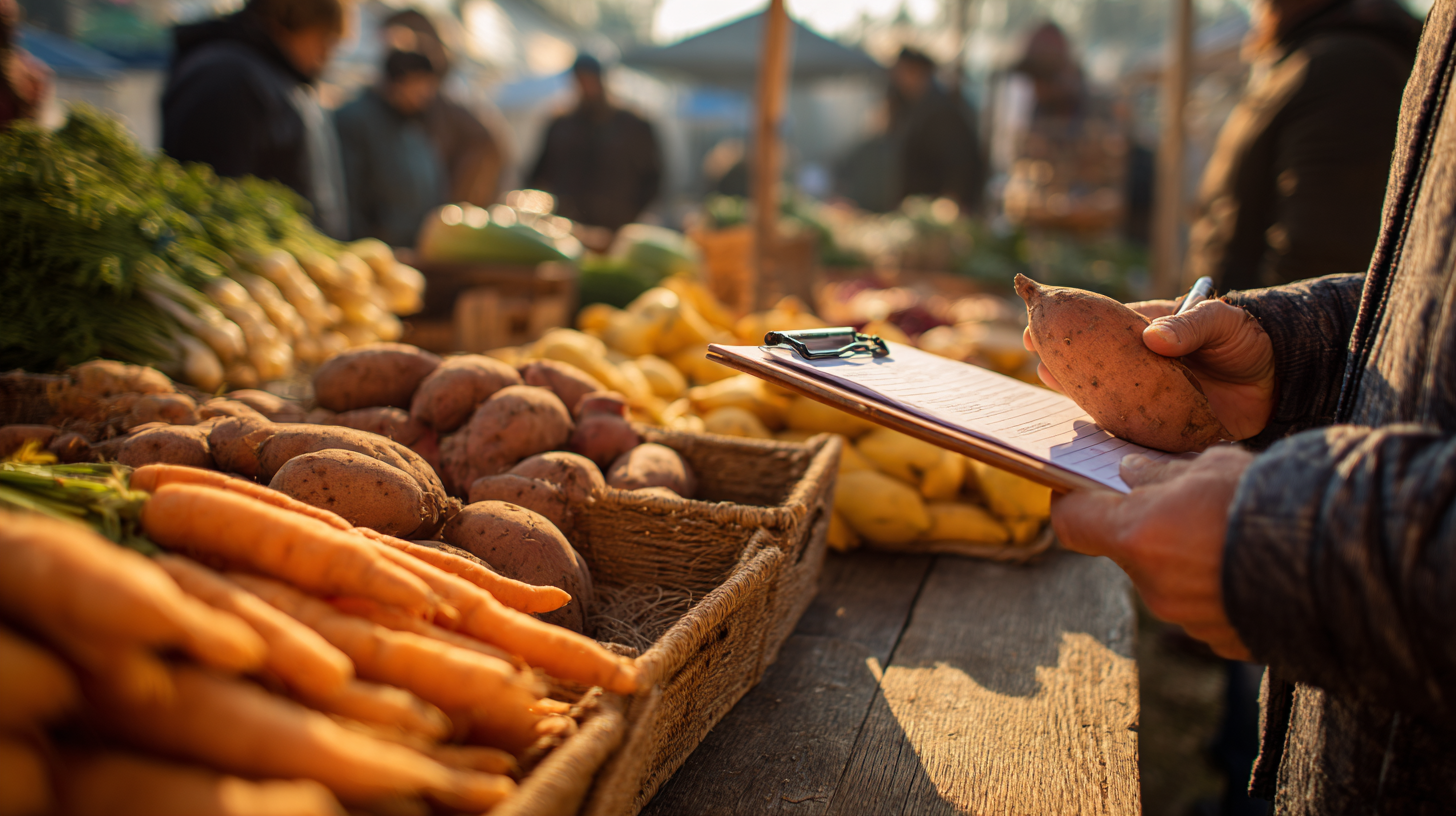
For homemade baby food, you can apply the same principle. I now prioritize produce from volcanic soil regions (like parts of the Caribbean, Hawaii, and Central America), coastal areas with sandy soils, and organic farms that have been tested for heavy metals. I’ve also learned to ask questions at farmers markets: “Where was this grown? Have you tested your soil?” Farmers using regenerative practices are more likely to have soil reports. And when I’m shopping at regular stores, I look for brands that specifically state they source from low-contamination regions—it’s becoming more common on labels.
For Caribbean families, this is actually an advantage. Many traditional ingredients like breadfruit, green bananas, plantains, dasheen, and eddoes are grown in volcanic island soils that naturally contain lower heavy metal levels than continental farmland. The Caribbean Baby Food Recipe Book features recipes specifically designed around these naturally cleaner ingredients—like Cornmeal Porridge Dreams, Plantain Paradise, and Simple Metemgee Style Mash using eddoes and coconut milk.
️ Regional Sourcing Priority Map
Click each region to see contamination risk level
Home Testing Kits: Should You Invest?
When I first heard about home testing kits for heavy metals, I immediately ordered three different ones. The reality? They’re not perfect, but they do provide peace of mind and helpful data. The most accessible option is urine-based test kits (like those from Osumex) that can detect 8-15 different heavy metals including arsenic, lead, cadmium, and mercury. You can test your baby’s first-morning urine, but you can also test prepared food samples, which is what I do with batch-cooked purees.
Here’s how I use them: Every month, I test a small sample from my batch prep. I blend a tiny amount of the cooked puree with distilled water, let it sit, and use the test strips. It’s not lab-grade precision, but it gives me a baseline and helps me identify if a particular batch or ingredient source is problematic. When one batch of sweet potatoes showed elevated levels, I traced it back to a new supplier and switched immediately.
The more expensive option is sending samples to professional labs for ICP-MS testing (the gold standard), which costs $100-200 per sample but gives you exact concentrations. I do this quarterly for my most commonly used ingredients. It’s worth noting that some newer baby food brands like White Leaf Provisions have embraced third-party testing and share their results publicly—if you’re mixing homemade with store-bought, look for these brands.
Batch Prep Methods That Reduce Contamination
This is where Caribbean cooking tradition becomes your secret weapon. My mother taught me to soak beans overnight, parboil vegetables, and cook rice with extra water—all techniques that happen to reduce heavy metal content. When I learned the science behind these methods, my mind was blown. These traditional practices weren’t just about taste; they were protecting us all along.
For rice (which I now serve sparingly and only as part of mixed dishes), I use the “cook and drain” method: rinse the rice thoroughly, cook it in 6-10 times more water than usual, then drain the excess water. Studies show this can reduce arsenic content by 40-60%. For root vegetables, peeling removes the outer layer where heavy metals concentrate, then soaking in water for 15-30 minutes before cooking helps leach out additional contaminants. When I make sweet potato puree now, I peel, soak, and boil in excess water that I then discard—never the water used for thinning purees.
Your Contamination-Reduction Prep Checklist
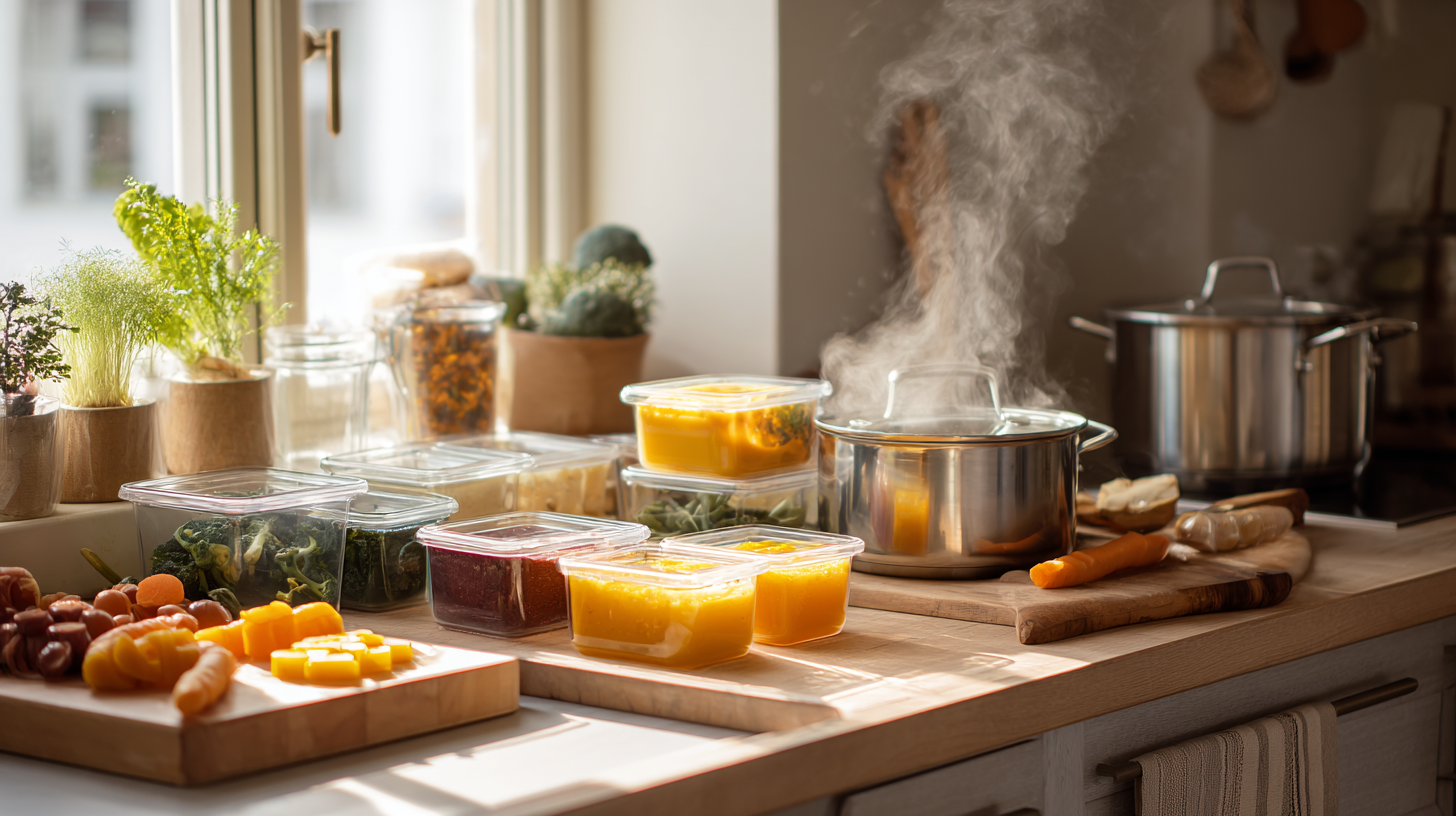
Batch cooking is essential for busy parents, but it needs to be done strategically. I dedicate Sunday afternoons to prepping the week’s food, and I follow a strict system: prep one grain type, two proteins, and three vegetable combinations. Each gets cooked using contamination-reduction methods, then portioned into small BPA-free silicone containers. I freeze them immediately after cooling (within 2 hours) to preserve nutrients and prevent bacterial growth. The Caribbean Baby Food Recipe Book includes a detailed batch prep guide with recipes specifically designed for freezing—like Coconut Rice & Red Peas, Basic Mixed Dhal Pure, and Stewed Peas Comfort.
Storage Safety Protocols That Preserve Quality
Even the cleanest ingredients can become problematic if stored improperly. I learned this the hard way when my carefully prepared batches developed an off smell after just three days in the fridge. Proper storage isn’t just about preventing spoilage—it’s about maintaining nutrient density and preventing contamination from storage containers themselves.
First rule: glass or food-grade silicone only. Plastic containers can leach chemicals, including BPA alternatives that aren’t much better. I use small 2-4 oz glass jars for fridge storage (lasts 3 days max) and silicone freezer trays for longer storage. Second rule: vacuum sealing or removing air is crucial. Air exposure breaks down nutrients and creates oxidation that can concentrate heavy metals. I press plastic wrap directly onto the surface of purees before sealing, or I use a handheld vacuum sealer.
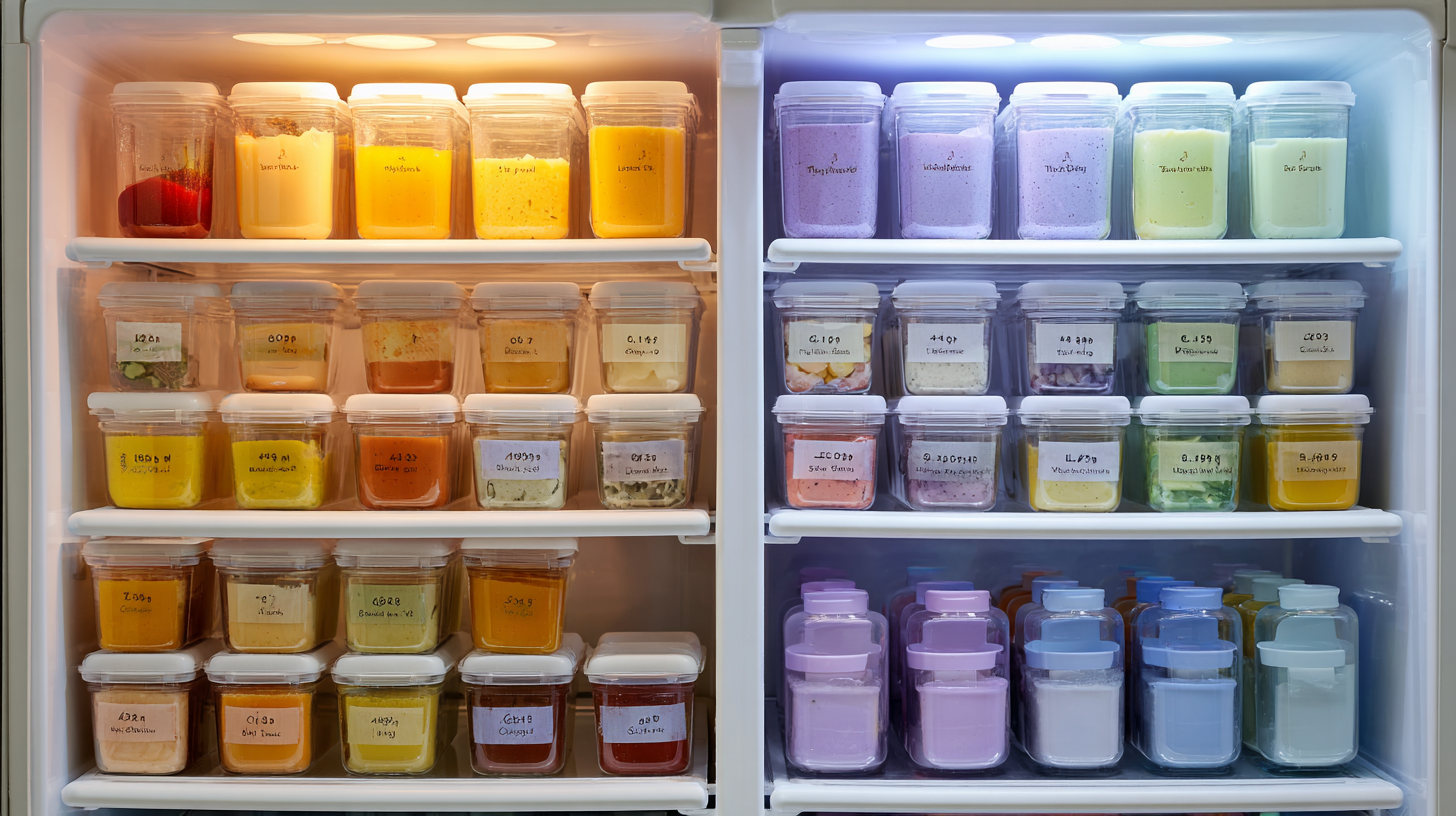
For freezing, I portion everything into single servings—this prevents repeated freeze-thaw cycles that degrade quality. Frozen purees maintain their nutrient content for up to 3 months when stored properly at 0°F or below. I label everything meticulously: date prepared, ingredient source, and a simple code for which batch it came from. This way, if I ever do get a concerning test result, I can trace it back to the specific supplier.
Thawing is just as important. I never microwave frozen purees (hot spots can destroy nutrients and create uneven heating). Instead, I move tomorrow’s portions from freezer to fridge the night before, letting them thaw slowly over 12-24 hours. If I forget, I use a warm water bath—sealed container in a bowl of warm water—which thaws evenly in 20-30 minutes. The traditional Caribbean way of cooking fresh daily is ideal, but modern batch cooking with proper storage is the next best thing.
Building Your Low-Contamination Ingredient Arsenal
After a year of testing, tracking, and cooking, I’ve built a go-to list of ingredients that consistently test lower for heavy metals while providing complete nutrition. These form the foundation of my weekly rotation, and I’m sharing them because this information shouldn’t be gatekept.
Grains & Starches: Oats (rolled or steel-cut), barley, quinoa, cornmeal, farine (cassava flour), millet, amaranth. I avoid rice except for basmati or jasmine varieties cooked with the drain method, and I serve it no more than 2-3 times per week. Brown rice has higher arsenic than white, so I skip it entirely for baby food.
Vegetables: Green leafy vegetables (callaloo, spinach), peas and beans (red peas, pigeon peas, lentils), squash varieties (calabaza, chayote), green bananas, breadfruit, and yes—root vegetables in moderation from trusted sources. I rotate root vegetables so no single type is served more than twice weekly. The key is variety and sourcing.
Proteins: Eggs (from pastured chickens), wild-caught fish (avoiding high-mercury species), organic chicken and turkey, beans and lentils. For Caribbean-style proteins, I use recipes like Ackee Adventure (12+ months), Guyanese Fish & Potato (12+ months), and Basic Mixed Dhal Pure—all found in the Caribbean Baby Food Recipe Book with detailed sourcing notes.
️ Smart Swap Challenge
See how easy swaps can slash heavy metal exposure by up to 60%
❌ High-Risk: Rice cereal daily
❌ High-Risk: Sweet potato from unknown source
❌ High-Risk: Unpeeled root veggies, basic rinse
Creating Your Weekly Rotation System
The single most effective strategy for reducing heavy metal exposure is rotation. Even clean sources can have occasional contamination spikes, but if you’re rotating ingredients and suppliers, your baby never gets repeated exposure from the same source. I use a simple spreadsheet (you can use a notes app or even paper) to track what I served each day and where it came from.
Here’s my weekly framework: Monday and Thursday I serve oat-based meals, Tuesday and Friday I use legumes (beans, lentils, split peas), Wednesday is quinoa or barley day, and weekends I rotate specialty grains or Caribbean staples like cornmeal porridge or farine. For vegetables, I make sure to hit all the color categories: dark leafy greens, orange/red vegetables, green vegetables, and occasional root vegetables from my trusted suppliers.
Proteins rotate similarly: eggs twice a week, fish once, poultry twice, and plant-based proteins (beans, lentils) fill the remaining days. This rotation naturally prevents over-reliance on any single ingredient while ensuring complete nutritional coverage. It’s more work than making the same three purees every week, but it becomes routine quickly. And honestly? My baby seems to enjoy the variety—no more bored face at the same sweet potato puree for the fifth day straight.
The Real Cost-Benefit Analysis
Let’s talk money because this matters. When I first started this journey, I worried that sourcing carefully and testing would break our budget. The reality? It’s added about $40-50 per month to our food expenses—less than two containers of organic store-bought baby food per week. The breakdown: $15-20 more for produce from farmers markets and specialty suppliers, $20 monthly for basic test strips (quarterly lab testing adds $100 every three months), and $10 for better storage containers.
Compare that to the cognitive and developmental benefits of reducing heavy metal exposure during critical brain development, and it’s not even a question. Plus, batch cooking saves so much time that I’ve actually cut our food waste and overall grocery bill. I’m using every bit of produce, cooking once for multiple meals, and my baby is eating a more diverse, nutrient-rich diet than I could have managed with daily cooking or store-bought pouches.
And here’s something I didn’t expect: this approach has changed how our entire family eats. My partner and I now eat the same Caribbean-inspired meals I make for the baby, just seasoned more boldly. We’re all eating cleaner, more varied diets. The Caribbean Baby Food Recipe Book includes family meal adaptations for every recipe, so you’re not cooking separate meals—you’re introducing your baby to the flavors that will make them excited about family meals for years to come.
Your Action Plan for Starting This Week
If all this information feels overwhelming, start here: this week, make just three changes. First, swap rice cereal for oat or multi-grain cereal. Second, choose one new ingredient source—visit a farmers market or try an organic brand you haven’t used before. Third, implement the peel-and-soak method for any root vegetables you prepare. These three changes alone can reduce heavy metal exposure by an estimated 30-40%.
Next week, add batch cooking with proper storage protocols. The week after that, start tracking your rotation. Within a month, you’ll have a complete system that feels natural and manageable. And every single step you take is protecting your baby’s developing brain and body in ways that compound over time.
The hardest part isn’t the doing—it’s the decision to start. Everything else is just recipes, routines, and small adjustments that become habits. You’re already here, reading this, which means you care enough to make changes. That’s the only ingredient that really matters.
What Changes When You Know Better
Three months into this new approach, my pediatrician commented that my baby’s developmental markers were “impressively ahead of schedule.” I can’t prove it’s because of reduced heavy metal exposure—so many factors influence development. But I can tell you that the mental load of worrying has completely lifted. I know exactly what’s going into my baby’s body, where it came from, and how it was prepared.
My baby eats Caribbean flavors—the taste of our heritage—without the contaminants that modern food systems have introduced. That feels like honoring tradition while using modern knowledge to protect the next generation. Every spoonful of cornmeal porridge, every bite of sweet callaloo and coconut milk, every taste of properly prepared yam carries both culture and care.
The truth is, you can’t eliminate risk entirely. But you can reduce it dramatically, and you can do it without sacrificing flavor, culture, or your sanity. Start small, stay consistent, and trust that every mindful choice adds up to something powerful: a childhood built on clean, nourishing food that supports every leap, word, and milestone to come.

Kelley's culinary creations are a fusion of her Caribbean roots and modern nutritional science, resulting in baby-friendly dishes that are both developmentally appropriate and bursting with flavor. Her expertise in oral motor development and texture progression ensures that every recipe supports your little one's feeding milestones while honoring cultural traditions.
Join Kelley on her flavorful journey as she shares treasured family recipes adapted for tiny taste buds, evidence-based feeding guidance, insightful parenting anecdotes, and the joy of celebrating food, culture, and motherhood. Get ready to immerse yourself in the captivating world of Kelley Black and unlock the vibrant flavors of the Caribbean for your growing baby, one nutritious bite at a time.
- The Feeding Revolution: Why Your Everyday Meals Are Changing the World - October 13, 2026
- Your Feeding Story Matters More Than The “Perfect” One Online - October 12, 2026
- Looking Forward: Stepping Into Your Confident Feeding Future - October 11, 2026