Batch Cooking Baby Food: The Complete Weekend Prep Guide That Saves You 10 Hours Every Week
Here’s something they don’t tell you in those baby books: You’ll spend approximately 728 hours in your baby’s first year just preparing food. That’s 30 full days of your life—gone. But what if you could get most of that time back?
I learned this lesson the hard way. There I was, 11 PM on a Tuesday night, frantically steaming sweet potatoes because I’d run out of baby food again. My daughter was crying, my husband was working late, and I was on the verge of tears myself. That’s when my Trinidadian grandmother called and asked a simple question: “Why you cooking one meal at a time, child? Batch it up like we do for curry and pelau.”
That single conversation changed everything. Within two weekends, I had a freezer stocked with a month’s worth of homemade baby food. No more midnight cooking sessions. No more panic. Just pull, reheat, and feed. Here’s the shocking truth: 60% of parents give up on homemade baby food within the first three months—not because they don’t want to do it, but because the daily grind becomes overwhelming. Batch cooking is the solution hiding in plain sight.
⏰ How Much Time Will YOU Save?
Click your baby’s feeding stage:
Why Batch Cooking Isn’t Optional Anymore
The baby food maker market hit $1.05 billion in 2023 and is projected to reach $1.8 billion by 2030. But here’s what the industry doesn’t want you to know: commercial baby food studies show that 60% of products fail WHO nutritional guidelines. Nearly all (99%) use misleading marketing practices that overestimate healthfulness. Seventy percent don’t meet protein recommendations, and 44% exceed sugar limits.
Meanwhile, homemade batch-cooked baby food gives you complete control over nutrition, costs about 65% less than store-bought options, and—when done right—takes less active time than you think. The key is understanding that batch cooking isn’t about spending your entire weekend in the kitchen. It’s about working smarter, not harder.
The working parent population continues to grow, with dual-income households now representing the majority of families with young children. We need solutions that respect both our desire to provide quality nutrition and our limited time. That’s where the weekend prep system comes in—a strategic approach that transforms chaos into calm.

The Weekend Warrior Strategy
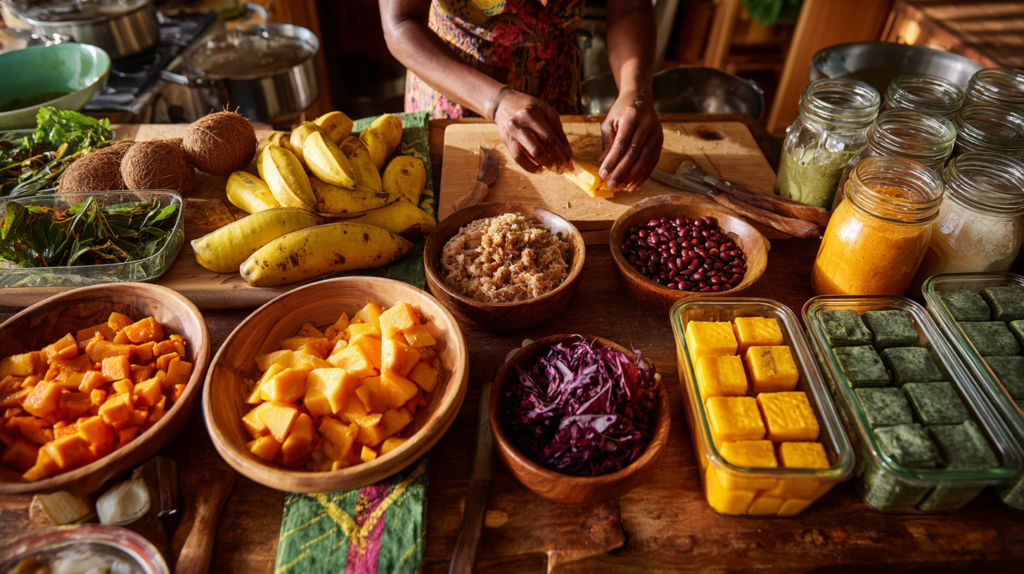
Real talk: You can prep an entire month of baby food in about 90 minutes. The secret is strategic timing and smart sequencing. Think of it like a relay race—while one thing cooks, you prep the next. My grandmother used to say, “The pot don’t need you watching it every second.” She was right.
Start by choosing 4-6 base recipes that freeze well. Root vegetables like sweet potatoes, malanga, and calabaza are your friends—they batch beautifully and hold texture like champions. For my Caribbean babies, I always include at least one plantain-based option (more on that later). Protein sources like beans, lentils, and well-cooked meats round out the nutrition profile.
Here’s the game plan that changed my life: Sunday morning, start your slow cooker with beans or a meat-based stew. While that’s going (3-4 hours), steam your vegetables in batches. Use a multi-tier steamer if you have one—game changer. By noon, you’re cooling and portioning. By 2 PM, you’re labeling and freezing. By 3 PM, you’re done for the month.
The most successful batch cookers prep 30-40 servings at once, focusing on iron-rich foods during the 6-8 month window when babies need it most. Think beef stew with sweet potato, dhal with spinach, or my personal favorite—coconut rice and red peas pureed smooth. If you’re looking for authentic Caribbean flavor combinations that babies actually love, the Caribbean Baby Food Recipe Book has over 75 recipes specifically designed for batch cooking and freezing, with detailed timing guides for each stage.
What’s Your Perfect Storage Container?
Discover your ideal storage system (click one):
Storage Containers and Labeling
Let me tell you about the $47 mistake I made. I bought cheap plastic containers that claimed to be “BPA-free” but started warping after two weeks in the freezer. The lids cracked, food got freezer burn, and I had to toss everything. That’s when I learned: containers are an investment, not an expense.
The gold standard is Glasslock baby food storage sets—4 rectangular and 4 round 5-ounce containers with snap-on lids. They’re freezer-safe, microwave-safe, and you can write directly on the lids with dry-erase markers. For maximum flexibility, add Babymoov silicone containers made from 94% plant-based material (sugar cane derived). They have rewritable surfaces and graduated measurements for perfect portioning.
But here’s the labeling system that actually works: Use a three-part label with food name, date prepared, and “use by” date. Pro tip from my mama: Add a tiny taste indicator too—”mild,” “medium spice,” or “sweet” helps you grab the right mood food when baby’s being picky. Color-coded lids help too: green for veggies, orange for proteins, yellow for fruits and grains.
For ice cube trays (perfect for early purees), the silicone ones with lids are worth their weight in gold. Each cube is typically 1 ounce—perfect for portion control. Once frozen solid, pop them into labeled freezer bags with air pressed out. Stack bags flat for space efficiency; my freezer went from chaotic to organized in one weekend.
❄️ How Long Can You Really Freeze That?
Click each food to reveal safe freezer storage times:
Freezing Guidelines That Actually Work
Here’s what pediatric nutritionists and Michigan State University Extension researchers agree on: proper freezing is the difference between nutritious meals and nutrient-depleted mush. The window between cooking and freezing matters more than most parents realize. You want to cool food quickly and freeze immediately.
The ice bath method is your best friend: Place your pot of cooked food into a larger container filled with ice water. Stir regularly to release heat. For items like rice or pasta, run them under cold water. Spread food into containers with larger surface areas (wide bowls beat tall containers) to increase cooling efficiency. Never put hot food directly into the freezer—it raises the temperature of everything else and creates ice crystals that destroy texture.
Store containers at the back of your freezer where temperature is most stable. Deep freezers are superior to regular freezer compartments because they maintain consistent temperatures without the fluctuation from daily door openings. Remove as much air as possible from storage bags to prevent freezer burn—that crystallized, dried-out look that ruins taste and texture.
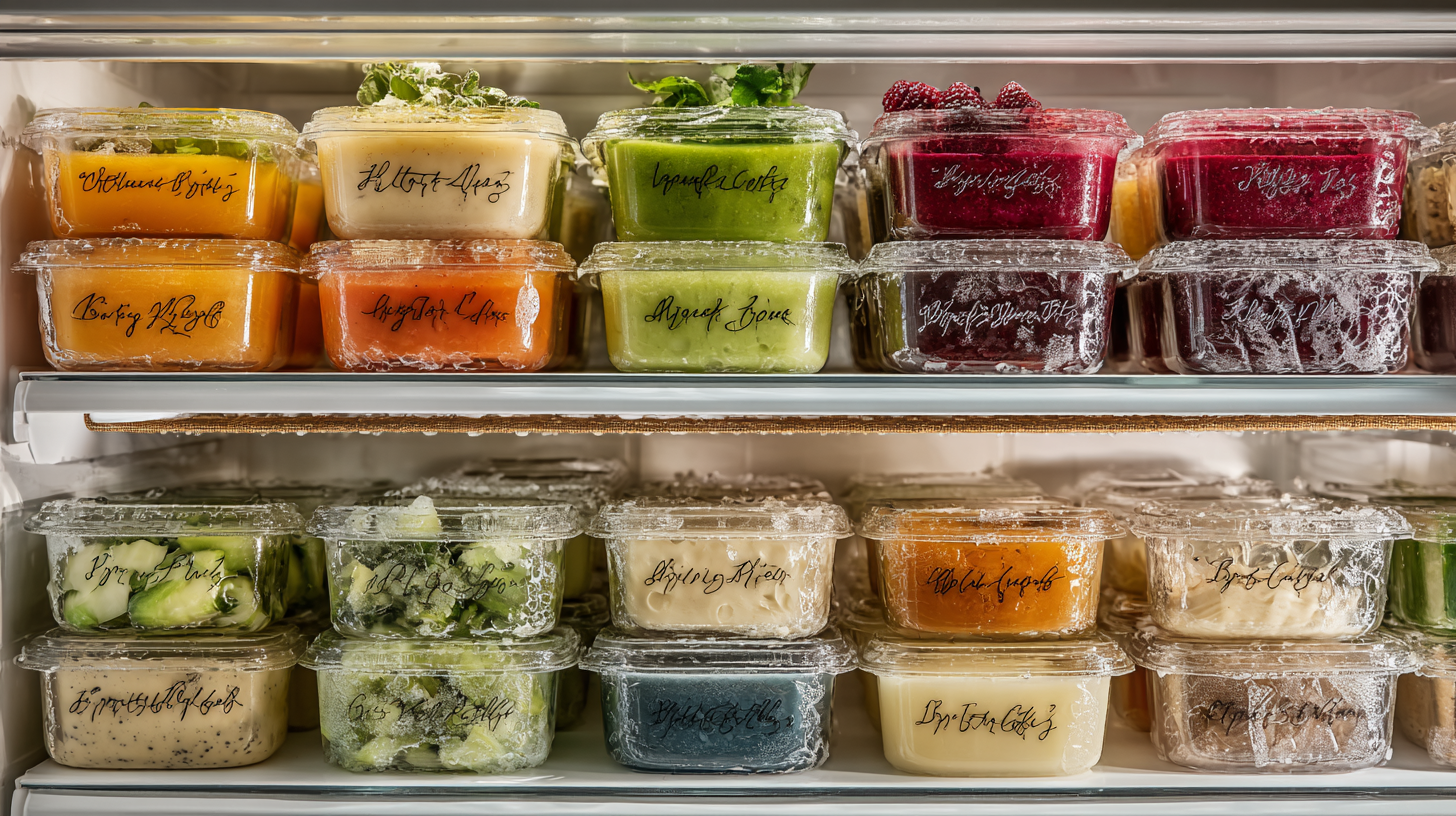
One truth bomb: fruits and vegetables can last up to 8 months in proper freezer storage, but meat, poultry, and fish-based meals should be used within 1-2 months maximum. Combination meals (like that amazing beef and sweet potato stew) follow the shortest-lived ingredient—so 1-2 months. The closer you stick to these timelines, the better the taste and nutrition preservation.
Research on freeze-thaw cycles shows that repeated freezing and thawing causes considerable moisture loss and damages cell membranes. Translation: thaw only what you’ll use that day. Never refreeze thawed baby food. This is non-negotiable food safety territory.
️ Is That Temperature Safe?
Click a reheating temperature to see if it’s safe for baby:
Texture Preservation Secrets
This is where most parents lose the game. You batch cook beautiful food, freeze it properly, but then it comes out mushy or watery or separated. The texture is off, baby refuses it, and you feel like you wasted your time. I’ve been there, friend. Here’s what I learned.
Different foods freeze differently. Root vegetables (sweet potato, yam, malanga, dasheen) are freezer champions—they maintain texture beautifully because their starch structure holds up well. Leafy greens like callaloo or spinach break down more, so blend them smooth before freezing or plan to use them in combination dishes. Rice and quinoa can get slightly mushy but work great in mixed meals where you’ll blend or mash anyway.
The secret Caribbean grandmothers know: add a tiny bit of coconut milk or coconut cream to vegetable purees before freezing. It helps maintain smooth texture and adds healthy fats that babies need for brain development. Just a teaspoon per 4-ounce serving makes a difference. For meat-based meals, ensure there’s adequate liquid (broth or sauce) to prevent drying out during freezer storage.
Plantains deserve special mention because they’re a batch-cooking superstar but require specific handling. Ripe plantains (the yellow-black ones) puree smoothly and freeze well with minimal texture change. Green plantains get slightly grainy when frozen, so they’re better used fresh or in combination dishes where texture variation doesn’t matter. The recipes in the Caribbean Baby Food Recipe Book include detailed texture preservation notes for every ingredient, including our beloved plantains, mangoes, and calabaza.
Freeze-thaw studies show that proper cooling before freezing is the single biggest factor in maintaining texture. That’s why the ice bath method matters so much. Quick cooling creates smaller ice crystals that cause less cell damage. Slow cooling in the fridge creates large crystals that tear through food structure, resulting in that waterlogged, mushy texture nobody wants.
What’s Your Batch Cooking Personality?
Pick your vibe to get your personalized strategy:
Reheating Safely Without Destroying Nutrition
FDA and CDC guidelines are crystal clear: reheat all baby food to 165°F, then cool to appropriate eating temperature. But here’s where it gets tricky—overheating destroys vitamins and creates hot spots that can burn baby’s mouth. The solution is methodical reheating with temperature checking.
The stovetop method gives you the most control. Use a small saucepan on low heat, stirring constantly. This ensures even heating without scorching. For frozen portions, you can reheat from frozen or thaw first—thawing in the refrigerator overnight is safest. Never thaw baby food on the counter; bacteria multiply rapidly at room temperature.
Microwave reheating is faster but requires extra care. Place food in a microwave-safe container, heat on 50% power in 30-second intervals, stirring thoroughly between each interval. The stirring is critical—microwaves create hot spots that could burn baby’s mouth even if the outside feels cool. Always test temperature on the inside of your wrist before serving.
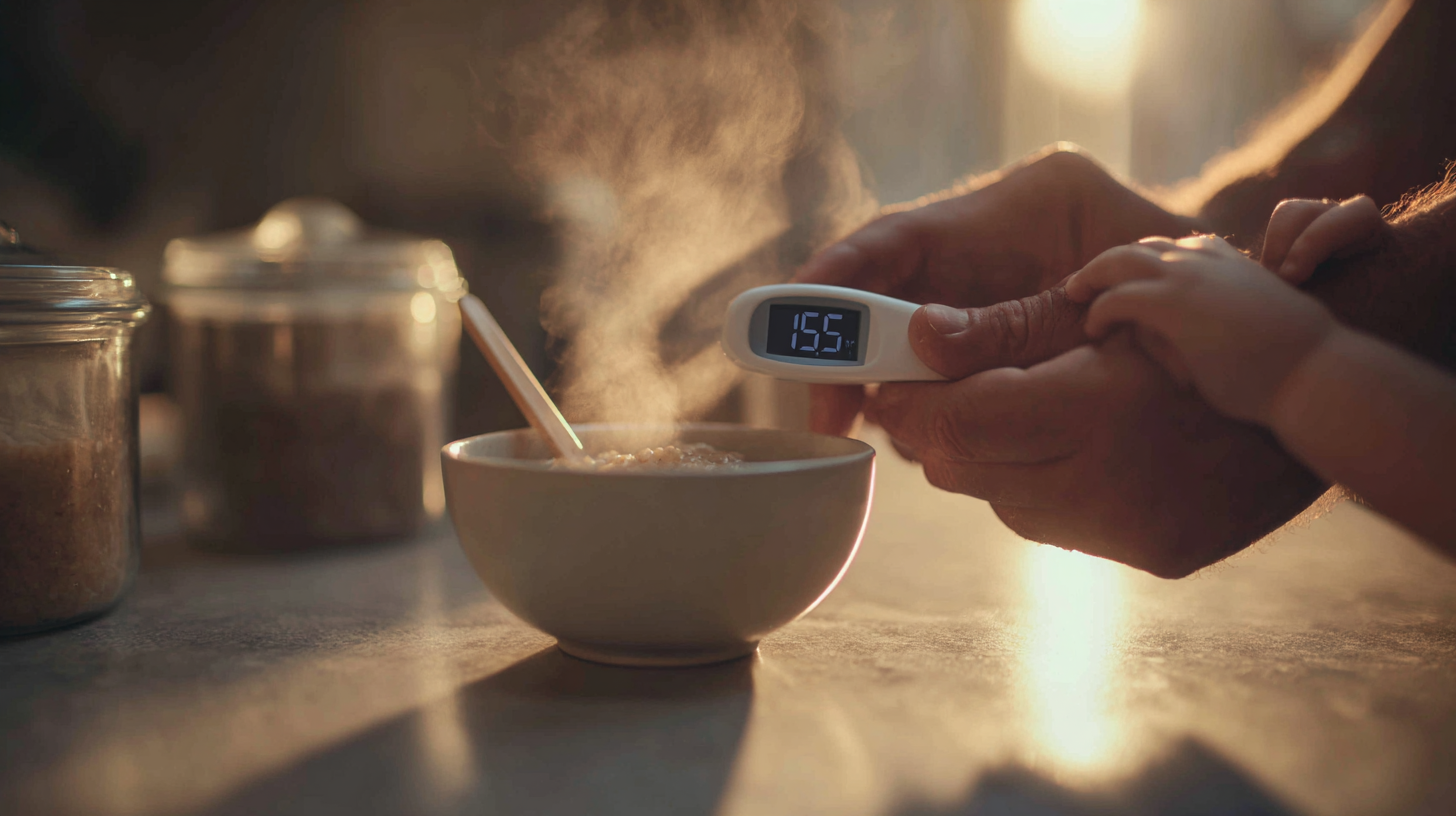
Water bath reheating is the gentlest method for preserving nutrients. Place your sealed container in a bowl of warm (not hot) water for 10-20 minutes, changing the water once if needed. This works beautifully for small portions and maintains texture better than other methods. It’s my go-to for delicate purees or when I’m not in a rush.
One rule with zero exceptions: never reheat baby food twice. Once you’ve reheated a portion, whatever baby doesn’t eat gets thrown away. Yes, even if it’s expensive or time-consuming to make. Bacteria from baby’s saliva can contaminate the food, and subsequent reheating won’t make it safe. This is why portioning correctly from the start matters so much.
️ Your Perfect Caribbean Batch Recipe
Select ingredients you have on hand:
The Caribbean Advantage
Let me tell you why Caribbean ingredients are batch-cooking gold. Our traditional foods—plantains, sweet potatoes, beans, coconut milk, pumpkin (calabaza), dasheen, malanga—were designed by centuries of grandmothers to feed families efficiently. They store well, freeze beautifully, and pack serious nutritional punch.
Take the classic Coconut Rice & Red Peas. You can make a huge batch, portion it into 2-ounce servings, and freeze for up to 6 months. The coconut milk keeps it creamy even after freezing. The beans provide protein and iron. The rice gives sustained energy. It’s a complete meal in one container, and my daughter devoured it from 8 months straight through toddlerhood.
Plantain Paradise puree is another freezer superstar. Ripe plantains blended smooth with a touch of cinnamon and coconut milk—naturally sweet, no added sugar needed. Makes about 20 servings in one batch, each packed with potassium, vitamin A, and vitamin C. It’s the answer when baby refuses vegetables but you need nutrition into them.
Sweet Potato & Callaloo Rundown combines iron-rich leafy greens with beta-carotene-loaded sweet potato. The coconut milk makes it creamy and rich in healthy fats for brain development. One batch gives you 15-20 servings that freeze beautifully. This is the meal that got my daughter through her 9-month growth spurt when she couldn’t get enough food.
The real magic is in recipes that work for the whole family. When you’re batch cooking Stewed Peas or Cook-Up Rice, you blend a portion smooth for baby and serve the rest to everyone else. This is the strategy that saved my sanity—cooking once and feeding everyone. For detailed recipes with exact proportions, cooking times, and age-appropriate modifications, check out the Caribbean Baby Food Recipe Book with over 75 batch-friendly recipes organized by age and cooking method.
Your Month at a Glance
Here’s what a realistic monthly rotation looks like. Week 1 after your batch cooking session, you’re pulling from the freshest options—combination meals that include meat or fish (use these first). Week 2, you’re rotating through bean-based and vegetable purees. Week 3-4, you’re still good with root vegetables and fruit purees that have longer freezer lives.
The weekly reality check: plan for 3 meals per day plus 1-2 snacks depending on baby’s age. That’s roughly 25-30 servings per week. For a month, you need 100-120 servings. Sounds overwhelming until you realize that’s only 4-6 batch cooking recipes prepared in quantity. Suddenly it’s manageable.
I keep a simple rotation: two protein-based meals (like Guyanese Fish & Potato or Picadillo Suave), two bean/legume options (Basic Mixed Dhal or Coconut Rice & Red Peas), two vegetable combinations (Yellow Yam & Carrot Sunshine or Calabaza con Coco), and two fruit-based options (Papaya & Banana Sunshine or Guava combinations). That’s eight recipes total, each made in quantities of 15-20 servings.
My grandmother’s wisdom comes back again: “Variety doesn’t mean different every meal, child. It means rotation over time.” Babies actually thrive on some repetition—it helps them learn flavors and reduces pickiness. But rotating through 8-10 meals over the month provides plenty of nutritional diversity.
Making It Work for Real Life
Let’s get real about the challenges because batch cooking isn’t always sunshine and organized freezers. Some weeks you won’t feel like spending Sunday morning cooking. Some months your freezer will be too full. Some days baby will refuse everything you prepared and you’ll end up scrambling.
The solution isn’t perfection—it’s systems with flexibility. Keep 2-3 “emergency” store-bought pouches for genuine crisis days. Maintain a rotation of fresh fruits that require zero prep (banana, avocado, mango) as backup options. Accept that some batches won’t turn out perfectly, and that’s okay. Learning happens through doing, not through waiting for perfect conditions.
What worked for me was starting small. My first batch cooking session was just two recipes—one vegetable, one fruit. Eight servings each. It took 45 minutes and filled one week. The confidence from that success pushed me to try more. By month three, I was confidently prepping full monthly supplies.
Time-saver truth: batch cooking saves an average of 8-12 hours per month once you get efficient. That’s time to sleep, exercise, work, or just sit down and breathe. For working parents, this isn’t luxury—it’s survival strategy. The baby food maker market growing at 11.3% annually tells us parents are desperate for solutions. Batch cooking is the solution that doesn’t require buying expensive equipment.
Partner involvement makes everything easier. My husband initially thought batch cooking was unnecessary until he had to handle dinner solo one night without prepped options. After that chaos, he became my biggest supporter, often handling the labeling and freezing while I cooked. Divide the labor however works for your household.
The Truth About What You’ll Actually Do
Here’s my final truth bomb: most parents who start batch cooking drop some version of it within three months. Not because it doesn’t work, but because they tried to be perfect. They aimed for elaborate recipes, Instagram-worthy containers, and zero mistakes. They burned out.
The parents who succeed are the ones who embrace “good enough.” They make simple recipes. They use whatever containers they have. They freeze food in ice cube trays and plastic bags until they can invest in better systems. They start with one weekly batch before attempting monthly prep.
You don’t need every piece of equipment. You don’t need fancy appliances. You need one good pot, a steamer basket, a blender or food processor, and containers that seal properly. Everything else is bonus. The wisdom of Caribbean cooking is that flavor comes from simple, quality ingredients prepared with intention—not from complicated techniques or expensive tools.
This journey is about finding what works for your family, your schedule, your kitchen, and your baby’s preferences. Maybe you batch cook twice a month instead of once. Maybe you prep only lunch and buy or make fresh for dinner. Maybe you focus on Caribbean flavors or maybe you create your own fusion. All of it is valid.
The only wrong choice is giving up on homemade food because you think it has to be done perfectly. There’s a middle ground between processed pouches three times daily and elaborate from-scratch meals at every feeding. Batch cooking lives in that middle ground—where nutrition meets practicality, where culture meets convenience, where parent sanity meets baby wellness.
You’ve got this. Start with one recipe this weekend. Just one. Steam some sweet potato, blend it smooth, portion it out, label it, freeze it. Watch how good it feels to open that freezer on Tuesday night and see meals ready to go. That feeling is what will motivate you to keep going. That feeling is why batch cooking isn’t just about food—it’s about reclaiming control in the beautiful chaos of parenthood.
Now if you’ll excuse me, I have a freezer full of Calabaza con Coco calling my name, and a toddler who’s decided today is a “only orange food” kind of day. Thank goodness for batch cooking. And thank goodness for Caribbean flavors that make this whole journey more delicious.

Kelley's culinary creations are a fusion of her Caribbean roots and modern nutritional science, resulting in baby-friendly dishes that are both developmentally appropriate and bursting with flavor. Her expertise in oral motor development and texture progression ensures that every recipe supports your little one's feeding milestones while honoring cultural traditions.
Join Kelley on her flavorful journey as she shares treasured family recipes adapted for tiny taste buds, evidence-based feeding guidance, insightful parenting anecdotes, and the joy of celebrating food, culture, and motherhood. Get ready to immerse yourself in the captivating world of Kelley Black and unlock the vibrant flavors of the Caribbean for your growing baby, one nutritious bite at a time.
- The Feeding Revolution: Why Your Everyday Meals Are Changing the World - October 13, 2026
- Your Feeding Story Matters More Than The “Perfect” One Online - October 12, 2026
- Looking Forward: Stepping Into Your Confident Feeding Future - October 11, 2026